
DIY Bird Toys for African Greys: Intellectual Stimulation at Home

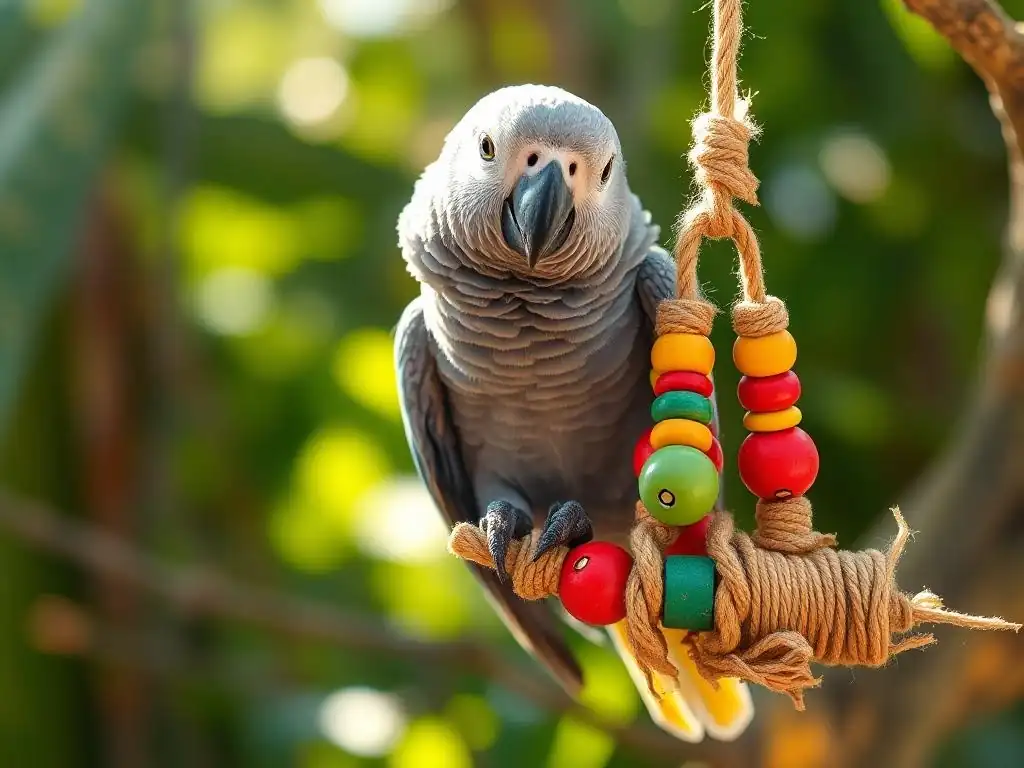
Welcome to PetCareWorld, your ultimate guide to a happier, healthier life for your beloved companion! Are you ready to unlock the secret to keeping your African Grey Parrot entertained and mentally stimulated? Discover how easy it is to create engaging and enriching DIY bird toys right at home, fostering a stronger bond with your feathered friend. Dive into our insightful guide on "African Grey bird toy DIY" and learn how to build the perfect playthings for your brilliant bird!
- Understanding Your African Grey's Enrichment Needs
- DIY Bird Toys for African Greys: Materials and Safety
- Easy DIY Bird Toys for African Grey Parrots: Step-by-Step Tutorials
- Advanced DIY Bird Toys for African Greys: Challenging Your Bird
- Maintaining and Replacing African Grey Bird Toys
- Enhancing Your African Grey's Playtime with DIY Toys
-
Frequently Asked Questions
- What makes African Grey parrots unique when it comes to toys?
- What materials are safe to use when making DIY toys for my African Grey?
- How can I ensure my DIY bird toy is stimulating enough for my African Grey?
- Are there any specific things I should avoid when creating DIY toys for my African Grey?
- Where can I find more inspiration for creating DIY African Grey bird toys?
- Final Reflection: Enriching Lives, One Bird Toy at a Time
- Unleash Your African Grey's Inner Einstein: Craft the Perfect Perch!
Understanding Your African Grey's Enrichment Needs
African Grey parrots are highly intelligent and social creatures requiring significant mental and physical stimulation to thrive. A bored African Grey can quickly become destructive, vocal, or even exhibit signs of feather plucking. Providing a stimulating environment is crucial not only for their happiness and well-being but also for their overall health.
This article focuses on creating engaging DIY bird toys specifically designed to meet the cognitive needs of your African Grey, helping you provide the intellectual stimulation they crave. We'll explore the importance of mental enrichment, common signs of boredom, and various DIY toy ideas to keep your feathered friend happy and healthy.
This guide will empower you to create stimulating and safe toys that cater to your African Grey's unique personality and preferences, offering a cost-effective and rewarding alternative to commercially available options. Let's dive into the fascinating world of African Grey enrichment and discover how simple DIY projects can make a world of difference.
The Importance of Mental Stimulation for African Greys
African Greys possess exceptional intelligence and problem-solving abilities. Without adequate mental stimulation, these intelligent birds can become frustrated and exhibit behavioral issues. Think of it like this: a human left with nothing to do all day would likely become restless and unhappy. Similarly, an African Grey parrot needs engaging activities to keep their sharp minds occupied.
Mental stimulation helps prevent boredom-related behaviors such as excessive screaming, feather plucking, self-mutilation, and destructive chewing. Providing a variety of toys and activities keeps their minds sharp, promotes positive behavior, and strengthens the bond between you and your bird. Studies have shown a strong correlation between environmental enrichment and reduced stress levels in captive African Greys, leading to improved overall health and longevity. Investing time in mental enrichment is an investment in your bird's well-being.
Common Signs of Boredom in African Grey Parrots
Recognizing the signs of boredom in your African Grey is the first step towards providing effective enrichment. While every bird is an individual, some common indicators include:
- Excessive screaming or vocalization: Constant, loud calls, especially at inappropriate times, can signal boredom and frustration.
- Feather plucking or self-mutilation: This is a serious sign of distress and often indicates underlying psychological issues stemming from lack of stimulation.
- Destructive chewing: Excessive chewing on cage bars, furniture, or other inappropriate items is a clear sign that your bird needs more engaging activities.
- Lethargy and inactivity: A bird that spends most of its time sitting passively without engaging in any activities may be bored and lacking stimulation.
- Appetite changes: Sudden changes in eating habits, either increased or decreased appetite, can sometimes be linked to stress and boredom.
- Aggression: Increased aggression towards you or other pets can be a manifestation of frustration and pent-up energy.
Remember, observing your bird's behavior carefully is key to identifying these signs early and addressing the underlying causes. A proactive approach to enrichment is far more effective than reacting to problems after they arise.
Types of Enrichment Activities for African Greys
Enrichment for African Greys should encompass a variety of activities to cater to their diverse needs. This includes:
- Foraging toys: These toys challenge your bird to work for their food, mimicking their natural foraging behavior. Examples include puzzle feeders, treat balls, and toys that require manipulation to access food rewards.
- Interactive toys: Toys that encourage interaction and play, such as swings, bells, and chew toys made from safe materials.
- Sensory toys: Toys that stimulate different senses, such as crinkle toys, textured perches, and toys with varying colors and shapes.
- Social interaction: Spending quality time with your African Grey, talking to them, playing games, and providing opportunities for social interaction are crucial aspects of enrichment. This could include training sessions or simply spending time near your bird engaging in quiet activities.
- Environmental changes: Occasionally rearranging your bird's cage or providing new branches and toys can also provide mental stimulation.
The key is variety. Rotating toys regularly prevents boredom and keeps your bird engaged and interested. Remember to always supervise your bird with new toys to ensure safety. The following sections will delve into specific DIY toy ideas perfect for stimulating your African Grey's mind.
DIY Bird Toys for African Greys: Materials and Safety
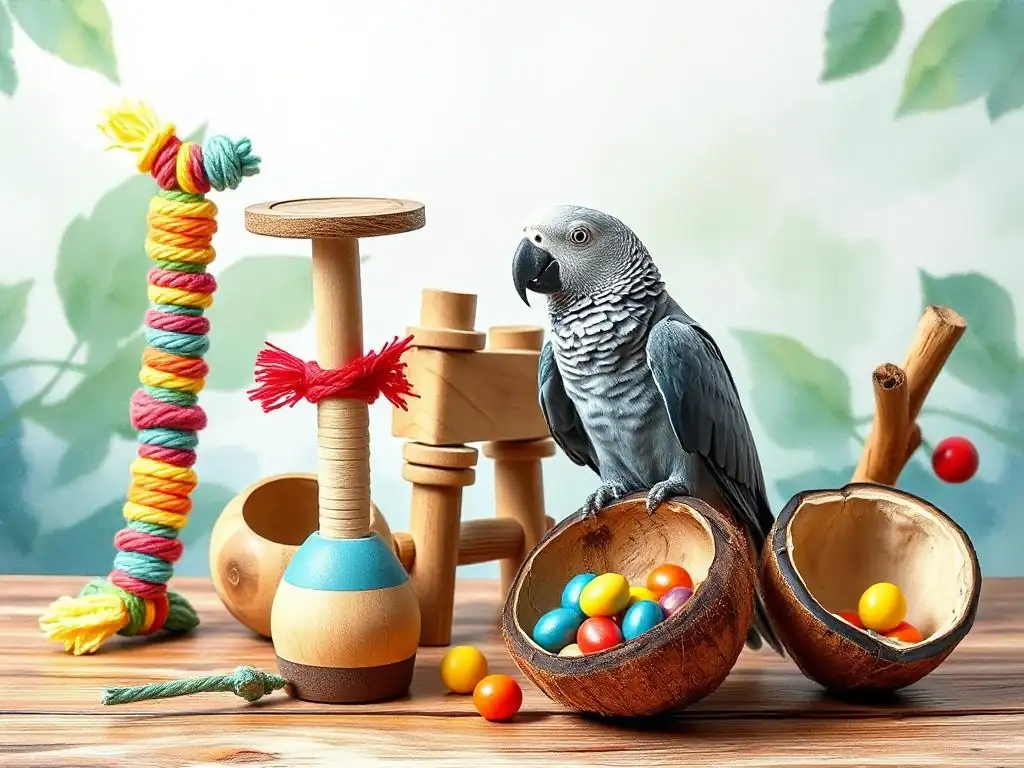
Creating engaging and safe DIY bird toys for your African Grey parrot is a rewarding experience. However, ensuring the safety of your feathered friend is paramount. Choosing the right materials and avoiding potential hazards is crucial for preventing injury and illness. This section focuses on material selection and the tools required for safe and effective DIY bird toy construction. Remember, always supervise your African Grey while it interacts with any new toy.
Safe Materials for African Grey Bird Toys
African Greys are intelligent and inquisitive birds, prone to chewing and exploring their environment. Therefore, material selection is critical. Prioritize natural, non-toxic materials that are durable enough to withstand vigorous chewing. Here are some excellent options:
- Untreated Wood: Hardwoods like oak, maple, and birch are ideal. Avoid softwoods like pine or cedar, as they can splinter easily and contain resins that may be harmful. Ensure the wood is completely untreated; no paints, stains, or preservatives should be present.
- Natural Fibers: Seagrass, sisal rope, and cotton rope are safe and stimulating options. Avoid synthetic fibers, as these can be toxic if ingested.
- Paper: Cardboard tubes (from toilet paper or paper towels) can be incorporated, but always supervise your bird to prevent ingestion of large pieces. Avoid glossy or coated paper.
- Leather Scraps: Small, soft leather scraps (ensure they are free from chemicals and dyes) can be included, but always monitor for excessive chewing and potential ingestion.
- Nutshells: Hard, clean nutshells (such as walnuts or coconuts) can provide a stimulating foraging challenge. Ensure they are completely clean and free from any residue.
Remember to thoroughly inspect all materials before incorporating them into your DIY bird toys. Discard anything that shows signs of damage, deterioration, or potential toxicity.
Avoiding Toxic Materials in DIY Bird Toys
Many common household items are toxic to birds. It's crucial to completely avoid these materials when crafting DIY toys for your African Grey. These include:
- Painted or Stained Wood: Paints, stains, and varnishes contain chemicals that can be extremely harmful if ingested.
- Plastic: Most plastics are not safe for birds and can be easily broken into small pieces, leading to choking hazards.
- Metals: While some metals might seem durable, many can be toxic if ingested or if the bird chews off small pieces. Avoid using galvanized metal or any metal with coatings.
- Synthetic Fabrics: Avoid nylon, polyester, and other synthetic fabrics. These can release harmful chemicals.
- Rubber: Many types of rubber can be toxic to birds.
- Treated Wood: Avoid any wood that has been treated with preservatives, pesticides, or other chemicals.
By diligently avoiding these toxic materials, you ensure the safety and well-being of your beloved African Grey. Always err on the side of caution when selecting materials. If you are unsure about the safety of a particular material, it's best to err on the side of caution and avoid it.
Tools and Equipment Needed for DIY Bird Toy Making
Having the right tools makes the DIY process easier and safer. Here's a list of essential tools for creating stimulating and safe African Grey bird toys:
| Tool | Purpose | Safety Precautions |
|---|---|---|
| Scissors/Wire Cutters | Cutting various materials like rope, cardboard, and wood (if necessary) | Use caution to avoid cutting yourself; supervise children if present. |
| Drill (optional) | Creating holes for attaching components | Use appropriate safety gear; never leave unattended. |
| Pliers (optional) | Bending wire or tightening fasteners | Handle with care to avoid injury. |
| Hot glue gun (optional) | Securing components together (ensure it cools completely before use) | Use caution to avoid burns; supervise children. |
| Sandpaper (optional) | Smoothing rough edges of wood | Use appropriate safety gear; avoid inhaling dust. |
| Measuring Tape/Ruler | Accurately measuring materials for consistent toy construction | Handle with care to avoid injury. |
Remember to always prioritize safety when working with tools. Supervise children closely and use appropriate safety precautions. With careful planning and attention to detail, you can create a variety of enriching and safe DIY bird toys for your African Grey parrot, enhancing its cognitive abilities and overall well-being. The process itself can be a fun bonding experience for you and your bird! 🐦
Easy DIY Bird Toys for African Grey Parrots: Step-by-Step Tutorials
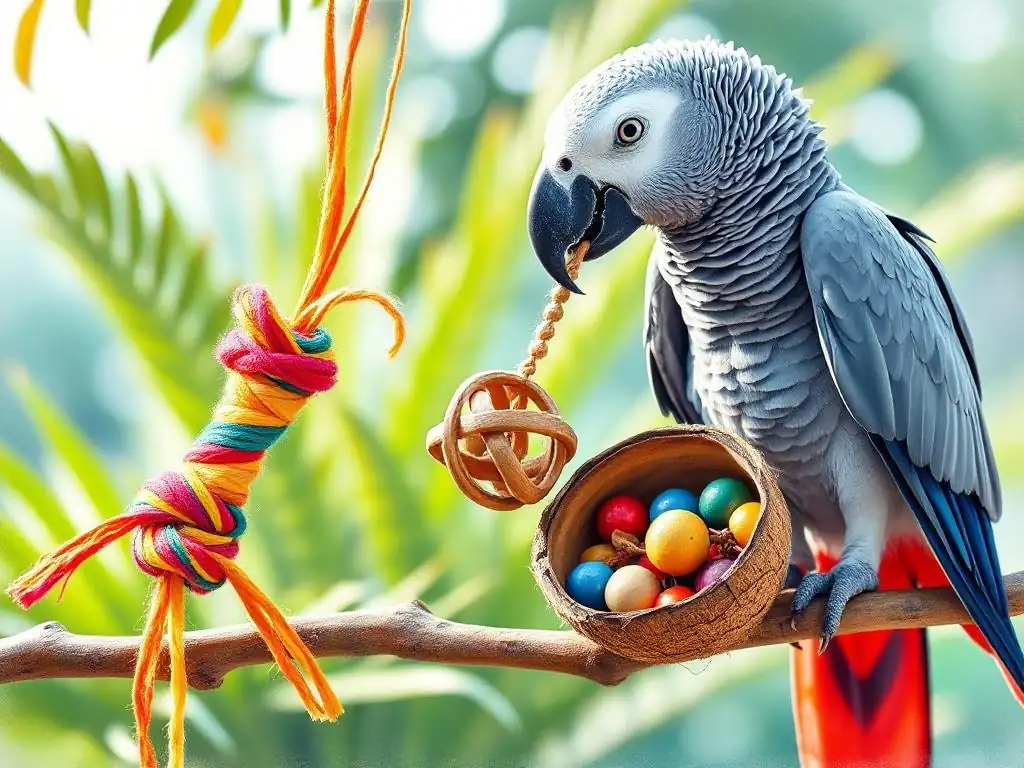
This section provides detailed instructions for creating stimulating and enriching DIY toys specifically designed for African Grey parrots. These toys cater to their high intelligence and natural foraging instincts, preventing boredom and promoting mental and physical well-being. Remember to always supervise your African Grey when interacting with any new toy. Safety is paramount! Improperly constructed toys can pose a choking hazard or lead to injury.
DIY Wooden Puzzle Toy for African Grey Parrots
This project uses readily available materials to create a challenging puzzle toy that encourages problem-solving skills in your African Grey. The complexity can be adjusted based on your bird's experience with puzzle toys.
Step 1: Gathering Materials and Tools
You will need:
- Small, untreated wooden blocks (ensure they are non-toxic and free from splinters – sanding is crucial!)
- Small, non-toxic nuts and bolts (various sizes for varying difficulty)
- Strong, non-toxic wood glue
- Screwdriver appropriate for the nuts and bolts
- Sandpaper (various grits for smoothing)
- Optional: Natural, non-toxic wood stain or paint (ensure it’s bird-safe)
Step 2: Assembling the Puzzle
- Start by carefully sanding all wooden blocks to remove any sharp edges or splinters. This is crucial for your bird's safety.
- Arrange the blocks in a way that creates a simple puzzle. For example, you could create a small tower or a simple interlocking structure. Experiment to find a design that challenges your bird but isn't frustratingly difficult.
- Secure the blocks together using wood glue and the nuts and bolts. Ensure the bolts are tightened securely but not so tight that they are difficult to undo. Allow the glue to dry completely before proceeding.
- Once dry, carefully sand any rough edges created during assembly.
Step 3: Adding Finishing Touches and Enrichment
- If desired, apply a thin, even coat of bird-safe wood stain or paint. Allow it to dry completely before giving the toy to your bird. Avoid using strong-smelling products.
- Consider adding small, safe treats or foraging items to the puzzle's crevices to further enhance the enrichment experience. Think small pieces of dried fruit, nuts (in the shell, if appropriate), or small, safe pieces of vegetables.
DIY Foraging Toy using Natural Materials for African Greys
This toy utilizes natural materials to stimulate your African Grey's natural foraging instincts. It encourages exploration and problem-solving, providing both mental and physical stimulation.
Step 1: Collecting Natural Materials
You will need:
- A sturdy, untreated branch (ensure it's from a non-toxic tree – avoid treated lumber or branches from poisonous plants!) Thoroughly clean it.
- Various safe, edible treats: Small pieces of nuts, seeds, fruits (ensure they are appropriate for your bird's diet and cut into appropriately sized pieces to prevent choking).
- Small, safe containers (such as small, clean, empty nut shells or small, bird-safe bowls) – these can be attached to the branch.
- Strong, natural twine or string (ensure it is bird-safe and won't unravel easily).
Step 2: Assembling the Foraging Toy
- Thoroughly clean the branch with warm water and a mild, non-toxic soap. Allow it to dry completely.
- Securely tie the small containers to the branch using the twine. Make sure the knots are secure to prevent the containers from falling off.
- Fill the containers with a variety of safe, edible treats. Vary the types of treats and the amount in each container to add an element of surprise and challenge.
Step 3: Enhancing the Foraging Experience
- You can further enhance the toy by weaving the twine or string through the branch, creating additional places for your bird to explore and forage.
- Consider hiding treats within the crevices of the branch itself.
- Observe your African Grey's interaction with the toy and adjust the difficulty as needed. You can add more or fewer treats, change the type of containers, or modify the placement of the containers to keep the toy challenging and engaging. Remember, variety is key to keeping your African Grey stimulated and happy! 🐦
DIY Paper Toy for African Grey Parrots: Safe and Engaging
African Greys are highly intelligent birds, and their mental stimulation is crucial for their overall well-being. A simple yet effective way to provide this stimulation is by crafting engaging toys from readily available materials like paper. This DIY paper toy is designed to be both safe and stimulating for your feathered friend, encouraging foraging and problem-solving skills. Remember to always supervise your African Grey while they play with any new toy, and replace it if it becomes damaged or soiled.
The inherent destructibility of this toy is part of its appeal—the process of tearing and shredding provides tactile enrichment. The use of non-toxic, brightly colored paper can add an extra layer of visual stimulation. Avoid using glossy or treated paper, as these can be harmful if ingested.
Step 1: Preparing the Paper Strips
Begin by gathering several sheets of heavy-duty, non-toxic colored paper. Avoid using newspaper or magazine paper, as the ink can be toxic to birds. Cut the paper into long, thin strips, approximately 1-2 inches wide and 12-18 inches long. The length can be adjusted based on your bird's size and preferences.
Consider using a variety of colors to increase visual appeal. You can also use different textures of paper, such as cardstock or construction paper, to add variety and complexity to the toy. The goal is to create a range of strips that offer different levels of resistance when being manipulated.
Step 2: Creating the Knots and Braids
This step involves creating a series of knots and braids to add complexity and interest to the paper strips. This is where the creativity comes in! You can create simple knots, intricate braids, or even combine both techniques. For example, tie a simple overhand knot approximately every 3-4 inches along the length of each strip.
Alternatively, you can braid two or three strips together, creating a longer, more durable toy. The knots and braids serve as points of interest, encouraging your bird to manipulate and explore the toy. The varying textures and resistance levels provided by the knots and braids also add to the sensory stimulation. Remember to leave some loose ends for easier manipulation by your bird.
Step 3: Assembling and Offering the Toy
Once you have created several knotted and braided paper strips, you can assemble them into a larger toy. This can be done by simply tying the ends of several strips together to create a cluster, or by carefully weaving them together to form a more intricate structure. Remember to leave enough loose ends for your bird to easily grasp and pull.
Before offering the toy to your African Grey, inspect it carefully to ensure there are no loose threads or small pieces that could pose a choking hazard. Always supervise your bird's playtime and remove any damaged or soiled pieces immediately. This simple yet engaging toy provides a safe and stimulating activity for your African Grey, promoting mental and physical well-being.
Observe your bird's interaction with the toy; this will help you understand their preferences and adjust your future creations accordingly. Remember, providing a variety of toys is key to keeping your African Grey mentally and physically stimulated. 🎉
Advanced DIY Bird Toys for African Greys: Challenging Your Bird
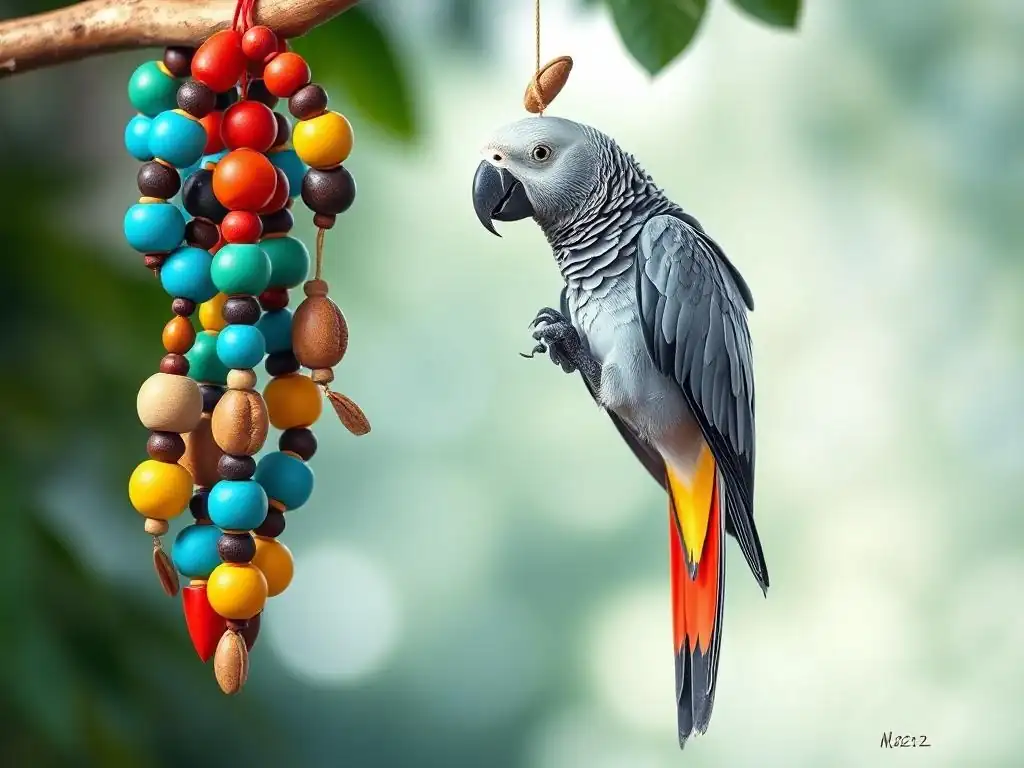
African Grey parrots are highly intelligent birds requiring significant mental stimulation to prevent boredom and behavioral problems. While simple DIY toys are a great starting point, creating advanced toys that challenge their problem-solving skills is crucial for their well-being. These advanced toys should incorporate multiple steps, varying textures, and unpredictable rewards to keep your African Grey engaged and intellectually stimulated for extended periods.
This section focuses on building more complex toys that go beyond the basics, targeting the specific cognitive abilities of these remarkable birds. The key is to understand your bird's current capabilities and gradually increase the difficulty of the puzzles. Remember to always supervise your African Grey during playtime with new toys to ensure safety.
Creating a Multi-Stage Foraging Toy for African Grey Parrots
Foraging is a natural behavior for African Greys, and creating a multi-stage foraging toy allows you to tap into this instinct. This type of toy requires your bird to complete several steps before accessing a reward, significantly enhancing the challenge. One example is a series of nested containers. Start with a large, easily opened container (perhaps a cardboard box with a flap) containing a smaller container.
Inside that, you can place another, smaller container, and finally, the treat at the very center. Each container should require a different method of opening – a flap, a lid, or even a simple knot to untie. You can vary the difficulty by using different materials and fastening methods.
Another idea is to use a series of interconnected tubes or pipes. Small holes in the sides of the tubes require your bird to use their beak and feet to manipulate the treats through the system, before they finally reach the reward at the end. Consider using safe, non-toxic materials like PVC pipes (ensure all edges are smooth and free of sharp points) or even sturdy cardboard tubes. Remember to always supervise your bird and ensure the tubes are securely fastened to prevent accidents.
The unpredictability of the foraging process is key to maintaining your bird's interest. Don't use the same sequence of containers or tubes every time; change it up to keep them guessing! This helps prevent boredom and encourages continued engagement.
Building a Complex Puzzle Toy with Multiple Challenges for African Greys
Moving beyond simple foraging, a truly complex puzzle toy for an African Grey should present multiple challenges simultaneously. This might involve combining different types of puzzles into a single toy. Imagine a wooden block puzzle with small compartments that require your bird to manipulate small levers or buttons to open them, revealing hidden treats. You could incorporate a small foraging element within the puzzle as well, placing treats within the compartments that are not immediately accessible.
Consider using different materials to add textural variety. Smooth wood, rough bark, and even soft fabric pieces can all be incorporated safely. Remember to thoroughly clean and sanitize all materials before construction. The key to a successful complex puzzle is to ensure each challenge is appropriately challenging but not impossible for your bird. Observe your bird's interaction with the toy and adjust the difficulty accordingly.
You can also introduce new challenges gradually. Start with a simpler version of the puzzle and slowly increase the complexity as your bird masters each step. The goal is to provide a stimulating and rewarding experience, not frustration. 🎉
Incorporating Natural Elements into Advanced African Grey Bird Toys
Integrating natural elements into your DIY bird toys adds another layer of enrichment. Natural materials offer a different texture and scent that can be very engaging for African Greys. For example, you can weave small branches or twigs into a foraging toy, creating a more natural and stimulating environment. Always ensure the branches are from non-toxic trees and are thoroughly cleaned and dried before use.
Consider using pine cones, which can be filled with small treats or hung from the cage. The challenge lies in extracting the treats from the intricate structure of the cone. Similarly, coconut shells can be hollowed out and used as containers for treats, adding a unique texture and scent to the toy. Remember to always supervise your bird and ensure the natural elements are safe and free of pesticides or other harmful substances.
The use of natural materials significantly enhances the sensory experience for your African Grey, making playtime more engaging and enriching. Remember to regularly inspect and replace worn-out or damaged natural elements to maintain safety. This will ensure your bird always has access to a stimulating and safe play environment.
Maintaining and Replacing African Grey Bird Toys
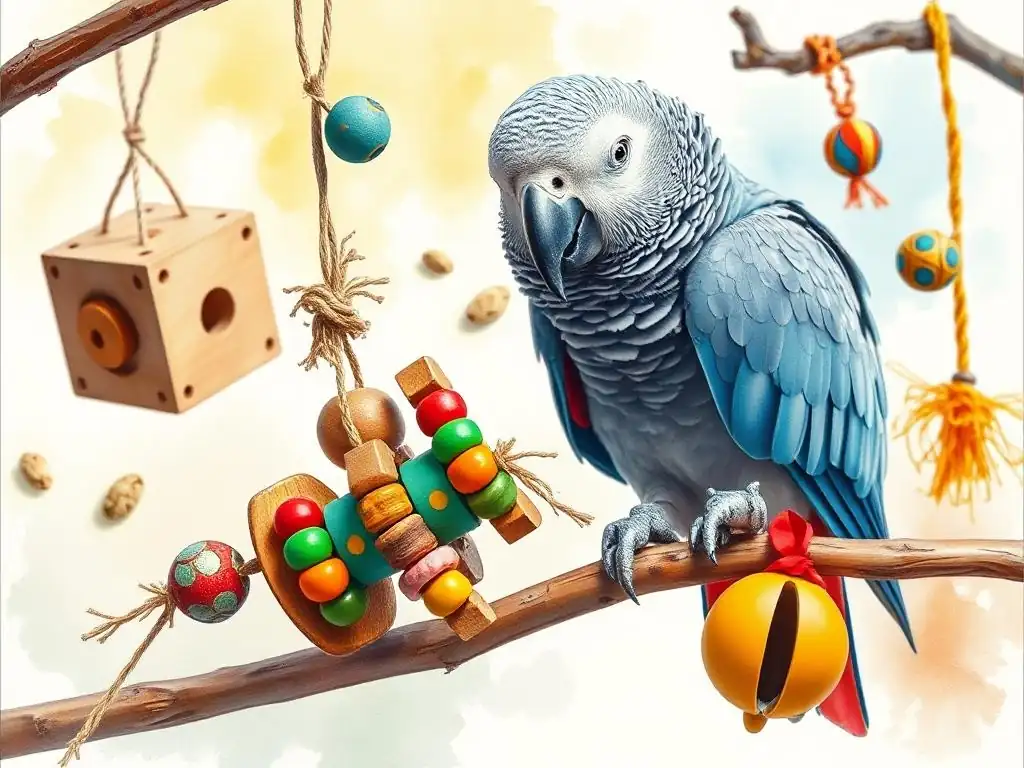
African Grey parrots are highly intelligent and require significant mental stimulation to prevent boredom and behavioral problems. While commercially available toys are an option, creating your own DIY African Grey bird toys offers a cost-effective and customizable approach to enriching their environment. However, maintaining and replacing these toys is crucial for ensuring their safety and continued effectiveness. Neglecting this aspect can lead to hazards for your beloved bird. This section details best practices for upkeep and replacement of your homemade African Grey bird toys.
Inspecting and Cleaning Your DIY Bird Toys
Regular inspection is paramount to the safety and longevity of your DIY African Grey bird toys. Aim to check your toys at least once a week, looking for signs of wear and tear. This includes checking for:
- Broken or loose parts: Small pieces can easily become choking hazards. Immediately remove any broken or loose components.
- Fraying ropes or fabrics: These can unravel and become entangled around your bird's feet or beak. Replace frayed materials promptly.
- Accumulated debris: Food scraps, droppings, and dust can accumulate on toys, potentially leading to bacterial growth.
- Deterioration of materials: Some natural materials, like wood, can rot or splinter over time. Inspect for any signs of decay.
Cleaning your African Grey's toys is just as important. The frequency depends on the material and how frequently the toy is used. Generally, a weekly cleaning is recommended. Use a pet-safe disinfectant, diluted according to the manufacturer's instructions, and thoroughly rinse before returning the toy to the cage. Always ensure the toy is completely dry before your bird interacts with it again. For wooden toys, consider using a mild, pet-safe soap and water solution and allow for thorough air drying. Avoid harsh chemicals and abrasive cleaners that could harm your bird.
Signs that Your African Grey Bird Toy Needs Replacing
Even with regular cleaning and inspection, your DIY African Grey bird toys will eventually need replacing. Recognizing the signs that a toy is no longer suitable is crucial for maintaining your bird's safety and continued engagement. Here are some key indicators:
- Significant damage: If the toy shows extensive damage, such as large splinters, major breaks, or extensive fraying, it's time for replacement.
- Loss of interest: If your African Grey consistently ignores a particular toy, it may have lost its appeal. Rotating toys and introducing new ones is vital for maintaining interest and preventing boredom, a key factor in an African Grey's well-being. This is a clear sign that the toy has served its purpose and should be replaced with a new, stimulating option.
- Unsafe materials: If you notice any signs of deterioration in the materials used, such as mold or mildew growth, discard the toy immediately. The safety of your African Grey is paramount.
- Excessive wear: Even without visible damage, excessive wear can make a toy less stimulating and even potentially hazardous. Replace toys that show significant wear and tear, even if they appear structurally sound.
Ideas for Rotating and Varying African Grey Bird Toys
Rotating your African Grey's toys is essential for maintaining their interest and preventing boredom. A variety of textures, shapes, sizes, and materials keeps them mentally engaged and physically active. Consider these strategies for rotating and varying your DIY African Grey bird toys:
| Toy Type | Material Examples | Enrichment Focus | Rotation Frequency (Weeks) |
|---|---|---|---|
| Foraging Toys | Nutshells, cardboard tubes | Problem-solving, foraging | 2-3 |
| Chewing Toys | Wood blocks, sisal rope | Beak and jaw exercise | 3-4 |
| Puzzle Toys | Treat balls, hidden treats | Cognitive stimulation | 1-2 |
| Sensory Toys | Crinkle paper, bells | Auditory and tactile stimulation | 2-3 |
Remember, the key to successful African Grey bird toy rotation is variety and novelty. By regularly introducing new toys and putting old ones away for a period before reintroducing them, you can keep your African Grey mentally and physically stimulated, leading to a happier and healthier bird. Remember to always prioritize safety and regularly inspect all toys for signs of wear and tear or damage. 🎉
Enhancing Your African Grey's Playtime with DIY Toys
African Grey parrots are highly intelligent and require significant mental stimulation to thrive. Boredom can lead to behavioral problems like feather plucking, screaming, and aggression. Providing your African Grey with a variety of engaging toys is crucial for their physical and psychological well-being. DIY toys offer a cost-effective and personalized approach to enrichment, allowing you to tailor the complexity and materials to your bird's specific preferences and abilities.
This section focuses on creating stimulating and safe toys using readily available household items. Remember, safety is paramount; always supervise your bird during playtime and replace any damaged toys immediately. By crafting stimulating toys, you contribute directly to a happier, healthier African Grey. This approach to providing "African Grey bird toy DIY" solutions offers a significant advantage over commercially available options, allowing for customization and cost savings.
Observing Your African Grey's Interaction with DIY Toys
Careful observation is key to understanding your African Grey's preferences and adjusting the difficulty of their toys. Note how long they interact with each toy, what aspects seem most engaging (e.g., chewing, manipulating, exploring), and any signs of frustration or disinterest.
For example, if your African Grey quickly dismantles a simple foraging toy, it suggests they need a more challenging puzzle. Conversely, if they avoid a complex toy altogether, you might need to simplify the design or introduce easier versions gradually. Keep a detailed log of your observations – a simple notebook or spreadsheet can be helpful. Record the date, the toy used, the duration of interaction, and your bird's reactions.
This data will inform your future toy-making endeavors, refining your approach to providing optimal enrichment for your individual bird. This systematic approach to understanding your bird's engagement with "African Grey bird toy DIY" creations is crucial for successful enrichment. Remember, the goal is to provide a stimulating yet manageable challenge. 🎉
Adjusting Toy Difficulty Based on Your Bird's Behavior
Adapting toy complexity is crucial for maintaining your African Grey's interest and preventing boredom. Start with simple toys and gradually increase the difficulty as your bird masters each challenge. Here's a suggested progression:
- Beginner: Simple foraging toys using paper cups, cardboard tubes, and easily accessible treats.
- Intermediate: Toys requiring more manipulation, like puzzles with sliding doors or hidden compartments. Consider using different textures and materials to add complexity.
- Advanced: Complex puzzles with multiple steps, requiring problem-solving skills to access treats. Incorporate different types of fasteners, such as knots, latches, or small bells.
Remember to always supervise your bird during playtime and remove any small parts that could pose a choking hazard. Regularly rotate toys to prevent your African Grey from becoming bored with the same options. A diverse range of "African Grey bird toy DIY" projects ensures continued mental stimulation. Don't be afraid to experiment with different materials and designs to find what works best for your individual bird.
The Benefits of DIY Toys for African Grey Enrichment
Creating DIY toys offers numerous advantages over store-bought options:
| Benefit | Description |
|---|---|
| Cost-Effectiveness | Significantly cheaper than purchasing numerous commercial toys. |
| Customization | Tailor toys to your bird's specific interests and abilities, ensuring optimal engagement. |
| Enhanced Bonding | The process of making toys strengthens the bond between you and your African Grey. |
| Increased Creativity | Encourages creativity and problem-solving skills in both you and your bird. |
| Reduced Boredom | Prevents boredom and reduces the risk of behavioral problems associated with lack of mental stimulation. |
| Environmental Friendliness | Often utilizes recycled materials, reducing waste and promoting sustainability. |
By understanding your African Grey's needs and preferences, you can create a stimulating and engaging environment using readily available materials. Remember, the key to successful enrichment is observation, adaptation, and a touch of creativity. The rewards of a happy, stimulated African Grey are immeasurable, making the effort of creating "African Grey bird toy DIY" options well worth it.
Frequently Asked Questions
What makes African Grey parrots unique when it comes to toys?
African Greys are incredibly intelligent and require complex, stimulating toys to prevent boredom and behavioral issues. They need toys that challenge their problem-solving skills and provide mental enrichment.
What materials are safe to use when making DIY toys for my African Grey?
Natural, untreated wood, stainless steel, and food-safe plastics are safe options. Avoid anything toxic, painted with lead-based paint, or small enough to be swallowed. Always supervise your bird during playtime.
How can I ensure my DIY bird toy is stimulating enough for my African Grey?
Incorporate different textures, shapes, and challenges. Think puzzles, foraging toys, and toys that encourage climbing and chewing. Variety is key to keep your bird engaged.
Are there any specific things I should avoid when creating DIY toys for my African Grey?
Avoid using toxic materials, small parts that could be ingested, and materials that could fray or unravel and pose a choking hazard. Always prioritize safety.
Where can I find more inspiration for creating DIY African Grey bird toys?
PetCareWorld offers many DIY toy ideas and tutorials specifically designed for African Greys. You can also find inspiration on other reputable pet websites and forums dedicated to parrot care.
Final Reflection: Enriching Lives, One Bird Toy at a Time
The creative act of building DIY bird toys for your African Grey isn't just about saving money; it's about forging a deeper connection with your feathered friend and ensuring their intellectual and emotional well-being in a world increasingly demanding of our attention. The simple act of crafting a stimulating toy translates into a profound impact on your bird's happiness and overall health.
The journey of creating these toys has been more than just a project; it's been a revelation of the intelligence and sensitivity of these magnificent creatures. Their engagement with thoughtfully designed toys, their playful exploration, and the sheer joy they express underscores the importance of providing enriching environments. A bird doesn't sing because it has an answer, it sings because it has a song.
– Chinese Proverb. This resonates deeply with the joy and expression we see in our African Greys when presented with stimulating challenges. It reminds us that their lives are rich with experience beyond simple sustenance, and that our role is to help them flourish.
Now, consider your own African Grey. What unique challenges and delights can you craft for them? What materials from your home can be transformed into engaging puzzles and playthings? Take the time to observe your bird's preferences and tailor your creations to their individual personalities. Remember, the most rewarding aspect of this journey isn't just the finished toy, but the bond you build with your companion through the process of creation and shared play. Embrace the opportunity to enrich their lives, and in doing so, enrich your own.
Unleash Your African Grey's Inner Einstein: Craft the Perfect Perch!
Thank you for exploring the world of DIY bird toys for your African Grey! We hope you've discovered how enriching these projects can be for both you and your feathered friend. Now it's time to put your newfound knowledge into practice.
- Craft your African Grey's dream toy today! Gather your supplies and begin building—remember to prioritize safe materials and engaging designs. Consider using natural, untreated wood or other bird-safe materials.
- Share your creations! Post pictures of your finished bird toys on social media using #GreyGeniusDIY and inspire other bird owners. Let's build a community of creative pet parents!
- Explore new and unexpected materials: Repurposing a sturdy cardboard box into a stimulating foraging toy is a great idea. You could also use natural branches, shredded paper, or even safe, untreated wood scraps.
Ready to see your African Grey's eyes light up with joy and engagement? What materials will you use to create your next avian masterpiece?