
Turkey Treats: A Guide to Feeding Your Turkey for Optimal Health

Welcome to PetCareWorld, your ultimate guide to a happier, healthier life for your beloved companions! Are you looking for ways to spoil your feathered friend this Thanksgiving? Then dive into our expert guide on Safe Turkey Treats for Birds, and discover how to incorporate this festive favorite into your bird's diet responsibly. Learn what to avoid and unlock the secrets to creating delicious and nutritious treats that will keep your bird chirping with joy. Let's explore the world of avian well-being together!
- Understanding Your Turkey's Nutritional Needs
- Safe Turkey Treats for Birds: A Comprehensive List
- Preparing and Serving Turkey Treats Safely
- Potential Hazards and Toxic Foods for Turkeys
- Creating a Balanced Diet Plan for Your Turkey
- Frequently Asked Questions about Turkey Treats
- Frequently Asked Questions
- Final Reflection: Nourishing the Bond: A Legacy of Healthy Habits
- Unlock Your Turkey's Health Potential!
Understanding Your Turkey's Nutritional Needs
Domestic turkeys, while seemingly simple creatures, have surprisingly complex nutritional requirements for optimal health and a long lifespan. Providing your turkey with a balanced and varied diet is crucial for preventing disease, maintaining strong bones and feathers, and ensuring a vibrant, happy bird. This guide delves into the specifics of creating a safe and nutritious diet for your turkey, focusing on the essential nutrients, appropriate food choices, and beneficial supplements.
Understanding these aspects will empower you to provide the best possible care for your feathered friend, helping them thrive and live a full, healthy life. We will explore what constitutes "safe turkey treats for birds," focusing on options that are both delicious and nutritionally beneficial. Remember, a well-nourished turkey is a happy turkey!
Essential Nutrients for Healthy Turkeys
Turkeys, like all birds, require a specific balance of nutrients to flourish. Their diet should include a variety of essential components:
- Proteins: Essential for muscle growth, feather development, and overall bodily function. Good sources include high-quality commercial turkey feed, insects (if allowed in your setup), and certain legumes. [Specific protein percentage recommendations pending]
- Fats: Provide energy and aid in the absorption of fat-soluble vitamins. Healthy fats can be found in seeds (like sunflower and pumpkin seeds – offered in moderation), and nuts (again, in moderation). Avoid excessive amounts of fatty foods.
- Carbohydrates: Supply energy for daily activities. These are readily available in grains like corn, oats, and wheat, which should form a significant part of their diet.
- Vitamins: Essential for various metabolic processes. Vitamins A, D, E, and K are particularly crucial. A balanced commercial feed usually provides these, but supplementation might be necessary depending on individual needs and the specific feed used.
- Minerals: Calcium is vital for strong bones and eggshell production (if your turkey lays eggs). Other essential minerals include phosphorus, sodium, and potassium. These can be supplied through a balanced diet and mineral supplements.
Failure to provide a balanced diet rich in these essential nutrients can lead to various health problems, including weakened immune systems, bone deformities, and feather loss. Always consult with an avian veterinarian to determine the precise nutritional needs of your turkey based on its age, breed, and overall health.
Turkey Diet: Grains, Vegetables, and Fruits
A diverse diet is key to a healthy turkey. While commercial turkey feed provides a foundation, supplementing with fresh foods adds variety and essential nutrients. Here's a breakdown of safe and beneficial food options:
| Food Category | Safe Options | Foods to Avoid | Notes |
|---|---|---|---|
| Grains | Corn, oats, wheat, barley | Moldy or spoiled grains | Offer in moderation, as a primary energy source. |
| Vegetables | Spinach, kale, carrots, squash, peas | Avocado, rhubarb, onions, garlic, chocolate | Introduce new vegetables gradually to avoid digestive upset. |
| Fruits | Berries (strawberries, blueberries), melon | Citrus fruits (high acidity), grapes | Offer in small amounts as a treat, not a staple food. |
| Other | Mealworms, grasshoppers (if appropriate) | Processed foods, sugary treats, salty snacks | These provide protein and essential fatty acids. Always ensure cleanliness. |
Remember to always wash all produce thoroughly before feeding it to your turkey. Introduce new foods gradually to monitor for any adverse reactions.
Supplements and Mineral Blocks for Turkeys
While a well-balanced diet should provide most essential nutrients, supplemental support may be beneficial, especially for growing turkeys or birds with specific health concerns.
- Mineral Blocks: These provide a convenient source of essential minerals like calcium, phosphorus, and other trace elements. Ensure the block is specifically formulated for turkeys and is readily accessible.
- Vitamin Supplements: Consult your avian veterinarian before adding any vitamin supplements to your turkey's diet. Over-supplementation can be harmful. A balanced diet is usually sufficient.
Monitoring your turkey's overall health, including weight, feather condition, and energy levels, is crucial. Any significant changes should prompt a consultation with a veterinarian to rule out underlying health issues or nutritional deficiencies. Providing a balanced diet and appropriate supplements is fundamental to ensuring your turkey enjoys a long and healthy life. Remember that providing variety and avoiding risky treats is key to keeping your bird happy and healthy! 🦃
Safe Turkey Treats for Birds: A Comprehensive List
This section details safe and nutritious treats for your turkey, focusing on options that contribute to their overall health and well-being. Remember to always introduce new treats gradually to monitor for any adverse reactions. A sudden dietary change can upset even the healthiest bird. Providing a varied diet is crucial for preventing nutritional deficiencies and promoting a vibrant, long life for your feathered friend. Always prioritize fresh, high-quality ingredients.
Healthy Fruits and Vegetables as Turkey Treats
Turkeys can enjoy a surprising variety of fruits and vegetables, offering essential vitamins and minerals. However, moderation is key; treats should supplement, not replace, a balanced diet.
Here's a list of safe options:
- Leafy Greens: Kale, spinach, collard greens (in moderation due to oxalic acid content) provide vital nutrients. Offer small amounts, chopped finely, to prevent choking.
- Berries: Blueberries, raspberries, and cranberries are excellent sources of antioxidants. Avoid overfeeding, as they are high in sugar.
- Carrots: A good source of beta-carotene, which converts to vitamin A. Offer in small pieces or grated.
- Sweet Potatoes: Cooked and cooled sweet potatoes provide fiber and nutrients. Avoid giving large quantities.
- Peppers: Bell peppers (red, yellow, orange) are safe and offer vitamin C. Remove seeds and chop finely.
Important Note: Always wash produce thoroughly before offering it to your turkey. Avoid giving avocados, onions, garlic, and rhubarb, as these are toxic to birds.
Safe Grains and Seeds for Your Turkey
Grains and seeds can be a part of a turkey's treat regimen, providing energy and essential nutrients. However, be mindful of the fat content and avoid overfeeding to prevent obesity.
This table summarizes safe options and considerations:
| Grain/Seed | Benefits | Cautions | Serving Suggestion |
|---|---|---|---|
| Oats (rolled) | Fiber, energy | Can cause digestive upset if overfed | Sprinkle a small amount over feed |
| Wheat Berries | Fiber, energy | Can be hard to digest; soak beforehand | Offer sparingly, pre-soaked |
| Corn (cracked) | Energy | High in fat; limit intake | A small handful as an occasional treat |
| Sunflower Seeds | Healthy fats, protein | High in fat; offer sparingly | A few seeds as a special treat |
| Pumpkin Seeds | Protein, healthy fats, fiber | High in fat; offer sparingly | A few seeds as a special treat |
Remember to choose whole grains and seeds over processed options.
Commercial Turkey Treats: What to Look For and Avoid
While homemade treats are ideal, commercially available options can offer convenience. However, careful selection is vital. Always check the ingredient list; avoid treats with artificial colors, flavors, preservatives, and added sugars. Look for treats that list whole grains, fruits, vegetables, and seeds as primary ingredients. Prioritize brands with a reputation for high-quality, bird-safe products.
Read reviews from other turkey owners to gauge the quality and safety of various commercial options. A good commercial treat will supplement your bird's diet, not replace it. Always monitor your turkey for any digestive issues or allergic reactions after introducing a new commercial treat. 🐔
Preparing and Serving Turkey Treats Safely
This section focuses on the crucial aspects of preparing and serving turkey treats to ensure your bird's safety and well-being. Improper preparation can introduce harmful bacteria or contaminants, leading to digestive upset or even more serious health issues. Always prioritize safety when providing supplemental foods to your feathered friend.
Washing and Cleaning Turkey Treats
Before offering any turkey treat to your bird, thorough cleaning is paramount. This is especially important if you're using leftover cooked turkey. Never give your bird raw turkey; the risk of Salmonella and Campylobacter contamination is simply too high. Even cooked turkey needs careful handling.
Follow these steps for safe preparation:
- Wash your hands: Thoroughly wash your hands with soap and warm water before handling the turkey.
- Clean the turkey: If using leftover cooked turkey, ensure it's free of any bones, skin, or seasonings that could be harmful to your bird. Remove any visible fat.
- Cut into manageable pieces: Cut the turkey into small, bite-sized pieces appropriate for your bird's size and beak strength. Avoid large chunks that could cause choking hazards.
- Cook thoroughly (if necessary): If using raw turkey parts intended for treats (ensure it's a safe part to begin with! ), cook them thoroughly to an internal temperature of 165°F (74°C) to eliminate harmful bacteria.
- Rinse (if necessary): If you've cooked the turkey yourself, consider a light rinse with clean water to remove any potential residue before serving. However, avoid excessive rinsing as this can lead to nutrient loss.
Remember, even with careful preparation, moderation is key. Turkey should only be a small part of a balanced and varied diet for your bird. Always supervise your bird while it's eating to ensure it doesn't choke or ingest anything harmful. Monitoring your bird's droppings can help detect any issues related to their diet.
Portion Control: How Much to Feed Your Turkey
Overfeeding, even with healthy treats like turkey, can lead to obesity, digestive problems, and nutritional imbalances in your bird. The amount of turkey you offer should depend on several factors, including your bird's species, size, age, activity level, and overall diet.
A good rule of thumb is to limit turkey treats to no more than 5-10% of your bird's daily caloric intake. This percentage can vary depending on the bird's needs and overall health. For example, a smaller bird will need a much smaller portion than a larger one. Always consult with an avian veterinarian for species-specific recommendations.
Here's a simple table to illustrate portion control guidelines (remember these are estimates and may not apply to all bird species):
| Bird Size | Approximate Daily Turkey Treat Amount (grams) |
|---|---|
| Small (e.g., Finch) | 1-2 |
| Medium (e.g., Cockatiel) | 3-5 |
| Large (e.g., Macaw) | 7-10 |
It's crucial to observe your bird's weight and body condition regularly. If you notice weight gain or changes in behavior, adjust the amount of turkey treats accordingly. Consult your avian veterinarian if you have any concerns about your bird's weight or overall health. Remember that a balanced diet rich in seeds, pellets, and fresh fruits and vegetables is crucial for your bird's well-being.
Introducing New Treats to Your Turkey's Diet
Introducing any new food, including turkey, into your bird's diet should be done gradually. Sudden dietary changes can upset their digestive system and cause discomfort. Start by offering a very small amount of cooked turkey (a tiny piece) and observe your bird's reaction.
Monitor your bird closely for any signs of digestive upset, such as diarrhea, vomiting, or lethargy. If you notice any adverse reactions, discontinue feeding the turkey and consult your avian veterinarian immediately. If there are no issues after a few days, you can gradually increase the amount of turkey offered over a period of 1-2 weeks.
Remember that a varied diet is essential for your bird's health. Turkey should be considered a supplementary treat, not a staple food. A diet consisting primarily of seeds can lead to nutritional deficiencies, so ensure your bird's diet also includes pellets and fresh fruits and vegetables. Providing a balanced diet is crucial for a happy and healthy bird. Always prioritize your bird's well-being and consult with an avian veterinarian for personalized advice on your bird's dietary needs. 🐦
Potential Hazards and Toxic Foods for Turkeys
Providing your turkey with safe and nutritious treats is crucial for their well-being. However, many common human foods and seemingly harmless treats can be toxic or cause digestive upset in turkeys. Understanding these potential hazards is the first step in ensuring your bird enjoys a long and healthy life. This section focuses on identifying dangerous foods and recognizing symptoms of illness, empowering you to make informed choices about your turkey's diet. Remember, prevention is always better than cure when it comes to your feathered friend's health.
Foods to Avoid: A List of Toxic Treats for Turkeys
Many foods considered safe for humans are dangerous for turkeys. Even small amounts can lead to serious health problems. Here's a list of foods to absolutely avoid giving your turkey:
- Avocado: Contains persin, a toxin that can cause vomiting, diarrhea, and respiratory distress.
- Chocolate: Contains theobromine, which is toxic to birds and can be fatal. Even small amounts are dangerous.
- Caffeine: Found in coffee, tea, and soda, caffeine is highly toxic to turkeys and can cause heart problems.
- Alcohol: Never, under any circumstances, give your turkey alcohol. It can be fatal.
- Onions and Garlic: These contain compounds that damage red blood cells, leading to anemia.
- Salt: Excessive salt intake can lead to dehydration and electrolyte imbalances. Avoid salty snacks and processed foods.
- Xylitol: This artificial sweetener is extremely toxic to birds and can cause a rapid drop in blood sugar.
- Rhubarb: Contains oxalic acid, which is poisonous to turkeys.
- Grapes and Raisins: These can cause kidney failure in turkeys.
- Dairy Products: Turkeys are not equipped to digest dairy products effectively. This can cause digestive upset.
This list isn't exhaustive, but it highlights some of the most common culprits. Always err on the side of caution. When in doubt, leave it out! Providing safe turkey treats for birds requires diligent research and careful planning. Remember, a healthy diet is the cornerstone of a healthy turkey.
Recognizing Signs of Food Poisoning or Illness in Turkeys
Knowing the symptoms of food poisoning or illness in turkeys is vital for prompt treatment. Early intervention can significantly improve the chances of a full recovery. Here are some key signs to watch out for:
- Lethargy: Is your turkey unusually sleepy or inactive?
- Loss of Appetite: A sudden decrease or complete loss of appetite is a major warning sign.
- Diarrhea or Vomiting: Changes in stool consistency or the presence of vomiting are clear indicators of digestive distress.
- Difficulty Breathing: Respiratory problems can be a sign of poisoning or infection.
- Tremors or Seizures: These are serious symptoms that require immediate veterinary attention.
- Feather Ruffling: A turkey fluffing its feathers excessively may be a sign of illness or discomfort.
- Swollen Eyes or Face: Inflammation can suggest an allergic reaction or poisoning.
- Dehydration: Check for dry mouth, sunken eyes, or lethargy.
If you notice any of these symptoms, it's crucial to act quickly. Don't wait for the situation to worsen. Seek professional advice immediately. The earlier you address the issue, the better the chances of a positive outcome for your beloved bird. Remember, prompt action is key to preventing serious complications.
When to Consult an Avian Veterinarian
While many minor ailments might resolve on their own, some situations demand immediate veterinary attention. Don't hesitate to contact an avian veterinarian if your turkey exhibits any of the following:
- Severe or persistent diarrhea or vomiting.
- Significant loss of appetite lasting more than 24 hours.
- Respiratory distress or difficulty breathing.
- Tremors, seizures, or other neurological symptoms.
- Sudden weight loss or lethargy.
- Suspected ingestion of a known toxin.
- Any signs of unusual behavior or illness.
Avian veterinarians possess specialized knowledge to diagnose and treat bird-specific illnesses. They can provide accurate diagnoses, prescribe appropriate medications, and offer guidance on managing your turkey's recovery. Don't compromise your turkey's health; seek professional help when needed. Your turkey's well-being is paramount. 🐦
Creating a Balanced Diet Plan for Your Turkey
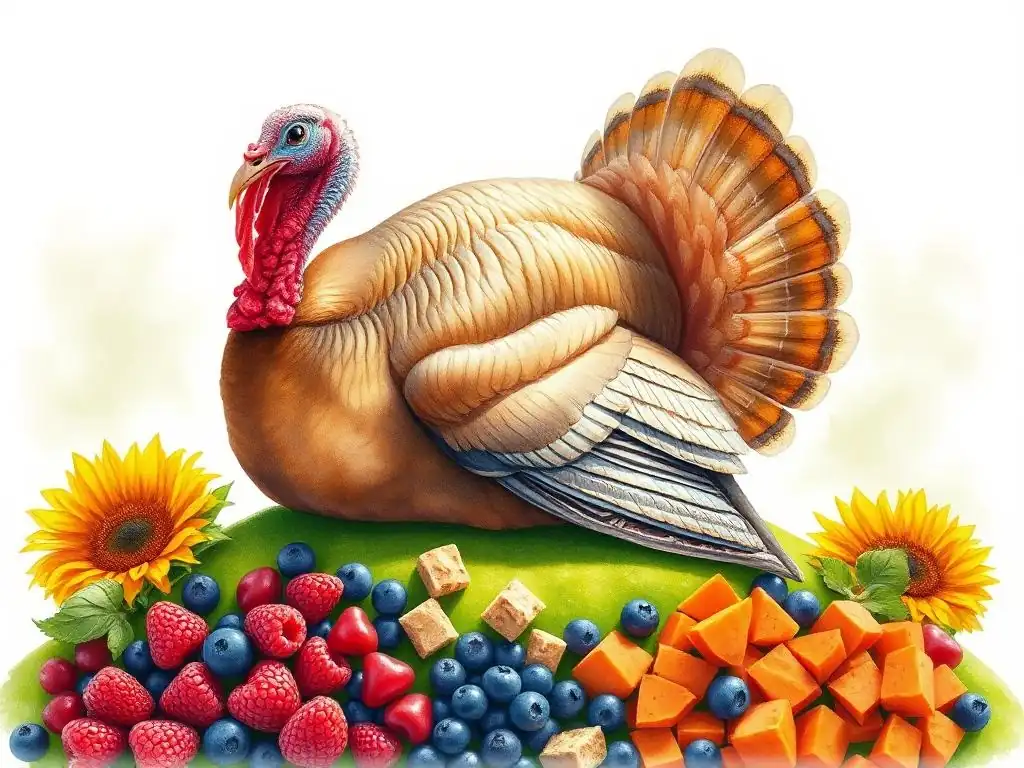
Creating a balanced diet plan for your turkey is crucial for its overall health and well-being. While commercial turkey feed provides a good foundation, incorporating a variety of safe and nutritious treats can enhance their diet and prevent nutritional deficiencies. Remember, moderation is key; treats should supplement, not replace, their primary food source. Overfeeding treats can lead to obesity, digestive issues, and other health problems.
Always consult with an avian veterinarian before making significant changes to your turkey's diet, especially if you have concerns about its health or specific dietary needs. They can provide personalized recommendations based on your turkey's breed, age, and health status. A balanced diet will encompass a variety of nutrients, including protein, carbohydrates, fats, vitamins, and minerals. Focusing solely on treats can lead to imbalances, so ensure that the bulk of their diet consists of high-quality commercial turkey feed.
Sample Weekly Turkey Treat Schedule
A well-structured treat schedule ensures your turkey receives a varied diet without overindulging. This sample schedule is a guideline; adjust portion sizes and frequency based on your turkey's individual needs and activity level. Remember to always supervise your turkey while it’s eating treats to prevent choking hazards.
| Day | Morning Treat | Afternoon Treat | Notes |
|---|---|---|---|
| Monday | Small handful of chopped vegetables | A few sunflower seeds | Variety is key! Offer different veggies each day. |
| Tuesday | Small piece of cooked sweet potato | A small piece of cooked pasta | Ensure all cooked foods are plain and unsalted. |
| Wednesday | A few blueberries | A small piece of apple (no seeds) | Avoid avocados and chocolate – these are toxic to turkeys. |
| Thursday | Small pieces of cooked chicken | A few mealworms | Cooked chicken should be plain, boneless, and skinless. |
| Friday | A few raspberries | A small piece of cooked carrot | Monitor for any signs of digestive upset after introducing new treats. |
| Saturday | Small handful of chopped herbs | A few pumpkin seeds | Parsley, cilantro, and dill are good options. |
| Sunday | Rest Day | Rest Day | Allow your turkey a day without treats to maintain a balanced diet. |
Remember to introduce new treats gradually to monitor for any allergic reactions. Always provide fresh water alongside treats. 💧
Incorporating Treats into a Complete Turkey Diet
Integrating treats into your turkey's diet requires careful planning. Treats should constitute only a small percentage (around 10-15%) of their daily caloric intake. The majority should come from a high-quality commercial turkey feed formulated to meet their nutritional needs. This ensures they receive the essential vitamins, minerals, and proteins necessary for optimal health.
Consider the nutritional value of the treats you offer; some are richer in certain nutrients than others. For example, mealworms are high in protein, while fruits and vegetables provide essential vitamins and fiber. A diverse range of treats helps ensure a well-rounded nutritional profile. Remember to always wash and thoroughly clean any fruits or vegetables before offering them to your turkey.
Monitoring Your Turkey's Weight and Health
Regular monitoring is crucial to ensure your turkey maintains a healthy weight and overall well-being. Weigh your turkey regularly (weekly or bi-weekly) using a pet scale to track any weight changes. Sudden weight loss or gain can indicate underlying health issues. Observe your turkey's droppings; changes in consistency, color, or frequency can also signal problems. Pay attention to your turkey's behavior.
Lethargy, loss of appetite, or unusual vocalizations should prompt a visit to the avian veterinarian. Maintaining detailed records of your turkey's weight, diet, and any observed changes can be invaluable in identifying and addressing potential health concerns promptly. Early detection is key to successful treatment. Remember, a healthy turkey is a happy turkey! 🦃
Frequently Asked Questions about Turkey Treats
This section addresses common concerns regarding the safe and healthy incorporation of treats into your turkey's diet. Remember, a balanced diet is crucial for your bird's overall well-being, and treats should supplement, not replace, their primary food source. Always consult with an avian veterinarian before making significant changes to your turkey's diet, especially if you have concerns about its health or specific dietary needs.
Can I give my turkey leftover human food?
No, generally speaking, you should not give your turkey leftover human food. Many human foods are toxic to turkeys. Even seemingly harmless foods can cause digestive upset or other health problems. For example, avocados contain persin, which is toxic to birds. Onions and garlic contain thiosulphates, which can damage red blood cells. Chocolate contains theobromine, a stimulant that is toxic to many animals, including turkeys. Similarly, caffeine and alcohol are extremely dangerous.
Here's a table summarizing some common human foods and their effects on turkeys:
| Food Item | Safe for Turkeys? | Potential Effects |
|---|---|---|
| Avocado | No | Vomiting, diarrhea, death |
| Onions & Garlic | No | Anemia, damage to red blood cells |
| Chocolate | No | Increased heart rate, seizures, death |
| Caffeine | No | Nervousness, tremors, heart problems |
| Alcohol | No | Depression, respiratory problems, death |
| Salt | In moderation | Dehydration, sodium ion poisoning |
| Bread | In moderation | Can lead to obesity if given excessively |
| Cooked Vegetables | In small quantities | Choose low-sodium, plain options; avoid spices |
Instead of table scraps, opt for commercially available turkey treats specifically formulated to meet their nutritional needs. These treats are designed to be safe and palatable, minimizing the risk of digestive issues or other health problems. Always check the ingredient list to ensure it's appropriate for your bird.
How often should I give my turkey treats?
Treats should be given sparingly. They should comprise no more than 5-10% of your turkey's daily caloric intake. Overfeeding treats can lead to obesity, nutritional imbalances, and other health problems. A good rule of thumb is to offer treats 1-2 times per week, in small quantities. Observe your turkey's weight and adjust the frequency accordingly. If you notice any weight gain or changes in behavior, reduce the number of treats.
Consider incorporating treats into training sessions or as a reward for good behavior. This positive reinforcement approach can strengthen your bond with your turkey while ensuring they receive treats in a controlled manner. Remember, moderation is key! Always prioritize a balanced and nutritious diet as the foundation of your turkey's health.
What are the signs of a healthy turkey?
A healthy turkey will exhibit vibrant plumage, bright eyes, and a clean bill. They should be alert and active, with a good appetite and regular bowel movements. Their droppings should be firm and well-formed, not watery or excessively loose. Any significant changes in your turkey's behavior, appetite, or droppings should be immediately addressed by consulting an avian veterinarian. Early detection of health problems can often lead to better outcomes.
Here's a checklist of signs indicating a healthy turkey:
- [x] Bright, alert eyes
- [x] Clean, well-groomed plumage
- [x] Active and playful behavior
- [x] Healthy appetite
- [x] Firm, well-formed droppings
- [x] Normal weight for its breed and age
Regular veterinary checkups are essential for maintaining your turkey's health and catching potential problems early. Your veterinarian can provide personalized advice on nutrition, appropriate treats, and overall care for your specific bird. Remember, proactive care is the best way to ensure your turkey enjoys a long and healthy life. 🦃
Frequently Asked Questions
Can I give my bird leftover turkey?
No, avoid giving your bird leftover turkey from your Thanksgiving dinner. It's often seasoned with harmful ingredients like salt, garlic, and onions. Stick to plain, cooked turkey.
What parts of the turkey are safe for my bird?
Plain cooked breast meat is the safest option. Remove all skin and bones before offering it to your bird in small quantities. Avoid dark meat, as it's higher in fat.
How much turkey should I feed my bird?
Turkey should only be given as an occasional treat, not a staple of their diet. A small piece, no larger than a thumbnail, is sufficient for most birds.
Are there any specific types of birds that shouldn't eat turkey?
While many birds can tolerate small amounts of turkey, it's best to consult an avian vet before introducing it to your bird's diet, especially for sensitive or young birds.
How should I prepare the turkey for my bird?
Ensure the turkey is fully cooked and completely free of seasonings, bones, and skin. Cut it into very small, bite-sized pieces to prevent choking hazards.
Final Reflection: Nourishing the Bond: A Legacy of Healthy Habits
Providing safe and nutritious treats for your turkey isn't just about avoiding illness; it's about fostering a deeper connection and ensuring a long, happy life for your feathered friend. The health and well-being of your turkey are directly reflected in its vibrant spirit and playful interactions, making responsible feeding practices paramount.
The journey of understanding optimal turkey nutrition is a continuous learning process, one that deeply impacts the bird's overall quality of life. It's about more than just survival; it's about enriching their existence with appropriate treats that enhance their natural behaviors and contribute to their overall happiness. The best things in life are simple, and the best care for your turkey is often found in the smallest details.
This simple truth underscores the importance of mindful feeding, moving beyond mere sustenance to a holistic approach to well-being.
Now, consider your own relationship with your turkey. What small changes can you implement today to ensure their continued health and happiness? Perhaps it's researching new, safe treat options, or simply taking a moment to observe their preferences and adjust your feeding accordingly. Embrace this opportunity to deepen your bond with your bird, one delicious and safe treat at a time. Let the journey of responsible feeding be a testament to your commitment to their well-being, creating a legacy of healthy habits that will enrich both your lives.
Unlock Your Turkey's Health Potential!
Thank you for learning about keeping your turkey happy and healthy! We hope this guide provided valuable insights into their nutritional needs. Now, let's put that knowledge into practice.
- Prioritize a balanced diet: Carefully review your turkey's current feed and make adjustments based on the recommendations provided, ensuring they receive all the essential nutrients. A veterinarian can also provide tailored dietary advice.
- Share your favorite turkey recipes and feeding tips in the comments below – let's build a supportive community of turkey owners!
- Schedule a wellness check-up with your veterinarian to address any health concerns.
What small changes will you implement today to improve your turkey's well-being?