
Beyond the Basics: What to Look for in a Qualified Avian Vet

Welcome to PetCareWorld, your ultimate guide to a happier, healthier life for your beloved companions! Are you ready to discover the secrets to providing the best possible care for your feathered friend? Then delve into our expert advice on finding the best avian vet qualifications—because choosing the right avian veterinarian is crucial for your bird's well-being. Unlock the knowledge you need to ensure your bird receives the highest quality care; explore our in-depth guide and learn what truly sets an exceptional avian vet apart.
- Understanding Avian Veterinary Expertise: Key Qualifications to Seek
- Beyond Certification: Assessing the Avian Vet's Experience and Skills
- Evaluating the Avian Veterinary Practice and Facilities
- Finding and Choosing the Best Avian Vet for Your Bird's Needs
- Specialized Care Considerations: Specific Avian Species Needs
- Ongoing Avian Healthcare: Maintaining Your Bird's Health and Well-being
-
Frequently Asked Questions
- What are the essential qualifications I should look for in an avian veterinarian?
- Are all veterinarians equally equipped to handle avian patients?
- What if my bird needs emergency care and I can't find an avian specialist nearby?
- How can I find a board-certified avian veterinarian in my area?
- What questions should I ask a potential avian veterinarian during a consultation?
- Final Reflection: Soaring to New Heights in Avian Care
- Unlock Your Bird's Best Health: Take Action Now!
Understanding Avian Veterinary Expertise: Key Qualifications to Seek
Finding the right veterinarian for your feathered friend is crucial for their health and well-being. Unlike general veterinary practices, specialized avian care requires a unique skill set and extensive knowledge. This article delves into the essential qualifications you should look for when searching for the best avian vet, ensuring your bird receives the highest quality of care. Navigating the world of avian veterinary medicine can be challenging, but understanding the key qualifications will empower you to make informed decisions and find a veterinarian who truly understands the specific needs of your bird.
We'll explore essential certifications, specialized training, and the importance of experience to help you find the perfect avian veterinary partner for your beloved companion. Choosing the right avian vet is an investment in your bird's long-term health and happiness. Let's explore what sets truly qualified avian vets apart.
Essential Certifications for Avian Veterinarians
Avian veterinary medicine is a specialized field, demanding a level of expertise beyond general veterinary practice. While a Doctor of Veterinary Medicine (DVM) degree is the foundational requirement, several certifications signify a commitment to advanced avian care. Look for veterinarians who hold board certifications from reputable organizations. These certifications demonstrate a significant investment in continuing education and a dedication to mastering the intricacies of avian health. The prestige and recognition associated with these certifications are a strong indicator of a veterinarian's competence and commitment to excellence.
For example, [specific certification body name and details pending] is highly regarded within the avian veterinary community. The process of obtaining these certifications often involves rigorous examinations and a proven track record of successful avian care. Don't hesitate to ask potential avian vets about their certifications and what they entail. This demonstrates your proactive approach to your bird's health.
Recognizing Specialized Training in Avian Medicine
Beyond basic certifications, look for evidence of specialized training and continuing education in avian medicine. This might include participation in advanced avian veterinary courses, workshops, or conferences. Avian medicine is constantly evolving, with new research and treatment methods emerging regularly. A commitment to ongoing learning indicates a veterinarian's dedication to staying current with the latest advancements. Furthermore, specialized training often involves hands-on experience with a diverse range of avian species and health issues.
This practical experience is invaluable in diagnosing and treating various conditions effectively. Ask your potential avian vet about their ongoing professional development activities. Their responses will reveal their dedication to staying abreast of the latest knowledge and techniques in avian care. Consider the breadth and depth of their training in relation to your specific bird's needs.
Experience Matters: Years of Practice and Caseload
While certifications and training are crucial, the experience a veterinarian possesses is equally important. Years of practice directly correlate with the breadth of cases encountered and the problem-solving skills developed. A veterinarian with extensive experience in avian medicine will likely have encountered and successfully treated a wider range of health issues. Inquire about the number of avian patients they've treated and the types of cases they regularly handle.
A substantial caseload specifically involving the type of bird you own is a strong indicator of their expertise. Moreover, consider seeking referrals from other bird owners or avian-focused organizations. Word-of-mouth recommendations can offer valuable insights into a veterinarian's experience and the quality of their care. Remember, your bird's health is paramount, and choosing an experienced avian veterinarian is a significant step towards ensuring their well-being.
Don't be afraid to ask detailed questions about their experience. An experienced vet will welcome your thoroughness. This demonstrates your commitment to your bird's health.
Beyond Certification: Assessing the Avian Vet's Experience and Skills
Finding a veterinarian certified in avian medicine is a crucial first step in ensuring your feathered friend receives the best possible care. However, certification alone doesn't guarantee expertise. The "best avian vet qualifications" extend beyond simple credentials; they encompass a wealth of experience and specialized skills honed over years of dedicated practice. This section will delve into the key aspects to consider when evaluating an avian veterinarian's experience and abilities. Understanding these nuances will empower you to make an informed decision about your bird's healthcare.
In-Depth Knowledge of Avian Anatomy and Physiology
Avian anatomy and physiology differ significantly from those of mammals. A truly qualified avian vet possesses an intimate understanding of these unique characteristics. This knowledge isn't merely theoretical; it's applied daily in diagnosis and treatment. Consider these specific areas of expertise:
- Respiratory System: Birds have a unique respiratory system, including air sacs and parabronchi. A skilled avian vet understands how these structures function, and how respiratory illnesses, such as aspergillosis, affect them. They should be able to diagnose and treat these conditions effectively.
- Digestive System: The avian digestive system, with its crop, proventriculus, and gizzard, presents unique challenges for diagnosis and treatment. A qualified avian vet will demonstrate a deep understanding of these complexities, allowing for precise identification and management of digestive issues.
- Skeletal System: Avian bones are pneumatic (air-filled), making them susceptible to specific types of fractures and injuries. A vet with strong avian expertise will be well-versed in diagnosing and treating these unique skeletal issues.
- Reproductive System: Understanding avian reproductive biology is crucial for managing breeding pairs, addressing reproductive issues, and providing appropriate care during egg-laying and incubation. Look for a vet who demonstrates this expertise.
Expertise in Diagnosing and Treating Common Avian Diseases
The best avian vet qualifications include a proven track record in handling common avian diseases. Beyond simply knowing the names of illnesses, they should demonstrate proficiency in accurate diagnosis and effective treatment. This includes:
- Bacterial and Viral Infections: Avian vets should be adept at identifying and managing bacterial infections (e.g., E. coli, Salmonella), as well as viral diseases (e.g., Psittacine beak and feather disease, avian pox). They should utilize appropriate diagnostic tools and prescribe effective medications while minimizing side effects.
- Parasitic Infections: Avian parasites can be difficult to detect and treat. A highly qualified vet will be experienced in identifying and eliminating various parasites, including mites, lice, and intestinal worms. They should also be knowledgeable about preventative measures.
- Nutritional Deficiencies: Proper nutrition is paramount for avian health. A skilled avian vet will be capable of diagnosing and addressing nutritional deficiencies, making appropriate dietary recommendations, and identifying potential underlying causes. This involves understanding the specific nutritional needs of various avian species.
Avian medicine is a specialized field requiring ongoing education and a commitment to continuous learning.
Proficiency in Avian Surgery and Procedures
Surgical interventions are sometimes necessary in avian medicine. The ability to perform these procedures safely and effectively is a hallmark of a highly qualified avian vet. This includes:
- Surgical Technique: Avian surgery requires specialized instruments and techniques due to the delicate nature of avian anatomy. Experienced avian vets possess the dexterity and precision necessary for successful surgical outcomes.
- Anesthesia: Proper anesthesia is vital for avian surgery and post-operative care. A qualified avian vet should possess a deep understanding of avian anesthetic protocols to minimize risks and ensure patient comfort.
- Post-Operative Care: Post-operative care is as critical as the surgery itself. This includes pain management, wound care, and monitoring vital signs to ensure a smooth recovery. A skilled vet will be proficient in all these areas.
| Procedure Type | Skill Required | Importance |
|---|---|---|
| Wing Fracture Repair | Precise bone setting, surgical technique | Restoring flight ability |
| Crop Surgery | Gentle handling, advanced surgical skills | Addressing crop impaction or other issues |
| Feather Plucking Surgery | Advanced diagnostic skills, surgical precision | Treating underlying medical conditions |
| Egg Binding Treatment | Gentle manipulation, medication administration | Preventing mortality in laying birds |
The selection of an avian veterinarian is a crucial decision. By focusing on experience, specialized knowledge, and proficiency in key areas, you can ensure your bird receives the highest quality of care. Remember, your bird's health and well-being depend on it. 🐦
Evaluating the Avian Veterinary Practice and Facilities
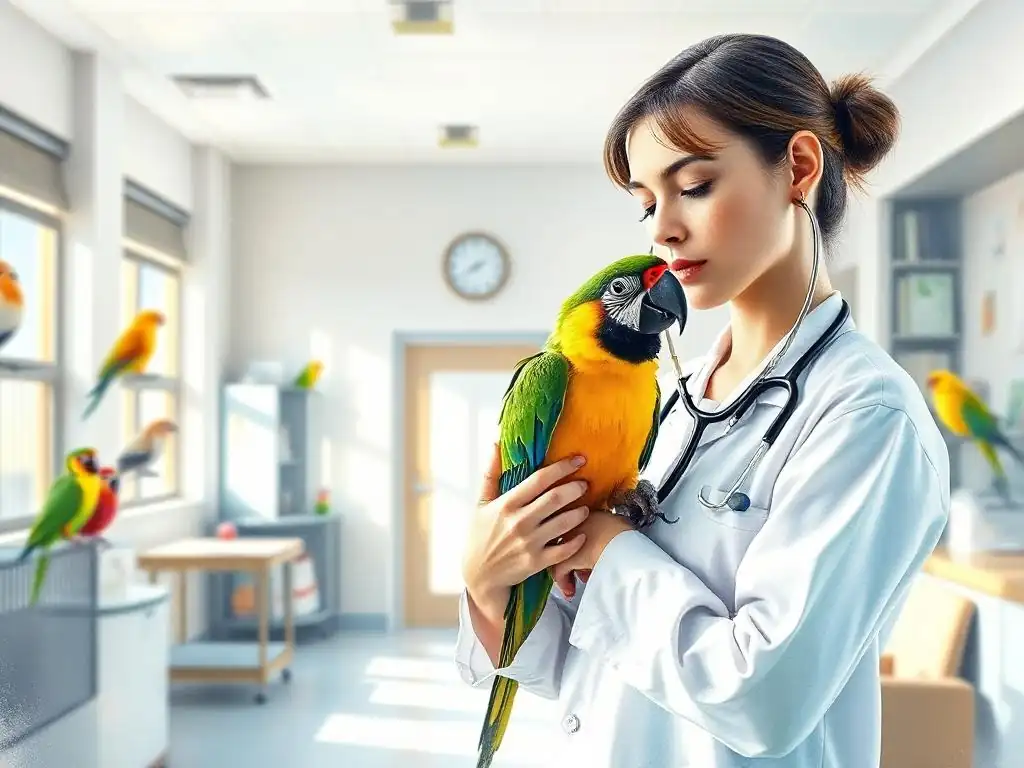
Finding the best avian vet qualifications isn't just about the veterinarian's credentials; it's also about the overall quality of the practice. A truly exceptional avian vet will not only possess the necessary expertise but will also operate within a facility equipped to handle the unique needs of avian patients. This section focuses on crucial aspects of the veterinary practice itself, beyond the individual veterinarian's qualifications. Remember, your bird's health and comfort depend on more than just the doctor's skills; the environment plays a significant role.
State-of-the-Art Diagnostic Equipment for Accurate Diagnosis
Accurate diagnosis is paramount in avian medicine, as many bird illnesses present subtle symptoms. A qualified avian vet should have access to advanced diagnostic tools to ensure prompt and precise identification of health issues. This is critical for timely intervention and improved prognosis. Look for practices equipped with:
- Digital X-ray: Essential for visualizing bone fractures, internal organ abnormalities, and foreign body detection. Modern digital X-ray systems offer superior image quality and reduce radiation exposure.
- In-house laboratory: The ability to perform blood work, fecal exams, and other diagnostic tests on-site ensures quicker results and minimizes stress on your bird during transport. Rapid results are especially crucial in emergency situations.
- Endoscopy: This minimally invasive procedure allows for internal examination of the respiratory, digestive, and reproductive tracts without major surgery. It's invaluable for diagnosing various conditions.
- Ultrasound: Useful for imaging internal organs, detecting masses, and monitoring egg development in breeding birds. High-resolution ultrasound provides detailed images for accurate assessment.
- Advanced blood analyzers: These provide comprehensive blood profiles, allowing for a detailed analysis of your bird's overall health status and the detection of subtle abnormalities.
A Clean and Safe Environment for Your Bird's Well-being
The veterinary clinic's cleanliness and safety protocols are crucial for preventing the spread of disease. Avian species are highly susceptible to infections, and a contaminated environment can exacerbate existing conditions or lead to new ones. Observe the following:
- Strict hygiene protocols: The clinic should maintain strict cleaning and disinfection procedures, including regular sterilization of equipment and surfaces. The presence of visible dirt or debris is a significant red flag.
- Separate avian areas: Birds should be kept in separate areas from other animals (mammals, reptiles) to minimize cross-contamination risks. Ideally, there should be dedicated avian examination rooms and holding areas.
- Proper ventilation: Good ventilation is essential to maintain air quality and prevent the buildup of airborne pathogens. Observe the overall air quality and look for signs of adequate ventilation.
- Stress-reducing environment: The clinic should strive to create a calm and quiet environment to minimize stress on your bird during its visit. Excessive noise or chaotic activity can negatively impact your bird's health. Observe how the staff handles the birds – gentle and calm handling is crucial.
Access to Specialized Avian Medications and Therapies
Avian medicine requires specialized knowledge and access to specific medications and therapies. A qualified avian vet should have a well-stocked inventory of avian-specific medications and access to advanced treatments. Consider the following:
- Availability of specialized medications: Certain medications are specifically formulated for avian species and are not suitable for other animals. Confirm the clinic's access to these specialized drugs.
- Access to advanced therapies: This might include oxygen therapy, fluid therapy, nutritional support, and specialized surgical procedures. The availability of these therapies indicates a higher level of care.
- Up-to-date knowledge of avian pharmacology: The veterinarian's knowledge of avian-specific drug dosages and potential side effects is crucial for safe and effective treatment. Ask about their experience with specific avian conditions and their approach to medication.
- Emergency preparedness: The clinic should have protocols in place to handle avian emergencies, including access to emergency oxygen and the ability to stabilize your bird before referral to a specialized facility if necessary. Inquire about their emergency procedures and capabilities. 🐦
This detailed evaluation helps you determine whether the veterinary practice provides the necessary environment and resources to support your bird's optimal health and well-being. Remember, choosing the right avian veterinarian is a crucial step in ensuring your feathered friend receives the best possible care.
Finding and Choosing the Best Avian Vet for Your Bird's Needs
Finding the best avian vet for your feathered friend requires diligent research and a discerning eye. While general veterinary experience is helpful, specialized avian expertise is crucial for ensuring your bird receives the appropriate care. The best avian vets possess a deep understanding of avian anatomy, physiology, and disease processes unique to birds. This understanding goes beyond simply treating common illnesses; it encompasses preventative care, recognizing subtle behavioral changes indicative of underlying health issues, and providing tailored nutritional advice. Remember, your bird's health is paramount, and choosing a qualified avian veterinarian is a cornerstone of responsible bird ownership.
Asking the Right Questions During Your Consultation
Your initial consultation is your opportunity to assess the veterinarian's knowledge and suitability for your bird's needs. Don't hesitate to ask pointed questions; a good avian vet will welcome your curiosity and readily answer them. Here are some key questions to consider:
- What is your experience with [your bird's species]? Knowing the vet's specific experience with your bird's breed is essential. Some avian vets specialize in certain species, such as parrots or smaller birds.
- What is your approach to avian diagnostics? Inquire about their diagnostic capabilities, including blood work, radiography (X-rays), and advanced imaging techniques. A comprehensive diagnostic approach is vital for accurate diagnoses.
- How do you handle avian emergencies? Understand their emergency protocols and availability. Knowing they can handle emergencies promptly is crucial for your bird's wellbeing.
- What is your philosophy on preventative care? Preventative care, such as annual check-ups and tailored dietary advice, is crucial for avian health. Discuss the vet's approach to this.
- What are your fees and payment options? Transparency in pricing is essential. Discuss payment plans and options if needed.
Beyond these specific questions, observe the veterinarian's demeanor. Do they seem genuinely passionate about avian care? Do they handle your bird gently and respectfully? These qualitative observations are just as important as the answers to your questions. The best avian vet will demonstrate a calm, confident, and compassionate approach to your pet. Remember, you are entrusting them with your bird's health and well-being. Choose someone who makes you feel confident and comfortable.
Gathering Recommendations and Reviews from Other Bird Owners
Leveraging the experience of other bird owners is invaluable in your search for the best avian vet qualifications. Online bird communities and forums are excellent resources. Engage with other bird owners, asking for their recommendations and insights. Look for consistent positive feedback and specific examples of positive experiences. Don't be afraid to ask detailed questions about their experiences, including the veterinarian's communication style, wait times, and the overall quality of care received.
Consider the following when evaluating reviews:
| Aspect | Positive Indicator | Negative Indicator |
|---|---|---|
| Communication | Responsive, clear, and patient communication | Unresponsive, unclear, or dismissive communication |
| Expertise | Demonstrated knowledge and experience with avian species | Lack of knowledge or experience with specific species |
| Treatment Quality | Positive outcomes, quick recovery times | Negative outcomes, prolonged recovery, or complications |
| Facility Cleanliness | Clean, well-maintained clinic | Dirty or poorly maintained clinic |
Remember that anecdotal evidence, while helpful, shouldn't be the sole basis for your decision. Always verify information and conduct your own thorough research.
Building a Strong Veterinarian-Client Relationship for Long-Term Care
Finding a good avian vet is only the first step. Cultivating a strong, long-term relationship is crucial for your bird's ongoing health and well-being. Open and honest communication is key. Don't hesitate to express your concerns or ask questions, no matter how small they may seem. A good veterinarian will value your input and work collaboratively with you to provide the best possible care for your bird.
Regular check-ups are essential, even when your bird appears healthy. These preventative visits allow the vet to monitor your bird's overall health, detect potential problems early, and provide tailored advice on nutrition, enrichment, and preventative measures. Consider your avian vet as a partner in your bird's care, working together to ensure a long, healthy, and happy life for your feathered companion. Building this trust and rapport will provide peace of mind knowing your bird is in capable hands. This proactive approach is a hallmark of responsible bird ownership and contributes significantly to your bird's overall well-being. 🐦
Specialized Care Considerations: Specific Avian Species Needs
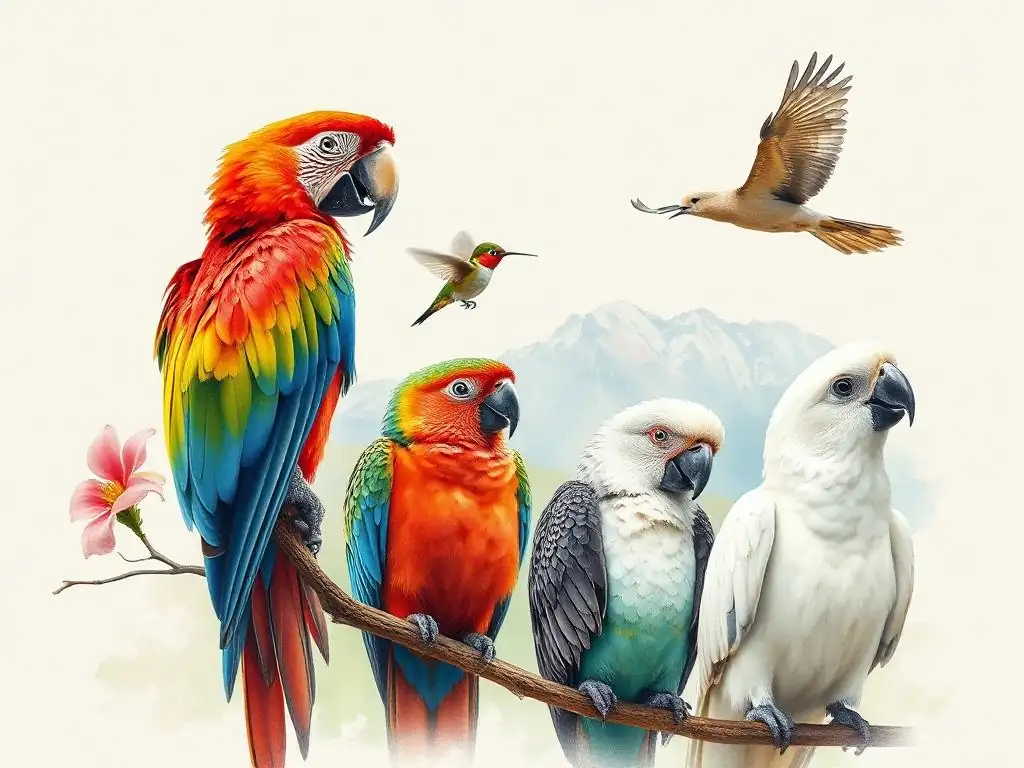
Finding the best avian vet qualifications often involves understanding that not all avian veterinarians are created equal. While a general avian vet can handle many common issues, certain species present unique challenges requiring specialized knowledge and experience. The best avian veterinarian for your pet will depend heavily on its specific needs. Let's delve into the specialized care requirements of some popular companion birds.
Cockatoos: Specialized Care Requirements
Cockatoos, known for their intelligence and affectionate personalities, also present unique veterinary challenges. Their susceptibility to certain diseases and behavioral issues necessitates a veterinarian with extensive experience in their care. For example, feather plucking is a common problem in cockatoos, often stemming from underlying psychological or medical issues. A qualified avian vet will be able to properly diagnose the root cause, whether it's nutritional deficiencies, hormonal imbalances, or environmental stress, and implement an appropriate treatment plan.
Furthermore, cockatoos are prone to specific viral and bacterial infections, requiring prompt and accurate diagnosis and treatment. A vet experienced with cockatoos will be familiar with these conditions and able to provide the best possible care. Consider looking for a veterinarian who specifically mentions cockatoo care on their website or in their practice description. They should also be able to discuss common health concerns for this species, such as:
- Proventricular Dilatation Disease (PDD): A debilitating and often fatal neurological disorder.
- Feather plucking: A complex behavioral problem requiring a multi-faceted approach.
- Bacterial infections: Such as Chlamydophila psittaci (avian chlamydiosis).
- Nutritional deficiencies: Leading to various health problems.
African Greys: Specialized Care Requirements
African Grey Parrots are renowned for their exceptional intelligence and ability to mimic human speech. However, this intelligence also makes them susceptible to psychological issues if their environmental enrichment and social needs are not met. An experienced avian vet will understand the importance of considering these factors when diagnosing and treating health problems in African Greys. These birds are also prone to specific health issues, such as:
- Psittacine beak and feather disease (PBFD): A viral infection affecting feathers and beak.
- Avian influenza: A highly contagious viral disease.
- Fatty liver disease: Often linked to an improper diet.
- Self-mutilation: A behavioral issue often linked to boredom or stress.
A qualified avian vet should be able to conduct thorough diagnostic tests, including blood work and radiographs, to identify and address these conditions effectively. They should also be well-versed in providing appropriate nutritional guidance to prevent and manage these health problems. The ability to manage chronic health conditions and provide ongoing support is crucial for the long-term well-being of an African Grey.
Amazon Parrots: Specialized Care Requirements
Amazon parrots, while generally robust birds, are still susceptible to a range of health problems. A skilled avian vet should be familiar with these common ailments and possess the diagnostic and treatment capabilities to address them effectively. Some conditions to be aware of include:
- Bacterial infections: Similar to other parrot species, they can be susceptible to Chlamydophila psittaci.
- Fungal infections: Such as aspergillosis, a respiratory disease.
- Metabolic bone disease (MBD): Caused by nutritional deficiencies.
- Egg-binding: A reproductive condition requiring immediate veterinary attention.
Beyond specific diseases, a good avian vet will be adept at recognizing subtle signs of illness in Amazon parrots and conducting thorough examinations. They should be able to explain treatment options clearly, answer your questions patiently, and provide ongoing support for your bird's health. Choosing a vet with experience handling Amazon parrots specifically will ensure your bird receives the most appropriate care, enhancing their quality of life and longevity.
Remember, proactive care and regular check-ups are essential for maintaining the health and well-being of your Amazon parrot. This includes discussing appropriate diet, environmental enrichment, and behavioral needs with your veterinarian.
Ongoing Avian Healthcare: Maintaining Your Bird's Health and Well-being
Finding the best avian vet qualifications is only the first step in ensuring your feathered friend thrives. Consistent and proactive healthcare is crucial for maintaining your bird's health and well-being throughout its life. This involves more than just addressing immediate illnesses; it's about building a strong foundation of preventative care and establishing a close relationship with your avian veterinarian. Think of it as an investment in your bird's longevity and quality of life. Neglecting regular care can lead to undetected health problems escalating into serious, and potentially fatal, conditions.
Importance of Preventative Care and Regular Checkups
Preventative care for birds is paramount. Regular checkups, ideally every six months for younger birds and annually for older, healthier birds, are essential. These checkups aren't just about reacting to problems; they're about proactively identifying potential issues before they become major concerns. During these visits, your avian vet will perform a thorough physical examination, assessing your bird's weight, plumage, droppings, and overall demeanor. They'll also check for any subtle signs of illness that you might have missed. Additionally, regular checkups allow for:
- Early detection of diseases: Many avian diseases, if caught early, are much more treatable. Regular checkups increase the likelihood of early detection, leading to better outcomes.
- Vaccinations: Certain vaccinations are recommended depending on your bird's species and location. Your vet can advise on the appropriate vaccination schedule.
- Parasite prevention: Birds are susceptible to various internal and external parasites. Preventative measures, such as deworming, can significantly reduce the risk of infestation.
- Nutritional guidance: Your vet can assess your bird's diet and recommend adjustments to ensure it receives the proper nutrients for optimal health.
- Behavioral assessments: Changes in your bird's behavior can be an indicator of underlying health issues. Your vet can help identify and address any behavioral concerns.
Think of these checkups as a form of avian health insurance – a small investment that can save you significant costs and heartache in the long run. The peace of mind knowing your bird is receiving optimal care is invaluable.
Recognizing Early Signs of Illness in Your Avian Companion
Recognizing early signs of illness in your avian companion is critical for timely intervention. While birds are masters at masking illness, subtle changes in their behavior or appearance can signal a problem. Be vigilant and learn to recognize these potential warning signs:
- Changes in droppings: Changes in consistency, color, or frequency of droppings can indicate digestive issues or other health problems.
- Lethargy or decreased activity: A sudden drop in energy levels or a decrease in usual playful behavior is a significant red flag.
- Changes in appetite or weight: A noticeable increase or decrease in food intake or a significant weight change should be investigated immediately.
- Respiratory issues: Wheezing, gasping for breath, or unusual sounds from the respiratory system require immediate veterinary attention.
- Plumage changes: Ruffled feathers, dull plumage, or excessive feather plucking can signal underlying health problems.
- Changes in vocalizations: A change in your bird's calls or a decrease in vocalization can be an indicator of illness or discomfort.
Remember, early detection is key. If you observe any of these signs, don't hesitate to contact your avian veterinarian immediately. Prompt treatment significantly improves the chances of a successful outcome. Early intervention can often mean the difference between a minor ailment and a serious, life-threatening condition.
Developing a Comprehensive Avian Healthcare Plan with Your Veterinarian
Developing a comprehensive avian healthcare plan with your veterinarian is essential for ensuring your bird receives optimal care throughout its life. This plan should be tailored to your bird's specific needs, considering factors such as species, age, and overall health. Your avian vet will be your primary resource in crafting this plan; collaborate with them to establish a proactive approach to your bird's well-being. This plan should incorporate:
- Regular checkups: As discussed earlier, regular checkups are the cornerstone of preventative care.
- Vaccinations: Discuss the appropriate vaccination schedule for your bird's species.
- Parasite prevention: Develop a strategy for preventing internal and external parasites.
- Nutritional guidance: Work with your vet to ensure your bird receives a balanced and appropriate diet.
- Emergency preparedness: Know where to go and what to do in case of an avian emergency. Have your vet's contact information readily available.
- Behavioral management: Address any behavioral concerns with your vet to ensure your bird's emotional and mental well-being.
By working closely with your avian veterinarian and following a comprehensive healthcare plan, you can significantly improve your bird's chances of living a long, healthy, and fulfilling life. Remember, a proactive approach to avian healthcare is an investment in your bird's happiness and longevity. This commitment to their well-being will strengthen your bond and enhance the joy of sharing your life with your avian companion.
Frequently Asked Questions
What are the essential qualifications I should look for in an avian veterinarian?
Finding a qualified avian vet requires looking beyond general veterinary experience. Seek a vet with board certification from the American College of Avian Medicine (AAAM), demonstrating specialized knowledge and skills in avian care. Years of experience specifically treating birds is also crucial.
Are all veterinarians equally equipped to handle avian patients?
No, avian medicine is a specialized field. While general practitioners may treat some bird ailments, a dedicated avian vet possesses the necessary expertise, equipment, and experience to handle complex cases and provide the best possible care. Specialized training is essential.
What if my bird needs emergency care and I can't find an avian specialist nearby?
In emergencies, contact your nearest veterinary clinic. Explain the situation clearly and ask if they have experience with birds, or if they can refer you to the closest avian specialist. While an avian vet is ideal, immediate care is important.
How can I find a board-certified avian veterinarian in my area?
The Association of Avian Veterinarians (AAV) website is an excellent resource. You can use their online search tool to locate board-certified avian veterinarians in your geographic area. Online directories and veterinary school websites can also be helpful.
What questions should I ask a potential avian veterinarian during a consultation?
Ask about their experience with birds, their diagnostic capabilities (e.g., in-house labs), and their approach to avian care. Inquire about their continuing education in avian medicine to ensure they stay up-to-date with the latest advancements. Don't hesitate to ask about their success rates.
Final Reflection: Soaring to New Heights in Avian Care
The health and well-being of our feathered companions depend critically on access to qualified avian veterinary care. Finding a vet truly equipped to handle the unique needs of birds is not simply a matter of convenience; it's a matter of life and death for these sensitive creatures. The information presented in this article underscores the urgent need for informed decision-making when selecting an avian veterinarian.
The impact of proper avian veterinary care extends far beyond the individual bird; it ripples outwards, influencing the health of entire flocks and contributing to a broader understanding and appreciation of these complex animals. The greatness of a nation and its moral progress can be judged by the way its animals are treated.
- Mahatma Gandhi. This quote, while broad, speaks to the ethical responsibility we bear towards all creatures under our care, and particularly those, like birds, who rely entirely on us for their well-being. The quest for qualified avian vets is a testament to this growing awareness and a crucial step towards a more compassionate and informed approach to animal welfare.
Now, consider your own feathered friend. Have you taken the time to thoroughly research your avian veterinarian's qualifications and experience? Take this opportunity to review the key points discussed in this article and actively seek out a vet who meets the highest standards of avian care. Your bird deserves nothing less than the best, and by making informed choices, you are empowering yourself to provide the exceptional care your beloved companion deserves. Let's work together to ensure a brighter, healthier future for birds everywhere.
Unlock Your Bird's Best Health: Take Action Now!
Thank you for learning about finding the right avian veterinarian! We hope this article has given you the information you need to make informed decisions about your bird's care. Now, let's put that knowledge into practice.
- Find a qualified avian veterinarian: Use the criteria discussed in this article to research and contact avian vets in your area. Don't hesitate to call and ask about their experience and facilities. A thorough vet check is crucial for your bird's health.
- Schedule a wellness checkup: Even if your bird appears perfectly healthy, a preventative visit is essential for early detection of potential problems. Regular checkups are vital for maintaining their well-being.
- Share this information: Help other bird owners provide the best care for their feathered friends by sharing this article on social media. Your contribution could significantly improve the lives of many birds.
Ready to give your bird the best possible care? What's the first step you'll take to ensure your avian companion receives the expert attention they deserve?