
Feather Color Changes: What Do They Mean for Your Bird's Health?

Welcome to PetCareWorld, your ultimate guide to a happier, healthier life for your beloved pets! Are you intrigued by the subtle shifts in your feathered friend's plumage? Discover the fascinating world of bird feather color change meaning and unlock vital clues to your bird's well-being. Dive into our expert guide to understand what those color changes might signify and ensure your avian companion thrives. Let's explore the secrets hidden within those vibrant feathers!
Understanding Bird Feather Color Variations
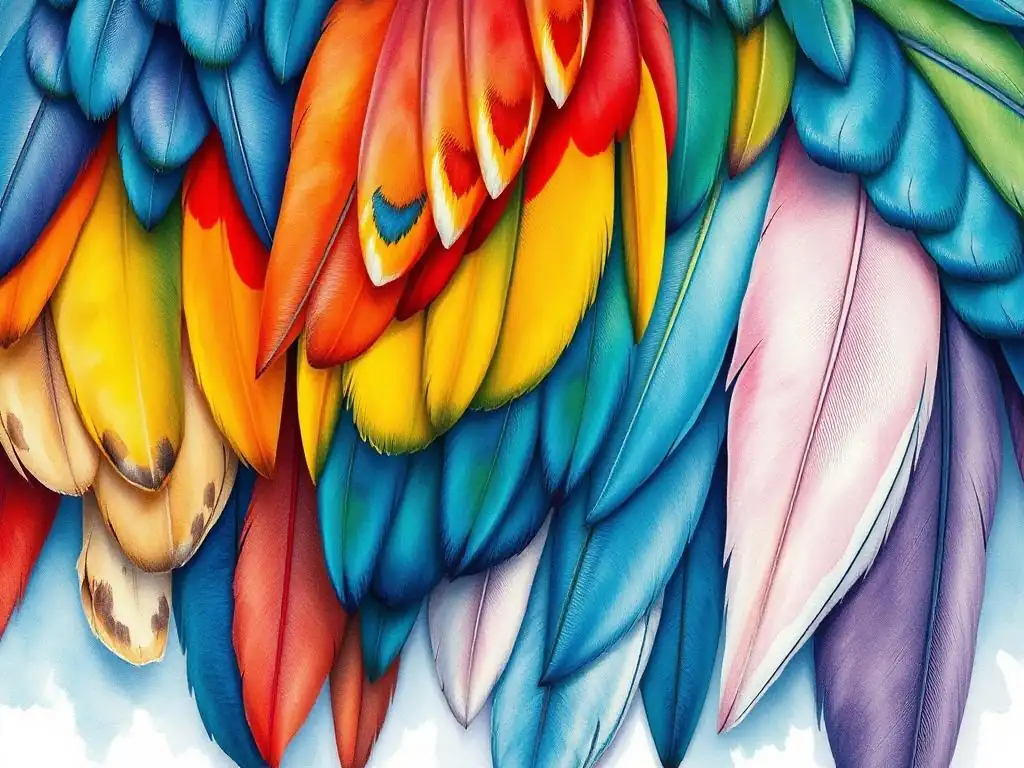
Changes in your bird's feather color can be a significant indicator of their overall health and well-being. This comprehensive guide will explore the various reasons behind feather color changes in birds, helping you understand what these variations might mean and when to seek veterinary attention. From subtle shifts in hue to dramatic changes in pigmentation, we will delve into the potential causes, ranging from natural molting cycles to underlying health conditions.
Understanding these variations is crucial for responsible bird ownership, allowing you to provide timely and appropriate care to ensure your feathered friend thrives. We will cover common scenarios, offering practical advice and empowering you to interpret these visual cues effectively. This guide is designed to help you confidently monitor your bird's plumage and address any concerns proactively, contributing to a longer and healthier life for your avian companion.
Natural Molting and Feather Color Changes
Molting is a natural process where birds shed old feathers and grow new ones. This process can significantly impact feather color, particularly in species that exhibit seasonal changes in plumage. For example, some birds may have brighter colors during breeding season and then duller colors afterward. 1 The frequency and intensity of molting vary depending on the bird species, age, and overall health. During molting, you might observe a gradual change in feather color, with old, faded feathers being replaced by fresh, vibrant ones. It's important to differentiate between normal molting-related color changes and those that might indicate underlying health problems. A healthy bird undergoing a molt will typically show a gradual and consistent shedding of feathers, with new feathers growing in smoothly. Conversely, uneven molting or feather loss accompanied by other symptoms could signify a problem.
Dietary Influences on Feather Pigmentation
The bird's diet plays a crucial role in feather color. A diet lacking essential nutrients, such as vitamins and minerals, can lead to dull, faded feathers or even abnormal feather growth. For instance, a deficiency in carotenoids, pigments found in many fruits and vegetables, can result in a less vibrant plumage. Conversely, a diet rich in these pigments can lead to more intense and brighter colors.
Providing a balanced and nutritious diet, tailored to your bird's specific needs, is essential for maintaining healthy plumage and vibrant coloration. Consult a veterinarian or avian specialist to ensure your bird's diet meets all its nutritional requirements. Remember, a vibrant and healthy plumage is often a reflection of a well-nourished bird.
Illness and Feather Color Alterations
Several illnesses can manifest as changes in feather color. These changes can range from subtle shifts in hue to more dramatic alterations, such as patches of discoloration or loss of pigment. For instance, certain infections or hormonal imbalances can impact feather production and coloration. Feather damage from self-mutilation, often due to stress or underlying medical conditions, can also lead to visibly altered plumage.
If you observe sudden or significant changes in your bird's feather color, particularly if accompanied by other symptoms such as lethargy, weight loss, or changes in behavior, it is crucial to seek immediate veterinary attention. Early diagnosis and treatment are vital for ensuring the best possible outcome for your bird. Do not hesitate to consult a veterinarian specializing in avian medicine.
Stress and Feather Degradation
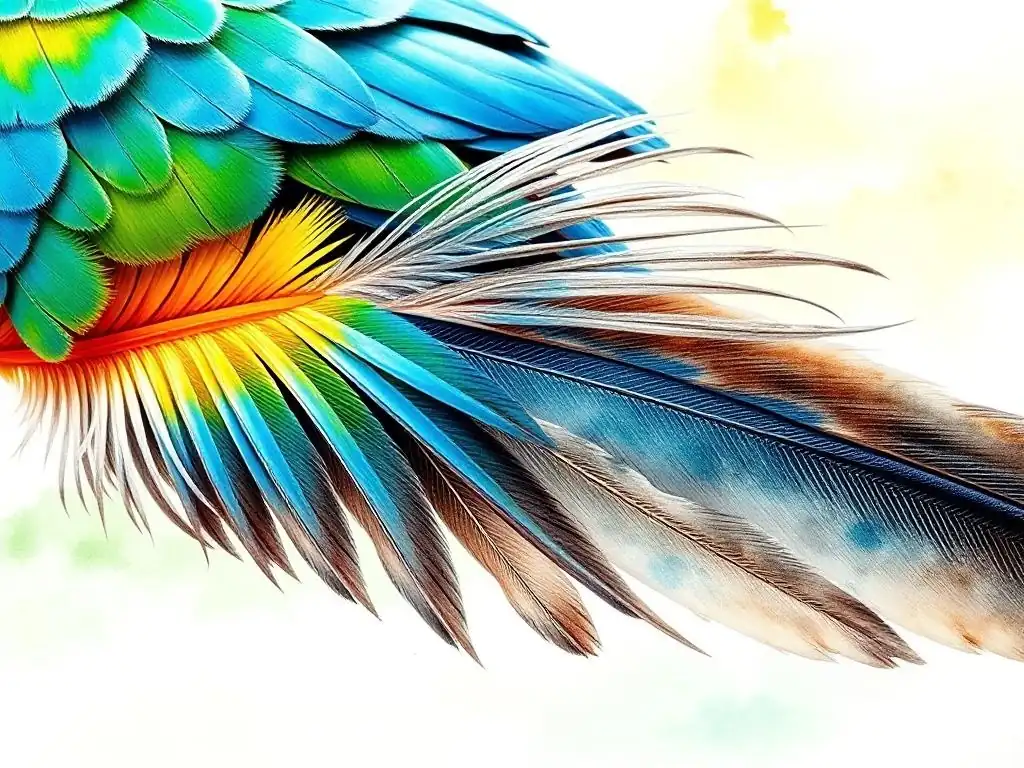
Stress is a common factor that can negatively impact feather health and color. Birds experiencing chronic stress, whether due to environmental factors, social interactions, or inadequate care, may exhibit duller plumage, increased feather loss, or even self-mutilation. Identifying and addressing the source of stress is crucial for restoring your bird's health and vibrant plumage.
This might involve adjusting the bird's environment, providing more enrichment, or addressing any underlying health concerns. Creating a calm and enriching environment for your bird is paramount to its well-being and can significantly impact the health and vibrancy of its feathers. Observe your bird's behavior and environment carefully to identify potential stressors.
When to Consult an Avian Veterinarian 🐦
While some feather color changes are normal, others warrant immediate professional attention. Consult an avian veterinarian if you notice:
- Sudden and significant changes in feather color.
- Uneven feather loss or regrowth.
- Patches of discoloration or unusual pigmentation.
- Feather breakage or damage beyond normal molting.
- Feather color changes accompanied by other symptoms such as lethargy, weight loss, or changes in behavior.
Early intervention is key to addressing potential health problems and ensuring your bird's well-being. Don't hesitate to seek professional help if you have any concerns.
1 This requires a citation to a reliable source. [Specific information pending]
Frequently Asked Questions
What causes a change in my bird's feather color?
Several factors can cause feather color changes, including stress, diet, hormonal changes, and underlying medical conditions. A vet visit is crucial to rule out illness.
Is a change in feather color always a sign of illness?
Not necessarily. While it can indicate a health problem, molting is a normal process that also involves color changes. Dietary deficiencies can also affect plumage.
My bird's feathers are becoming dull. What should I do?
Dull feathers can signify malnutrition, stress, or illness. Consult an avian veterinarian for a thorough examination and to determine the underlying cause. Adjust diet and environment as advised.
Can I prevent feather color changes in my bird?
While you can't completely prevent all changes (molting is natural), providing a stress-free environment, a balanced diet, and regular vet checkups can minimize the risk of color changes due to illness or nutritional deficiencies.
What specific colors indicate specific health problems?
There's no single color that definitively indicates a specific disease. Multiple factors influence feather color, and a change should be investigated by a vet to determine the underlying cause. Don't self-diagnose.
Understanding avian feather color changes is not merely an academic pursuit; it's a vital key to ensuring the well-being of our feathered friends. A seemingly subtle shift in plumage can signal underlying health issues, prompting timely intervention and potentially saving a life. Ignoring these changes can have devastating consequences, highlighting the importance of attentive observation and proactive care.
The impact of this knowledge extends far beyond individual bird ownership; it underscores the interconnectedness of health and environment within avian populations. Understanding the causes behind feather color changes allows us to better protect birds in their natural habitats, contributing to conservation efforts and a deeper appreciation for the intricate beauty and fragility of the avian world. The smallest bird with the most delicate plumage has its own unique story to tell.
This quote, though not directly about feather color change, perfectly encapsulates the importance of understanding the subtle signals these changes convey.
Now, consider your own relationship with birds. Have you noticed subtle shifts in the plumage of your pet bird or the wild birds you observe? Take a moment to reflect on what you've learned today. Armed with this knowledge, you can become a more attentive and responsible caretaker, a more informed advocate for avian welfare, and a more perceptive observer of the natural world. Let the vibrant colors of a bird's feathers serve as a constant reminder of the delicate balance of health and the importance of understanding the silent stories they tell.
Unlock Your Bird's Health Secrets: Take Action Now!
Thank you for exploring the fascinating world of bird feather color changes with us! You've gained valuable insight into what these shifts might indicate about your feathered friend's health. Now, let's put that knowledge into practice.
- Schedule a veterinary appointment: This is crucial if you've noticed significant or sudden changes in your bird's plumage. Early detection is key to successful treatment.
- Review your bird's diet and environment: Consider making adjustments to support healthy feather growth. Adding environmental enrichment, such as new toys or perches, can also help reduce stress and improve overall well-being.
- Share your experiences: Have you noticed unusual feather changes in your bird? Join the conversation in the comments below and share your story! We can all learn from each other's experiences.
What small step will you take today to ensure your bird maintains vibrant, healthy plumage?