
The Art of Scent: Understanding the Power of Olfactory Stimulation for Dogs

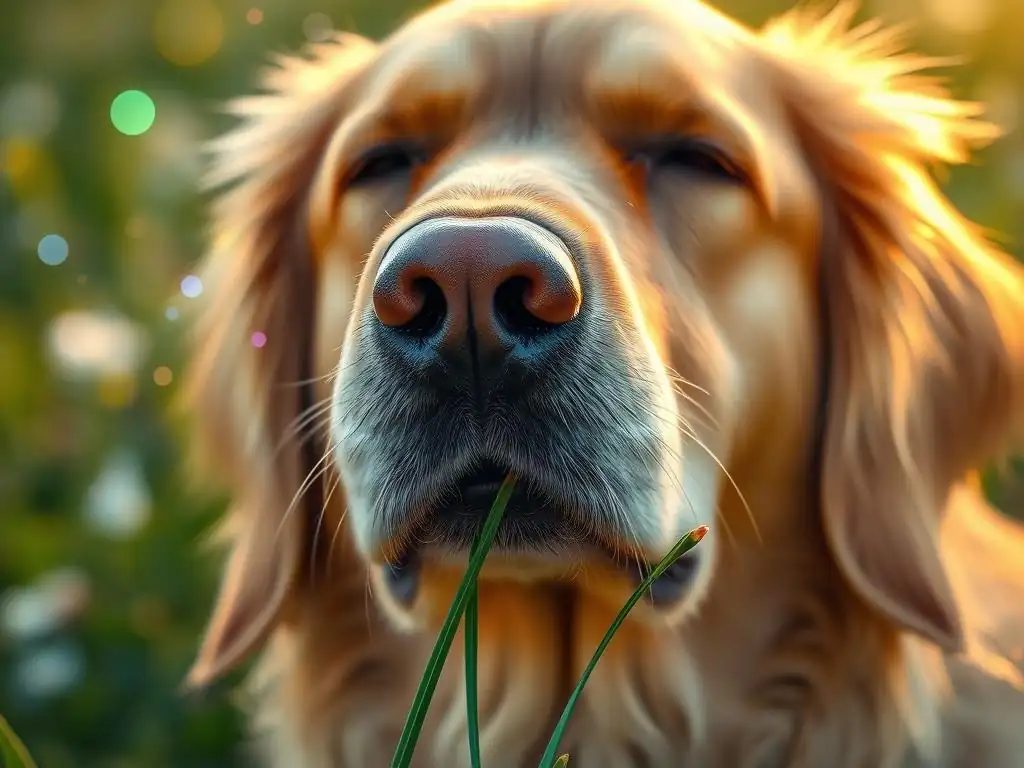
Welcome to PetCareWorld, your ultimate guide to a happier, healthier life for your beloved pets! Are you ready to unlock a whole new world of understanding with your canine companion? Discover the surprising and profound Dog Scent Stimulation Benefits and how harnessing the power of smell can enrich your dog's life in ways you never imagined. Dive into our insightful article, "The Art of Scent," and uncover the secrets to a more fulfilling relationship with your furry friend.
- Dog Scent Stimulation Benefits: A Deeper Dive into Canine Olfactory Senses
- Enhancing Your Dog's Life Through Scent Work: Practical Applications
- Harnessing the Power of Scent: Practical Tips and Resources
- Potential Challenges and Considerations in Dog Scent Stimulation
- The Long-Term Benefits of Dog Scent Stimulation: A Holistic Approach
- Frequently Asked Questions
- Final Reflection: Unlocking the Unspoken Language of Scent for Canine Wellbeing
- Unlock Your Dog's World: Engage Their Senses Today!
Dog Scent Stimulation Benefits: A Deeper Dive into Canine Olfactory Senses
Canine olfaction, the sense of smell, is far more sophisticated than our own. For dogs, scent isn't just a sense; it's a primary means of experiencing the world, a crucial tool for communication, and a key to their emotional well-being. This article explores the profound impact of olfactory stimulation – engaging a dog's sense of smell – and how it significantly contributes to their physical and mental health.
We'll delve into the remarkable capabilities of the canine nose, examine how scent influences their behavior, and uncover practical methods for enriching their lives through olfactory activities. Understanding the power of scent work is not merely about training; it's about unlocking your dog's natural abilities and fostering a deeper, more fulfilling bond. This guide will equip you with the knowledge to harness the incredible benefits of scent stimulation for your canine companion, contributing to a happier, healthier, and more well-adjusted dog.
We will cover various aspects of scent work, including how it benefits dogs of all breeds, ages, and activity levels. Understanding these benefits is crucial for responsible and enriching dog ownership.
The Extraordinary Canine Nose: Exploring its Capabilities
The canine nose is a marvel of evolution. Unlike humans who rely primarily on vision, dogs possess an olfactory system thousands of times more sensitive. Their noses contain millions of olfactory receptors, far surpassing the human count. This allows them to detect scents at incredibly low concentrations, identifying subtle nuances imperceptible to us. For example, a dog can detect a single drop of blood in a swimming pool the size of an Olympic pool! This extraordinary olfactory sensitivity is due to several factors, including:
- The structure of the nasal passages: The intricate turbinates within the nasal cavity increase the surface area available for scent detection.
- The vomeronasal organ (Jacobson's organ): This specialized organ, located in the roof of the mouth, detects pheromones and other chemical signals, providing additional sensory information.
- The olfactory bulb: This part of the brain processes scent information, and in dogs, it is proportionally larger than in humans, further enhancing their olfactory capabilities.
The ability to detect and interpret a vast range of scents allows dogs to perform incredible feats, from tracking lost persons to detecting diseases. Understanding this incredible sensory capacity is the first step to appreciating the profound impact of scent stimulation on their overall well-being. This heightened sense of smell is not just a biological marvel; it's an integral part of their daily lives, shaping their behaviors and influencing their emotional states.
How Scent Impacts Dog Behavior and Well-being
Scent work provides significant mental and physical stimulation for dogs, leading to numerous benefits:
- Reduced stress and anxiety: Engaging their sense of smell in a focused activity can be incredibly calming and therapeutic for anxious dogs. Scent work provides a positive outlet for their energy, reducing stress and promoting relaxation.
- Improved cognitive function: Scent-based activities challenge their brains, promoting cognitive stimulation and preventing age-related cognitive decline. The complex problem-solving involved in scent work keeps their minds sharp and engaged.
- Enhanced confidence and self-esteem: Successful completion of scent work tasks builds confidence and boosts self-esteem, particularly in dogs who may lack confidence in other areas.
- Increased physical activity: Scent work often involves physical activity, providing valuable exercise and helping to maintain a healthy weight. This is especially beneficial for dogs who may not enjoy traditional forms of exercise.
- Strengthened bond with owner: Working together on scent-based activities fosters a strong bond between dog and owner, strengthening their relationship and improving communication.
The positive effects are far-reaching, impacting not only their emotional and mental state but also their physical health and overall well-being. Many owners report a noticeable improvement in their dog's behavior and temperament after engaging in regular scent work activities. The positive reinforcement inherent in scent training further enhances the positive impact on the dog's emotional health.
Understanding Olfactory Enrichment for Dogs
Olfactory enrichment involves providing opportunities for dogs to engage their sense of smell in a playful and stimulating way. This can include a variety of activities, such as:
- Scent games: Hiding treats or toys for your dog to find using their sense of smell.
- Nose work classes: Participating in structured scent work classes provides a more challenging and rewarding experience.
- Scent trails: Creating scent trails for your dog to follow.
- Providing scent toys: Toys filled with various scents can provide ongoing olfactory stimulation.
The key to successful olfactory enrichment is variety and challenge. Regularly introducing new scents and increasing the difficulty of the tasks will keep your dog engaged and prevent boredom. Remember, the goal isn't just to engage their sense of smell; it's to provide a mentally stimulating and emotionally rewarding experience.
By understanding and implementing olfactory enrichment techniques, you can significantly contribute to your dog's overall happiness and well-being, strengthening your bond and enriching their lives in a profound way. The positive impact on their mental and emotional health is undeniable, making scent work a valuable addition to any dog's training regimen.
Enhancing Your Dog's Life Through Scent Work: Practical Applications
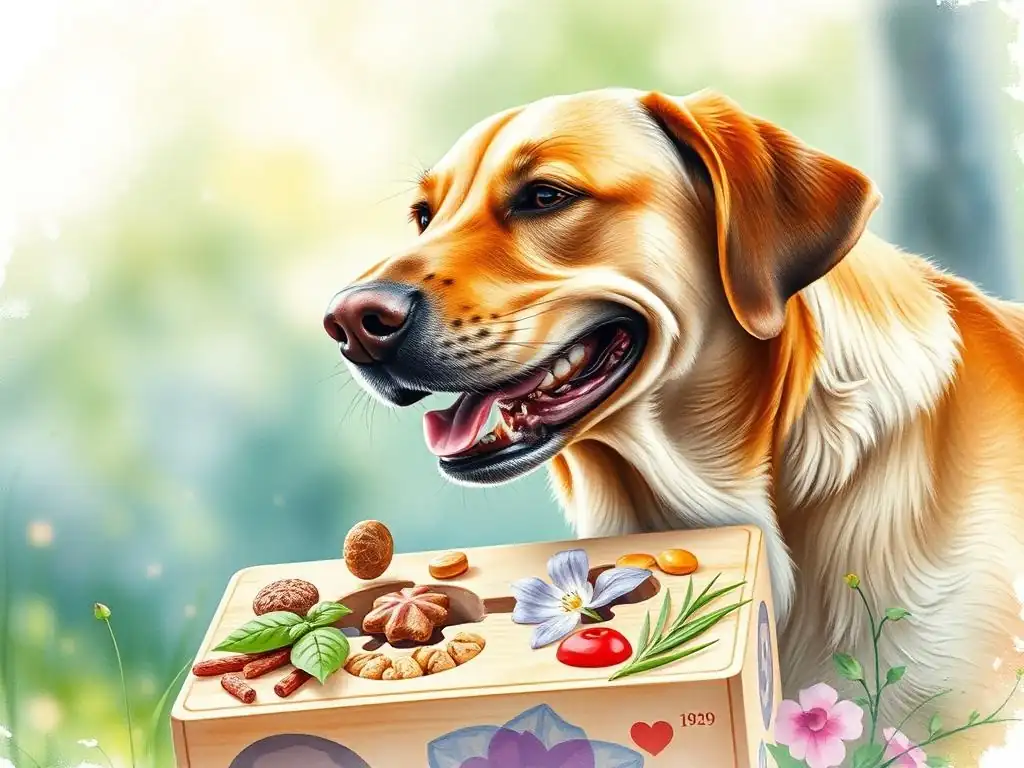
Scent work offers a multitude of benefits beyond just training. It taps into a dog's natural instincts, providing enriching experiences that positively impact their physical and mental well-being. Understanding how to leverage scent stimulation for your canine companion opens up a world of possibilities for a happier, healthier dog.
The advantages extend beyond simple obedience; scent work can address behavioral issues, boost confidence, and provide crucial mental enrichment, all contributing to a stronger bond between you and your furry friend. This section will explore practical applications of scent work, focusing on how it can enhance your dog's overall quality of life. The positive effects of dog scent stimulation benefits are undeniable, and easily integrated into daily life.
Scent Training Games for Mental Stimulation
Scent work provides exceptional mental stimulation for dogs of all breeds and ages. It challenges their problem-solving skills and keeps their minds actively engaged, preventing boredom and destructive behaviors often stemming from under-stimulation. Consider these engaging games:
- Hide-and-Seek: Hide a favorite toy or treat around the house or yard, allowing your dog to use their nose to find it. Gradually increase the difficulty by hiding the item in more challenging locations or using more complex scents.
- Scent Trails: Create a trail of treats or a specific scent (like a piece of your clothing) for your dog to follow. This can be done indoors or outdoors, adjusting the length and complexity according to your dog's skill level.
- Scent Discrimination: Present your dog with several containers, one containing a specific scent (e.g., a particular food) while the others are empty or contain different scents. Reward your dog for correctly identifying the target scent. This exercise boosts their focus and concentration.
- "Find the Object": Use a variety of objects, all with unique scents. Start with a few, then gradually increase the number. The dog learns to distinguish between the scent of the chosen object and the others, enhancing their olfactory discrimination skills.
Remember to always use positive reinforcement techniques, rewarding your dog for correct responses with praise, treats, or their favorite toy. The key is to make the game fun and engaging, fostering a positive association with scent work. Regular scent games can significantly reduce boredom-related issues, leading to a calmer, more well-adjusted dog. The benefits of dog scent stimulation are clearly observable through improved focus and engagement.
Utilizing Scent for Improved Dog Obedience Training
Incorporating scent work into obedience training can significantly enhance your dog's learning and engagement. Dogs are naturally motivated by scent, making it a powerful tool for shaping desired behaviors. For example:
- Recall Training: Use a high-value scent (like a piece of liverwurst) to lure your dog back to you during recall training. The powerful olfactory cue can override distractions and strengthen the association between your command and the rewarding scent.
- Stay Training: Place a scented object (e.g., a favorite toy) a short distance from your dog while they are practicing "stay." This adds a layer of complexity and challenge, helping them to focus and resist the temptation to move.
- Place Training: Associate a specific scent with their designated "place" (e.g., a bed or mat). This creates a clear signal for your dog to go to their place, improving their understanding and compliance.
- Targeting: Combine scent work with targeting exercises. Have your dog touch their nose to a target object that's been scented, rewarding them for accurate targeting. This enhances their focus and precision.
By weaving scent work into your obedience training sessions, you can improve your dog's concentration, motivation, and overall performance. The positive reinforcement inherent in scent work strengthens the bond between you and your dog, making the training experience more enjoyable for both of you. This approach provides a more engaging and effective way to teach obedience commands, leveraging the dog's natural instincts.
Scent Work for Anxious or Reactive Dogs: Calming Techniques
Scent work can be incredibly beneficial for anxious or reactive dogs. The focused attention required in scent work helps to distract them from triggers and promotes relaxation. Specific techniques include:
- Calming Scents: Introduce calming scents such as lavender or chamomile (always ensure safety and consult your veterinarian first). These scents can have a soothing effect, reducing anxiety and promoting relaxation. Use these scents sparingly and only if appropriate for your dog.
- Controlled Exposure: Use scent work to gradually desensitize your dog to anxiety-inducing situations. Start in a controlled environment, introducing low-level stressors while your dog is engaged in a scent work activity. Slowly increase the intensity of the stressors as your dog remains calm and focused.
- Distraction and Focus: Scent work provides a valuable distraction from triggers, shifting your dog's attention from the source of their anxiety to the engaging scent task. This helps to reduce reactivity and promote a calmer state.
- Positive Association: The rewarding nature of scent work helps to create positive associations with previously stressful situations. By successfully completing scent work exercises in challenging environments, your dog gains confidence and reduces their anxiety response.
Remember, patience and consistency are key. The calming effects of scent work may not be immediate, but with regular practice, you can help your anxious or reactive dog develop coping mechanisms and improve their overall well-being. Always consult with a veterinarian or certified professional dog trainer for personalized guidance, especially if dealing with severe anxiety or reactivity. The therapeutic benefits of dog scent stimulation should not be underestimated in these cases.
Harnessing the Power of Scent: Practical Tips and Resources
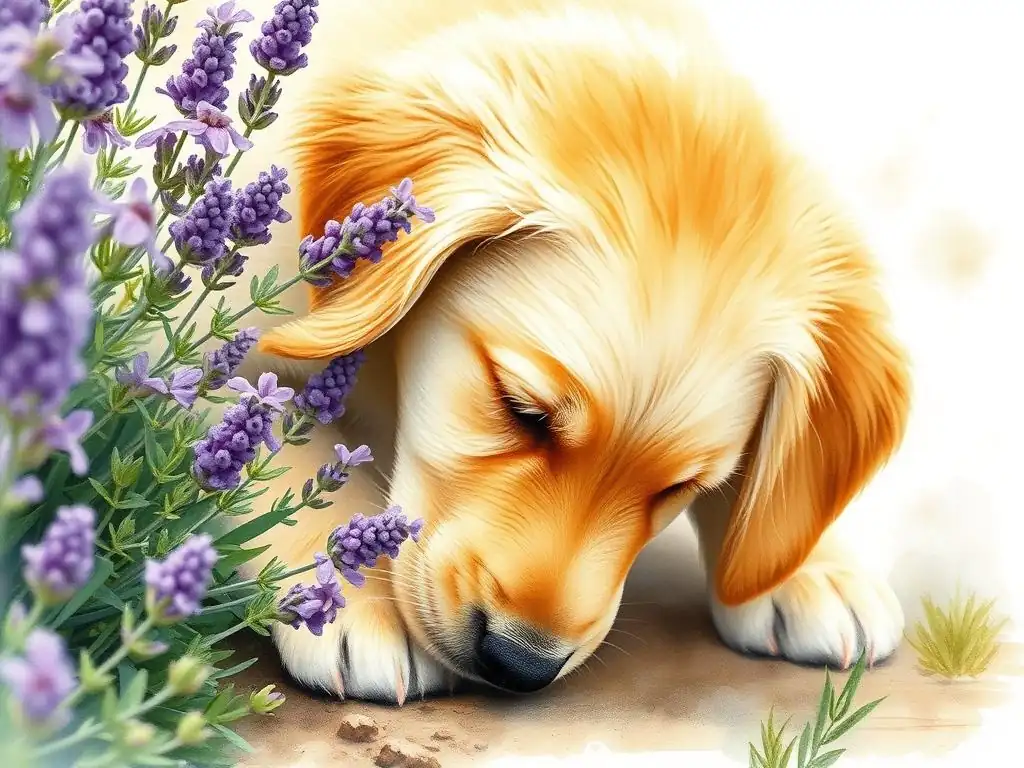
Scent work isn't just a fun activity for your canine companion; it's a powerful tool that taps into their natural instincts and offers a multitude of cognitive and physical benefits. Understanding how to effectively utilize scent stimulation for your dog can significantly enhance their quality of life, contributing to a happier, healthier, and more well-adjusted pet. This section provides practical tips and resources to help you embark on this enriching journey.
We will explore how to select appropriate tools, create a stimulating home environment, and find expert guidance to maximize the positive impact of scent work on your dog's wellbeing. Remember, the key is to make scent training a positive and rewarding experience, fostering a strong bond between you and your furry friend. The advantages of incorporating Dog scent stimulation benefits into your dog's routine are numerous and far-reaching.
Choosing Safe and Engaging Scent Training Tools
Selecting the right tools is crucial for a successful and enjoyable scent work experience. Avoid anything that could be toxic or pose a choking hazard. Here's a breakdown of suitable options:
- Scent containers: Use airtight containers made from non-toxic materials like stainless steel or food-grade plastic. Avoid glass containers, as they can shatter.
- Scent pouches: Fabric pouches made from durable, washable materials are ideal for holding various scents. Ensure they are securely stitched to prevent spillage.
- Scent trails: You can use commercially available scent trails or create your own using essential oils diluted in a carrier oil (like coconut or jojoba oil). Always prioritize safety and select essential oils known to be non-toxic to dogs. Avoid using strong, potentially irritating scents like citrus oils.
- Treats: Use high-value, easily digestible treats as rewards. The reward system is a cornerstone of positive reinforcement training. Consider small, soft treats that are easy for your dog to consume quickly.
- Toys: Incorporate scent into your dog's favorite toys. Stuffing a toy with a scented item can add a whole new dimension to playtime, enhancing engagement and mental stimulation.
Remember to introduce new scents gradually and monitor your dog's reaction carefully. Some dogs may have sensitivities to certain smells. Prioritizing safety and your dog's comfort is paramount.
Creating a Scent-Enriched Environment at Home
Enhancing your home environment with engaging scents can provide continuous mental stimulation for your dog, even when you aren't actively engaged in formal scent training. This passive enrichment can significantly contribute to their overall well-being.
Here are some simple yet effective ways to achieve this:
- Strategic scent placement: Hide treats or toys infused with safe, appealing scents around the house. This encourages your dog to use their nose to explore and find hidden treasures, promoting natural foraging behavior.
- Rotating scents: Regularly change the scents you use to prevent your dog from becoming bored or desensitized. A variety of smells keeps their olfactory senses engaged and stimulated.
- Scent-infused toys: As mentioned earlier, incorporate scent into your dog's favorite toys. This adds an extra layer of fun and engagement to playtime.
- Natural scents: Introduce natural scents like herbs (rosemary, chamomile – always check for dog safety first) or pieces of wood with natural aromas. These can create a more stimulating and enriching environment.
By creating a scent-rich home, you are providing ongoing mental stimulation that helps prevent boredom and reduces the likelihood of destructive behaviors. This is a key aspect of responsible dog ownership and contributes to a happier, healthier dog.
Finding Qualified Scent Work Instructors and Classes
Finding a qualified instructor is essential for maximizing the benefits of scent work and ensuring a safe and effective learning experience. A good instructor will not only teach your dog the necessary skills but will also help you understand your dog's individual needs and learning style.
Here are some tips for finding a suitable instructor:
- Check credentials: Look for instructors with certifications or experience in canine scent work. A reputable instructor will be able to demonstrate their knowledge and expertise.
- Observe class dynamics: If possible, visit a class to observe the instructor's teaching methods and the overall atmosphere. Look for positive reinforcement techniques and a focus on building a strong bond between dog and handler.
- Ask questions: Don't hesitate to ask potential instructors about their experience, training methods, and approach to safety. A good instructor will be happy to answer your questions thoroughly.
- Seek recommendations: Ask other dog owners or your veterinarian for recommendations on qualified scent work instructors in your area. Word-of-mouth referrals can be invaluable.
Investing in professional guidance ensures that you and your dog have a positive and rewarding experience, maximizing the numerous benefits of scent work training. Remember, the goal is to create a fun and enriching activity that strengthens your bond while providing significant mental and physical stimulation for your canine companion. The positive impact of Dog scent stimulation benefits is undeniable when approached correctly.
Potential Challenges and Considerations in Dog Scent Stimulation

Scent work, while incredibly enriching for dogs, isn't without its potential hurdles. Understanding these challenges beforehand allows for a safer and more effective training experience, maximizing the Dog scent stimulation benefits for your canine companion. Careful planning and observation are key to navigating these potential difficulties.
Safety Precautions During Scent Work Activities
Safety should always be the top priority when engaging in scent work activities with your dog. This involves several key precautions:
- Secure Environments: Always choose a safe and secure location for scent work training. Avoid areas with heavy traffic, potential hazards (like busy roads or poisonous plants), or loose objects that could cause injury. A fenced yard or a designated indoor space is ideal. Consider using a long line or harness to prevent escapes, especially during initial training.
- Scent Source Safety: Ensure the scent sources you use are non-toxic and safe for your dog to encounter. Avoid using strong chemicals, essential oils (many are toxic to dogs), or anything that could cause irritation or allergic reactions. Opt for natural, pet-safe scents like pieces of a favorite toy or small amounts of pet-safe food.
- Supervision: Never leave your dog unsupervised during scent work activities. Constant monitoring allows you to intervene if needed and prevents potential accidents. Even experienced scent hounds can get over-excited and injure themselves.
- Gradual Progression: Start with short, easy sessions and gradually increase the duration and complexity as your dog progresses. Avoid overwhelming them with too much stimulation, which can lead to frustration or anxiety. Observe your dog's body language carefully; signs of stress (yawning, lip licking, whale eye) indicate it's time for a break.
- First Aid Kit: Always have a basic first-aid kit readily available in case of minor injuries. Knowing basic canine first aid is also beneficial. While unlikely, accidents can happen, and preparedness is key.
Identifying and Addressing Potential Scent Sensitivities
Some dogs may exhibit sensitivities to certain scents. These sensitivities can range from mild irritation to full-blown allergic reactions. Recognizing and addressing these is crucial for your dog's well-being.
Careful observation is paramount. Signs of scent sensitivity might include:
- Excessive sneezing or coughing
- Eye watering or itching
- Skin irritation or redness
- Restlessness or agitation
- Lethargy or unusual behavior
If you notice any of these signs, immediately remove your dog from the scent source. If symptoms persist or worsen, consult your veterinarian immediately. It's important to identify the specific scent causing the reaction to avoid future exposure. Keeping a detailed log of scents used and your dog's reaction can be invaluable in this process. Consider performing patch tests with potential allergens under veterinary supervision. This will help isolate the specific trigger.
Adapting Scent Work to Different Dog Breeds and Personalities
Not all dogs are created equal. Different breeds and individual personalities may require different approaches to scent work. Some breeds, like Bloodhounds, naturally excel at scent detection, while others might need more patience and encouragement.
- Breed-Specific Considerations: Certain breeds may have inherent strengths or weaknesses when it comes to scent work. For example, breeds known for their keen noses (e.g., German Shepherds, Beagles) might require more challenging tasks, while breeds less focused on scent (e.g., some toy breeds) might benefit from shorter, more engaging sessions.
- Personality Traits: Consider your dog's personality. A shy or anxious dog might require a gentler introduction to scent work, using positive reinforcement and plenty of praise. A highly energetic dog might benefit from structured games and challenges to focus their attention.
- Individual Needs: Observe your dog's responses throughout training. Adjust the difficulty, duration, and type of scents based on their individual needs and preferences. Some dogs may prefer indoor scent work, while others might thrive outdoors. Flexibility is key to success and ensures the Dog scent stimulation benefits are fully realized. Remember, the goal is to make the experience enjoyable and rewarding for your dog. This personalized approach ensures that scent work remains a positive and enriching activity.
The Long-Term Benefits of Dog Scent Stimulation: A Holistic Approach
Scent work isn't just a fun game for your canine companion; it offers a wealth of long-term benefits that contribute to their overall well-being and strengthen the human-animal bond. Engaging your dog's powerful sense of smell provides mental enrichment, improves their behavior, and even helps stave off age-related cognitive decline. Understanding these holistic advantages can transform your approach to dog training and enhance your dog's quality of life significantly.
This section will explore some of the key long-term advantages of incorporating scent stimulation into your dog's routine. The positive effects are multifaceted, impacting everything from cognitive health to the emotional bond you share.
Improved Cognitive Function and Reduced Cognitive Decline
Dogs, like humans, experience age-related cognitive decline. Symptoms can include disorientation, decreased interaction, and changes in sleep patterns. However, engaging in scent work provides a powerful tool to combat these issues and maintain cognitive sharpness. Scent work challenges your dog's brain, forcing them to engage in complex problem-solving and memory recall. The process of following a scent trail activates multiple brain regions, stimulating neural pathways and promoting neuroplasticity – the brain's ability to reorganize itself by forming new neural connections throughout life.
Studies have shown that mentally stimulating activities, such as scent work, can significantly delay or even prevent the onset of canine cognitive dysfunction (CCD). The act of searching, identifying, and remembering specific scents keeps their minds active and engaged, much like puzzles or brain training games do for humans. This mental stimulation helps maintain cognitive function for longer, leading to a happier and healthier senior dog.
The continuous learning aspect of scent work also combats boredom, a major contributor to behavioral problems in older dogs. Regular scent work sessions, even short ones, can make a substantial difference in maintaining your dog’s cognitive abilities throughout their life.
Scent work provides an unparalleled opportunity to strengthen the bond between dog and owner. It's a shared activity that requires collaboration, trust, and mutual understanding. The process of working together towards a common goal fosters a deeper connection, built on mutual respect and positive reinforcement. The positive emotions experienced during successful scent work sessions create positive associations between the dog, the owner, and the activity itself.
Consider this: Instead of a simple walk where your dog is primarily focused on sniffing whatever interests them, scent work provides a structured and focused activity where you actively participate and guide your dog. This shared focus cultivates a more intense and meaningful interaction. The positive reinforcement – praise, treats, and affection – further strengthens the bond, creating a more harmonious and loving relationship.
The shared accomplishment of successfully completing a scent trail creates a powerful sense of teamwork and mutual achievement, enriching the bond in a way that passive activities simply cannot. This shared experience transcends simple obedience training and cultivates a deeper, more emotionally resonant connection.
Addressing Behavioral Issues Through Scent-Based Therapy
Scent work can be a surprisingly effective tool in addressing various behavioral issues in dogs. For example, dogs suffering from anxiety or fear can benefit from the calming and focusing effects of scent work. The concentration required to follow a scent trail diverts their attention from anxieties, providing a healthy outlet for their energy and reducing stress levels. The positive reinforcement used in scent work also helps build confidence and self-esteem, counteracting negative behavioral patterns.
Furthermore, scent work can be tailored to address specific behavioral issues. For instance, a dog with separation anxiety might benefit from a scent work game that involves finding a hidden toy or treat, rewarding them for staying calm and focused while alone. Similarly, a dog with aggression issues might find the controlled environment and positive reinforcement of scent work helpful in redirecting their energy and building better impulse control.
Scent-based therapy isn't a replacement for professional veterinary or behavioral guidance, but it can be a valuable supplementary tool in a holistic approach to addressing behavioral problems. The calming and rewarding nature of the activity can greatly contribute to improved behavior and a more well-adjusted dog. Remember that patience and consistency are key to achieving positive results with this type of therapy.
Frequently Asked Questions
What are the benefits of scent stimulation for dogs?
Scent stimulation provides significant mental enrichment for dogs. It taps into their powerful sense of smell, reducing boredom and anxiety, and promoting a sense of accomplishment. This can lead to improved behavior and overall well-being.
How can I provide scent stimulation for my dog?
There are many ways! You can use scent games like hide-and-seek with treats, introduce new smells safely (e.g., a new, safe toy), or engage them with scent trails. Even a walk in a new park offers olfactory adventures.
Is scent stimulation suitable for all dogs?
Generally, yes, but always introduce new scents gradually. Some dogs may have allergies or sensitivities. Monitor your dog's reaction and stop if you notice any negative signs. Consult your vet if you have concerns.
What are some signs that my dog is enjoying scent stimulation?
Look for focused behavior, like sniffing intently and following trails. A relaxed body posture, happy tail wags, and playful behavior are also good indicators of enjoyment. Avoid forcing your dog to participate.
Can scent stimulation help with anxious or fearful dogs?
Yes, controlled scent work can be incredibly beneficial. It can provide a calming and engaging activity, helping to redirect their focus away from anxieties. Always introduce scents slowly and positively to avoid overwhelming them.
Final Reflection: Unlocking the Unspoken Language of Scent for Canine Wellbeing
The power of scent for dogs isn't merely a biological function; it's the cornerstone of their experience, profoundly impacting their emotional, cognitive, and physical health. Understanding this fundamental truth is crucial in a world increasingly designed for human senses, often neglecting the rich olfactory world dogs inhabit. We must actively strive to enrich their lives by acknowledging and supporting their innate sensory needs.
The exploration of canine scent work has revealed a depth of emotional and cognitive complexity often overlooked. By providing stimulating scent experiences, we unlock a world of enrichment, reducing stress and anxiety, and fostering a deeper bond between humans and their canine companions. A dog's nose is his most powerful tool, and it's our responsibility to understand and utilize its potential for their well-being.
This simple statement encapsulates the profound impact of scent enrichment on a dog's life, highlighting the ethical obligation we have to provide stimulating environments.
Consider the ways you can incorporate scent enrichment into your dog's daily life. From simple scent games to more complex training exercises, the possibilities are vast and rewarding. Don't underestimate the transformative power of a sniff; it's a key to unlocking a richer, more fulfilling life for your beloved canine companion. Embrace the art of scent, and watch your dog thrive.
Unlock Your Dog's World: Engage Their Senses Today!
Thank you for exploring the fascinating world of canine scent! We hope you've gained valuable insights into how stimulating your dog's sense of smell can benefit them. Now let's put that knowledge into practice.
- Create a Scent-Based Game: Hide your dog's favorite treats or toys, focusing on creating a scent trail rather than relying on visual clues. This will challenge their sense of smell and provide enriching mental stimulation. A simple game in the house or garden can be very effective.
- Share Your Successes: Tell us about your dog's reactions to scent-based activities in the comments below! Let's build a community of scent-savvy pet owners and share tips and tricks.
- Explore Further: Research essential oils that are safe for dogs and experiment with introducing new, appealing smells to their environment. Always consult your veterinarian before introducing new scents or essential oils.
Ready to transform your dog's playtime and strengthen your bond through the power of scent? What exciting scent-based activities will you try with your dog today?