
Service Dog Training: Preparing Your Dog for RealWorld Scenarios

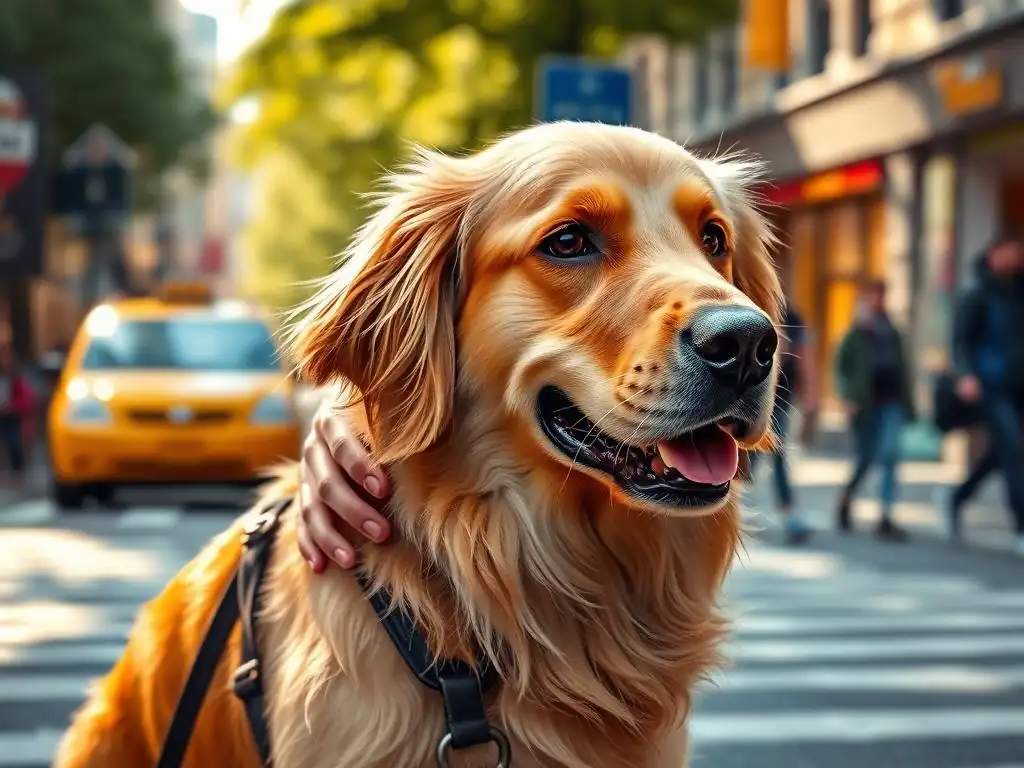
Welcome to PetCareWorld, your ultimate guide to a happier, healthier life for your beloved companion! Are you ready to unlock the incredible potential of your canine friend? Our comprehensive guide on Service Dog RealWorld Training delves into the practical skills and essential preparation needed to ensure your dog thrives in everyday situations. Discover the secrets to successful service dog training and embark on a journey of partnership that transforms both your lives. Dive in and learn how to confidently navigate the challenges and rewards of this transformative experience!
- Understanding the Demands of Real-World Service Dog Work
- Advanced Obedience Training for Service Dogs
- Specialized Training for Specific Service Dog Tasks
- Socialization and Public Access Test Preparation
- Ongoing Maintenance and Refinement of Service Dog Training
-
Frequently Asked Questions
- What is "real-world" training for service dogs?
- How does "real-world" training differ from basic obedience?
- What are some common real-world scenarios included in service dog training?
- How long does real-world training for a service dog typically take?
- Where can I find a reputable service dog training program that emphasizes real-world scenarios?
- Final Reflection: Bridging the Gap: Service Dog Training for a More Inclusive World
- Unlock Your Dog's Potential: Start Their Service Dog Journey Today!
Understanding the Demands of Real-World Service Dog Work
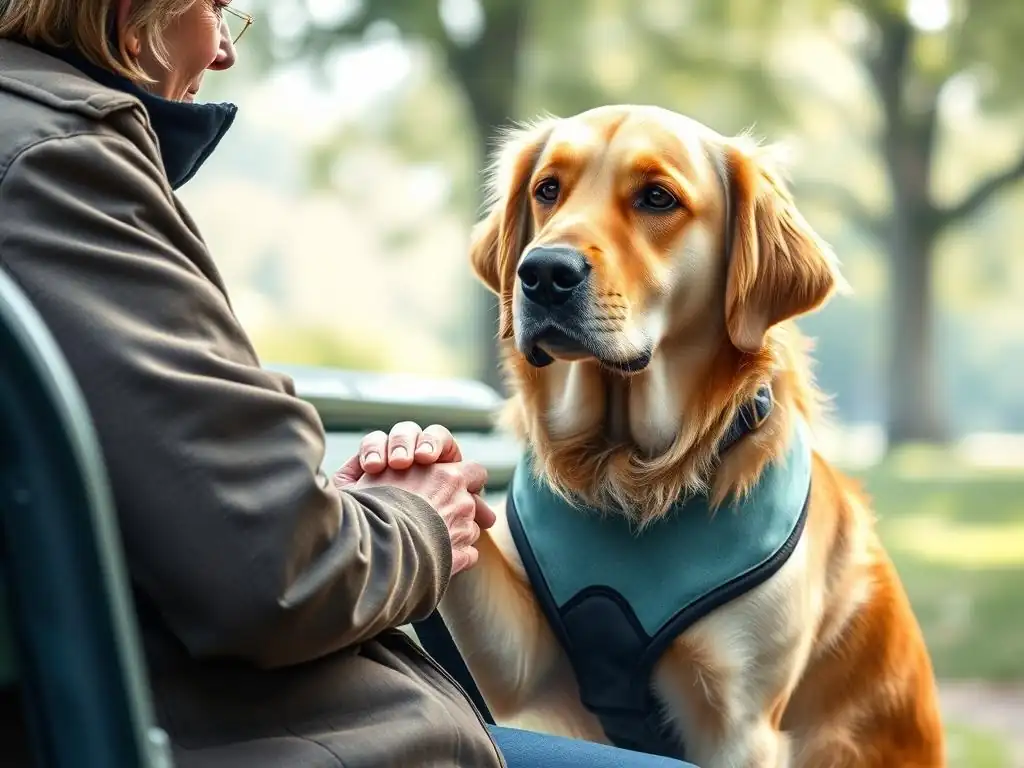
Preparing a service dog is a significant undertaking, demanding far more than basic obedience training. A truly effective service dog must be able to navigate a complex and ever-changing human world, consistently performing tasks reliably and safely, even under pressure. This article delves into the crucial aspects of real-world service dog training, focusing on the skills and experiences necessary to prepare your canine companion for the diverse challenges they will face.
We'll explore essential skills, strategies for managing distractions, and the importance of exposure to a wide range of environments. The goal is to equip you with the knowledge to effectively train a service dog capable of providing invaluable support in various real-world situations, ultimately improving the quality of life for their handler. This comprehensive guide will address the unique demands of "service dog realworld training," ensuring your dog is prepared for anything.
Essential Skills for Public Access Service Dogs
A service dog's success hinges on a solid foundation of essential skills. These go beyond simple commands like "sit," "stay," and "come." Effective service dog training requires mastery of skills directly applicable to their specific tasks and the environments they'll encounter. These include:
- Reliable Obedience: This isn't just about following commands in a quiet room; it's about unwavering obedience in noisy, distracting environments. This requires consistent and patient training using various methods and locations.
- Focus and Attention: The ability to maintain focus on their handler, even amidst significant distractions, is paramount. This requires specific training exercises designed to build concentration and ignore tempting stimuli.
- Impulse Control: Service dogs must resist the urge to react to unexpected sights, sounds, or smells. This is crucial for preventing accidents and maintaining composure in unpredictable situations.
- Proper Handling: The dog must be comfortable and responsive to various handling techniques, including being guided by a leash, harness, or other assistive devices. This requires consistent practice and positive reinforcement.
- Appropriate Responses to Environmental Stimuli: Dogs need training to appropriately respond to different environmental cues. For example, they must learn to react calmly to crowds, loud noises, and sudden movements.
The development of these skills requires a structured training program tailored to the individual dog's abilities and the specific needs of their handler. Consistent, positive reinforcement methods are key to success. Data suggests that dogs trained using positive reinforcement methods exhibit better impulse control and obedience compared to those trained using aversive techniques.
One of the most challenging aspects of service dog training involves preparing the dog for navigating crowded and distracting environments. This requires a gradual and systematic approach, starting with controlled environments and progressively introducing more challenging situations. Key strategies include:
- Controlled Exposure: Begin training in low-traffic areas, gradually increasing the level of stimulation as the dog demonstrates proficiency.
- Desensitization and Counter-Conditioning: Pair distracting stimuli with positive reinforcement to help the dog associate those stimuli with pleasant experiences. For example, reward the dog for remaining calm in the presence of children or other dogs.
- Practice in Real-World Settings: Once the dog displays good control in controlled settings, transition to more realistic environments, such as shopping malls, parks, and public transportation.
- Simulated Distractions: Create simulated distractions during training sessions to prepare the dog for unexpected events. This might involve using loud noises, sudden movements, or unexpected objects.
The process of desensitization and counter-conditioning is crucial. It involves gradually exposing the dog to distractions while simultaneously providing positive reinforcement. This helps the dog learn to associate the previously aversive stimuli with positive experiences, reducing their anxiety and improving their ability to remain calm and focused in challenging situations. This systematic approach ensures the dog develops the confidence and resilience needed to handle the demands of public access work. This type of training is key to achieving reliable performance in the real world.
Exposure to Different Environments: Preparing for Varied Service Dog Scenarios
A well-trained service dog must be able to function reliably in a variety of environments. This requires exposure to a wide range of sights, sounds, and smells. This exposure should be carefully planned and implemented to ensure the dog's safety and comfort while building their confidence and adaptability.
- Variety is Key: Expose the dog to different types of surfaces (grass, pavement, carpet), weather conditions (rain, snow, heat), and transportation methods (buses, trains, cars).
- Controlled Introductions: Always introduce new environments gradually, starting with short, controlled sessions and increasing the duration and complexity as the dog becomes more comfortable.
- Positive Reinforcement: Continue to use positive reinforcement methods throughout the process to maintain the dog's motivation and build a positive association with new environments.
- Addressing Challenges: If the dog exhibits fear or anxiety in a particular environment, address the issue immediately using appropriate training techniques. Never push the dog beyond its comfort zone.
The goal is to create a resilient and adaptable dog capable of performing its tasks reliably regardless of the environment. This involves not only exposure to different environments but also the ability to handle unexpected events and maintain composure under pressure. This comprehensive approach ensures the service dog is prepared for the diverse and often unpredictable demands of real-world service work. This holistic approach to service dog realworld training is essential for success.
Advanced Obedience Training for Service Dogs
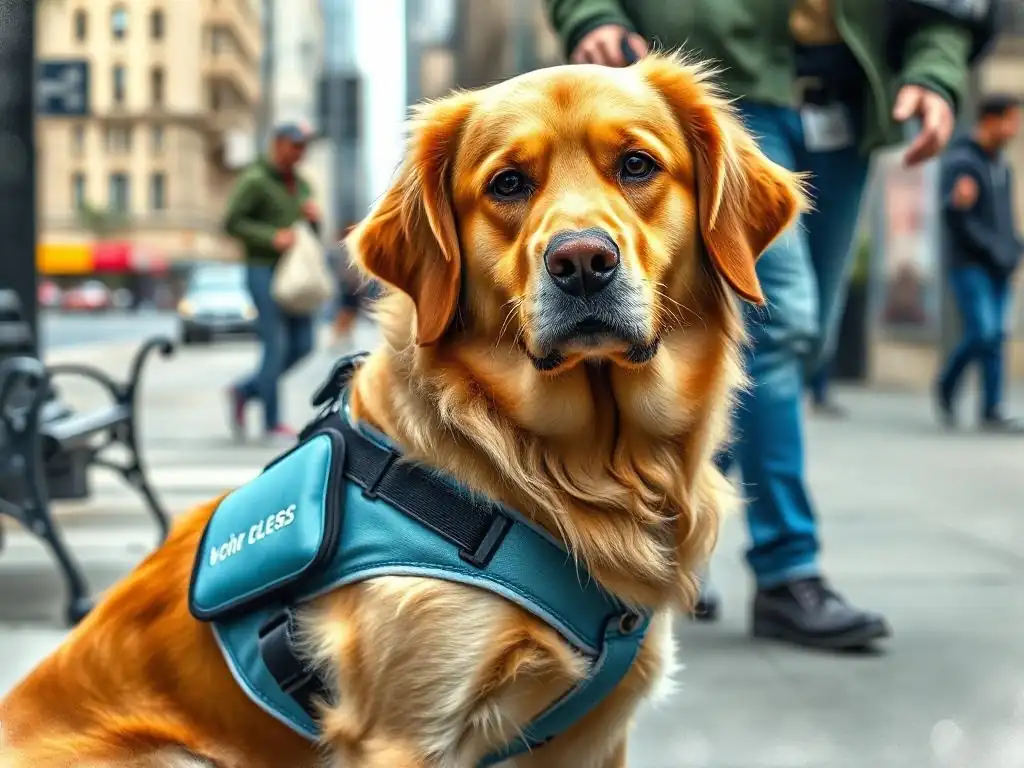
This section delves into the crucial advanced obedience skills necessary for a service dog to function effectively in real-world scenarios. Mastering these commands ensures the dog's reliability and safety, both for the handler and the public. We'll explore techniques to build unwavering obedience even amidst significant distractions, focusing on the key aspects of service dog real-world training. The goal is to cultivate a dog that is not only highly trained but also confident and adaptable. Remember, consistent and positive reinforcement are paramount throughout this advanced training phase.
Reliable Recall in Distracting Environments: Service Dog Real-World Training
Reliable recall is arguably the most critical command for a service dog. A service dog must return to its handler immediately, even when faced with enticing distractions such as other dogs, tempting smells, or exciting activities. This requires rigorous training in increasingly challenging environments.
Initially, practice recall in a controlled setting, gradually introducing low-level distractions like toys or other people at a distance. As the dog masters this, increase the intensity and variety of distractions. This might involve practicing recall in a busy park, near other dogs, or even amidst the noise and activity of a shopping mall.
- Positive Reinforcement is Key: Use high-value rewards, such as small pieces of favorite treats or enthusiastic praise, to reinforce immediate and enthusiastic response to the recall cue.
- Vary Your Cues: Utilize different verbal cues ("Come," "Here," etc.) and hand signals to ensure the dog responds consistently, regardless of the cue used.
- Proofing the Behavior: This involves gradually exposing the dog to progressively more challenging distractions while consistently rewarding correct responses. This process ensures the dog's reliability under pressure.
- Practice, Practice, Practice: Consistent practice is essential. Short, frequent training sessions are more effective than long, infrequent ones. Aim for multiple short sessions daily, focusing on building the dog's confidence and reliability.
Advanced Stay and Down Commands: Mastering Control in Public Spaces
Advanced "stay" and "down" commands are essential for a service dog's ability to remain calm and controlled in various public settings. These commands ensure the dog doesn't interfere with the handler's tasks or cause disruption to others. Training should focus on duration and distraction proofing.
Start by practicing "stay" and "down" in a quiet room, gradually increasing the duration and introducing subtle distractions. Then, move to more challenging environments, such as busy streets or crowded stores. The goal is for the dog to remain in the "stay" or "down" position, even when facing significant distractions.
| Training Stage | Environment | Distractions | Duration (seconds) |
|---|---|---|---|
| 1 | Quiet Room | None | 5-10 |
| 2 | Quiet Room | Slight noises, movement | 15-30 |
| 3 | Park (quiet area) | Other people at a distance, slight noises | 30-60 |
| 4 | Busy Street | Traffic, other people, dogs | 60+ |
Remember to always use positive reinforcement and gradually increase the difficulty. Never punish a dog for failing to maintain a "stay" or "down" – instead, gently guide them back to the position and resume training.
Interrupting Unwanted Behaviors: Service Dog Training for Real-World Challenges
Even the best-trained service dogs may exhibit unwanted behaviors. It's crucial to teach the handler how to effectively interrupt and redirect these behaviors using positive reinforcement techniques. This is a critical aspect of service dog real-world training, ensuring safety and minimizing disruption.
Some common unwanted behaviors include barking, jumping, or pulling on the leash. To interrupt these behaviors, the handler should utilize a clear, consistent correction such as a firm "No," coupled with immediate redirection to a desired behavior. For instance, if the dog barks excessively, the handler should immediately redirect its attention to a "down" or "stay" command, followed by positive reinforcement once the unwanted behavior ceases.
The key is to be proactive and consistent. Anticipating situations that might trigger unwanted behaviors and implementing preventative measures is crucial. This proactive approach minimizes the occurrence of unwanted behaviors in the first place. Furthermore, regular training sessions focusing on impulse control and self-regulation are essential to building a well-behaved and reliable service dog. This includes activities like scent work or puzzle feeders to occupy the dog's mind and reduce the likelihood of unwanted behaviors. Remember, patience and consistency are vital in this process. The goal is not to suppress behaviors, but to teach the dog alternative, acceptable behaviors.
Specialized Training for Specific Service Dog Tasks
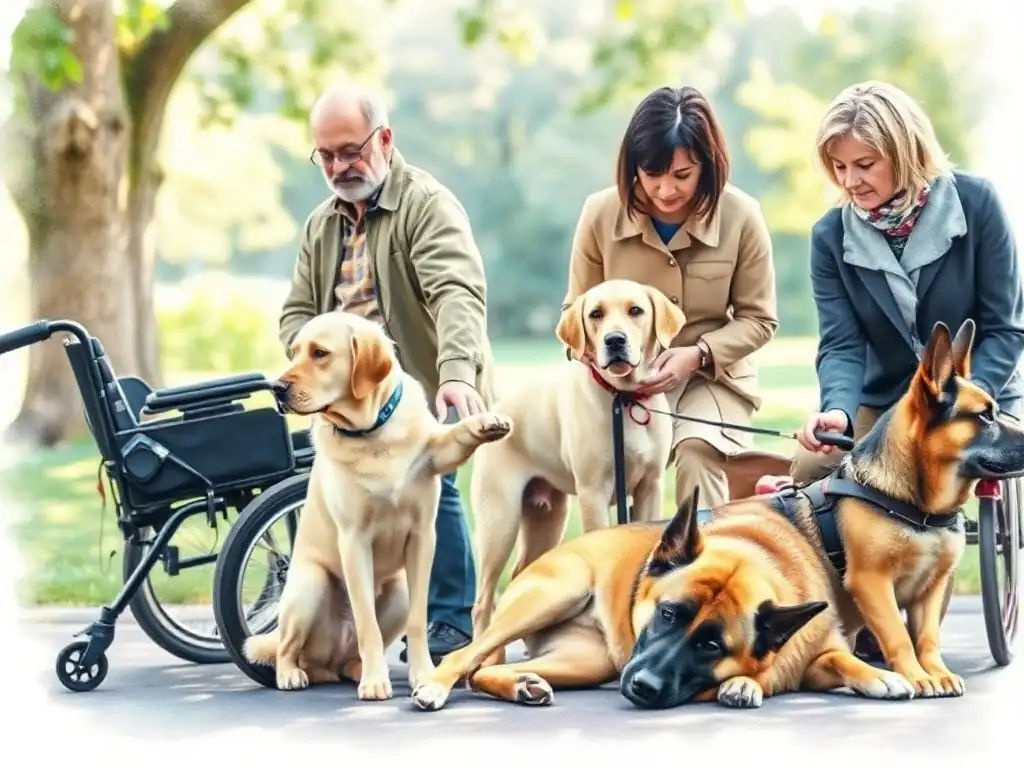
This section delves into the specialized training required for service dogs to effectively handle various real-world scenarios. Successfully preparing a service dog necessitates a nuanced understanding of the specific tasks they'll perform and the environments they'll encounter. Effective "service dog real-world training" goes beyond basic obedience; it demands a deep comprehension of potential challenges and the development of adaptive skills. We'll explore three crucial areas: medical alert, mobility assistance, and psychiatric service dog training, highlighting the unique challenges and training strategies for each.
Medical Alert Training: Real-World Scenarios and Service Dog Responsibilities
Medical alert dogs require rigorous training to detect subtle changes in their handler's physiological state and respond appropriately. This goes beyond simply recognizing a specific symptom; it involves understanding the context and urgency of the situation. For example, a dog trained to alert to hypoglycemia needs to differentiate between a mild drop in blood sugar and a life-threatening emergency. This requires extensive practice in various environments, including:
- Controlled Environments: Initial training often involves controlled settings where the handler simulates symptoms. This allows the dog to associate specific physiological changes (e.g., a change in breath or sweat) with a specific command or action.
- Public Settings: Gradually, training must transition to public spaces like supermarkets, restaurants, and crowded streets. This is critical to ensure the dog can perform reliably amidst distractions. This phase involves carefully managed exposure to increasing levels of stimuli, building the dog's ability to focus amidst chaos.
- Unexpected Situations: The training must also incorporate unexpected situations, such as sudden noises, unfamiliar people, or changes in routine. This helps the dog develop resilience and adaptability.
The dog's response should be consistently reliable and appropriate to the severity of the situation. A simple alert might be a nudge, while a more serious event could warrant more insistent behaviors, such as barking or pawing. This level of nuanced response requires considerable time and patience during the training process. Effective training also includes teaching the dog to avoid false positives, minimizing unnecessary disruptions. Data suggests that dogs trained using positive reinforcement methods exhibit higher levels of accuracy and reliability. 1
Mobility Assistance Training: Practical Exercises for Real-World Applications
Mobility assistance dogs are trained to perform tasks such as retrieving dropped items, opening doors, providing balance support, and guiding their handlers. Real-world application requires a high degree of precision and adaptability. For example, opening doors requires understanding different door mechanisms (knobs, levers, push bars) and adapting to varying levels of accessibility. Training should incorporate:
- Obstacle Courses: Creating obstacle courses simulates real-world environments with varied terrain, obstacles, and potential hazards. This builds the dog’s spatial awareness and problem-solving skills.
- Weight Training: Dogs are often trained to pull or support weight, which requires building strength and stamina. This is often done gradually, starting with lighter weights and gradually increasing the load.
- Environmental Variations: Training should take place in diverse environments – indoors, outdoors, on uneven surfaces – to prepare the dog for unpredictable conditions. This ensures the dog can perform reliably regardless of the environment.
The success of mobility assistance training hinges on the dog's understanding of commands and their ability to execute them precisely. Clear communication and consistent reinforcement are vital. Proper training minimizes the risk of accidents and maximizes the dog's effectiveness as a mobility aid. [Specific data on accident rates with properly vs. improperly trained mobility assistance dogs pending].
Psychiatric Service Dog Training: Handling Real-World Emotional Support Needs
Psychiatric service dogs provide crucial emotional support to their handlers, helping manage symptoms of mental health conditions. This type of training focuses on detecting and responding to signs of distress and providing calming interventions. Real-world scenarios can be highly varied and unpredictable, requiring adaptability and sensitivity from the dog. Effective training involves:
- Stress Recognition: Dogs are trained to recognize subtle signs of distress, such as changes in breathing, body language, or vocal tone. This often involves carefully observing the handler during moments of stress and training the dog to associate these cues with a specific action.
- Calming Techniques: The dogs are taught various calming techniques, such as applying gentle pressure, nudging, or simply providing comforting presence. These techniques are carefully introduced and practiced in a safe and controlled environment.
- Public Space Desensitization: It's crucial to desensitize the dog to various public spaces and social situations. This ensures that the dog can provide support even in challenging or overwhelming environments.
The success of this type of training depends heavily on building a strong bond between the handler and the dog. The dog needs to be comfortable and confident in its ability to support its handler. [Further research is needed to quantify the effectiveness of various training methodologies for psychiatric service dogs]. The process is very individualised and requires a highly sensitive and empathetic approach. The use of positive reinforcement methods is paramount to build trust and ensure the dog's willingness to participate.
1 [Citation needed: Specific study on positive reinforcement and medical alert dog accuracy]
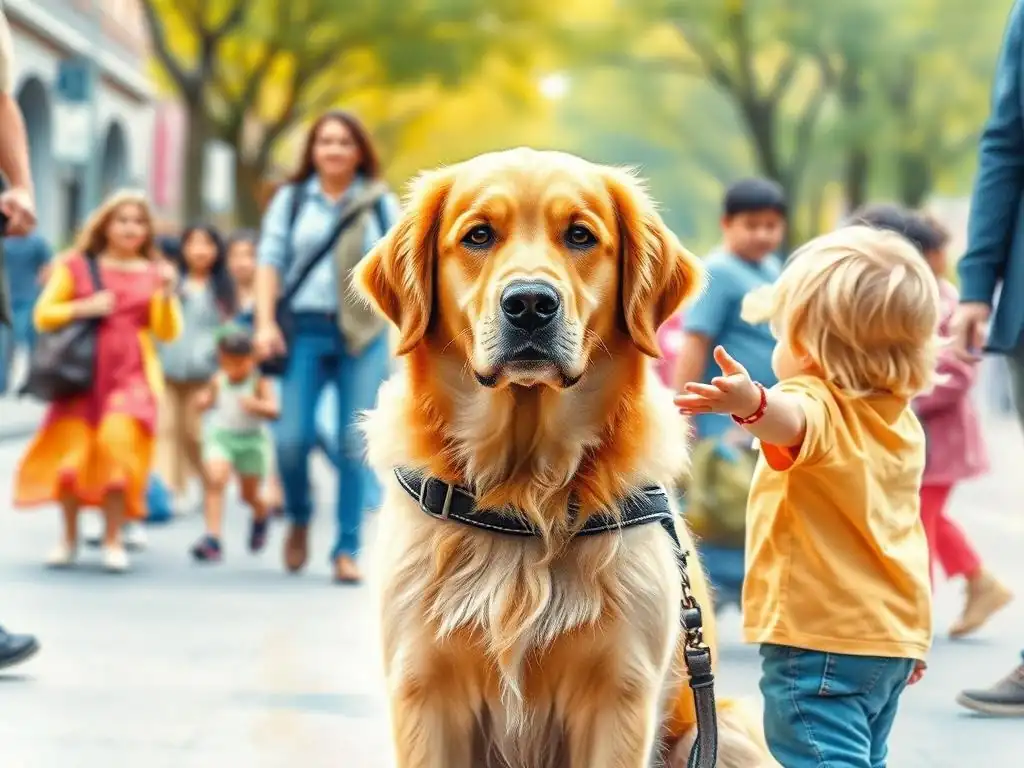
This section focuses on preparing your service dog for the crucial Public Access Test (PAT), a critical step in ensuring your canine companion is ready for real-world service work. Successful completion hinges on extensive socialization and the ability to handle unexpected events. Effective preparation isn't just about obedience; it's about building a confident, adaptable, and reliable service animal. The keyword "service dog real world training" is central to this process.
Socialization is the cornerstone of successful service dog training. It's not simply about exposing your dog to various environments; it's about doing so safely and effectively. Improper socialization can lead to fear, anxiety, or even aggression, hindering your dog's ability to perform its duties.
A structured approach is vital. Begin with controlled introductions to new stimuli in quiet settings. Gradually increase the intensity and complexity of the environment. For example:
- Week 1-4: Introduce your dog to different types of flooring (carpet, tile, wood), sounds (traffic, construction), and objects (strollers, bicycles). Keep sessions short and positive, rewarding calm behavior with treats and praise.
- Week 5-8: Expand your training to include more crowded areas, such as quiet parks or less busy shopping malls during off-peak hours. Practice basic obedience commands in these environments. Focus on maintaining calm and control.
- Week 9-12: Introduce more challenging scenarios, such as navigating crowds, encountering various people (children, elderly individuals, people with disabilities), and dealing with unexpected noises (fire alarms, loud music). Always prioritize your dog's safety and comfort.
Remember, positive reinforcement is key. Avoid punishing your dog for reacting to new stimuli; instead, redirect their attention and reward calm behavior. A fearful or stressed dog is less likely to perform effectively. Consistent, patient training is essential for building a well-socialized service dog. The aim is to build a dog that can handle the unpredictable nature of "service dog real world training."
Preparing for the Public Access Test: Real-World Evaluation of Service Dog Skills
The PAT is designed to assess your dog's ability to function reliably in public spaces. This isn't merely a test of obedience; it's an evaluation of your dog's overall temperament, adaptability, and ability to perform tasks in distracting environments. Think of it as a real-world exam for your service dog's skills. Preparation should mimic the actual test conditions as closely as possible.
Consider these aspects:
| Aspect | Preparation Strategy |
|---|---|
| Obedience Commands | Practice all commands in various environments, focusing on distractions and interruptions. |
| Focus and Attention | Work on maintaining focus amidst distractions, such as crowds, noises, and other animals. |
| Impulse Control | Train your dog to resist distractions and maintain composure in challenging situations. |
| Task Performance | Practice specific service dog tasks (e.g., retrieving items, providing support) in public. |
| Handling Distractions | Expose your dog to various distractions in a controlled manner, gradually increasing intensity. |
Before the PAT, practice navigating various public spaces, including busy streets, crowded stores, and public transportation. Simulate potential challenges, like unexpected noises or interactions with other people and animals. The goal of your "service dog real world training" is to create a confident and capable service animal.
Handling Unexpected Situations During Public Access Testing
The PAT isn't just about perfect performance; it's about how your dog handles the unexpected. Unforeseen events are inevitable in real-world service work. Therefore, preparing for unexpected situations is crucial.
Here are some common challenges and how to prepare for them:
- Loud Noises: Gradually desensitize your dog to loud noises using recordings or controlled exposures. Reward calm behavior.
- Crowds: Practice navigating crowded areas, focusing on maintaining control and avoiding collisions.
- Other Animals: Controlled introductions to other dogs and animals are essential, ensuring safe and positive interactions.
- Unfamiliar People: Expose your dog to diverse individuals, including children, elderly people, and those with disabilities.
- Unexpected Obstacles: Practice navigating unexpected obstacles, such as changes in terrain or unexpected objects.
Remember, the key is consistent and positive reinforcement. Your goal is to build a dog that's not just obedient, but resilient, adaptable, and confident in handling whatever the real world throws its way. This thorough "service dog real world training" will ensure your canine partner is prepared for a successful PAT and a fulfilling service career.
Ongoing Maintenance and Refinement of Service Dog Training
The journey of training a service dog doesn't end with the completion of a formal program. Successful service dog real-world training is a continuous process requiring ongoing maintenance and refinement. Think of it as a marathon, not a sprint. Consistent effort ensures the dog's skills remain sharp, reliable, and adaptable to the ever-changing demands of daily life. This phase is crucial for maintaining the dog's competency and ensuring a strong, lasting partnership between the handler and their service animal. Neglecting this stage can lead to decreased effectiveness and potentially jeopardize the handler's safety and independence.
Regular Practice and Reinforcement of Learned Skills
Regular practice is the cornerstone of maintaining a service dog's skills. This isn't about simply repeating commands; it's about reinforcing learned behaviors in diverse and increasingly challenging environments. For example, a dog trained to retrieve medication should practice this skill not only at home but also in various public places like pharmacies, doctors' offices, and even busy shopping malls. The frequency of practice will depend on the individual dog and the complexity of the tasks, but a good rule of thumb is daily, short training sessions focusing on specific skills.
Varying the environment and adding distractions helps build resilience and adaptability in the dog. Reward-based training methods, utilizing positive reinforcement, remain crucial during this maintenance phase. Consistent positive reinforcement strengthens the bond between handler and dog and maintains motivation.
Consider a structured schedule:
| Day | Task | Location | Notes |
|---|---|---|---|
| Monday | Medication retrieval | Pharmacy, Home | Vary the distractions each time. |
| Tuesday | Guiding through crowded areas | Shopping mall, busy street | Focus on navigating obstacles and maintaining focus. |
| Wednesday | Responding to anxiety cues | Home, Park | Simulate stressful situations gradually. |
| Thursday | Public access work (e.g., interrupting unwanted behaviors) | Coffee shop, Restaurant | Practice polite interactions with others. |
| Friday | Down/stay in various locations | Park bench, floor at home | Increase duration and distractions over time. |
| Weekend | Review all skills, relaxation and free time | Home, Park | Focus on building a strong bond with your dog. |
This structured approach ensures that all crucial service dog skills are regularly reinforced. Remember to adjust the schedule and tasks based on your dog's individual needs and progress. Always end each session on a positive note.
Addressing Setbacks and Addressing Challenges in Real-World Service Dog Work
Even the most well-trained service dogs will encounter setbacks. This is an inherent part of real-world service dog work. These setbacks can range from minor distractions to more significant challenges. Perhaps a dog becomes overwhelmed in a particularly noisy environment, or a new, unfamiliar stimulus triggers an unwanted behavior. The key is to identify the root cause of the setback and address it proactively.
This might involve adjusting the training plan, introducing desensitization techniques, or seeking professional guidance. Maintaining a detailed log of training sessions, including both successes and setbacks, can be incredibly valuable in pinpointing areas needing further attention. For example, if a dog consistently struggles with a specific task in a particular environment, further desensitization and counter-conditioning exercises might be necessary. 🐶
It's crucial to remember that setbacks are learning opportunities. They provide valuable insights into the dog's strengths and weaknesses, allowing for targeted training adjustments. Avoid punishment; instead, focus on positive reinforcement and redirection. Celebrate small victories and maintain a positive, encouraging approach to build the dog's confidence and resilience. Remember, patience and consistency are key to overcoming challenges.
The Importance of Ongoing Professional Guidance for Service Dog Training
While diligent practice is essential, seeking ongoing professional guidance is equally important. A certified professional trainer can provide valuable support, offering personalized advice, identifying potential problems, and suggesting effective solutions. Regular check-ins with a trainer allow for objective assessment of the dog's progress and ensure the continued refinement of its skills.
This professional input is invaluable, particularly when dealing with complex behavioral issues or unexpected challenges. A trainer can also offer support and guidance to the handler, ensuring they are equipped with the necessary skills and knowledge to maintain a successful partnership with their service dog. Regular consultations – even if only a few times a year – can prevent small problems from escalating into larger, more difficult-to-manage issues.
This proactive approach is vital for ensuring the long-term success of the service dog team. The investment in ongoing professional guidance is an investment in the long-term well-being and effectiveness of the service dog partnership.
Frequently Asked Questions
What is "real-world" training for service dogs?
Real-world training goes beyond basic obedience. It involves exposing your service dog to various unpredictable environments and situations to ensure they can reliably perform tasks in real life. This includes navigating crowds, public transportation, and potentially stressful scenarios.
How does "real-world" training differ from basic obedience?
Basic obedience teaches foundational commands. Real-world training builds upon this foundation, focusing on task performance under distraction and in diverse settings. It emphasizes reliable execution even when faced with challenges.
What are some common real-world scenarios included in service dog training?
Training includes navigating busy streets, handling unexpected noises and distractions, and performing tasks in different weather conditions. It also covers interactions with other people and animals.
How long does real-world training for a service dog typically take?
The duration varies greatly depending on the dog, its temperament, and the specific tasks required. It can range from several months to several years of consistent, dedicated training.
Where can I find a reputable service dog training program that emphasizes real-world scenarios?
Research programs carefully, looking for certified trainers with experience in preparing service dogs for real-world tasks. Check reviews and testimonials to gauge the program's success rate and training methods. Consider the program's approach to socialization and exposure to diverse environments.
Final Reflection: Bridging the Gap: Service Dog Training for a More Inclusive World
The rigorous training detailed in this article isn't just about mastering commands; it's about building a powerful partnership that transforms lives. The demand for well-trained service dogs continues to rise, highlighting the critical need for comprehensive, real-world preparation that goes beyond basic obedience. This isn't just about dogs; it's about empowering individuals and fostering a more inclusive society.
The journey of training a service dog is a testament to the incredible bond between humans and animals, a bond that transcends simple companionship and becomes a lifeline. It's a journey filled with challenges, triumphs, and unwavering dedication. The impact extends far beyond the handler and their canine partner; it ripples outwards, influencing perceptions of disability and demonstrating the transformative power of animal-assisted support. The love of a dog is a pure as the purest love of a human being.
- Josh Billings. This quote, while seemingly simple, encapsulates the profound emotional connection at the heart of this training process, a connection that fuels both the handler and the dog to overcome obstacles and achieve remarkable results.
Now, consider your own role in this evolving landscape. Perhaps you're a prospective handler, a trainer, or simply someone who wants to better understand the dedication and skill involved in preparing a service dog for real-world scenarios.
Take the lessons learned here – the emphasis on patience, consistency, and a deep understanding of both canine behavior and the needs of the handler – and apply them to your own interactions with service dogs and their handlers. Let's work together to create a world where these incredible partnerships are not only understood but celebrated, fostering a more compassionate and inclusive environment for everyone.
Unlock Your Dog's Potential: Start Their Service Dog Journey Today!
Thank you for learning about service dog training! We hope you found the information helpful in preparing your canine companion for real-world situations. Now it's time to put your knowledge into practice.
Here are some ways to continue your dog's training journey:
- Begin practicing the training techniques you've learned. Start with small, achievable steps, concentrating on one skill at a time. Consistency is crucial for success.
- Join our online community forum to connect with other service dog owners and trainers. Sharing experiences and learning from others is invaluable.
- Schedule a consultation with a certified professional dog trainer. A trainer can assess your dog's progress and provide personalized support and guidance.
Ready to transform your dog's life and strengthen your bond? What skill will you and your furry friend tackle first?