
Why Your Dog's Allergies Might Be Getting Worse: Common Mistakes to Avoid


Welcome to PetCareWorld, your ultimate guide to a happier, healthier life for your beloved pets! Are you noticing your dog's allergies are becoming increasingly problematic? Discover the surprising common mistakes many pet owners make that could be worsening your dog's allergies, and learn how to avoid them in our insightful article, "Why Your Dog's Allergies Might Be Getting Worse: Common Mistakes to Avoid." Unlock the secrets to managing your furry friend's sensitivities and find relief today – explore our expert advice now!
- Understanding Worsening Dog Allergies: Signs and Symptoms
- Common Mistakes Exacerbating Dog Allergies
-
Avoiding Common Mistakes to Manage Dog Allergies Effectively
- Implementing a Strict Food Elimination Diet for Dogs
- Identifying and Removing Environmental Allergens from Your Home
- Utilizing Appropriate Allergy Medications for Dogs Under Veterinary Guidance
- Regular Veterinary Check-ups for Allergy Monitoring and Management
- Exploring Alternative Therapies for Canine Allergies (e.g., acupuncture)
- Long-Term Strategies for Preventing Worsening Dog Allergies
- Conclusion: Taking Control of Your Dog's Allergies
-
Frequently Asked Questions
- What are some common mistakes pet owners make that worsen dog allergies?
- How can I tell if my dog's allergies are worsening?
- Are there certain foods that can aggravate dog allergies?
- My dog's allergy medication isn't working. What should I do?
- Can environmental factors make my dog's allergies worse?
- Final Reflection: Understanding the Evolving Allergy Landscape in Our Canine Companions
- Unleash Your Dog's Allergy Relief: Take Control Now!
Understanding Worsening Dog Allergies: Signs and Symptoms
Is your dog's allergy seemingly getting worse? Many pet owners find themselves increasingly frustrated as their canine companion's allergic reactions become more frequent and severe. This isn't just an inconvenience; worsening allergies can significantly impact your dog's quality of life, leading to discomfort, chronic illness, and even secondary infections. This article will delve into the common mistakes pet owners make that could be exacerbating their dog's allergies, helping you identify potential issues and take proactive steps towards better management.
We'll explore the subtle signs of worsening allergies, how to differentiate them from other ailments, and when professional veterinary intervention becomes crucial. Understanding these aspects is key to ensuring your furry friend remains happy, healthy, and allergy-free, or at least, allergy-managed, as effectively as possible. Let's start by recognizing the progression of canine allergies.
Recognizing the Progression of Canine Allergies
Early signs of dog allergies often manifest as mild itching, occasional skin redness, or a slightly runny nose. However, as allergies worsen, these symptoms become more pronounced and persistent. You might observe a significant increase in scratching, leading to inflamed skin, hot spots, and even secondary skin infections. The frequency and intensity of these episodes increase, becoming a near-constant issue. Consider these indicators of worsening allergies:
- Increased scratching and licking: A dramatic escalation in your dog's self-grooming behavior, often focused on specific areas.
- Hair loss: Patches of baldness, particularly in areas subject to frequent scratching.
- Skin infections: Secondary bacterial or yeast infections due to compromised skin integrity from excessive scratching.
- Ear infections: Inflamed, red, and often smelly ears are a frequent symptom, indicating a worsening allergy.
- Gastrointestinal issues: While less common, some dogs experience worsening diarrhea or vomiting due to food allergies.
- Respiratory symptoms: Increased sneezing, coughing, and wheezing can indicate worsening inhalant allergies.
It's crucial to keep a detailed log of your dog's symptoms, including the frequency, severity, and any potential triggers. This information will be invaluable when consulting with your veterinarian. Remember, even subtle changes in your dog's behavior can signal a worsening allergy. Early detection and intervention are key to effective management.
Distinguishing Allergic Reactions from Other Illnesses
It's important to note that many symptoms associated with dog allergies can mimic those of other illnesses. For example, excessive scratching could be a sign of fleas, mange, or even a hormonal imbalance. Similarly, skin infections can stem from various sources, not just allergies. Therefore, correctly identifying the underlying cause is crucial for appropriate treatment. Here’s a brief comparison:
| Symptom | Allergy | Fleas/Mange | Other Illnesses (e.g., Hormonal Imbalance) |
|---|---|---|---|
| Itching | Generalized, often seasonal | Localized, intense itching | Generalized or localized, may be chronic |
| Skin lesions | Redness, inflammation, hot spots | Bites, scabs, hair loss | Various presentations depending on the illness |
| Hair loss | Patchy, often in areas of scratching | Patchy or widespread, depending on the infestation | Can be diffuse or localized |
| Ear infections | Frequent, recurrent | Possible, but often less prominent | Possible, secondary to other issues |
This table highlights the importance of a thorough veterinary examination. A vet can conduct tests to rule out other conditions and confirm a diagnosis of allergies. Don't hesitate to seek professional help if you're unsure about the cause of your dog's symptoms.
When to Seek Veterinary Attention for Severe Allergic Reactions
While many mild allergic reactions can be managed at home, certain situations require immediate veterinary attention. These include:
- Anaphylaxis: This is a life-threatening allergic reaction characterized by difficulty breathing, swelling of the face and throat, and collapse. Anaphylaxis requires immediate emergency veterinary care.
- Severe skin infections: If your dog's skin is severely inflamed, ulcerated, or exhibiting signs of a secondary infection (pus, foul odor), seek veterinary help promptly.
- Persistent vomiting or diarrhea: If these symptoms are severe or persistent, it could indicate a more serious underlying condition.
- Unresponsive symptoms: If home remedies aren't alleviating your dog's symptoms, or if the symptoms are worsening despite your efforts, it's time to seek professional veterinary guidance.
Remember, your veterinarian is your best resource for managing your dog's allergies. Don't delay seeking professional help if you're concerned about your dog's well-being. Early intervention can prevent complications and ensure a better quality of life for your furry friend. 🐶
Common Mistakes Exacerbating Dog Allergies

This section delves into common errors pet owners make that can worsen their dog's allergies. Understanding these mistakes is crucial for effective allergy management and improving your furry friend's quality of life. Failing to address these issues can lead to a vicious cycle of worsening symptoms, increased discomfort for your dog, and added stress for you. Let's examine some key areas where many pet owners unintentionally contribute to their dog's allergic reactions.
Ignoring Environmental Triggers: Pollen, Dust Mites, and More
Many dog owners focus solely on dietary aspects when dealing with allergies, overlooking the significant role environmental factors play. Pollen, dust mites, mold spores, and even certain fabrics can trigger allergic reactions in dogs, manifesting as itchy skin, sneezing, and eye irritation. These environmental allergens are often underestimated contributors to worsening allergy symptoms.
Ignoring these triggers is a critical mistake. For example, a dog allergic to pollen might experience a dramatic increase in symptoms during peak pollen seasons (spring and fall) if no preventative measures are taken. Similarly, a dog living in a dusty environment with untreated carpets or bedding might suffer from chronic skin problems due to constant exposure to dust mites.
Effective management requires identifying and mitigating these triggers. This may involve:
- Regular vacuuming and cleaning of the house, paying special attention to carpets and upholstery.
- Using hypoallergenic bedding and cleaning products.
- Regular bathing to remove pollen and other allergens from your dog's coat.
- Limiting outdoor exposure during peak pollen seasons.
- Using air purifiers with HEPA filters to remove airborne allergens.
- Considering regular professional cleaning services to ensure thorough allergen removal.
A proactive approach to environmental control can significantly reduce your dog's exposure to allergens and lessen the severity of their allergic reactions. Regular veterinary checkups are also crucial to monitor allergy symptoms and adjust management strategies as needed. Failing to address environmental triggers can lead to a chronic cycle of allergy symptoms, potentially making the condition progressively worse.
Incorrect Diagnosis and Treatment of Dog Allergies
A common mistake leading to worsening dog allergies stems from inaccurate diagnoses and inappropriate treatment. Many symptoms, such as itching, scratching, and digestive upset, can be indicative of various conditions, not just allergies. Relying on home remedies or self-diagnosing can delay proper veterinary intervention, potentially allowing the underlying condition to worsen.
Misdiagnosis can lead to ineffective treatments, further irritating your dog's skin and gut. For instance, treating a food allergy with topical steroids might temporarily alleviate itching but won't address the root cause, potentially leading to long-term digestive issues and skin problems. Similarly, using over-the-counter medications without veterinary guidance can mask symptoms and hinder accurate diagnosis.
A comprehensive veterinary examination is crucial for proper diagnosis. This often involves allergy testing (intradermal or blood tests), a thorough physical examination, and a detailed review of your dog's history and symptoms. The veterinarian may recommend a combination of approaches, including dietary changes, environmental modifications, and medication, tailored to your dog's specific needs. Ignoring professional veterinary guidance can result in prolonged suffering for your dog and potentially irreversible damage.
Remember, accurate diagnosis and treatment are paramount in managing dog allergies effectively and preventing their worsening.
Feeding the Wrong Diet: Ingredients to Avoid for Sensitive Dogs
Dietary indiscretions are a major contributor to worsening dog allergies. Feeding your dog food containing ingredients they are allergic to is a common mistake with severe consequences. This can lead to chronic inflammation, digestive issues, and a flare-up of existing allergic symptoms.
The most common food allergens in dogs include:
| Allergen | Symptoms |
|---|---|
| Beef | Itching, digestive upset, skin lesions |
| Dairy | Vomiting, diarrhea, skin irritation |
| Chicken | Itching, ear infections, vomiting |
| Wheat | Digestive upset, skin inflammation |
| Soy | Skin problems, digestive issues |
| Corn | Digestive upset, skin irritation |
Many commercial dog foods contain fillers and artificial ingredients that can trigger allergic reactions in sensitive dogs. Reading labels carefully and opting for high-quality, limited-ingredient diets is crucial. If your dog exhibits allergic symptoms, consult your veterinarian about an elimination diet to identify specific food allergens. This process involves gradually introducing different single-ingredient foods to pinpoint the culprit and develop a suitable hypoallergenic diet.
Ignoring dietary needs and continuing to feed your dog food containing known allergens will only exacerbate the allergy symptoms, leading to a worsening of their condition over time. A well-planned diet, tailored to your dog’s specific needs and sensitivities, is a cornerstone of effective allergy management. This proactive approach can significantly improve your dog’s health and well-being.
Overlooking Seasonal Allergy Peaks in Dogs
Dogs, just like humans, experience seasonal allergy peaks. These peaks often correlate with specific pollen counts and environmental factors. Failing to recognize and address these periods can significantly worsen your dog's allergies. For instance, many dogs experience a dramatic increase in allergy symptoms during spring, when tree pollen is at its highest. This can manifest as increased itching, scratching, paw licking, and even secondary skin infections.
Similarly, fall brings its own set of allergens, such as ragweed pollen, leading to a resurgence of allergy symptoms. Understanding your dog's allergy triggers and their seasonal variations is crucial. Keeping a detailed allergy diary, noting symptom severity and environmental factors, can help identify these peaks. This allows you to proactively implement management strategies, such as adjusting medications or increasing the frequency of baths during peak seasons. Ignoring these seasonal fluctuations can lead to a chronic cycle of worsening allergies, requiring more intense and potentially costly interventions in the long run.
Consider consulting with your veterinarian to create a customized allergy management plan that accounts for these seasonal variations. They can recommend preventative measures and appropriate treatments to minimize your dog's discomfort during these high-risk periods. Remember, proactive management is key to mitigating the severity of seasonal allergies in dogs. 🐕
Neglecting Regular Grooming for Allergic Dogs
Regular grooming is not merely an aesthetic practice; it's a vital component of allergy management for dogs. Neglecting this crucial aspect can exacerbate existing allergies and lead to a cascade of problems. Allergens, such as pollen, dust mites, and dander, readily accumulate in a dog's coat. For dogs with allergies, this accumulation can trigger intense itching and inflammation. Regular brushing helps remove these allergens, reducing direct skin contact and minimizing irritation.
The frequency of grooming depends on your dog's coat type and the severity of their allergies. Dogs with long or thick coats require more frequent brushing, potentially daily during peak allergy seasons. In addition to brushing, regular bathing with hypoallergenic shampoos can significantly reduce allergen buildup on the skin. These shampoos are formulated to be gentler on sensitive skin and are less likely to disrupt the skin's natural barrier, which is crucial for dogs with allergies. Failing to groom your allergic dog adequately can lead to matting, which further traps allergens and irritants against the skin, worsening inflammation and discomfort.
Furthermore, neglecting grooming can increase the risk of secondary skin infections due to excessive scratching and broken skin. Therefore, integrating a consistent grooming routine into your dog's allergy management plan is non-negotiable for preventing the worsening of their condition. A clean, well-groomed coat is a significant step towards alleviating your dog's allergic discomfort. 🧼
Avoiding Common Mistakes to Manage Dog Allergies Effectively

This section focuses on common pitfalls pet owners make when managing canine allergies, and how avoiding these mistakes can significantly improve your dog's quality of life. Successfully navigating dog allergies requires diligence and a multi-pronged approach. Ignoring even seemingly minor details can lead to a worsening of symptoms and potentially more serious health issues. Understanding these common mistakes and actively working to avoid them is crucial for effective allergy management. Let's delve into some key areas where many pet owners unintentionally hinder their dog's progress.
Implementing a Strict Food Elimination Diet for Dogs
A strict food elimination diet is often the cornerstone of managing food allergies in dogs. However, many owners make mistakes that undermine its effectiveness. A successful elimination diet requires meticulous attention to detail, patience, and consistency. Here's what to avoid:
- Insufficiently restrictive diet: Simply switching to a "hypoallergenic" brand isn't always enough. Many commercial hypoallergenic foods still contain hidden allergens or ingredients that can trigger reactions. A truly effective elimination diet often involves feeding a novel protein source (one your dog has never eaten before) and a limited ingredient diet, ideally with a single carbohydrate source. This minimizes exposure to potential allergens.
- Incomplete ingredient list review: Always carefully examine the entire ingredient list, including those tiny print details. Many ingredients are hidden under general terms like "meat by-products" or "natural flavors," which can mask potential allergens.
- Introducing new foods too early: The elimination phase should last at least 8-12 weeks to see significant improvements. Introducing new foods prematurely can mask the true allergy source, making diagnosis incredibly difficult. Gradual reintroduction of ingredients, one at a time, is essential to identify specific allergens.
- Ignoring subtle symptoms: Don't just focus on the major symptoms. Subtle signs like excessive scratching, ear infections, or digestive upset can indicate an allergic reaction even if it's not full-blown. Keep a detailed diary of your dog's food and any observed symptoms for effective tracking.
- Insufficient veterinary guidance: Working closely with your veterinarian is paramount. They can guide you on selecting appropriate novel protein sources, crafting a suitable elimination diet plan, and interpreting the results to diagnose specific food allergens.
Identifying and Removing Environmental Allergens from Your Home
Environmental allergies in dogs are just as prevalent as food allergies. Successfully managing them requires diligent identification and removal of the offending allergens from your dog's environment. Common mistakes here include:
- Overlooking common household allergens: Dust mites, pollen, mold, and pet dander are frequent culprits. Many owners underestimate their impact, failing to take sufficient steps to mitigate exposure. Regular cleaning, using HEPA filters, and controlling humidity are crucial.
- Insufficient cleaning: Regular vacuuming and washing bedding, carpets, and upholstery are vital, but frequency and thoroughness are key. Consider professional cleaning services for thorough allergen removal.
- Ignoring outdoor allergens: Pollen is a significant seasonal allergen. Limiting outdoor exposure during peak pollen seasons, and washing your dog after walks, can minimize exposure.
- Neglecting yard maintenance: Maintaining a well-manicured lawn, removing sources of mold and mildew, and controlling weed growth can significantly reduce allergen exposure in your dog's outdoor space.
Utilizing Appropriate Allergy Medications for Dogs Under Veterinary Guidance
Medication can play a supportive role in managing dog allergies, but should always be used under strict veterinary guidance. Common mistakes in this area include:
- Self-medicating: Never administer any medication, including over-the-counter human medications, without explicit veterinary approval. Many human medications are toxic to dogs.
- Ignoring side effects: Always monitor your dog for any adverse reactions to medication. Report any unusual behavior or side effects to your veterinarian immediately.
- Inconsistent medication administration: For medications to be effective, they must be administered consistently as prescribed. Skipping doses can reduce their efficacy and potentially worsen the allergy symptoms.
- Not considering alternative therapies: In conjunction with medication, consider alternative therapies like immunotherapy (allergy shots) or omega-3 fatty acid supplements. However, always discuss these with your veterinarian before starting.
Remember, consistent monitoring, detailed record-keeping, and close collaboration with your veterinarian are key to managing your dog's allergies effectively and preventing their worsening. 🐾
Regular Veterinary Check-ups for Allergy Monitoring and Management

Regular veterinary check-ups are crucial for managing your dog's allergies effectively. These visits aren't just about addressing immediate symptoms; they're about proactive monitoring and adjusting treatment plans as needed. A veterinarian can track the severity of your dog's allergies over time, noting any patterns or triggers.
This longitudinal data is invaluable for understanding how your dog's allergies are responding to current treatments and identifying potential problems early. For instance, a seemingly minor increase in itching might indicate a developing allergy to a new environmental factor, such as pollen from a newly blooming tree, or a worsening reaction to an existing allergen. Early detection allows for timely intervention, preventing a minor issue from escalating into a major health problem.
During these check-ups, your vet can perform physical examinations, assess your dog's skin and coat condition, and evaluate any changes in their overall health. They may also recommend additional diagnostic tests, such as allergy blood tests or skin prick tests, to pinpoint specific allergens and refine treatment strategies. Furthermore, your veterinarian can discuss and adjust medication dosages or explore alternative treatment options based on your dog's individual response to therapy.
This ongoing dialogue is critical for ensuring that your dog receives the most appropriate and effective allergy management. Don't hesitate to discuss any concerns or observations you've made at home, even seemingly insignificant details, as they may contribute to a more complete picture of your dog's allergic condition.
Consistent veterinary care is the cornerstone of successful long-term allergy management for your canine companion. Ignoring regular check-ups increases the risk of complications and could lead to a significant worsening of your dog's allergies.
Exploring Alternative Therapies for Canine Allergies (e.g., acupuncture)
While conventional treatments like medications and dietary changes are often the first line of defense against canine allergies, exploring alternative therapies can be beneficial for some dogs. Acupuncture, for example, is a holistic approach that aims to stimulate specific points on the body to alleviate pain, reduce inflammation, and improve overall well-being.
Studies suggest that acupuncture may help manage allergic reactions in dogs by modulating the immune system and reducing inflammation. 🐶 However, it's crucial to understand that acupuncture isn't a standalone cure for allergies and should ideally be used in conjunction with, rather than as a replacement for, conventional veterinary care.
Other alternative therapies, such as herbal remedies and homeopathy, are also sometimes considered. It's vital, however, to approach these therapies with caution and only after thorough consultation with your veterinarian. Not all alternative treatments are scientifically proven to be effective, and some may even interact negatively with conventional medications.
Your veterinarian can help you assess the potential benefits and risks of any alternative therapy before you incorporate it into your dog's treatment plan. Always prioritize your veterinarian's recommendations, and remember that alternative therapies should be considered complementary, not alternative, to established veterinary care. The key to successful allergy management is a multi-faceted approach that combines conventional and alternative therapies tailored to your dog's specific needs and under the guidance of a qualified veterinary professional.
Remember to always thoroughly research any alternative treatment and discuss it with your vet before implementation. Improper use of alternative therapies can potentially worsen your dog's condition.
Long-Term Strategies for Preventing Worsening Dog Allergies
This section focuses on proactive, long-term strategies to manage and potentially mitigate worsening dog allergies. Ignoring the underlying causes can lead to a vicious cycle of increasing symptoms and discomfort for your furry friend. Successfully navigating dog allergies requires a holistic approach, encompassing dietary management, environmental control, and immune system support. Let's delve into the key elements.
Maintaining a Consistent Diet and Routine for Your Allergic Dog
Maintaining a consistent diet and routine is paramount in managing dog allergies. Sudden dietary changes can trigger allergic reactions, exacerbating existing sensitivities. A hypoallergenic diet, prescribed by a veterinarian, is often the cornerstone of allergy management. This diet typically excludes common allergens like beef, dairy, wheat, and soy. However, even with a carefully selected diet, consistency is key.
Beyond the food itself, maintaining a regular feeding schedule helps stabilize your dog's digestive system and reduces the likelihood of unpredictable allergic reactions. Avoid giving table scraps or treats not explicitly approved by your vet, as these can introduce hidden allergens and disrupt the carefully balanced diet.
Consider keeping a detailed food diary, noting any changes in your dog's diet, feeding times, and any subsequent reactions. This meticulous record will help you identify potential triggers and patterns, enabling more effective allergy management. This proactive approach to dietary management is crucial in preventing allergy worsening. Remember, consistency is the key to success in managing your dog's allergies!
Proactive Environmental Control Measures for Allergic Dogs
Environmental control plays a significant role in preventing worsening dog allergies. Many allergens, such as pollen, dust mites, and mold spores, infiltrate your home, triggering allergic reactions in susceptible dogs. Implementing proactive measures to minimize exposure to these irritants is crucial.
- Regular Cleaning: Frequent vacuuming and cleaning, especially in areas where your dog spends the most time, is essential. Use a HEPA filter vacuum cleaner to effectively remove allergens from the air and surfaces. Washing bedding and dog toys regularly in hot water also helps eliminate allergens.
- Air Filtration: Consider using an air purifier with a HEPA filter in your home, particularly in your dog's sleeping area. These purifiers effectively trap airborne allergens, reducing your dog's exposure.
- Outdoor Precautions: Limit your dog's exposure to allergens outdoors during peak pollen seasons. This might involve shorter walks during less windy times of day, or washing your dog's paws and fur after outdoor activities.
- Grooming: Regular grooming can help remove allergens from your dog's coat, reducing the amount of allergens they ingest while grooming themselves.
Implementing these environmental controls significantly reduces your dog's exposure to common allergens, helping prevent allergy worsening and improving their overall comfort. It is a proactive strategy with long-term benefits for your dog's health and well-being.
Building a Strong Immune System in Allergic Dogs Through Proper Nutrition
A strong immune system is crucial in managing allergies. While a hypoallergenic diet addresses immediate allergy triggers, proper nutrition plays a vital role in strengthening your dog's natural defenses. This involves providing a diet rich in antioxidants, vitamins, and minerals known to support immune function.
- Antioxidants: Foods rich in antioxidants, such as blueberries, cranberries, and sweet potatoes, help combat oxidative stress, which can exacerbate allergic reactions.
- Omega-3 Fatty Acids: Omega-3 fatty acids, found in fish oil and flaxseed oil, possess anti-inflammatory properties that can help reduce allergic symptoms. Always consult your veterinarian before adding supplements to your dog's diet.
- Probiotics: Probiotics promote a healthy gut microbiome, which plays a crucial role in immune function. Adding a probiotic supplement, after consulting your vet, can support your dog's immune system.
Remember, these are supplemental strategies to support your dog's immune system. The foundation remains a well-managed, hypoallergenic diet tailored to your dog's specific needs under veterinary guidance. A holistic approach, combining dietary management, environmental control, and immune support, offers the best chance of preventing worsening dog allergies and improving your dog's quality of life. A proactive approach to your dog's health is an investment in their long-term well-being.
Educating Yourself on Canine Allergies and Their Management
Understanding canine allergies and their management is paramount in preventing their worsening. This involves moving beyond simply identifying symptoms and delving into the root causes. Many pet owners mistakenly believe a single allergy test provides a complete picture. In reality, allergies can be complex and multifaceted, involving multiple allergens that may change over time.
A thorough understanding of your dog's specific allergens – whether environmental (pollen, dust mites) or food-based (beef, dairy, chicken) – is crucial. This requires careful observation of your dog's reactions, detailed record-keeping of symptoms, and potentially several allergy tests conducted by a veterinarian specializing in dermatology. Don't underestimate the importance of maintaining detailed records; noting the timing of symptoms in relation to specific foods, environments, or activities can be invaluable in pinpointing triggers.
Furthermore, education extends to understanding the various management strategies available. These range from dietary changes and environmental control to medication and immunotherapy. It's crucial to understand the limitations and potential side effects of each approach. For example, while elimination diets are effective, they require rigorous adherence and careful planning to ensure nutritional adequacy. Similarly, medications, while offering immediate relief, might have long-term consequences if not carefully monitored.
Therefore, a proactive approach involves continuous learning and adaptation of management strategies based on your dog's individual response and evolving needs. Engaging with veterinary professionals, attending workshops, and researching reputable online resources are all essential components of this ongoing educational process. Remember, managing canine allergies is a journey, not a destination; continuous learning empowers you to make informed decisions and effectively prevent worsening symptoms. The more you know, the better equipped you are to support your canine companion.
Conclusion: Taking Control of Your Dog's Allergies
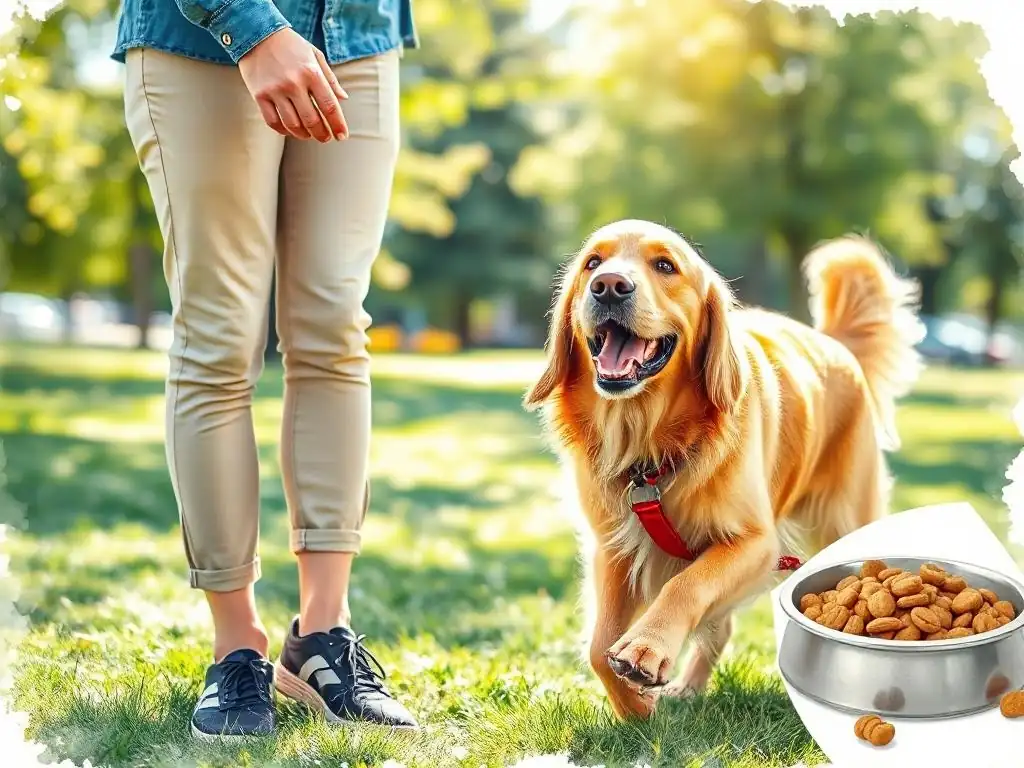
Successfully managing your dog's allergies requires a proactive and informed approach. Ignoring subtle changes or making common mistakes can significantly worsen their condition, leading to increased discomfort and potential health complications. By understanding the underlying causes and avoiding the pitfalls outlined in this article, you can dramatically improve your canine companion's quality of life.
Remember, consistent effort and a partnership with your veterinarian are crucial for long-term allergy management. The journey may have its challenges, but the reward—a happy, healthy, and allergy-free (or at least, allergy-minimized) dog—is well worth it. Don't let worsening allergies win; take charge and provide your furry friend with the care they deserve.
Summary of Key Mistakes to Avoid for Better Allergy Management
Let's recap the crucial errors to avoid when dealing with your dog's worsening allergies:
- Ignoring subtle symptoms: Don't dismiss seemingly minor issues like occasional itching or mild digestive upset. These could be early warning signs of a developing or worsening allergy. Early intervention is key.
- Inconsistent treatment: Sticking to a prescribed allergy management plan is vital. Intermittent use of medication or dietary changes can render treatments ineffective and potentially worsen the allergy over time.
- Failing to identify triggers: Pinpointing the specific allergens affecting your dog is crucial for effective management. Working with your veterinarian to conduct allergy testing can provide invaluable insights. This includes not just food, but environmental allergens like pollen and dust mites.
- Relying solely on over-the-counter remedies: While some OTC products can offer temporary relief, they are not a substitute for professional veterinary care and a tailored treatment plan. These products may mask the underlying problem without addressing the root cause.
- Neglecting regular veterinary checkups: Regular checkups are essential for monitoring your dog's allergy symptoms, adjusting treatment plans as needed, and detecting any potential complications. Think of it as preventative maintenance for their health.
- Failing to consider environmental changes: Your dog’s environment plays a significant role in allergy management. Regular cleaning, air purifiers, and minimizing exposure to known allergens are crucial steps.
- Sudden diet changes without veterinary guidance: Switching your dog's food abruptly can sometimes trigger or exacerbate allergic reactions. Always consult your vet before making any significant dietary changes.
Remember, consistent vigilance and proactive management are key to mitigating the severity of your dog's allergies. A well-informed approach, combined with professional veterinary guidance, can make a world of difference.
Resources for Further Information on Canine Allergies
While this article provides valuable information, further research can enhance your understanding and empower you to make informed decisions about your dog's care. Consider exploring resources from reputable veterinary organizations and academic institutions specializing in canine health. Look for information focusing on:
- Detailed allergy testing methods: Understanding the different types of allergy tests available (e.g., intradermal testing, blood tests) and their respective advantages and limitations.
- Specific dietary approaches for allergy management: Delve into the specifics of hypoallergenic diets, including the types of protein sources and ingredients to avoid.
- Advanced treatment options: Explore the latest advancements in allergy management, such as immunotherapy and other emerging therapies.
- Managing common co-morbidities: Many dogs with allergies experience secondary skin conditions or other health issues. Understanding how to manage these effectively is vital.
Remember to always consult your veterinarian for personalized advice and guidance tailored to your dog's specific needs and condition. They are your best resource for navigating the complexities of canine allergies and ensuring your furry friend receives optimal care. Don't hesitate to ask questions and actively participate in their treatment plan. Your involvement is crucial for successful allergy management.
Frequently Asked Questions
What are some common mistakes pet owners make that worsen dog allergies?
One common mistake is over-bathing your dog, stripping away essential oils and potentially irritating their skin further. Another is using harsh cleaning products around the house, exposing your dog to irritants. Finally, neglecting regular veterinary checkups can delay proper diagnosis and treatment.
How can I tell if my dog's allergies are worsening?
Look for increased scratching, licking, or biting, especially in specific areas. Redness, inflammation, and hair loss are other significant signs. If your dog's symptoms are getting more frequent or severe, it's crucial to consult a vet.
Are there certain foods that can aggravate dog allergies?
Yes, many dogs experience food allergies. Common culprits include beef, dairy, chicken, and wheat. A veterinary-recommended elimination diet can help identify food triggers and alleviate symptoms.
My dog's allergy medication isn't working. What should I do?
It's important to consult your veterinarian. They can adjust the medication, recommend alternative treatments, or investigate if there might be an underlying issue contributing to the worsening allergies. Never change your dog's medication without veterinary guidance.
Can environmental factors make my dog's allergies worse?
Absolutely. Pollen, dust mites, mold, and certain plants are common environmental allergens that can trigger or worsen allergic reactions. Regularly cleaning your home and using air purifiers can help minimize exposure.
Final Reflection: Understanding the Evolving Allergy Landscape in Our Canine Companions
The alarming increase in canine allergies isn't just an anecdotal observation; it's a growing concern reflecting broader environmental changes and our evolving understanding of canine health. The seemingly simple act of caring for our furry friends is becoming increasingly complex, demanding a deeper understanding of the subtle factors that contribute to their well-being. Ignoring these factors can lead to worsening allergies and a diminished quality of life for our beloved pets.
Witnessing the impact of seemingly minor dietary choices or environmental exposures on a dog's allergy symptoms has been a profound learning experience for me. It underscores the interconnectedness of our pets' health with their surroundings and our own actions. The greatest good you can do for another is not just to share your riches but to reveal to him his own.
This quote, while not directly about canine allergies, speaks to the responsibility we have to understand and address the challenges our pets face, empowering them to thrive. The subtle shifts in our understanding of canine allergies, from simple food sensitivities to complex environmental triggers, highlight the ongoing need for education and responsible pet ownership.
So, what will you do differently? Take a moment to reflect on your dog's environment, their diet, and the potential triggers that might be exacerbating their allergies. Are you proactively addressing potential allergens in their food and surroundings? Are you working closely with your veterinarian to develop a personalized management plan? By actively engaging in these questions, you're not just improving your dog's health; you're strengthening the bond you share, ensuring a happier, healthier life together for many years to come.
Unleash Your Dog's Allergy Relief: Take Control Now!
Thank you for learning about common allergy mistakes and their impact on your furry friend! We hope you gained valuable insights to improve your dog's well-being. Now, let's put that knowledge into action.
- Prioritize a Veterinary Consultation: Schedule a check-up with your veterinarian to discuss your dog's specific allergy symptoms and develop a treatment plan. This is crucial for ensuring your dog receives appropriate care.
- Review Your Dog's Diet: Carefully examine your dog's food ingredients. If your veterinarian recommends it, consider switching to a hypoallergenic diet. You may be surprised by the positive results!
- Join Our PetCareWorld Community: Share your experiences and connect with other pet owners facing similar challenges. Let's build a supportive network for learning and growth!
Ready to give your dog the allergy relief they deserve? What small step will you take today to enhance their comfort and well-being?