Beyond the Whimper: Effective Pain Relief Strategies for Senior Dogs
😊 Is your senior dog suffering? PetCareWorld offers expert guidance on effective senior dog pain relief methods, helping you navigate common age-related…
Read article
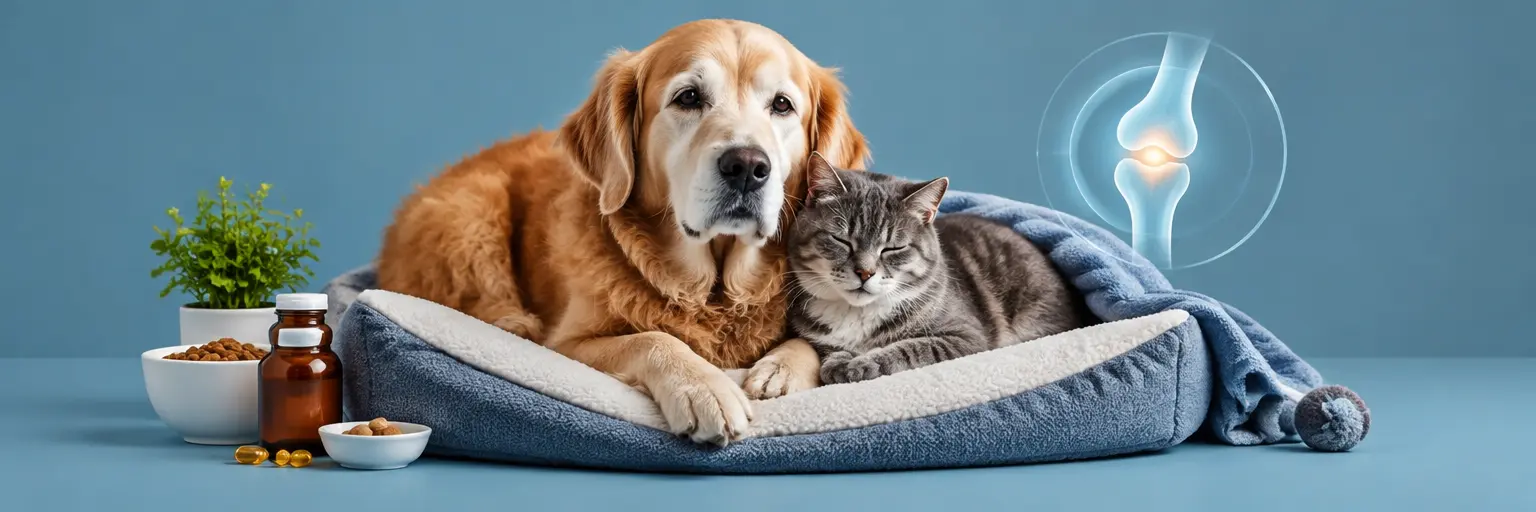
As our beloved companions enter their golden years, their needs evolve, and ensuring their comfort becomes a top priority. Senior pet care focuses on proactive management of age-related conditions, with pain management being a cornerstone of their quality of life. From arthritis and joint stiffness to dental discomfort and chronic conditions, recognizing the subtle signs of pain in older dogs and cats is crucial. This guide explores holistic and veterinary-supported strategies for pain relief, including safe medications, joint supplements, physical therapy, and nutritional adjustments. We’ll help you create a cozy, supportive home environment that minimizes discomfort and maximizes mobility. Understand how to read your senior pet’s behavior for signs of aching, and discover effective ways to provide gentle, loving care that ensures their twilight years are filled with peace, dignity, and happiness. With the right approach, you can significantly enhance their daily comfort and overall well-being, keeping their tail wagging and their purrs strong.

😊 Is your senior dog suffering? PetCareWorld offers expert guidance on effective senior dog pain relief methods, helping you navigate common age-related…
Read article
😊 Is your senior pet showing signs of discomfort? PetCareWorld's comprehensive senior pet pain management guide offers expert advice and practical solutions…
Read article
😊 Ease your senior dog's mobility issues and enhance their quality of life. PetCareWorld offers expert advice on pain management solutions for…
Read articleAs our beloved companions enter their golden years, their needs evolve, and ensuring their comfort becomes a top priority. At PetCareWorld, our Senior Pet Care – Pain Management and Comfort subcategory is your trusted resource for understanding and alleviating the aches and discomforts that often accompany aging in dogs and cats. We delve into safe, effective, and compassionate strategies to help your senior pet enjoy a vibrant, pain-free quality of life, from recognizing subtle signs of chronic discomfort to exploring integrative therapies that support their overall well-being.
Unlike humans, pets cannot verbally express their pain, making it imperative for owners to become astute observers. Common indicators include decreased activity, reluctance to jump or climb stairs, visible stiffness, altered posture, increased vocalization, and changes in appetite or grooming habits. Behavioral shifts, such as increased irritability or hiding, are also key markers. Our guides help you differentiate between normal aging and pain-related symptoms, enabling early intervention.
We provide a comprehensive checklist that you can use at home to monitor your pet’s mobility and demeanor. Recognizing these signs early can prevent minor discomfort from escalating into severe, debilitating pain. By learning to interpret their subtle cues, you become a proactive advocate for their health, ensuring they receive timely veterinary consultation and tailored pain relief. This proactive approach is the cornerstone of maintaining a high quality of life for your senior friend.
Veterinary pain management has evolved dramatically, offering a spectrum of solutions from traditional NSAIDs to cutting-edge regenerative therapies. We explain the benefits and potential risks of common anti-inflammatory drugs, including proper dosage and safety monitoring. Additionally, we explore advanced options like gabapentin, amantadine, and newer monoclonal antibody treatments that target pain pathways more precisely for chronic conditions like osteoarthritis.
Beyond pharmaceuticals, newer modalities such as stem cell therapy, platelet-rich plasma (PRP), and laser therapy are providing remarkable relief for many older pets. Our in-depth articles break down how these treatments work, their success rates, and what to expect during recovery. We also discuss when surgical interventions, like joint replacement, might be warranted. Armed with this knowledge, you can have more productive conversations with your veterinarian about creating a multimodal pain management plan.
Complementary and alternative therapies are gaining widespread acceptance for managing senior pet discomfort. Acupuncture, for instance, stimulates specific points to release endorphins and improve blood flow, effectively reducing pain, especially for arthritis. Pet massage therapy helps relax tense muscles, improves circulation, and enhances joint flexibility. Canine and feline physical therapy, including underwater treadmill sessions, builds strength without stressing painful joints.
We provide step-by-step introductory guides for gentle massage techniques you can perform at home, as well as advice on finding certified professionals. Hydrotherapy and therapeutic exercises are highlighted for their profound impact on maintaining muscle mass and delaying functional decline. These holistic approaches often complement conventional medicine, reducing the need for high medication doses and offering a more balanced, side-effect-minimizing strategy for long-term comfort.
Simple home modifications can drastically improve your senior pet’s daily comfort. Orthopedic memory foam beds alleviate pressure on joints, while ramps or pet stairs enable safer access to sofas, beds, and vehicles, reducing the risk of injury from jumping. Non-slip mats on hardwood or tile floors provide critical traction, preventing slips that exacerbate pain and lead to falls. Elevating food and water bowls facilitates easier reaching, particularly for pets with neck or back issues.
Our practical home setup guides cover every room in your house, from food stations to litter box accessibility for cats. We discuss nighttime considerations, like keeping a cozy, warm sleeping area that eases stiff joints upon waking. Everything is designed to make daily routines easier for a pet with limited mobility. These low-cost, high-impact modifications are a direct investment in their emotional and physical well-being, showing your senior companion they are safe and loved in their environment.
Diet is a powerful tool in the fight against age-related pain. We explore the science behind glucosamine, chondroitin, and omega-3 fatty acids (EPA/DHA) which help rebuild cartilage and reduce systemic inflammation. Specialized senior pet foods formulated with raised protein levels preserve muscle mass, while added antioxidants support cellular health. Weight management is also critical, as excess pounds place significant stress on painful joints.
Our nutritional guides offer insights into anti-inflammatory whole-food additions, such as blueberries, turmeric, and sweet potatoes, that you can safely incorporate into balanced meals. We help you decipher pet food labels to select high-quality ingredients that maximize joint support. Additionally, we address special dietary considerations for pets with kidney or liver conditions, ensuring pain management and nutrition work in tandem. A proper, targeted diet can markedly lower pain perception and boost overall energy.
Look for behavioral and physical changes such as limping, stiffness after rest, reluctance to climb, increased panting, loss of appetite, or grooming less. You may notice irritability or withdrawal. Subtle signs, like a cat avoiding litter box steps, are also red flags. When in doubt, consult your vet for a thorough pain assessment, as early detection leads to better outcomes.
Never give human painkillers like ibuprofen or acetaminophen to pets; they are highly toxic. Some veterinary-approved NSAIDs are available by prescription only. Always work with your veterinarian to find the right medication and dosage. They will monitor kidney and liver function to ensure safety for long-term use, adjusting treatment as needed over time.
Glucosamine and chondroitin sulfate support cartilage health, while high-dose omega-3 fatty acids from fish oil reduce joint inflammation. Green-lipped mussel extract and turmeric are also popular alternatives. Look for veterinary-grade products with clear purity labels, and always introduce new supplements gradually under your vet’s guidance to avoid gastrointestinal upset or interactions.
Yes, absolutely. Gentle, targeted exercises like underwater treadmill walking and range-of-motion stretches strengthen muscles, improve blood flow, and increase flexibility. A certified rehabilitation therapist can design a low-impact routine tailored to your dog’s specific pain points. Even 10-15 minutes of controlled movement twice daily can noticeably reduce stiffness and improve overall mobility.
Evaluate your pet’s quality of life using indicators like appetite, engagement, mobility, and comfort. If pain is uncontrollable despite multimodal therapies, and they no longer enjoy favorite activities or show persistent distress, consult your vet. Palliative care focuses on maximizing comfort, but when bad days outnumber good days, humane euthanasia is a compassionate final gift to prevent suffering.







