Organic Pet Food: Understanding the Labeling Differences
😊 Navigating organic pet food labels can be confusing. PetCareWorld's expert Organic pet food label guide clarifies the differences, ensuring you make…
Read article
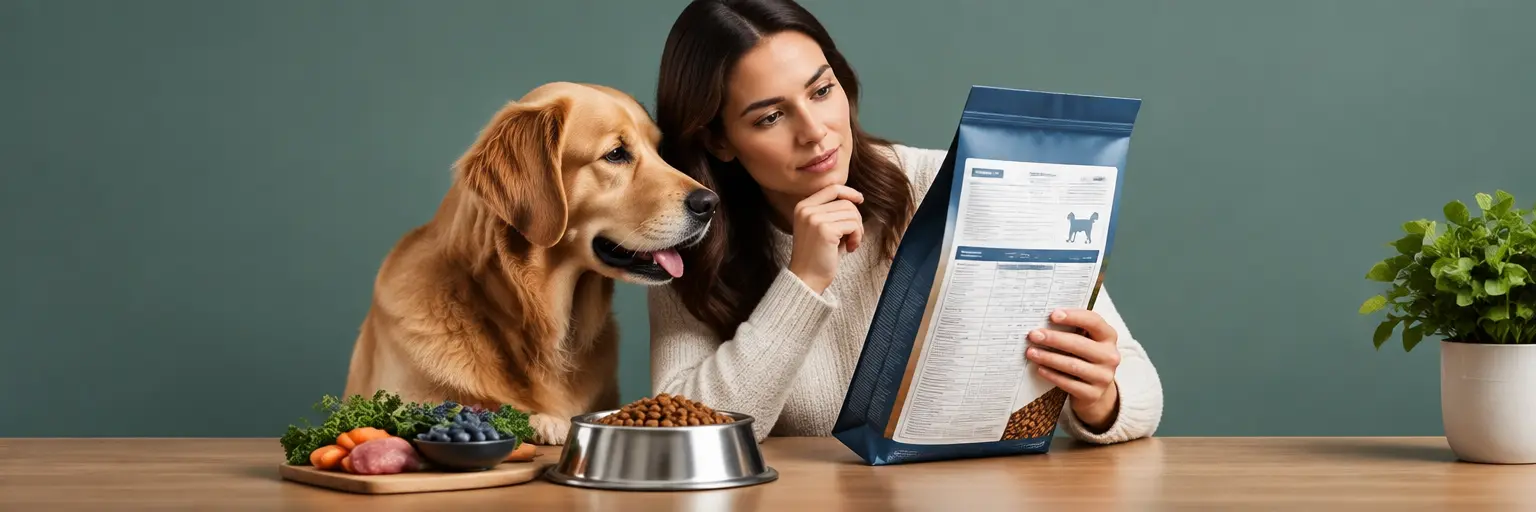
Decoding the fine print on your pet’s food bag can feel overwhelming, but understanding it is the single most powerful step you can take toward their long-term health and happiness. This essential guide simplifies the jargon, breaks down ingredient lists, and explains guaranteed analysis so you can confidently choose a diet that truly matches your furry friend’s unique nutritional needs. From spotting misleading marketing claims to recognizing high-quality protein sources and fillers, we’ll walk you through every section of the label with clear, expert-backed insights. Whether you’re a new pet parent or a seasoned pro, mastering this skill ensures every meal supports optimal energy, digestion, and vitality. Take control of your pet’s nutrition today—one label at a time.
😊 Navigating organic pet food labels can be confusing. PetCareWorld's expert Organic pet food label guide clarifies the differences, ensuring you make…
Read article
😊 Deciphering pet food labels can be tricky! Our expert Pet food allergy ingredient guide helps you identify common allergens and choose…
Read article
🤔 Puppy and kitten food labels: subtle yet crucial differences exist! PetCareWorld reveals key distinctions in nutritional needs, ensuring your furry friend…
Read article
🤔 Navigating raw dog food labels can be tricky. Our expert Raw dog food label guide helps you decipher ingredients, ensuring your…
Read articleDeciphering pet food labels can feel overwhelming, but it’s one of the most critical skills for any responsible pet owner. At PetCareWorld, we break down the jargon, legal requirements, and marketing tricks so you can confidently choose nutritious, safe food for your dog, cat, or exotic companion. This guide transforms label confusion into clarity, helping you prioritize real ingredients, identify misleading claims, and match formulas to your pet’s specific life stage and health needs.
Pet food labels list ingredients by weight, but that doesn’t always tell the whole story. The “95% rule” applies to products named like “Chicken for Dogs” — at least 95% of the product (excluding water) must be that named ingredient. The “25% rule” (e.g., “Chicken Dinner”) requires 25%–95%, while “with Chicken” needs only 3%. Understanding these percentages prevents you from overpaying for mostly filler.
Also, beware of moisture manipulation: meat contains up to 80% water, while dry ingredients like grains and meals are measured as-is. A high-meat ingredient might appear first, but after dehydration, it may be less significant. Always compare on a dry-matter basis — check the guaranteed analysis and calculate protein, fat, and fiber percentages after removing moisture. This gives a true nutritional comparison across brands.
The guaranteed analysis lists minimum crude protein and fat, plus maximum fiber and moisture. However, minima aren’t quality benchmarks — a low-quality food can meet them. Look for the Association of American Feed Control Officials (AAFCO) statement, which indicates the food is “complete and balanced” for a life stage (growth, adult, all life stages, senior). This statement also names the feeding trial method (e.g., “animal feeding tests”) or formulation method, with feeding trials being more rigorous.
Pay attention to calorie content (kcal/kg and kcal/cup) — often missing but crucial for weight management. For pets with kidney or heart issues, lower phosphorus or sodium levels may be needed, but these aren’t on standard labels. Always consult your veterinarian before choosing a therapeutic diet. Also, avoid foods with vague “animal digest” or “meat by-products” unless you trust the brand’s sourcing and transparency.
Terms like “natural,” “holistic,” “premium,” or “human-grade” are not federally regulated (except “natural” which has a loose AAFCO definition). “Human-grade” requires every ingredient and the finished product to be edible for humans — a high standard, but verify with certification. “Grain-free” doesn’t mean low-carb; it often swaps grains for peas or potatoes, which can still spike blood sugar. Similarly, “no by-products” can be misleading, since high-quality by-products (like organs) are nutrient-dense.
Scan for artificial colors, flavors, and preservatives (BHA, BHT, ethoxyquin) — linked to health concerns in some studies. Natural preservatives like mixed tocopherols (vitamin E) are safer. Also, check for added sugars, propylene glycol (used to keep soft foods moist), and excess salt. If you see vague terms like “meat meal” without a species, the source is questionable. Transparency from the brand’s website or customer service is your best tool.
Each format has label quirks. Wet food often has higher moisture (78%+) and lower calorie density, making it easier to hydrate cats or senior pets but requiring larger volumes. Dry food labels list smaller serving sizes, but many are high in carbohydrates — check the carb percentage by subtracting protein, fat, ash, fiber, and moisture from 100%. Raw diets often lack AAFCO statements, so scrutinize their nutritional completeness and handling instructions to avoid bacterial risks.
Prescription diets (e.g., renal, hypoallergenic) require veterinary approval and are formulated for specific medical conditions. Their labels may not list exact ingredient percentages, but they must meet AAFCO interference requirements. Always read the feeding instructions on these — overdosing can cause toxicity from added vitamins or minerals. For exotic pets (reptiles, birds), labels must include specific calcium-to-phosphorus ratios and vitamin D3 levels, which are not always regulated. Consult species-specific guides.
Always check “best by” or “expiration” dates — freshness affects nutrient oxidation and bacterial growth. Store dry food in an airtight container away from heat and humidity, not in the original bag (to avoid fat absorption from plastic). Wet food should be refrigerated after opening and used within 3–5 days. Freeze-dried or dehydrated foods have their own moisture and shelf-life notes. Never buy damaged cans or torn bags, and wash your hands after handling raw products.
Stay informed about recalls by signing up for FDA alerts or checking PetCareWorld’s recall section. A recall doesn’t always mean the food is toxic; it could be due to potential contamination or labeling errors. If your pet shows signs of illness (vomiting, lethargy) after eating a new label, stop feeding immediately and contact your vet. Document batch numbers (often printed on the label) to help trace issues. Proactive label reading includes checking lot codes for consistency.
Crude protein refers to the total nitrogen content multiplied by 6.25, not the digestible protein amount. It includes both usable amino acids and non-protein nitrogen. High crude protein doesn’t guarantee quality; look after the source (chicken meal vs. poultry by-product meal) and feeding trial results. Always compare digestibility — usually noted on the label or brand’s website.
No. By-products include organs like liver, kidney, and spleen, which are rich in vitamins and minerals. High-quality by-products are excellent ingredients. The problem arises when sources are unnamed (“meat by-products”) or include feathers, hooves, or intestines. Check if the brand specifies species (e.g., “chicken by-product meal”) and sourcing transparency.
Ingredients are listed by weight before cooking, including moisture. Fresh meat contains ~75% water, so after processing, it shrinks significantly. A dry ingredient like chicken meal (which is already dehydrated) may actually be more concentrated, even if listed second. Always compare dry-matter basis — you can request this from the manufacturer.
AAFCO statements indicate the food meets nutrient profiles, but not all foods undergo feeding trials. A “formulated to meet” statement is based on calculations, not actual animal testing. For better assurance, look for “animal feeding tests using AAFCO procedures” — then verify the test duration and number of animals. Small-batch foods may skip feeding trials due to cost.
Subtract the guaranteed percentages from 100: 100% – (crude protein + crude fat + crude fiber + moisture + ash). If ash isn’t listed, assume 5–8% for dry and 2–3% for wet food. For example, a dry food with 24% protein, 12% fat, 3% fiber, 10% moisture = 51% carbs (if ash is 0, but add 6% for realistic total). Low-carb foods are often below 30% on a dry-matter basis.







