Puppy and Kitten Care – Vaccination Schedules: Your Complete Guide to Early Immunity
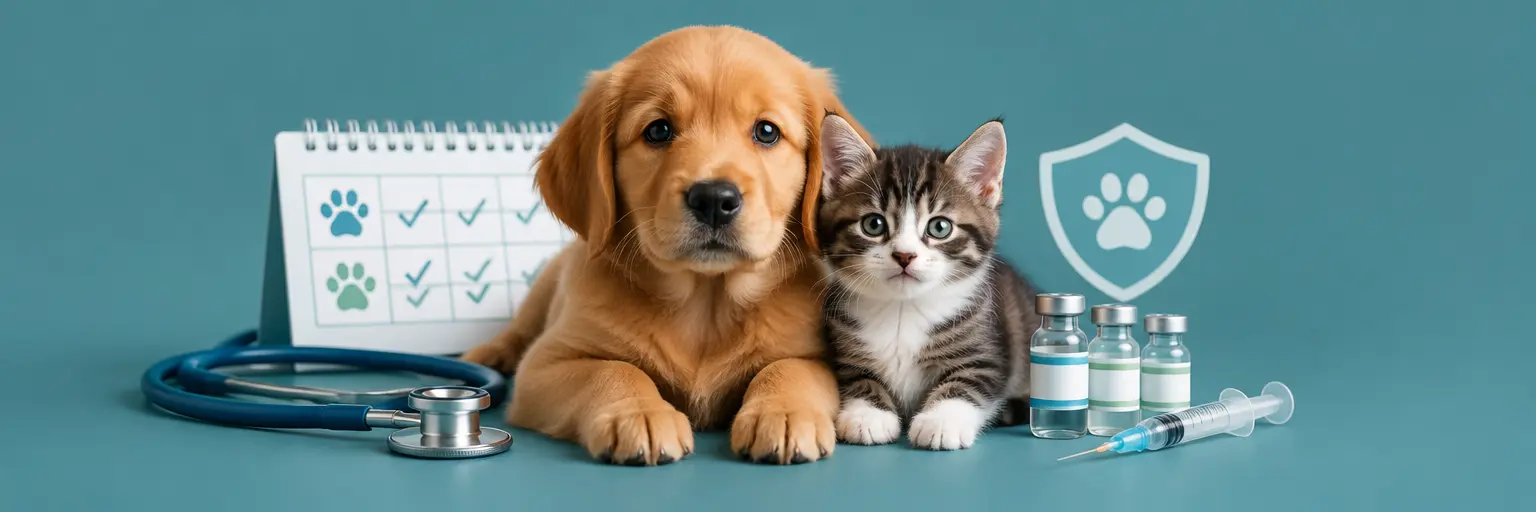
Bringing home a new puppy or kitten is an exciting milestone, but it also comes with the essential responsibility of protecting their fragile immune systems. At PetCareWorld, our Puppy and Kitten Care – Vaccination Schedules subcategory is your trusted resource for understanding core and non-core vaccines, timing, boosters, and post-vaccination care. We break down complex veterinary recommendations into clear, actionable steps so you can confidently navigate your pet’s first year of life. From the maternal antibody window to the final rabies booster, this guide covers everything you need to keep your young companion safe from preventable diseases.
🐾 Understanding the Core Vaccines for Puppies and Kittens
Every puppy and kitten needs protection against a set of highly contagious and potentially fatal diseases. For puppies, the core vaccines guard against distemper, parvovirus, adenovirus (hepatitis), and rabies; for kittens, the core set includes feline panleukopenia (distemper), feline herpesvirus-1, calicivirus, and rabies. These vaccines are considered essential for all pets regardless of lifestyle or location. Your veterinarian will administer the first dose around 6–8 weeks of age, followed by booster shots every 3–4 weeks until 16–20 weeks of age. This staggered schedule ensures that your pet’s immune system builds sufficient antibodies while overriding any lingering maternal antibodies from nursing.
Understanding the difference between core and non-core vaccines helps you make informed decisions. Non-core vaccines, such as Bordetella (kennel cough) for puppies or FIV for kittens, depend on your pet’s exposure risk—like boarding, grooming, or outdoor access. Always discuss your pet’s specific lifestyle with your vet to customize a vaccination plan. Our guides provide printable schedules and clear timetables so you never miss a crucial appointment. Remember, a well-vaccinated pet is not only healthier but also safer for other animals they encounter during walks, playdates, or veterinary visits.
📅 The Ideal Vaccination Timeline: A Month-by-Month Breakdown
Timing is everything when it comes to early immunity. Puppies typically receive their first combination vaccine (DHPP) at 6–8 weeks, then every 2–4 weeks until they are 16 weeks old. A rabies vaccine is given around 12–16 weeks, with a booster one year later. Kittens follow a similar path: first FVRCP shot at 6–8 weeks, boosters every 3–4 weeks until 16 weeks, and rabies at 12–16 weeks. This repeated boosting is critical because maternal antibodies can interfere with the vaccine’s effectiveness if given too early. By spacing doses, we ensure the immune system truly “learns” to fight off real infections.
For pets adopted at older ages, vets often recommend a catch-up schedule—starting with two doses given 3–4 weeks apart, then a final booster at one year. Never assume that a single shot is sufficient; the initial series is the foundation for lifelong immunity. Our month-by-month charts include easy-to-read tables that you can print and stick to your refrigerator. We also highlight important milestones like worming treatments and microchipping, which often align with vaccination visits, so you can manage multiple health tasks in one appointment and save time.
💉 Post-Vaccination Care: What to Expect and How to Help Your Pet
After receiving vaccines, it’s normal for puppies and kittens to show mild reactions like slight lethargy, reduced appetite, or a small lump at the injection site. These symptoms typically resolve within 24–48 hours. You can help by providing a quiet, comfortable resting area, offering fresh water, and gently monitoring their behavior. Serious allergic reactions (e.g., facial swelling, vomiting, or difficulty breathing) are rare but require immediate veterinary attention. Understanding these signs separates normal recovery from emergency situations, giving you confidence in the days following each visit.
To minimize discomfort, plan vaccination visits on days when you can stay home with your pet. Avoid strenuous exercise or bathing for at least 48 hours. If your pet has a history of vaccine sensitivity, your vet may pre-administer antihistamines or split vaccines into separate appointments. Our post-care guides also address fever management and when to use a warm compress on injection-site lumps. By following these practical tips, you ensure that the vaccination process is as stress-free as possible, encouraging a positive association with the vet clinic that lasts a lifetime.
🔍 Common Myths About Vaccinations: Debunking Misinformation
Many pet owners worry about “over-vaccination” or believe that indoor pets don’t need shots. Research clearly shows that core vaccines provide far more benefits than risks, and even indoor-only cats can be exposed to diseases through open windows, other animals, or human carriers. Myth: “One vaccine is enough for life.” In reality, booster shots at 1 year and then every 1–3 years (depending on the vaccine type) are necessary to maintain immunity. Another myth is that vaccines cause autism or behavioral issues—no scientific evidence supports this in animals. Our goal is to separate fear-based anecdotes from evidence-based veterinary science.
We also clarify that a vaccine does not guarantee 100% protection, but it dramatically reduces the severity of illness if infection occurs. Vaccinated pets that do contract a disease often experience mild symptoms and recover faster than unvaccinated animals. For multi-pet households, ensuring all pets are up-to-date prevents silent carriers from infecting vulnerable young ones. Our debunking section is backed by veterinary experts and cites peer-reviewed studies, empowering you to make decisions based on facts rather than internet rumors. Always verify any shocking claim with your veterinarian before skipping a dose.
🩺 Tailoring Schedules for Special Needs: Rescue, Immunocompromised, and Small Breed Pets
Rescue puppies and kittens often come with unknown histories, making an accelerated vaccination plan essential. Your vet may recommend starting the series immediately upon adoption, regardless of age, and then spacing boosters accordingly. For immunocompromised pets (due to illness, medication, or congenital conditions), modified live vaccines should be avoided in favor of killed vaccines, but this requires a specialist’s input. Small breed dogs, like Chihuahuas or Yorkshire Terriers, are more prone to vaccine reactions, so your vet might suggest splitting vaccines into separate visits. These tailored approaches ensure that protection is achieved without unnecessary risk.
Additionally, if you plan to board your pet, attend training classes, or visit dog parks, non-core vaccines like Bordetella and canine influenza should be given at least 1–2 weeks before exposure to allow full immunity. For traveling across state or country lines, rabies certificates and health records are mandatory—our checklists help you stay compliant. Every pet is unique, so never use a one-size-fits-all schedule. Our subcategory includes downloadable questionnaires to help you discuss your pet’s lifestyle with your vet, ensuring that the final plan covers all possible risk factors while respecting your pet’s health status.
Frequently Asked Questions
At what age can my puppy go outside after vaccinations?
Puppies can safely go into private yards after their first set of vaccines at 6–8 weeks, but avoid public areas like parks or sidewalks until 1–2 weeks after their final booster at 16 weeks. This reduces the risk of exposure to parvovirus, which can survive on surfaces for months. Always carry your puppy in public places until fully vaccinated.
Can my kitten get vaccines if they are sick or underweight?
Generally, no. Vaccines work best when the immune system is healthy. If your kitten has a fever, diarrhea, or is severely underweight, your vet will likely postpone vaccination until they recover. However, mild stress or a slight cough may not be a contradiction—always consult your vet for a personalized assessment before your appointment.
Is it mandatory to vaccinate an indoor-only cat?
Yes, core vaccines like FVRCP and rabies are recommended for all cats, regardless of indoor status. Indoor cats can escape, encounter bats, or be exposed through unvaccinated visitors or other pets. Rabies is legally required in most regions. Your vet can help you determine if non-core vaccines like FIV or Bordetella are also warranted.
What happens if I miss a booster shot by a few weeks?
Missing a booster by 1–2 weeks is usually fine; simply resume the schedule from where you left off. However, if the gap exceeds 4–6 weeks, the immune response may be delayed, and your vet might recommend restarting the series or giving a single dose to reset. Always inform your vet of any missed appointments so they can adjust the timeline appropriately.
Are there long-term side effects of vaccines in pets?
While vaccines are very safe, rare side effects include injection-site sarcomas (especially in cats) and autoimmune reactions, but these are extremely uncommon—occurring in less than 1 in 10,000 doses. The protective benefits far outweigh these risks. Watch for persistent lumps, lameness, or behavioral changes, and report them to your vet promptly.