Decoding Kitten Food Labels: What Every Owner Should Know
🤔 Navigating kitten food labels can be tricky. PetCareWorld's ultimate guide helps you decipher ingredients, choose the best kitten food, and ensure…
Read article
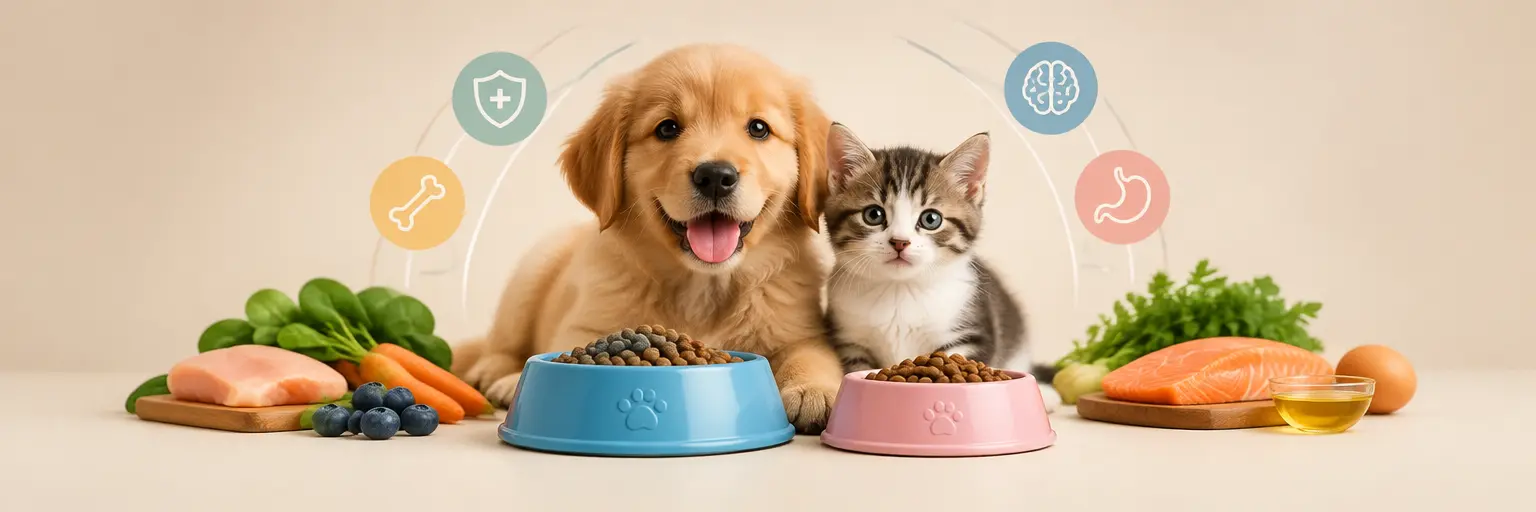
Nourishing your newest furry family member is one of the most critical jobs you’ll have, and getting it right from day one sets the foundation for a lifetime of vitality. 🐾 In the first weeks and months, puppies and kittens experience rapid growth that demands precise, species-specific nutrition—this is not the time for guesswork or adult formulas. Their developing immune systems, delicate digestive tracts, and explosive energy needs require carefully balanced levels of protein, fats, calcium, and essential vitamins. Whether you’re bottle-feeding an orphaned newborn or transitioning a curious 12-week-old to solid food, understanding the milestones—from colostrum to weaning, and from kibble size to feeding frequency—can prevent obesity, skeletal issues, and digestive upsets. 🍼 Our expert guidance breaks down the science of early-stage nutrition into practical steps, helping you choose high-quality commercial diets or safely craft homemade meals, decode ingredient labels, and recognize signs of allergies or intolerance. With the right knowledge, you’ll support brain development, strong bones, and a shiny coat while building healthy eating habits that last a lifetime.

🤔 Navigating kitten food labels can be tricky. PetCareWorld's ultimate guide helps you decipher ingredients, choose the best kitten food, and ensure…
Read article
🐶 Selecting the best puppy formula for your newborn is crucial. PetCareWorld guides you through key considerations like breed, age, and health…
Read article
🐶 Unlock your puppy's full potential! PetCareWorld's expert guide reveals the best puppy food nutrients for optimal growth, ensuring a healthy and…
Read articleWelcome to PetCareWorld’s dedicated guide on nutrition in early stages for puppies and kittens. This critical phase lays the foundation for a lifetime of health, growth, and vitality. Proper feeding during the first weeks and months influences bone development, immune strength, cognitive function, and even behavior. Our expert-backed content helps you navigate weaning, portion control, dietary transitions, and breed-specific needs, ensuring your young companion thrives from their very first meal.
Weaning is a delicate transition that requires patience and precision. In this section, we explain when and how to introduce solid food without causing digestive upset. Puppies typically begin weaning around three to four weeks, while kittens start slightly earlier, often at three weeks. We cover the importance of high-quality puppy or kitten formula, the gradual mixing of wet food, and the signs that your pet is ready for more texture.
You’ll learn to recognize hunger cues versus fussiness, avoid common weaning mistakes like abrupt changes, and support your pet’s developing gut microbiome. We also address maternal nutrition and how it impacts milk quality, plus strategies for orphaned newborns. This guidance ensures your young pet receives essential antibodies and nutrients during this vulnerable window, setting the stage for robust health.
Not all pet foods are created equal, especially for growing animals. Here, we dissect labels, focusing on protein sources, fat content, calcium-to-phosphorus ratios, and DHA for brain and eye development. For puppies, you need optimal calcium for bone growth, but too much can cause skeletal deformities—our guide explains safe ranges. Kittens require taurine, an essential amino acid, plus a higher protein percentage for rapid muscle development.
We compare commercial diets (dry, wet, raw, and dehydrated) and highlight credible certifications like AAFCO. You’ll also discover how to avoid fillers, artificial preservatives, and allergens. We emphasize age-appropriate formulas, since adult food lacks the calorie density needed. By the end, you’ll confidently pick a food that meets your pet’s specific developmental milestones, without overpaying for marketing hype.
Early-stage nutrition isn’t just about what you feed—it’s about how much and how often. Young animals have small stomachs but high energy needs, so frequent, measured meals are key. We provide sample feeding charts for puppies and kittens from birth to six months, adjusted by weight, breed size, and activity level. Learn why free-feeding can lead to obesity or nutritional imbalances, and how scheduled meals aid in housetraining.
Our portion control guide includes interactive calculators and tips on body condition scoring, so you can visually assess whether your pet is underweight, ideal, or overweight. We also discuss growth spurts and how to tweak portions during these phases. You’ll avoid both overfeeding, which strains joints, and underfeeding, which stunts development. Regular monitoring ensures your pet grows steadily, not too fast or slow.
While a balanced diet usually covers all needs, certain early-stage conditions warrant supplementation. This section explores probiotics for digestive health, omega-3 fatty acids for skin and coat, and joint support for large-breed puppies. For kittens, we highlight the role of prebiotics and immune boosters. Crucially, we warn against unnecessary supplements that can cause toxicity—always consult your vet first.
Hydration is equally vital, as young animals are prone to dehydration. We discuss wet food’s moisture contribution, the benefits of pet fountains, and signs of inadequate water intake. You’ll learn how to transition from milk to water smoothly, and which flavored options are safe. Proper hydration supports kidney function, digestion, and temperature regulation, ensuring your puppy or kitten stays active and alert throughout their early months.
Even well-meaning owners make mistakes. This section addresses frequent issues like diarrhea from sudden diet changes, food allergies, and picky eating. We provide step-by-step transition plans to minimize stomach upset, plus home remedies for mild cases. For persistent vomiting or lethargy, we guide you on when to seek veterinary care. Learn how to identify low-quality ingredients that cause skin rashes or dull coats.
We also cover weight management, including chubby puppies and skinny kittens, with safe corrective strategies. You’ll find solutions for resource guarding at mealtime and how to make mealtime a positive bonding experience. Additionally, we debunk myths like feeding raw eggs or cow’s milk, which can be dangerous. By addressing these pitfalls early, you prevent long-term health issues and foster a healthy relationship with food.
Puppies generally need growth food until they reach 90-95% of their adult size, often around 12 months for small breeds and up to 18-24 months for large breeds. Kittens require growth formulas until approximately 12 months old. Transition to adult food gradually over 7-10 days to avoid digestive upset, adjusting based on your vet’s guidance.
No, avoid this. Puppy and kitten foods are tailored to their unique nutritional needs. Kitten food has higher protein and fat but may lack the calcium-to-phosphorus balance puppies need for bone growth. Conversely, puppy food lacks taurine in sufficient amounts for kittens, risking heart and eye issues. Always use species-specific formulas.
Warning signs include poor weight gain, dull fur, low energy, diarrhea, vomiting, or a distended belly. Puppies and kittens should be active and gain weight consistently. If you notice muscle wasting, pale gums, or reluctance to eat for more than 24 hours, consult your veterinarian immediately for a nutritional assessment.
Raw diets can be risky for young animals due to potential bacterial contamination (like Salmonella) and nutritional imbalances. Their immune systems are still developing, making them more susceptible to infections. If you choose raw, use a commercially balanced, vet-approved raw food and practice strict hygiene. Always discuss with a veterinarian first.
Start by ensuring you’re offering a high-quality, aromatic food. Warm it slightly to enhance smell, but avoid overheating. Try mixing a small amount of wet food or a pet-safe broth. Maintain a consistent feeding schedule and avoid giving table scraps. If pickiness persists beyond a few days, consult your vet to rule out underlying health issues.







