Top 5 Smart Pet Feeders of 2024: Reviews and Comparisons for Every Pet
😊 Discover the best smart pet feeder 2024 for your furry, feathered, or scaled friend! PetCareWorld reviews the top 5, comparing features…
Read article

Smart pet feeders are transforming how you nourish your furry friends, blending convenience with precision nutrition for dogs, cats, and even exotic pets. These innovative devices allow you to schedule portion-controlled meals remotely, track eating habits via smartphone apps, and ensure your pet stays on a healthy feeding routine—even when you’re away at work or traveling. With features like voice recording, slow-dispensing options, and camera monitoring, smart feeders help combat overeating, obesity, and anxiety, while supporting dietary management for pets with special needs. At PetCareWorld, we provide expert tips on choosing the right model, integrating smart feeders into your pet’s wellness plan, and troubleshooting common issues, ensuring your companion enjoys balanced, stress-free mealtimes every day. Embrace the future of pet care with technology that prioritizes your pet’s health and your peace of mind.

😊 Discover the best smart pet feeder 2024 for your furry, feathered, or scaled friend! PetCareWorld reviews the top 5, comparing features…
Read article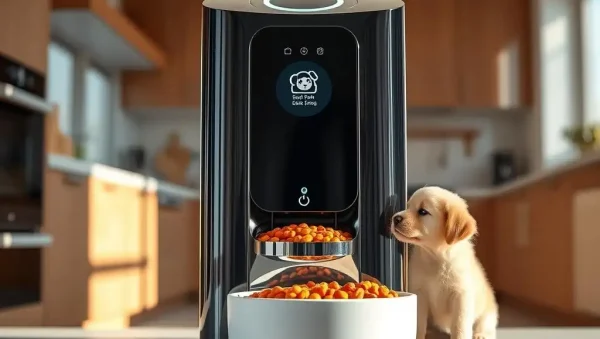
😊 PetCareWorld explores the surprisingly advanced features of modern smart pet feeders, going beyond simple timed feeding to offer portion control, health…
Read articleWelcome to PetCareWorld's dedicated hub for Smart Pet Feeders, the ultimate intersection of pet technology and pet health & nutrition. In today's fast-paced world, ensuring your furry friend receives precise portions, on schedule, every day, is a monumental challenge. Smart feeders offer an innovative solution by automating feeding times, controlling portion sizes, and even tracking eating habits. This subcategory explores how these high-tech devices can combat obesity, manage diabetes, and support pets with special dietary needs, all while giving you peace of mind through your smartphone.
One of the most significant advantages of smart feeders is their unwavering accuracy in portion control. Unlike manual scooping, which can vary wildly, these devices dispense exact gram-level portions based on your veterinarian's recommended caloric intake. This precision is crucial for pets prone to obesity, arthritis, or metabolic disorders. By eliminating overfeeding, you directly support your pet's long-term joint health and cardiovascular wellness, making it an indispensable tool in modern preventive pet care.
Beyond simple weight loss, these feeders allow for multi-meal scheduling without you being home. For pets that need six small meals a day due to hypoglycemia or gastrointestinal sensitivity, the consistency ensures metabolic stability. You can also monitor your pet's bowl activity via built-in sensors and adjustable settings. This level of detailed management transforms dieting from a guesswork routine into a measurable, data-driven health strategy, reducing the risk of dangerous conditions like bloat or pancreatitis.
Smart feeders excel in providing real-time insights into your pet's eating patterns, even when you're miles away. Most devices feature companion apps that log each meal's time, portion size, and whether your pet visited the bowl. This data is invaluable for identifying subtle changes in appetite—often the first sign of illness or stress. For multi-pet households, some models use RFID tags on collars to ensure each animal only eats its designated portion, preventing food stealing and inter-pet conflicts.
The convenience of remote scheduling is unmatched. You can adjust feeding times instantly via Wi-Fi or Bluetooth, accommodating late workdays, unexpected trips, or time zone changes. Customizable voice recordings can call your pet to dinner, creating positive reinforcement. Additionally, many feeders offer a "manual feed" feature for instant dispensing, perfect for rewarding good behavior or administering medication hidden in treats. This connectivity bridges the gap between busy human schedules and consistent healthy pet routines.
When investing in any smart pet device, mechanical dependability is paramount. High-quality smart feeders feature anti-jam auger systems designed to handle various kibble shapes, sizes, and moisture levels without clogging. Battery backup systems are critical, ensuring meals dispense even during power outages. Look for models with sealed storage compartments that maintain freshness and use desiccants to prevent staleness or pest intrusion. A robust, easy-to-clean design is essential for hygiene, especially concerning pet nutrition and bacterial growth.
Capacity is another practical consideration—typical hoppers range from 2 to 15 pounds, suitable for single cats to large breed dogs. Consider the unit's footprint in your kitchen; some have programmable faceplates and LED indicators for easy status checks. Reliable mechanical components reduce emergency vet visits caused by missed or double-fed meals. Always review warranty and customer service options, as these mechanical systems are only as good as their post-purchase support. A jammed feeder not only disrupts feeding but also erodes trust in your pet's daily care ecosystem.
The future of pet health technology lies in data integration. Many advanced smart feeders sync with activity trackers and health apps, creating a comprehensive picture of your pet's energy expenditure vs. caloric intake. This holistic view is invaluable for veterinary consultations. You can export feeding logs to share with your vet, enabling more accurate diagnoses for conditions like diabetes or hypothyroidism. Some feeders even support slow-feeding attachments to reduce bolting and improve digestion.
For pets on prescription diets, precision is non-negotiable. Intelligent feeders allow you to program specific dietary protocols, including fasting windows for medical tests. Furthermore, some platforms offer educational content directly in their apps, linking portion sizes to specific brand calorie densities. This synergy between hardware, software, and veterinary science empowers owners to make evidence-based nutritional decisions. Always consult your vet when setting initial portions, then use the feeder's tracking to fine-tune based on your pet's body condition score.
Selecting the perfect feeder requires a careful assessment of your pet's size, eating behavior, and your household's technical comfort. Consider connectivity options: Wi-Fi is essential for remote control while away, whereas Bluetooth suits homes where you are always present. Evaluate the material—stainless steel bowls are preferable to plastic for skin health and bacteria resistance. Study the app's user interface; it should be intuitive enough for every family member to operate.
Your budget should reflect the feeder's complexity. Simple timers are cost-effective but lack data logging, while premium models with cameras and treat dispensers offer luxury supervision. Check reviews for real-world longevity, especially regarding battery life and motor noise. For multi-pet homes, invest in models with individual pet recognition. Finally, plan for cleaning—detachable, dishwasher-safe parts are non-negotiable. The best feeder is one that integrates seamlessly into your home environment, maintaining consistent pet health standards without becoming a source of daily stress.
Absolutely. Smart feeders provide precision portioning and scheduled meal times, which are crucial for weight loss. By dispensing exact grams several times a day, they prevent overeating and reduce begging. Most apps let you gradually adjust portions as your cat loses weight, and the activity logs help you track progress to share with your vet for a tailored plan.
Most reputable smart feeders are equipped with battery backup systems that will continue dispensing meals on schedule for several days. Ensure the backup batteries are fresh and always connected. Some higher-end models also have a manual dispensing lever as a last resort. Check the product specs for backup duration and consider adding a small UPS for extended outages.
Yes, but with supervision. For young animals, you should use a model with slow-feed options and adjustable portion increments. Avoid feeders with hard, protruding parts that a teething puppy might chew. Start with small, frequent meals as recommended by your breeder or vet, and use the schedule feature to maintain that regularity while you're away at work.
Most smart feeders are designed exclusively for dry kibble due to gravity and auger mechanisms. For wet food, you would need a specialized refrigerated feeder or a manual partitioned dish. A practical alternative is using a smart feeder for dry meals and supplementing wet food separately. Always confirm the hopper's seal to preserve optimal freshness and texture.
Consistent maintenance is key. Choose a feeder with detachable, dishwasher-safe components, including the hopper, bowl, and auger. Give it a thorough disassembly wash weekly, and wipe the unit's exterior with pet-safe cleaner. Avoid using harsh dish soaps that might leave residues. Always dry all parts completely to prevent mold growth in the feeding mechanism before reassembly.







