Interactive Pet Cameras and Your Pet's Mental Health: Keeping Them Happy
😊 Discover how interactive pet cameras benefit your furry friend's well-being. Pet camera improves pet mental health by reducing anxiety and loneliness,…
Read article
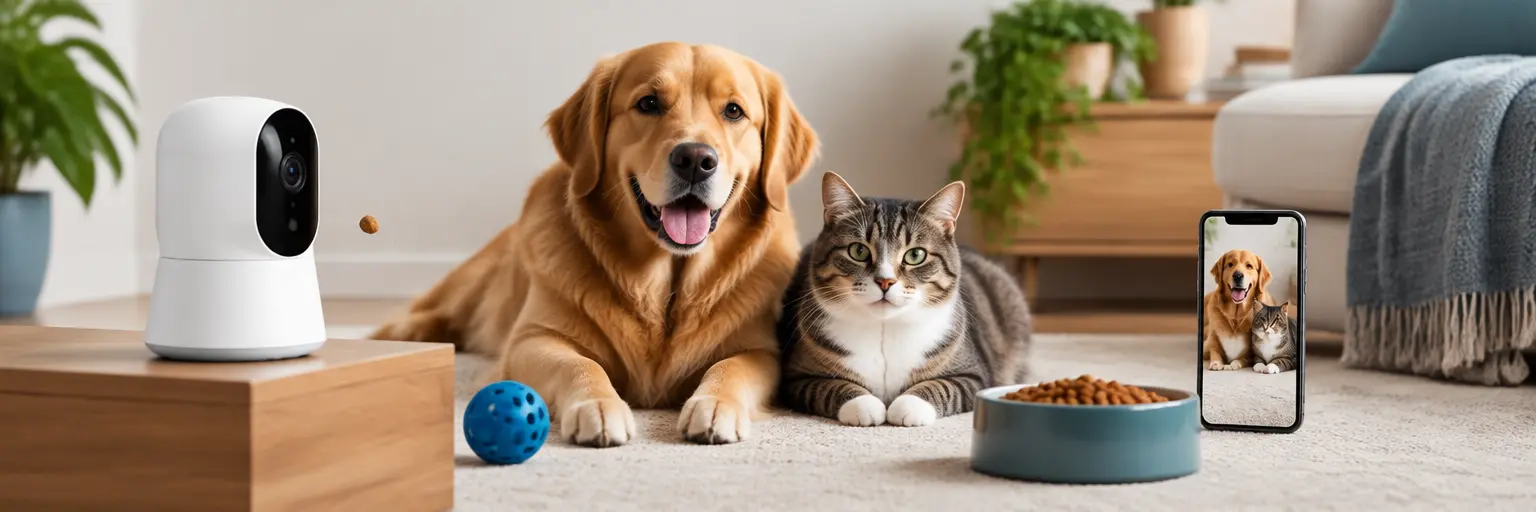
Stay connected with your furry friend no matter where you are with our expert insights on interactive pet cameras—the ultimate tool for modern pet owners who value both peace of mind and active engagement. These smart devices go beyond simple video monitoring, offering two-way audio, treat-dispensing fun, and real-time alerts that let you soothe separation anxiety, discourage mischief, and celebrate those adorable moments live. From high-definition night vision to motion-tracking pan/tilt features, we break down the essential specs to consider—whether you’re a busy professional, a frequent traveler, or a curious pet parent wanting a window into your pet’s day. Learn how to choose a model that fits your pet’s personality, your home’s Wi-Fi, and your lifestyle, plus tips on using interactive features to reinforce positive behavior and boost daily enrichment. With the right camera, you’ll turn distance into closeness, ensuring your dog, cat, or even your parrot stays happy, healthy, and entertained—while you stay informed and involved, right from your smartphone.

😊 Discover how interactive pet cameras benefit your furry friend's well-being. Pet camera improves pet mental health by reducing anxiety and loneliness,…
Read article
😊 Unlock unparalleled bonding with your pet! Interactive pet camera benefits extend beyond simple monitoring; two-way audio allows real-time interaction, strengthening your…
Read articleWelcome to PetCareWorld’s dedicated hub for Interactive Pet Cameras under Pet Health & Nutrition. These smart devices do more than just let you see your furry friend—they help you track eating habits, monitor weight-related behaviors, and even dispense treats during meal times. Whether you have a dog, cat, or exotic pet, an interactive camera bridges the gap between your busy schedule and your pet’s daily nutritional needs. Our expert guides compare top models, explain health-tracking features, and provide setup tips that keep your pet active and nourished. Dive in to transform your pet’s feeding routine into a data-driven, engaging experience.
Interactive pet cameras often come with built-in treat dispensers and meal scheduling, allowing you to control portion sizes precisely from your smartphone. For pet owners focused on nutrition, this feature is a game-changer—it prevents overeating, supports weight management, and ensures your pet receives the right amount of food even when you’re at work. Many models allow you to set multiple feeding times, which aligns perfectly with veterinary-recommended meal plans for dogs, cats, and even small mammals like rabbits.
Beyond basic dispensing, advanced cameras use app-based portion calibration to match your pet’s specific dietary requirements. You can adjust serving sizes based on your pet’s age, breed, and activity level, and even receive reminders when it’s time to refill the hopper. This hands-on control is particularly valuable for pets with medical conditions like diabetes or obesity, as consistent portioning is critical. With real-time video, you can watch your pet eat and intervene if they seem disinterested, ensuring mealtime is both safe and stress-free.
Many interactive cameras now include AI-driven activity and eating pattern tracking, giving you a wealth of health data. These systems log how often your pet visits the food bowl, how much they consume, and even their water intake if paired with smart sensors. For pet parents, this information is invaluable for spotting early signs of illness, such as reduced appetite or unusual eating speed. The camera’s analytics dashboard often visualizes trends over weeks, making it easy to share concrete data with your veterinarian during check-ups.
This subcategory’s focus on health goes beyond calories—it’s about understanding your pet’s nutritional behavior holistically. For example, if your cat suddenly starts grazing at night, the camera’s timestamped footage can reveal stress triggers or environmental changes. Some models even integrate with fitness trackers for pets, correlating activity levels with food intake. By combining visual observation with quantitative metrics, you gain a 360-degree view of your pet’s well-being, enabling proactive adjustments to their diet and daily routine.
Interactive cameras aren’t just for watching—they let you talk to your pet and reward them with treats, which supports positive reinforcement during meal training. Using two-way audio, you can call your dog away from the bowl or encourage a shy cat to eat. The treat-tossing mechanism turns mealtime into a playful bonding session, reducing anxiety and promoting healthy eating habits. For pets on a nutritional plan, you can use low-calorie training treats that align with their dietary restrictions, ensuring rewards don’t derail their health goals.
From a nutrition perspective, this feature helps manage finicky eaters by associating the camera with positive experiences. For instance, a pet that refuses dry food might respond better when you dispense a small piece of dehydrated chicken during a video call. The ability to control treat frequency via the app prevents accidental overfeeding, and many cameras let you set daily treat limits. Over time, this builds a routine where your pet eagerly approaches the camera at scheduled times, making it easier to monitor their appetite and adjust meal portions accordingly.
When choosing an interactive pet camera for health monitoring, reliability is paramount. Look for models with long battery life or continuous power options, as a dead camera during critical feeding windows can disrupt your pet’s routine. High-quality Wi-Fi connectivity ensures smooth video streaming and instant treat dispensing, even in larger homes. Many cameras support multi-pet profiles, allowing you to set individual feeding schedules and treat budgets for each animal—essential for households with both dogs and cats that have different nutritional needs.
Set up is typically straightforward, but our guides emphasize placement strategies that maximize both visibility and treat delivery accuracy. For example, placing the camera near a quiet corner prevents pets from being startled during meals, while adjusting the camera angle ensures you can see the food bowl clearly. Additionally, consider models with night vision to monitor late-night snacking habits without disturbing your pet. These practical considerations ensure that your investment in pet technology genuinely supports your pet’s health, rather than becoming an unused gadget.
Top-tier interactive cameras often integrate with popular pet health and nutrition apps, such as PetDesk or Whistle, allowing you to sync feeding logs, weight data, and activity scores into one dashboard. This seamless flow of information helps you create a comprehensive health profile that you can share with your vet during telemedicine visits. Some cameras even export weekly reports that highlight changes in eating speed, treat consumption, and bowl visits—data that can be crucial for diagnosing conditions like dental pain or metabolic disorders.
For pet owners managing chronic conditions like kidney disease or allergies, this integration is transformative. You can set alerts for when your pet misses a meal, then review the video to determine if it’s just pickiness or a health concern. Moreover, many cameras support voice-activated feeding through smart home assistants, enabling hands-free portion control when your hands are full. By centralizing health data, you reduce guesswork and make informed decisions about diet adjustments, ultimately extending your pet’s quality of life through proactive nutrition management.
Yes. Interactive cameras with portion control and treat limits directly support weight loss by preventing overfeeding. You can schedule exact meal amounts, monitor eating speed, and use low-calorie treats for training. The activity analytics also help you identify if your dog is eating out of boredom, allowing you to adjust routines. We recommend consulting your vet for specific calorie targets, then using the camera’s data to keep your dog on track.
Most are designed for mammals, but some models work for exotic pets if placed appropriately. For reptiles, the camera’s temperature and humidity monitoring (if available) helps during feeding, but treat dispensers may not suit their diet. For birds, two-way audio is great, but eating habits are different—focus on models with activity tracking rather than treat tossing. Always choose a camera with safe, non-toxic materials and avoid small parts that could be ingested.
AI algorithms analyze motion, sound, and bowl visit frequency to estimate food intake. Some cameras use depth sensors or weight scales on the food tray to measure consumption in grams. Accuracy improves with consistent placement and multiple daily feedings. However, AI isn’t perfect—occasionally it may miss crumbs or mixed feeding sessions. Use it as a trend tool, not a medical diagnostic, and combine with manual checks when concerned.
Many premium features like cloud video history, advanced AI reports, and multi-pet profiles require a subscription, often ranging from $5 to $15 monthly. Basic features like live viewing and manual treat dispensing are usually free. For nutrition-focused owners, the subscription is worth it to track patterns over months and export data for vet visits. Check each brand’s pricing before purchase—some offer lifetime plans with no recurring fees.
Yes, but only with models that have large treat compartments. You can place pills inside soft treats or gel capsules and dispense them during meal times. For powdered supplements, mix them into wet food placed manually in the bowl—the camera won’t measure that. Some advanced cameras allow randomized dispensing to prevent your pet from waiting, and you can set reminders for daily doses. Always confirm your pet actually swallows the medication before leaving it to automation.







