The Truth About Pet Supplements: Separating Fact from Fiction in the Vitamin Aisle
🤔 Navigating the pet supplement aisle? PetCareWorld's expert guide cuts through the confusion. Discover the truth about pet vitamins and find the…
Read article
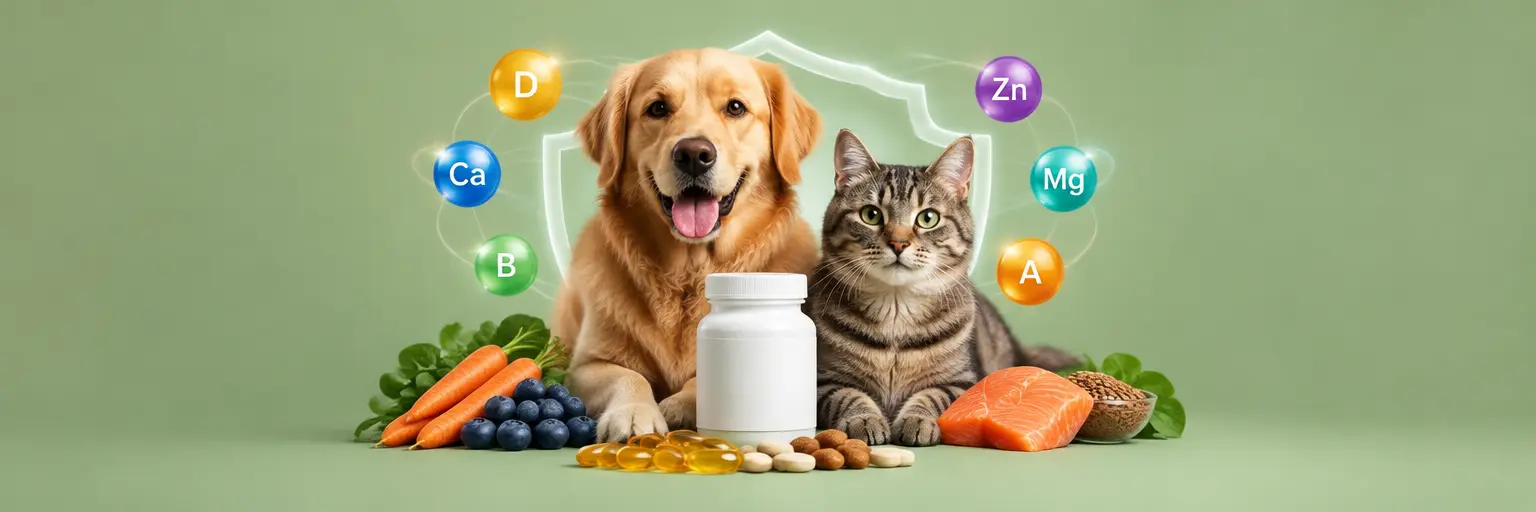
Give your furry friend the nutritional edge they deserve with premium pet supplements designed to fill dietary gaps and support lifelong vitality. From essential vitamins like A, D, and E to crucial minerals such as calcium, zinc, and magnesium, these targeted formulas help maintain healthy bones, shiny coats, robust immune systems, and optimal organ function. Whether your pet is a playful puppy, a senior companion, or a picky eater, our handpicked vitamins and minerals are crafted for easy absorption and maximum benefit—backed by veterinary expertise and rigorous quality standards. Unlock a happier, more energetic pet by addressing specific needs like joint support, skin health, or digestive balance, all while avoiding common deficiencies. Don’t guess—give your cat, dog, or exotic pet a complete, balanced foundation for a thriving life. Shop confidently and see the difference that evidence-based supplementation can make today.

🤔 Navigating the pet supplement aisle? PetCareWorld's expert guide cuts through the confusion. Discover the truth about pet vitamins and find the…
Read article
🤔 Discover how tailored nutrition impacts canine health! PetCareWorld explores the crucial role of dog breed specific supplements in addressing unique dietary…
Read article
😊 Ensure your reptile thrives! PetCareWorld's expert "Reptile vitamin and mineral guide" reveals essential nutrients for optimal health, growth, and vibrant colors.…
Read articleWelcome to PetCareWorld’s dedicated guide on pet supplements for vitamins and minerals. Proper nutrition goes beyond a balanced diet—many pets, especially seniors, puppies, or those with specific health conditions, benefit from targeted micronutrient support. This subcategory explores the science-backed benefits of adding essential vitamins and minerals to your dog, cat, or exotic pet’s daily regimen, helping you make informed choices for optimal energy, immunity, bone health, and overall longevity.
Even high-quality commercial pet foods can fall short in certain micronutrients due to processing, ingredient variability, or your pet’s unique metabolic demands. Vitamins like A, D, E, and K support vision, immune function, and blood clotting, while minerals such as calcium, phosphorus, zinc, and magnesium are critical for bone density, nerve signaling, and skin health. Pets on homemade diets, those with digestive disorders, or aging animals often experience deficiencies that manifest as dull coats, lethargy, or weakened immunity. Supplementation bridges these gaps safely.
However, not every pet requires daily multivitamins. Over-supplementation can lead to toxicity, especially with fat-soluble vitamins. Our guidance emphasizes veterinary consultation first, followed by tailored dosing based on life stage, breed, and existing health conditions. We help you identify warning signs of deficiency and choose between whole-food-based powders, chews, and liquid drops that suit your pet’s preferences and absorption needs.
Vitamin A supports eye health and skin repair, while B-complex vitamins—including B12 and biotin—are essential for energy metabolism and coat shine. Vitamin D is crucial for calcium absorption, yet many pets, especially indoor cats, cannot synthesize it from sunlight alone. Vitamin E acts as a powerful antioxidant, reducing oxidative stress linked to arthritis and cognitive decline. For reptiles, vitamin D3 is often paired with UVB lighting to prevent metabolic bone disease, while birds require vitamin A for respiratory health and vibrant feathering.
Choosing the right form matters: fat-soluble vitamins (A, D, E, K) are best absorbed with meals containing healthy fats, whereas water-soluble B and C vitamins are excreted quickly and require daily intake. Our product reviews compare absorption rates, ingredient sourcing, and palatability across top brands like Nutramax, Zesty Paws, and VetriScience. Always check for harmful fillers, artificial colors, or excessive sugar that can undermine your pet’s health.
Calcium and phosphorus must exist in a precise ratio—typically 1.2:1 for dogs and cats—to maintain skeletal integrity and kidney function. Imbalances, common in all-meat diets, can lead to bone deformities or urinary stones. Zinc is vital for wound healing and thyroid function, while iron prevents anemia, and selenium works alongside vitamin E for cellular protection. For exotic pets like hedgehogs or guinea pigs, copper and manganese play roles in cartilage and enzyme production.
Supplementing minerals incorrectly is dangerous. Excess calcium in growing large-breed puppies can cause hip dysplasia, while too much iron may harm liver cells. We advise using chelated minerals—bound to amino acids for higher bioavailability—and avoiding generic blends that lack species-specific formulations. Our guides also cover liquid calcium for reptiles, iodine drops for birds, and magnesium powders for stressed cats, always with clear dosage charts based on body weight.
The pet supplement industry is largely unregulated, so you must become a savvy label reader. Look for third-party certifications from NASC (National Animal Supplement Council) or USP verification, which ensure purity and potency. Check for guaranteed analysis of active ingredients, avoid proprietary blends that hide exact amounts, and confirm that the product specifies the life stage (puppy, adult, senior) and species. Heavy metal testing and batch consistency are non-negotiable for long-term use.
Beware of “megadose” marketing—more is not better. For example, high doses of vitamin A can cause bone pain and hair loss, while excessive selenium leads to “selenosis” with symptoms like garlic breath and brittle nails. Our comparison charts rank supplements by third-party lab results, customer satisfaction, and veterinary endorsements. We also highlight products with organic or wild-caught ingredient bases and sustainable packaging, aligning with PetCareWorld’s commitment to ethical pet care.
Consistency is key for seeing benefits, but many pets resist new tastes or textures. Start with half the recommended dose for the first week, gradually increasing to full dose. Mix powders into wet food, hide chews in peanut butter (xylitol-free), or use liquid drops directly into the mouth for finicky cats. Pair fat-soluble vitamins with a meal containing fish oil or olive oil for optimal absorption. For reptiles, dust feeder insects or leafy greens with calcium powder two to three times weekly.
Monitor your pet for any adverse reactions—vomiting, diarrhea, or excessive itching—and stop immediately if allergic signs appear. Keep a supplement log to track changes in energy, coat quality, and joint mobility over 4–6 weeks. Reassess every six months with your vet, as needs change with age, season, or recovery from illness. Our printable trackers and reminder apps help you stay on schedule, ensuring your companion reaps the full benefits without guesswork.
No. Human vitamins contain dosages and ingredients—like xylitol, iron, or excessive vitamin D—that are toxic to pets. Even “natural” formulas may include garlic or onion powder harmful to dogs and cats. Always use veterinary-approved, species-specific supplements designed for your pet’s metabolic needs.
Common signs include dull or thinning coat, low energy, poor wound healing, muscle tremors, or changes in appetite. However, these symptoms overlap with many conditions. A blood test at your vet’s office is the only reliable way to confirm deficiency. Never self-diagnose or supplement blindly.
Chews are convenient and palatable, but some lose potency during baking or contain lower initial doses. Powders offer flexible dosing but may be less appealing. Liquids absorb fastest but have shorter shelf lives. Choose based on your pet’s preferences and your ability to measure accurately; all forms work if third-party tested.
No. Supplements are meant to fill nutritional gaps, not substitute for high-quality protein, fats, and carbohydrates from food. A poor diet with supplements still lacks essential amino acids and fiber. Always prioritize a species-appropriate, complete diet and use supplements only as directed by your veterinarian.
Store all supplements in a cool, dry place away from direct sunlight and humidity. Keep bottles tightly sealed and out of reach of pets and children. Check expiration dates regularly—discard any product that changes color, smell, or texture. Do not refrigerate unless the label specifies, as moisture can degrade capsules.







