Unlock Your Pet's Health Potential: A Deep Dive into Probiotics
😊 Discover how the best probiotics can revolutionize your pet's health! PetCareWorld explores the science behind gut health and optimal probiotic choices…
Read article
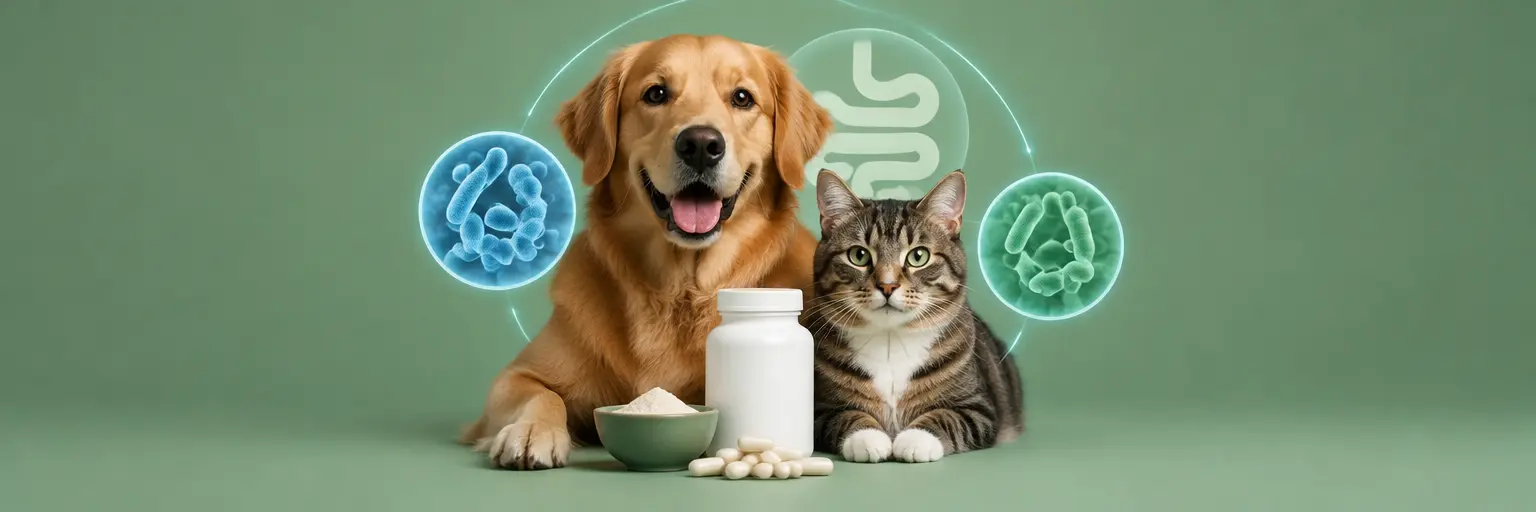
Probiotics for pets are a game-changer in digestive wellness, helping to balance your furry friend’s gut microbiome for better nutrient absorption, firmer stools, and a stronger immune system. Whether your dog suffers from occasional tummy troubles, your cat needs post-antibiotic support, or your bird struggles with stress-related digestive issues, high-quality probiotic supplements can restore harmony from the inside out. 🌿 At PetCareWorld, we break down the science into simple, actionable advice—covering strains like Lactobacillus and Bifidobacterium, proper dosages, and how to choose the right formula for your pet’s species and size. By supporting beneficial bacteria, you’re not just easing bloating or diarrhea; you’re boosting overall vitality, skin and coat health, and even mood. Say goodbye to messy accidents and hello to a happier, healthier companion—unlock the power of a balanced gut with our expert tips and top-rated product picks. 🐾

😊 Discover how the best probiotics can revolutionize your pet's health! PetCareWorld explores the science behind gut health and optimal probiotic choices…
Read article
🤔 Discover the truth about probiotics for your furry, feathered, or scaled friend! PetCareWorld debunks common myths, exploring whether probiotics are universally…
Read article
😊 PetCareWorld reveals what veterinarians recommend for optimal gut health in your furry friend. Discover the best pet probiotics vets suggest to…
Read articleWelcome to PetCareWorld’s dedicated hub for probiotics for pets, your trusted resource within our broader Pet Health & Nutrition category. Here, we demystify the science of the microbiome and translate it into practical, everyday solutions for dogs, cats, birds, and even reptiles. A balanced gut is the foundation of robust immune function, efficient digestion, and vibrant energy. Our expertly curated content helps you choose the right strains, dosages, and delivery formats to support your pet’s unique digestive ecosystem, addressing everything from occasional upset stomachs to chronic inflammatory conditions.
The digestive tracts of dogs and cats are complex ecosystems home to trillions of bacteria that directly influence nutrient absorption, mood, and disease resistance. When this balance is disrupted—by stress, antibiotics, or poor diet—you may see gas, loose stools, or lethargy. Our guides break down the specific bacterial strains proven beneficial for each species, such as Lactobacillus acidophilus for dogs and Bifidobacterium animalis for cats.
Readers will learn how to identify early signs of dysbiosis, including changes in appetite or coat condition. We also explain why species-specific formulations matter, as giving a canine probiotic to a cat can be ineffective or even harmful. You’ll discover how to transition your pet safely to a probiotic regimen, what to expect during the adjustment period, and how to integrate these supplements alongside prescription diets or medications without unwanted interactions.
Not all probiotics are created equal, and the number on the label (CFU, or colony-forming units) is just one piece of the puzzle. We clarify the difference between multi-strain vs. single-strain products, explaining how diverse microbial communities often outperform monocultures for chronic conditions. You’ll also learn why prebiotics—non-digestible fibers that feed beneficial bacteria—are crucial companions to any probiotic supplement, enhancing colonization and long-term efficacy.
This section equips you with a practical checklist for evaluating product labels, including storage requirements, expiration dates, and the presence of enteric coatings that protect bacteria from stomach acid. We compare popular delivery forms: powders, chews, capsules, and liquids. Each format has pros and cons regarding palatability, dosage precision, and stability. Our goal is to help you match the right product to your pet’s size, age, and health status, ensuring you get the maximum therapeutic benefit from every dose.
Probiotics are not just for pets with obvious stomach troubles. They are increasingly recommended by veterinarians for preventive care, especially during stressful events like boarding, travel, or introducing a new pet into the household. Our articles detail specific scenarios where probiotics shine, such as antibiotic-associated diarrhea, inflammatory bowel disease (IBD), and chronic constipation. We also cover their role in post-surgical recovery and managing age-related digestive decline.
For bird and reptile owners, we address unique considerations, as these species have very different gastrointestinal anatomies and microbial needs. You’ll find species-specific protocols—for example, using water-soluble powders for parrots or mixing probiotics into gut-loading diets for reptiles. We emphasize the importance of consulting with an exotics veterinarian, but our tiered guidance helps you make informed preliminary choices. Additionally, we debunk common myths, such as using human probiotics on pets, which can contain xylitol or strains that are ineffective or dangerous.
Evidence-based practice is at the heart of our recommendations. We summarize peer-reviewed studies on the efficacy of probiotics for conditions like acute diarrhea in puppies, chronic kidney disease in cats, and skin allergies linked to gut health. Our content is reviewed by veterinary nutritionists and small-animal internal medicine specialists, ensuring that claims are grounded in rigorous science rather than marketing hype. We also highlight emerging research on the gut-brain axis, suggesting that probiotics may help reduce anxiety-related behaviors in pets.
You’ll learn how to interpret clinical studies, understand the difference between randomized controlled trials and anecdotal reports, and identify when a product’s “veterinarian recommended” label is meaningful. We also explain the regulatory landscape—how the FDA and AAFCO oversee supplements—so you can avoid low-quality products that make unverified claims. By the end of this section, you’ll feel empowered to have a more productive conversation with your own vet, armed with key questions about strain specificity and dosage.
The pet supplement market is booming, and not all products maintain potency from factory to bowl. Our buying guides focus on third-party testing seals (like NASC or USP), manufacturing transparency, and the importance of buying from reputable brands that disclose their sourcing. We also provide guidance on storage: many probiotics require refrigeration, while newer shelf-stable technologies use lyophilization to preserve viability. We explain how to tell if a product has gone bad and why flavor enhancers sometimes mask degraded ingredients.
For budget-conscious owners, we compare cost per dose across premium vs. mid-range brands, showing that higher price doesn’t always equal higher efficacy. We also discuss combination supplements that include digestive enzymes or omega-3s, helping you decide if these “all-in-one” formulas are worth it or if a standalone probiotic is more effective. Practical tips include mixing powders into wet food, hiding capsules in pill pockets, and gradually increasing dosage to minimize initial gas or bloating during the acclimation period.
Many pets show improvement in digestion within 3 to 5 days, but optimal microbiome rebalancing often takes 2 to 4 weeks of consistent use. Chronic conditions may require several months. You may notice reduced gas, firmer stools, and better appetite within the first week. Always give the product as directed and track changes in a journal.
Yes, but timing matters. Administer probiotics at least 2 hours apart from antibiotic doses to prevent the antibiotic from killing the beneficial bacteria. Many veterinarians recommend starting probiotics concurrently and continuing for 1-2 weeks after the antibiotic course finishes to restore gut flora. Always confirm with your vet first.
Initially, some pets may experience mild bloating, gas, or loose stools as the gut adjusts. These symptoms usually subside within a few days. Rarely, pets with compromised immune systems may develop infections from live bacteria. Discontinue use and consult your veterinarian if you notice severe vomiting, diarrhea, or allergic reactions.
Powders are easiest to mix into food and are ideal for picky eaters or small pets. Chews are convenient for on-the-go but may contain added sugars or grains. Capsules offer precise dosing and are ideal for hiding in food but may be hard to split. Consider your pet’s size and swallowing ability.
While probiotics primarily target gut health, they can indirectly reduce vomiting by improving digestion and reducing inflammation. Hairballs often result from excessive grooming due to skin irritation, which may be linked to gut dysbiosis. Many owners report fewer hairball episodes after consistent probiotic use, though not guaranteed. Combine with a hairball-control diet for best results.







