The Benefits of Regular Professional Grooming for Cats
😊 Maintain your cat's health and happiness with regular professional grooming. Discover the numerous cat grooming benefits professional services offer, from preventing…
Read article

Discover the art and science of professional cat grooming with PetCareWorld, your trusted guide to keeping your feline friend healthy, happy, and beautifully maintained. Beyond just aesthetics, expert grooming is a cornerstone of pet health and nutrition, as it helps prevent painful matting, reduces hairballs, supports skin vitality, and allows early detection of lumps, parasites, or infections. Our comprehensive resources demystify everything from breed-specific coat care and safe bathing techniques to nail trimming, ear cleaning, and stress-free handling. Whether you own a long-haired Persian, a sleek Siamese, or a playful Sphynx, we provide step-by-step guides, professional tips, and product recommendations tailored to your cat’s unique needs. Let our experts help you build a calming grooming routine that strengthens your bond and elevates your cat’s overall well-being—because a well-groomed cat is a healthier, more content companion. Start exploring today to unlock the secrets of professional-grade care right at home.
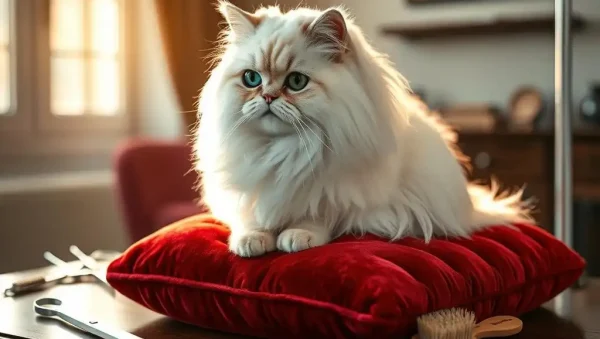
😊 Maintain your cat's health and happiness with regular professional grooming. Discover the numerous cat grooming benefits professional services offer, from preventing…
Read article
😊 Discover expert sensitive cat skin grooming tips from PetCareWorld! Learn gentle techniques and product recommendations to keep your feline friend comfortable…
Read articleWelcome to PetCareWorld’s dedicated hub for professional cat grooming, a cornerstone of feline wellness within our broader Pet Health & Nutrition category. Unlike routine brushing at home, professional grooming offers a comprehensive, stress-reduced approach to maintaining your cat’s coat, skin, nails, and overall hygiene. This subcategory is designed for owners seeking expert insights, whether you have a long-haired Persian or a short-haired Domestic Shorthair. Here, you’ll discover why investing in a certified groomer isn’t just about aesthetics—it’s a proactive health measure that prevents painful matting, detects early skin abnormalities, and reduces hairball incidents. Let’s dive into the specialized world of feline beauty and hygiene.
Professional grooming goes far beyond a simple bath. A trained groomer assesses your cat’s coat condition, skin elasticity, ear cleanliness, and nail health during each session. This hands-on examination often uncovers issues like fleas, ticks, fungal infections, or lumps that you might miss at home. For long-haired breeds, professional dematting removes tight undercoat tangles that can restrict movement and cause painful skin pulling. Regular sessions also significantly reduce the amount of fur your cat ingests during self-grooming, leading to fewer hairballs and better digestive comfort. Early detection and preventive care are the true value proposition, turning a luxury service into a vital health check.
Moreover, professional groomers use equipment designed for feline safety, including low-noise dryers and specialized brushes that don’t irritate sensitive skin. They understand feline behavior, using gentle handling techniques that minimize anxiety. For senior cats or those with arthritis, grooming becomes a therapeutic act—bathing can ease joint stiffness, while nail trims prevent painful overgrowth that alters gait. By choosing a professional, you’re not only ensuring a beautiful coat but also supporting your cat’s mobility, comfort, and long-term well-being.
A typical full-session groom includes a pre-groom assessment, nail trimming, ear cleaning, brushing, dematting (if needed), a hypoallergenic bath, blow-drying, and finishing touches like sanitary trims and paw pad shaving. The groomer will first check for any abnormal lumps, cuts, or parasites, documenting findings for you. Next, nails are clipped with caution to avoid the quick, followed by a gentle ear flush to remove wax and debris. The bath uses cat-specific, pH-balanced shampoos that don’t strip natural oils, often medicated for skin conditions. Blow-drying is performed with low heat and minimizes stress, ensuring the undercoat is fully dried to prevent mildew odors.
For long-haired breeds, the session may also include a lion cut or sanitary trim if matting is severe. Some owners request creative styling, but the focus remains on function. A professional will also express anal glands if necessary, a delicate task best left to experts. After the session, your groomer will provide aftercare advice, including brush frequency and diet tips for coat health. Expect the entire process to take 1.5 to 3 hours depending on your cat’s coat type and temperament. This time investment pays off with weeks of clean, tangle-free fur.
Selecting a professional groomer is a critical decision. Look for certifications from recognized bodies like the National Cat Groomers Institute or International Professional Groomers. These credentials indicate training in feline anatomy, behavior, and safe handling. A reputable groomer will require proof of up-to-date vaccinations, especially for FVRCP and rabies, to protect all cats in their care. They should also be transparent about their sanitation protocols—cleaning tools between cats, using disposable towels, and maintaining a calm, cage-free environment where possible. Ask for a facility tour to observe cleanliness and how cats are housed.
Equally important is the groomer’s approach to stress reduction. Feline-friendly facilities use pheromone diffusers, quiet rooms, and avoid mixing cats with barking dogs. A good groomer will also ask about your cat’s health history, medications, and temperament. Beware of anyone who promises a “quick” groom or uses restraints excessively. Trust your instincts: if your cat seems overly distressed during pickup, consider switching. The best groomers build a rapport with your cat over time, making each session less stressful. Ask for referrals from your veterinarian or local cat rescue groups for trusted names.
Not all cats need monthly grooming. The ideal frequency depends on coat length, texture, and lifestyle. Long-haired breeds like Persians, Maine Coons, and Ragdolls require professional grooming every 4–6 weeks to prevent mats, especially in the armpits, belly, and breeches. Medium-haired cats (e.g., Domestic Mediumhair, Siberian) benefit from sessions every 6–8 weeks. Short-haired breeds (e.g., Siamese, American Shorthair) can go 8–12 weeks, as they self-groom effectively, but still need nail trims and ear checks. Hairless breeds like Sphynx have unique needs: regular bathing is required to remove body oils, often every 1–2 weeks professionally or at home.
Additionally, senior cats or those with medical conditions (diabetes, arthritis, obesity) may need more frequent grooming to maintain hygiene. Overweight cats struggle to reach their hindquarters, leading to urine scald or fecal matter accumulation. In such cases, a professional sanitary shave every 3–4 weeks is life-changing. During shedding seasons (spring and fall), increase frequency to manage loose fur. Your groomer can advise a tailored schedule based on your cat’s individual needs, ensuring you’re not over-grooming (which irritates skin) or under-grooming (leading to mats).
Many cats dread car rides, strange environments, and handling. Professional groomers are trained to ease this anxiety using multiple strategies. First, they often recommend calming pheromone sprays (like Feliway) applied to transport carriers and grooming tables. Some facilities offer individual sessions without sight or sound of other animals. Groomers use slow, gentle movements and may wrap cats in a towel (“burrito wrap”) for nail trims or ear cleaning, providing security. They also take breaks if the cat becomes overly stressed, never forcing a procedure. Modern groomers use low-stress handling techniques adapted from veterinary behaviorists.
For extremely anxious cats, your groomer may suggest a sedative or anxiolytic prescribed by your vet—never given by the groomer. Alternatively, some cats respond better to mobile grooming vans, which minimize car travel and provide a familiar, one-on-one setting. Desensitization at home is also helpful: practice touching your cat’s paws, ears, and tail with treats, and use a vibe-only clipper sound. Schedule grooming sessions at a relaxed time (not after meals), and always bring a favorite blanket for comfort. A patient, compassionate groomer will transform your cat’s perception of grooming from trauma to tolerable routine.
Indoor short-haired cats typically need professional grooming every 8–12 weeks. This frequency maintains nail length, reduces hairballs, and allows early detection of skin issues. However, if your cat is elderly, obese, or has skin sensitivities, you may need sessions every 4–6 weeks. Your groomer will assess shedding patterns and coat condition to tailor a schedule.
Professional groomers use specialized dematting tools and are trained to avoid cutting skin. If mats are extremely tight, they may use a “cool” clipper blade with a guard to safely remove them, leaving a short patch. Never attempt to cut mats at home with scissors—you risk severe injury. Always let a professional handle severe matting.
Yes. Professional groomers gently flush ears with an ear-safe solution, removing excess wax, debris, and signs of mites. This reduces the risk of ear infections, especially in breeds with folded ears (e.g., Scottish Fold) or hairy ear canals. Regular cleaning also allows early detection of polyps or foreign bodies, preventing chronic discomfort.
Inform your groomer beforehand about your cat’s behavior. Many use muzzles or restraint bags only as a last resort. For aggressive cats, discuss whether a partial groom (e.g., just nails and sanitary trim) is possible. Never punish your cat; instead, work with a groomer experienced in handling difficult felines, and consider anxiety-reducing strategies like pheromone sprays or a vet-prescribed sedative.
While bathing isn’t always essential for short-haired cats, it dilutes allergens, removes dander, and helps with fungal or bacterial skin conditions. For long-haired cats, a bath is often necessary to fully clean the undercoat and remove dirt before finishing. Your groomer will recommend a bathing schedule based on your cat’s coat and skin health.







