Pet Grooming Wipes: Quick Solutions for Messy Paws and Faces
😊 Keep your furry friend looking their best between baths! Pet grooming wipes offer a quick and easy solution for messy paws…
Read article
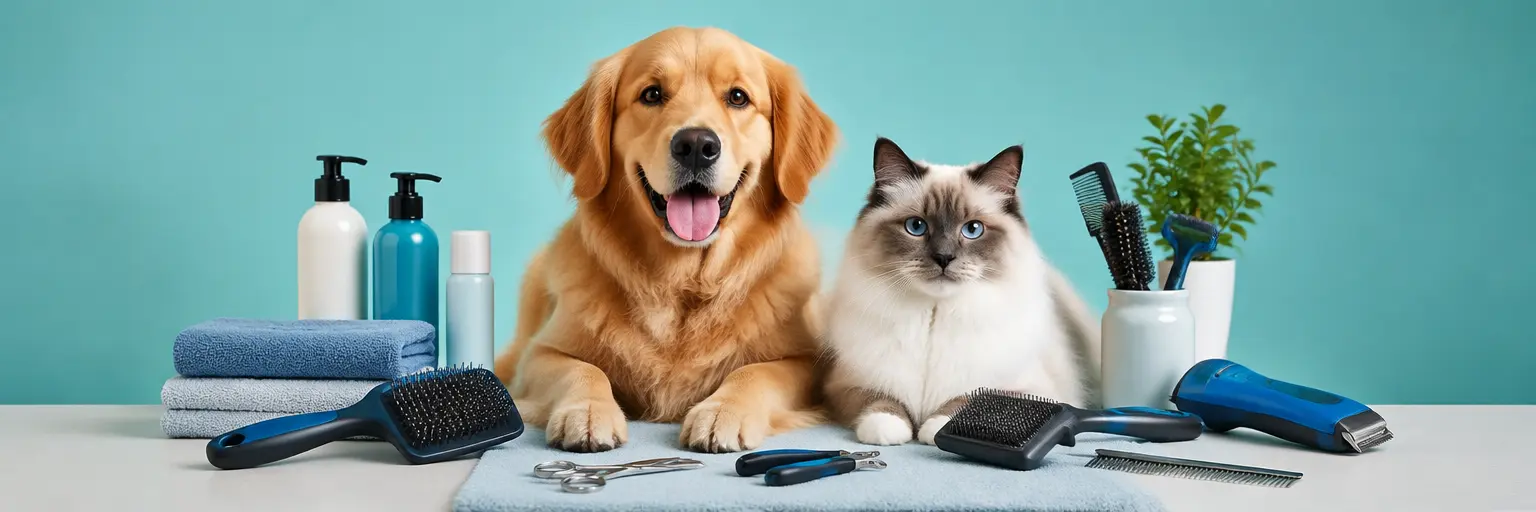
Discover the ultimate in pet care with PetCareWorld’s expert insights into grooming tools and supplies. From sleek brushes and gentle combs to high-velocity dryers and claw clippers, we guide you through the essential equipment for a healthy, happy coat and skin. Quality grooming not only keeps your furry friend looking their best but also prevents painful tangles, reduces shedding, and supports skin health. Whether you’re a seasoned professional or a first-time pet parent, find practical tips on selecting the right de-shedding tools, nail grinders, and bathing accessories tailored to your pet’s breed, coat type, and temperament. Elevate your grooming routine with safe, ergonomic, and vet-approved supplies that make every session a bonding experience. Trust our guidance to turn grooming from a chore into a joyful ritual, ensuring your companion feels comfortable, confident, and beautifully cared for. Explore the best in pet hygiene and maintenance today!

😊 Keep your furry friend looking their best between baths! Pet grooming wipes offer a quick and easy solution for messy paws…
Read article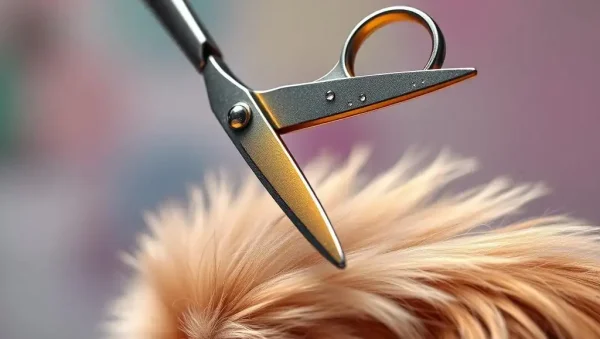
😊 Achieve the perfect pet look with PetCareWorld's expert guide to pet grooming shears. Master precision cuts and learn how to choose…
Read articleWelcome to PetCareWorld’s dedicated hub for grooming tools and supplies, the cornerstone of effective pet hygiene and coat health. Whether you own a long-haired Maine Coon, a wiry terrier, or a sensitive-skinned rabbit, the right equipment transforms stressful grooming sessions into bonding moments. Here, we break down the brushes, clippers, and safety gear that every responsible pet parent should own, focusing on durability, pet comfort, and easy maintenance. Dive in to discover how professional-grade tools can prevent matting, reduce shedding, and keep your companion looking and feeling their absolute best.
Selecting the correct brush is not one-size-fits-all; it depends on your pet’s coat length, texture, and shedding pattern. A slicker brush is ideal for removing tangles and loose undercoat in medium to long-haired dogs and cats, while a bristle brush works wonders on short, smooth coats by distributing natural oils for a shiny finish. For heavy shedders like Huskies or Golden Retrievers, a deshedding tool (such as an undercoat rake or Furminator-style comb) reaches deep into the underlayer without cutting the topcoat.
Our guide explains how to match each brush to your pet’s specific skin sensitivity and coat density. We also cover proper brushing techniques—always brushing in the direction of hair growth and using gentle, even strokes—to avoid skin irritation. Remember, regular brushing (2-3 times weekly) not only reduces furniture fur but also stimulates blood circulation, helping you spot early signs of fleas, lumps, or dry patches. Invest in a high-quality brush with rounded tips to ensure a painless, positive experience for your furry friend.
Professional grooming at home requires reliable pet clippers with adjustable blade lengths and low-vibration motors to reduce anxiety in nervous pets. For paw pads, sanitary areas, and face trims, a pair of curved or straight grooming scissors with blunt tips offers precision without accidental nicks. We review cordless versus corded models, focusing on battery life, noise levels, and blade sharpness—key factors for cats and small dogs that spook easily.
Our content also covers blade maintenance, including proper oiling and cooling after every 15 minutes of use to prevent overheating and burns. We emphasize safety guards and the importance of trimming in the direction of hair growth to avoid skin cuts. For first-time groomers, we provide step-by-step instruction on using clipper combs (e.g., #10 or #7 blades) for a uniform, even cut. With the right tools, you can maintain a neat, tangle-free coat between professional visits, saving money and reducing stress for your pet.
Beyond basic baths, specialized grooming supplies include pH-balanced shampoos for dogs (never human formulas), hypoallergenic options for sensitive skin, and tearless formulas for puppies and kittens. Our experts break down the differences between oatmeal-based, medicated (antifungal or antibacterial), and waterless shampoos, ensuring you choose one that addresses your pet’s specific needs—from dry, itchy skin to oily coats. We also highlight conditioners that detangle and add shine, plus deodorizing sprays for between-bath freshness.
We explain the correct bathing frequency (typically every 4-6 weeks for dogs, less for cats) and the importance of fully rinsing to prevent residue buildup that can cause irritation. For exotic pets like rabbits or guinea pigs, we advise on safe, fragrance-free options and dry baths using cornstarch powders. Additionally, our guide includes tips on reading ingredient labels to avoid harsh sulfates, parabens, and artificial dyes. Armed with this knowledge, you can transform bath time into a spa-like ritual that keeps your pet’s skin hydrated and coat lustrous.
Nail trimming is a common fear for owners, but with the right nail grooming tools, it becomes quick and safe. We compare guillotine clippers (best for small dogs and cats), scissor-style clippers (ideal for larger breeds), and electric nail grinders that offer gradual filing to avoid cutting the quick. Our guides detail how to locate the sensitive pink area (quick) in light-colored nails and how to proceed with dark nails using small, incremental cuts.
We also stress the necessity of having styptic powder or a cornstarch-based clotting agent on hand to immediately stop bleeding if you accidentally cut too deeply. For anxious pets, we recommend desensitization techniques, such as handling paws daily and pairing nail trims with high-value treats. Regular nail maintenance—every 3-4 weeks—prevents painful overgrowth, posture issues, and scratches to your floors and skin. Our comprehensive advice ensures you can confidently maintain your pet’s paw health without a stressful trip to the vet or groomer.
Clean ears and eyes are vital to preventing infections, especially in floppy-eared breeds like Cocker Spaniels or hairless cats. Our recommended ear cleaning solutions are pH-balanced, alcohol-free, and contain gentle ceruminolytic agents to dissolve wax and debris. We demonstrate how to properly apply the solution, massage the ear base, and wipe with cotton balls—never cotton swabs, which can push debris deeper. For eye care, we highlight sterile saline wipes and tear-stain removers safe for daily use around the delicate eye area.
Our guidance covers recognizing warning signs of infection, such as redness, foul odor, or excessive discharge, and when to seek veterinary care. For breeds prone to tear staining (e.g., Maltese or Shih Tzu), we offer dietary and grooming tips using specific wipes and powders. Integrating ear and eye cleaning into your weekly routine not only prevents painful conditions but also strengthens your bond as your pet learns to tolerate gentle handling. Always use separate, sterilized tools for each pet to avoid cross-contamination.
For dedicated pet parents, investing in a sturdy grooming table with a non-slip mat and adjustable arm is a game-changer, offering a secure, elevated workspace that reduces back strain. We review foldable, portable models for small apartments and heavy-duty professional tables for larger breeds. Additionally, high-velocity dryers shorten drying time and reduce the risk of fungal infections from damp undercoat, but we caution on proper distance and heat settings to prevent burns.
We also cover silicon grooming gloves for gentle bathing and massage, plus washable grooming hammocks that suspend small pets for easy paw and belly access. For travel, we recommend compact, lightweight kits with travel-size shampoos and folding brushes. Our content emphasizes that a well-equipped home grooming station reduces the frequency of paid services and allows you to bond with your pet in a calm, familiar environment. Always supervise pets during drying, and ensure the table’s safety loop is properly attached to prevent falls.
Ideally, brush your pet’s teeth daily using a pet-specific toothbrush and enzymatic toothpaste. If that’s too frequent, aim for 3-4 times per week. Regular brushing prevents tartar buildup, gum disease, and bad breath. Start slowly with finger brushes or gauze to acclimate your pet, and always reward with treats. Never use human toothpaste, as it contains fluoride and xylitol, which are toxic to pets.
No, human clippers have different blade spacing and motor speed that can pull and cut pet hair painfully. Pet clippers are designed to handle thicker, coarser fur and have cooler, quieter motors. Using human clippers risks skin nicks, overheating, and an uneven cut. Always invest in quality pet-specific clippers with interchangeable blade guards for safe, efficient grooming at home.
For small mats, use a slicker brush or dematting comb to gently work from the edges inward. For severe mats, a mat splitter with a curved blade is safer than scissors. Apply a detangling spray to soften the fur. Never pull or yank at mats, as this causes pain and skin burns. If mats are tight against the skin, it’s safest to have them shaved by a professional groomer to avoid injury.
Yes, waterless shampoos are excellent for touch-ups or for pets with medical conditions or extreme anxiety around water. They come as foams, sprays, or powders that absorb dirt and oil. Massage thoroughly, then brush out residue. However, they don’t deep-clean or remove heavy odors, so regular water baths are still necessary. Choose a formula with natural ingredients to avoid skin irritation, and test on a small patch first.
After each grooming session, remove hair from brushes using a comb or brush hair remover. Wash brushes weekly in warm, soapy water, then air dry. For clipper blades, remove excess hair, then spray with a blade cleaner and lubricant. Disinfect blades with 70% isopropyl alcohol, but always oil them afterward to prevent rust. Store all tools in a dry, covered container to maintain sharpness and hygiene.







