Home Grooming for ShortHaired Dogs: Preventing Common Skin Problems
😊 Mastering home grooming for your shorthaired dog is crucial for preventing skin issues. Our expert short haired dog grooming guide provides…
Read article
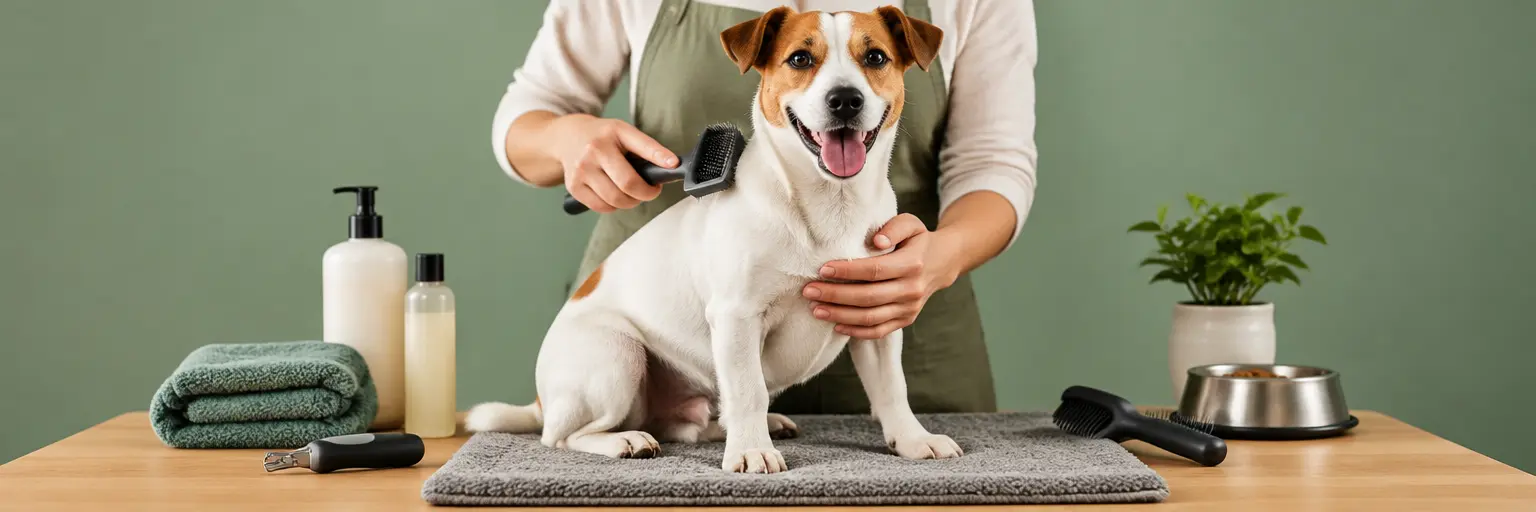
Master the art of DIY home grooming for your short-haired dog with expert tips that keep their coat shiny, skin healthy, and shedding under control—no salon visit required. Short-haired breeds like Beagles, Boxers, and Dalmatians benefit from regular brushing to remove loose fur and distribute natural oils, while occasional baths and nail trims prevent discomfort and matting. Opt for a rubber curry brush or grooming mitt to lift dead hair effectively, and always use a gentle, dog-safe shampoo to avoid stripping essential moisture. Simple daily routines not only reduce allergens in your home but also strengthen your bond through positive touch. Learn to check ears, paws, and skin for early signs of irritation or parasites, turning grooming into a mini health check. With the right tools and a calm approach, you’ll save money, avoid stress for your pet, and achieve professional-looking results right at home. Consistency is key—even five minutes a day makes a lasting difference in your dog’s comfort and appearance.
😊 Mastering home grooming for your shorthaired dog is crucial for preventing skin issues. Our expert short haired dog grooming guide provides…
Read article
😊 Effortlessly maintain your short-haired dog's pristine coat with our expert guide to home grooming. Learn essential techniques and product recommendations for…
Read articleWelcome to PetCareWorld’s dedicated resource on DIY home grooming for short-haired dogs. If you own a Labrador, Beagle, Boxer, or any sleek-coated breed, you know that grooming isn’t just about looks—it’s a cornerstone of pet health and nutrition indirectly tied to skin condition, parasite control, and bonding. This guide covers tools, techniques, skin care, nail trimming, ear cleaning, and bathing routines tailored specifically for short coats. You’ll learn to save money, reduce shedding, and spot early health issues—all from the comfort of your home. Let’s turn grooming into a stress-free, rewarding ritual for both you and your furry companion.
Short-haired dogs don’t require heavy-duty de-shedding tools, but they do need the right basics to keep their coat glossy and skin healthy. You’ll want a rubber curry brush or a hound glove to lift loose hair and stimulate natural oil production. A soft-bristle brush works well for finishing, while a fine-toothed metal comb helps check for fleas or tiny mats behind ears. Nail clippers (guillotine or scissor type), styptic powder, dog-safe ear cleaner, and a mild oatmeal shampoo are must-haves. Avoid furminators designed for undercoats—they can irritate short-haired skin. With these tools, you’ll handle 90% of routine maintenance without professional visits.
Investing in quality tools pays off quickly. Rubber brushes cost under $15 and last for years, while a good nail grinder reduces the risk of cutting the quick. Remember, short hair doesn’t mean no grooming—it means more frequent, quicker sessions. Weekly brushing (just 5 minutes) removes dead hair before it lands on your furniture. Also, a silicone grooming glove can be used during bath time to massage shampoo deep into the skin, making your dog feel pampered. Always clean your tools after each use to prevent bacterial buildup, especially if you groom multiple pets.
Short-haired dogs often have more exposed skin, making them prone to dryness and irritation from over-bathing. Aim for a bath every 4–6 weeks, unless your vet advises otherwise. Use lukewarm water (never hot) and a pH-balanced, hypoallergenic shampoo free of artificial fragrances. Wet your dog thoroughly, then lather gently in circular motions, focusing on the back, chest, and paws—areas that collect dirt. Avoid getting water in ears and eyes by using a washcloth. Rinse completely; leftover shampoo can cause flaking and itchiness. After rinsing, apply a dog-friendly conditioner or a diluted apple cider vinegar rinse (1 part vinegar to 3 parts water) to restore pH and add shine.
Drying is just as critical. For short coats, a high-absorbency microfiber towel works better than a blow dryer, which can overheat or scare your dog. Rub briskly to remove excess water, then let them air-dry in a warm, draft-free room. If you use a dryer, set it on low heat and keep it at least 12 inches from the skin. Watch for any red patches, bumps, or excessive scratching post-bath—these could signal an allergic reaction to a product. Always offer a treat after bathing to create a positive association. Proper bathing not only cleans but also allows you to inspect for ticks, lumps, or hot spots early.
Many owners believe short-haired dogs don’t shed, but breeds like Labs and Beagles shed year-round. Consistent brushing is your best defense. Use a rubber curry brush with firm, short strokes in the direction of hair growth, starting from the neck down to the tail. This lifts dead hairs and distributes natural oils, giving the coat a healthy sheen. For heavy shedders, a de-shedding tool designed for short hair (like a shedding blade) can be used once a week—but go gently to avoid scratching the skin. Always brush before a bath to remove loose fur, and after drying to catch any remaining hairs.
De-shedding isn’t just about cleanliness; it prevents hair from matting into the skin, which can cause irritation or infections. Spend extra time on the hindquarters and underbelly, where hair is thinner and more prone to tangling. If you notice patches of hair loss or bald spots, consult your vet—it might indicate hypothyroidism or allergies. For double-coated short breeds (like the Swedish Vallhund), use an undercoat rake lightly, but never over-brush. A good rule: if you see reddened skin or your dog flinches, you’re brushing too hard. Regular brushing also boosts blood circulation, which supports skin health and reduces the risk of dermatological issues.
Nail care is the most dreaded task for many pet parents, but for short-haired dogs, it’s essential to prevent overgrowth that can alter their gait. Start by getting your dog comfortable with paw handling—touch their feet daily while giving treats. Use a guillotine clipper or a Dremel grinder; grinders are safer because they file down gradually, reducing the chance of hitting the quick. Trim only the tip that curves, avoiding the pink area (quick). If you do cut the quick, apply styptic powder immediately to stop bleeding. For dark nails, trim tiny slices until you see a grayish oval (the quick). After trimming, smooth rough edges with a file to prevent snagging on carpets.
Paw care goes beyond nails. Check between toe pads for burrs, ice, or small stones that can cause limping. Short-haired breeds often have exposed pads, making them susceptible to cracking in extreme weather. Apply a pet-safe paw balm weekly to keep pads moisturized. During winter, wipe paws after walks to remove road salt; in summer, avoid hot pavement (test it with your hand—if it’s too hot for you, it’s too hot for them). Also, look for redness or swelling between toes, which might indicate allergies or infections. Regular paw inspection turns a routine chore into a health check that can catch issues early.
Short-haired dogs often have floppy ears (like Labs) or upright ears (like German Shepherds), but both need regular attention. Clean ears every 2–4 weeks or if you see dirt, odor, or excessive scratching. Use a vet-approved ear cleaner on a cotton ball—never a cotton swab, which can push debris deeper. Gently wipe the visible part of the ear canal, then let your dog shake their head. Healthy ears are pale pink and odorless. Redness, dark discharge, or a yeasty smell signal an infection requiring veterinary care. For outdoor dogs, check ears after swimming or hikes to remove moisture and debris.
Skin checks are a bonus of ear cleaning sessions. Run your hands over your dog’s body, feeling for bumps, scabs, or areas of heat. Short coats make lesions easier to spot. Look for fleas (black specks) or ticks, especially around the neck, ears, and groin. If you find a tick, remove it with tweezers, pulling straight out. Also, inspect the belly and inner thighs for redness from allergies or from lying on hot surfaces. Regular skin checks help you detect conditions like dermatitis, ringworm, or early tumors. Early detection means simpler treatments and better outcomes for your pet’s overall health.
Short-haired dogs need brushing 2–3 times per week to control shedding and maintain coat health. Bathing is recommended every 4–6 weeks unless they get dirty or have skin conditions. Nail trimming depends on activity—usually every 3–4 weeks. Ear cleaning every 2–4 weeks. The key is consistency, not frequency—a 10-minute weekly routine is often enough.
No. Human shampoo has a different pH level (around 5.5) compared to a dog’s skin (6.5–7.5), which can disrupt the skin barrier, causing dryness and irritation. Always use a dog-specific, pH-balanced shampoo. If you’re in a pinch, use a vet-recommended gentle baby shampoo diluted with water as a one-time substitute.
A rubber curry brush is most effective—it grabs loose hair and stimulates natural oils. For heavy shedders, a de-shedding blade used weekly works well. Brush before bathing to loosen dead fur, and after drying to catch remaining hairs. Vacuuming regularly and using a lint roller on furniture also helps manage fur around the home.
Flaky skin often results from over-bathing, dry air, or low-quality food. Switch to an oatmeal-based shampoo and bathe less frequently. Add a fish oil supplement (rich in omega-3) to their diet to improve skin health. Ensure they stay hydrated. If flakes persist or are accompanied by itching, consult your vet to rule out allergies or parasites.
Yes, though less often than long-haired breeds. A light conditioner helps maintain moisture balance, especially for dogs with sensitive skin. Use a leave-in spray conditioner or a diluted vinegar rinse to add shine and reduce static. Avoid heavy oils that can clog pores. For most short-haired dogs, a good shampoo and thorough rinse is sufficient, but conditioner adds a healthy barrier.







