Exploring the World of Raw and Organic Pet Food Diets
🤔 Discover the potential health advantages of transitioning your pet to a raw organic diet. PetCareWorld explores the benefits, addressing common concerns…
Read article
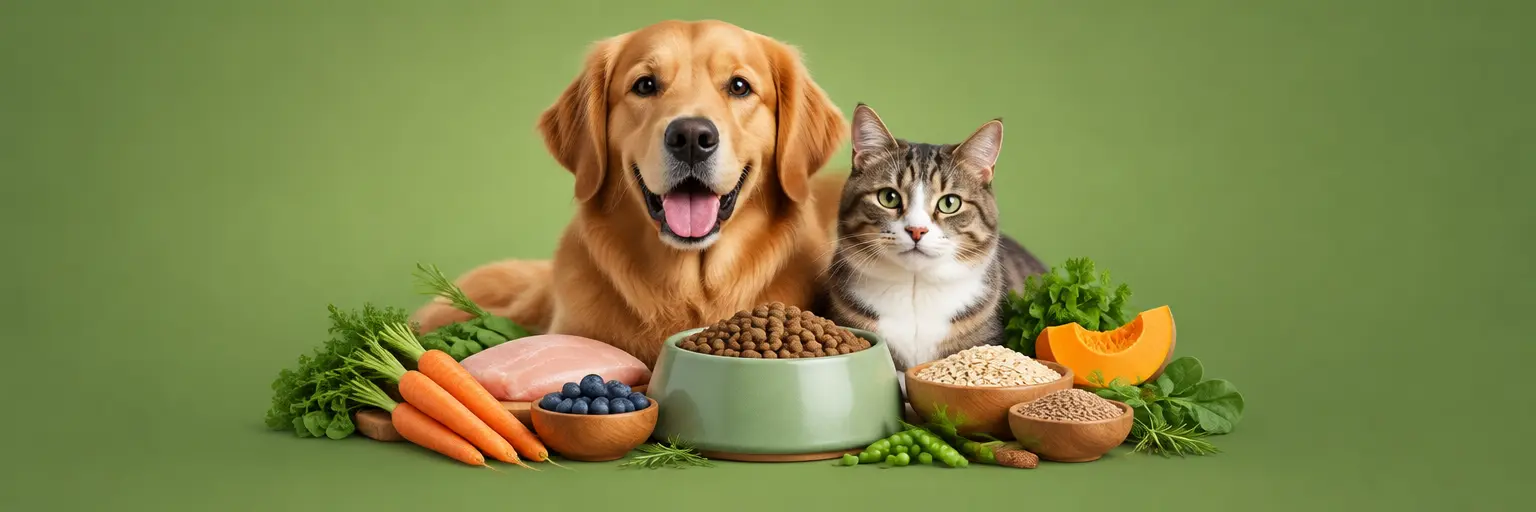
Discover how organic and natural pet food can transform your furry friend’s health and vitality. 🐾 At PetCareWorld, we bring you expert-backed insights into choosing chemical-free, sustainably sourced nutrition that supports digestion, shiny coats, and lasting energy. From understanding ingredient labels to spotting certified organic options, our guides help you make informed, wholesome choices that align with your pet’s unique needs—whether they’re a playful puppy, a senior cat, or an exotic companion. 🌿 Prioritize purity and wellness with natural proteins, farm-fresh vegetables, and essential fatty acids, all designed to boost immunity and longevity. ✨ Embrace a cleaner, greener bowl and give your pet the gift of real food, real nutrition, and real love. Dive into our curated tips and product recommendations to start your pet’s journey toward a healthier, happier life today.

🤔 Discover the potential health advantages of transitioning your pet to a raw organic diet. PetCareWorld explores the benefits, addressing common concerns…
Read article
🤔 Discover the best natural pet food brands that truly nourish your furry, feathered, or scaled friend. PetCareWorld reveals top choices based…
Read article
😊 Discover the lasting advantages of organic pet food for your beloved companion. PetCareWorld explores how choosing organic nourishes their health, vitality,…
Read articleAt PetCareWorld, we understand that the food you choose directly impacts your pet’s vitality, coat condition, digestion, and long-term well-being. The subcategory of Pet Food - Organic and Natural Pet Food focuses on diets free from synthetic pesticides, artificial preservatives, GMOs, and low-quality fillers. Here, we help you navigate the often confusing landscape of labels, certifications, and ingredients so you can make informed, health-forward decisions for dogs, cats, and even smaller companions like rabbits or ferrets.
Organic pet food must meet strict regulatory standards, often involving certified farms where crops are grown without synthetic chemicals and animals are raised without antibiotics or growth hormones. The USDA Organic seal is your strongest guarantee, ensuring at least 95% organic ingredients. However, many brands use marketing terms like "natural" loosely, so understanding the difference is crucial.
Natural pet food, while not always certified, focuses on minimally processed ingredients without artificial colors, flavors, or preservatives. Look for whole meats, vegetables, and grains you recognize. We break down the certification tiers, the meaning of "human-grade," and how to verify claims from brands. This clarity helps you avoid greenwashing and select products that truly support your pet’s immune system and energy levels.
Switching to organic and natural food often leads to visible improvements in your pet’s health. These diets typically contain higher levels of omega-3 and omega-6 fatty acids, which promote a glossy coat, reduce skin allergies, and support brain health. The absence of artificial additives also eases digestive stress, reducing instances of vomiting, diarrhea, and flatulence in sensitive pets.
Furthermore, organic meat sources are leaner and richer in essential amino acids, helping maintain muscle mass and joint function. For pets with chronic conditions like obesity, diabetes, or kidney disease, natural formulas often provide cleaner protein sources and lower glycemic index carbohydrates. Our guides detail clinical evidence, anecdotal success stories, and expected timelines for seeing improvements in energy, stool quality, and dental health after making the switch.
Dogs are omnivores and thrive on balanced mixtures of animal protein, vegetables, and whole grains, while cats are obligate carnivores requiring high meat content and specific amino acids like taurine. Organic options for each species differ significantly, so our subcategory provides species-specific breakdowns. For dogs, we review grain-inclusive versus grain-free natural formulas, considering activity level and breed predispositions.
For cats, we emphasize canned and raw organic diets that mimic their natural prey moisture content, crucial for urinary tract health. We also cover common pitfalls, such as choosing a "natural" dog food for a cat or missing essential nutrients in homemade organic recipes. Expert veterinary nutritionists contribute posts on reading ingredient panels, understanding guaranteed analysis, and avoiding harmful additives like carrageenan or ethoxyquin.
Beyond traditional kibble, the organic market offers raw frozen patties, freeze-dried nuggets, and air-dried jerky. These minimally processed formats preserve enzymes and nutrients often destroyed by high-temperature cooking. Raw organic diets can dramatically improve dental hygiene, reduce fecal odor, and boost vitality, but they require careful handling to avoid bacterial contamination.
Our guides explain the safety protocols for raw feeding, including sourcing from reputable organic farms, proper thawing, and hygiene. Freeze-dried options offer convenience without losing nutritional integrity, ideal for travel or picky eaters. We compare costs, shelf life, and palatability across top brands like Open Farm, The Honest Kitchen, and Only Natural Pet. Each review includes pros and cons based on real owner experiences and ingredient transparency.
Organic and natural diets often carry a 30–50% price premium over conventional brands, but savvy strategies can minimize costs. Buying in bulk, subscribing to autoship discounts, and mixing a premium organic base with homemade steamed vegetables are practical approaches. We also highlight store brands from Chewy and Petco that meet organic standards at lower price points.
Additionally, investing in higher-quality food often reduces long-term veterinary expenses linked to allergies, obesity, and chronic inflammation. We provide a cost-per-feeding calculator and tips on transitioning your pet gradually to avoid digestive upset. By comparing price per ounce and nutrient density, you can make an economical yet healthful choice for your furry family member.
Yes, organic pet food reduces exposure to synthetic pesticides, hormones, and antibiotics, which can accumulate in tissues over time. Many pets show improved digestion, coat quality, and immune function. However, nutritional completeness matters more than certification alone, so always verify that the formula meets AAFCO standards for your pet’s life stage.
Often, yes. Natural diets eliminate artificial colors, flavors, and common fillers like corn or soy that trigger sensitivities. Organic protein sources also tend to be less processed, lowering histamine reactions. If your pet has chronic itching or ear infections, switching to a limited-ingredient natural food may provide relief, but consult your vet to rule out other allergens first.
Brands like Whole Earth Farms and Natural Balance offer budget-friendly natural options, while Costco’s Kirkland Signature has some certified organic recipes. Look for online retailers’ private labels, subscribe-and-save discounts, and seasonal sales. Local pet co-ops and bulk bins also reduce costs, and buying larger bags usually brings the per-meal price down significantly.
No. Grain-free diets are not inherently healthier and may lack beneficial fibers. Recent research links some grain-free formulas to canine dilated cardiomyopathy, especially those high in legumes. Unless your pet has a diagnosed grain allergy, whole grains like brown rice or oatmeal in natural foods are fine and even beneficial for digestion.
Gradually mix the new organic food with the old over 7–10 days, starting with 25% new and 75% old, then increasing by 25% every few days. Monitor stools, appetite, and energy levels. For sensitive pets, add a probiotic during transition. Never mix raw and kibble in the same meal, and always provide fresh water.







