Does Your Pet Need GrainFree? A Guide to Understanding Dietary Requirements
🤔 Uncertain if grain-free is right for your pet? PetCareWorld's expert guide explores the purported grainfree pet food benefits and helps you…
Read article
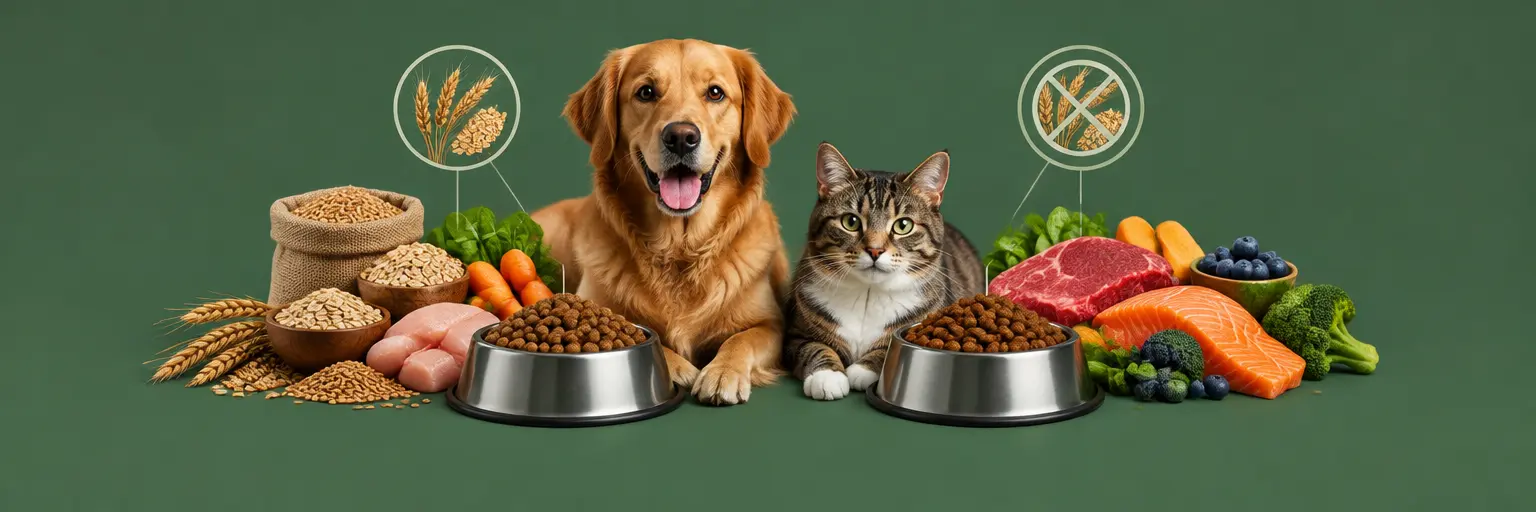
Is your pet’s diet missing essential nutrients, or are you caught in the middle of the grain-free pet food debate? At PetCareWorld, we dive deep into the science and trends fueling this hot topic. From grain-free vs. grain-inclusive diets to the latest research on canine dilated cardiomyopathy (DCM) and feline allergies, we help you cut through the marketing hype. Discover the pros and cons of grain-free formulas, learn how to read ingredient labels like a pro, and understand if your furry friend truly thrives on a low-carb or pea-heavy recipe. Whether you’re a devoted raw feeder or a kibble fan, our expert-backed guide empowers you to make a confident, informed choice for your pet’s health. Explore the truth with us—because every bowl matters. 🐾

🤔 Uncertain if grain-free is right for your pet? PetCareWorld's expert guide explores the purported grainfree pet food benefits and helps you…
Read article
🤔 Uncover the truth about grain-inclusive vs. grain-free pet food! PetCareWorld explores which diet best suits your furry friend, helping you choose…
Read article
🤔 Discover the optimal diet for your furry friend! PetCareWorld explores grain-free versus grain-inclusive diets, helping you determine the best pet food…
Read articleWelcome to PetCareWorld's dedicated resource on the grain-free pet food debate, a hot topic within pet health and nutrition. This page explores the science, marketing, and real-world implications of feeding your dog or cat a diet without grains. We break down the claims for and against grain-free formulas, examine the FDA’s findings on dilated cardiomyopathy (DCM), and help you decide if this dietary choice is right for your pet. Our goal is to provide balanced, evidence-based information so you can make an informed decision with your veterinarian, avoiding both hype and fear.
Proponents of grain-free pet food argue that dogs and cats, as descendants of carnivores, have no biological need for grains like corn, wheat, or soy. They suggest that grains can cause allergies, skin irritation, and digestive upset. Many premium brands highlight high-protein, low-carbohydrate recipes that mimic ancestral diets, often using legumes, potatoes, or tapioca as replacements. For pets with confirmed grain allergies, switching to a grain-free formula can genuinely resolve chronic itching or ear infections. However, true grain allergies are rare, affecting less than 1% of pets, so most pets won't benefit from avoidance alone.
Beyond allergy claims, advocates emphasize higher-quality ingredients and better digestibility. Grain-free foods often feature named meat sources as the first ingredient, which can support muscle maintenance and energy levels. Owners report shinier coats, cleaner teeth, and firmer stools after switching, though these anecdotal benefits may stem from overall recipe quality rather than the absence of grains itself. You should always read the full ingredient list, not just the front label, because grain-free does not automatically mean low-carb or high-protein if fillers like peas and potatoes dominate the formula.
In 2018, the U.S. Food and Drug Administration (FDA) launched an investigation into a potential link between grain-free diets and canine dilated cardiomyopathy (DCM), a serious heart condition. The FDA reported that a disproportionate number of DCM cases occurred in dogs eating diets containing peas, lentils, or potatoes as primary ingredients, especially when those diets were labeled grain-free. While not conclusive, this triggered widespread concern among pet owners and veterinarians. The theory is that legumes may interfere with taurine absorption or metabolism, though many affected dogs had normal taurine levels, suggesting other unknown mechanisms.
Because of this, veterinary cardiologists now recommend caution for breeds predisposed to DCM, such as Golden Retrievers, Dobermans, and Great Danes. If your dog is on a grain-free diet, you should monitor for early signs like lethargy, coughing, or exercise intolerance. However, it's crucial to note that the FDA did not recall any products, and many dogs eat grain-free food without heart problems. The risk appears low but real, so the decision hinges on your pet's individual health history, breed, and the specific ingredients in the chosen formula. Always consult your vet before making sudden dietary changes.
Grain-free diets typically replace cereals with high-glycemic alternatives like white potatoes, sweet potatoes, peas, lentils, and chickpeas. This swap can drastically change the carbohydrate profile and glycemic index of the food. Some pet owners believe carbohydrates are the enemy, but in reality, both grains and legumes provide energy and fiber. The key difference is that legumes contain more protein and resistant starch, which can be beneficial for satiety but may reduce taurine availability in some dogs. Meanwhile, whole grains like brown rice and oats offer B vitamins, magnesium, and soluble fiber that support gut health.
Understanding ingredient sourcing matters too. Many grain-inclusive diets use highly processed, low-quality grains that are harder to digest, whereas premium grain-inclusive formulas use whole, intact grains. Conversely, some grain-free diets rely heavily on plant proteins to meet protein minimums, which dilutes the animal-based amino acid profile. For cats, obligate carnivores, grain-free diets are often less controversial because felines require more meat protein, but the same legume concerns apply. The practical takeaway is to compare the guaranteed analysis and the top five ingredients, not just the absence or presence of grains.
Selecting between grain-free and grain-inclusive pet food should never be based on marketing trends or Instagram influencers. Start by consulting your veterinarian, who can assess your pet's age, weight, breed, and existing medical conditions. For healthy pets with no allergies, traditional grain-inclusive diets from reputable brands are safe, balanced, and often more affordable. If you suspect a grain allergy, request an elimination trial with a hydrolyzed protein diet rather than guessing. If you still prefer grain-free, choose a formula that meets AAFCO nutritional standards and lists a named meat as the first ingredient, followed by whole vegetables or fruits, not excessive legumes.
For pets with heart conditions or high DCM risk, avoid legumes and peas altogether, even in grain-free treats or toppers. Instead, look for diets that use alternative carbohydrate sources like quinoa, barley, or millet. Always transition gradually over 7–10 days to prevent gastrointestinal distress, and monitor your pet's energy, stool quality, and coat condition. Keep a food diary and report any changes to your vet. There is no single perfect diet for every animal, so your decision should be individualized, evidence-based, and periodically reassessed as new research emerges.
Many pet owners believe that "grain-free" equals "better" because it sounds closer to a natural ancestral diet. However, the term is unregulated by the FDA, meaning it can appear on low-quality foods packed with fillers and artificial additives. Another myth is that all grains are inflammatory; in reality, plain cooked rice is often recommended by vets for dogs with diarrhea or pancreatitis. Similarly, cats can digest carbohydrates efficiently, though they have no dietary requirement for them. There is also a misconception that grain-free diets are automatically high in meat protein, which is false—some contain less protein than standard grain-inclusive formulas.
Marketing language like "biologically appropriate," "holistic," or "ancestral" often carries no legal definition and is purely persuasive. Instead of falling for buzzwords, learn to read the guaranteed analysis and ingredient panel. Crude protein should be 18–30% for adult dogs and 30–40% for cats, with fat around 8–20% depending on activity. Fiber should be 3–5%. Avoid foods containing unnamed meat meals, artificial colors, or excessive sodium. By focusing on measurable criteria, you cut through the noise and make a science-driven choice that prioritizes your pet's long-term health over fleeting trends.
For most healthy dogs, grain-free diets are safe but not necessary. The FDA flagged a potential link to DCM when diets are heavy in legumes, so avoid formulas where peas or lentils are among the top three ingredients. If your dog is a breed prone to heart issues, consult your vet and consider a grain-inclusive diet instead. Monitor for any signs of heart problems.
There have been far fewer reported cases of DCM in cats than in dogs, partly because cats are obligate carnivores and less likely to be fed legume-heavy formulas. However, the same caution applies: avoid foods with excessive peas or lentils as primary ingredients. If your cat is diagnosed with heart issues, your vet may recommend taurine supplementation regardless of diet.
No, unless your pet has a confirmed allergy or intolerance. Whole grains provide valuable nutrients like fiber, B vitamins, and minerals. Most allergic reactions in pets are triggered by animal proteins (e.g., beef, chicken) rather than grains. Severe grain allergies are rare, so most pets digest corn or wheat rice perfectly well.
Ensure the formula is AAFCO-compliant and lists a named meat (like chicken or salmon) as the first ingredient. Verify that legumes and potatoes don't dominate the top five ingredients. Aim for a protein content of at least 25% for dogs and 35% for cats, with moderate fat and limited artificial additives. Always check for a nutritional adequacy statement.
Yes, you can switch at any time, but do it gradually over 7–10 days to avoid digestive upset. For pets currently on a grain-free diet with no health issues, a slow transition is safe. For pets with heart conditions or suspected DCM, consult your vet before switching to ensure you choose a cardiologist-approved formula that meets all nutritional needs.







