Hypothermia Stages: Understanding the Progression and Severity in Pets
😊 Pet hypothermia's severity progresses through distinct stages, impacting pets differently. Learn how to recognize these stages and ensure your pet's safety…
Read article
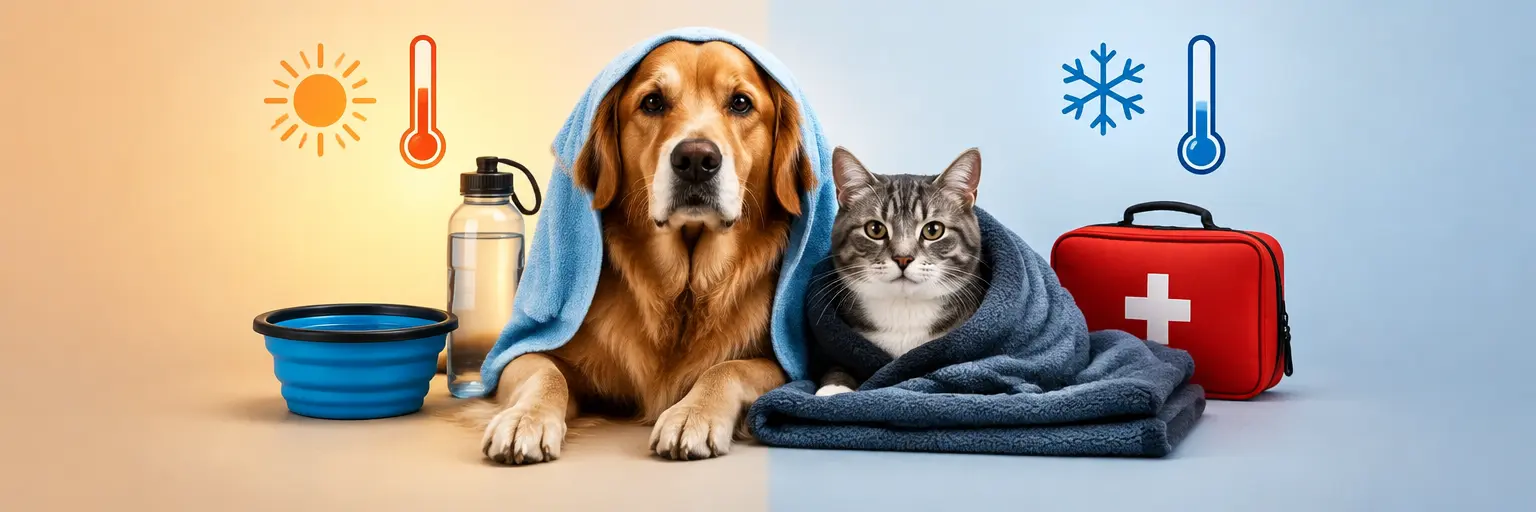
Extreme temperatures can turn a fun day into a life-threatening emergency for your furry friend. At PetCareWorld, our Pet First Aid – Heatstroke and Hypothermia guide equips you with the critical know-how to recognize the subtle signs of overheating or dangerous chilling before they escalate. Learn to spot early warning signals like excessive panting, weakness, shivering, or pale gums, and discover step-by-step emergency protocols that can stabilize your pet while you seek veterinary care. We break down safe cooling techniques, proper warming methods, and crucial mistakes to avoid—because acting fast and correctly saves lives. Whether it’s a summer hike or a winter walk, this essential resource ensures you’re prepared to protect your companion against the elements, turning panic into confident action. Your pet’s safety starts here.

😊 Pet hypothermia's severity progresses through distinct stages, impacting pets differently. Learn how to recognize these stages and ensure your pet's safety…
Read article
😊 Winter's chill threatens your pet's health. PetCareWorld guides you to essential cold weather gear, including the best cold weather dog coats,…
Read article
😊 Is your dog shivering uncontrollably? Learn safe, effective dog hypothermia home treatment methods from PetCareWorld's expert guide, ensuring your furry friend…
Read articleWelcome to PetCareWorld’s dedicated guide on Pet First Aid for Heatstroke and Hypothermia. This subcategory is your go-to resource for recognizing, treating, and preventing the two most dangerous temperature-related emergencies in pets. Whether you own a dog, cat, or exotic pet, mastering these skills can mean the difference between a quick recovery and a life-threatening crisis. Here, we combine expert veterinary insights with step-by-step actionable advice, ensuring you are prepared for both scorching summers and freezing winters.
Heatstroke, or hyperthermia, occurs when a pet’s body temperature rises above a safe range—typically over 103°F (39.4°C) for dogs and cats. Early signs include excessive panting, drooling, red or pale gums, rapid heartbeat, and restlessness. As the condition worsens, you may observe vomiting, diarrhea, lethargy, stumbling, or even seizures. Brachycephalic breeds (like Pugs and Persian cats) and overweight pets are at higher risk. Immediate recognition is critical, as organ damage can start within minutes of overheating.
To confirm suspected heatstroke, use a rectal thermometer if possible; temperatures above 104°F require urgent action. Do not cool your pet too quickly—ice water can cause shock. Instead, move them to shade, apply cool (not cold) water to their paws and belly, and offer small sips of water. Even if symptoms seem to resolve, always consult a veterinarian because internal complications can be delayed. This guide will walk you through every stage, from emergency treatment to preventing this silent killer.
Hypothermia, or low body temperature, is equally dangerous and often underestimated. A pet’s normal temperature is around 100-102.5°F (37.8-39.2°C); hypothermia sets in when it drops below 98°F (36.7°C). Initial signs include shivering, curling into a tight ball, and seeking warm surfaces. As the condition progresses, shivering stops (a dire sign), breathing becomes shallow, and your pet may appear weak, unresponsive, or have pale and cold extremities. Small breeds, puppies, kittens, and senior pets lose heat faster, making them especially vulnerable.
Treatment focuses on gradual rewarming to avoid cardiac arrhythmias. Wrap your pet in warm blankets over a hot-water bottle (wrapped in a towel), and avoid direct heat sources like hair dryers. For birds and reptiles, environmental controls are even more delicate—this is why we break down species-specific instructions. Our detailed protocols help you stabilize your pet while transporting them to a vet, ensuring you don’t inadvertently cause rewarming shock.
Effective first aid requires precise steps. For heatstroke, never submerge your pet in ice water; instead, place them on a cool wet towel and rotate it every few minutes. Focus on the inner thighs, armpits, and paw pads—where blood vessels are close to the skin’s surface. Use a fan to enhance evaporation, but avoid covering them with wet cloths that trap heat. Monitor temperature every five minutes and stop cooling once it reaches 103°F to prevent overshooting into hypothermia.
For hypothermia, avoid rubbing or massaging the skin, as this can damage tissue. Use lukewarm water bottles wrapped in cloth—never hot—and place them under your pet’s armpits and groin. If your pet is conscious, offer warm (not hot) broths or water. For reptiles, use a heat lamp or mat positioned at one side of the enclosure to create a gradient. Our step-by-step checklists, complete with illustrations, ensure you can perform these techniques correctly under stress, even with minimal supplies.
Every pet owner should have a dedicated kit for thermal emergencies. Start with a rectal digital thermometer and petroleum jelly for accurate readings. Include chemical cold packs, instant warmers, towels, and a portable fan or battery-operated heater. Stock electrolyte solutions (unflavored Pedialyte) for dehydration or recovery, plus a thermal emergency blanket that reflects body heat. Also add a copy of your vet’s emergency number and a list of your pet’s baseline temperature and weight.
Customize your kit by species: for birds, include a small seed warmer; for reptiles, a spray bottle for misting and a heat lamp. Check expiration dates every three months on gel packs and batteries. Keep a second mini-kit in your car for hikes or long drives. This section details not only what to buy but also how to use each item safely—so you’re not learning during a crisis. A well-stocked kit is your first line of defense against both extremes.
Knowing when professional help is mandatory can save your pet’s life. For heatstroke, always seek veterinary care if temperature exceeds 104°F, if vomiting or collapse occurs, or if cooling efforts don’t lower temperature within 20 minutes. For hypothermia, emergency care is needed if temperature drops below 96°F, if your pet is unconscious, or if there’s no improvement after 30 minutes of warming. However, mild cases—slight overheating with normal alertness or mild chilling with responsive shivering—can be managed at home with close monitoring.
While you travel to the clinic, continue first aid: keep your pet calm, maintain their temperature with gentle methods, and avoid giving food or water if they’re drowsy or vomiting. Never administer human pain medications like aspirin, as they are toxic to pets. This section provides a clear triage table, including when to call ahead, what to report, and how to handle transportation without worsening the condition. Your prompt decision-making combines with our guidance to maximize survival odds.
Prevention is always better than cure. In summer, never leave pets in parked cars—even with cracked windows, temperatures can soar to 120°F in minutes. Provide shade, fresh water, and schedule walks during cooler hours. Use booties on hot pavement, as pads can burn. For winter, limit outdoor time when wind chill is low, use pet-safe antifreeze and ice melts, and never shave long-haired breeds. For reptiles, install thermostat-controlled heat sources and check night-time temperatures regularly.
Acclimatize your pet gradually to temperature changes, whether moving to a new climate or starting a new exercise routine. Monitor ambient temperature with a simple indoor/outdoor thermometer. Pair prevention with regular vet check-ups—underlying heart or respiratory conditions increase risk. Our seasonal checklists help you audit your home and habits twice a year. By understanding your pet’s breed, age, and health profile, you can tailor a care schedule that keeps them safe from both extremes.
Move your dog to a shaded or air-conditioned area immediately. Start cooling with cool (not freezing) water on their paws, belly, and armpits. Use a fan to aid evaporation. Do not force water; provide small sips if they are alert. Check their temperature every five minutes and stop cooling once it reaches 103°F. Contact your vet right away, because internal damage can occur even if symptoms improve.
No, never use ice packs for warming—they cause vasoconstriction and worsen the condition. Instead, use lukewarm bottles or warm towels placed under a blanket. Wrap the cat in a pre-warmed towel and avoid direct heat on the skin. Gradual rewarming is essential; too rapid can cause shock or heart arrhythmias. Always consult a vet for persistent low temperatures below 97°F.
Yes, brachycephalic breeds have smaller airways, so panting is less effective, and they overheat faster. Symptoms escalate from loud breathing to excessive drool, blue-tinged gums, and collapse. They may not show the typical heavy panting. For these breeds, avoid exercise in heat above 75°F. Use water misting and always carry a cool towel. Immediate vet care is vital if you see nasal congestion or distress.
For most pet birds, a room temperature of 65-80°F (18-27°C) is safe, but avoid drafts and sudden drops. During power outages, wrap the cage in a blanket and use a hand-warming pouch near (not against) the bars. If your bird fluffs feathers, shivers, or perches low, check for hypothermia. Keep a thermometer in the room and provide a warm perch pad. Consult your avian vet for species-specific ranges.
You should never wait—veterinary assessment is recommended even if your pet seems normal. Heatstroke and hypothermia can cause delayed organ failure, electrolyte imbalances, or brain swelling. As soon as you stabilize your pet’s temperature (between 100-103°F), transport them gently. Call your clinic en route to ensure immediate availability. Early professional care significantly reduces long-term complications and mortality risk.







