Pet First Aid – Bleeding Control: Your Essential Guide to Handling Pet Emergencies
When your beloved pet suffers a wound, every second counts. Mastering bleeding control is a fundamental skill for any responsible pet owner, whether you have a playful puppy, a curious cat, or an active bird. This dedicated subcategory under Pet Health & Nutrition focuses on practical, actionable techniques to manage hemorrhages, stabilize your pet, and minimize shock before reaching a veterinarian. From identifying the type of bleeding to assembling a proper first aid kit, we cover the critical steps that can make the difference between life and death. Explore our expert guidance to transform panic into confidence during stressful situations.
🔍 Identifying the Type and Severity of Bleeding
Understanding the source and nature of bleeding is the first step to effective control. Capillary bleeding, such as from a minor scrape, appears as a slow ooze and is generally easy to manage. Venous bleeding, darker in color, flows steadily but consistently. The most dangerous is arterial bleeding, which is bright red and spurts with each heartbeat—this requires immediate, aggressive pressure. Recognizing these signs helps you choose the correct intervention and decide how urgently veterinary care is needed.
Look for additional clues like paleness of gums, weakness, or rapid breathing, which indicate internal bleeding or significant blood loss. In such cases, keep your pet calm and warm, and prioritize transport to a clinic. By learning to quickly assess the severity—from a minor nick to a life-threatening hemorrhage—you’ll be better prepared to act decisively. This knowledge is crucial for emergency preparedness, ensuring you never waste precious time on misguided treatment.
🩹 Step-by-Step Direct Pressure and Bandaging Techniques
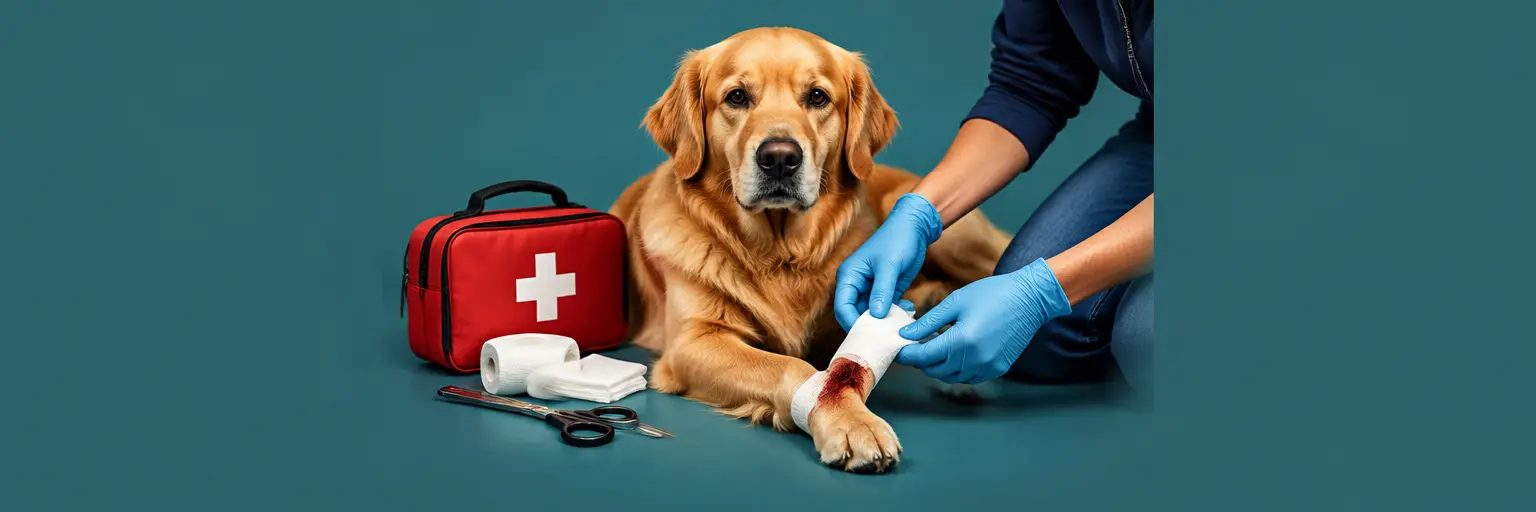
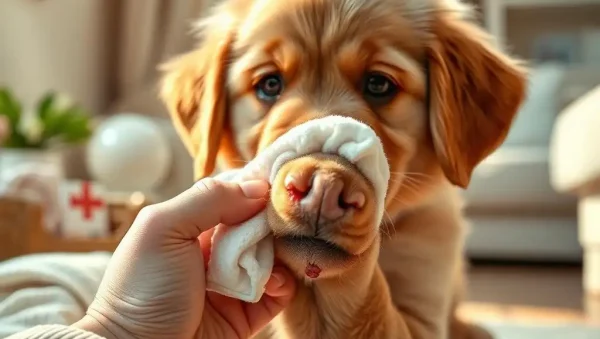
The cornerstone of bleeding control is applying direct pressure using a clean cloth or gauze pad. Hold firm, steady pressure directly on the wound for at least five minutes without peeking to check, as lifting allows clots to break. For paws, tails, or limbs, wrap the area firmly with a bandage to maintain pressure while you seek professional help. Never apply a tourniquet unless a limb is completely severed, as this can cause more harm than good due to tissue damage.
Once bleeding slows, secure the bandage with medical tape or self-adhesive wrap, but ensure it is not too tight—you should be able to slip two fingers beneath it. If blood soaks through, do not remove the original dressing; add more layers on top. Mastering these pressure bandaging skills is essential for managing everything from torn paw pads to bite wounds. Always label the time of bandage application, as prolonged constriction can compromise circulation.
🧰 Building a Pet-Specific Bleeding Control Kit
Every home with pets should have a dedicated first aid kit tailored for bleeding emergencies. Essential items include sterile gauze pads, rolled bandages, adhesive tape, non-stick pads, and a pair of blunt-tipped scissors for cutting fur and bandages. Add a digital thermometer, antiseptic wipes (but never alcohol), and a muzzle—even the sweetest pet may bite when in pain. Store everything in a waterproof, clearly labeled container, and keep it easily accessible but out of reach of curious paws.
Regularly check your kit to replace used or expired items, and consider adding a hemostatic powder or styptic pencil, especially for nail trimming accidents. Also include a printed emergency contact list and directions to your nearest 24-hour veterinary hospital. By assembling this comprehensive kit, you reduce decision-making time during an emergency, allowing you to focus entirely on your pet’s care. Remember, preparation today prevents panic tomorrow.
🚨 Handling Specific Wounds: Torn Nails, Bites, and Embedded Objects
Different wounds require tailored approaches. For a torn or broken nail that is bleeding, apply a styptic powder or a mixture of cornstarch and flour to the exposed quick and press firmly. For animal bites, wash the wound gently with saline solution, control bleeding, and cover it—but always seek veterinary care due to high infection risk. If an object like glass or a stick is embedded, never pull it out; instead, apply pressure around the object and wrap it with bulky dressings to prevent movement.
For wounds on the chest that produce bubbling or sucking sounds, cover them immediately with an airtight, non-porous material like plastic wrap, secured on three sides to create a valve effect. Abdominal wounds with protruding organs should be covered with a clean, moist cloth—never push organs back inside. Each scenario demands specific wound care protocols, and mastering these distinctions ensures you provide appropriate first aid while minimizing additional harm to your furry friend.
🧠 Shock Management and Post-Bleeding Care
Significant blood loss can quickly lead to shock, characterized by reduced blood pressure, rapid heart rate, and cool extremities. Even after bleeding is controlled, your pet may be at risk. Keep them lying still on their side, cover them with a warm blanket, and gently elevate their hindquarters if possible. Above all, keep them calm and minimize movement—do not offer food or water, as surgery may be necessary. Monitor breathing and heart rate continuously while transporting them safely to a veterinarian.
Post-emergency, follow all veterinary instructions, including giving prescribed antibiotics and pain relief. Watch for signs of infection, such as redness, swelling, or discharge around the wound. Replace dressings as directed and prevent your pet from licking or chewing the area by using an Elizabethan collar. Understanding shock management and proper follow-up care significantly speeds up recovery and prevents secondary complications, reinforcing your role as a proactive guardian of your pet’s health.
Frequently Asked Questions
What if my pet won't stop bleeding after applying pressure?
If bleeding persists beyond 10 minutes of continuous direct pressure, you’re likely dealing with severe arterial bleeding or a clotting disorder. Maintain pressure, add more dressings without removing the old ones, and immediately head to an emergency veterinary clinic. Keep your pet as calm and immobile as possible during transport. Do not attempt to use a tourniquet unless advised by a professional, as improper use can lead to limb loss.
Can I use human first aid supplies on my pet?
Yes, many human supplies like gauze, bandage rolls, and adhesive tape are safe for pets. However, never use medications like aspirin or ibuprofen, as they are toxic to animals. Also avoid hydrogen peroxide for deep wounds, as it can damage tissue. Opt for sterile saline for cleaning. Always keep a pet-specific first aid guide in your kit to avoid accidental misuse of human-oriented items.
How do I know if my pet is in shock after a bleeding injury?
Signs of shock include pale or gray gums, weakness, rapid breathing, shivering, and a weak but fast pulse. Your pet may appear disoriented or collapse. Immediately lay them on their side, cover with a warm blanket, and keep them calm. Elevate their hind legs slightly to improve blood flow to vital organs, but avoid this if there’s a spinal injury. Call your vet while en route.
Is it safe to apply a tourniquet at home?
Tourniquets are generally not recommended for pets due to high risk of tissue damage and nerve injury if left too long. They should only be used as a last resort for a completely severed limb with uncontrollable bleeding, and must be loosened every few minutes if transport takes long. Always place it close to the body, never over a joint, and record the time of application. Seek professional guidance as soon as possible.
Should I clean a bleeding wound before bandaging it?
For minor superficial wounds, gently flush with sterile saline or clean running water before applying direct pressure. However, for heavy bleeding, priority is to control the hemorrhage first, not to clean. Removing debris from a deep wound is best left to a veterinarian to avoid pushing contamination further in. Once bleeding is controlled, cover the area with a clean dressing and seek professional help.