Professional Pet Dental Cleaning vs. AtHome Care: What's the Difference?
😊 Discover the crucial distinctions between professional pet dental cleanings and at-home care. Learn why regular dog teeth cleaning at home, while…
Read article
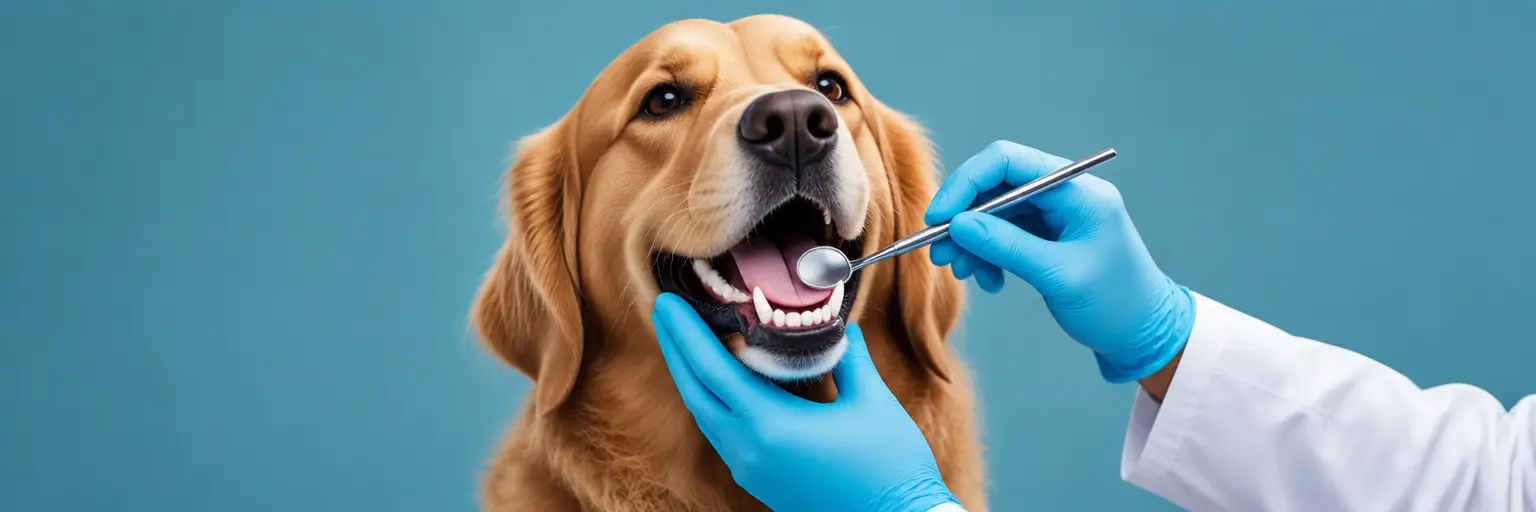
Professional dental cleanings for pets are more than just a bright smile—they are a vital component of your companion’s overall health and longevity. At-home brushing is great, but it simply cannot reach below the gumline where harmful tartar and bacteria accumulate, leading to pain, tooth loss, and even systemic issues affecting the heart, liver, and kidneys. Our expert-guided approach to veterinary dental cleanings combines thorough scaling, polishing, and a full oral examination under safe anesthesia, ensuring your furry friend receives the same standard of care you would expect for yourself. Don’t wait for bad breath or visible decay—routine professional cleanings are the key to preventing silent suffering and costly emergency treatments. Trust our resources to help you understand every step, from pre-procedure bloodwork to post-cleaning aftercare, so you can confidently schedule that essential appointment and give your dog, cat, or exotic pet the gift of a pain-free, healthier life. Your pet’s comfort and vitality start with a professional’s touch.
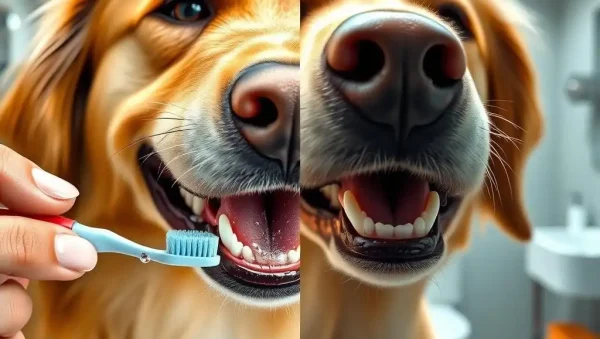
😊 Discover the crucial distinctions between professional pet dental cleanings and at-home care. Learn why regular dog teeth cleaning at home, while…
Read article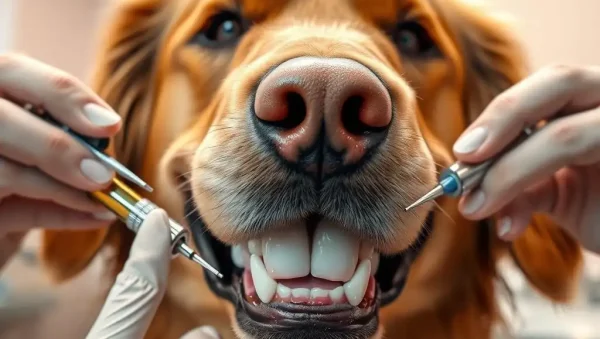
😊 Discover the crucial steps involved in professional pet dental cleaning. PetCareWorld's expert guide details the process, ensuring your pet receives optimal…
Read article
😊 Discover the ideal pet dental cleaning schedule for your furry friend! PetCareWorld guides you on when to begin crucial dental care…
Read articleWelcome to PetCareWorld’s dedicated guide on professional dental cleanings for pets, a cornerstone of preventive veterinary medicine. While daily brushing is vital, professional cleanings under anesthesia are the only way to thoroughly remove tartar above and below the gumline, preventing periodontal disease. This subcategory explores the why, when, and how of veterinary dental procedures, helping you make informed decisions for your dog, cat, or other companion. Expect clear explanations of the process, cost considerations, and aftercare, all designed to boost your pet's overall health and longevity.
Professional dental cleanings are the gold standard for preventing and treating periodontal disease, which affects over 80% of dogs and cats by age three. Unlike home brushing, which removes plaque on the surface, a veterinary cleaning scales away hardened calculus below the gumline, where bacteria cause bone loss, pain, and even systemic infections. Skipping these cleanings can lead to tooth loss, heart disease, and kidney issues, silently shortening your pet’s lifespan.
Think of a professional cleaning as a full-mouth health audit. Your vet will probe each tooth, check for pockets, and take digital X-rays to evaluate bone support. This isn’t just cosmetic—it’s medical intervention. Early detection of resorptive lesions in cats or fractured teeth in dogs can save you from costly extractions later. Prioritizing this subcategory ensures your pet avoids chronic pain, maintains eating comfort, and enjoys a fresher, healthier mouth, directly impacting their overall vitality.
Understanding what happens during a professional cleaning demystifies the process and reduces anxiety. First, your vet performs a pre-anesthetic exam and often pre-op blood work to ensure your pet is safe for anesthesia. Once stable, your pet is intubated, and a dental probe and scaler are used to remove plaque and tartar above the gumline. Sub-gingival scaling targets the root surfaces, followed by ultrasonic scaling for fine deposits.
After scaling, the vet polishes each tooth to smooth enamel and slow future plaque buildup. A fluoride or barrier sealant may be applied. Critically, a full oral exam under anesthesia includes periodontal probing and dental X-rays—essential because 60% of dental disease is hidden below the gumline. The team then records any abnormalities, performs necessary extractions, and flushes the mouth. The entire process takes 45–90 minutes, with your pet waking up warm, monitored, and on a tailored pain management plan.
Professional cleanings vary widely in cost, typically ranging from $300 to $1,200 for dogs and cats, depending on your location, clinic type, and the complexity of care. The base price often includes anesthesia, scaling, polishing, and oral examination. However, add-ons like dental X-rays, extractions, antibiotics, or advanced pain medication can multiply the bill. Pet dental surgery costs rise significantly if periodontal disease is advanced.
Pet insurance policies increasingly cover dental cleanings, but often only for medically necessary procedures (e.g., treatment of infection), not routine prophylaxis. Wellness plans or preventive add-ons are more reliable for coverage. Before scheduling, request a written estimate and ask about pre-approval from your insurer. Some clinics offer dental discounts in February (Pet Dental Health Month). Budgeting for annual or biennial cleanings is a wise investment, as preventing extractions is far cheaper than treating them.
After anesthesia, your pet may be groggy, slightly wobbly, or have a mild hoarse bark—all normal for 12–24 hours. Offer soft, easy-to-chew food and fresh water the first evening. If extractions occurred, expect a soft-food diet for 5–7 days, plus prescribed antibiotics or pain relievers. Monitor for excessive bleeding, swelling, or loss of appetite; contact your vet if you observe anything concerning. Most pets resume normal activity within 48 hours.
To extend the benefits of your vet’s work, begin a home dental routine within 3 days. Use a pet-approved toothbrush and enzymatic toothpaste, starting with finger brushes for acceptance. Daily brushing is ideal; even 3–4 times weekly helps. Incorporate dental chews, water additives, and vet-approved diets (like Hill’s t/d) that mechanically reduce plaque. Regular at-home check of breath, gums, and teeth catches early issues. This combined proactive approach can double the interval between professional cleanings, saving money and stress.
Most vets recommend professional cleanings once a year, but small breeds (e.g., Chihuahuas), brachycephalic breeds (Pugs), and cats with stomatitis may need every 6 months. Age, diet, and genetics heavily influence plaque accumulation. If your pet has a history of dental disease, follow your vet’s tailored schedule. Never wait for visible problems—by the time tartar is obvious, gum disease is established.
Watch for red flags: persistent bad breath, red or bleeding gums, drooling, pawing at the mouth, difficulty eating, or loose teeth. Behavioral changes like irritability or hiding in cats often signal oral pain. Scheduling a professional cleaning at the first sign of halitosis or tartar buildup prevents escalation. Regular oral exams during annual checkups also help. Remember, anesthesia safety has improved dramatically; age alone is not a reason to avoid cleanings—quality of life and comfort are paramount.
Yes, dry food has minimal abrasive effect on teeth and does not clean below the gumline. Even with a crunchy diet, plaque hardens into tartar within days, leading to periodontal disease. Professional cleaning removes this buildup and inspects for hidden issues, which diet alone cannot achieve.
No procedure is 100% risk-free, but modern anesthesia protocols, pre-op blood work, IV fluids, and monitoring make it very safe, even for seniors. Your vet will assess organ function and tailor the anesthetic plan. The benefits of treating dental infection far outweigh the low anesthesia risk.
Never. Human toothpaste contains fluoride and xylitol, which are toxic to pets, and baking soda disrupts the oral pH. Always use vet-approved enzymatic toothpaste in pet-safe flavors like poultry or beef. Ask your vet for product recommendations tailored to your pet’s needs.
The actual cleaning, scaling, polishing, and X-rays typically take 45–60 minutes. However, your pet will be at the clinic for 3–6 hours total, including pre-anesthetic prep, recovery, and discharge instructions. Complex cases with extractions may require longer anesthesia time.
Professional cleaning significantly freshens breath by removing bacteria and tartar. However, without consistent home care, odor and plaque return within 3–4 months. Daily brushing, dental chews, and yearly cleanings are essential to maintain that just-cleaned freshness long-term.







