The Air Your Pet Breathes: Understanding Indoor Air Quality & Allergies
😊 Is your pet sneezing or itching? Pet allergies and indoor air quality are closely linked. Learn how to improve your pet's…
Read article
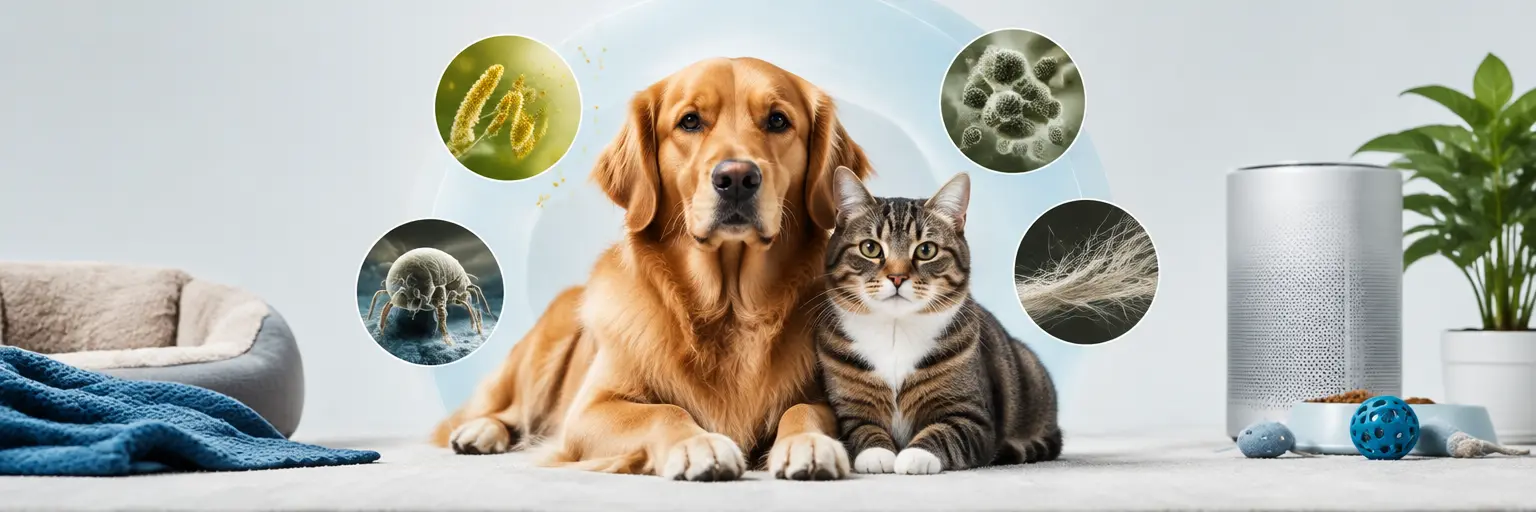
Discover practical strategies for managing environmental allergies in pets with expert-backed insights from PetCareWorld. From seasonal pollen and dust mites to mold and household chemicals, learn to identify hidden triggers that cause itching, sneezing, and skin irritation in dogs, cats, and other companions. Our guide covers symptom recognition, veterinary diagnosis options, and actionable relief methods—including allergy-proofing your home, optimizing bathing routines, and using air purifiers effectively. Whether your pet suffers from mild discomfort or chronic reactions, gain confidence in creating a low-allergen living space that promotes lasting wellness. Empower yourself with trusted tips to improve your furry friend’s quality of life and reduce flare-ups naturally. Explore safe, cost-effective solutions tailored to your pet’s unique needs and strengthen your bond through proactive care.

😊 Is your pet sneezing or itching? Pet allergies and indoor air quality are closely linked. Learn how to improve your pet's…
Read article
🤔 Discover how nutrition directly affects your pet's environmental allergies. Pet allergies? Nutrition plays a crucial role; learn how dietary changes can…
Read articleEnvironmental allergies in pets—triggered by pollen, dust mites, mold, or grasses—can cause relentless itching, scratching, and discomfort for your dog or cat. At PetCareWorld, we understand how frustrating it is to watch your furry friend suffer while trying to pinpoint the culprit. This subcategory offers expert-backed strategies, vet-approved treatments, and practical lifestyle adjustments to help you identify triggers, soothe symptoms, and create an allergy-friendly home environment. Whether you have a dog, cat, or exotic pet, you’ll find actionable solutions backed by veterinary science, ensuring your companion enjoys a happier, itch-free life.
Environmental allergens are everywhere—seasonal pollens from trees, weeds, and grasses, plus year-round indoor culprits like dust mites, mold spores, and dander. In pets, these allergens enter through the skin, eyes, or respiratory tract, triggering an overactive immune response. Common signs include persistent licking of paws, red or inflamed skin, ear infections, sneezing, and excessive scratching. Unlike food allergies, environmental allergies often worsen during specific seasons or after indoor changes like new carpets or air filters.
To pinpoint triggers, veterinarians recommend a combination of intradermal skin testing and serum allergy tests, which can identify specific allergens. Additionally, keeping a detailed symptom diary—noting when flare-ups occur, weather patterns, and indoor activities—can provide valuable clues. For at-home observation, wash your pet’s bedding weekly in hot water, use HEPA air purifiers, and wipe your pet’s paws after outdoor walks to reduce allergen transfer. Early identification prevents chronic inflammation and secondary skin infections.
When avoidance isn’t possible, medical interventions can dramatically improve your pet’s quality of life. Antihistamines like cetirizine or diphenhydramine may offer relief for mild cases, but always consult your vet for correct dosing. For moderate to severe allergies, corticosteroids (oral or injectable) provide rapid anti-inflammatory action, though long-term use requires monitoring. Newer, safer options include oclacitinib (Apoquel) and lokivetmab (Cytopoint), which specifically target itch pathways with fewer side effects.
Allergen-specific immunotherapy (allergy shots or sublingual drops) is a long-term solution that gradually desensitizes the immune system, reducing reliance on drugs. These customized serums are created based on your pet’s unique allergy profile. Additionally, topical therapies—medicated shampoos containing oatmeal, aloe, or chlorhexidine—soothe irritated skin and remove allergens from the coat. Omega-3 fatty acid supplements help strengthen the skin barrier, reducing allergen penetration. Always pair medical treatments with environmental controls for optimal results.
Your home can be a sanctuary from allergens with strategic tweaks. Start by investing in high-efficiency particulate air (HEPA) purifiers in rooms where your pet spends most time—they capture pollen, dust, and mold spores. Vacuum weekly with a HEPA-filter vacuum, focusing on carpets, pet bedding, and upholstery. Wash pet bedding and plush toys in hot water (at least 130°F) weekly. Consider replacing heavy drapes with washable blinds and removing carpets in favor of hardwood or tile floors, which don’t trap allergens.
Control humidity to 30–50% using a dehumidifier to prevent mold and dust mite proliferation. Clean air ducts annually and ensure proper ventilation. During high-pollen seasons, keep windows closed and use air conditioning. Bathe your pet with a gentle, hypoallergenic shampoo every 1–2 weeks to remove airborne particles from their coat—but avoid over-bathing, which dries skin. Create a pet-free bedroom zone to minimize allergen exposure during sleep. These changes significantly reduce allergen load and flare-ups.
Nutrition plays a pivotal role in managing environmental allergies by bolstering the skin’s immune barrier. Omega-3 and omega-6 fatty acids (EPA and DHA) reduce inflammation and improve coat condition—look for fish oil or algae-based supplements. Meanwhile, antioxidants like vitamin E and vitamin C support cellular health, while zinc and biotin strengthen skin integrity. Probiotics may modulate gut immunity, potentially reducing systemic allergic responses. Always introduce supplements gradually under veterinary guidance.
Consider a limited-ingredient or hydrolyzed protein diet if your pet has concurrent food sensitivities, as these can exacerbate environmental allergies. Fresh, unprocessed foods—like lean meats and vegetables—provide natural nutrients without common allergens like corn, soy, or artificial preservatives. Hydration is equally vital, so ensure fresh water is always available. Some pets benefit from added coconut oil or quercetin (a natural antihistamine), but verify with your vet. A tailored nutritional plan supports your pet’s resilience against environmental stressors.
Regular grooming is a cornerstone of allergy management, as it removes allergens from the skin and hair before they trigger reactions. Brush your pet daily with a soft-bristle brush to distribute natural oils and dislodge pollen and dust. For show- or long-haired breeds, weekly warm-water rinses (no shampoo) help rinse off allergens. Use hypoallergenic, fragrance-free grooming products to avoid further irritation—look for labels specifying “sensitive skin” or “for allergies.”
For itchy hotspots, apply cool compresses or a chamomile tea rinse to soothe inflamed areas. Keep nails trimmed short to prevent self-trauma from scratching. After outdoor excursions, use pet-safe wipes on paws and underbelly to remove lingering allergens. Consider a “paw dip” station with a shallow tray of water to rinse feet before entering the house. Additionally, use a gentle leave-in conditioner with colloidal oatmeal for redness. Consistent grooming routines reduce allergen burden and promote skin healing, making flare-ups less frequent and severe.
The most frequent triggers include tree, grass, and weed pollens, dust mites, mold spores, and cockroach debris. Indoor allergens like pet dander and house dust are also common. Your vet can perform allergy testing to identify specific culprits in your region, helping you tailor avoidance strategies.
Environmental allergies typically cause seasonal itching, paw licking, and ear infections, while food allergies often trigger digestive issues (vomiting, diarrhea) alongside skin problems. A strict elimination diet under veterinary supervision can differentiate, while allergy testing reveals environmental triggers.
Yes, allergen-specific immunotherapy is safe and effective for many pets, with success rates around 60–80%. It requires a custom serum and regular injections or oral drops over months. Side effects are rare but may include mild swelling at the injection site. Consult your vet to see if your pet qualifies.
Some human antihistamines like cetirizine or loratadine may be safe but must be dosed precisely by a veterinarian. Never give medications containing decongestants or acetaminophen, as they’re toxic to pets. Always confirm correct dosage and formulation—liquid forms may contain xylitol, which is harmful.
Bathing every 1–2 weeks with a gentle, hypoallergenic shampoo is generally beneficial, as it removes allergens and soothes skin. However, over-bathing strips natural oils, worsening dryness. Your vet may recommend medicated shampoos or more frequent rinses during peak allergy seasons. Monitor your pet’s skin response and adjust frequency accordingly.







