Is Your Pet Allergic? A StepbyStep Guide to Food Elimination Trials
🤔 Suspect your pet has allergies? PetCareWorld's step-by-step guide to food elimination trials helps you pinpoint food allergens and improve your pet's…
Read article
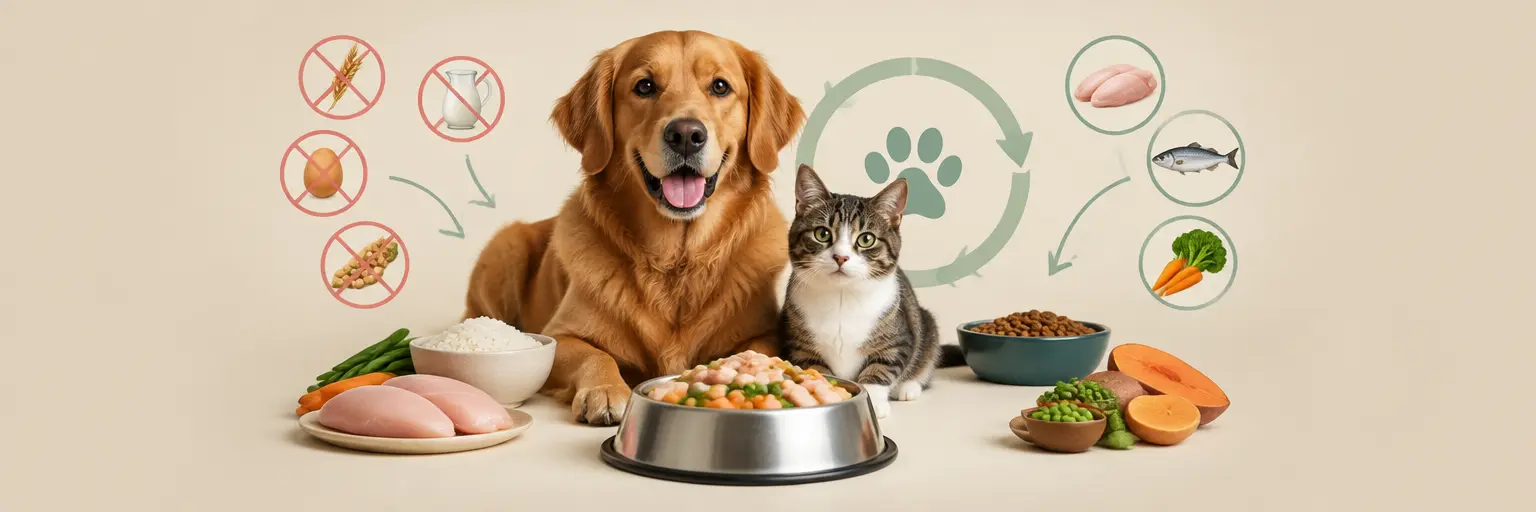
Discovering the root cause of your pet’s constant itching, digestive troubles, or chronic ear infections can feel overwhelming—but a food elimination diet offers a clear, science-backed path to relief. By systematically removing potential allergens from your pet’s meals and reintroducing them one by one, you can pinpoint exactly which ingredients trigger adverse reactions, from common culprits like chicken, beef, or dairy to hidden additives. This targeted approach not only soothes symptoms and restores your furry friend’s comfort but also empowers you to build a balanced, long-term nutrition plan tailored to their unique needs. Whether you’re navigating a suspected protein sensitivity or seeking answers for persistent skin flare-ups, our expert-backed strategies simplify the process, helping you transition safely, track progress, and avoid common pitfalls. With careful guidance on selecting hypoallergenic diets, interpreting results, and managing reintroduction phases, you’ll turn frustrating trial-and-error into a confident, informed journey toward lasting wellness for your dog, cat, or other companion.

🤔 Suspect your pet has allergies? PetCareWorld's step-by-step guide to food elimination trials helps you pinpoint food allergens and improve your pet's…
Read article
🤔 Discover the best pet elimination diet guide on PetCareWorld! Successfully manage your pet's food sensitivities with our expert advice, ensuring optimal…
Read article
🤔 Unlock your pet's health secrets! Our expert Pet elimination diet trial guide helps pinpoint food allergies and intolerances, leading to a…
Read articleIf your dog or cat suffers from chronic itching, ear infections, or gastrointestinal upset, a food elimination diet is often the gold standard for diagnosing and managing food allergies. At PetCareWorld, we break down this systematic process—from identifying suspect ingredients to safely reintroducing proteins—so you can give your pet lasting relief. This subcategory delivers actionable, vet-approved strategies tailored for allergic pets, helping you navigate hydrolyzed diets, novel proteins, and home-cooked trials with confidence.
A food elimination diet is a strict, controlled feeding trial lasting 8–12 weeks, during which your pet eats only a limited-ingredient diet containing a single novel protein and carbohydrate source. This approach is essential when your pet exhibits non-seasonal itching, recurrent skin infections, or chronic diarrhea that doesn’t respond to standard treatments. By removing all potential allergens, you can observe whether symptoms resolve, confirming a food allergy rather than environmental triggers. This trial requires complete compliance—no treats, flavored medications, or table scraps—because even tiny amounts of old ingredients can invalidate results.
Many pet owners mistakenly try “grain-free” or “salmon” diets hoping for quick fixes, but without a proper elimination protocol, you’ll never know which ingredient is the culprit. Our guides explain how to choose between veterinary-prescribed hydrolyzed diets (where proteins are broken down to hide them from the immune system) and over-the-counter novel protein options like rabbit, venison, or duck. We also cover when an elimination diet is not appropriate, such as for pets with severe protein deficiency or those that are underweight, ensuring you pursue this path safely under professional guidance.
Selecting the correct foods for your pet’s elimination trial is critical. The chosen protein should be one your pet has never eaten before—common options include kangaroo, insect-based proteins, or even pork for dogs that have only had chicken and beef. Carbohydrates like sweet potato, green peas, or rice should also be novel. Always read labels meticulously, as many “limited-ingredient” commercial foods still contain hidden poultry fat, egg derivatives, or natural flavors that sabotage the trial. Veterinary hydrolyzed diets, such as Hill’s z/d or Royal Canin Ultamino, are often the safest choice because they are formulated to be virtually non-allergenic, though they can be pricier.
For home-cooked trials, you’ll need to balance nutrition carefully—a common mistake is feeding only meat and starch, causing deficiencies in calcium, taurine (especially in cats), and essential fatty acids. Our experts recommend adding a veterinary-recommended supplement and performing weekly weigh-ins. Always boil proteins thoroughly (no oils, salt, or seasonings) and rotate to a second novel source every few weeks to avoid developing new sensitivities. We also explain why duck and fish are not always safe—many pets have cross-reactivity to them if they’ve eaten similar proteins in commercial kibble before.
Start by fasting your pet for 12 hours (dogs) or 4 hours (cats) to clear the digestive tract, then switch completely to the selected diet. Feed only the prescribed amount, using a clean bowl and washing water bowls daily. Record a daily symptom diary—itching severity (scale 0–10), number of bowel movements, ear odor, and skin redness. The first two weeks are often the hardest, with some pets experiencing detox-like flare-ups; this is normal and should resolve by week three. If symptoms improve by 50% or more after eight weeks, a food allergy is highly likely, and you’ll move to the challenge phase.
During weeks 5–8, resist the urge to add “just one treat” to test a reaction—this invalidates the trial. If your pet shows marked improvement, you can begin reintroducing old ingredients one at a time every 7–10 days, starting with the most common allergen (beef, dairy, or chicken). If symptoms return within 72 hours of challenging, you’ve identified a trigger. We provide printable tracking charts and a step-by-step checklist you can share with your vet, ensuring you don’t miss crucial details like seasonal allergies that could confuse your observations.
The most frequent failure is accidental exposure—flavored heartworm pills, chewable supplements, dental chews, or even peanut butter in a Kong toy can reintroduce allergens. Another huge error is giving up too early; many pets need 10–12 weeks to show full improvement, especially for skin issues that lag behind gastrointestinal signs. Owners also mistakenly interpret all itching as food-related, ignoring concurrent flea allergies or atopic dermatitis that require separate management. Finally, switching brands mid-trial because your pet refuses the novel diet undermines the entire protocol.
To avoid these pitfalls, use exclusively unflavored medications (ask your vet for compounded options), remove all other pets’ food from reach, and stick to the same batch of food—manufacturers can change ingredients without notice, so buy two bags with the same lot number. If your pet is a picky eater, we suggest mixing a tiny amount of warm water to enhance palatability, but never add broth or toppings. If you accidentally lapse, restart the clock from zero after a 3-day washout period; our guide explains the exact protocol to get back on track without losing weeks of progress.
After a successful elimination trial, the reintroduction phase is where you confirm specific allergens. Begin by adding a small amount (e.g., 1/4 teaspoon) of the suspect ingredient—cooked chicken or beef—to the base diet once daily. Monitor for any skin, ear, or GI reactions for 7 days. If none occur, you can gradually increase the portion every few days. Repeat this process for each suspected protein, grain, or dairy product, keeping a detailed log. Once you’ve identified triggers, you can design a lifelong diet that avoids these ingredients while still providing complete nutrition—this often involves combining a novel protein base with safe carbohydrates and a multivitamin.
For pets with multiple triggers, long-term management might require rotating between two or three proven-safe novel proteins to prevent nutritional boredom and ensure balanced intake. Our consultants recommend annual food challenges to revisit sensitivities, as some pets outgrow allergies after 2–3 years. We also discuss safe treat alternatives (freeze-dried single-ingredient meats), how to read ingredient panels like a pro, and when to consider immunotherapy if environmental allergies coexist. Success stories from our community show that many pets live comfortably with just one or two dietary restrictions, giving you a roadmap to a symptom-free life.
Food elimination diets can feel overwhelming due to the cost of veterinary hydrolyzed foods (often $80–$120 per month) or the labor of home cooking, but there are budget-friendly approaches. Over-the-counter novel protein kibble is cheaper, but we always stress the importance of choosing those with a single protein source and no shared facilities with common allergens. Alternatively, consider bulk-buying frozen rabbit or venison from specialty suppliers and cooking in batches weekly. We provide a cost-comparison table plus tips for sourcing nutrient-complete recipes that meet AAFCO (Association of American Feed Control Officials) standards, ensuring your pet doesn’t develop deficiencies.
Your veterinarian is an indispensable partner—insist on a monthly check-up to monitor weight, muscle condition, and lab work (especially blood chemistry during home-cooked diets). Many vets offer telehealth consults for trial updates, and some insurance plans cover allergy-related food prescriptions. We guide you on how to ask for a full-thickness skin biopsy or serum allergy tests if food trials are inconclusive, but remember that elimination diets remain the only reliable method. By investing in this process, you prevent decades of steroid use and recurring infections, saving money and your pet’s quality of life in the long run.
Most pets show noticeable improvement within 4–6 weeks, but a full 8–12 week trial is recommended for accurate diagnosis. Skin issues may take longer to resolve than gastrointestinal symptoms. If no improvement occurs after 10 weeks, food allergy is unlikely, and your vet should investigate other causes like environmental allergies or parasites.
No—it’s risky. You need a vet to confirm the suspected allergy, rule out other conditions, and ensure the diet is nutritionally balanced, especially for growing puppies, kittens, or pets with kidney or liver disease. A vet can also prescribe hydrolyzed diets and monitor for weight loss or deficiencies. Self-diagnosis often leads to failure or nutritional harm.
Only use the same novel protein as in the diet, cooked plainly without any seasonings or oils. For example, if using rabbit-based food, offer small pieces of boiled rabbit. Avoid commercial treats, rawhide, dental chews, and even fruit or vegetables unless approved by your vet. Flavored medications count too—ask for compounding into a non-allergenic base.
No. Grain-free simply removes grains like wheat or corn, but the protein source (e.g., chicken) may still trigger allergies. An elimination diet restricts both proteins and carbohydrates to novel, never-before-eaten sources. Grain-free foods often contain the same common proteins or legumes, so they’re not suitable for trials. Always check for hidden ingredients like tomato pomace or yeast.
Try warming the food slightly (do not microwave) to enhance aroma, or hand-feed small amounts during the first days. Transition gradually over 5–7 days by mixing increasing portions of the new diet with the old—only if your pet isn’t showing severe symptoms. If refusal persists, consult your vet about prescription appetite stimulants or an alternative novel protein source.







