Parasite Control for Various Pets: Comprehensive Protection for Every Species
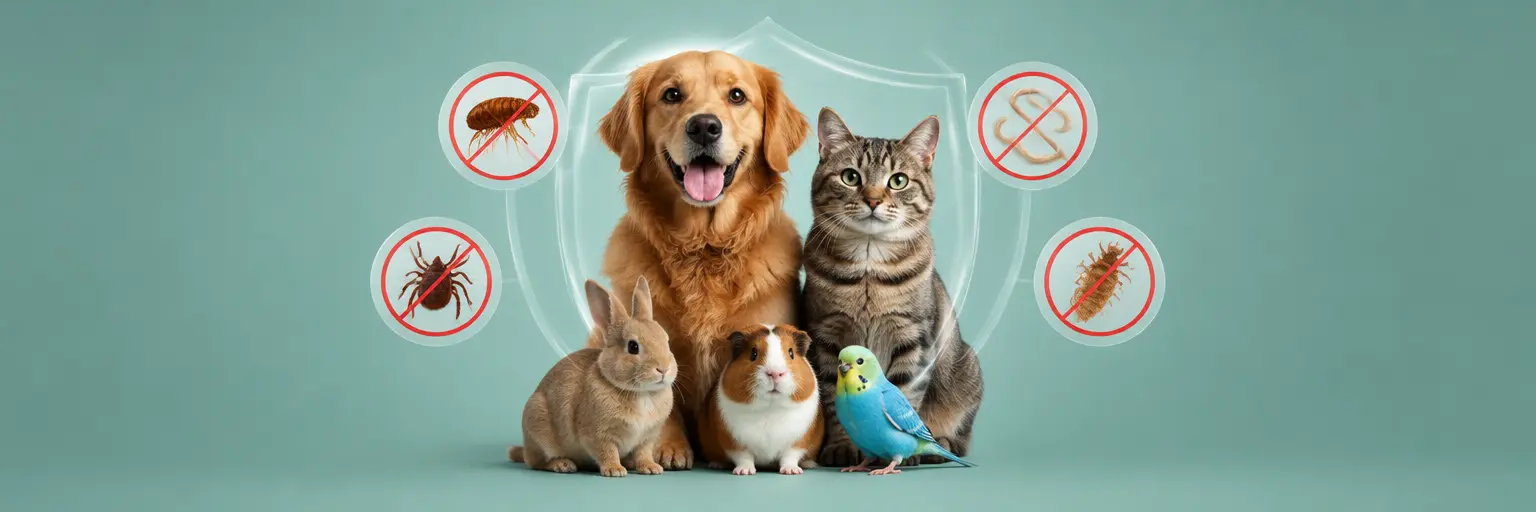
Parasites are a universal threat to pet health, but the risks, symptoms, and treatments vary dramatically across species. At PetCareWorld, our Parasite Control for Various Pets subcategory offers scientifically-backed, species-specific strategies to protect your furry, feathered, or scaly companions. From internal worms to external fleas and ticks, we cover prevention, detection, and safe eradication methods tailored to dogs, cats, reptiles, birds, and exotic pets. Whether you own a playful puppy or a delicate parakeet, this guide ensures you understand the unique parasite landscape for your pet, helping you choose the right preventive care and recognize early warning signs. Explore actionable advice, product comparisons, and vet-approved protocols that keep your beloved animals healthy and parasite-free year-round.
🐶 Canine Parasite Prevention and Treatment
Dogs are highly susceptible to a range of parasites, including heartworms, roundworms, hookworms, fleas, ticks, and mange mites. This section covers monthly heartworm preventives, flea and tick collars, oral medications, and topical solutions, with emphasis on breed-specific sensitivities and age-appropriate dosing. We also explain zoonotic risks—parasites that can transfer from dogs to humans—and how to manage yard hygiene to reduce reinfection.
You will learn step-by-step testing protocols for stool samples and blood tests, plus signs like excessive scratching, weight loss, or visible worms in feces. Our guides compare popular products such as Simparica Trio, Heartgard Plus, and Frontline Plus, revealing which work best for different lifestyles, including hunting dogs or indoor couch potatoes. Environmental control, like washing bedding and vacuuming frequently, is equally critical, and we provide a simple checklist to break the parasite lifecycle effectively.
🐱 Feline-Specific Parasite Management
Cats, especially outdoor roamers, face distinct parasite threats including lungworms, ear mites, and Toxoplasma gondii. This segment focuses on safe deworming schedules for kittens and adults, plus the importance of year-round flea control, as cats are prone to flea allergy dermatitis. We highlight prescription products like Revolution Plus and Advantage Multi, which cover heartworm and intestinal parasites, while discussing natural alternatives like diatomaceous earth with clear cautions.
You will find insight into indoor cats’ lower but existing risk, particularly if they hunt rodents or share space with dogs. We explain how to administer pills or topical solutions without stress, and how to monitor for symptoms like coughing, sneezing, or poor coat condition. Additionally, we cover the tricky topic of tapeworms from fleas, emphasizing that treating the vector is as crucial as treating the worm itself. Our microscopic imagery and diagnostic guide help you identify parasites in litter boxes accurately.
🦜 Avian Parasite Control: Birds and Poultry
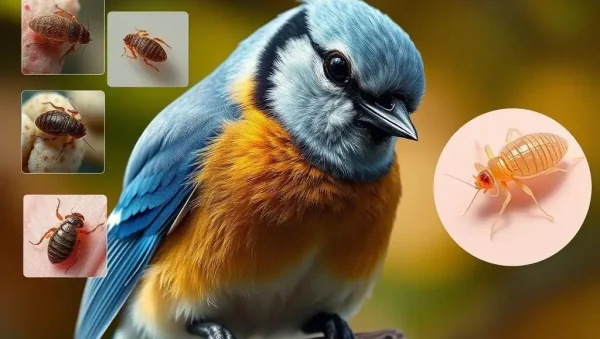
Birds suffer from mites, lice, intestinal worms, and protozoa like Giardia, often exacerbated by crowded aviaries or poor sanitation. For pet parrots, canaries, and backyard chickens, our section provides species-specific treatments, including medicated drops, sprays, and food additives. We emphasize that many avian parasiticides are toxic—so always consult an avian vet before applying any product meant for mammals.
Expect detailed guidance on recognizing feather picking, scaly face mites, or bloody droppings as red flags. We explain how to create a quarantine protocol for new birds, and how to disinfect cages with bird-safe solutions like diluted bleach or steam cleaning. For backyard flocks, we cover rotational grazing, dust baths with wood ash, and regular fecal flotation tests. Our prevention calendar maps out seasonal peaks for mite infestations, helping you schedule proactive treatments rather than reactive ones.
🦎 Reptile and Amphibian Parasite Defense
Reptiles, including snakes, lizards, and turtles, are commonly afflicted by pinworms, coccidia, and external mites that thrive in warm, humid terrariums. This subcategory offers husbandry-first strategies, because optimal temperature, UV lighting, and humidity directly impact your pet’s immune response. We cover fecal exams for exotic pets and safe dewormers like fenbendazole, with dosage charts by gram weight, since reptile metabolism is vastly different from mammals.
You will also learn how to identify and eliminate reptile mites—often introduced via substrate or new animals—using predatory mites or pyrethrin-free sprays. For aquatic turtles, we address cryptosporidium risks and water filtration to prevent parasite buildup. Our guides emphasize the “90/10 rule”: 90% of reptile parasite issues arise from poor cage hygiene, not exposure, so we provide a deep-cleaning routine that eradicates eggs and cysts. Always consult a herp vet, as inaccurate dosing can be fatal.
🐰 Small Mammal and Exotic Pet Coverage
Rabbits, guinea pigs, ferrets, and hedgehogs have unique parasite profiles, from ear mites in rabbits to coccidia in guinea pigs and heartworm in ferrets. This section highlights preventive husbandry, including weekly cage changes, proper bedding (avoiding cedar or pine), and offering hay that is free of insect contamination. We also cover safe topical products like selamectin for ferrets, and permethrin-free options for rabbits, since many dog products are lethal to them.
You will find step-by-step instructions to collect and transport fecal samples for identification, plus common symptoms like head tilt (ear mites), hair loss, or lethargy. We cover zoonotic concerns, especially Cheyletiella “walking dandruff” from rabbits, and how to manage multi-species households to prevent cross-infestation. For exotic pets like sugar gliders or skunks, we recommend consulting a specialist and provide a directory of approved antiparasitic drugs, because over-the-counter options are often unsafe. Our goal is to demystify treatment while respecting each species’ delicate physiology.
🛡️ Integrated Parasite Prevention and Household Safety
Effective control goes beyond individual pets—your home environment must be a parasite-free zone. This section covers integrated pest management (IPM), combining chemical treatments with physical barriers, like flea traps, regular mowing, and sealing cracks. We explain how to use environmental sprays safely around children and aquatics, and how to treat yard infestations using nematodes or diatomaceous earth without harming beneficial insects.
We also discuss the importance of simultaneous treatment for all household pets, even those showing no symptoms, to break the cycle. You will learn how to create a parasite control calendar, including annual heartworm testing, biannual fecal exams, and monthly topical applications. Our household checklist includes washing pet bedding in hot water weekly and using a HEPA vacuum to remove eggs. For multi-pet families, we detail cross-species transmission risks, such as shared flea populations between dogs and cats, and how to tailor prevention for each animal’s weight and age. This holistic approach ensures long-term success.
Frequently Asked Questions
Can I use the same flea treatment for my dog and cat?
No, never share treatments across species. Dog products often contain permethrin, which is highly toxic to cats and can cause tremors, seizures, or death. Always use species-specific formulas, verify the active ingredient, and consult your vet before applying any over-the-counter product to a different animal in your home.
How often should I deworm my indoor cat?
Even indoor cats can get parasites via insects, rodents, or tracking in eggs on shoes. The American Association of Feline Practitioners recommends deworming at least twice yearly for adult indoor cats, and more frequently for kittens or those who hunt. Always use a product that covers roundworms, hookworms, and tapeworms, and confirm with a fecal test.
What are the first signs of a parasite infestation in birds?
Common early signs include excessive preening, feather loss, restlessness, diarrhea, or weight loss despite a good appetite. Birds may also appear fluffed up or have difficulty breathing if lung mites are present. If you notice any of these symptoms, isolate the bird and consult an avian vet promptly for a fecal smear or skin scrape.
Are reptile mites dangerous to humans?
Reptile mites (Ophionyssus natricis) do not typically feed on humans, but they can bite and cause mild skin irritation. More importantly, they are highly contagious among reptiles and can carry bloodborne diseases. Thoroughly clean the enclosure, discard substrate, and treat with vet-approved sprays to prevent a full-blown infestation.
Can rabbits get fleas from cats or dogs?
Yes, rabbits can catch fleas from other household pets, but they are highly sensitive to many flea products. Never use spot-on treatments meant for dogs or cats. Instead, use a vet-prescribed product like imidacloprid, and treat your home environment. Also, check for ear mites, which are more common in rabbits than fleas.