The Dangers of Feeding Your Pet Human Food
🤔 Unwittingly poisoning your beloved pet? Many common human foods are toxic to pets, leading to serious illness or even death. Learn…
Read article
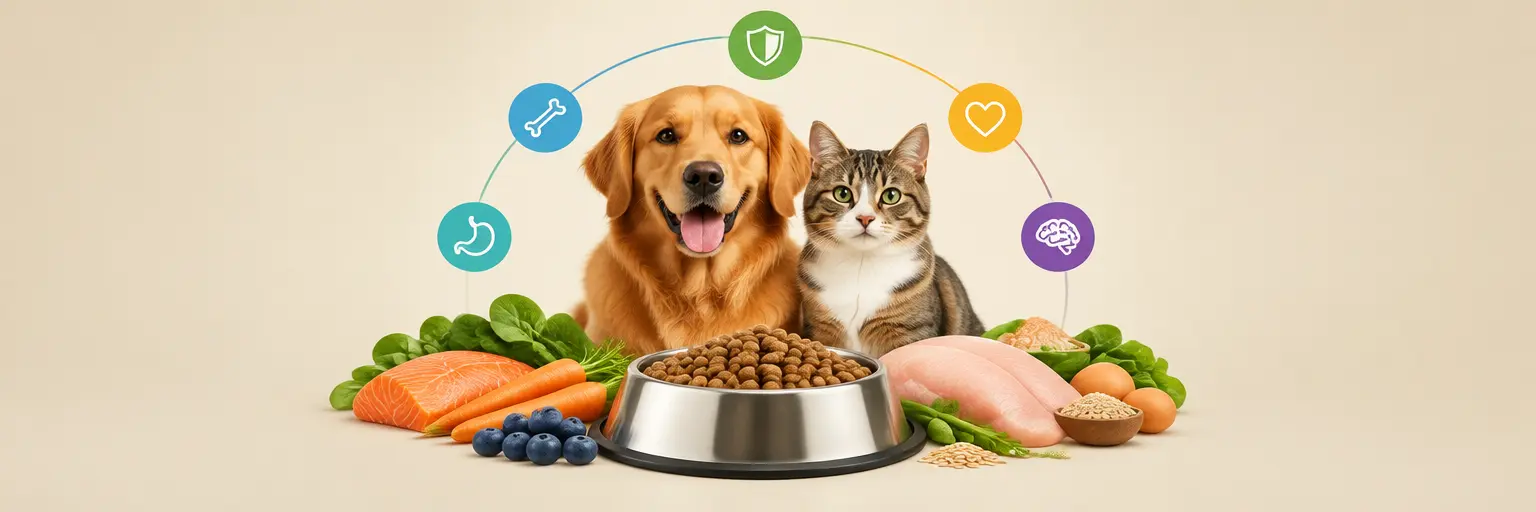
Unlock the secrets to a happier, healthier companion with our evidence-based approach to general pet nutrition principles.Proper feeding isn’t just about filling the bowl—it’s a cornerstone of preventive care that fuels energy, sharpens cognitive function, and extends your pet’s vibrant years. From macronutrient balancing (proteins, fats, and carbohydrates) to the critical role of essential vitamins and minerals, we distill complex veterinary science into simple, actionable guidelines for dogs, cats, birds, and exotic pets alike. Master portion control, understand labeled guarantees, and decode the myths around raw diets, grain-free formulas, and hydration requirements. With our expert insights, you’ll learn to tailor meal plans to your pet’s unique life stage, breed, and activity level, ensuring optimal digestion and immune support. Embrace the power of informed choices—whether you’re a first-time owner or a seasoned caregiver, these fundamental principles will transform how you nourish your best friend, preventing obesity and nutritional deficiencies before they start. Read on to build a solid foundation for lifelong wellness.

🤔 Unwittingly poisoning your beloved pet? Many common human foods are toxic to pets, leading to serious illness or even death. Learn…
Read article
🤔 Fuel your pet's active lifestyle! Our Pet food activity level guide helps you select the perfect nutrition plan to match your…
Read article
🤔 Uncover the hidden dangers of pet food allergies! Learn how allergic reactions significantly impact your pet's health, from skin irritations to…
Read article
😊 Discover how your pet's diet directly impacts their coat and skin health. PetCareWorld reveals the crucial link between nutrition and a…
Read articleNutrition is the cornerstone of your pet’s overall well-being, influencing everything from energy levels and coat condition to disease prevention and longevity. Our “General Pet Nutrition Principles” section at PetCareWorld distills complex veterinary science into practical, actionable guidance. Whether you are a first-time owner or a seasoned caretaker, these foundational principles help you decode food labels, balance macronutrients, and make informed choices tailored to your animal’s unique needs. Explore below to build a robust nutritional framework that supports your pet from puppyhood to senior years.
Macronutrients are the engine of your pet’s diet. Proteins provide essential amino acids for muscle repair and immune function, while fats—especially omega-3 and omega-6 fatty acids—fuel cellular health and brain development. Carbohydrates, though not always essential, supply quick energy and dietary fiber for digestive regularity. The ideal ratio varies by species; for example, dogs are omnivores needing moderate carbs, whereas cats are obligate carnivores requiring high animal-based protein. Always prioritize named animal proteins (e.g., chicken, beef) over generic by-products. Balanced fats from fish oil or flaxseed reduce inflammation, while complex carbs like sweet potatoes support gut health. A ratio misstep can lead to obesity or nutrient deficiencies, so consult our species-specific guides for precise benchmarks.
Understanding the quality of each macronutrient is equally critical. For proteins, look for whole muscle meat, organ meat, and eggs; avoid “meat meal” unless the source is specified (e.g., “chicken meal”). Fats should come from named oils like salmon or canola, not vague “animal fat.” Carbohydrates are best sourced from whole vegetables and grains, not fillers like corn or wheat gluten. Learn to calculate the calorie density of your pet’s food to match their activity level—a high-energy working dog needs more fat, while a sedentary indoor cat thrives on lower-calorie, high-protein diets. Our detailed breakdown tables help you compare commercial and homemade recipes with confidence.
Micronutrients act as metabolic catalysts, enabling enzymes to convert food into usable energy and supporting bone density, nerve signaling, and antioxidant defense. Key vitamins include A for vision, D for calcium absorption, E for skin health, and B-complex for red blood cell production. Essential minerals like calcium, phosphorus, potassium, and zinc must be in precise ratios—imbalances can cause skeletal deformities or kidney strain. Water is the most overlooked nutrient; dehydration impairs every bodily function. Cats, with their low thirst drive, need moisture-rich wet food or water fountains. Puppies and lactating females have higher micronutrient demands, while seniors may require boosted antioxidants. Always check AAFCO statements on commercial foods to ensure complete and balanced nutrition.
Deficiencies often manifest subtly—dull coat, lethargy, or brittle nails—before severe symptoms appear. Conversely, hypervitaminosis (excess vitamins like A or D) is toxic, especially in cats. Therefore, avoid random supplementation unless advised by a veterinarian. For homemade diets, a vitamin-mineral premix is non-negotiable to prevent gaps. Trace minerals like selenium and copper work synergistically; for instance, zinc absorption is hindered by excess calcium. Our guides provide dosage charts and food sources, such as pumpkin for potassium and liver for vitamin A. Hydration tips include monitoring water intake, offering ice cubes in summer, and flavoring water with low-sodium broth to encourage picky drinkers.
One-size-fits-all nutrition is a myth. Dogs are facultative carnivores, able to digest starches but thriving on moderate protein (18-25% dry matter) and flexible fat levels. Cats, however, are strict carnivores requiring taurine (an amino acid), arachidonic acid, and higher protein (30-40%+). Feeding dog food to a cat quickly causes heart and eye lesions. Exotic pets—birds, reptiles, rabbits—have even more distinct requirements. Parrots need vitamin A-rich vegetables, reptiles often require live prey or UVB-processed calcium, and rabbits demand unlimited grass hay for gut motility. At PetCareWorld, we break down these differences into easy comparison charts, helping you avoid cross-species contamination.
Beyond broad categories, individual factors like age, breed, and health status alter nutrient needs. Large-breed puppies need controlled calcium to prevent hip dysplasia, while toy breeds require calorie-dense kibble. Senior cats with chronic kidney disease benefit from reduced phosphorus. Exotic pets, such as bearded dragons, need an insect-to-plant ratio that shifts with maturity. Our “Life Stage” sub-guides cover neonatal, growth, adult, and geriatric phases, including feeding frequency and portion sizing. Recognizing these nuances prevents costly veterinary bills and ensures your companion thrives. Always transition foods over 7-10 days to avoid digestive upset, and note that wild-caught vs. farmed prey alters nutrient density for reptiles.
Commercial pet food labels are a minefield of vague terms and legal loopholes. The ingredient list is ordered by weight, but fresh meat (which is ~70% water) can appear first yet provide less protein than a named meat meal. Look for a “Guaranteed Analysis” with crude protein, fat, fiber, and moisture, but compare on a dry matter basis. AAFCO statements confirm nutritional adequacy, but “interim” or “for all life stages” are less rigorous than “growth/reproduction.” Watch for artificial preservatives like BHA/BHT, and misleading claims like “natural” or “premium,” which have no regulatory definition. Our label-reading checklist helps you spot red flags: unspecified “animal digest,” added sugars, or excessive sodium.
To truly evaluate quality, calculate the protein-to-fat ratio and caloric density per cup. For example, a “light” formula may still be calorie-dense if high in fat. Pet foods with named first ingredient, followed by a named meal, and limited carbohydrate sources (e.g., sweet potato) are generally superior. Grain-free does not mean carbohydrate-free—potato and tapioca often replace grains. Be cautious of boutique brands with no feeding trials; rely on peer-reviewed research and your vet’s guidance. Our comparison pages include side-by-side analyses of popular brands, highlighting nutrient compositions and price per 100 kcal. Understanding label nuances empowers you to choose food that matches your budget without compromising safety.
Sudden diet changes cause vomiting, diarrhea, and gas. A proper transition spans 10-14 days: start with 25% new food mixed with 75% old, gradually shifting proportions every 2-3 days. Monitor stool quality, energy, and coat condition daily. If your pet exhibits chronic itchiness, ear infections, or soft stools, suspect a food sensitivity—common triggers are chicken, beef, dairy, or grains. An elimination diet, using a novel protein (e.g., rabbit or duck) and a single carbohydrate, is the gold standard for diagnosis. Our step-by-step protocol includes a 12-week plan and a symptom journal template.
For pets with confirmed allergies, hydrolyzed protein diets or limited-ingredient commercial foods are excellent options. However, cross-contamination in manufacturing can thwart results; choose brands with dedicated facilities. Transition back to a new diet slowly, even if the dog seems fine, to re-acclimate gut flora. Probiotic supplements during the change reduce digestive distress. For exotic pets, such as changing a bearded dragon from crickets to dubia roaches, transition gradually to avoid refusal. Always have fresh water available, and if diarrhea persists beyond 48 hours, consult your veterinarian. Track your pet’s reaction in a log to identify hidden ingredients—this data is invaluable for future food choices.
A typical adult dog requires a minimum of 18% crude protein on a dry matter basis, but most thrive on 22-30%. Active or working breeds may need up to 35%. Always compare to AAFCO standards, not just the label. Consult your vet for specific medical conditions like kidney or liver disease, where protein restriction might be necessary.
No, grain-free is not inherently superior unless your pet has a diagnosed grain allergy, which is rare. Grains like rice and oats provide fiber and essential nutrients. Grain-free foods may replace grains with high-glycemic potatoes or legumes, potentially affecting heart health (dilated cardiomyopathy) in some dogs. Focus on whole ingredients and nutrient balance rather than marketing trends.
Raw diets can be balanced but pose risks of bacterial contamination (Salmonella, E. coli) and nutrient imbalances if improperly prepared. They require rigorous hygiene, thawing protocols, and often veterinary guidance. If you choose raw, use commercially formulated frozen raw diets that meet AAFCO standards, and avoid mixing with kibble. Always wash hands and surfaces thoroughly.
Use the Body Condition Score (BCS) system: you should feel ribs without excess fat, see a visible waist, and an abdominal tuck. If ribs are hard to feel, your pet is overweight; if ribs protrude visually, they are underweight. Weigh them monthly and adjust portions by 10-15% as needed. Consult our BCS chart for visual references.
Taurine is an amino acid that cats cannot synthesize in sufficient amounts; it is vital for heart function, vision, and reproduction. Deficiencies cause dilated cardiomyopathy and retinal degeneration. Unlike dogs, cats require dietary taurine from animal tissues. Always choose cat food with added taurine, as cooking destroys it. For homemade diets, include heart meat or use a taurine supplement.







