Understanding Dog Behavior During Travel: Signs of Stress and How to Help
😊 Is your dog stressed by travel? PetCareWorld reveals key signs of canine travel anxiety—from panting and whining to restlessness—and offers practical,…
Read article

Traveling with your dog can be one of the most rewarding experiences for both you and your furry companion, turning a simple trip into a memorable adventure. Whether you’re planning a weekend road trip, a cross-country journey, or a flight to a new destination, proper preparation is key to keeping your canine friend safe, calm, and happy. From choosing the right carrier and packing essential supplies to researching pet-friendly accommodations and managing motion sickness, this guide covers everything you need to know. With expert tips on travel training, safety restraint systems, and stress reduction techniques, you’ll learn how to transform travel chaos into smooth sailing. Discover how to handle bathroom breaks, hydration, and feeding schedules on the go, plus the best practices for airline travel and international pet regulations. Your dog’s comfort is just as important as your own, so we emphasize crate training, familiar scents, and regular exercise stops to ensure a positive experience.

😊 Is your dog stressed by travel? PetCareWorld reveals key signs of canine travel anxiety—from panting and whining to restlessness—and offers practical,…
Read article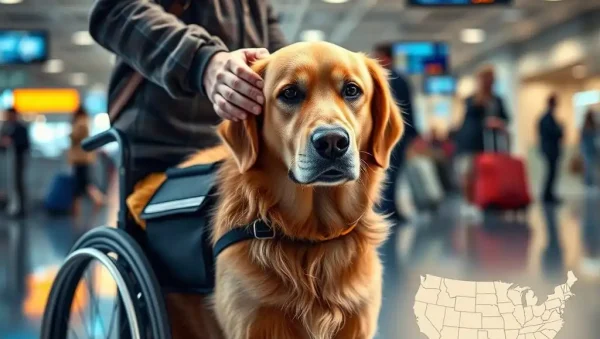
😊 Navigate the complexities of air, rail, and road travel with your service dog. PetCareWorld's guide clarifies your rights and responsibilities, including…
Read article
😊 Planning a trip with your aging canine companion? PetCareWorld's expert guide offers essential senior dog travel tips, ensuring a safe and…
Read articleEmbarking on a journey with your canine companion is a rewarding experience, but it requires meticulous planning and preparation to ensure both safety and enjoyment. At PetCareWorld, our "Traveling with Dogs" subcategory is your go-to resource for transforming stressful trips into seamless adventures. Whether you’re planning a cross-country road trip, a weekend camping getaway, or a flight to a new destination, we cover every angle—from choosing the right carrier and managing car sickness to finding pet-friendly lodgings and handling airport security. Our expert-backed advice is designed to help you navigate the complexities of pet travel, ensuring your furry friend stays calm, comfortable, and healthy throughout the journey. Discover actionable tips, product recommendations, and real-world solutions that make traveling with dogs an absolute joy, not a chore.
Car travel is the most common method for dog owners, yet it presents unique challenges like motion sickness, anxiety, and safety hazards. In this section, we delve into the essential steps for acclimating your dog to the vehicle, ensuring a stress-free ride. Learn about proper restraint systems—including crash-tested harnesses, car crates, and seat belt attachments—that keep both you and your pet secure. We also explore strategies for gradual desensitization, such as short practice drives and positive reinforcement, to build your dog’s confidence on the road.
Understanding your dog’s physical needs during long drives is crucial. We provide a detailed checklist for scheduled bathroom breaks, hydration management, and preventing overheating. You’ll also find tips on managing car sickness, including dietary adjustments and veterinary-recommended remedies. From controlling excessive barking to creating a comfortable, ventilated space, our guide ensures your car becomes a safe haven for your four-legged traveler. Optimize your trip with our expert-approved packing list featuring portable water bowls, calming sprays, and durable travel mats for maximum comfort.
Air travel with dogs demands a deep understanding of airline-specific regulations, health certifications, and cabin versus cargo options. This section breaks down the complexities of booking flights, including size restrictions, breed-specific bans, and in-cabin pet fees. We guide you through the required veterinary paperwork, microchipping, and vaccination records needed both domestically and internationally. Additionally, we compare the pros and cons of in-cabin travel versus cargo transport, helping you make an informed decision based on your dog’s size, temperament, and health.
Practical preparation is key to a smooth flight. We offer a step-by-step plan for acclimating your dog to an airline-approved carrier, including crate training exercises and anxiety reduction techniques. You’ll learn what to include in your carry-on pet kit—such as absorbent pads, favorite toys, and emergency medications—and how to manage security screening procedures with confidence. Our advice also covers post-flight care, such as helping your dog adjust to a new time zone and minimizing travel-related fatigue. Ensure a hassle-free sky journey with our comprehensive, airline-perfect preparation guide.
Securing lodging that welcomes your dog is a pivotal part of trip planning, and the options are more diverse than ever. This section explores how to identify genuinely pet-friendly hotels, vacation rentals, and campgrounds, moving beyond simple checkboxes to understand actual policies. We teach you how to scrutinize pet fees, weight limits, and designated pet areas, while also sharing strategies for landing last-minute accommodations through apps and booking platforms. Discover hidden gems—like boutique inns with dog spas or national parks with off-leash trails—that cater specifically to canine travelers.
Beyond lodging, we help you design an itinerary that caters to your dog’s needs. From mapping out nearby veterinary clinics to identifying dog-friendly beaches, hiking trails, and outdoor cafés, our destination guides ensure no one feels left out. We also cover essential etiquette, such as keeping your dog leashed in public spaces, cleaning up waste, and respecting quiet hours. With our insider tips on local pet services—like dog walkers and sitters—you can even carve out adult-only time. Transform any trip into an inclusive family adventure with our accommodation and destination strategies.
Packing for your dog involves more than just food and a leash; it requires a thoughtful curation of items to address safety, comfort, and health. In this section, we itemize the must-have travel gear, including collapsible bowls, portae-crates, and first-aid kits tailored to canine needs. We highlight innovative products like GPS trackers, cooling vests, and spill-proof water bottles that enhance travel convenience. Our comprehensive checklist also covers documentation, from vaccination proof to recent photos for identification, ensuring you’re prepared for any unexpected situation.
We dive into the nuances of packing food and medications, emphasizing the importance of maintaining your dog’s regular diet to avoid digestive upsets. You’ll receive guidance on storing perishable items, bringing purified water to prevent stomach issues, and packing a dedicated "calm kit" with familiar items like bedding and toys. Our pro-tips include creating a travel journal for health observations and using packing cubes to organize your dog’s belongings efficiently. With our gear guide, you’ll never leave home without the essentials, making every journey both safe and enjoyable for your beloved pet.
Proactive health management is non-negotiable when traveling with dogs, as unfamiliar environments pose new risks. This section focuses on pre-travel veterinary visits, including health certificates, parasite prevention, and updated vaccines. We explain how to identify local disease risks, such as heartworm or tick-borne illnesses, and the need for regional vaccinations. Additionally, we cover the importance of microchipping and registering your dog’s current contact information, which is vital if you become separated during transit.
Emergency preparedness can drastically reduce panic when issues arise. We provide a step-by-step guide to creating a traveling first-aid kit, complete with bandages, antiseptics, and any prescription medications. You’ll learn how to spot signs of heatstroke, dehydration, or anxiety, and when to seek immediate veterinary care. We also recommend downloading digital vet directories and saving emergency contacts for each destination. Our safety protocols extend to proper crate ventilation, avoiding leaving dogs in parked cars, and using secure harnesses during pit stops. Arm yourself with the knowledge to handle crises calmly, ensuring your dog’s well-being remains paramount on every trip.
Start by taking short practice drives to desensitize your dog. Use a comfortable, secured crate or harness to minimize motion. Play calming music, keep the cabin well-ventilated, and offer small, frequent water breaks. For anxious dogs, consider natural calming supplements, pheromone sprays, or consult your vet about anti-anxiety medication. Always take rest stops every 2-3 hours for bathroom breaks and light exercise to reduce stress.
Many airlines allow in-cabin travel for small dogs, provided they fit in a carrier under the seat. Weight limits vary, typically up to 20 lbs (9 kg) including carrier. You must reserve a spot in advance, pay a pet fee, and ensure your dog’s carrier is airline-approved. Larger dogs usually must travel as cargo, but some airlines offer pressurized, temperature-controlled compartments. Always verify specific airline policies before booking.
Yes, some airlines and destinations restrict brachycephalic (flat-faced) breeds like Bulldogs, Pugs, and Boston Terriers due to breathing risks, especially in cargo holds. Certain countries may ban breeds labeled as aggressive, such as Pit Bulls or Rottweilers. Check with your airline and destination country’s regulations. For RV or ferry travel, similar restrictions may apply. Always confirm breed policies directly with transport providers.
For international travel, you typically need a health certificate issued by a USDA-accredited veterinarian within 10 days of departure. Additional requirements include a rabies vaccination certificate, microchip (ISO 11784/11785 compliant), and possibly a blood titer test for rabies antibodies. Some countries require a permit or pet passport. Research destination-specific entry rules months in advance, as some require quarantine periods or additional treatments.
Keep your dog securely harnessed and leashed at all times, even during quick breaks. Use a collar with an ID tag containing your phone number and destination address. Consider a GPS tracking device or a bright, reflective coat for visibility. Teach a solid recall command before traveling. Never leave your dog unattended outside; practice controlled exits from the car. If you stop at a busy area, verify your dog’s comfort level and keep close supervision.







