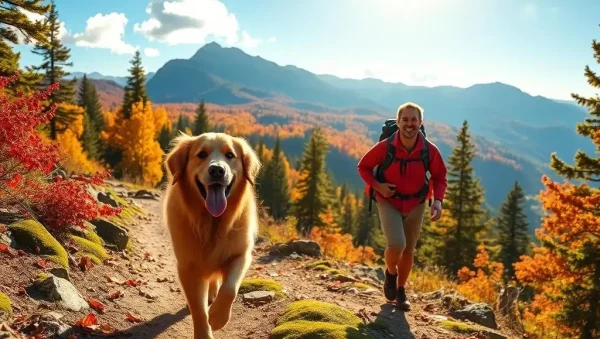
Explore Hiking and Outdoor Activities with Dogs
Welcome to PetCareWorld’s dedicated hub for hiking with dogs, trail adventures, and outdoor bonding. This subcategory covers everything from canine trail safety and paw protection to dog-friendly backpacking and wilderness etiquette. Whether you’re a weekend wanderer or a seasoned trekker, you’ll find expert-backed guidance to make every outing safe, fun, and memorable for both you and your four-legged companion.
🐾 Essential Gear for Canine Hiking Adventures
Packing the right gear transforms a good hike into a great one. Expect detailed reviews of dog backpacks, collapsible water bowls, GPS trackers, and cooling vests for warm climates. We break down sizing, durability, and comfort, ensuring your dog carries weight safely without strain. You’ll also learn about traction booties for rocky terrain and reflective harnesses for low-light visibility.
Our guides emphasize layering for weather unpredictability—from rain ponchos to insulated jackets for cold snaps. We compare materials like ripstop nylon versus breathable mesh, focusing on abrasion resistance. Budget-friendly DIY options, such as making a makeshift first-aid pouch, are included. By the end, you’ll know exactly what belongs in your shared trail pack for every season and distance.
🏔️ Trail Safety and First Aid for Dogs
When you’re miles from the trailhead, preparedness is non-negotiable. This section covers canine-specific first aid, including how to treat paw pad cuts, snake bites, and heat exhaustion. Expect step-by-step instructions on assessing vital signs, applying a temporary splint, and using a pet-safe antiseptic. We also outline pre-hike health checks—from joint flexibility to hydration status—to catch issues early.
Beyond emergencies, we discuss trail hazards like foxtails, ticks, and toxic plants common in various regions. You’ll learn to identify poison oak, wild parsnip, and mushrooms that can harm dogs. We include protocols for water purification using portable filters designed for canine use. Also, we cover wildlife encounters—how to react to bears, moose, or aggressive off-leash dogs without escalating conflict.
🥾 Choosing Dog-Friendly Trails and Routes
Not every path is paws-worthy. This segment helps you evaluate trail difficulty, elevation gain, and surface type against your dog’s breed, age, and fitness. We provide a trail-rating system similar to ski slopes, factoring in shade availability and water sources. You’ll also find curated lists of top dog-friendly national parks and lesser-known gems with lenient leash policies.
We dive into how to read trail maps with dog-specific markers, such as sections requiring rock scrambling that might stress small breeds. Consideration for skilled paw placement on narrow switchbacks is covered, plus tips for dogs new to steep descents. We also highlight trail etiquette, including yielding to horses and bikers, and when to keep your dog leashed even if rules allow otherwise.
💪 Conditioning and Fitness Routines for Outdoor Dogs
A sudden 10-mile hike on an untrained dog invites injury. This section outlines a progressive conditioning plan spanning six weeks, starting with brisk walks and gradually adding inclines and uneven terrain. We include interval training techniques—alternating trotting with walking—to build endurance without overexerting. Emphasis is placed on paw callusing to toughen pads naturally before long treks.
We also cover breed-specific strengths, noting that sled dogs excel in cold but may overheat in humidity, while brachycephalic breeds need shorter, cooler sessions. Recovery is just as crucial; we discuss post-hike stretching for hind legs and the role of high-protein snacks. Monitoring heart rate and respiratory effort during exercise is explained, helping you spot signs of fatigue early.
🌲 Packing Nutrition and Hydration on the Trail
Trail days burn up to 30% more calories than normal for active dogs. We break down caloric requirements based on distance, weight, and temperature, recommending high-fat energy bites and dehydrated meals. You’ll learn how to portion meals without over-packing, plus hydration strategies that encourage drinking frequent small amounts versus gulping. Portable water bowls with measurement marks are reviewed.
We also address water contamination risks from giardia and algae blooms when your dog drinks from streams. Safe alternatives include carrying extra water or using a pet-specific filtration bottle. Electrolyte replacement powders for dogs are discussed for hot days. Finally, we provide trail snack recipes like frozen peanut butter treats that double as a cooling aid.
🌦️ Weather Considerations and Seasonal Adjustments
Weather dictates safe hiking windows. This section offers a summer heat safety checklist—timing hikes before 10 AM, seeking shaded canopies, and testing asphalt temperature with your palm. For winter, we cover hypothermia signs, paw frostbite prevention, and using dog-safe de-icing balms. We also detail spring muddy trail care to avoid slipping hazards and ingrown grit between toes.
Rainy season brings its own challenges; we discuss visibility gear, waterproof coats, and quick-dry towels. In areas with high UV, we recommend dog-safe sunscreen for noses and ears. Monitoring wind chill factors for short-haired breeds is explained, along with adjusting duration based on barometric pressure changes. Acclimatization to altitude is covered, including recognizing symptoms of altitude sickness.
Frequently Asked Questions
How do I know if my dog is fit enough for a long hike?
Start with a vet check, especially for joint health and heart condition. Build up gradually over four to six weeks, beginning with 2-mile walks, then adding hills. Your dog should recover within 20 minutes after exercise, have normal breathing, and no lingering lameness. If they lag behind or refuse treats, reduce distance and consult a professional.
What should I do if my dog gets a paw cut on the trail?
Stop hiking, clean the wound with sterile saline, and apply a pet-safe antiseptic. Wrap with a non-stick pad and self-adhesive bandage, avoiding tightness. If bleeding persists, apply pressure and head back immediately. Carry a small tube of styptic powder for minor bleeding and always have a vet number for emergency advice.
Are certain dog breeds more prone to overheating while hiking?
Yes, brachycephalic breeds like bulldogs, pugs, and Boston terriers have narrower airways, making them highly susceptible. Also, heavy-coated breeds like huskies struggle in warm climates. Even fit dogs overheat in high humidity. Always schedule hikes for cooler parts of the day, provide unlimited water, and learn early signs like excessive panting or drooling.
Can I let my dog off-leash on a trail?
Only if the trail explicitly allows it and your dog has a reliable recall command. Even then, consider wildlife, other hikers, and terrain hazards. Many parks require leashes to protect ground-nesting birds and other animals. If you do go off-leash, keep your dog within sight and switch to leash when approaching blind corners or crowds.
What is the best way to manage dog waste on long hikes?
Carry a collapsible scoop or biodegradable bags. Bury waste at least 6 inches deep, far from water sources and campsites, or pack it out in a scent-proof bag. Some trails require you to pack out all waste. Using a dog pack with a designated waste pocket helps distribute weight, but ensure it doesn’t chafe.