Dog Ear Cleaning for Senior Dogs: Special Considerations
😊 Senior dog ear cleaning requires extra care. This guide from PetCareWorld offers essential tips for safely and effectively cleaning your senior…
Read article
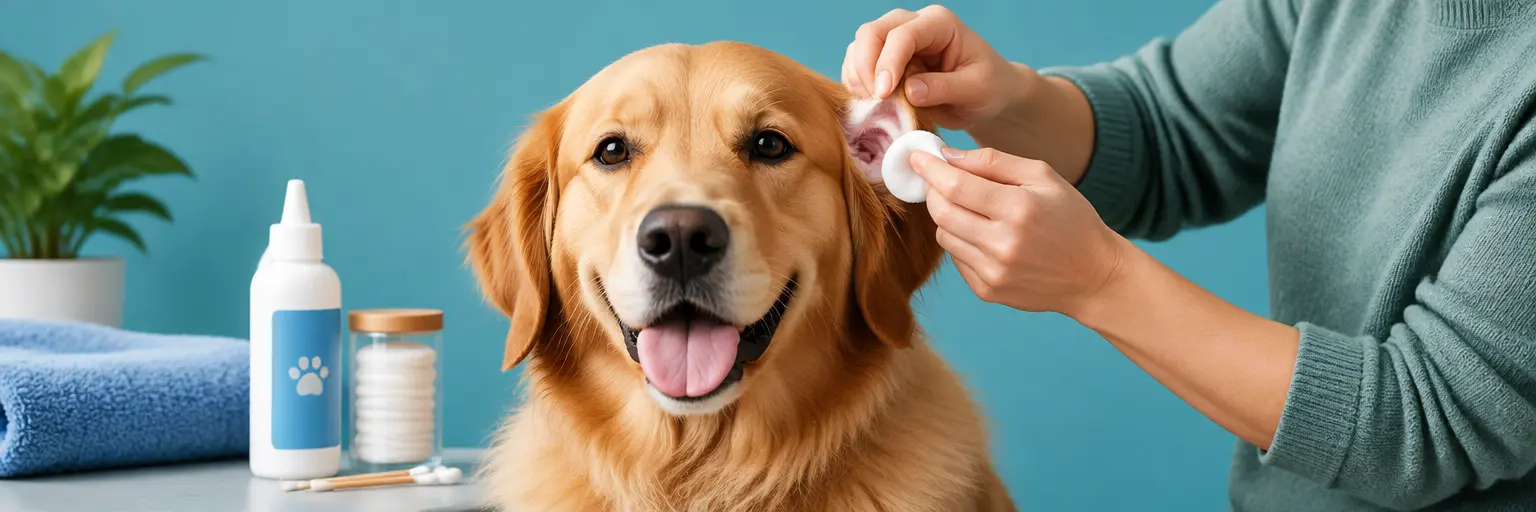
Mastering dog ear cleaning is a cornerstone of responsible pet care, yet it’s often overlooked until problems arise. At PetCareWorld, we break down the essentials into safe, simple routines that prevent painful infections, tackle stubborn wax buildup, and keep your furry friend’s ears fresh and healthy. From understanding the anatomy of a canine ear to choosing the right vet-approved solutions and spotting early warning signs of mites or allergies, our guidance ensures you clean with confidence—never causing stress or damage. Whether you’re dealing with floppy-eared breeds prone to moisture issues or just want to establish a weekly wellness habit, you’ll learn step-by-step techniques that make ear care a breeze. Protect your pup’s hearing and comfort with proactive, gentle practices that strengthen your bond and avoid costly vet visits. Dive in to discover the secrets of sparkling-clean ears and a happier, itch-free dog today!
😊 Senior dog ear cleaning requires extra care. This guide from PetCareWorld offers essential tips for safely and effectively cleaning your senior…
Read article
😊 Keep your canine companion happy and healthy! PetCareWorld's expert dog ear cleaning guide provides essential techniques for preventing infections and ensuring…
Read article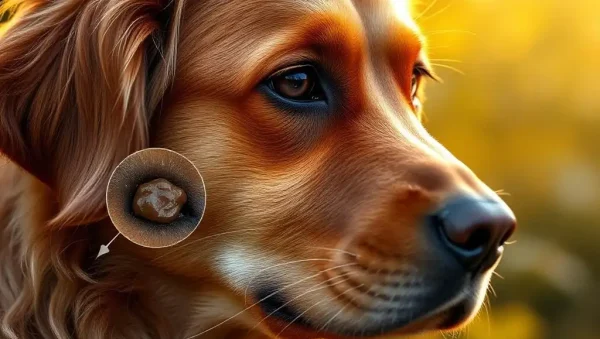
😊 PetCareWorld's expert guide tackles stubborn dog ear wax. Learn safe and effective dog ear wax removal techniques to keep your canine…
Read articleWelcome to our dedicated resource on dog ear cleaning and care, a crucial yet often overlooked component of your canine companion's overall health and wellness. At PetCareWorld, we know that proper ear hygiene is not just about removing visible wax; it is about preventing painful infections, detecting early signs of allergies, and ensuring your dog lives a comfortable, itch-free life. This comprehensive guide breaks down everything you need to know—from the anatomy of your dog's ear to step-by-step cleaning techniques, natural remedies, and breed-specific considerations. Whether you are a first-time puppy parent or a seasoned dog owner, mastering ear care will save you countless vet visits and keep your furry friend thriving.
Before you pick up a cotton ball, you must understand the unique structure of a dog’s ear. Unlike human ears, which have a short, straight canal, a dog’s ear canal is an “L” shape, consisting of a vertical and a horizontal component. This design naturally traps debris, moisture, and wax, creating a warm, dark environment where bacteria and yeast thrive. Knowing this anatomy helps you clean safely—you should never push cleaning tools deep into the ear, as you can easily damage the eardrum or push debris further down.
Floppy-eared breeds like Cocker Spaniels, Basset Hounds, and Golden Retrievers are particularly prone to ear issues because their hanging ears reduce airflow, increasing humidity. In contrast, upright-eared breeds like German Shepherds generally have better ventilation but still require regular checks. By familiarizing yourself with the normal color, smell, and texture of your dog’s inner ear, you can quickly spot abnormalities such as redness, swelling, or a foul odor, which signal it is time to clean or seek veterinary advice. This foundational knowledge transforms ear cleaning from a chore into a proactive health habit.
Performing a proper ear cleaning at home is simpler than you think, but it requires patience and the right technique. Begin by gathering a high-quality veterinary-approved ear cleaning solution (never use alcohol, hydrogen peroxide, or vinegar straight, as these can irritate). Gently lift your dog’s ear flap and squirt the solution into the ear canal—do not touch the tip of the bottle to the ear to avoid contamination. Then, massage the base of the ear for 20-30 seconds. You should hear a squishing sound; this helps break up wax and debris.
Next, let your dog shake its head to dislodge loosened material. Use a cotton ball or soft gauze to wipe the visible inner ear and the folds of the ear flap, never inserting anything into the ear canal itself. Repeat until the cotton comes out clean. For dogs with heavily soiled ears, you may need to repeat the process for two to three days. Always reward your dog with a treat and praise during and after the procedure to create a positive association. For most dogs, a monthly cleaning is sufficient, but active swimmers or those with chronic ear problems may need weekly care. If you notice pain, bleeding, or excessive scratching, stop immediately and consult a veterinarian.
Ear infections (otitis externa) are one of the most common reasons dogs visit the vet, and they are often a direct result of poor ear hygiene or trapped moisture. Symptoms include persistent head shaking, scratching at the ears, redness, swelling, a yeasty or foul odor, discharge that can be brown, yellow, or black, and sensitivity when touching the ear. Allergies—both food and environmental—are the leading underlying cause, followed by hormonal imbalances, foreign bodies like grass seeds, and excessive moisture from swimming.
If you suspect an infection, do not attempt to treat it with over-the-counter drops without a veterinary diagnosis, as the wrong medication can worsen the condition. For bacterial infections, your vet may prescribe antibiotic drops; for yeast, antifungal treatments; and for severe cases, oral medications or steroids to reduce inflammation. Meanwhile, you can offer temporary relief by gently cleaning the outer ear with a vet-approved solution to remove discharge. Prevention is always better than cure—keep ears dry after baths and swimming by using a drying solution, check ears weekly, and address underlying allergies with diet adjustments or antihistamines as recommended by your vet.
Many pet owners seek natural alternatives to chemical-laden products, and for good reason. Gentle options like a 50/50 mixture of organic apple cider vinegar and distilled water can help restore the natural pH balance of the ear and deter yeast growth, but this should only be used on healthy ears, not irritated or broken skin. Coconut oil, known for its antifungal and antibacterial properties, can be applied sparingly to the outer ear to soothe minor dryness and itch. Similarly, a drop of warm olive oil can help soften stubborn wax for easier removal.
However, natural does not always mean safe. Tea tree oil, for example, is toxic to dogs even in small amounts, and essential oils like eucalyptus or peppermint can cause severe burning. Avoid using any home remedy if you see signs of infection, as you may delay proper treatment. Instead, use natural solutions as a preventative maintenance tool on healthy ears. Always consult your veterinarian before introducing any new product, and discontinue immediately if your dog shows signs of discomfort such as rubbing the head, crying, or whining. When used correctly, natural care can support ear health without harsh chemicals, but professional judgment is key.
One-size-fits-all advice does not work in the canine world, especially for ear care. **Floppy-eared breeds** such as Labrador Retrievers, Cocker Spaniels, and Basset Hounds require more frequent cleaning due to reduced airflow; aim for weekly checks and bi-weekly cleanings. **Hairy-eared breeds** like Poodles, Shih Tzus, and Bichon Frises often have excess hair growing inside the ear canal, which traps debris and wax. Many professional groomers recommend gentle plucking of this hair every few weeks, using a hemostat and ear powder to reduce discomfort—never attempt this without proper training, as accidental cuts can lead to infection.
**Water-loving dogs**—including Golden Retrievers, Portuguese Water Dogs, and any pup that swims regularly—are prone to “swimmer’s ear,” where trapped moisture leads to chronic infections. After each swim, use a drying agent specifically formulated for canine ears to evaporate residual water. **Brachycephalic breeds** like Bulldogs and Pugs have narrow ear canals and are predisposed to stenosis, so always use a gentle, non-irritating cleanser and avoid over-cleaning, which strips natural protective oils. Speak to your vet about a maintenance schedule tailored to your dog’s specific ear shape, coat type, and lifestyle, as this proactive approach minimize future health issues.
Prevention is the cornerstone of excellent ear care, and it extends far beyond occasional cleaning. Establish a weekly ear inspection routine during grooming or bonding time—look for redness, swelling, debris, or unusual odor. Keep your dog’s ears dry after baths, rain, or swimming; you can use a cotton ball to gently wick away moisture from the ear flap and outer canal. Also, maintain a balanced diet rich in omega-3 fatty acids, which reduce inflammation and promote healthy skin, which directly benefits ear tissue. Regular vet check-ups should include an otoscopic exam to visualize the deep ear canal and catch early problems.
Address underlying allergies promptly. If your dog constantly has dirty, itchy ears, it is often a sign of food sensitivities or environmental allergens. Work with your vet to identify triggers, whether it is a protein source like chicken or pollen season, and adjust accordingly. Also, avoid letting your dog stick its head out of car windows, which can blow debris and wind into ears, causing irritation. Use gentle, pH-balanced cleaners only when needed, as over-cleaning can disrupt your dog’s natural microbiome. With consistent, informed care, you can dramatically reduce the risk of ear infections, hearing loss, and chronic discomfort, ensuring your dog enjoys a happy, active life for years to come.
Most healthy dogs need a gentle ear cleaning every 2 to 4 weeks, but this varies by breed and activity. Floppy-eared or water-loving dogs may require weekly cleanings, while upright-eared breeds can often go monthly. Always inspect ears weekly for redness, odor, or excessive wax and adjust your schedule accordingly.
Use a vet-approved ear cleaning solution and cotton balls or gauze. Gently fill the ear canal with solution, massage the base for 20-30 seconds, allow your dog to shake, then wipe the outer ear only. Never insert cotton swabs, Q-tips, or any object into the ear canal to avoid injury.
Excessive head shaking or scratching usually indicates irritation, allergy, or infection. Check for visible debris, redness, or a foul smell. If symptoms persist for more than a day, schedule a veterinary visit. Avoid using any home remedies or over-the-counter drops without a proper diagnosis.
No. Hydrogen peroxide can damage the delicate skin inside the ear and delay healing, while undiluted vinegar can sting and worsen irritation. Stick to specifically formulated canine ear cleaners that balance pH and are designed for safe, painless cleaning. Consult your vet for recommendations.
Seek immediate veterinary care if you see swelling, bleeding, pus, a dark discharge, or if your dog cries when you touch its ears. Also, consult a vet if ear problems recur frequently, as this may indicate allergies or structural issues. Early intervention prevents chronic pain and hearing loss.







