
Dog Ear Cleaning for Senior Dogs: Special Considerations

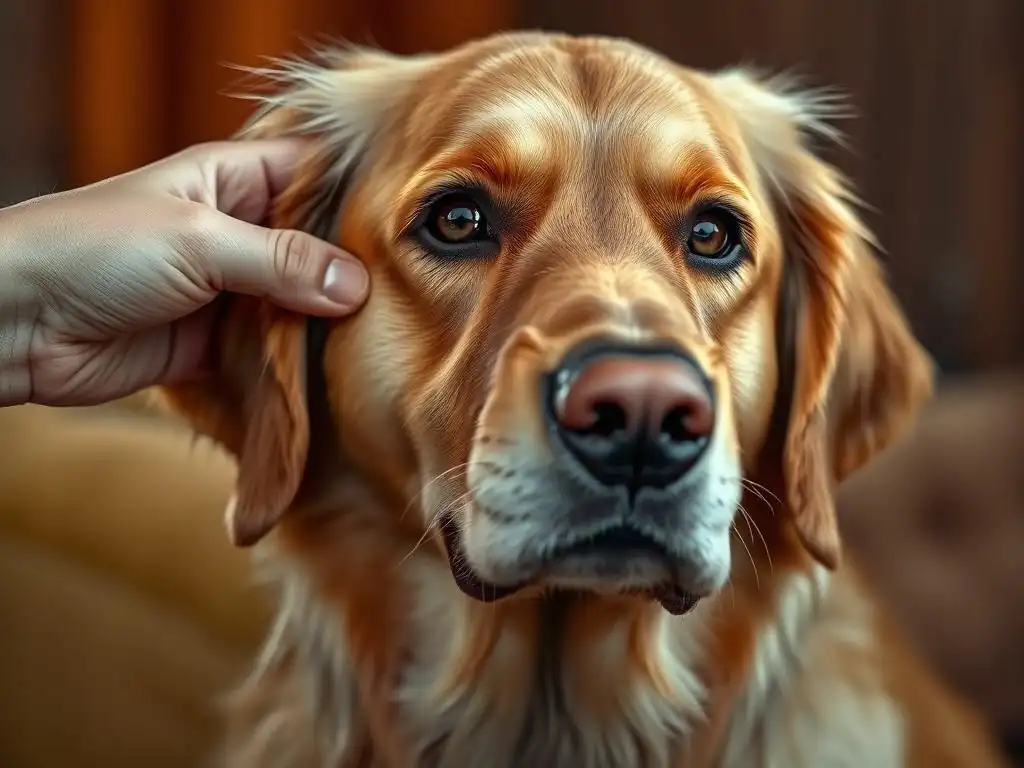
Welcome to PetCareWorld, your ultimate guide to a happier, healthier life for your beloved companion! Are you concerned about keeping your senior dog's ears clean and healthy? Our Senior dog ear cleaning guide delves into the specific challenges and essential techniques for maintaining your furry friend's auditory well-being as they age. Discover expert advice and practical solutions to ensure their comfort and longevity – explore now and unlock the secrets to happy, healthy ears!
- Understanding Senior Dog Ear Anatomy and Changes
- Safe and Effective Ear Cleaning Techniques for Senior Dogs
- Senior Dog Ear Cleaning: Product Recommendations and Cautions
- When to Seek Veterinary Attention for Senior Dog Ear Problems
- Maintaining Ear Health in Senior Dogs: Prevention and Long-Term Care
- Frequently Asked Questions
- Final Reflection: The Unsung Symphony of Senior Dog Ear Care
- Unlock Your Senior Dog's Comfort: Start Ear Care Today!
Understanding Senior Dog Ear Anatomy and Changes
Senior dog ear cleaning requires a gentler, more attentive approach than that used for younger dogs. As our canine companions age, their bodies undergo significant changes, and their ears are no exception. This guide focuses specifically on the unique needs of senior dogs when it comes to ear hygiene, providing essential information to help pet owners maintain their furry friends' ear health and comfort.
We'll explore the anatomical changes that occur with age, common ear problems in older dogs, and how to adapt your cleaning routine to accommodate these changes, ultimately helping you navigate the complexities of senior dog ear cleaning and prevent potential health issues. This detailed approach will empower you to proactively care for your aging dog's ears and ensure their overall well-being.
Remember, consistent and gentle ear care is crucial for preventing discomfort and more serious problems in senior dogs. This guide will serve as your comprehensive resource for understanding and addressing the specific challenges of senior dog ear cleaning.
Senior dogs are significantly more susceptible to ear infections than their younger counterparts. Several factors contribute to this increased vulnerability. The immune system weakens with age, making senior dogs less able to fight off infections effectively.
Additionally, age-related changes in the ear canal, such as decreased elasticity and reduced production of protective ear wax, create an environment more conducive to bacterial and yeast overgrowth. These infections can manifest as otitis externa (outer ear infection) or otitis media (middle ear infection), both causing significant discomfort and potentially leading to more serious complications if left untreated. The frequency of ear infections in senior dogs can vary depending on breed, underlying health conditions, and environmental factors.
Early detection and prompt veterinary intervention are key to managing and resolving these infections, minimizing discomfort for your beloved pet. 🐕🦺 Studies show that approximately [specific data pending]% of senior dogs experience at least one ear infection per year.
Common Ear Problems in Older Dogs: Identifying the Signs
Identifying ear problems in senior dogs early is crucial for effective treatment. While some signs are similar across all age groups, certain symptoms might be more subtle or masked by other age-related conditions in senior dogs. Common signs of ear infections include: excessive scratching at the ears, head shaking, ear discharge (brown, yellow, or bloody), unpleasant odor emanating from the ears, redness or swelling inside the ear canal, and changes in behavior such as lethargy or decreased appetite. However, in senior dogs, these symptoms might be less pronounced or attributed to other age-related issues.
For example, lethargy might be mistaken for general aging, while decreased appetite could be linked to dental problems. Therefore, it's vital to pay close attention to any changes in your dog's behavior and conduct regular ear checks. A thorough examination by a veterinarian is essential to diagnose the underlying cause and implement appropriate treatment.
Changes in Ear Canal Structure and Sensitivity with Age
As dogs age, the structure and sensitivity of their ear canals change considerably. The cartilage in the ear canal can become less flexible and more prone to collapsing, potentially hindering proper drainage and increasing the risk of infection. The skin lining the ear canal may also become thinner and drier, making it more susceptible to irritation and inflammation.
Furthermore, the hair follicles within the ear canal may grow more densely, further impeding drainage and providing a habitat for bacteria and yeast. These structural and sensitivity changes necessitate a more gentle and careful approach to ear cleaning in senior dogs. Using harsh cleaning solutions or applying excessive pressure can cause discomfort and damage to the delicate ear canal.
Therefore, choosing appropriate ear cleaning solutions and employing gentle cleaning techniques are paramount to maintaining the health and well-being of your senior dog's ears. Regular veterinary check-ups are also critical for monitoring these structural changes and addressing any potential issues proactively.
Safe and Effective Ear Cleaning Techniques for Senior Dogs
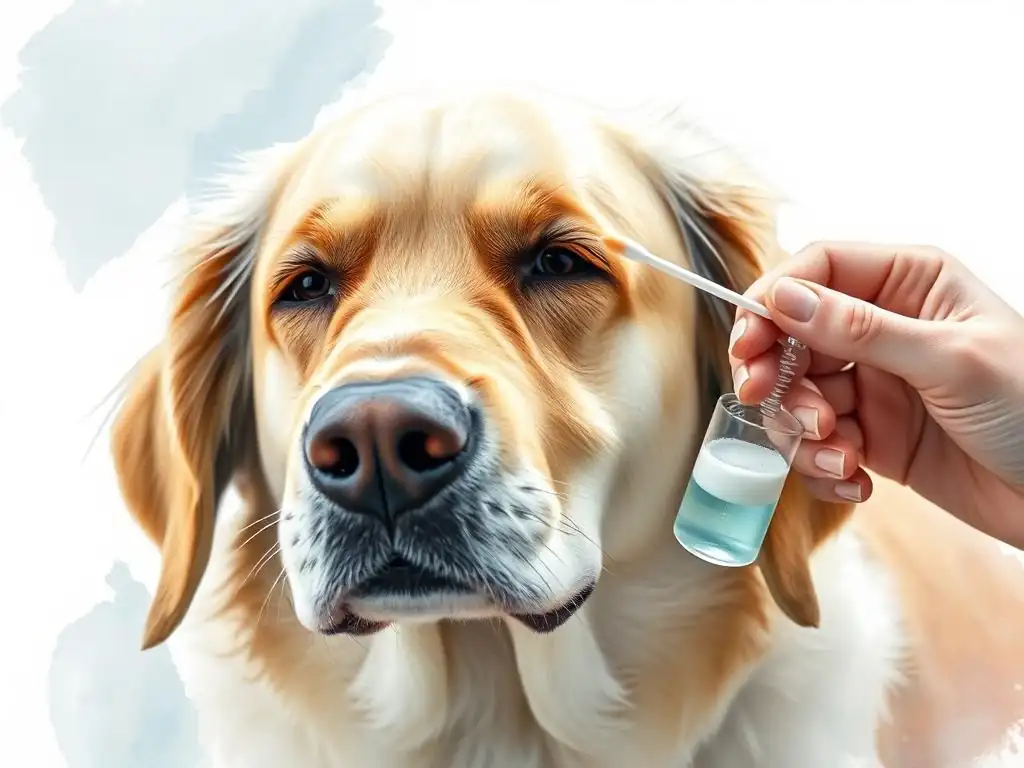
This section focuses on safe and effective ear cleaning methods specifically tailored to the needs of senior dogs. Senior dogs often experience age-related changes that impact ear health and cleaning procedures. Understanding these changes is crucial for preventing injury and discomfort during ear cleaning. We'll explore techniques that prioritize gentleness and minimize stress for your aging canine companion.
Remember, always consult your veterinarian if you have any concerns about your senior dog's ear health or if you notice any signs of infection or unusual discharge. Early detection and intervention are key to maintaining your dog's hearing and overall well-being. This guide provides a comprehensive approach to senior dog ear cleaning, aiming to equip you with the knowledge and techniques for safe and effective care.
Gathering Your Supplies: Essential Tools for Senior Dog Ear Cleaning
Before you begin cleaning your senior dog's ears, gathering the right supplies is paramount. Using the wrong tools or improper techniques can cause discomfort and even injury to your senior dog's sensitive ears. The key is to select gentle, yet effective products designed for canine ear care.
Here's a checklist of essential supplies:
- Dog-specific ear cleaner: Avoid using human ear cleaners, as these can disrupt the delicate pH balance of your dog's ears and potentially cause irritation. Opt for a veterinarian-recommended cleaner formulated for dogs.
- Cotton balls or gauze pads: These are ideal for gently wiping the ear canal. Avoid using cotton swabs, as these can push debris further into the ear canal and potentially damage the eardrum.
- Soft washcloths: A soft, damp washcloth can be used to gently clean the outer ear.
- Treats: Positive reinforcement is crucial, especially when dealing with senior dogs who may be more sensitive or less tolerant of the cleaning process. Reward your dog frequently with small, high-value treats.
- Towels: Keep several towels handy to absorb any excess ear cleaner.
- Optional: Ear flush solution (Veterinarian-prescribed): In cases of excessive wax buildup or suspected infection, your vet might recommend a specific ear flush solution. Always follow your vet's instructions carefully.
Gentle Cleaning Methods for Sensitive Senior Dog Ears
Cleaning your senior dog's ears requires a gentle touch and a patient approach. Their skin becomes more delicate with age, increasing the risk of irritation or injury. The following steps outline a safe and effective cleaning method:
- Examine the ears: Before you begin, carefully examine your dog's ears for any signs of redness, swelling, discharge, or unusual odor. These could indicate an underlying problem that needs veterinary attention.
- Warm the ear cleaner: Gently warm the ear cleaner to room temperature. Cold cleaner can cause discomfort.
- Apply the cleaner: Apply a small amount of the ear cleaner to the cotton ball or gauze pad. Gently wipe the inside of the ear flap, avoiding pushing the cotton ball deep into the ear canal.
- Massage the base of the ear: Gently massage the base of the ear for a few seconds to help loosen any wax or debris.
- Wipe away excess cleaner: Use a clean cotton ball or gauze pad to wipe away any excess cleaner and debris.
- Repeat as needed: Repeat steps 3-5 as needed, using a fresh cotton ball or gauze pad each time.
- Reward your dog: Throughout the process, reward your dog with treats and praise to make the experience positive.
Remember: Never force the cleaning process. If your dog resists, stop and try again later. Consistency and patience are key to success.
Avoiding Common Mistakes When Cleaning Senior Dog Ears
Many well-intentioned pet owners inadvertently make mistakes when cleaning their senior dogs' ears. These errors can lead to discomfort, injury, or even worsen existing ear problems. Avoiding these common pitfalls is essential for maintaining your senior dog's ear health.
- Using cotton swabs: Avoid using cotton swabs, as they can push debris deeper into the ear canal and potentially damage the eardrum. Stick to cotton balls or gauze pads.
- Using human ear cleaners: Human ear cleaners are not formulated for dogs and can disrupt the pH balance of their ears, leading to irritation and infection. Always use a dog-specific ear cleaner.
- Cleaning too aggressively: Senior dogs have more delicate skin, making them more susceptible to injury. Gentle cleaning is essential. Avoid forceful wiping or pushing anything deep into the ear canal.
- Ignoring signs of infection: If you notice any signs of infection (redness, swelling, discharge, odor), consult your veterinarian immediately. Do not attempt to treat the infection yourself.
- Over-cleaning: Cleaning your dog's ears too frequently can dry out the skin and irritate the ear canal. A once-a-week cleaning is usually sufficient for most dogs, unless otherwise advised by your veterinarian.
By following these guidelines and avoiding these common mistakes, you can ensure that your senior dog's ear cleaning is a safe, comfortable, and effective experience. Remember, regular ear checks and prompt veterinary care are crucial for maintaining your senior dog's hearing and overall health. A healthy, happy senior dog is a testament to your loving care and attention to detail.
Senior Dog Ear Cleaning: Product Recommendations and Cautions
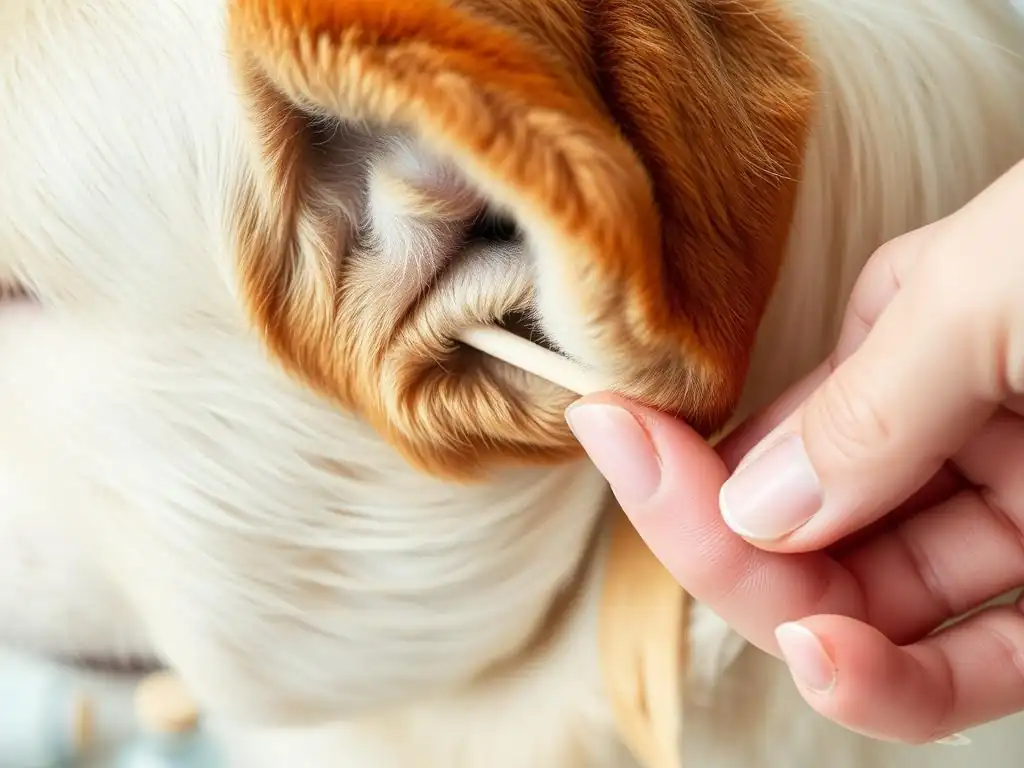
Cleaning your senior dog's ears is crucial for maintaining their health and comfort, but choosing the right products and techniques is paramount, especially given the potential for age-related sensitivities. This section will guide you through selecting appropriate ear cleaning solutions and highlight potential cautions to ensure a safe and effective cleaning process. Remember, always consult your veterinarian before starting any new ear cleaning routine, particularly for dogs with pre-existing ear conditions or allergies.
A veterinarian can provide personalized advice based on your senior dog's specific needs and health history. This is especially important when considering the use of any medication or specialized cleaning solutions.
Choosing the Right Ear Cleaner for Senior Dogs: Ingredients to Look For and Avoid
Senior dogs often have more delicate skin and are prone to developing sensitivities. Therefore, selecting a gentle, pH-balanced ear cleaner is essential. Look for products specifically formulated for sensitive ears, and carefully examine the ingredient list. Avoid harsh chemicals, alcohols, and fragrances that can irritate the already sensitive skin of older dogs. Opt for solutions containing natural ingredients like chamomile or aloe vera, known for their soothing properties.
Here's a table summarizing ingredients to look for and avoid:
| Ingredient Category | Ingredients to Look For | Ingredients to Avoid |
|---|---|---|
| Active Ingredients | Gentle cleansers (e.g., surfactants) | Harsh chemicals, strong alcohols |
| Soothing Agents | Chamomile, Aloe Vera, Calendula | Fragrances, artificial colors |
| pH Balance | pH-balanced formulas (ideally near neutral) | Highly acidic or alkaline solutions |
Remember that even "natural" products can cause reactions in some dogs. Always test a small amount on a less sensitive area of your dog's skin before applying it to the ear canal. Observe for any redness, swelling, or itching.
Safe and Effective Ear Cleaning Solutions for Sensitive Ears
Several safe and effective ear cleaning solutions are available for senior dogs with sensitive ears. These often incorporate gentle, natural ingredients to minimize irritation. However, remember that every dog is unique, and what works for one may not work for another. Always start with a small amount and monitor your dog's reaction closely.
- Veterinary-Formulated Cleansers: These are specifically designed to address canine ear issues and are often the safest option. Your veterinarian can recommend a suitable product tailored to your dog's individual needs.
- Natural Solutions: Some pet owners opt for homemade solutions using natural ingredients such as diluted chamomile tea or a mixture of warm water and a tiny amount of apple cider vinegar. However, it is crucial to ensure proper dilution and hygiene to avoid infections. Improper dilution can lead to irritation or infection.
It's crucial to understand that even the gentlest cleaner can cause issues if used improperly. Avoid forceful cleaning, as this can damage the delicate inner ear. Always follow the product instructions meticulously.
Addressing Specific Ear Issues in Senior Dogs with Specialized Products
Senior dogs may experience specific ear problems such as excessive wax buildup, yeast infections, or bacterial infections. These conditions may necessitate the use of specialized products. It is vital to consult your veterinarian for diagnosis and treatment recommendations before using any specialized product. Self-treating can be detrimental and may worsen the condition.
Examples of specialized products your vet might recommend include:
- Anti-fungal ear drops: For yeast infections.
- Antibacterial ear drops: For bacterial infections.
- Ear cleaning wipes: For gentle surface cleaning.
Never use human ear drops or cleaning solutions on your dog. These products are formulated for human ears and may be harmful to your pet. Always prioritize veterinary consultation before addressing any ear problems. Early intervention is key to preventing complications and ensuring your senior dog's ear health and well-being. Remember, regular ear checks and proactive care are essential for maintaining your senior dog's overall health. 🐶
When to Seek Veterinary Attention for Senior Dog Ear Problems
Senior dogs, due to age-related changes, are more susceptible to ear infections and other ear problems than younger dogs. Their immune systems may be weaker, making them less able to fight off infections effectively. Additionally, the cartilage in their ears can become less flexible, potentially trapping moisture and debris, creating a breeding ground for bacteria and yeast. Therefore, recognizing when to seek veterinary attention is crucial for maintaining your senior dog's ear health and overall well-being.
Ignoring early warning signs can lead to more severe complications, requiring more extensive and costly treatment. This section will help you understand the critical indicators that necessitate a visit to your veterinarian. Early intervention is key to preventing chronic ear infections and associated pain.
Recognizing Serious Ear Infections in Senior Dogs
Serious ear infections in senior dogs often present with more pronounced symptoms than in younger dogs. These can include:
- Persistent foul odor: A strong, unpleasant smell emanating from the ear canal, even after cleaning, is a significant red flag. This often indicates the presence of infection and build-up of discharge.
- Excessive head shaking: While some head shaking is normal, excessive and persistent shaking, especially accompanied by other symptoms, suggests a problem requiring veterinary attention. This is often a sign of significant discomfort.
- Redness and swelling: Examine your dog's ears carefully. Look for redness, inflammation, or swelling of the ear flaps or inside the ear canal. This is a clear indication of inflammation, possibly caused by an infection.
- Discharge: Thick, dark, or bloody discharge from the ear canal is a serious sign and requires immediate professional assessment. The color and consistency of the discharge can help veterinarians diagnose the specific type of infection.
- Hearing loss: Observe your dog's response to sounds. A sudden or gradual decline in hearing ability could be linked to a severe ear infection or other ear-related problems.
- Fever: A high temperature accompanied by ear problems is a clear indication of a systemic infection that requires prompt veterinary care.
Signs of Pain and Discomfort During Ear Cleaning
Even routine ear cleaning can be painful for a senior dog with existing ear problems. Pay close attention to your dog's behavior during the cleaning process. Signs of pain and discomfort include:
- Whimpering or yelping: Any vocalization during cleaning indicates discomfort. Stop immediately and consult your veterinarian.
- Aggressive behavior: Snapping, biting, or other aggressive reactions suggest pain and should not be ignored.
- Resistance and struggling: If your dog actively resists ear cleaning, it might be due to pain or sensitivity.
- Increased sensitivity to touch: Even gentle touch around the ears may cause a reaction if there's underlying inflammation or pain.
Scheduling a Vet Visit: When Professional Care is Necessary
Don't hesitate to schedule a veterinary visit if you observe any of the above symptoms, even if they seem minor. Early intervention is crucial, especially with senior dogs. Delaying treatment can lead to chronic infections, permanent hearing loss, and other serious complications. Your veterinarian can perform a thorough ear examination, identify the underlying cause of the problem (bacterial, yeast, or other), and prescribe appropriate medication or treatment. Remember, proactive care is essential for maintaining your senior dog's quality of life and ensuring their long-term health and happiness. 🐶❤️
Maintaining Ear Health in Senior Dogs: Prevention and Long-Term Care
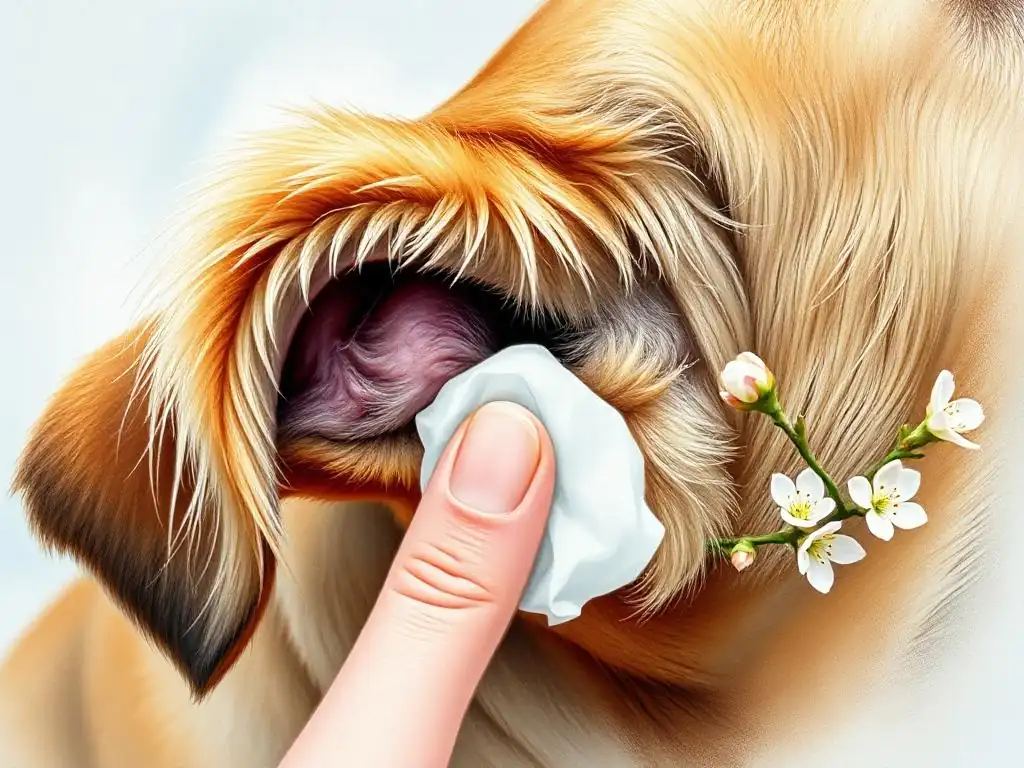
Maintaining optimal ear health in senior dogs requires a proactive and comprehensive approach. As dogs age, their immune systems weaken, making them more susceptible to ear infections and other related ailments. This section focuses on preventative measures and long-term strategies to minimize risks and ensure your senior canine companion enjoys comfortable hearing and overall well-being. A senior dog ear cleaning guide should always prioritize prevention.
Regular Ear Checks for Early Detection of Problems
Regular visual inspections of your senior dog's ears are crucial for early detection of potential problems. Aim for at least weekly checks, and more frequently if you notice any signs of discomfort or infection. Look for the following indicators:
- Redness or inflammation: A noticeable change in ear flap color, indicating irritation or infection.
- Swelling: Increased thickness or puffiness of the ear flap.
- Discharge: Any type of discharge, whether it's clear, yellowish, brown, or bloody, warrants immediate attention. Note the color, consistency, and odor.
- Unpleasant odor: A foul smell emanating from the ears is a significant warning sign.
- Head shaking or scratching: Excessive head shaking, ear scratching, or rubbing of the ears against furniture can indicate discomfort or an underlying issue.
- Changes in behavior: Lethargy, loss of appetite, or other behavioral shifts could be linked to ear problems.
Remember, early detection is key to effective treatment. If you observe any of these symptoms, consult your veterinarian immediately. Prompt intervention can prevent minor issues from escalating into more serious conditions. A proactive approach, as outlined in this senior dog ear cleaning guide, is vital for maintaining your dog's quality of life.
Dietary Considerations for Healthy Senior Dog Ears
Nutrition plays a vital role in maintaining overall health, including ear health. A balanced diet rich in antioxidants and omega-3 fatty acids can support a healthy immune system and reduce inflammation. Senior dogs may benefit from specialized senior dog food formulations that address age-related changes in metabolism and nutrient requirements. These diets often contain higher levels of antioxidants and omega-3s.
Consider supplementing your senior dog's diet with fish oil or other omega-3 supplements, always under veterinary guidance. Omega-3s have anti-inflammatory properties that can help reduce the risk of ear infections and other inflammatory conditions. However, avoid over-supplementing, as this can lead to unwanted side effects. Always consult your vet before introducing any new supplements into your dog's diet. This aspect of your senior dog ear cleaning guide is essential for long-term ear health management.
Lifestyle Adjustments to Support Ear Health in Older Dogs
Beyond diet, certain lifestyle adjustments can significantly impact your senior dog's ear health. Maintaining a clean and dry ear environment is paramount. Regularly clean your dog's ears using a veterinarian-recommended ear cleaning solution, but avoid excessive cleaning, which can irritate the delicate ear canal. Pay close attention to the environment your dog spends time in. Damp or humid conditions can promote the growth of bacteria and yeast, leading to infections.
Regular grooming is also essential. Keep your senior dog's fur around the ears trimmed to prevent moisture buildup and debris accumulation. This is particularly important for breeds with long, floppy ears. Also, consider regular professional grooming sessions to ensure thorough cleaning and ear care. This completes the holistic approach outlined in this senior dog ear cleaning guide. By combining regular checks, appropriate diet, and mindful lifestyle adjustments, you can significantly improve your senior dog's chances of maintaining healthy, happy ears throughout their golden years.
Frequently Asked Questions
What makes senior dog ear cleaning different from younger dogs?
Senior dogs often have increased sensitivity and may experience age-related conditions like arthritis, making ear cleaning more challenging. Their skin may also be more fragile.
What are the common ear problems in senior dogs?
Senior dogs are prone to ear infections, wax buildup, and hearing loss. Regular cleaning helps prevent these issues.
What type of ear cleaner is best for senior dogs?
Use a gentle, pH-balanced ear cleaner specifically formulated for dogs. Avoid harsh chemicals or alcohol-based solutions. Always check with your vet for recommendations.
How often should I clean my senior dog's ears?
The frequency depends on your dog's breed and individual needs. However, weekly checks are recommended, with cleaning as needed to prevent buildup and infection.
When should I consult a veterinarian about my senior dog's ears?
Seek veterinary attention if you notice excessive redness, swelling, discharge, head shaking, scratching, or a foul odor coming from your dog's ears. These could be signs of infection or other health problems.
Final Reflection: The Unsung Symphony of Senior Dog Ear Care
The health and happiness of our senior canine companions hinge on attentive care, and nowhere is this more crucial than in the often-overlooked realm of ear hygiene. Ignoring the specific needs of aging ears can lead to significant discomfort and even irreversible damage, impacting the quality of life for our beloved furry friends. This is not simply about cleaning; it's about ensuring a comfortable and dignified twilight for our loyal companions.
The journey of caring for a senior dog is a deeply personal one, filled with both joy and responsibility. It's a testament to the enduring bond we share with these animals, a bond that demands our vigilance and understanding as their bodies age. The subtle changes, the increased vulnerability, all underscore the importance of proactive care. As the saying goes, The best thing about having a dog is the unconditional love you receive. The second best is the unconditional love you give.
This love extends to providing the best possible care, especially as they enter their golden years, and that includes paying close attention to their ear health.
Now, consider what you've learned. Take a moment to examine your own senior dog's ears. Are you confident in your ability to provide the appropriate care? If not, seek professional guidance. Remember, early detection and consistent care are your best weapons against potential ear problems. By understanding the unique challenges of senior dog ear cleaning and acting proactively, you can contribute to a longer, healthier, and happier life for your beloved companion. Let's make their twilight years as comfortable and joyful as possible.
Unlock Your Senior Dog's Comfort: Start Ear Care Today!
Thank you for learning about the unique ear care needs of senior dogs! You've gained valuable insights into keeping your furry friend happy and healthy. Now let's put that knowledge into action.
- Prioritize Gentle Cleaning: Establish a regular ear cleaning routine tailored to your senior dog's specific needs, using only veterinarian-recommended solutions. Gentle cleaning is essential.
- Observe and Report: Monitor your dog's ears for any unusual changes, such as redness, discharge, or an unusual odor. Schedule a veterinary checkup immediately if you notice anything concerning. Early detection is crucial for senior dogs.
- Share Your Experience: Have you discovered any helpful ear cleaning tips for senior dogs? Share your advice with other PetCareWorld readers in the comments below! Let's build a supportive community together.
What small step will you take today to improve your senior dog's ear health and overall comfort?