Desensitization Techniques for Reactivity: Slowly Introducing Triggers
😊 Overcome your dog's reactivity with our expert guide on desensitization training. Slowly introduce triggers to help your furry friend learn calm…
Read article
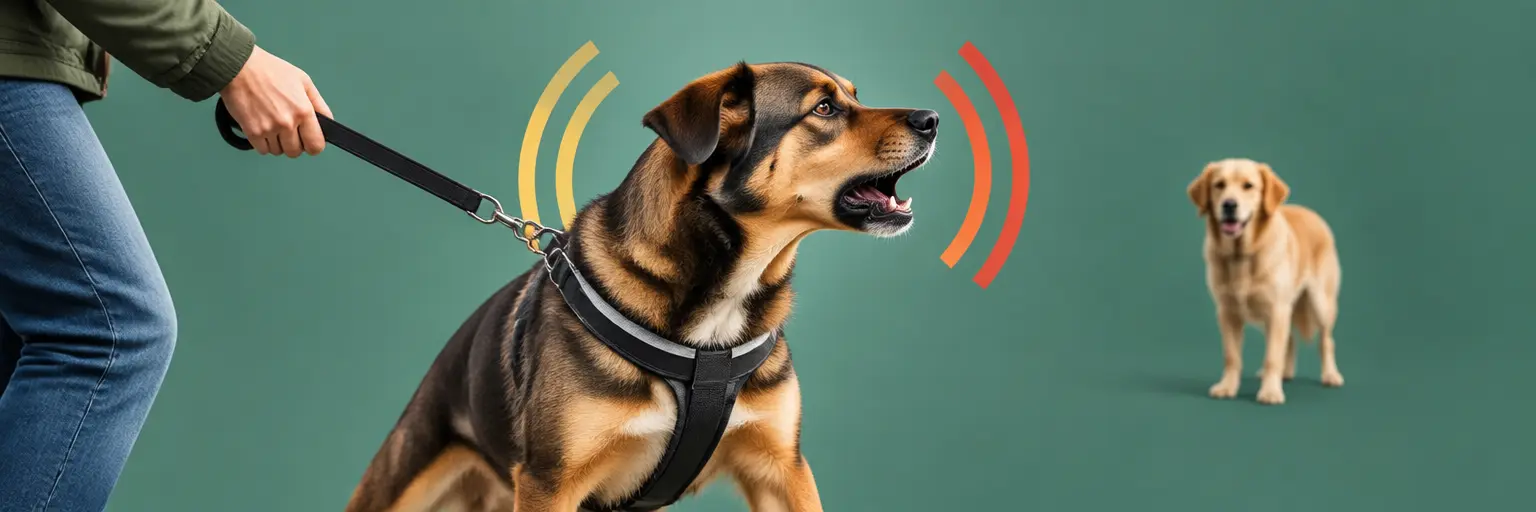
Struggling with your dog’s sudden barking, lunging, or snapping on walks? Reactivity in dogs is a common—and often misunderstood—behavioral challenge that goes beyond simple disobedience. It’s usually rooted in fear, anxiety, or over-excitement, not aggression, making it highly manageable with the right training approach. At PetCareWorld, we break down the science behind reactive behavior, offering step-by-step desensitization techniques, counter-conditioning exercises, and practical management tools to help your pup stay calm and focused in any environment. Whether your dog reacts to other dogs, strangers, or moving vehicles, you’ll discover evidence-based strategies that prioritize your pet’s emotional well-being while rebuilding your bond. From identifying triggers to implementing positive reinforcement routines, our expert guidance ensures steady, lasting progress—so you can enjoy stress-free walks and a more confident, relaxed companion. Empower yourself with the knowledge to turn reactive moments into opportunities for growth, because every dog deserves a happy, balanced life. 🐾

😊 Overcome your dog's reactivity with our expert guide on desensitization training. Slowly introduce triggers to help your furry friend learn calm…
Read article
😊 Is your dog reactive? PetCareWorld offers expert calm reactive dog training tips to create a peaceful home environment. Learn proven stress…
Read article
😊 Training a reactive dog requires immense patience. Consistent, positive reinforcement, coupled with understanding your dog's triggers, is key to successfully train…
Read articleReactivity in dogs is one of the most misunderstood behavior challenges faced by pet parents. Unlike aggression, which is often driven by intent to harm, reactivity is an exaggerated emotional response—typically fear, frustration, or over-excitement—to a trigger such as other dogs, strangers, bicycles, or loud noises. At PetCareWorld, we address the root causes, practical training methods, and long-term management strategies for reactive dogs. This subcategory empowers you with science-backed, force-free techniques to transform stressful walks into calm, controlled experiences. Whether you're dealing with leash pulling, barking, or lunging, you'll find actionable steps to improve your dog's quality of life and your own peace of mind.
Many owners mistakenly label a reactive dog as “aggressive,” leading to fear-based training that worsens the problem. Reactivity is an emotional outburst (barking, lunging, whining) while aggression involves deliberate intent to bite or harm. Understanding this distinction is crucial because the training approach differs radically. Reactivity is usually rooted in anxiety or excitement, not malice. When you recognize the signs early—stiff body, dilated pupils, or an intense stare—you can intervene before the response escalates. This knowledge also prevents misdiagnosis and helps you communicate effectively with professional trainers or veterinarians.
For accurate identification, keep a behavior journal documenting triggers, distance, and body language. This data reveals patterns, such as whether your dog reacts only on leash (often frustration-based) or off-leash too (often fear-based). Reactive dogs often display “peekaboo” behavior—hiding behind you or turning away—before exploding. By learning to read these subtle cues, you can manage the environment proactively. Remember, reactivity is not a personality flaw; it's a communication system. With consistent observation, you'll predict and prevent episodes, making training significantly more effective and less stressful for both you and your pup.
Leash reactivity is the most common complaint among dog owners, manifesting as barking, growling, or lunging at other dogs while on a walk. This behavior often stems from frustration (wanting to greet but restrained) or fear (perceiving the other dog as a threat). The leash itself becomes a cue for tension, as your body language tightens the moment you spot another dog. This section provides step-by-step protocols to break the cycle. You'll learn to use high-value treats, distance management, and counter-conditioning to flip the emotional response from “danger” to “good things happen.”
Begin with the “look at that” game: identify your dog's threshold distance, then reward any glance at the trigger without an explosion. Gradually decrease the distance over weeks, always pairing the sight of another dog with a tasty reward. Use a front-clip harness to reduce pulling and improve control without pain. Practice “u-turns” and “find it” (scatter treats on the ground) to disengage attention. Consistency is key—even on calm days, rehearse these skills to build neural pathways. With patience, your walks will shift from chaos to cooperation, allowing you to enjoy the outdoors together without adrenaline spikes.
Counter-conditioning and desensitization (CC&D) are the gold standard for treating reactivity. This scientific approach gradually exposes your dog to triggers at a sub-threshold level while pairing them with positive experiences. The goal is to change the underlying emotional state, not just suppress the behavior. This section breaks down the process into manageable steps, from creating a trigger hierarchy to tracking progress. You'll learn why flooding (forcing exposure) and punishment are harmful, as they increase fear and erode trust. Instead, CC&D respects your dog's limits, building confidence one controlled exposure at a time.
Start by listing all triggers (e.g., dogs, men, skateboards) and rating their intensity from 1-10. Begin with level 1 (e.g., a dog seen from 200 feet away) and reward calm behavior with treats and praise. Use the “engage-disengage” protocol: mark the moment your dog notices the trigger, then reward when they look back at you. Increase intensity only when your dog remains relaxed for multiple sessions. Keep sessions short (5-10 minutes) to avoid stress burnout. Over 4-6 weeks, you'll see a calmer dog who anticipates treats instead of panic. Remember, progress is nonlinear—celebrate small wins like a soft tail wag over an explosive reaction.
Training alone isn't enough; you must manage the environment to reduce exposure while your dog learns new coping skills. This means altering walks, home setup, and routines to minimize triggers and prevent rehearsal of reactive behavior. Every time your dog erupts, the behavior strengthens—so prevention is just as important as training. This section offers practical strategies: choosing off-peak walking hours, using visual barriers (hedges, parked cars) to block distant triggers, and creating a “safe space” at home where your dog can decompress. These adjustments lower stress hormones, making your dog more receptive to learning.
Inside the home, use baby gates to limit window access or apply frosted window film to reduce “fence fighting.” For noisy environments, play calming music or use a white noise machine. Invest in a well-fitted harness and a 6-foot leash—retractable leashes encourage pulling and increase tension. Plan “sniffaris” in quiet parks where your dog can explore on a long line, satisfying natural instincts without encountering triggers. Also, consider pheromone diffusers (e.g., Adaptil) or anxiety wraps to promote calmness. By proactively shaping the world, you reduce your dog’s arousal baseline, making all future training faster and more effective.
Not all reactivity can be resolved with DIY training. If your dog shows severe reactions (biting, intense growling, or freezing), has a history of attacks, or if you feel unsafe, professional intervention is essential. A certified force-free trainer (e.g., CCPDT or IAABC) can design a personalized plan, while a veterinary behaviorist (DACVB) can rule out medical causes like thyroid issues or chronic pain that may amplify anxiety. Medication is sometimes necessary to lower arousal enough for learning to occur. This section helps you identify red flags and choose a qualified professional who aligns with modern, ethical training standards.
Avoid trainers who promote dominance or punishment—these methods frequently backfire, increasing fear and aggression. During a consultation, observe the trainer’s methods with their own dogs, ask about their credentials, and request a detailed assessment before committing. For mild-to-moderate reactivity, an online program may suffice, but severe cases need in-person sessions in controlled environments. Additionally, a veterinarian can prescribe anti-anxiety meds like fluoxetine or trazodone to facilitate training. Remember, seeking help is a sign of responsible ownership, not failure. With the right support, even deeply reactive dogs can live fulfilling, peaceful lives.
Yes, with consistent, force-free training, most dogs significantly improve, though they may always be “reactive” by nature. The goal isn’t to erase all reactions but to reduce intensity and duration. Many dogs achieve a calm state where triggers are barely noticed, especially with ongoing management and occasional refresher training. Genetics and past trauma affect the ceiling, but improvement is realistic for almost every dog.
Protective behavior is a subset of reactivity, often triggered by perceived threats to the owner. However, most “protective” displays are actually fear-based. A truly protective dog rarely reacts off-property; reactivity usually appears anywhere. Track when and where the behavior occurs—if it happens at home with strangers, it’s more likely territorial or fear-based. A trainer can differentiate, but treat all lunging and barking as a stress response needing management.
Stay calm and immediately increase distance from the trigger—cross the street, duck behind a car, or turn around. Do not comfort or punish; just move away and give a “let’s go” cue. After a few seconds, offer a high-value treat to redirect focus, but only when your dog is below threshold. Post-episode, practice a simple sit and reward calm behavior to reset the nervous system.
Hormones play a minor role in most reactivity cases, which are primarily fear or frustration-based. Neutering may slightly reduce inter-dog mounting or roaming, but it won’t fix barking or lunging. In fact, studies show neutering can increase anxiety in some dogs. Always prioritize behavior modification over surgery; consult your vet before making reproductive decisions purely for behavioral reasons.
Initial improvements (e.g., shorter reaction duration) can appear within 2-3 weeks of daily sessions. Major change—walking past a trigger without eruption—typically takes 3-6 months of consistent practice. Relapses are normal during hormonal shifts (e.g., fear periods) or stressful events. Patience is vital; celebrate incremental progress and adjust your training plan as needed. Every dog learns at their own pace.







