The Benefits of Dock Diving for Your Dog's Health and WellBeing
😊 Unleash your dog's inner athlete! Discover the surprising dog dock diving health benefits: improved cardiovascular fitness, muscle strength, and a happier,…
Read article
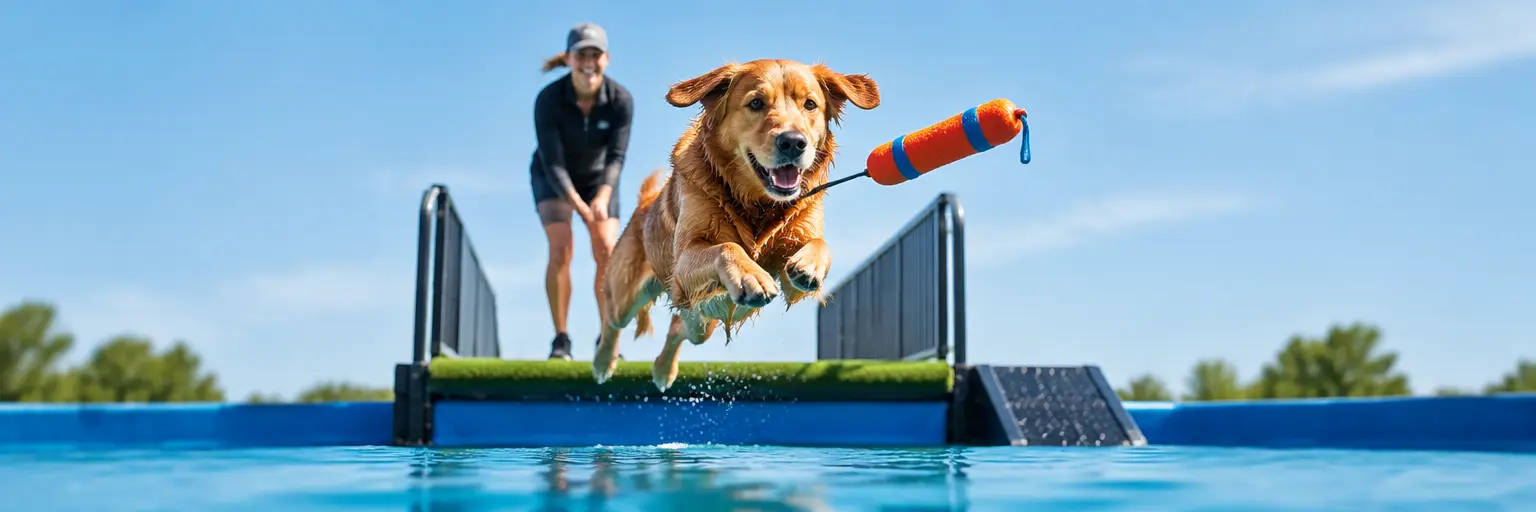
Dock diving for dogs is the thrilling canine sport where your four-legged friend races down a dock and launches into the water, chasing a favorite toy or simply reveling in the pure joy of flight and splash. At PetCareWorld, we dive deep into everything you need to know about this high-energy water competition—from building initial confidence and teaching a safe, powerful takeoff to mastering air retrieve distance and perfecting landing techniques. Whether you have a natural-born water lover or a cautious pup, our step-by-step training guides, safety tips, and conditioning exercises help you and your dog enjoy this exhilarating activity while strengthening your bond. Unlock the secrets to improving your dog’s jump, speed, and excitement, and discover how dock diving can boost your pet’s physical fitness, mental sharpness, and social skills—all in a fun, supportive environment. 🐾💦
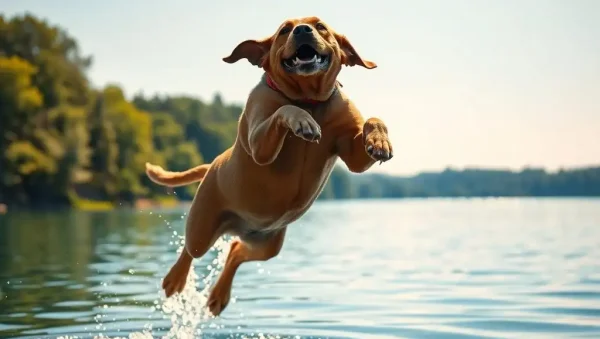
😊 Unleash your dog's inner athlete! Discover the surprising dog dock diving health benefits: improved cardiovascular fitness, muscle strength, and a happier,…
Read article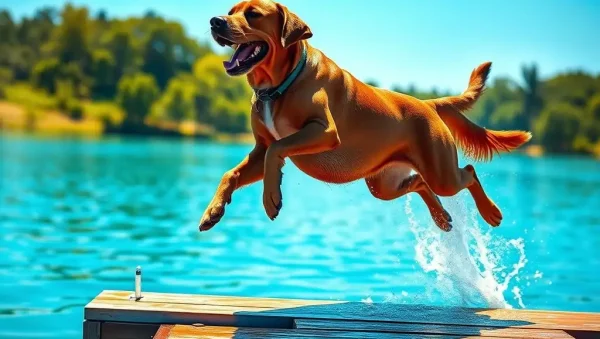
😊 Unleash your canine's inner athlete! PetCareWorld's guide to dog dock diving training drills offers fun, effective exercises to build skills and…
Read article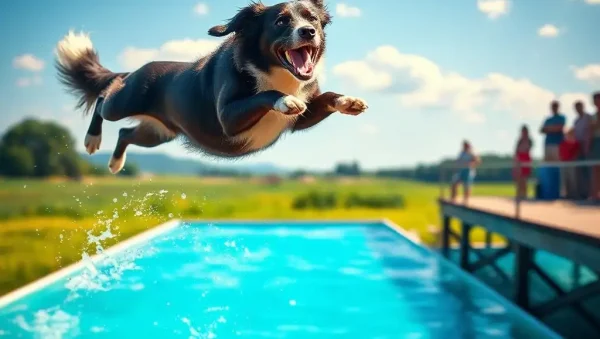
🐶 Unleash your dog's athletic potential! Discover how dock diving provides a fantastic full-body workout, boosting strength, agility, and cardiovascular health. Learn…
Read articleWelcome to PetCareWorld’s dedicated guide to Dock Diving for Dogs, an exhilarating canine sport that combines natural swimming ability with explosive athleticism. As part of our Dog Care & Training category, this page is your definitive resource for understanding, starting, and mastering this competitive activity. From beginner training techniques to advanced competition strategies, we cover safety, equipment, and physical conditioning. Whether you have a water-loving retriever or a hesitant paddler, our expert insights will help you build confidence, strengthen your bond, and enjoy a sport that’s as thrilling to watch as it is fun to play. Explore proven methods, avoid common mistakes, and turn your dog’s splash into a score.
Starting dock diving doesn’t require elite genes; it requires patience, positive reinforcement, and a safe environment. Begin by ensuring your dog is comfortable in water with a life jacket and shallow entry points. Introduce the dock gradually, letting your dog set the pace. The key is to create a powerful association between the ramp, the toy, and fun. Use high-value toys that float and are easy to grab, and start with short distances to build momentum. For most dogs, the chase instinct is natural, but your role is to channel that energy toward a straight, explosive jump.
Safety is non-negotiable. Always check water temperature, clarity, and depth (minimum 4 feet for jumping). Never force a scared dog; instead, use a ramp or shallow walkway to build water confidence. Professional trainers recommend starting on a low dock (18-24 inches) and gradually increasing height. Remember, the aim is a happy, confident jumper. With consistent, short sessions (10-15 minutes), your dog will learn to launch off the edge with power, setting the stage for future competitions.
Training for dock diving focuses on developing explosive rear-end strength, proper jumping form, and a reliable “go” command. Start with “paw targeting” on the dock edge to teach precise footing. Then, use a dedicated retrieval command like “get it” right before the jump. The most effective method is the “chase and retrieve” game, where you throw a toy just beyond the dock’s edge, encouraging your dog to leap after it. Over time, move the toy farther out to increase jump distance. Incorporate land-based exercises like hill sprints, pivot turns, and box jumps to boost leg power.
Consistency beats intensity. Train twice daily for short bursts, always ending on a high note. Use a clicker or verbal marker to pinpoint the exact moment of explosive takeoff. Many dogs benefit from watching experienced jumpers; social learning is powerful. If your dog struggles with timing, use a flirt pole to simulate prey movement near the edge. Track your dog’s progress with video analysis to refine their technique. Remember, every dog learns differently, so adapt your approach based on breed tendencies—herding dogs may need more toy drive, while sporting breeds often excel naturally.
While dock diving is low-impact on land, the repetitive jumping can strain joints, especially in large or growing dogs. Always ensure your dog is physically mature (over 12-18 months for large breeds) before intense training. Warm up with 5-10 minutes of brisk walking and gentle stretching. Cool down with a slow swim and massage to prevent muscle stiffness. Invest in a well-fitted flotation vest for training sessions in open water, and always have fresh water available to prevent swallowing pool water. Check the dock surface for slippery spots; use rubber mats for better grip.
Watch for signs of fatigue, such as shaking, reduced jump height, or reluctance to swim. Limit sessions to 15-20 jumps maximum per day, with rest days between. Common injuries include shoulder strain, toe fractures, and ear infections from water. Dry your dog’s ears thoroughly after each session. Consult your veterinarian for a pre-sport physical exam, especially if your dog has a history of hip dysplasia or arthritis. With proper conditioning and regular check-ups, dock diving offers excellent cardiovascular fitness without the harsh impact of high-impact land sports.
For those aiming for titles, understand the official formats: Big Air (distance), Extreme Vertical (height), Speed Retrieve (time to toy), and Iron Dog (combined). In Big Air, dogs are scored on horizontal distance from the dock’s edge to the tail’s base point of water entry. The official dock length is 40 feet, with a 2-foot-high ramp. Train specifically using a “send out” cue, where your dog runs, jumps, and swims to a floating toy positioned at maximum distance. Use a measured throwing technique to encourage a flat, aerodynamic jump rather than a high, vertical one.
Competition nerves affect dogs too. Practice in noisy environments with spectators and other dogs. Teach a solid “wait” at the dock edge, then release on command. Video review your jumps to identify technique flaws, such as a tucked tail that reduces distance. Train with a professional handler or join a local dock diving club to receive immediate, expert feedback. Remember, every competition is a learning opportunity; track your scores to measure improvement. The national qualifying distances are around 15-20 feet for beginners, but top dogs reach over 30 feet. Celebrate incremental wins and always prioritize fun over titles.
Not every dog takes to water like a Lab. Fearful or anxious dogs require a slower, more methodical approach. Begin with desensitization: stand near the water with your dog on a leash, reward calm behavior with high-value treats. Use a pool noodle or buoy to create a floating platform for secure entry. Gradually introduce the ramp, placing toys at the edge, then just into the water. Never throw a dog in; that destroys trust. Instead, use a “water entry” game where you walk together into shallow water, playing with toys until your dog forgets their fear.
Build drive by making the toy irresistible—use a squeaky toy reserved only for water sessions. Once your dog willingly jumps from the ramp, gradually increase height by one inch per session. Pair the jump with a specific whistle or verbal cue to create a conditioned response. Some owners find success using a second dog that loves water as a model. Patience is paramount; some dogs take weeks to fully commit. Always end on a successful dunk, even if it’s just a paw dip. Over time, this sport transforms timid paddlers into confident, powerful jumpers.
While dock diving requires minimal equipment, using the right tools enhances safety and performance. A quarter-zip neoprene vest provides buoyancy and warmth for training, especially in cooler climates. Look for vests with a handle for quick retrieval in emergencies. For toys, choose floating dummies with durable fabric, avoiding hard plastics that can chip teeth. A long-line reel (20-50 feet) helps with distance training and simulated “send outs”. For home setups, consider a portable ramp with a textured surface, but never substitute non-competitive structures for official docks—safety first.
Invest in a quality waterproof camera to film your sessions; reviewing slow-motion jumps is invaluable. Grooming supplies like ear-drying solution and a high-velocity dryer prevent skin issues. For competitions, a crate with a dry towel area keeps your dog warm and calm between attempts. Finally, a sports medicine kit with vet wrap, ice packs, and antiseptic is wise. Buy from reputable brands that specialize in canine athletics, not generic pet toys. Proper gear not only improves performance but also conveys professionalism, helping you stand out in the competitive dock diving community.
Most dogs can start basic water introduction and ramp walking at 6 months, but avoid repetitive jumping until growth plates close, typically 12-18 months for large breeds. Small breeds may mature earlier. Always consult your veterinarian before beginning any jumping sport. Start with low heights and short distances to prevent joint strain, and focus on fun, not performance.
Yes, any healthy dog that enjoys water and retrieval can participate. While Labrador Retrievers, Golden Retrievers, and Belgian Malinois dominate competitions, mixed breeds and small dogs like Jack Russell Terriers excel in lighter weight categories. The key is enthusiasm and physical fitness, not pedigree. Some breeds, like Pugs, struggle with breathing, so consult your vet.
Improve distance by strengthening rear legs with hill sprints and core exercises. Encourage a flat trajectory by throwing the toy low and far, not high. Use the “send out” cue to have your dog jump before the toy is tossed. Video analysis helps correct form—aim for a tucked abdomen and stretched front legs. Incremental distance increases of 1-2 feet weekly work best.
Correctly performed, dock diving is less stressful than agility because it’s primarily horizontal. However, repeated hard landings into water can cause muscle strain or joint impact over time. Prevent injuries by ensuring a deep water landing area, using proper warm-ups, and never training on hard-packed bottoms. Regular vet check-ups and maintaining a healthy weight are crucial.
Feed a light meal 2-3 hours before competing—easily digestible carbohydrates and moderate protein, like plain chicken and rice. Avoid heavy fats or new foods. Hydrate well but avoid excessive drinking right before jumps. Post-event, offer a balanced meal with protein to aid muscle recovery. Always bring familiar treats for motivation, not for energy.







