The Best Dog Food for Dogs with Allergies
😊 Discover the best dog food for allergies at PetCareWorld! Our expert guide helps you navigate the options, ensuring your dog receives…
Read article
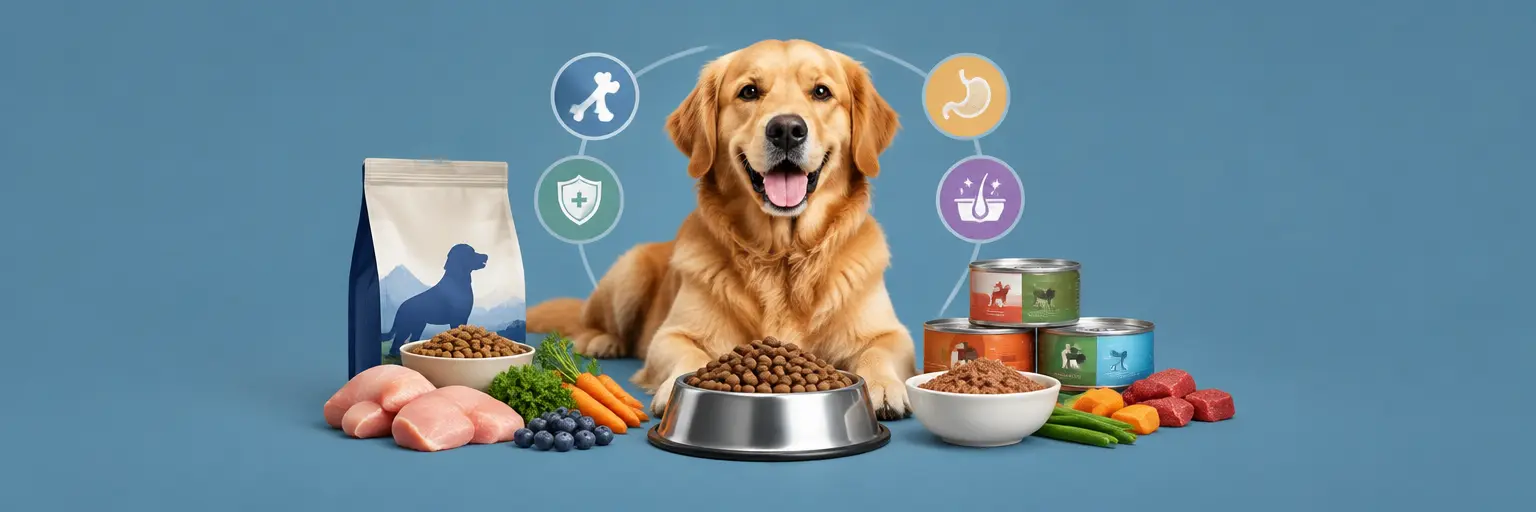
Choosing the right food for your furry friend is one of the most impactful decisions you’ll make as a pet parent, and our commercial dog food guide is here to simplify that journey. 🐶 From decoding cryptic ingredient labels and understanding nutritional adequacy statements to navigating the differences between dry kibble, wet food, freeze-dried options, and grain-free formulas, we break down everything you need to know with expert-backed clarity. Whether you have a playful puppy, a high-energy adult, or a senior dog with specific health needs, this guide helps you match high-quality proteins, healthy fats, and essential vitamins to your dog’s unique lifestyle and dietary sensitivities. ✅ We’ll also highlight trusted brands, AAFCO compliance, and how to spot marketing gimmicks, so you can make an informed, confident choice that supports long-term vitality, a shiny coat, and a happy tail. Stop guessing and start feeding with purpose—your dog’s bowl deserves science, not guesswork! Explore our tips to compare price vs. value, manage allergies, and even transition your pup to a new food seamlessly.

😊 Discover the best dog food for allergies at PetCareWorld! Our expert guide helps you navigate the options, ensuring your dog receives…
Read article
🤔 Uncover the truth behind those "filler" ingredients in your dog's food! PetCareWorld explains what's really in commercial dog food, separating fact…
Read article
🤔 Uncover the truth behind common commercial dog food myths! PetCareWorld separates fact from fiction, providing expert insights to help you make…
Read article
🤔 Discover the nutritional showdown: Raw dog food vs kibble. PetCareWorld's expert analysis compares benefits, risks, and cost-effectiveness, empowering you to make…
Read articleChoosing the right commercial dog food is one of the most important decisions you will make for your canine companion. With thousands of brands, formulas, and marketing claims on the market, it’s easy to feel overwhelmed. This guide breaks down everything you need to know—from reading ingredient labels and understanding AAFCO statements to comparing kibble, canned, and freeze-dried options. Whether you have a puppy, senior dog, or a pup with allergies, we provide clear, evidence-based advice to help you select a nutritionally complete diet that fits your budget and your dog’s unique needs.
Understanding what’s actually inside the bag is the first step to making a smart purchase. Ingredient lists are ordered by weight, so the first few items matter most. Look for a named protein source (like “chicken” or “beef”) as the first ingredient, not “meat meal” or vague by-products. Also, check for the AAFCO nutritional adequacy statement—this tells you the food is complete and balanced for your dog’s life stage.
Beware of marketing buzzwords like “human-grade” or “grain-free” unless they are backed by real science. Grains like rice and oats are not fillers; they provide energy and fiber. Equally important is avoiding artificial colors, preservatives (BHA, BHT), and excessive salt. Learn to spot hidden sugars and low-quality fat sources. By mastering label reading, you’ll avoid common pitfalls and choose a food that truly nourishes your dog, not just one with a pretty front label.
Each commercial format has its pros and cons. Dry kibble is convenient, shelf-stable, and great for dental health due to its crunchiness. However, it often contains more carbohydrates and fewer moisture than wet food. Canned wet food offers higher hydration, which is excellent for urinary health and picky eaters, but it’s pricier and spoils quickly once opened.
Fresh and freeze-dried diets have surged in popularity, offering minimally processed ingredients and high palatability, yet they can be expensive and require careful handling to avoid bacterial contamination. Semi-moist foods are often high in sugar and salt, so they are best avoided as daily staples. Your choice should depend on your dog’s health status, your budget, and your lifestyle. Many owners prefer a mix—kibble for convenience and wet food for moisture and flavor. Consult your vet to tailor the perfect combination for your dog’s specific calorie and hydration needs.
Dogs have different nutritional requirements as they age. Puppy formulas are higher in protein, fat, calcium, and phosphorus to support rapid growth and bone development. Adult maintenance foods balance energy and nutrients to prevent obesity. Senior dog diets often contain lower calories, added joint supplements (glucosamine and chondroitin), and easily digestible proteins to support aging kidneys and muscles.
Specialized formulas also address medical conditions like obesity, diabetes, or allergies. For instance, weight-loss foods add fiber and reduce fat while maintaining protein to preserve lean muscle mass. Limited-ingredient diets (LID) are designed for dogs with food sensitivities, using a single protein and carbohydrate source. Always transition to a new formula over 7–10 days to prevent digestive upset. Never guess—your veterinarian can run blood tests and body condition scores to recommend the exact life-stage or therapeutic formula your dog needs.
Price does not always equal quality, but cheap food often uses low-grade fillers and poor-quality protein. Budget-friendly brands like Purina One or Iams are still AAFCO-approved and can be perfectly adequate for healthy dogs. Premium brands (e.g., Hill’s Science Diet, Royal Canin) invest in research, quality sourcing, and digestibility, which can lead to smaller, more nutrient-dense portions—so you may actually feed less.
When comparing costs, calculate price per meal rather than per bag. A $70 bag of premium food that lasts 40 days may be more economical than a $40 bag that lasts 20 days because you must feed more of the cheaper product. Also, consider the cost of health consequences: poor nutrition can lead to chronic issues like skin allergies, obesity, and digestive disorders, resulting in high vet bills. Read independent reviews, talk to your breeder or vet, and check for feeding trials, not just formulation, to ensure your money buys real nourishment.
Switching dog food abruptly is a recipe for vomiting, diarrhea, or refusal to eat. The golden rule is to mix the old and new foods gradually over 7–10 days. Start with 25% new food mixed with 75% old, then move to 50/50, then 75/25, until the transition is complete. Monitor your dog’s stool consistency, energy level, and coat condition throughout the process.
If you are switching due to a medical issue (e.g., from chicken to salmon), use a shorter transition of 5–7 days unless your vet advises otherwise. Do not add extra treats or table scraps during the switch, as this can confuse the digestive system. For sensitive dogs, adding a probiotic supplement or a spoonful of plain pumpkin can ease the shift. If your dog experiences persistent diarrhea, vomiting, or itching, stop the transition and consult your vet—they may recommend a hydrolyzed protein or a different formula entirely.
No, grain-free is not inherently better. Most dogs can digest grains like rice and oats perfectly fine. In fact, the FDA has investigated a potential link between grain-free diets containing peas, lentils, and potatoes and a heart condition called dilated cardiomyopathy (DCM). Unless your dog has a confirmed grain allergy (rare), choose a balanced diet with grains for safety and lower cost.
Feeding amounts vary by brand, age, weight, and activity level, so always check the bag’s feeding chart. As a rule, adult dogs eat about 2–3% of their ideal body weight per day, split into two meals. Use a kitchen scale to measure kibble accurately, not a cup. Adjust portions based on your dog’s body condition and energy level, and consult your vet for a personalized plan.
The AAFCO statement verifies that a food meets minimum nutritional requirements for a specific life stage, such as “growth” or “maintenance.” It can be based on a recipe that meets nutrient profiles or on actual feeding trials. Foods without this statement are often treats or supplements, not complete meals. Always verify this statement to ensure your dog receives balanced nutrition.
Yes, mixing dry and wet food is generally safe and beneficial. It increases water intake, which supports kidney and bladder health, and often makes the meal more palatable. Just be sure to adjust the total portions to avoid overfeeding—wet food is about 70–80% water, so calculate calories accordingly. Use a 50/50 mix by volume, and reduce kibble slightly to maintain proper calorie balance.
Common signs include chronic itching, ear infections, frequent licking of paws, and loose stools. Food allergies often stem from proteins like chicken, beef, or dairy, not grains. To diagnose, your vet may recommend a strict elimination diet using a hydrolyzed protein food for 8–12 weeks. Do not self-diagnose with “grain-free” options—this can worsen the issue and delay proper treatment.







