The Truth About Matted Fur: Why Prevention is Key
😊 Matted fur isn't just unsightly; it's painful and unhealthy for your pet. Learn how to prevent matted pet fur through proper…
Read article
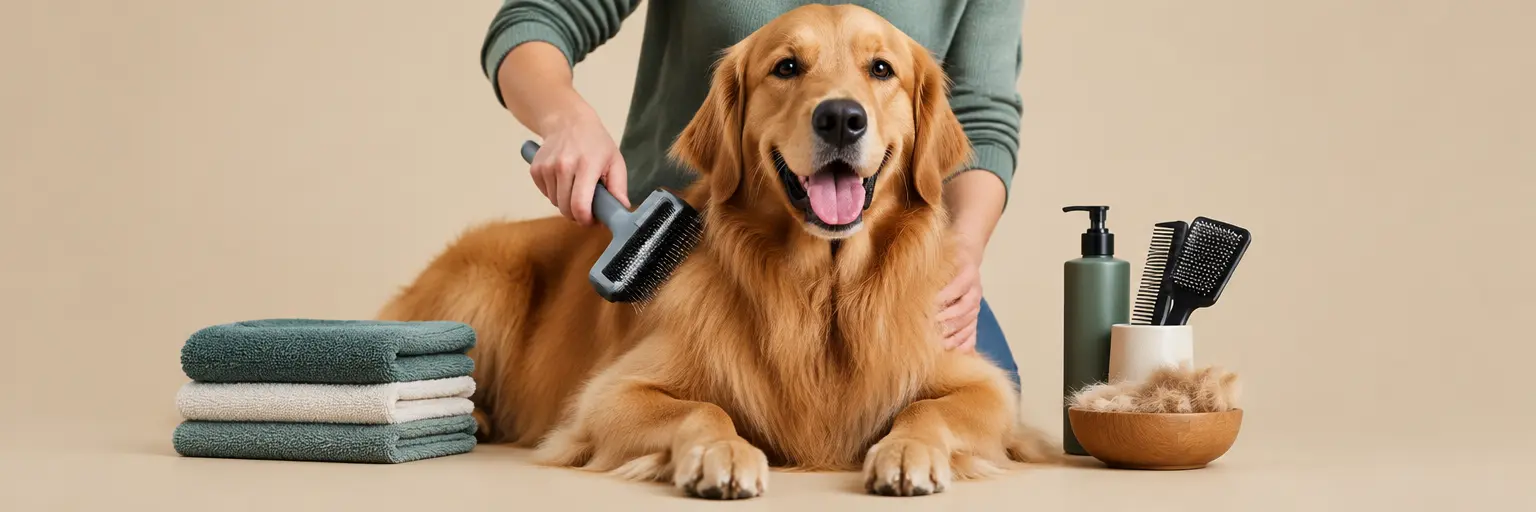
Discover the secrets to a healthier, happier pup with our expert brushing and coat care tips! 🐾 From reducing shedding and preventing painful mats to boosting your dog’s skin health and natural shine, regular grooming is more than just a beauty routine—it’s essential bonding time. Learn the right brush for every coat type, step-by-step detangling techniques, and how to make grooming a stress-free, positive experience for your furry friend. 🐕✨ Whether you have a long-haired golden, a curly-coated poodle, or a short-haired terrier, our practical, dog-approved methods will keep their coat luxurious and their tail wagging. Say goodbye to tangles and hello to a polished, comfortable companion! Start your coat care journey today and watch your dog glow with confidence. 🦴💖
😊 Matted fur isn't just unsightly; it's painful and unhealthy for your pet. Learn how to prevent matted pet fur through proper…
Read article
🤔 Discover the secrets to a healthy, shiny coat for your Husky or Golden Retriever! Our expert Husky Golden Retriever brushing guide…
Read article
😊 Master the art of longhaired dog breed brushing with PetCareWorld's expert guide. Discover advanced techniques beyond the basics for a healthy,…
Read article
😊 Combat excessive shedding with PetCareWorld's expert guide. Learn effective brushing techniques to minimize fur around your home. Our reduce dog shedding…
Read articleWelcome to PetCareWorld’s dedicated guide on brushing and coat care for dogs, a cornerstone of routine grooming that goes far beyond appearance. Proper coat maintenance improves skin health, reduces shedding, and strengthens the bond between you and your pet. Whether you have a double-coated Husky or a short-haired Beagle, daily brushing techniques, the right tools, and seasonal care are essential. This subcategory will walk you through every nuance—from selecting deshedding brushes to managing mats—ensuring your furry friend enjoys a comfortable, itch-free life while your home stays cleaner.
Every dog breed has unique fur density, length, and texture, and using the wrong brush can cause skin irritation or damage. For short-haired breeds like Labradors, a rubber curry brush or hound glove effectively removes loose hair while stimulating natural oil production. Long-haired breeds, such as Shih Tzus or Collies, benefit from slicker brushes and pin brushes that penetrate deep layers to detangle and distribute moisture. Double-coated breeds, including Golden Retrievers and German Shepherds, require undercoat rakes to reach the dense layer beneath the topcoat.
Always examine your dog’s skin before choosing a tool—sensitive areas need soft bristles, while thick coats demand sturdy stainless-steel pins. You should also consider your dog’s reaction to brushing; anxious pets may respond better to gentle rubber tools during training. Investing in professional-grade brushes from trusted brands ensures durability and safety. At PetCareWorld, we recommend rotating brushes for different body zones: a wide-toothed comb for the tail, a slicker for the chest, and a bristle brush for the back. Consistent brushing three to four times weekly prevents painful tangles.
Brushing alone cannot maintain a flawless coat; pairing it with the right products elevates skin hydration and adds shine. Choose a pH-balanced dog shampoo—never human shampoo—to avoid stripping natural oils. For dogs with dry, flaky skin, oatmeal-based formulas soothe irritation, while medicated shampoos with chlorhexidine address fungal or bacterial issues. Conditioners are equally vital for long-haired breeds, as they reduce breakage and make brushing easier by adding slip. Leave-in detangling sprays work wonders for mat-prone areas like behind the ears and under the legs.
Before bathing, always brush out debris and mats, as water tightens tangles and worsens them. Use lukewarm water and massage the shampoo from neck to tail, avoiding the face unless using a tear-free product. Rinse thoroughly, as residue causes itchiness. After drying with a microfiber towel, apply a light coat oil or coconut oil for extra luster. For dogs with sensitive skin, perform a patch test with new products. Regular grooming sessions combined with high-quality shampoos—used every three to six weeks—dramatically reduce shedding and keep your dog’s coat in top condition.
Dogs typically blow their coats twice a year—spring and fall—but indoor heating and artificial light can trigger constant shedding. During heavy shed seasons, increase brushing frequency to daily sessions to remove dead undercoat before it accumulates. A high-velocity dryer, available at professional groomers, blasts out loose fur effectively. In summer, you might be tempted to shave your dog for coolness, but this can damage their coat’s natural insulation and increase sunburn risk. Instead, thin the undercoat with a dematting comb to improve airflow while preserving the topcoat.
Winter requires extra attention to prevent snow clumps and ice buildup in paw pads and chest fur. Regular brushing keeps the coat fluffy, which actually traps body heat. In humid climates, moisture can lead to fungal infections under thick fur, so use an antifungal powder or keep the coat shorter. Monitor skin health during molts—redness or bald patches may indicate allergies. By adjusting your brushing schedule to the seasons, you manage shedding more efficiently and keep your dog comfortable year-round. Always pair seasonal grooming with flea and tick prevention.
Mats are not just unsightly—they pull on the skin, causing pain, bruising, and even bacterial infections if left untreated. For small tangles, apply a detangling spray and gently work through with a wide-tooth comb, starting from the edge of the mat and moving inward. For severe mats, never yank or cut close to the skin, as dog skin is thin and prone to tearing. Use a dematting tool or seam ripper to slice through the center of the mat, then comb out loose pieces. If the mat is tight against the skin, shave it with a #10 blade, but exercise extreme caution around thin areas.
Prevention is the best medicine: daily brushing, especially in friction zones like the neck, armpits, and hindquarters, stops mats from forming. Pay special attention to dogs with curly or wiry coats, such as Poodles and Schnauzers, which require professional grooming every four to six weeks. If your dog is severely matted, visiting a certified groomer is safer than attempting at-home removal. After detangling, wash with a moisturizing conditioner to restore elasticity. Always reward your dog with treats and praise to make grooming a positive experience, reducing future anxiety.
Brushing is more than a cosmetic ritual—it stimulates blood flow, distributing natural oils that shield skin from allergens and bacteria. This circulation promotes hair follicle health, leading to a denser, shinier coat. Regular sessions also act as a preventive health check, allowing you to spot lumps, ticks, fleas, or skin irritations early. Brushing massages acupressure points, which can relax tense muscles and reduce stress hormones. Additionally, it minimizes loose fur around your home, cutting down on allergens that trigger asthma or eczema in sensitive humans.
From a behavioral perspective, grooming builds trust and respect—it’s a shared quiet time that reinforces your role as a caretaker. Dogs that are used to brushing tolerate vet exams, nail trims, and ear cleaning more easily. Aim to keep sessions short (5 to 10 minutes) for puppies, gradually extending as they mature. Make it a routine after walks or before bed to create predictability. Combining brushing with treats turns a chore into a joyful ritual, ensuring your canine companion sees grooming as a loving interaction. This proactive care prevents costly vet visits for skin infections or severe matting.
Short-haired dogs need brushing two to three times weekly to remove loose fur and distribute oils. During shedding season, do it daily for a few minutes. Use a rubber curry brush or hound glove to effectively collect hair without irritating the skin.
No, human shampoo has a different pH level that disrupts a dog’s skin barrier, causing dryness and peeling. Always use a vet-approved dog shampoo and conditioner. If nothing else is available, diluted baby shampoo is a last resort, but not for regular use.
Dogs may dislike brushing due to past pain, sensitized skin, or discomfort from tangled mats. Start with soft tools, reward with treats, and brush gently during calm moments. Never force brushing—reintroduce slowly and pair every session with positive reinforcement.
No, shaving double-coated breeds hurts their ability to regulate temperature and increases sunburn risk. Instead, use an undercoat rake to remove loose fur and provide a cool, ventilated environment. Shaving can permanently damage the coat’s regrowth pattern.
Use an undercoat rake or a de-shedding tool like the FURminator, but only on the back and sides, not the tail or legs. Brush in short strokes once daily during shedding season. Follow with a slicker brush to catch any remaining loose strands.







