
The Litter Box and Illness: Recognizing Signs of Trouble

Welcome to PetCareWorld, your ultimate guide to a happier, healthier life for your beloved companions! We're passionate about providing pet owners with the knowledge they need to thrive, and that starts with understanding the subtle signals your pet might be sending. Is your cat's litter box behavior changing?
Learn to recognize the crucial Cat Litter Box Illness Signs that could indicate underlying health problems. Dive into our expert advice and discover how to ensure your feline friend remains purrfectly healthy. Explore the world of pet care with us and unlock the secrets to a fulfilling life shared with your animal companions.
- Understanding Your Cat's Litter Box Habits: A Baseline for Detecting Illness
-
Cat Litter Box Illness Signs: Recognizing Changes in Your Cat's Behavior
- Lethargy and Loss of Appetite: Connecting Litter Box Issues to Overall Health
- Changes in Water Consumption: Hydration and Urinary Tract Infections
- Pain or Discomfort During Urination or Defecation: Observing Your Cat's Body Language
- Increased Vocalization or Restlessness: Signs of Distress Related to Litter Box Issues
- Grooming Changes: A Subtle Indicator of Underlying Health Problems
-
Common Illnesses Manifested Through Litter Box Changes
- Urinary Tract Infections (UTIs) in Cats: Symptoms and Litter Box Implications
- Feline Lower Urinary Tract Disease (FLUTD): Recognizing the Signs
- Kidney Disease in Cats: How it Affects Litter Box Habits
- Diabetes in Cats: The Connection Between Blood Sugar and Litter Box Issues
- Constipation and Diarrhea in Cats: Impact on Litter Box Use
- Other Potential Illnesses Affecting Litter Box Use
- When to Seek Veterinary Care for Your Cat
- Preventing Litter Box Related Illnesses in Cats
-
Frequently Asked Questions
- What are some common signs of illness related to the litter box?
- My cat is suddenly avoiding the litter box. What could be wrong?
- How can I tell if my cat's litter box issues are due to behavioral problems or illness?
- My cat is having accidents outside the litter box. Is this always a sign of illness?
- Should I be concerned if my cat's urine smells stronger than usual?
- Final Reflection: The Silent Signals of Feline Illness
- Unlock Your Pet's Health Secrets: Take Action Now!
Understanding Your Cat's Litter Box Habits: A Baseline for Detecting Illness
Changes in your cat's litter box habits can be subtle, but they often serve as early warning signs of underlying health issues. This comprehensive guide will help you establish a baseline of normal litter box behavior for your feline friend and recognize when deviations might indicate illness. Understanding your cat's typical urination and defecation patterns is crucial for early detection of potential problems, allowing for prompt veterinary intervention and improving your cat's overall well-being.
Regular monitoring of your cat's litter box use is a vital component of responsible pet ownership, helping you to become a more proactive and informed caregiver. Ignoring changes in your cat's elimination habits can lead to more serious, and potentially more costly, health complications down the line.
This article focuses specifically on how changes in litter box use can signal illness, providing you with the knowledge to identify potential problems early and seek appropriate veterinary care. We'll explore key indicators, such as changes in urination and defecation frequency, volume, and consistency, empowering you to advocate for your cat's health.
Establishing Normal Litter Box Behavior for Your Cat
Before you can identify abnormalities, you need a clear understanding of your cat's normal litter box habits. This involves observing several key aspects of their elimination behaviors. Start by noting the frequency of urination and defecation – how many times a day does your cat typically use the litter box? Next, pay attention to the volume of urine and the consistency of feces. Is the urine typically a clear yellow or is it darker?
Are the stools well-formed, or are they loose, watery, or excessively hard? Keep a daily log for at least two weeks to establish a reliable baseline. Consider factors like your cat's age, diet, and overall health. Kittens, for instance, will naturally urinate and defecate more frequently than adult cats. Also note the time of day your cat typically uses the litter box; consistency in timing is also a helpful indicator.
Finally, observe your cat's behavior around the litter box—do they enter and exit easily, or do they seem hesitant or uncomfortable? Documenting these observations will help you quickly identify any deviations from the norm. Remember, even seemingly minor changes can signal a problem. A detailed record will be invaluable in communicating with your veterinarian. Don't hesitate to take photos or videos if you notice anything unusual.
Changes in Urination Frequency and Volume: A Key Indicator of Cat Illness
Significant changes in urination frequency and volume are often strong indicators of underlying health problems in cats. An increase in urination frequency (pollakiuria) could suggest a urinary tract infection (UTI), bladder stones, diabetes, or kidney disease. Conversely, a decrease in urination frequency (oliguria) or absence of urination (anuria) is a serious sign requiring immediate veterinary attention, often indicating kidney failure or blockage. Changes in urine volume are equally important. Increased urine volume (polyuria) is frequently associated with diabetes, kidney disease, or liver disease.
Decreased urine volume (oliguria) can signal dehydration, kidney failure, or urinary tract obstruction. Pay close attention to the color of your cat's urine. Darker-than-usual urine can indicate dehydration or liver problems. Cloudy or bloody urine is a clear sign of a potential urinary tract infection or other serious condition.
Note any straining or pain exhibited by your cat during urination. These behaviors often indicate discomfort or obstruction. The presence of crystals or stones in the urine is often detected during veterinary examination and should be treated promptly. Remember, prompt veterinary attention is crucial when you observe any substantial changes in your cat's urination habits.
Changes in Defecation Frequency and Consistency: Another Crucial Sign
Changes in your cat's defecation habits, much like urination changes, can be indicative of various health issues. Increased frequency of defecation (diarrhea) can stem from dietary indiscretions, stress, infections (viral, bacterial, parasitic), inflammatory bowel disease (IBD), or even cancer. Diarrhea can lead to dehydration, so it's crucial to monitor your cat's water intake and overall hydration status. Conversely, infrequent defecation (constipation) can be caused by megacolon, dehydration, dietary issues, or certain medications.
Constipation can lead to painful straining and even fecal impaction. Pay attention to the consistency of your cat's stools. Hard, dry stools point towards constipation, while soft or watery stools suggest diarrhea. The presence of blood in the feces (hematochezia) or mucus requires immediate veterinary attention, as it often indicates inflammation, infection, or injury in the gastrointestinal tract.
Changes in stool color can also be a valuable indicator. Very dark or black stools may indicate bleeding in the upper gastrointestinal tract, while pale or clay-colored stools can suggest liver problems. Any significant deviations in defecation frequency or consistency should prompt a veterinary consultation to rule out underlying medical conditions. Early detection and treatment are key to mitigating potential complications.
Unusual Urination or Defecation Locations: Beyond the Litter Box
Cats are creatures of habit. A sudden change in where they eliminate can be a strong indicator of underlying health issues. While occasional accidents happen, a persistent pattern of urinating or defecating outside the litter box warrants immediate veterinary attention. This behavior isn't simply about a messy cat; it's often a cry for help. Several factors can contribute to this change, and understanding them is crucial for timely intervention.
One common cause is urinary tract infections (UTIs). Painful urination can lead a cat to avoid the litter box, opting for more comfortable, accessible spots, like carpets or beds. The discomfort associated with a UTI can manifest in other ways too, such as straining during urination, frequent attempts to urinate with little output, or blood in the urine. These symptoms, coupled with inappropriate elimination, paint a clear picture of a potential UTI, requiring antibiotics and veterinary care.
Another potential culprit is feline idiopathic cystitis (FIC), a frustratingly common condition characterized by inflammation of the bladder. Unlike UTIs, FIC doesn't always involve bacterial infection. Instead, stress, diet, or even litter box issues can trigger inflammation, causing pain and discomfort that drives cats to urinate outside their designated area. FIC can present with similar symptoms to UTIs, including frequent urination, straining, and blood in the urine, but the underlying cause differs greatly. Treatment for FIC often focuses on stress reduction, dietary changes, and pain management.
Beyond urinary issues, gastrointestinal problems can also contribute to inappropriate elimination. Constipation, diarrhea, or intestinal inflammation can cause pain and discomfort, making it difficult or unpleasant for a cat to use the litter box. Diarrhea, in particular, can lead to accidents due to the urgency and frequency of bowel movements. Careful observation of stool consistency and frequency, along with other symptoms like vomiting or lethargy, is crucial in identifying gastrointestinal issues. Veterinary intervention may involve dietary adjustments, medication, or diagnostic tests to pinpoint the cause.
Finally, pain from other sources, such as arthritis or other musculoskeletal problems, could also lead to a cat avoiding the litter box. The difficulty in getting into or out of the box, or the pain associated with movement, can make it an undesirable place for elimination. Older cats are particularly susceptible to such issues. Observing your cat's mobility and overall comfort level is crucial in this scenario.
A cat consistently eliminating outside the litter box is rarely a simple behavioral problem. It often signals underlying medical conditions demanding prompt veterinary assessment. Early identification of these issues can significantly improve the cat's comfort and long-term health. Don't dismiss this behavior as mere misbehavior; instead, consider it a crucial sign that something needs attention. The sooner you address the underlying cause, the better the outcome for your feline companion.
Cat Litter Box Illness Signs: Recognizing Changes in Your Cat's Behavior
This section focuses on identifying subtle yet crucial behavioral shifts in your cat that might indicate underlying health problems manifesting through changes in litter box habits. These signs, often overlooked, can be early warnings of serious issues requiring veterinary attention. Early detection is key to effective treatment and a quicker return to your cat's normal, healthy self. Remember, consistent monitoring of your cat's litter box habits, combined with observation of their overall behavior, is crucial for proactive pet care. Paying close attention to “cat litter box illness signs” can save your feline friend significant discomfort.
Lethargy and Loss of Appetite: Connecting Litter Box Issues to Overall Health
A sudden change in your cat's energy levels and eating habits can be a significant indicator of illness, often linked to litter box problems. Lethargy, characterized by unusual sleepiness, lack of playfulness, and reduced interaction, frequently accompanies urinary tract infections (UTIs), kidney disease, and other conditions affecting urination or defecation. A decreased appetite, often accompanied by weight loss, further reinforces the possibility of a serious underlying health issue.
For example, a cat normally eager for mealtimes may suddenly refuse food, exhibiting a marked decrease in their usual enthusiasm. This, coupled with frequent trips to the litter box with minimal output (or straining to urinate/defecate), strongly suggests a visit to the veterinarian is necessary. Don't dismiss these seemingly unrelated symptoms; they often work in tandem, offering crucial clues to your cat's health.
Keep a detailed record of your cat's food intake, water consumption, and litter box visits. This information is invaluable when discussing your concerns with a vet. The combination of lethargy and appetite changes, especially when combined with abnormal litter box behavior, warrants immediate professional attention.
Changes in Water Consumption: Hydration and Urinary Tract Infections
Monitoring your cat's water intake can provide valuable insights into their overall health and potential urinary tract issues. Cats with UTIs often exhibit increased thirst and urination. This is their body's way of trying to flush out the infection. Conversely, a decrease in water consumption can also be a warning sign, as dehydration exacerbates many health problems, including kidney disease which can significantly impact litter box habits.
Consider a scenario where your cat, typically a moderate drinker, suddenly starts drinking excessively and uses the litter box more frequently. This could signal a UTI or another urinary tract problem. On the other hand, a cat that suddenly starts avoiding water, even when offered fresh, clean water, might be experiencing pain when urinating, leading to dehydration and further complications.
Regularly checking your cat's water bowl and noting any significant deviations from their typical drinking habits is a simple yet effective way to monitor their health. Remember that consistent monitoring, including paying attention to the color and frequency of urination, is crucial in detecting urinary problems early.
Pain or Discomfort During Urination or Defecation: Observing Your Cat's Body Language
Observe your cat's body language during litter box visits. Signs of pain or discomfort can be subtle but telling. These include vocalizations (meows or yelps), straining or squatting excessively, licking or grooming the genital area excessively, and exhibiting signs of general distress such as restlessness or hiding. These behaviors, when coupled with changes in the frequency or consistency of urination or defecation, are strong indicators of potential health problems.
For instance, a cat normally using the litter box without issue might start vocalizing while urinating or defecating, indicating pain or discomfort. You might also observe them straining excessively, spending unusually long periods in the litter box, or exhibiting signs of pain afterward, such as licking the area repeatedly. Such behaviors, particularly when combined with other symptoms like lethargy or changes in appetite or water consumption, require immediate veterinary attention.
Understanding your cat's typical litter box behavior is essential for recognizing deviations that could signify underlying illness. Documenting these observations helps provide your veterinarian with crucial information for a proper diagnosis.
Cats are typically quite private creatures when it comes to their elimination habits. A sudden increase in vocalization, particularly meows that seem unusually insistent or plaintive, could signal discomfort or pain associated with using the litter box. This vocalization might be accompanied by pacing, restlessness, or even attempts to eliminate outside the designated area. For example, a cat normally quiet during the day might start meowing incessantly, especially near the litter box, indicating a potential problem.
This behavior isn't necessarily specific to urinary tract infections (UTIs) alone; it could also point to constipation, anal gland issues, or even arthritis making it painful to use the box. The key is to observe the context of the vocalization. Is it directly related to the litter box?
Does your cat seem to be straining or exhibiting other signs of discomfort afterward? Consider keeping a detailed log of vocalizations and their timing relative to litter box use to help your veterinarian diagnose the problem. Don't dismiss these seemingly minor changes; they can be crucial indicators of underlying health issues affecting your cat's ability to use the litter box comfortably.
Grooming Changes: A Subtle Indicator of Underlying Health Problems
Changes in grooming habits can be a subtle yet significant indicator of underlying health problems manifesting as litter box issues. Cats are meticulous groomers, and a deviation from their normal routine often signals discomfort or pain. For instance, a cat that meticulously cleans itself after each urination or defecation might suddenly exhibit neglect in this area. This could be due to pain associated with the act of elimination, making the grooming process itself uncomfortable.
Conversely, excessive grooming in the genital or anal area could be a sign of irritation from urinary or fecal problems. It’s crucial to differentiate between a simple change in routine and a genuine shift indicative of illness. A gradual decrease in grooming might be a sign of aging or general lethargy, but a sudden and significant change warrants immediate attention.
For example, if your cat typically spends 20 minutes grooming after using the litter box and now only spends 5 minutes, or avoids the area altogether, it could indicate pain or discomfort. Observe the area your cat is neglecting or excessively grooming to pinpoint the potential source of discomfort. This detailed observation will provide valuable information for your veterinarian during the diagnostic process, helping them effectively address the root cause of the litter box problem.
Common Illnesses Manifested Through Litter Box Changes
Changes in your cat's litter box habits can be a crucial indicator of underlying health problems. While occasional variations are normal, persistent changes warrant immediate veterinary attention. This section details common feline illnesses that often manifest as altered litter box behavior, helping you recognize the signs and seek prompt treatment. Early detection is key to improving your cat's prognosis and overall well-being.
Understanding these connections can save your cat's life and prevent unnecessary suffering. The key is to be observant and proactive in monitoring your cat's litter box use. Remember, consistent monitoring is crucial for early detection of "Cat litter box illness signs."
Urinary Tract Infections (UTIs) in Cats: Symptoms and Litter Box Implications
Urinary Tract Infections (UTIs) are a common cause of litter box problems in cats. These infections can range in severity, from mild discomfort to life-threatening complications. Symptoms often include frequent urination, straining to urinate (sometimes resulting in accidents outside the litter box), blood in the urine (hematuria), and changes in urine volume or appearance (cloudy or foul-smelling urine). Cats with UTIs may also exhibit signs of pain or discomfort during urination, vocalizing or exhibiting restlessness.
The frequency of urination may increase significantly, leading to more frequent visits to the litter box. You might observe smaller amounts of urine than usual each time. A change in the location of urination may also indicate a UTI; your cat might start using areas outside the designated litter box due to pain associated with using the box.
The severity of the UTI will dictate the extent of these symptoms. Mild infections might only show subtle changes in litter box habits, while more severe cases can lead to complete urinary blockage, a life-threatening emergency. Early detection and veterinary intervention are critical in managing UTIs and preventing complications. Monitoring your cat's urination frequency, urine appearance, and overall behavior is essential for timely diagnosis and treatment. Remember, prompt treatment can significantly improve your cat’s comfort and prevent long-term health issues. 😼
Feline Lower Urinary Tract Disease (FLUTD): Recognizing the Signs
Feline Lower Urinary Tract Disease (FLUTD) encompasses a range of conditions affecting the bladder and urethra. It's a common and often painful problem in cats, and its symptoms often manifest as changes in litter box behavior. These changes can include straining to urinate, frequent urination (pollakiuria), crying out during urination, and inappropriate urination outside the litter box. FLUTD can also present as hematuria (blood in the urine), stranguria (painful or difficult urination), and even complete urinary blockage, a veterinary emergency. FLUTD can be idiopathic (no known cause) or linked to other conditions like stress, obesity, or dietary factors.
Unlike UTIs which are primarily bacterial infections, FLUTD can involve various factors, including inflammation, crystals, and stones in the urinary tract. Cats with FLUTD may show signs of lethargy, decreased appetite, and increased water intake. The changes in litter box habits are often dramatic and persistent, requiring veterinary intervention for diagnosis and management. Monitoring these signs and ensuring prompt veterinary care are crucial for improving your cat's quality of life and preventing serious complications. Remember, early intervention is key to managing FLUTD effectively.
Kidney Disease in Cats: How it Affects Litter Box Habits
Chronic kidney disease (CKD) is a progressive condition affecting the kidneys' ability to filter waste products from the blood. As kidney function declines, cats often experience increased thirst and urination (polydipsia and polyuria). This leads to more frequent visits to the litter box and potentially increased urine output. You may also notice a change in urine volume, with larger amounts of more dilute urine. In advanced stages of CKD, cats may exhibit weakness, lethargy, and loss of appetite.
The changes in litter box habits associated with CKD are often subtle at first, making early detection challenging. However, monitoring these changes, along with other symptoms like increased thirst and changes in appetite, can help in early diagnosis. Regular veterinary checkups, especially for older cats, are crucial for early detection and management of CKD.
While there's no cure for CKD, managing the condition through diet, medication, and supportive care can significantly improve your cat's quality of life and extend its lifespan. The key is early detection and proactive management of the disease to mitigate the symptoms and improve your cat's comfort. 🐈⬛
Diabetes in Cats: The Connection Between Blood Sugar and Litter Box Issues
Diabetes mellitus in cats, often referred to as feline diabetes, is a serious condition affecting glucose metabolism. This metabolic disorder can significantly impact a cat's urinary habits, leading to noticeable changes in their litter box use. Increased thirst (polydipsia) and increased urination (polyuria) are hallmark symptoms of diabetes. These symptoms directly relate to the body's attempt to flush out excess glucose through the kidneys.
Consequently, diabetic cats often urinate more frequently and produce larger volumes of urine. This can manifest in several ways regarding litter box behavior: increased frequency of litter box visits, accidents outside the box due to urgency, and potentially even inappropriate urination in unusual locations. The increased urine volume can also lead to more frequent cleaning of the litter box, as the odor becomes more intense. Furthermore, the weakened immune system often associated with poorly controlled diabetes can make cats more susceptible to urinary tract infections, further complicating litter box issues.
Early detection and management of feline diabetes are crucial to prevent long-term complications and improve the cat's overall quality of life, including maintaining normal litter box habits. Regular veterinary checkups, especially for older cats or those exhibiting weight loss or increased thirst/urination, are essential for early diagnosis and intervention. The earlier diabetes is diagnosed and treated, the better the prognosis for both the cat's health and litter box habits.
Constipation and Diarrhea in Cats: Impact on Litter Box Use
Changes in bowel movements, whether constipation or diarrhea, are significant indicators of potential health problems in cats and often directly affect litter box behavior. Constipation, characterized by infrequent and difficult bowel movements, can lead to straining in the litter box, potentially causing discomfort and even injury. A constipated cat may sit in the litter box for extended periods, exhibiting signs of discomfort or pain. They may also produce smaller, harder stools, which may be difficult to eliminate completely, resulting in incomplete defecation and subsequent soiling outside the litter box.
Conversely, diarrhea, characterized by frequent, loose, and watery stools, can cause accidents outside the litter box due to urgency and incontinence. The increased frequency and liquid nature of the stools can lead to messy litter boxes and a strong, unpleasant odor. Cats experiencing diarrhea may also exhibit signs of abdominal pain or discomfort, leading to reluctance to use the litter box.
Both constipation and diarrhea can be caused by a variety of factors, ranging from dietary issues to underlying medical conditions such as inflammatory bowel disease (IBD) or infections. Therefore, observing changes in stool consistency and frequency is crucial for early detection of potential health problems. A veterinarian should be consulted to determine the underlying cause and recommend appropriate treatment.
Other Potential Illnesses Affecting Litter Box Use
Beyond diabetes and gastrointestinal issues, several other illnesses can manifest through changes in litter box behavior. Urinary tract infections (UTIs) are very common in cats and often cause frequent, painful urination. This can lead to increased litter box usage, straining, and even accidents outside the box. Kidney disease, another prevalent condition, can also result in increased thirst and urination, mirroring some symptoms of diabetes.
Additionally, cognitive dysfunction syndrome (CDS), a condition similar to dementia in humans, can sometimes lead to inappropriate urination due to confusion or disorientation. Arthritis or other mobility issues can make it difficult for a cat to access the litter box, resulting in accidents. Finally, stress and anxiety can also lead to changes in litter box habits, although this is often more behavioral than directly related to a specific illness. It's important to note that changes in litter box use should always be evaluated by a veterinarian to rule out underlying medical conditions.
A thorough examination, including blood work and urinalysis, can help identify the cause of the problem and guide appropriate treatment. Ignoring changes in litter box behavior can lead to more severe health problems and negatively impact the cat's overall well-being. Early detection and intervention are key to managing these conditions effectively.
When to Seek Veterinary Care for Your Cat
Recognizing when your cat's litter box habits signal a potential health problem is crucial for their well-being. Changes in urination and defecation can be subtle at first, easily overlooked as minor quirks. However, persistent alterations often indicate underlying medical issues requiring veterinary intervention. This section will guide you in discerning when a simple observation warrants a call to your veterinarian. Understanding the nuances of feline elimination behavior is key to proactive pet care, helping you identify early warning signs of "cat litter box illness signs."
Urgent Situations Requiring Immediate Veterinary Attention
Some changes in your cat's litter box habits demand immediate veterinary attention. These are often signs of a serious, potentially life-threatening condition. Don't delay seeking help if you observe any of the following:
- Straining excessively to urinate or defecate: This could indicate a urinary tract obstruction (UTO), a painful and dangerous condition requiring immediate medical intervention. Cats with UTOs can become severely ill very quickly. The longer treatment is delayed, the greater the risk of permanent kidney damage or death.
- Inability to urinate or defecate: A complete blockage of the urinary tract or severe constipation requires emergency veterinary care. This is a critical situation and prompt action is vital.
- Blood in the urine or feces: The presence of blood is a serious indicator of potential infection, trauma, or other underlying health problems. Immediate veterinary assessment is essential to identify the cause and begin appropriate treatment.
- Lethargy, loss of appetite, and vomiting combined with litter box changes: These symptoms, combined with changes in urination or defecation, suggest a serious illness requiring rapid veterinary evaluation. This combination significantly increases the urgency of the situation.
- Frequent, small amounts of urination: This could signal a urinary tract infection (UTI) or kidney disease. While not always immediately life-threatening, it requires prompt veterinary attention to prevent complications.
When to Schedule a Routine Veterinary Checkup
While some litter box changes require immediate attention, others warrant a routine veterinary checkup. These changes might not be immediately life-threatening, but they still indicate a need for professional assessment and potentially preventative care. Consider scheduling a check-up if you notice:
- Increased frequency of urination or defecation: A significant increase in the number of times your cat uses the litter box, even without other symptoms, could indicate a urinary tract infection, diabetes, or other underlying medical conditions. Regular monitoring and veterinary check-ups are important.
- Changes in urine color or odor: A change from the typical pale yellow to a darker, more concentrated urine, or a strong, unusual odor, may signal dehydration, liver disease, or other health issues. Your veterinarian can perform a urinalysis to determine the cause.
- Occasional straining: While occasional straining isn't necessarily an emergency, repeated occurrences should be evaluated by a veterinarian. It could indicate constipation, arthritis, or other problems affecting mobility.
- Urinating or defecating outside the litter box (occasional): While this can be a behavioral problem, it can also be a symptom of underlying discomfort or illness. Your veterinarian can help determine the cause. Consider keeping a detailed log of these incidents, noting the frequency, time of day, and any other relevant observations. This information will be valuable for your veterinarian.
Preparing for a Veterinary Visit: Gathering Information and Samples
Before your veterinary visit, gather essential information to help your veterinarian make an accurate diagnosis. This proactive approach will streamline the process and ensure your cat receives the best possible care. Accurate information is crucial for effective treatment of "cat litter box illness signs."
- Detailed history of litter box changes: Note the onset, frequency, duration, and any noticeable patterns in your cat's litter box habits. Include any changes in urine color, consistency, or odor, as well as any straining or discomfort observed.
- Complete medical history of your cat: Provide your veterinarian with a thorough record of your cat's past medical history, including any previous illnesses, vaccinations, and medications.
- Dietary information: Include details about your cat's diet, such as the type of food, feeding schedule, and any recent changes in their diet.
- Lifestyle information: Provide information about your cat's lifestyle, including their activity level, stress level, and any recent changes in their environment. Environmental stressors can significantly impact a cat's health.
- Sample collection (if possible): If safe and feasible, collect a urine or fecal sample for testing. Follow your veterinarian's instructions carefully for proper collection and storage to ensure the sample's integrity. This will allow for quicker and more accurate diagnosis. This is especially crucial when dealing with suspected infections or other conditions affecting the urinary or digestive systems. Remember to handle samples hygienically to prevent exposure to any pathogens.
Remember, proactive monitoring and prompt veterinary care are essential for maintaining your cat's health and well-being. Early detection and treatment are key to managing potential health problems related to litter box changes. 😻
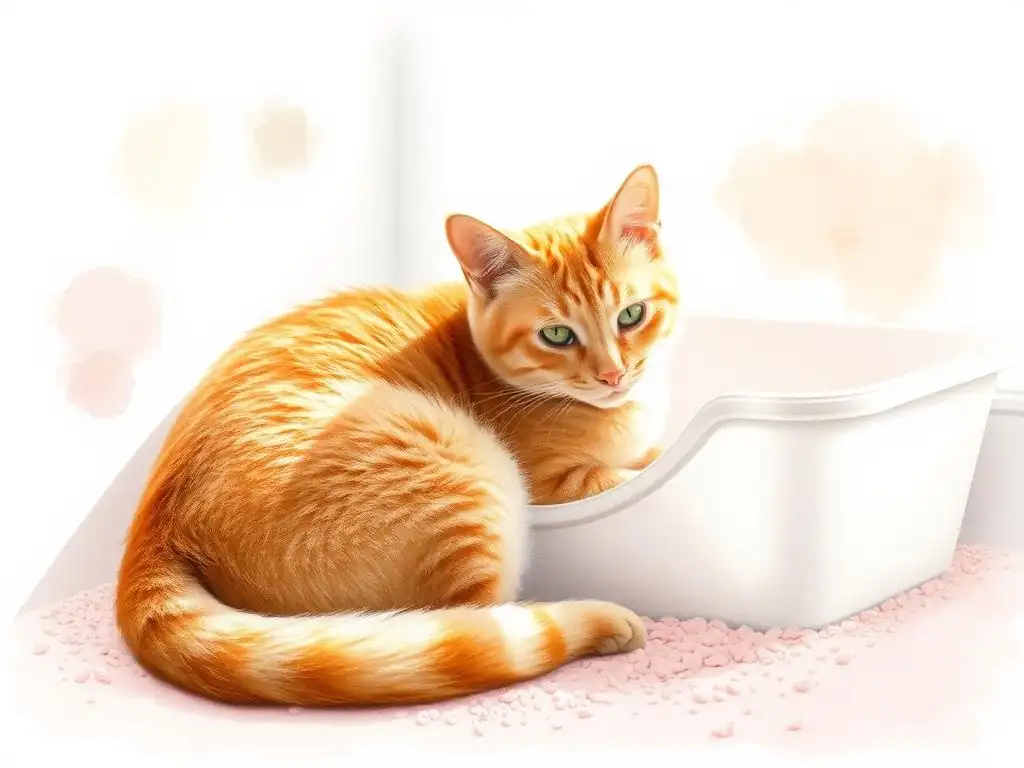
Cats are meticulous creatures, and their litter box habits often serve as a crucial indicator of their overall health. Changes in litter box behavior—frequency, posture, accidents outside the box—can signal underlying medical issues, impacting their urinary and gastrointestinal tracts. Proactive measures are essential in preventing litter box-related illnesses and ensuring your feline friend's well-being.
Understanding the connection between litter box issues and feline health is key to early intervention and preventing more serious complications. This section details preventative strategies to minimize the risk of litter box-associated illnesses, allowing you to better monitor your cat's health and address potential problems promptly.
Maintaining a Clean Litter Box: Hygiene and Prevention
Maintaining a pristine litter box is paramount in preventing urinary tract infections (UTIs) and other bacterial infections in cats. Bacteria thrive in unsanitary conditions, and neglecting litter box hygiene significantly increases the risk of your cat developing health problems. Aim to scoop the litter box at least once daily, removing solid waste and clumps. A completely fresh change of litter should be done at least once a week, or more frequently depending on the number of cats and the type of litter used.
Consider using biodegradable, low-dust litters to minimize respiratory irritation and improve overall air quality in your home, reducing the risk of airborne bacteria. Regular cleaning also helps to eliminate unpleasant odors that can deter your cat from using the box, leading to accidents elsewhere and potential stress. Remember, a clean litter box is a happy and healthy cat! 😻
Providing Proper Nutrition for Urinary Tract Health
Diet plays a pivotal role in maintaining urinary tract health in cats. A balanced diet, rich in the right nutrients, is crucial for preventing the formation of urinary crystals and stones, which are common causes of feline lower urinary tract disease (FLUTD). Look for cat foods specifically formulated to support urinary tract health. These often contain adjusted levels of minerals like magnesium and phosphorus, which can contribute to crystal formation.
Consult your veterinarian to determine the best dietary approach for your cat, considering factors like age, breed, and any pre-existing health conditions. Avoid feeding your cat table scraps, as many human foods are unsuitable for feline digestion and can exacerbate urinary tract issues. Providing the right nutrition is a proactive step in preventing litter box problems stemming from urinary tract health challenges.
Ensuring Access to Fresh Water: Hydration is Key
Adequate hydration is essential for maintaining a healthy urinary tract and preventing the formation of crystals and stones. Cats, unlike dogs, don't always drink as much water as they need, which can lead to concentrated urine and increased risk of urinary tract problems. Always ensure your cat has access to fresh, clean water at all times. Consider offering water in multiple locations throughout your home, using different types of bowls (ceramic, stainless steel) to see which your cat prefers. Some cats prefer running water; a pet fountain might be a good investment to encourage increased water intake.
Monitoring your cat's water consumption can be a helpful indicator of its overall health. Dehydration is a significant risk factor for many health problems, and ensuring sufficient water intake is a simple yet highly effective preventative measure for litter box-related illnesses. Remember, a well-hydrated cat is a healthier cat! 💧
Stress Reduction for Cats: Environmental Enrichment and Routine
Stress is a significant contributor to many feline health problems, including those manifesting as litter box issues. A stressed cat might urinate or defecate outside the litter box, exhibiting signs of illness even if no underlying medical condition exists. Therefore, creating a calm and enriching environment is crucial for preventing litter box-related illnesses. This involves several key strategies.
Firstly, providing ample vertical space is essential. Cats are naturally arboreal, and access to high perches allows them to feel secure and observe their surroundings from a safe vantage point. Cat trees, shelves, and window perches can all contribute to a cat's sense of safety and control.
Secondly, environmental enrichment is key. This includes providing a variety of toys, scratching posts, and interactive puzzle feeders. These activities stimulate a cat's natural hunting instincts, reducing boredom and stress. Rotating toys regularly keeps them engaging and prevents your cat from becoming disinterested. Remember that even simple changes, like moving furniture around occasionally, can provide mental stimulation and prevent the development of a monotonous routine, a major stress factor for cats.
Finally, establishing a consistent daily routine is paramount. Cats thrive on predictability. Feeding at the same times each day, providing regular playtime, and maintaining a consistent grooming schedule can significantly reduce stress levels. A predictable routine provides comfort and security, reducing the likelihood of stress-induced behavioral problems, including inappropriate elimination.
Inconsistency, on the other hand, can be a major trigger for stress and subsequent litter box issues. By carefully managing your cat's environment and routine, you can significantly reduce their stress levels and promote healthy litter box habits. Remember, a happy, relaxed cat is less likely to develop litter box problems linked to stress.
Regular Veterinary Checkups: Early Detection and Prevention
Regular veterinary checkups are essential for the early detection and prevention of various health issues that can affect a cat's ability to use the litter box properly. Many medical conditions, such as urinary tract infections (UTIs), kidney disease, diabetes, and arthritis, can cause changes in urination and defecation habits. These changes might manifest as increased frequency, straining to urinate or defecate, accidents outside the litter box, or changes in the consistency of urine or feces. Early detection is crucial for successful treatment.
During routine checkups, your veterinarian will conduct a thorough physical examination, assess your cat's overall health, and discuss any changes in behavior or litter box habits you've observed. Blood and urine tests can help diagnose underlying medical conditions. Early intervention can often prevent more serious complications and improve your cat's quality of life. For example, a UTI, if left untreated, can lead to chronic kidney disease.
Similarly, arthritis can make it painful for a cat to reach the litter box, leading to accidents outside the box. By scheduling regular checkups, you are proactively safeguarding your cat's health and well-being, reducing the likelihood of litter box problems stemming from underlying illnesses. Think of these checkups as preventative maintenance, ensuring your cat remains happy and healthy. Early detection truly is key to managing and preventing many cat litter box illness signs.
Frequently Asked Questions
Changes in litter box habits are often a key indicator. Look for increased urination or defecation, straining, or changes in stool consistency or color. These could signal underlying health problems.
My cat is suddenly avoiding the litter box. What could be wrong?
Several things can cause this. Painful urinary tract infections or constipation are common culprits. Also consider arthritis making it difficult to reach the box, or stress from environmental changes. A vet visit is recommended.
How can I tell if my cat's litter box issues are due to behavioral problems or illness?
Distinguishing between behavioral and medical causes can be tricky. Consistent changes, especially when accompanied by other symptoms like lethargy or loss of appetite, strongly suggest an underlying illness. A vet can help determine the root cause.
My cat is having accidents outside the litter box. Is this always a sign of illness?
No, accidents can stem from behavioral issues as well. However, if the accidents are sudden and accompanied by other symptoms like changes in urination or defecation, it warrants a vet check-up to rule out any medical conditions.
Should I be concerned if my cat's urine smells stronger than usual?
A stronger urine odor can be a sign of various problems, including urinary tract infections (UTIs) or kidney disease. Consult your veterinarian if you notice a change in the smell, color, or frequency of your cat's urination.
Final Reflection: The Silent Signals of Feline Illness
The litter box isn't just a receptacle for waste; it's a crucial window into your cat's health. Changes in litter box habits can be subtle, easily overlooked, yet often signal underlying medical issues that, if left untreated, can severely impact your beloved companion's well-being. Ignoring these silent signals can have devastating consequences.
Understanding the intricate connection between a cat's litter box behavior and its overall health has profoundly impacted my own approach to pet care. It's a stark reminder that attentive observation is paramount. The best thing one can do when you're feeling overwhelmed is to slow down and observe.
This quote, while not specifically about cats, perfectly encapsulates the importance of paying close attention to the seemingly insignificant details of our pets' daily routines. By recognizing the subtle shifts in their litter box habits, we can become proactive guardians of their health, preventing minor issues from escalating into major crises.
Now, I challenge you to become a more observant cat owner. Take a moment to reflect on your cat's litter box habits. Are there any changes, however small, that you've noticed? Don't dismiss them. Instead, use this knowledge to empower yourself to advocate for your feline friend's health. Schedule a veterinary checkup if you have any concerns, and remember that early detection is key to ensuring a long and happy life for your cherished companion.
Unlock Your Pet's Health Secrets: Take Action Now!
Thank you for learning how to recognize illness through your cat's litter box habits. You've gained valuable insights into potential health indicators – now let's put that knowledge to practical use!
Here's how you can proactively care for your feline friend:
- Schedule a veterinary checkup: This is the most crucial step. Don't wait for symptoms to worsen; an early visit can prevent serious problems later.
- Maintain a detailed record of your cat's litter box use: Track changes in your cat's bathroom habits – frequency, consistency, and any unusual behaviors. This information will be invaluable to your veterinarian.
- Connect with other pet owners: Share your experiences in our online community forums! Learning from each other helps us all become better pet caregivers.
What small step will you take today to better monitor your cat's health?