
Home Monitoring for Cats with UTIs: What to Watch for and When to Seek Help

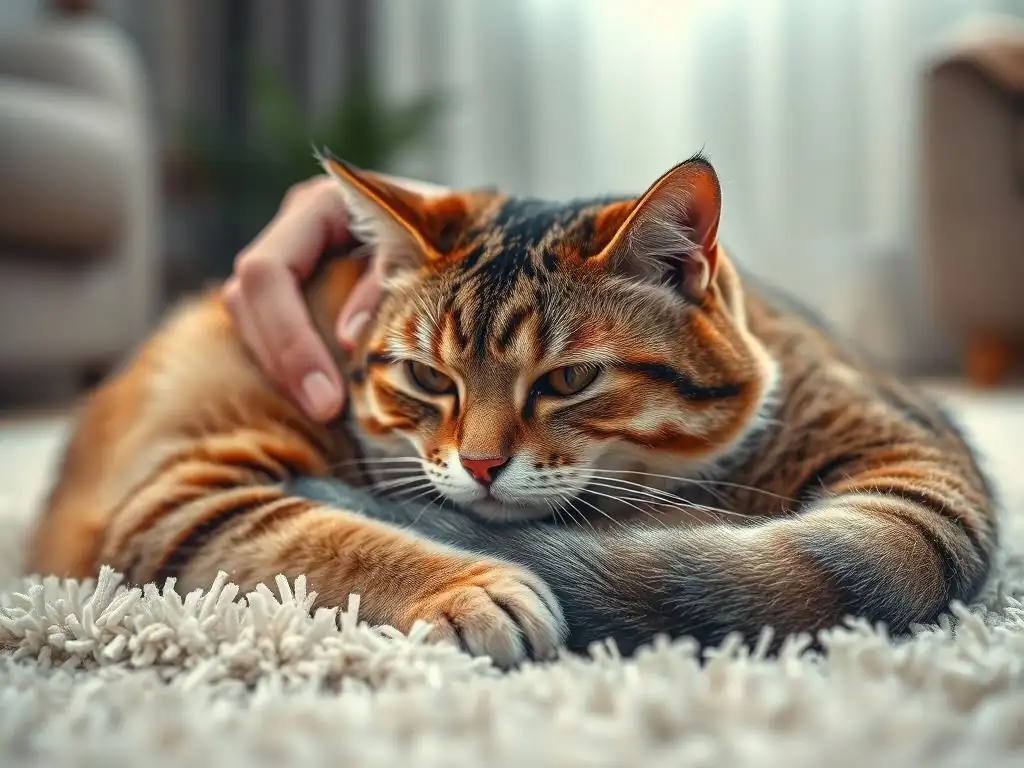
Welcome to PetCareWorld, your ultimate guide to the wonderful world of pet care! Are you concerned about your feline friend? Learn to identify the subtle yet crucial home monitoring signs of a Cat UTI before they escalate. Our expert guide on recognizing and responding to urinary tract infections in cats offers invaluable insights to help you provide the best possible care. Discover how early detection can make all the difference – explore now and ensure your cat's comfort and well-being.
- Understanding Feline Urinary Tract Infections (UTIs)
-
Home Monitoring for Cat UTI Signs: A Practical Guide
- Monitoring Your Cat's Urination Habits: Frequency and Volume
- Assessing Urine Appearance: Color, Odor, and Presence of Blood
- Observing Your Cat's Litter Box Behavior: Changes in Habits
- Monitoring Your Cat's Overall Health and Behavior: Lethargy, Pain
- Monitoring Your Cat's Urination Habits: Frequency, Difficulty, and Appearance of Urine
- Monitoring Your Cat's Water Intake and Appetite: Dehydration and Loss of Appetite
- When to Seek Veterinary Care for Suspected Cat UTIs
- Supporting Your Cat's Recovery from a UTI
- Preventing Future UTIs in Cats
-
Frequently Asked Questions
- What are the common signs of a UTI in cats that I can monitor at home?
- How often should I check my cat for signs of a UTI?
- My cat is straining to urinate but doesn't seem otherwise unwell. Should I still be concerned?
- What are some subtle signs of a UTI in cats I might miss?
- When should I take my cat to the vet for suspected UTI?
- Final Reflection: The Silent Suffering of Our Feline Companions
- Unlock Your Cat's Health Secrets: Take Action Now!
Understanding Feline Urinary Tract Infections (UTIs)
Feline urinary tract infections (UTIs), while less common in cats than in dogs, can be a serious and painful condition requiring prompt veterinary attention. Unlike humans, cats rarely experience the classic symptoms associated with UTIs, making early detection challenging. This article serves as a guide for pet owners on how to effectively monitor their cats at home for signs of a UTI, enabling quicker diagnosis and treatment, ultimately improving their feline companion's quality of life.
Recognizing the subtle signs of a UTI is crucial, as early intervention can prevent complications such as kidney damage or bladder stones. We'll explore the common and less obvious symptoms, helping you differentiate them from other potential feline illnesses, empowering you to make informed decisions regarding your cat's health.
This guide focuses on providing practical advice for home monitoring, emphasizing when professional veterinary care becomes absolutely necessary. Early detection is key to successful treatment and preventing long-term health issues for your beloved cat.
Recognizing Common UTI Symptoms in Cats
While the typical human UTI symptoms (frequent urination, burning sensation, cloudy urine) aren't always present in cats, some noticeable signs can indicate a problem. These common symptoms, while not exclusive to UTIs, should prompt further investigation:
- Increased frequency of urination: Your cat may be using the litter box more often than usual, even at night. Pay close attention to any changes in their bathroom habits.
- Straining to urinate: Observe your cat during urination. Straining, vocalization (meowing or crying), or squatting for extended periods are all potential warning signs.
- Blood in the urine (hematuria): This is a significant indicator requiring immediate veterinary attention. Notice any pink, red, or brown discoloration in your cat's urine. This warrants a visit to the vet as soon as possible.
- Pain or discomfort during urination: Changes in your cat's behavior, such as hissing or crying during urination, could signal pain.
- Changes in urine appearance: Look for changes in the color, odor, or consistency of your cat's urine. Cloudy or unusually strong-smelling urine may be indicative of a problem.
Remember, observing these symptoms doesn't automatically mean your cat has a UTI. However, they are strong indicators that warrant further investigation and a visit to your veterinarian. Keeping detailed records of your cat's urination habits can be invaluable when discussing their condition with your vet.
Subtle Signs of a Cat UTI: Don't Overlook These
Beyond the more obvious symptoms, several subtle signs can indicate a developing UTI. These often get overlooked, delaying diagnosis and potentially leading to more severe complications. Pay close attention to:
- Lethargy and decreased appetite: A cat with a UTI might become less active and show less interest in food. This is often a non-specific symptom, but combined with other signs, it can be significant.
- Increased thirst (polydipsia): Your cat may drink more water than usual. Monitor their water intake and note any significant increases.
- Changes in grooming habits: Some cats become less meticulous about grooming due to discomfort or illness.
- Vocalization outside of the litter box: Meowing or crying could indicate discomfort related to urination.
- Inappropriate urination: While less common with UTIs than with other urinary problems, some cats may start urinating outside the litter box due to pain or discomfort.
These subtle signs, while often easily missed, are crucial indicators that shouldn't be disregarded. Combining these subtle observations with the more common symptoms provides a more complete picture of your cat's health. A detailed account of these changes will be helpful during your vet's examination.
Differentiating UTI Symptoms from Other Cat Illnesses
It's important to understand that many of the symptoms listed above can also be associated with other feline illnesses. For example, increased thirst and urination can be symptoms of diabetes, kidney disease, or hyperthyroidism. Straining to urinate can be a sign of urinary blockage, a life-threatening condition. Therefore, it is crucial to consult your veterinarian for a proper diagnosis.
They can perform tests such as a urinalysis and possibly blood work to determine the underlying cause of your cat's symptoms. Self-treating can be dangerous and delay appropriate medical care. Never attempt to diagnose or treat your cat's illness without professional veterinary guidance. Early and accurate diagnosis is vital for effective treatment and improved prognosis.
Home Monitoring for Cat UTI Signs: A Practical Guide
This section provides a detailed guide on how to effectively monitor your cat at home for signs of a urinary tract infection (UTI). Early detection is crucial for successful treatment and preventing complications. Remember, this information is for guidance only and should not replace professional veterinary advice. Always consult your veterinarian if you suspect your cat has a UTI.
Recognizing the subtle signs of a feline UTI is key to prompt intervention, improving your cat's chances of a speedy recovery. This guide focuses on key indicators you can observe at home, helping you become a more proactive caregiver in managing your cat's health. The keyword "Cat UTI home monitoring signs" is central to this guide.
Monitoring Your Cat's Urination Habits: Frequency and Volume
Changes in urination are often the first noticeable signs of a UTI in cats. Pay close attention to both the frequency and volume of your cat's urination. A healthy cat typically urinates several times a day, with consistent volume. However, cats with UTIs may exhibit significant deviations from their normal pattern.
- Increased Frequency: You might notice your cat using the litter box more often than usual, perhaps even exhibiting signs of urgency or straining to urinate. This increased frequency is a common indicator that something is amiss and warrants further investigation. For instance, a cat that normally uses the litter box three times a day might start using it six or more times.
- Decreased Volume: Even with increased frequency, the amount of urine produced might be significantly less than normal. You may observe smaller puddles of urine in the litter box, or your cat may struggle to produce any urine at all. This reduced urine output is a serious sign and requires immediate veterinary attention.
- Straining to Urinate: Observe your cat carefully during urination. Straining, crying out, or squatting for extended periods are all strong indicators of a potential urinary problem. This behavior can be distressing for both the cat and the owner and should be addressed promptly. Keep a detailed record of these observations, noting the date and time of each instance.
Assessing Urine Appearance: Color, Odor, and Presence of Blood
Analyzing your cat's urine can offer valuable insights into their health. While you shouldn't handle urine directly, observing its characteristics in the litter box can provide crucial clues. Remember to always maintain good hygiene and use appropriate cleaning supplies.
- Color Changes: Normal cat urine is typically a pale yellow to amber color. A darker, more concentrated color could signify dehydration or a problem with urine concentration, which is often associated with UTIs. Significant changes in color should be noted and reported to your veterinarian.
- Unusual Odor: A strong, pungent, or unusually foul odor coming from the urine can indicate the presence of infection or other urinary abnormalities. A change in the typical scent of your cat's urine is a noticeable sign that something might be wrong. Compare the current smell to your recollection of the usual scent.
- Presence of Blood (Hematuria): The presence of blood in the urine (hematuria) is a serious sign and requires immediate veterinary attention. This can range from a noticeable reddish tint to visible blood clots. Blood in the urine is a clear indication of a potential UTI or other serious urinary tract issue. Documenting the presence and amount of blood is vital for informing your veterinarian.
Observing Your Cat's Litter Box Behavior: Changes in Habits
Cats are creatures of habit, and any deviation from their established litter box routines can be a significant indicator of a health problem, including a UTI.
- Avoiding the Litter Box: If your cat suddenly starts avoiding the litter box or urinating outside of it, this is a major red flag. This behavior can be caused by pain, discomfort, or other urinary issues. Consider the cat's access to the litter box; is it easily accessible and clean? A UTI can cause pain during urination, prompting your cat to avoid the litter box.
- Inappropriate Urination: Urinating outside the litter box is a sign of distress. This can manifest as spraying, urination in unusual locations, or even accidents within the house. Note the location and frequency of these incidents.
- Vocalization During Litter Box Use: Meowing, crying, or hissing while using the litter box can indicate pain or discomfort. These vocalizations often accompany straining or difficulty urinating. Documenting these sounds and their association with litter box use is crucial for your veterinarian.
Remember, consistent monitoring and prompt veterinary care are crucial for managing feline UTIs effectively. This guide provides tools for early detection, but a professional diagnosis and treatment plan are essential for your cat's well-being. Early intervention significantly increases the chances of a successful outcome.
Monitoring Your Cat's Overall Health and Behavior: Lethargy, Pain
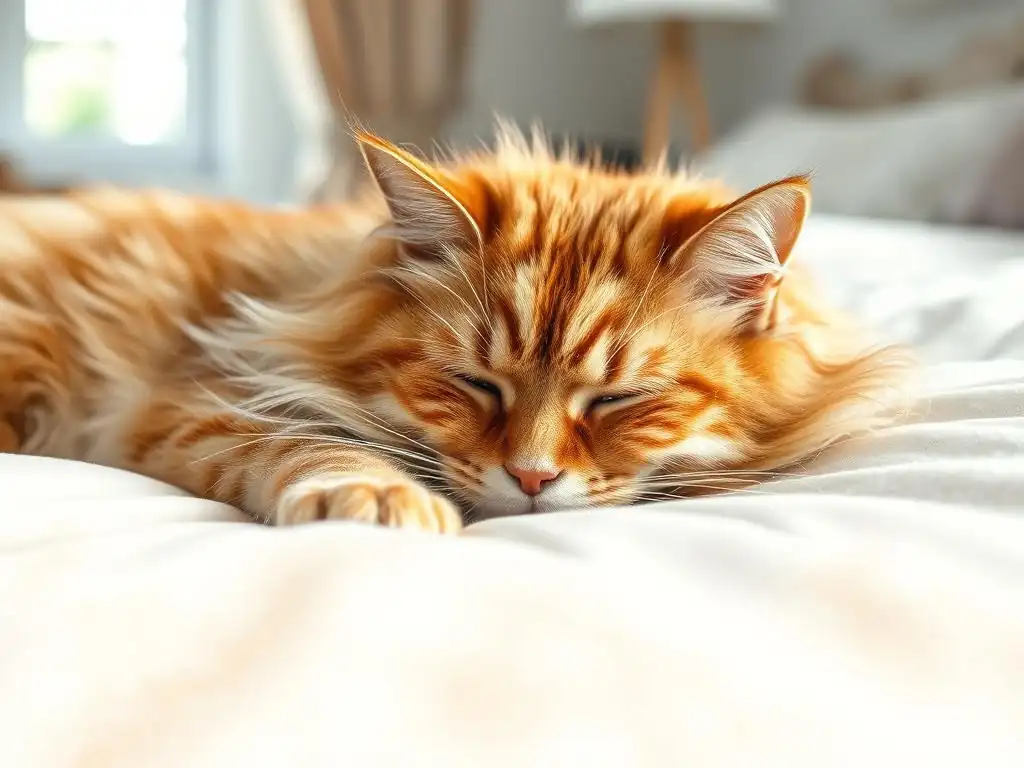
Cats are masters of masking illness, making early detection of a urinary tract infection (UTI) crucial. A significant indicator of a UTI, often overlooked, is a change in your cat's usual behavior and overall health. Lethargy, a noticeable decrease in energy levels, is a common symptom.
Instead of their usual playful antics, a cat with a UTI might spend most of their day sleeping or exhibiting minimal interest in their surroundings. This lethargy can manifest as a reluctance to engage in activities they normally enjoy, such as playing with toys or interacting with family members. The shift from an active, playful cat to a subdued, sleepy one should raise immediate concern and warrant further investigation.
Beyond lethargy, pain is another key behavioral indicator. A cat experiencing pain associated with a UTI may exhibit subtle signs, such as vocalization during urination, straining to urinate, or even crying out in discomfort. They may also become more irritable and less tolerant of being handled, especially around their abdomen. Observe your cat's posture; a hunched back or a reluctance to jump or climb could indicate pain.
Remember that even seemingly minor changes in your cat's behavior warrant attention; pain associated with a UTI can be significant, and your cat's attempts to communicate this discomfort may be subtle. Early recognition of pain is paramount to preventing further complications. Pain management is a crucial aspect of treating UTIs, and early intervention can significantly improve your cat's comfort and recovery. Careful observation of your cat's behavior is the first and often most critical step in detecting a UTI.
Monitoring Your Cat's Urination Habits: Frequency, Difficulty, and Appearance of Urine
Changes in urination are primary indicators of a feline UTI. Increased frequency of urination is a hallmark symptom. You might notice your cat using the litter box more often than usual, even at night. This is often accompanied by smaller volumes of urine each time. This increased frequency isn't simply about needing to urinate more; it reflects the discomfort and inflammation in the urinary tract. The cat's body is trying to eliminate the infection, but the process is painful and inefficient.
Difficulty urinating is another critical sign. Observe your cat closely during urination. Straining, vocalizing, or squatting for extended periods are all red flags. You might even notice blood in the urine (hematuria), indicating inflammation or damage to the urinary tract. The urine itself can provide valuable clues. Changes in color, odor, or cloudiness can all suggest a problem.
Normally, cat urine is pale yellow and relatively clear. If you notice a darker, cloudy, or unusually strong-smelling urine, this should be cause for immediate concern and prompt veterinary examination. A detailed record of your cat's urination habits, including frequency, volume, and the appearance of the urine, will be invaluable information for your veterinarian. Regularly checking the litter box for any irregularities is a proactive approach to early UTI detection. Don't hesitate to document any changes you observe, even if they seem minor.
Monitoring Your Cat's Water Intake and Appetite: Dehydration and Loss of Appetite
A cat's hydration levels and appetite can be significant indicators of underlying health issues, including UTIs. Increased water intake is often associated with UTIs as the body attempts to flush out the infection. Observe your cat's water bowl; if it's consistently empty and your cat seems to be drinking more than usual, this could be a sign. Conversely, a decreased appetite is another common symptom.
Cats with UTIs may lose interest in their food due to discomfort or nausea. This can lead to weight loss if left untreated. Pay close attention to your cat's eating habits and their overall weight. Any significant changes in either should be considered a warning sign.
Dehydration can be a serious complication of UTIs, as the increased urination leads to fluid loss. Signs of dehydration include lethargy, dry gums, and decreased skin elasticity (skin tenting). Dehydration can worsen the severity of the UTI and can have serious consequences if not addressed promptly. Monitoring your cat's water intake and appetite is essential for early detection and prevention of complications.
Keep a close eye on your cat's water consumption and food intake, and consult your veterinarian if you notice any significant changes. Regular weighing of your cat can also help you to monitor their weight and detect any potential weight loss, which could be an indicator of a problem. Remember, early intervention is crucial for successful treatment and to improve your cat's overall well-being.
When to Seek Veterinary Care for Suspected Cat UTIs
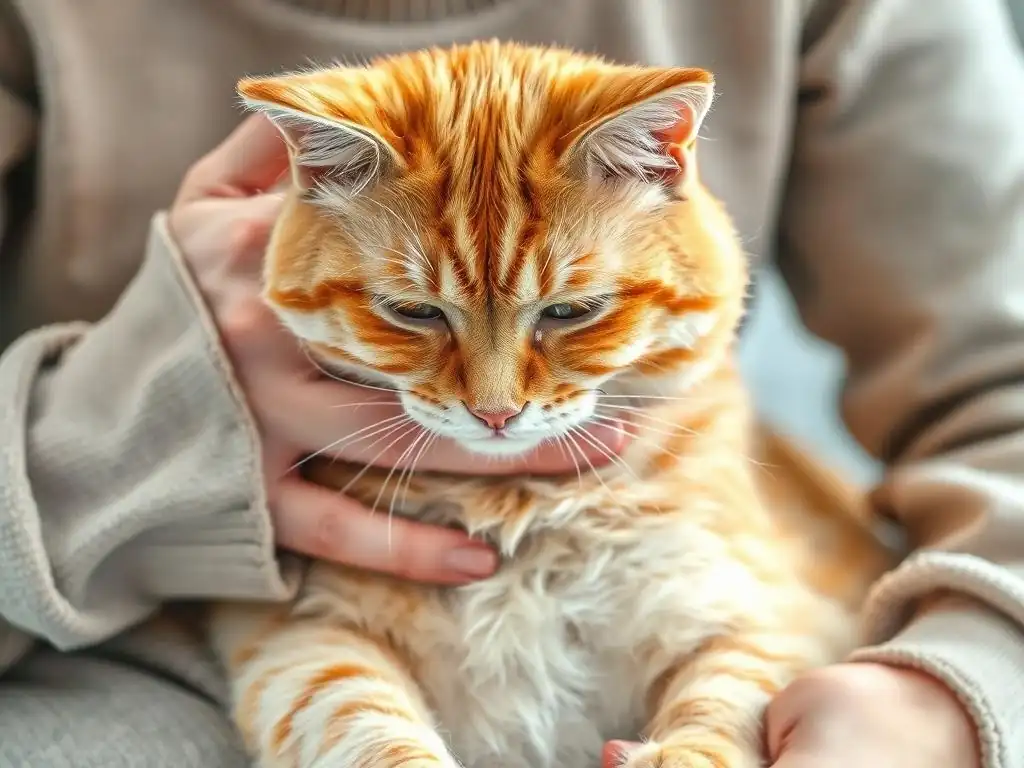
Recognizing the signs of a urinary tract infection (UTI) in your feline companion is crucial for their well-being. While home monitoring can help you track your cat's condition, it's vital to understand when professional veterinary intervention becomes necessary. Early diagnosis and treatment are key to preventing complications and ensuring a swift recovery for your cat. This section details when to seek veterinary care, focusing on identifying both emergency situations and less urgent but still important symptoms.
Remember, even seemingly minor changes in your cat's behavior or urination habits could indicate a developing UTI and warrant a vet's assessment. Proactive monitoring and timely intervention are essential components of responsible cat ownership. This information is for educational purposes only and should not replace professional veterinary advice.
Emergency Signs Requiring Immediate Veterinary Attention
Certain symptoms indicate a life-threatening urinary emergency requiring immediate veterinary attention. These situations demand immediate action to prevent potentially fatal complications. Do not delay seeking veterinary care if you observe any of the following:
- Inability to urinate (stranguria): This is a critical sign, as a blockage in the urethra can lead to kidney failure within a short period. Your cat may strain excessively in the litter box without producing urine, or they may cry out in pain. This is a true emergency. 😿
- Bloody urine (hematuria): While some blood in the urine might indicate a less severe issue, significant bleeding is a serious sign requiring immediate veterinary intervention. The presence of blood often suggests inflammation or infection, and prompt treatment is vital.
- Lethargy and depression: Extreme lethargy, beyond typical cat behavior, coupled with other UTI symptoms, suggests a serious underlying problem that requires prompt veterinary attention. A severely ill cat will be unresponsive and appear weak.
- Vomiting and diarrhea: While not always directly related to UTIs, these symptoms, when combined with urinary issues, point towards a more severe illness that needs immediate professional assessment.
- High fever: A significantly elevated body temperature, often accompanied by other UTI signs, necessitates immediate veterinary care. Fever indicates a serious infection that requires prompt treatment.
When to Schedule an Appointment with Your Veterinarian
Even if your cat isn't exhibiting emergency symptoms, several indicators warrant scheduling a veterinary appointment. These signs, while not immediately life-threatening, still suggest a potential UTI that requires professional diagnosis and treatment to prevent complications. These include:
- Frequent attempts to urinate with small amounts of urine: This indicates that your cat might be experiencing discomfort or pain while urinating, or that there's a partial obstruction.
- Changes in urination habits: If your cat suddenly starts urinating outside the litter box, this could signal discomfort or pain associated with urination.
- Increased thirst and drinking: Increased water intake, often accompanied by increased urination, can be a sign of the body trying to flush out the infection.
- Pain or discomfort during urination: Your cat may vocalize or exhibit other signs of discomfort while urinating, such as straining or crouching repeatedly.
- Cloudy or foul-smelling urine: While not always indicative of a UTI, these changes can suggest an infection and warrant veterinary evaluation. Observe the color and odor of your cat's urine regularly.
Preparing for Your Vet Visit: Gathering Information and Samples
Before your appointment, gather information to help your veterinarian diagnose and treat your cat effectively. This proactive approach can significantly improve the efficiency and effectiveness of the visit. Consider the following:
- Detailed history of symptoms: Note when you first noticed changes in your cat's urination habits, the frequency and severity of symptoms, and any other relevant observations. Accurate record-keeping is crucial.
- Sample of your cat's urine: If possible, collect a fresh urine sample in a clean container. This allows for immediate laboratory analysis, speeding up diagnosis. Note the time of collection.
- List of medications: Provide your veterinarian with a complete list of any medications your cat is currently taking, including supplements. This helps prevent drug interactions.
- Questions for your veterinarian: Prepare a list of questions beforehand to ensure you get all the necessary information during your visit. This proactive approach will help you receive the best care for your cat.
Remember, early detection and prompt treatment are crucial for managing feline UTIs. Careful home monitoring combined with timely veterinary intervention ensures the best possible outcome for your beloved pet. Don't hesitate to contact your veterinarian if you have any concerns about your cat's health.
Supporting Your Cat's Recovery from a UTI
Successfully managing a feline urinary tract infection (UTI) requires diligent home monitoring and supportive care alongside veterinary treatment. Early detection and consistent observation are crucial for preventing complications and ensuring a full recovery. This section focuses on practical steps you can take at home to aid your cat's healing process. Understanding the subtle signs of a UTI relapse is key to minimizing the risk of recurrence and improving your cat's overall well-being. Remember, this information is for supportive care only; always consult your veterinarian for diagnosis and treatment.
Dietary Changes to Support Urinary Tract Health
Dietary adjustments play a significant role in preventing UTI recurrence and supporting urinary tract health. Veterinarians often recommend switching to a prescription diet formulated to acidify urine, which inhibits bacterial growth. These diets typically contain controlled levels of minerals like magnesium and phosphorus, which can contribute to struvite crystal formation.
Specific dietary changes may include:
- Increased water intake through wet food: Switching from dry kibble to wet food significantly increases water consumption, crucial for flushing out bacteria and preventing crystal formation. Aim for a diet that is at least 70% moisture content.
- Prescription diets: These diets are specifically formulated to manage urinary tract health issues. They often contain ingredients that help to acidify urine and prevent crystal formation. Your vet can recommend the appropriate brand and type based on your cat's individual needs.
- Limited phosphorus and magnesium: These minerals can contribute to struvite crystal formation, a common cause of UTIs. A diet lower in these minerals can help reduce the risk of recurrence.
- Cranberry supplements (with vet approval): Some studies suggest that cranberry supplements may help prevent bacterial adhesion to the urinary tract walls. However, it's crucial to discuss this with your veterinarian before administering any supplements to your cat, as they can interact with other medications.
The effectiveness of dietary changes varies depending on the underlying cause of the UTI and your cat's individual response. Consistent monitoring of urine output and any behavioral changes is essential. Remember to always follow your veterinarian's recommendations for dietary management.
Hydration Strategies for Cats with UTIs
Adequate hydration is paramount in flushing out bacteria and preventing crystal formation in the urinary tract. Cats with UTIs often suffer from reduced water intake due to discomfort or pain, exacerbating the problem. Therefore, implementing effective hydration strategies is vital for recovery.
Here are some proven techniques to encourage your cat to drink more water:
- Multiple water bowls: Placing several water bowls in different locations around the house, including some at elevated heights, can encourage your cat to drink more frequently.
- Fresh, clean water: Always ensure the water is fresh and clean. Regularly change the water in the bowls throughout the day.
- Water fountains: Cats are often attracted to running water. A cat water fountain can significantly increase their water intake.
- Adding flavor enhancers (with vet approval): Some cats may be more inclined to drink water if it has a slight flavor. However, always consult your veterinarian before adding anything to your cat's water, as some substances can be harmful. Low-sodium chicken broth (unsalted) in small quantities can sometimes be appealing.
- Wet food: As previously mentioned, increasing wet food intake significantly boosts hydration levels.
Monitoring your cat's urine output is a crucial aspect of hydration management. Observe the frequency and volume of urination. Changes in these aspects can indicate a problem. Consult your veterinarian immediately if you notice any significant decrease in urine production or changes in urine color or odor.
Creating a Stress-Free Environment for Your Cat
Stress can significantly exacerbate feline urinary tract issues. A stressful environment can weaken the immune system, making your cat more susceptible to infections and hindering its recovery. Creating a calm and relaxing atmosphere is crucial for supporting your cat's recovery and preventing future UTIs.
Several strategies can help reduce stress levels in your feline companion:
- Safe spaces: Provide your cat with quiet, safe spaces where it can retreat and feel secure, such as a cat tree, a comfortable bed, or a secluded corner.
- Reduce noise and commotion: Minimize loud noises and sudden movements that might frighten or stress your cat.
- Consistent routine: Maintain a consistent daily routine for feeding, playtime, and litter box usage. Predictability reduces anxiety.
- Environmental enrichment: Provide stimulating activities such as interactive toys, scratching posts, and climbing structures to keep your cat entertained and engaged. This prevents boredom, a common cause of stress.
- Positive reinforcement: Use positive reinforcement techniques during training and interactions to build a strong bond of trust and reduce stress.
Regularly assess your cat's behavior and body language for signs of stress, such as hiding, over-grooming, changes in appetite, or aggression. Addressing the underlying causes of stress is vital for preventing future UTIs and improving your cat's overall well-being. Remember that a happy and relaxed cat is a healthier cat. Early detection and proactive management of stress are key elements in supporting your cat's recovery from a UTI and preventing future occurrences.
Preventing Future UTIs in Cats
Once your cat has experienced a urinary tract infection (UTI), preventing future occurrences becomes paramount. Understanding the underlying causes and implementing preventative measures significantly reduces the risk of recurrence. This section focuses on proactive strategies to safeguard your feline companion's urinary health, minimizing discomfort and potential complications associated with recurring UTIs. Careful attention to hydration, diet, and stress management are key components of a successful preventative plan. Remember, early detection and prompt veterinary care remain crucial, even with preventative measures in place. Consistent monitoring for "Cat UTI home monitoring signs" is still essential.
Maintaining Proper Hydration Levels
Maintaining adequate hydration is crucial for preventing UTIs in cats. Water helps flush out bacteria and other irritants from the urinary tract, reducing the risk of infection. Dehydration concentrates urine, making it easier for bacteria to multiply and cause infection. Aim for your cat to drink plenty of fresh, clean water throughout the day. Several strategies can encourage increased water intake:
- Multiple Water Bowls: Place several water bowls in different locations around your house, ensuring easy access for your cat. Some cats prefer different bowl types or locations. Experiment to find what works best for your pet.
- Water Fountains: Many cats are attracted to the moving water in fountains. The constant circulation keeps the water fresh and oxygenated, making it more appealing.
- Adding Flavor Enhancers: While not recommended long-term without veterinary approval, you can temporarily add a small amount of low-sodium cat broth or tuna water (without salt) to their water to entice them to drink more. Always check the ingredients for potential irritants.
- Wet Food: Wet food contributes significantly to your cat's daily fluid intake. Increasing the proportion of wet food in their diet can help boost hydration levels.
Monitor your cat's urine output. If you notice a decrease in urination or changes in urine color (darker than usual), consult your veterinarian immediately. These could be early warning "Cat UTI home monitoring signs."
Providing a Balanced Diet for Urinary Health
Dietary choices play a significant role in preventing feline UTIs. Certain ingredients can contribute to the formation of urinary crystals, increasing the risk of infection. Consult your veterinarian about a diet specifically formulated to support urinary health. These diets are often designed to:
- Reduce Urinary pH: Maintaining a slightly acidic urinary pH can help prevent the formation of certain types of crystals.
- Limit Minerals: Restricting minerals like magnesium and phosphorus can reduce crystal formation.
- Increase Water Content: Some diets are formulated with higher moisture content, contributing to better hydration.
Avoid feeding your cat foods high in magnesium and ash content. Always read food labels carefully and choose high-quality cat food that meets your cat's specific needs. Remember, sudden dietary changes should always be discussed with your veterinarian. Sudden changes can sometimes trigger stress, another contributing factor to UTIs. Regularly checking your cat for "Cat UTI home monitoring signs" remains important, even with dietary modifications.
Stress Reduction Techniques for Cats
Stress is a significant contributing factor to feline UTIs. Cats are sensitive creatures, and changes in their environment or routine can trigger stress responses. Implementing stress-reduction techniques can significantly improve your cat's overall well-being and reduce their risk of UTIs. Consider these strategies:
- Create a Safe and Predictable Environment: Cats thrive on routine and predictability. Provide them with a safe, quiet space where they can retreat when they feel overwhelmed.
- Environmental Enrichment: Provide plenty of toys, scratching posts, and climbing opportunities to keep your cat entertained and stimulated. This helps prevent boredom and stress.
- Positive Reinforcement Training: Use positive reinforcement techniques to train your cat and build a strong bond. Avoid punishment-based training, which can increase stress levels.
- Feliway Diffusers: Feliway diffusers release pheromones that can help calm and reduce stress in cats. These diffusers can be particularly helpful during stressful periods, such as moving or introducing a new pet.
Regular interaction and playtime are crucial for reducing stress. Pay close attention to your cat's behavior and body language. Changes in appetite, litter box habits, or grooming habits could be indicators of stress and potential "Cat UTI home monitoring signs." Early intervention is vital in managing stress and preventing related health issues.
Frequently Asked Questions
What are the common signs of a UTI in cats that I can monitor at home?
Changes in urination habits are key. Look for straining to urinate, increased frequency, smaller amounts of urine, or bloody urine. These warrant veterinary attention.
How often should I check my cat for signs of a UTI?
Ideally, monitor your cat daily for any changes in their behavior or urination habits. Pay close attention during litter box use. Early detection is crucial.
My cat is straining to urinate but doesn't seem otherwise unwell. Should I still be concerned?
Yes, straining to urinate is a serious sign and requires immediate veterinary attention. Even without other symptoms, a urinary blockage could be life-threatening.
What are some subtle signs of a UTI in cats I might miss?
Subtle signs include increased thirst, lethargy, or changes in appetite. While less obvious than urination issues, these can indicate underlying health problems, including UTIs.
When should I take my cat to the vet for suspected UTI?
Seek veterinary care immediately if you notice any changes in urination, such as straining, increased frequency, blood in the urine, or accidents outside the litter box. Don't delay; prompt treatment is essential.
Final Reflection: The Silent Suffering of Our Feline Companions
Early detection of feline UTIs is crucial, as untreated infections can lead to severe, life-threatening complications. Ignoring the subtle signs can mean the difference between a swift recovery and a prolonged, painful ordeal for your beloved cat. This is not just about managing a medical condition; it's about recognizing the silent suffering of our furry friends and acting proactively to alleviate their pain.
The emotional toll of witnessing a cat struggle with a UTI is immense. It's heartbreaking to see a creature so independent and graceful become withdrawn and uncomfortable. The subtle changes in behavior – the increased thirst, the strained urination, the litter box avoidance – are often easily missed, highlighting the importance of vigilant observation. The best friend a man can have is a dog, but the best cat you can have is a cat.
This quote, while humorous, underscores the unique bond we share with our feline companions, a bond that demands our attention and understanding when they are unwell.
You are now equipped with the knowledge to become a more attentive and proactive caregiver. Take the time to observe your cat's behavior carefully. Learn to recognize the early warning signs of a UTI. Don't hesitate to seek veterinary help at the first sign of trouble. Remember, early intervention is key to a successful outcome and a happier, healthier cat. Your vigilance and love can make all the difference in the world to your feline friend.
Unlock Your Cat's Health Secrets: Take Action Now!
Thank you for learning about supporting your cat through a urinary tract infection (UTI). We hope this guide has provided you with the knowledge to better understand and address this common feline issue. Now, let's put that knowledge into practice!
- Prioritize your cat's comfort: Carefully monitor your cat's behavior and urination habits over the next few days. Report any changes to your veterinarian immediately if you notice signs of ongoing discomfort or infection. Early intervention is crucial.
- Share this vital information: Help other cat owners avoid the worry of UTIs by sharing this article with your pet-loving friends and family on social media. Let's spread awareness and empower fellow cat parents!
- Dive deeper into feline health: Explore PetCareWorld.org for more informative articles on cat health and wellness. You'll find expert advice on a wide range of topics to keep your furry friend happy and healthy.
Ready to become your cat's ultimate health advocate? What's the first step you'll take today to ensure their urinary health?