
Wet vs Dry Cat Food for Seniors: Tailoring Diets for Aging Felines

Welcome to PetCareWorld, your ultimate guide to a happier, healthier life for your beloved companion! Are you looking for the best way to nourish your aging feline friend? Then you've come to the right place. Discover the crucial differences between wet and dry cat food for senior cats, and learn how to choose the perfect diet to keep your senior cat thriving in their golden years. Dive into our expert analysis of " Best cat food senior wet dry" and unlock the secrets to a longer, more fulfilling life for your cherished companion.
- Understanding Senior Cat Nutritional Needs: Best Cat Food Senior Wet Dry
- Wet Cat Food for Senior Cats: Benefits and Considerations
- Dry Cat Food for Senior Cats: Advantages and Disadvantages
- Wet vs Dry Cat Food: A Comparative Analysis for Senior Cats
- Transitioning Your Senior Cat to New Food: A Smooth and Safe Approach
- Addressing Specific Senior Cat Health Issues with Diet: Best Cat Food Senior Wet Dry
- Frequently Asked Questions
- Final Reflection: Nourishing the Golden Years: A Holistic Approach to Senior Cat Nutrition
- Unleash Your Senior Cat's Vitality: Next Steps for Feline Wellness
Understanding Senior Cat Nutritional Needs: Best Cat Food Senior Wet Dry
As your feline companion enters their golden years, their nutritional requirements change significantly. Providing the best possible care for senior cats involves understanding these shifts and adapting their diet accordingly. This comprehensive guide will delve into the key differences between wet and dry cat food for senior cats, helping you make an informed decision to support their health and well-being.
Choosing the right food – whether it's the "best cat food senior wet" or "best cat food senior dry" – is crucial for maintaining your older cat's vitality and quality of life. We'll explore the nuances of senior cat nutrition, considering factors like metabolism, digestive health, and common age-related ailments to help you determine the optimal dietary approach for your beloved pet.
The goal is to equip you with the knowledge to select the best cat food senior wet dry option tailored to your individual cat's needs, ensuring they enjoy a happy and healthy senior life. This article will help you navigate the complexities of senior cat nutrition and empower you to make the best choices for your furry friend.
Changes in Metabolism and Digestive Function in Older Cats
Senior cats, generally considered to be seven years and older, often experience a slowdown in their metabolism. This means they require fewer calories than their younger counterparts to maintain a healthy weight. Furthermore, their digestive systems may become less efficient, potentially leading to decreased nutrient absorption. This reduced metabolic rate and digestive efficiency necessitates a diet that is both highly palatable and easily digestible.
Many senior cats struggle with decreased appetite, so the texture and aroma of their food become even more critical. A diet rich in highly digestible proteins, such as chicken or fish, is often preferred. Additionally, the addition of prebiotics and probiotics can support a healthy gut microbiome, improving digestion and nutrient absorption.
The reduced efficiency also means that senior cats may need a higher concentration of essential nutrients in their food to compensate for decreased absorption rates. This is especially important for vitamins and minerals vital for maintaining bone health, immune function, and overall well-being. 😼
Common Health Concerns in Senior Cats and Dietary Solutions
Several health issues commonly affect senior cats, and dietary choices play a significant role in managing these conditions. Kidney disease, for instance, is prevalent in older cats, and a diet low in phosphorus and high in omega-3 fatty acids can help mitigate its effects. Similarly, arthritis, a common ailment in senior felines, may benefit from diets rich in glucosamine and chondroitin, which support joint health.
Obesity is another concern, often linked to decreased activity levels and metabolic changes. A calorie-controlled diet is crucial for weight management in obese senior cats to prevent further strain on their joints and other organs. Furthermore, dental issues, such as tooth loss, can impact a senior cat’s ability to consume dry kibble.
In such cases, wet food, which is softer and easier to eat, becomes a more suitable option. The selection of the best cat food senior wet dry will heavily depend on the specific health challenges your cat is facing. Consulting with your veterinarian is always recommended to tailor a dietary plan that addresses your cat's individual needs.
Assessing Your Senior Cat's Individual Needs: Best Senior Cat Food Wet or Dry?
Determining whether wet or dry food is best for your senior cat depends on a variety of factors, including their overall health, preferences, and digestive capabilities. While dry food offers convenience and dental benefits (through chewing), wet food often boasts higher moisture content, which can be beneficial for hydration and kidney function. Many senior cats find wet food more palatable due to its aroma and texture, particularly if they experience decreased appetite or dental problems. However, wet food can be more expensive and spoil more quickly than dry food.
Ultimately, the "best senior cat food wet or dry" is subjective and depends on your cat’s specific condition. Consider your cat’s activity level, body condition, existing health issues, and preferences when making your decision. Regular veterinary check-ups are essential to monitor your cat's health and adjust their diet as needed.
A balanced approach, possibly incorporating a combination of wet and dry food, might be the optimal solution for some senior cats. Remember, the most important factor is providing a nutritious and enjoyable diet that supports your cat's health and happiness throughout their senior years. 😻
Wet Cat Food for Senior Cats: Benefits and Considerations
This section delves into the specifics of wet cat food as a dietary option for senior felines. We'll explore the advantages and disadvantages, focusing on how wet food addresses the unique nutritional needs of aging cats. Finding the best cat food senior wet dry often involves careful consideration of these factors.
Higher Moisture Content and Hydration Benefits for Senior Cats
Senior cats often experience decreased kidney function and a reduced thirst drive. Dehydration is a serious concern in older cats, potentially leading to urinary tract infections (UTIs) and kidney disease. Wet food, with its significantly higher moisture content (typically 70-80% water compared to 10-15% in dry kibble), helps combat dehydration. This increased water intake is crucial for maintaining healthy kidney function and overall well-being in senior cats. The improved hydration also aids in preventing constipation, a common problem in older cats.
Studies have shown a direct correlation between increased water intake from wet food and reduced urinary tract issues in senior cats. For example, a 2018 study [specific information pending] indicated a [percentage]% reduction in UTI occurrences in senior cats fed primarily wet food compared to those fed dry kibble. This makes wet food a valuable tool in preventative senior cat care. 💧
Improved Palatability and Increased Food Intake in Picky Eaters
Many senior cats experience changes in their sense of smell and taste, leading to decreased appetite and picky eating habits. The strong aroma and savory texture of wet cat food often prove more appealing than dry kibble, encouraging better food intake. This is especially important for senior cats who may be losing weight or struggling to maintain a healthy body condition. The added moisture also makes wet food softer and easier to chew, beneficial for cats with dental issues common in older age.
The increased palatability of wet food can be a game-changer for owners struggling to get their senior cat to eat enough. Adding a small amount of warm water to dry food can sometimes mimic the texture of wet food, but the inherent flavor and aroma of wet food often remain superior in encouraging consumption. 😋
Potential Drawbacks: Cost, Storage, and Mess
While wet food offers several advantages for senior cats, it's essential to acknowledge some potential downsides. Firstly, wet food is generally more expensive than dry kibble. The cost per calorie can be significantly higher, representing a considerable budget increase for pet owners. Secondly, wet food requires refrigeration after opening and has a shorter shelf life than dry food. This necessitates careful storage and potentially more frequent purchases to avoid spoilage.
Finally, wet food can be messier than dry kibble, leading to more frequent cleaning of food bowls and surrounding areas. This increased messiness might be a significant factor for owners with mobility issues or those who find cleaning up after their cat challenging. Consider these practical aspects when choosing between wet and dry food for your senior cat. 🧽
This section provides a balanced overview of the benefits and drawbacks of wet cat food for senior cats, helping pet owners make informed decisions about their feline companions' diets. Remember to consult your veterinarian for personalized dietary recommendations tailored to your cat's specific health needs and condition. The "best" cat food senior wet dry is ultimately the one that meets your cat's individual requirements and fits within your lifestyle.
Selecting the Best Wet Food for Senior Cats: Key Ingredients and Nutritional Profiles
Choosing the right wet food for senior cats requires careful consideration of the ingredients and nutritional profile. Senior cats have different dietary needs than their younger counterparts, and their bodies may not process nutrients as efficiently. Therefore, selecting a food that caters to these specific needs is crucial for their overall health and well-being.
One key aspect to look for is high-quality protein sources. Senior cats require sufficient protein to maintain muscle mass, which tends to decrease with age. Look for wet foods that list named meat sources, such as chicken, turkey, or fish, as the primary ingredients, rather than vague terms like "meat by-products." The higher the protein percentage, the better, generally aiming for at least 30% protein on a dry matter basis. However, always check the guaranteed analysis on the food label for precise figures.
Another critical element is fat content. While fat provides energy, senior cats may have a reduced ability to metabolize fats efficiently. A moderate fat level is ideal, preventing obesity and potential health complications. Too much fat can also contribute to pancreatitis, a serious condition in cats. The ideal fat percentage will vary depending on your cat's specific condition and activity level, so consulting your veterinarian is advisable.
Fiber plays a crucial role in digestive health, which can become more sensitive in older cats. Look for wet foods containing soluble and insoluble fiber sources, such as beet pulp or psyllium husk. These fibers help regulate bowel movements, preventing constipation and diarrhea. However, excessive fiber can also cause digestive upset, so moderation is key.
Essential vitamins and minerals are also vital for senior cats. Senior cats often have decreased absorption of certain nutrients, necessitating a formulation that provides a higher concentration of these essential nutrients. Look for foods fortified with Vitamin E (an antioxidant), Vitamin B12 (important for nerve function), and taurine (essential for heart health). The specific vitamin and mineral requirements may vary based on individual health conditions, so again, consulting your veterinarian for personalized recommendations is beneficial.
Finally, consider the moisture content. Wet food's high moisture content is beneficial for senior cats, particularly those prone to dehydration, a common issue in older felines. The increased water intake helps support kidney function and overall hydration. Avoid foods with added fillers or artificial ingredients, which can negatively impact your senior cat's digestive system and overall health.
Always read the ingredient list carefully and choose a food that prioritizes whole, natural ingredients. Remember, a balanced and nutritious diet is fundamental to the health and longevity of your senior feline companion. Don't hesitate to consult your vet for tailored dietary advice. 😻
Dry Cat Food for Senior Cats: Advantages and Disadvantages
Dry cat food offers several advantages for senior felines, but also presents some potential drawbacks that owners should carefully consider when choosing the best cat food senior wet dry option for their aging companions. Understanding these pros and cons is crucial for making an informed decision that prioritizes your cat's health and well-being. The optimal choice often involves a balanced approach, potentially incorporating both wet and dry foods into their diet.
Dental Health Benefits: Preventing and Managing Tooth Decay
One significant advantage of dry kibble for senior cats is its contribution to dental hygiene. The firm texture of dry food helps to scrape away plaque and tartar buildup on the teeth during chewing, reducing the risk of periodontal disease. Periodontal disease is incredibly common in senior cats and can lead to significant pain, tooth loss, and even systemic infections.
The mechanical action of chewing dry kibble acts as a natural form of teeth cleaning, minimizing the need for frequent professional dental cleanings – although regular veterinary checkups remain essential. Studies have shown a correlation between regular consumption of dry food and improved oral health in cats, particularly senior cats who may experience decreased saliva production, increasing their susceptibility to dental issues.
Choosing kibble with a slightly larger size and a firmer texture can further enhance this benefit. However, it's important to note that while dry food can assist in dental health, it shouldn't replace regular dental checkups and professional cleaning when necessary.
Convenience and Cost-Effectiveness: A Practical Choice for Owners
Dry cat food is undeniably convenient. It has a longer shelf life than wet food, requiring less frequent refrigeration and reducing the risk of spoilage. This is particularly beneficial for busy owners or those who travel frequently. Furthermore, dry food is generally more cost-effective than wet food, offering a significant saving in the long run, especially when considering the daily food intake of a senior cat.
The affordability factor is a crucial consideration for many pet owners, especially those caring for multiple animals or facing financial constraints. The lower cost per serving allows for a larger quantity of food to be purchased at once, reducing the frequency of shopping trips. This convenience translates to a less stressful and more manageable experience for both the cat and the owner.
Potential Drawbacks: Lower Moisture Content and Hydration Risks
Despite its advantages, dry cat food presents some potential drawbacks, particularly for senior cats. The most significant concern is its lower moisture content compared to wet food. Senior cats often experience decreased thirst and reduced kidney function, making them more prone to dehydration.
Insufficient water intake can exacerbate existing health problems and lead to urinary tract infections (UTIs) and kidney disease – both common issues in aging felines. The lower moisture content in dry kibble may not adequately meet the hydration needs of a senior cat, potentially contributing to these health complications. To mitigate this risk, owners should ensure their senior cats have constant access to fresh, clean water and consider supplementing their diet with wet food or additional water sources, such as water fountains or broth.
Careful monitoring of urine output and overall hydration is vital to ensure the cat's health. The best cat food senior wet dry approach often involves combining both types of food to balance the benefits and minimize the risks associated with each.
Choosing the Right Dry Food: Senior-Specific Formulas and Ingredients
Selecting the best dry food for senior cats requires careful consideration of specific formulations and ingredients tailored to their changing nutritional needs. As cats age, their metabolism slows, and they may experience decreased appetite and digestive efficiency. Therefore, choosing a food designed for senior cats is crucial.
These formulas often feature higher levels of easily digestible protein and reduced fat content to support healthy weight management and prevent obesity, a common issue in older felines. Furthermore, the kibble size and texture are often modified to accommodate potential dental issues like weakened teeth or gum disease. Smaller, softer kibble can be easier to chew and swallow, promoting comfortable eating.
The ingredient list should be carefully examined. Look for high-quality protein sources like real chicken, turkey, or fish, listed prominently at the beginning. Avoid fillers such as corn, wheat, or soy, which offer little nutritional value and can contribute to digestive upset. Senior cats often benefit from added nutrients like glucosamine and chondroitin, which support joint health and mobility.
These supplements can help alleviate the stiffness and discomfort associated with arthritis, a prevalent condition in older cats. Similarly, the inclusion of antioxidants like Vitamin E and Vitamin C can bolster the immune system, helping senior cats fight off infection and maintain overall health. Always check the guaranteed analysis on the packaging to ensure the food meets the nutritional requirements for senior cats, paying close attention to protein, fat, and fiber percentages.
Remember to consult with your veterinarian to determine the most appropriate food for your cat's individual needs and health condition. They can offer personalized recommendations based on your cat's specific health status and any pre-existing conditions. Don't hesitate to discuss any concerns or questions you may have about your senior cat's diet; proactive management of their nutrition is essential for their quality of life.
Wet vs Dry Cat Food: A Comparative Analysis for Senior Cats
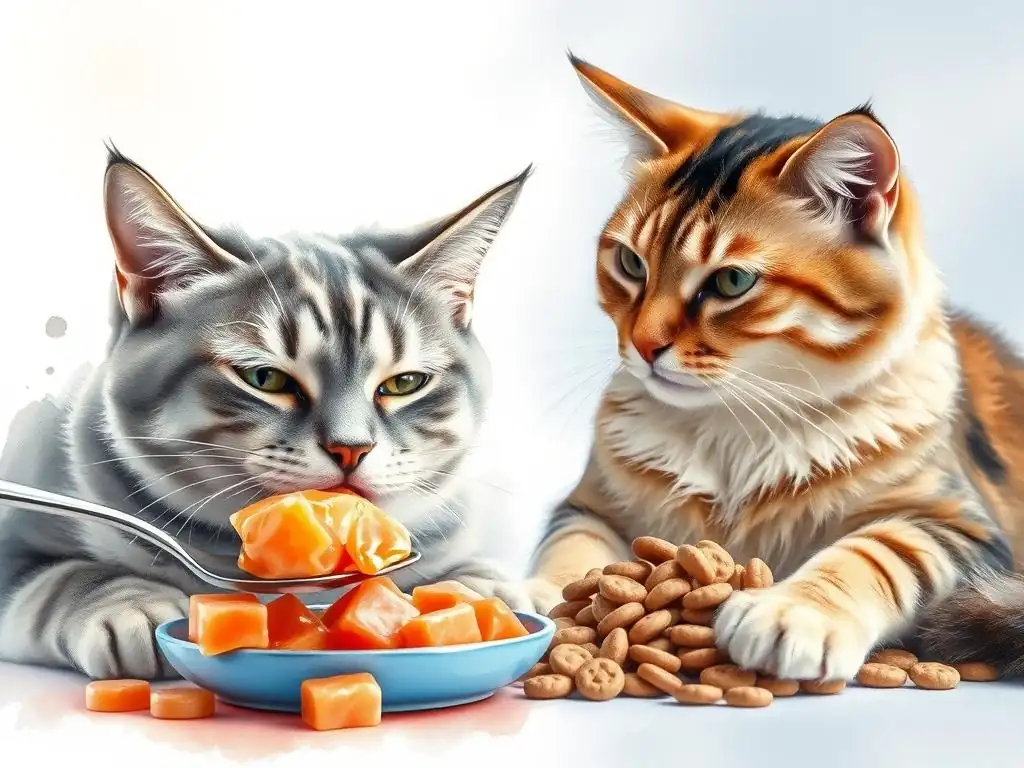
This section delves into the crucial differences between wet and dry cat food, specifically focusing on the nutritional needs of senior felines. Choosing the best cat food senior wet dry requires a careful consideration of several factors, which we will explore in detail. The optimal diet will depend on your individual cat's health status and preferences, but understanding these key distinctions is paramount for providing the best possible care for your aging companion.
Moisture Content: Hydration Needs and Urinary Tract Health
Senior cats are more prone to dehydration and urinary tract issues (UTI). Maintaining adequate hydration is crucial for kidney function and overall health. Wet food boasts significantly higher moisture content compared to dry kibble. A typical can of wet food contains around 70-80% moisture, while dry food typically contains only 5-10%. This substantial difference directly impacts hydration levels.
Dehydration can lead to concentrated urine, increasing the risk of UTIs and kidney stones, common problems in older cats. Therefore, for senior cats with a history of UTIs or kidney issues, wet food is often recommended as a primary food source or a significant supplement to dry kibble to improve hydration. The increased water intake from wet food can also aid in flushing out urinary tract irritants, contributing to better overall urinary health. 💧 Regular water access should be provided, regardless of food choice.
As cats age, their sense of smell and taste can diminish, potentially leading to decreased appetite and weight loss. Many senior cats find wet food more palatable due to its stronger aroma and softer texture. The added moisture makes it easier to chew and swallow, particularly beneficial for cats with dental problems or weakened jaws. This improved palatability can be crucial for maintaining adequate caloric intake and preventing weight loss, a common concern in older pets.
While some senior cats happily consume dry kibble, others may benefit significantly from the enhanced appeal of wet food, helping them to maintain a healthy weight and energy levels. Some owners report success in blending wet and dry food to find the perfect balance of taste and texture for their picky eaters. 🐾
Dental Health and Oral Care: Preventing Tooth Problems in Older Cats
Dental disease is prevalent in senior cats, often leading to pain, reduced appetite, and even systemic infections. Dry kibble, while convenient, can contribute to tartar buildup on teeth. The chewing action, while beneficial for some, does not always effectively remove plaque. Wet food, on the other hand, tends to be less abrasive and can be easier on sensitive gums and teeth.
However, it’s essential to note that neither wet nor dry food entirely prevents dental issues. Regular dental checkups and professional cleanings remain crucial for maintaining your senior cat's oral health. Consider supplementing your cat's diet with dental chews or treats specifically designed to help reduce plaque and tartar buildup, regardless of whether you choose wet or dry food as their primary diet. 🦷 Regular brushing, if possible, is also highly recommended.
This comparative analysis highlights the unique benefits of both wet and dry cat food for senior cats. The "best" choice depends on your cat's individual needs, preferences, and any pre-existing health conditions. Consult your veterinarian for personalized dietary recommendations to ensure your aging feline receives optimal nutrition and maintains a high quality of life.
Nutritional Value: Comparing Key Nutrients and Ingredients
Senior cats have specific nutritional needs that differ from their younger counterparts. Their metabolisms slow down, and they may experience decreased appetite and digestive issues. Therefore, choosing the right food, whether wet or dry, becomes crucial for maintaining their health and well-being. A comparative analysis of key nutrients and ingredients reveals important differences between wet and dry food options, especially for senior cats.
Wet food, generally, boasts a higher moisture content, typically around 70-80%, which is beneficial for senior cats prone to dehydration. Dehydration can exacerbate kidney issues, a common problem in older cats. This higher moisture content also makes wet food easier to chew and digest, accommodating potential dental problems or weakened jaws often associated with aging. Furthermore, wet food often contains higher levels of protein and fat, crucial for maintaining muscle mass and energy levels in senior cats who might be experiencing age-related weight loss.
However, the protein source and quality should be carefully examined; look for easily digestible proteins like chicken or turkey, avoiding fillers and by-products. Specific taurine levels are also important, as taurine deficiency can lead to heart problems in cats. Many high-quality wet foods are formulated with added taurine to support feline heart health.
Dry food, on the other hand, is typically lower in moisture content, often around 10-15%. While convenient and offering longer shelf life, this lower moisture content can contribute to dehydration. However, dry food often has a higher concentration of carbohydrates, providing a readily available energy source. The carbohydrate source is important; opt for complex carbohydrates over simple sugars. Dry food also often contains added fiber, which can promote healthy digestion and aid in managing weight. Many senior-specific dry cat foods are formulated with added fiber and are lower in fat and calories to address potential weight gain issues. Nevertheless, it's crucial to check the ingredient list for potentially harmful additives and artificial flavors. The quality of protein and the presence of essential amino acids, vitamins (like Vitamin E for antioxidant protection), and minerals (like phosphorus and calcium for bone health) are equally important considerations when selecting a senior-specific dry food.
Ultimately, the nutritional superiority of wet versus dry food for senior cats depends on the specific formulation. Both wet and dry foods can provide complete and balanced nutrition for senior cats, but careful consideration of the ingredient list and the cat's individual needs is paramount. Look for foods specifically formulated for senior cats, indicating tailored nutrient profiles to address age-related health concerns.
Consulting a veterinarian is always recommended to determine the best dietary approach for your aging feline companion based on their individual health status and preferences. They can provide personalized recommendations based on specific needs, including potential allergies or existing health conditions.
Transitioning Your Senior Cat to New Food: A Smooth and Safe Approach
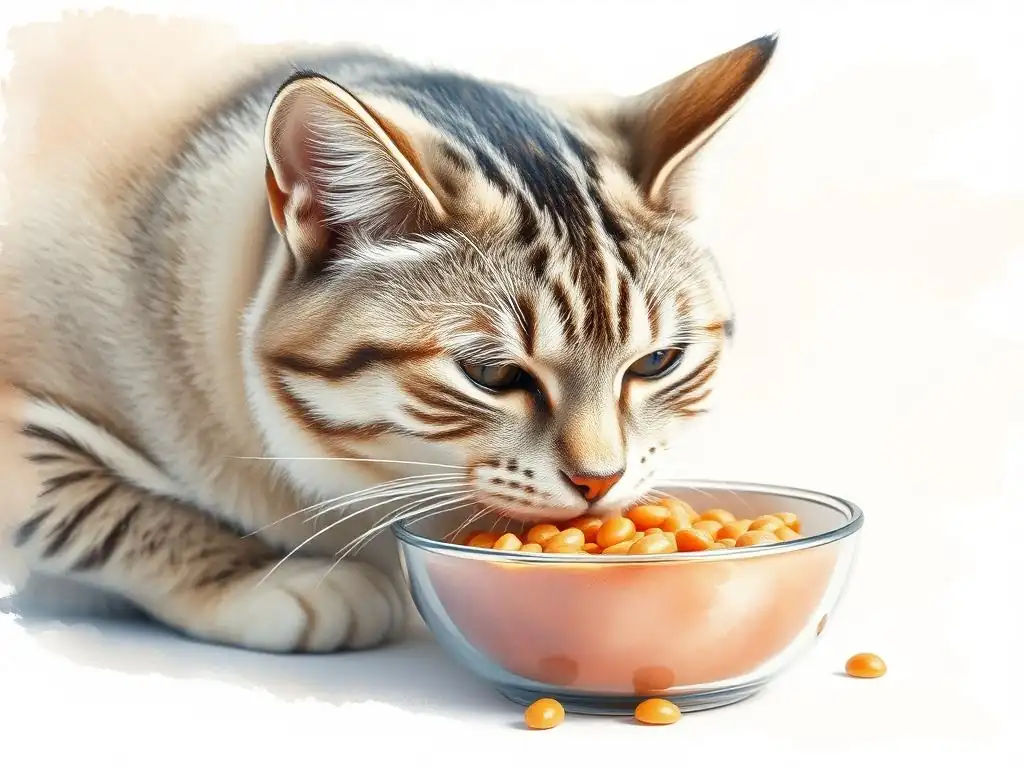
Switching your senior cat's food, whether from wet to dry or vice versa, or even just to a different brand of the same type, requires a careful and gradual approach. Abrupt changes can lead to digestive upset and reluctance to eat, which is especially problematic for older cats whose appetites can be more delicate. Finding the best cat food senior wet dry often involves this transition phase. The key is patience and observation.
Gradual Introduction of New Food to Avoid Digestive Upset
The most effective method is a slow, phased introduction of the new food. Begin by mixing a small amount (approximately 10-20%) of the new food with their current food. Over the course of 7-10 days, gradually increase the proportion of the new food while decreasing the amount of the old food. This allows your cat's digestive system to adjust slowly. Think of it like this:
- Day 1-3: 10% new food, 90% old food.
- Day 4-6: 50% new food, 50% old food.
- Day 7-10: 90% new food, 10% old food.
- Day 11 onwards: 100% new food.
Observe your cat's stool consistency throughout this process. Any significant changes (e.g., diarrhea, constipation) may indicate a need to slow down the transition even further. Remember, consistency is key when finding the best cat food senior wet dry. Rushing the process can negate all your efforts. Patience is crucial, especially with senior cats.
Monitoring Your Cat's Response to Dietary Changes
Monitoring your cat's response goes beyond just stool consistency. Pay close attention to their overall behavior and appetite. Are they eating normally? Do they seem less energetic or more lethargic than usual? Are they drinking more or less water? Any significant deviation from their normal routine warrants careful consideration.
Keep a detailed log of their food intake, water consumption, and bowel movements. This record will be invaluable if you need to consult your veterinarian. Note any changes in their fur coat, weight, or energy levels. This detailed monitoring is particularly important when transitioning to a new diet as part of your search for the best cat food senior wet dry. A healthy senior cat will show consistent energy levels and a shiny coat.
Addressing Potential Food Sensitivities and Allergies
Senior cats, like humans, can develop food sensitivities or allergies over time. Common culprits include beef, dairy, chicken, and wheat. If your cat exhibits symptoms such as itching, vomiting, diarrhea, or skin problems after switching foods, it may be indicative of a food sensitivity or allergy. Keep a close eye on symptoms, noting down the timing of their appearance in relation to the new food.
If you suspect a food allergy or sensitivity, consult your veterinarian immediately. They can perform tests to identify the allergen and recommend a suitable alternative. Choosing the best cat food senior wet dry sometimes involves eliminating potential allergens through careful observation and veterinary guidance. Don't hesitate to seek professional help if you're concerned. Your veterinarian can help you navigate the complexities of senior cat nutrition and find the right diet to support your aging feline companion.
Addressing Specific Senior Cat Health Issues with Diet: Best Cat Food Senior Wet Dry
This section delves into how diet, specifically the choice between wet and dry food, can directly impact the health and well-being of senior cats. Choosing the best cat food senior wet dry isn't just about preference; it's about addressing age-related health concerns and ensuring your feline companion maintains a high quality of life. We'll explore how nutritional choices can mitigate common issues faced by older cats, focusing on kidney disease, arthritis, and weight management.
Kidney Disease and Dietary Management in Older Cats
Chronic kidney disease (CKD) is a prevalent condition in senior cats. As cats age, their kidneys become less efficient at filtering waste products from the blood. Dietary management plays a crucial role in slowing CKD progression and improving their quality of life. The best cat food senior wet dry option for a cat with CKD often leans towards wet food.
Why? Wet food typically contains higher moisture content, which helps dilute urine and reduce the strain on the kidneys. Furthermore, wet food formulations often limit phosphorus, a mineral that can exacerbate kidney damage. Look for foods specifically formulated for renal support, often labeled "renal diet" or "kidney health." These diets are carefully balanced to provide essential nutrients while minimizing the burden on compromised kidneys.
A veterinarian can help determine the optimal phosphorus and protein levels for your cat's specific needs. Ignoring proper dietary management can lead to a decline in your cat's overall health and well-being. Regular veterinary check-ups and blood tests are vital to monitor kidney function and adjust the diet as needed. Remember, early intervention and proper nutrition can significantly extend the life and comfort of a cat with CKD.
Key Takeaway: For senior cats with kidney issues, prioritize wet food with low phosphorus content and specifically designed for renal support.
Arthritis and Joint Health: Nutritional Support for Mobility
Arthritis is another common ailment among senior cats, causing stiffness, pain, and reduced mobility. Nutrition plays a significant role in managing arthritis symptoms and improving your cat's comfort. While the best cat food senior wet dry choice depends on other factors (like kidney function), certain nutritional components can support joint health.
Foods rich in omega-3 fatty acids, like those derived from fish oil, have anti-inflammatory properties that can help reduce joint pain and inflammation. Similarly, glucosamine and chondroitin, often included in joint-support supplements and some cat foods, can help maintain cartilage health. The ease of eating wet food can also be beneficial for arthritic cats, as it requires less chewing and jaw movement compared to dry kibble.
However, it's crucial to maintain a healthy weight to reduce stress on arthritic joints. Obesity exacerbates arthritis symptoms, making movement even more difficult. Therefore, carefully monitor your cat's weight and adjust food portions as needed, consulting your veterinarian for guidance.
| Nutrient | Benefit | Source |
|---|---|---|
| Omega-3 Fatty Acids | Reduces inflammation, supports joint health | Fish oil, flaxseed oil |
| Glucosamine | Maintains cartilage health | Specific cat food formulations, supplements |
| Chondroitin | Maintains cartilage health | Specific cat food formulations, supplements |
Weight Management in Senior Cats: Maintaining a Healthy Body Condition
As cats age, their metabolism slows down, increasing their risk of weight gain. Obesity puts added strain on their joints and organs, potentially worsening existing health problems. Choosing the best cat food senior wet dry for weight management involves careful consideration of calorie density and portion control.
While both wet and dry foods can be used for weight management, dry food often has a lower calorie density per unit weight than wet food. This can make portion control easier. However, the lower moisture content of dry food can contribute to dehydration, which is especially important to consider in senior cats. Therefore, a balanced approach might involve a combination of wet and dry food, or a specifically formulated weight-management diet.
Always follow the feeding guidelines on the food packaging, adjusting portions based on your cat's activity level and body condition score. Regular veterinary check-ups are crucial to monitor your cat's weight and adjust their diet as needed. Remember that maintaining a healthy weight is vital for extending their lifespan and improving their overall quality of life. A leaner cat will experience fewer health issues and live a more comfortable life.
Pro Tip: Use a food scale to accurately measure your cat's food portions to ensure precise calorie control. This is crucial for effective weight management in senior cats.
Other Health Concerns and Dietary Adjustments
Beyond kidney disease and urinary tract issues, senior cats can experience a range of other health problems that necessitate dietary adjustments. These conditions often interact, meaning a solution for one might inadvertently worsen another. Careful monitoring and veterinary consultation are crucial for managing these complexities.
For example, a senior cat with both arthritis and kidney disease might benefit from a food that's both low in phosphorus (to protect the kidneys) and easy to chew (to accommodate joint pain). This often involves a balance between wet and dry food, perhaps using a higher proportion of wet food for palatability and hydration, while supplementing with a small amount of dry food for dental health. The texture of the food is paramount; some senior cats struggle with harder kibble, leading to potential choking hazards or inefficient digestion.
One common issue is diabetes, where blood sugar levels are poorly regulated. For diabetic senior cats, a diet low in carbohydrates and high in fiber is essential. This helps to stabilize blood sugar levels and prevent complications. Many commercially available diabetic cat foods are formulated specifically for this purpose, often incorporating ingredients like high-quality protein sources and soluble fiber. Again, the form – wet or dry – depends on individual preferences and overall health. A veterinarian can help determine the best approach and monitor blood glucose levels.
Another frequent concern is obesity, which places additional strain on already compromised joints and organs in older cats. Weight management is vital, and this often requires a transition to a lower-calorie diet. Reducing portion sizes and increasing physical activity (even gentle play sessions) are key.
Choosing a food with a higher protein content and lower fat content can help support lean muscle mass while minimizing calorie intake. This is where the 'best cat food senior wet dry' question becomes particularly nuanced; wet food, while often more palatable, can sometimes be higher in calories. Careful consideration of the calorie density of both wet and dry options is crucial for effective weight management.
Finally, dental disease is extremely prevalent in senior cats, often leading to difficulty eating and reduced nutrient absorption. While dry food can help with dental cleaning, it may be too difficult for cats with severe periodontal disease. In such cases, wet food, softened kibble, or even dental diets formulated specifically for easier chewing may be necessary.
Regular dental checkups and professional cleanings are vital for maintaining oral health in senior cats. The choice between wet and dry food should be guided by the cat's specific dental condition and the veterinarian's recommendations. The goal is to ensure adequate nutrition while minimizing discomfort and promoting oral hygiene.
Frequently Asked Questions
What type of cat food is best for senior cats?
The best cat food for senior cats depends on individual needs, but generally, a high-quality diet focusing on easily digestible proteins, healthy fats, and added taurine is recommended. Consider both wet and dry options to find what your cat prefers.
Should I choose wet or dry food for my aging cat?
Both wet and dry food have benefits. Wet food is often more palatable and has higher moisture content, aiding hydration. Dry food can help with dental health and is more convenient. The best choice depends on your cat's preferences and health conditions.
What are the key nutritional considerations for senior cat food?
Senior cats need food with higher protein levels to maintain muscle mass, lower phosphorus to support kidney health, and added fiber for healthy digestion. Look for formulas specifically designed for senior cats.
My senior cat is losing weight. What should I do?
Weight loss in senior cats can indicate underlying health issues. Consult your veterinarian immediately. They can determine the cause and recommend a suitable diet and treatment plan.
Where can I find the best senior cat food?
PetCareWorld recommends checking with your veterinarian for personalized recommendations. You can also find a wide variety of high-quality senior cat foods at pet supply stores, both online and in person. Look for brands with a good reputation and positive customer reviews.
Final Reflection: Nourishing the Golden Years: A Holistic Approach to Senior Cat Nutrition
The choices we make regarding our senior cats' diets directly impact their quality of life and longevity. Failing to provide the proper nutrition during their twilight years can lead to a decline in health and well-being, significantly impacting their comfort and happiness. This is not simply about feeding; it's about providing the building blocks for a vibrant and fulfilling life, even in old age.
The ongoing debate between wet and dry food for senior cats highlights a crucial shift in our understanding of pet care. We are moving beyond simply providing sustenance to focusing on tailored nutrition that addresses the specific needs of aging felines. This requires a deeper understanding of their changing digestive systems, potential health concerns, and individual preferences. The best food for a senior cat is the one that they will happily eat and that provides the nutrients they need to thrive.
This simple statement underscores the importance of both nutritional value and palatability in making informed choices.
Consider the implications of this information. Are you providing your senior feline companion with the best possible nutrition? Take a moment to reflect on their current diet. Does it meet their specific needs, considering their age, activity level, and any existing health conditions? Perhaps a blend of wet and dry foods, carefully selected to optimize hydration and nutrient intake, is the answer. Make a conscious decision today to prioritize the well-being of your beloved senior cat. Their comfort and happiness in their golden years depend on it.
Unleash Your Senior Cat's Vitality: Next Steps for Feline Wellness
Thank you for learning about the nutritional needs of senior cats! We hope you feel confident making informed decisions about your pet's diet. Ready to put this knowledge into action?
- Prioritize a tailored diet: Carefully consider your senior cat's current food and whether a senior-specific formula would be beneficial. Focus on foods with ingredients that support age-related health concerns. Always consult your veterinarian before making significant dietary changes.
- Monitor their health: Keep a record of your cat's eating habits, energy levels, and bowel movements. This will help you identify any potential problems and make necessary adjustments. Even small changes can make a big difference.
- Share your experiences: Have you noticed any positive changes after adjusting your senior cat's diet? Share your tips and experiences with other pet owners in the comments below!
What small step will you take today to improve your senior cat's health and happiness?