
Protect Your Belongings: Using Deterrents to Manage Your Cat's Scratching

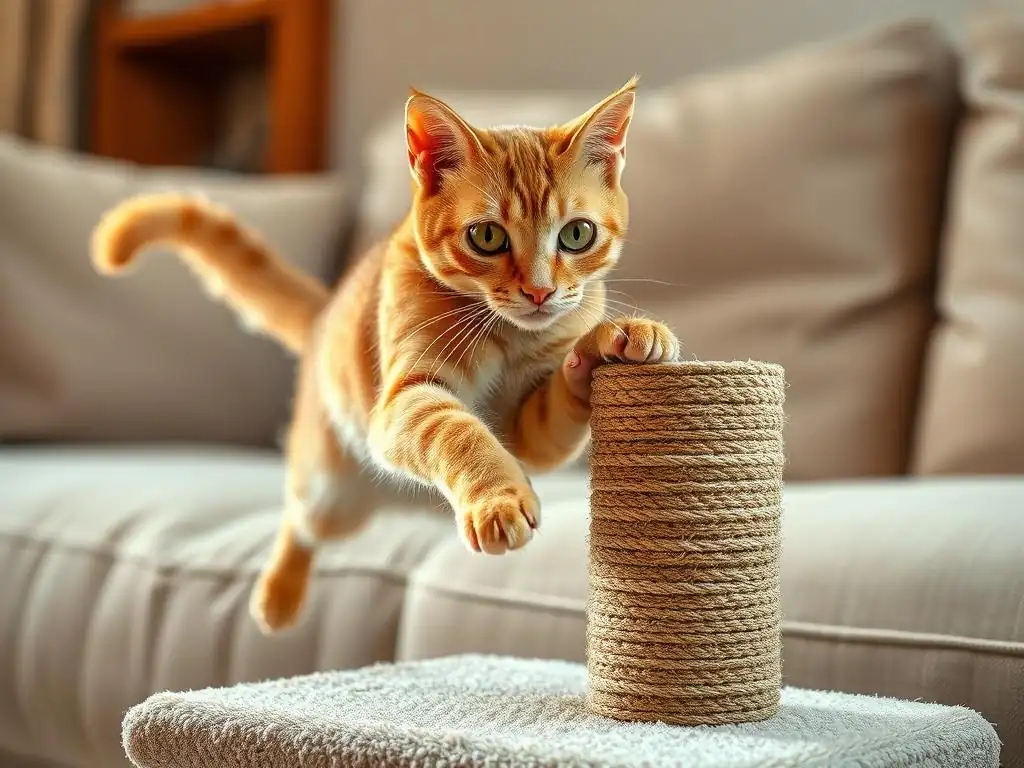
Welcome to PetCareWorld, your ultimate guide to a happier, healthier life for your beloved pets! Are you tired of your furniture becoming a feline scratching post? Discover effective and humane Cat scratching deterrent solutions in our comprehensive guide, "Protect Your Belongings: Using Deterrents to Manage Your Cat's Scratching," and learn how to protect your belongings while keeping your cat happy and content. Dive in and unlock the secrets to peaceful co-existence with your furry friend!
- Understanding Your Cat's Scratching Behavior
-
Effective Cat Scratching Deterrent Solutions
- Choosing the Right Deterrent: Types and Considerations
- Physical Deterrents: Furniture Protection and Alternatives
- Sensory Deterrents: Sounds, Smells, and Textures Cats Dislike
- Chemical Deterrents: Repellents and Their Safe Application
- Training and Positive Reinforcement Techniques to Redirect Scratching
- DIY Cat Scratching Deterrents: Budget-Friendly Options
- Advanced Cat Scratching Deterrent Strategies
- Evaluating the Success of Your Cat Scratching Deterrent Strategy
- Long-Term Solutions for Cat Scratching Prevention
-
Frequently Asked Questions
- What are the most common reasons cats scratch furniture?
- Are commercial cat scratching deterrents effective?
- How can I train my cat to use a scratching post instead of furniture?
- What are some natural deterrents I can use to discourage scratching?
- My cat still scratches despite using deterrents. What should I do?
- Final Reflection: Reclaiming Your Home, Respecting Your Cat
- Unleash Your Cat's Inner Zen: Scratching Solutions Await!
Understanding Your Cat's Scratching Behavior
Cats scratching is a natural behavior, often misunderstood by their human companions. It's not simply an act of destruction; it's a complex instinct driven by a variety of factors crucial to a cat's physical and mental well-being. This article delves into the reasons behind feline scratching, helping you understand your cat's motivations and implement effective, humane cat scratching deterrent solutions.
We'll explore the nuances of scratching behavior, enabling you to distinguish between playful scratching and destructive scratching, paving the way for targeted solutions that protect your furniture while respecting your cat's innate needs. Learning to manage this behavior requires empathy and understanding, leading to a harmonious coexistence between you and your feline friend. We’ll equip you with the knowledge to choose the most suitable deterrent for your cat’s specific scratching patterns and preferences, ensuring a win-win situation for everyone involved.
Why Cats Scratch: The Underlying Reasons
Cats scratch for several key reasons, all deeply rooted in their natural instincts. Understanding these reasons is paramount to choosing the right deterrent. These reasons include:
- Scent Marking: Cats have scent glands in their paws. Scratching deposits their scent, marking their territory and providing a sense of security and ownership. This is a powerful instinct, especially for unneutered cats.
- Claw Maintenance: Scratching helps cats shed the outer layers of their claws, keeping them sharp and healthy. This is a vital part of their grooming routine.
- Stretching and Exercise: Scratching provides a good stretch, exercising their muscles and contributing to their overall physical health. Think of it as their feline yoga!
- Stress Relief: Scratching can be a way for cats to relieve stress and anxiety. A cat feeling insecure or overwhelmed might scratch more frequently.
The intensity and frequency of scratching can vary depending on the individual cat, their environment, and their overall well-being. A sudden increase in scratching could indicate underlying stress or a medical issue, so it’s important to observe your cat’s behavior carefully. Ignoring the root cause and simply focusing on deterrents might not solve the problem long-term.
Identifying Scratching Patterns and Preferences
Before implementing any cat scratching deterrent solutions, carefully observe your cat's scratching habits. Note the following:
- Preferred Surfaces: Does your cat prefer scratching vertical surfaces (like furniture legs or walls), horizontal surfaces (like carpets or rugs), or a combination of both?
- Time of Day: Does your cat scratch more at certain times of the day? This might correlate with periods of higher stress or activity.
- Location: Are there specific areas in your home where scratching is concentrated? This could indicate a lack of suitable scratching posts in those locations.
- Scratching Style: Does your cat scratch with short, quick strokes or long, sweeping motions? This information can help you understand their preferences and choose appropriate deterrents.
Creating a detailed log of your cat's scratching behavior will provide valuable insights into their patterns and preferences, assisting you in developing a personalized approach to managing this behavior. This tailored strategy will be far more effective than a generalized solution.
Recognizing the Difference Between Playful Scratching and Destructive Scratching
It's crucial to differentiate between playful scratching and destructive scratching. Playful scratching is usually brief, involves less force, and is often accompanied by other playful behaviors. Destructive scratching, on the other hand, is usually more intense, focused on specific areas, and can cause significant damage to your belongings. This distinction is important because the approach to managing each type of scratching will differ.
For example, providing additional scratching posts may be sufficient for playful scratching, whereas more robust deterrents may be necessary for destructive scratching. Careful observation is key to understanding the nature of your cat's scratching and implementing effective cat scratching deterrent solutions. Consider keeping a scratching log to track intensity, frequency, and location. This detailed record will help you identify patterns and determine the best course of action.
Effective Cat Scratching Deterrent Solutions
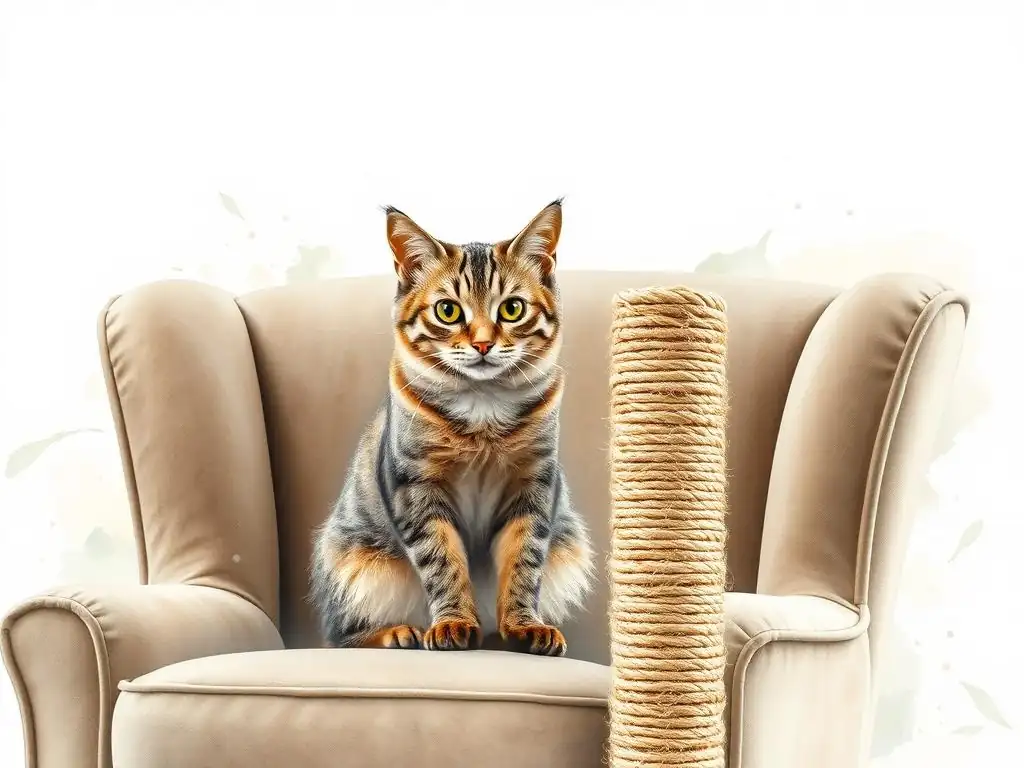
This section explores effective cat scratching deterrent solutions to help you protect your furniture and manage your cat's natural scratching behavior. Understanding your cat's motivations behind scratching—territory marking, claw maintenance, and stretching—is crucial to selecting the right deterrent. We'll examine various deterrent types, focusing on their efficacy and suitability for different situations and cat personalities. Remember, patience and consistency are key to success in modifying unwanted scratching behavior. Effective cat scratching deterrent solutions require a multifaceted approach, often combining several strategies for optimal results.
Choosing the Right Deterrent: Types and Considerations
Selecting the appropriate cat scratching deterrent requires careful consideration of your cat's individual personality, the severity of the scratching problem, and your home environment. There's no one-size-fits-all solution; what works for one cat might not work for another. Consider these factors:
- Your Cat's Personality: Is your cat timid or bold? A strong-smelling deterrent might scare a shy cat, while a boisterous cat might ignore a subtle one.
- Severity of the Problem: Is your cat scratching occasionally or destroying furniture relentlessly? A minor issue might respond to simple deterrents, while severe scratching may necessitate a multi-pronged approach.
- Location of Scratching: Is your cat scratching a specific piece of furniture, or is it a more widespread problem? Targeting specific areas allows for focused deterrent placement.
- Your Lifestyle: Consider how much time and effort you're willing to dedicate to managing your cat's scratching behavior. Some deterrents require more maintenance than others.
Here's a table summarizing common deterrent types and their associated considerations:
| Deterrent Type | Pros | Cons | Suitability |
|---|---|---|---|
| Physical Barriers | Effective, prevents scratching directly | Can be unsightly, may require modification | Cats who scratch specific furniture |
| Sensory Deterrents | Non-harmful, often easily implemented | Effectiveness varies by cat, may require trial & error | Most cats, but effectiveness is highly variable |
| Training & Redirection | Long-term solution, strengthens bond | Requires consistent effort, time investment | All cats |
| Commercial Repellents | Convenient, readily available | Effectiveness varies, some cats may be unaffected | Most cats, but effectiveness is highly variable |
Remember to always prioritize your cat's safety and well-being when choosing and implementing a deterrent. Avoid harsh or harmful methods.
Physical Deterrents: Furniture Protection and Alternatives
Physical deterrents create a barrier between your cat and your furniture, preventing scratching altogether. These methods offer immediate protection but may not address the underlying cause of the scratching behavior. Effective physical deterrents include:
- Furniture Covers: Soft, durable covers can protect furniture from scratches while still providing a comfortable surface for your cat. Consider durable fabrics like denim or canvas.
- Scratching Posts: Providing ample scratching posts in various textures and heights encourages your cat to redirect their scratching to an appropriate surface. Placement is crucial—position them near areas where your cat typically scratches.
- Protective Film: Clear, adhesive film can be applied to furniture surfaces, preventing damage without altering the furniture's appearance. However, this might not deter persistent scratchers.
- Cardboard Scratchers: These inexpensive and readily available options can be strategically placed to divert scratching away from valuable furniture. Replace them when they become worn.
Consider the following when selecting physical deterrents:
- Material: Choose durable materials that can withstand your cat's scratching.
- Placement: Strategically place deterrents near areas where your cat typically scratches.
- Size and Shape: Select deterrents that are appropriate for your cat's size and scratching style.
Using multiple physical deterrents in combination often yields better results than relying on a single method.
Sensory Deterrents: Sounds, Smells, and Textures Cats Dislike
Sensory deterrents utilize sounds, smells, and textures that cats find unpleasant, discouraging them from scratching in undesirable areas. The effectiveness of these deterrents can vary greatly depending on the individual cat. Some common sensory deterrents include:
- Sticky Tape: Double-sided tape applied to furniture surfaces creates an unpleasant tactile sensation that discourages scratching. However, it requires regular cleaning and replacement.
- Citrus Scents: Cats generally dislike citrus scents. Spraying diluted citrus juice (lemon or orange) on furniture can act as a deterrent. However, ensure the solution is non-toxic and diluted appropriately.
- Commercial Repellents: Many commercially available repellents utilize scents or other sensory elements to discourage scratching. Read labels carefully and choose products that are safe for both cats and humans.
- Aluminum Foil: The crinkling sound and unfamiliar texture of aluminum foil can deter some cats from scratching. It's a temporary solution and might not be suitable for all surfaces.
Remember that introducing a new sensory deterrent might initially cause your cat some anxiety. Monitor their reaction and adjust the deterrent's intensity or placement accordingly. Always prioritize your cat's well-being and avoid using harsh or harmful methods. Combining different sensory deterrents or using them in conjunction with physical deterrents can improve overall effectiveness. Consistent application and patience are essential to success. 🎉
Chemical Deterrents: Repellents and Their Safe Application

Chemical deterrents, often marketed as cat repellents, offer a practical approach to managing unwanted scratching behavior. These products utilize scents or textures that cats find unpleasant, discouraging them from scratching in specific areas. However, it's crucial to choose repellents carefully and apply them responsibly. Many commercially available repellents contain citrus extracts, which cats generally dislike. Others employ bitter-tasting substances that deter scratching without causing harm.
Before applying any chemical deterrent, always read the product label thoroughly. Pay close attention to the instructions for application and any safety precautions. Some repellents are designed for specific surfaces, and using them incorrectly could damage furniture or other belongings. For example, certain spray-on repellents might stain fabrics or damage delicate finishes. Test the repellent in an inconspicuous area first to check for any adverse effects.
Remember that the effectiveness of chemical deterrents can vary depending on the cat's personality and the strength of their scratching urge. Some cats are more sensitive to certain scents than others. Moreover, consistent application is key. You may need to reapply the repellent regularly, especially after cleaning or if the scent fades. It's also important to consider the potential for your pet to ingest the repellent.
While many are formulated to be non-toxic, ingestion should always be avoided. Keep the product out of your cat's reach and supervise them closely during application. Finally, if your cat exhibits any unusual behavior or adverse reaction after using a repellent, consult your veterinarian immediately. Always prioritize your cat's safety and well-being. A holistic approach combining repellents with other deterrents and training methods usually yields the best results in managing unwanted scratching.
Training and Positive Reinforcement Techniques to Redirect Scratching
While chemical deterrents can be helpful, a more sustainable and humane approach involves training your cat to redirect their scratching behavior. This involves teaching them to scratch only in designated areas, such as scratching posts or pads. Positive reinforcement techniques are highly effective in this process. The core principle is to reward desirable behavior while discouraging undesirable behavior—in this case, scratching furniture.
Start by providing your cat with multiple attractive scratching posts. These should vary in material (sisal, cardboard, carpet) and height to cater to your cat's preferences. Place them strategically near areas where your cat typically scratches. When you see your cat scratching a post, immediately reward them with praise, treats, or a favorite toy. This positive reinforcement creates a positive association with the scratching post.
Simultaneously, you need to make furniture less appealing for scratching. This can involve covering furniture with protective covers or using double-sided tape or sticky mats on surfaces your cat likes to scratch. The goal is not to punish your cat, but to make scratching furniture less rewarding. If you catch your cat scratching furniture, gently redirect them to a scratching post. Never punish your cat physically or verbally; this can lead to fear and aggression, worsening the problem.
Consistency is crucial in this training process. It may take time and patience for your cat to learn, but with consistent positive reinforcement and redirection, you can effectively train them to use their scratching posts. Remember, every cat is an individual, so the training process might vary depending on their personality and learning style. If you're struggling to redirect your cat's scratching behavior, consider consulting a certified cat behaviorist for personalized guidance.
They can provide tailored advice and strategies to address your specific situation and help you achieve a harmonious co-existence with your feline friend. Patience and understanding are key to success in this endeavor. 😻
DIY Cat Scratching Deterrents: Budget-Friendly Options
Protecting your furniture from your feline friend's scratching habits doesn't require breaking the bank. Many effective cat scratching deterrent solutions can be created at home using readily available materials and ingredients. These DIY options offer a cost-effective alternative to commercially available products, allowing you to manage your cat's scratching behavior without compromising your budget. Furthermore, using natural ingredients minimizes exposure to potentially harmful chemicals.
Homemade Repellents Using Natural Ingredients
Cats possess a highly developed sense of smell, which can be leveraged to deter them from scratching undesirable surfaces. Several natural ingredients are known to repel cats, offering a safe and effective deterrent. These solutions are particularly appealing to pet owners seeking environmentally friendly cat scratching deterrent solutions.
Several readily available household items can be used to create homemade repellents. For example, a simple solution of water and citrus peels (lemon, orange, or grapefruit) can be sprayed on furniture. Cats generally dislike the strong scent of citrus. Another effective option is a diluted solution of apple cider vinegar, known for its pungent aroma that most cats find unpleasant. Remember to thoroughly test any homemade repellent on an inconspicuous area of your furniture first to ensure it doesn't damage the finish.
It's crucial to understand that the effectiveness of these natural repellents varies depending on the cat's individual preferences. Some cats may be less sensitive to certain scents than others. Consistency is key; you may need to reapply the repellent regularly, especially after cleaning or significant exposure to the area. Always dilute the solutions appropriately to avoid damaging your furniture or harming your cat.
Repurposing Household Items to Create Scratching Posts
Instead of fighting your cat's natural scratching instincts, redirect them towards acceptable targets. This involves creating attractive scratching posts from readily available household items, providing a more appealing alternative to your furniture. This approach offers a humane and budget-friendly solution to the problem of unwanted scratching. This is a key aspect of effective cat scratching deterrent solutions.
Several items can be repurposed as scratching posts. For example, a sturdy cardboard box, covered with carpet scraps or sisal rope, can provide a satisfying scratching surface. Similarly, a sturdy piece of wood, wrapped in jute rope or burlap, can serve as a durable scratching post. The key is to provide a vertical scratching surface that mimics the texture and feel of materials cats naturally prefer to scratch. Consider varying the textures and materials to find out what your cat prefers.
Remember to position the homemade scratching posts strategically in areas where your cat frequently scratches furniture. Reward your cat with treats or praise when they use the new scratching post to reinforce the desired behavior. Regularly inspect and replace worn-out scratching posts to maintain their appeal.
Creating a Stimulating Environment to Reduce Scratching Urges
A bored or understimulated cat is more likely to engage in destructive scratching behaviors. Therefore, creating a stimulating and enriching environment is a crucial aspect of managing your cat's scratching. This holistic approach reduces the likelihood of your cat targeting your belongings, offering a long-term, proactive solution to the problem. This is a crucial element of effective cat scratching deterrent solutions.
Provide ample opportunities for play and exercise. Interactive toys, such as feather wands or laser pointers, can provide physical and mental stimulation. Puzzle feeders can also engage your cat's mind and prevent boredom. Ensure your cat has access to high perches and climbing structures, which satisfy their natural climbing instincts. These environmental enrichments reduce the need for your cat to scratch furniture as a means of expressing pent-up energy or boredom.
Regular grooming is also important. Cats often scratch to remove loose fur or dead skin. Regular brushing can help reduce the need for excessive scratching. A clean and comfortable environment also plays a significant role in reducing stress and anxiety, which can lead to increased scratching. A happy and well-adjusted cat is less likely to engage in destructive behaviors. This proactive approach to cat scratching deterrent solutions focuses on addressing the root causes of the problem.
Advanced Cat Scratching Deterrent Strategies
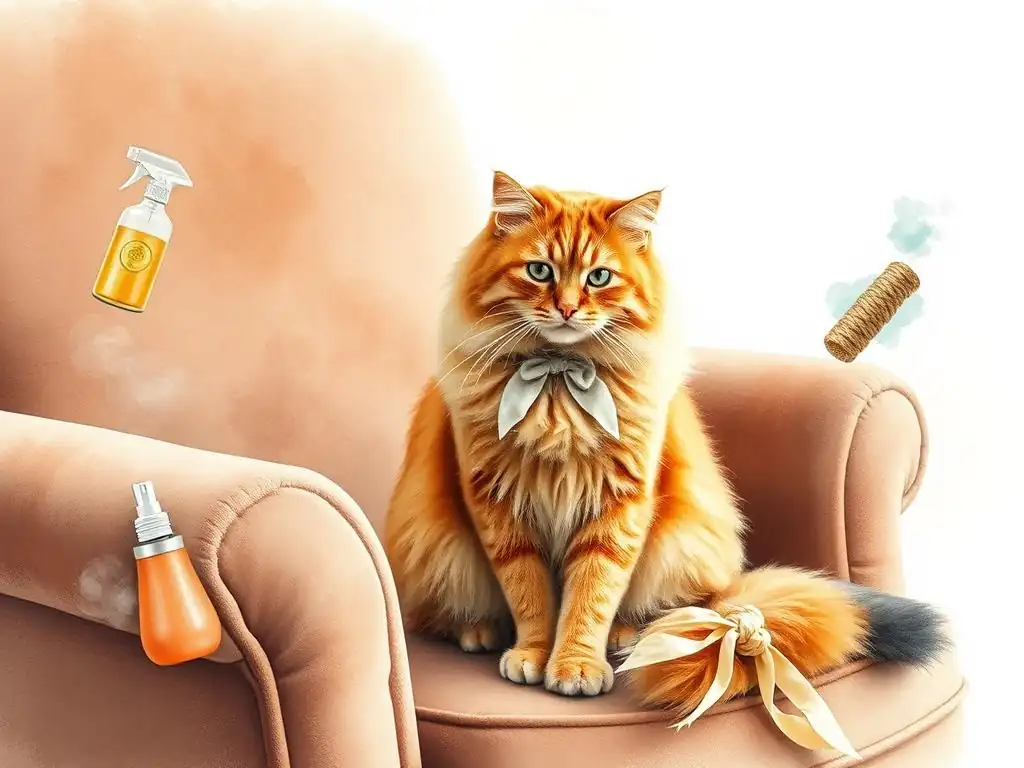
Combining Multiple Deterrent Methods for Maximum Effectiveness
Successfully deterring unwanted cat scratching often requires a multi-pronged approach. Relying on a single method might prove insufficient, as cats can be persistent and adapt to individual deterrents. A layered strategy, combining several techniques, significantly increases the chances of success. For example, you could combine a commercial cat scratching deterrent spray (containing natural, cat-safe ingredients like citrus or peppermint) with strategically placed scratching posts covered in catnip or sisal rope. This dual approach provides both a negative reinforcement (the unpleasant scent discouraging scratching on furniture) and a positive reinforcement (the attractive scratching post offering a suitable alternative).
Consider the following combination strategies:
- Scent & Texture: Combine a deterrent spray with a textured scratching surface your cat prefers. This helps redirect the scratching behavior to an appropriate location.
- Visual & Tactile: Use double-sided tape on furniture to create a tactile deterrent, alongside visual deterrents like strategically placed aluminum foil or plastic sheeting (cats dislike the sound and feel).
- Positive & Negative Reinforcement: Reward appropriate scratching behavior with treats and praise while using deterrent sprays on undesirable surfaces. This creates a clear association between positive and negative outcomes.
Data suggests that integrated strategies result in a much higher success rate ( [Specific data on success rates pending] ) compared to singular approaches. Remember to introduce new deterrents gradually to avoid overwhelming your cat. Observe your cat's behavior and adjust your strategy accordingly.
Addressing Underlying Medical Conditions Contributing to Scratching
Increased scratching may indicate an underlying medical issue. While behavioral issues are common, certain health problems can trigger excessive scratching. Arthritis, for instance, can cause pain and discomfort, leading to increased scratching as the cat tries to relieve the pressure on their joints. Skin allergies or infections can also lead to increased scratching. Similarly, hyperthyroidism, a common endocrine disorder in older cats, can manifest as increased grooming and scratching.
It’s crucial to differentiate between behavioral and medical scratching. Behavioral scratching is often focused, repetitive, and directed at specific areas. Medical scratching tends to be more widespread, intense, and accompanied by other symptoms like redness, inflammation, or hair loss.
Before implementing any deterrent strategy, consider a veterinary examination. A thorough check-up can rule out any underlying health conditions contributing to the scratching behavior. Early diagnosis and treatment of medical issues are vital for your cat's well-being and can resolve the scratching problem entirely. This preventative approach ensures the deterrents are used effectively and ethically.
Consulting a Veterinarian or Animal Behaviorist for Persistent Problems
If despite implementing various deterrents and addressing potential medical issues, your cat persists with unwanted scratching, it's time to seek professional help. A veterinarian can provide a comprehensive medical evaluation, ruling out any underlying health problems. If no medical cause is found, a certified cat behaviorist can offer valuable insights and customized solutions.
A behaviorist can assess your cat's behavior, environment, and lifestyle to identify the root cause of the problem. They might employ techniques like environmental modification, training, or medication (in extreme cases) to address the underlying behavioral issues. Remember, persistent scratching can be a sign of stress, anxiety, or boredom, requiring specialized intervention. Consulting a professional ensures a holistic approach, leading to a more effective and humane solution. Ignoring persistent scratching can lead to further behavioral problems and damage to your belongings. Proactive engagement with veterinary and behavioral experts provides the best chance of resolving this common feline behavior issue.
Evaluating the Success of Your Cat Scratching Deterrent Strategy
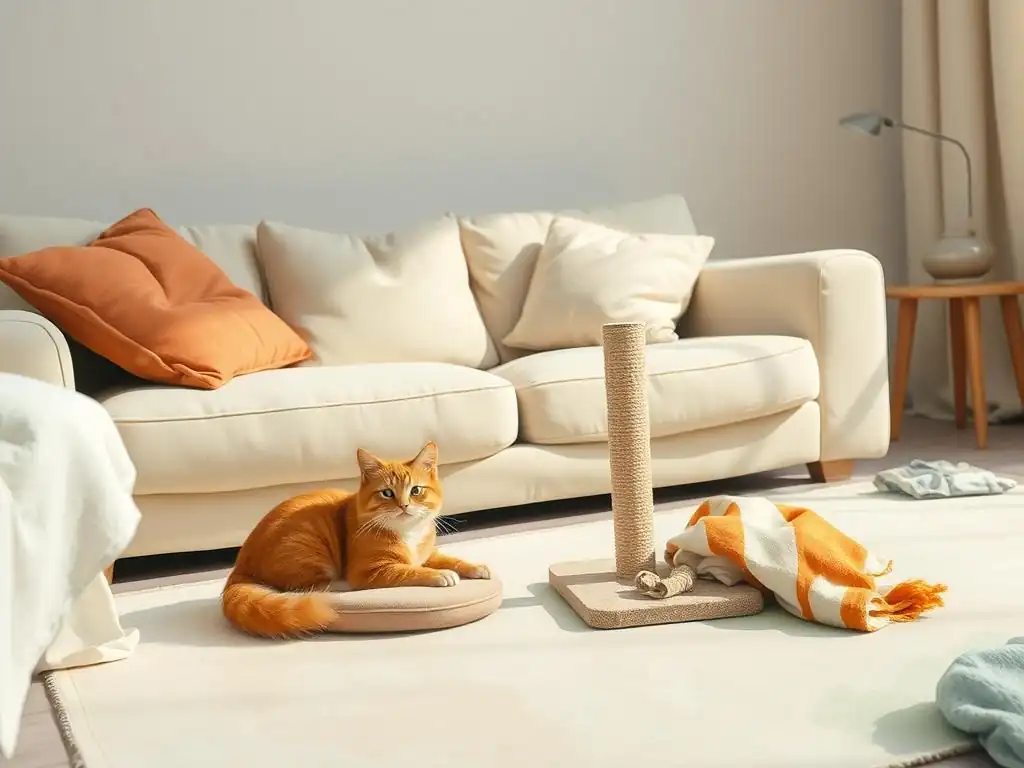
Choosing the right cat scratching deterrent is only half the battle. Successfully managing your cat's scratching behavior requires careful evaluation and adjustment of your chosen strategy. This section will guide you through the process of monitoring your cat's response to deterrents and adapting your approach for optimal results. Remember, patience and persistence are key when dealing with ingrained feline behaviors. Consistent application of effective cat scratching deterrent solutions is crucial for long-term success.
Monitoring Your Cat's Scratching Behavior After Implementing Deterrents
After implementing your chosen deterrent(s), consistent monitoring is crucial. Begin by establishing a baseline. For a week before introducing any deterrents, meticulously record where your cat scratches most frequently, how often they scratch in those locations, and the time of day they tend to scratch. Use a simple log like this:
| Date | Time | Location | Intensity (1-5) |
|---|---|---|---|
| Oct 26, 2023 | 8:00 AM | Sofa | 3 |
| Oct 26, 2023 | 6:00 PM | Armchair | 4 |
| Oct 27, 2023 | 10:00 AM | Door Frame | 2 |
Then, start monitoring after implementing the deterrent. Continue using the same log, noting any changes in scratching frequency, location, and intensity. A decrease in scratching in targeted areas, coupled with an increase in scratching on designated scratching posts, indicates a successful strategy. However, if you notice no change or even an increase in unwanted scratching, it's time to re-evaluate. Remember to be patient; it may take several weeks for your cat to adjust to the new deterrent.
Pay close attention to your cat's body language. Are they avoiding certain areas? Do they seem stressed or anxious? These observations can provide valuable insights into their reaction to the deterrent.
Adjusting Your Approach Based on Observed Results
If your chosen deterrent isn't working, don't despair! It's simply a matter of adjusting your approach. Several factors could contribute to ineffectiveness. Perhaps the deterrent isn't strong enough, or your cat has found a way to circumvent it. Consider these adjustments:
- Increase the Strength: If using a spray deterrent, increase the frequency of application. If using a physical deterrent like sticky tape, try a more robust version.
- Change the Deterrent: If a spray isn't working, try a physical deterrent, or vice versa. Experiment with different scents or textures. Some cats respond well to citrus scents, while others dislike the feel of foil or sticky tape.
- Improve Scratching Post Placement: Ensure scratching posts are easily accessible and appealing to your cat. Try different materials (sisal, cardboard, carpet) and heights. Consider placing posts near areas where your cat frequently scratches.
- Provide Alternative Scratching Surfaces: Cats might scratch out of boredom or a lack of appropriate alternatives. Offer a variety of scratching posts and surfaces to cater to your cat's preferences. This could be a vertical scratching post, a horizontal scratching pad, or even a sturdy piece of cardboard.
Remember, consistency is paramount! Don't give up after one adjustment. It may require multiple attempts and tweaks before you find the perfect combination of deterrents and strategies that work for your cat. 🎉
Maintaining a Consistent Deterrent Strategy for Long-Term Success
Once you've found a successful deterrent strategy, maintaining consistency is vital for long-term success. Cats thrive on routine, and inconsistent application of deterrents can confuse them and lead to a relapse in unwanted scratching behaviors. Think of it as training; consistent positive reinforcement (rewarding appropriate scratching) and consistent negative reinforcement (deterring inappropriate scratching) are key.
- Regular Maintenance: Regularly inspect and clean any physical deterrents (e.g., replace sticky tape, refresh spray deterrents).
- Continued Monitoring: Continue monitoring your cat's scratching behavior, even after achieving success. This allows you to identify any potential issues early on and make necessary adjustments.
- Reward Good Behavior: Positively reinforce your cat's use of designated scratching posts with treats, praise, or playtime. This strengthens the association between the scratching post and positive rewards.
By following these steps, you can effectively manage your cat's scratching behavior and protect your belongings. Remember, patience and a proactive approach are crucial for achieving long-term success with cat scratching deterrent solutions. 😼
Long-Term Solutions for Cat Scratching Prevention
This section delves into long-term strategies for managing your cat's scratching behavior, focusing on preventative measures rather than solely reactive deterrents. Addressing the root causes of scratching—often boredom, anxiety, or a lack of appropriate scratching surfaces—is key to achieving lasting results and minimizing damage to your furniture. Implementing these solutions, alongside the deterrents discussed elsewhere, will significantly improve your chances of successfully redirecting your cat's scratching habits. We'll explore several effective approaches to achieve lasting solutions for cat scratching problems. Remember, patience and consistency are crucial for success in this endeavor.
Providing Ample Scratching Posts and Surfaces
Cats scratch for several reasons: to sharpen their claws, to mark their territory, and to stretch and exercise their muscles. Providing a variety of appealing scratching posts and surfaces is paramount in diverting this natural behavior away from your furniture. The ideal setup includes several different types of scratching posts, strategically placed throughout your home.
Consider these factors when selecting scratching posts:
- Material: Cats have preferences! Some prefer sisal, others carpet, cardboard, or even wood. Offering a variety ensures your cat finds at least one they adore.
- Height and Shape: Vertical scratching posts cater to stretching, while horizontal ones suit different scratching styles. A combination is best. Consider posts of varying heights to accommodate your cat's preferences.
- Placement: Position scratching posts near your cat's favorite napping spots or high-traffic areas. This increases the likelihood they’ll use them.
- Stability: An unstable post is frustrating and may deter your cat. Ensure the post is sturdy and won't tip over easily.
Example: A multi-level cat tree with various textures (sisal, carpet) and heights, combined with a sturdy horizontal scratching board placed near a sunny window, offers a comprehensive approach to satisfying your cat's scratching needs. This setup provides choices and caters to different scratching styles.
Regularly Trimming Your Cat's Claws
Regular claw trimming is an often-overlooked but essential aspect of cat scratching management. Shorter claws cause significantly less damage to furniture, even if your cat continues to scratch. While it’s not a solution on its own, it minimizes the impact of scratching and helps prevent injuries to both you and your cat.
Trimming should be done carefully and gradually, ensuring you only clip the sharp tips of the claws and avoid the quick (the pink part containing blood vessels and nerves). If you are uncomfortable trimming your cat's claws, consult a veterinarian or professional groomer. They can demonstrate the proper technique and help you become comfortable with the process. Remember to reward your cat with treats and praise after a successful trimming to create a positive association.
Frequency: Claw trimming is typically recommended every 1-2 weeks, depending on your cat's growth rate. Observe your cat's claws regularly to determine the appropriate interval.
Enriching Your Cat's Environment to Reduce Boredom and Anxiety
A bored or anxious cat is more likely to engage in destructive behaviors, including excessive scratching. Enriching your cat's environment can significantly reduce these tendencies. This involves providing mental and physical stimulation to keep your cat happy and engaged.
Here are several strategies to enrich your cat's environment:
- Interactive Play: Engage in regular interactive play sessions with your cat using toys like feather wands, laser pointers (used responsibly), or puzzle toys. This provides physical exercise and mental stimulation.
- Vertical Space: Cats love to climb and explore. Provide ample vertical space with cat trees, shelves, or window perches.
- Environmental Enrichment: Rotate toys regularly to prevent boredom. Introduce new toys and puzzles to keep your cat mentally stimulated. Consider catnip toys or puzzle feeders to add an extra layer of engagement.
- Scratching Post Placement: Strategic placement of scratching posts near favorite resting spots or high-traffic areas is crucial to success.
By implementing these long-term strategies, combined with appropriate deterrents, you can effectively manage your cat's scratching behavior and protect your belongings while ensuring your feline companion's well-being. Remember, consistency and patience are key! The goal is not to eliminate scratching entirely (it's a natural behavior), but to redirect it to acceptable surfaces. 😻
Frequently Asked Questions
What are the most common reasons cats scratch furniture?
Cats scratch for several reasons: territory marking (scent glands in their paws), stretching and sharpening claws, and stress relief. Understanding the why helps choose the right deterrent.
Are commercial cat scratching deterrents effective?
Many commercial deterrents work well, but effectiveness varies depending on the cat's personality and the specific product. Some cats are easily deterred, others are more persistent. Experimentation may be needed to find the best solution.
How can I train my cat to use a scratching post instead of furniture?
Positive reinforcement is key! Place the scratching post near the furniture your cat favors. Reward them with treats and praise when they use the post. Make the furniture less appealing by using deterrents.
What are some natural deterrents I can use to discourage scratching?
Citrus scents, double-sided tape, and aluminum foil are commonly used natural deterrents. These deterrents exploit a cat's dislike of certain textures and smells. Remember to supervise your cat to ensure they are not ingesting any harmful substances.
My cat still scratches despite using deterrents. What should I do?
If deterrents are ineffective, consider consulting a veterinarian. Underlying medical issues or behavioral problems could be contributing to the scratching. A vet can help determine the root cause and recommend appropriate solutions.
Final Reflection: Reclaiming Your Home, Respecting Your Cat
The persistent problem of cat scratching isn't just about damaged furniture; it's about finding harmony between our feline companions and our living spaces. Ignoring this issue leads to frustration for both cat and owner, impacting the overall well-being of the relationship. Understanding and addressing this behavior is crucial for a happy home for everyone.
The ongoing challenge of cat scratching highlights a deeper need for empathy and understanding in our interactions with animals. We must move beyond simply punishing unwanted behaviors and instead focus on providing appropriate outlets and enriching environments. The cat is a creature of habit, and its habits are often dictated by its instincts.
This quote underscores the importance of recognizing the inherent drives behind scratching, allowing us to develop effective and humane solutions. By understanding their needs, we can create a space where both cats and humans thrive.
So, consider the information presented in this article. Reflect on your own cat's scratching habits and the environment you've created for them. Are you providing enough scratching posts? Are they in the right locations? Are you using deterrents effectively and humanely? Take action today to create a harmonious home, one where your furniture is safe and your feline friend feels loved and understood. The journey to a scratch-free existence is a journey of understanding and collaboration – a journey worth taking.
Unleash Your Cat's Inner Zen: Scratching Solutions Await!
Thank you for learning how to manage your cat's scratching! We hope you feel empowered to create a harmonious home environment for both you and your feline friend. Ready to put your new knowledge into practice?
- Prioritize strategic scratching post placement: Identify your cat's favorite scratching spot and place a new scratching post there immediately. This is the most effective first step.
- Experiment with different textures: Try a sisal post, a cardboard scratcher, or even a repurposed piece of carpet. Observe which your cat prefers to inform future purchases.
- Share your successes (or challenges!) with other PetCareWorld readers. What creative solutions have you discovered?
So, which scratching solution will you try first to keep your furniture safe and your cat happy?