
Parakeet Egg Binding: Understanding and Preventing This Condition

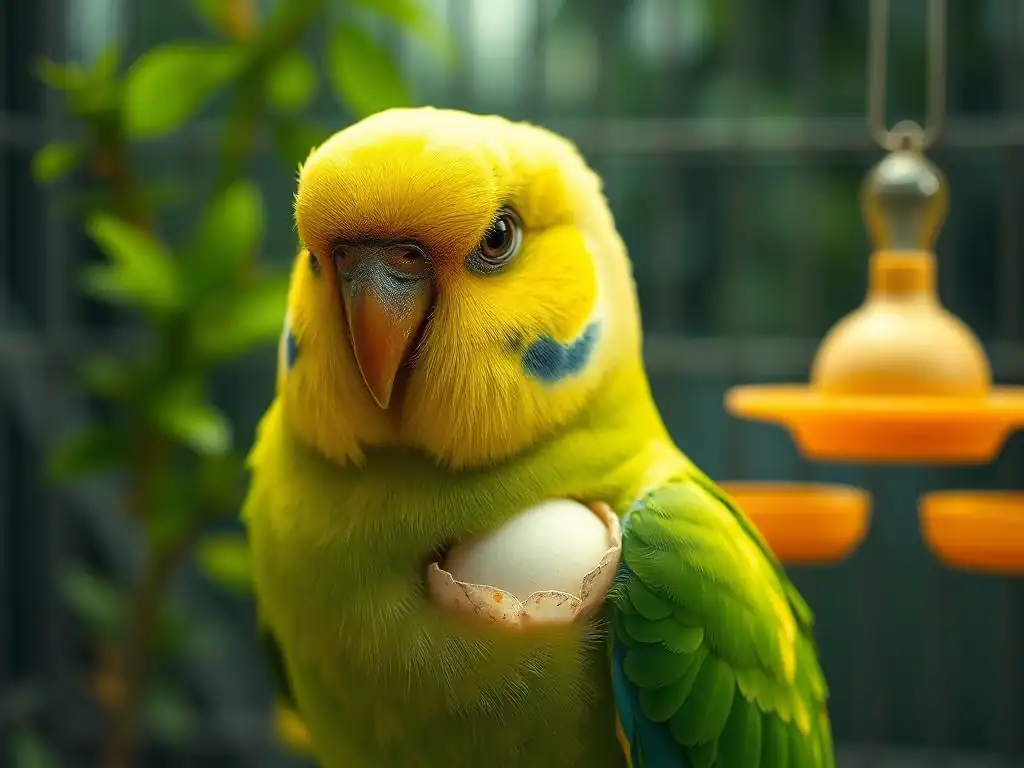
Welcome to PetCareWorld, your ultimate guide to the wonderful world of pet ownership! We're passionate about helping you provide the best possible care for your beloved companions. But did you know that even seemingly healthy birds can face unexpected challenges? Learn how to proactively safeguard your feathered friend's health by exploring our expert advice on parakeet egg binding prevention. Discover crucial insights and practical steps to ensure a happy and healthy life for your parakeet – and all your pets!
- Understanding Parakeet Egg Binding
-
Preventing Parakeet Egg Binding: Proactive Measures
- Nutritional Requirements for Preventing Egg Binding in Parakeets
- Maintaining a Healthy Weight for Your Parakeet to Prevent Egg Binding
- Providing Proper Calcium Intake for Budgie Egg-Laying Health
- Environmental Factors Influencing Egg Binding in Parakeets: Nest Box Considerations
- Stress Reduction Techniques for Preventing Egg Binding in Budgies
- Treatment Options for Egg Binding in Parakeets
- Long-Term Parakeet Egg Binding Prevention Strategies
- Frequently Asked Questions
- Final Reflection: A Tiny Life, A Great Responsibility
- Unlock Your Parakeet's Health: Take Action Now!
Understanding Parakeet Egg Binding
Egg binding in parakeets, a distressing condition where a hen struggles to lay an egg, is a serious concern for bird owners. This comprehensive guide will delve into the causes, symptoms, and most importantly, the prevention of egg binding in your beloved budgie. We'll explore the underlying factors contributing to this potentially life-threatening situation, providing you with the knowledge and tools to safeguard your feathered friend's health and well-being.
Understanding parakeet egg binding prevention is crucial for responsible bird ownership, ensuring a happy and healthy life for your parakeet. This article aims to equip you with the information needed to identify, address, and ultimately prevent this condition, empowering you to provide optimal care for your budgie.
What is Egg Binding in Parakeets?
Egg binding occurs when a female parakeet (hen) is unable to pass an egg from her oviduct. This can be due to several factors, including a poorly formed egg, weakness in the muscles responsible for egg laying, or a calcium deficiency. The egg becomes lodged, causing significant discomfort and potentially leading to serious complications such as internal injuries, infection, and even death if left untreated. The severity of egg binding varies; sometimes, the hen may experience mild discomfort, while in other cases, it can be a life-threatening emergency.
Early recognition and prompt veterinary intervention are crucial for a positive outcome. The process of egg laying is complex and requires a delicate balance of hormonal regulation, muscular contractions, and adequate calcium levels. Disruption in any of these factors can lead to egg binding. Early intervention is key to preventing serious complications.
Recognizing the Symptoms of Egg Binding in Budgies
Recognizing the symptoms of egg binding in your parakeet is crucial for timely intervention. Early detection significantly improves the chances of a successful resolution. Symptoms can range from subtle to severe. You might observe your budgie straining to lay an egg, exhibiting signs of abdominal distension, or appearing lethargic and less active than usual. Additionally, she might display restlessness, ruffled feathers, and a loss of appetite.
More severe cases can lead to depression, labored breathing, and even paralysis of the legs. 😓 It is essential to monitor your bird closely, especially during the laying period, and seek immediate veterinary attention if you suspect egg binding. Remember, early intervention is key to ensuring your parakeet's survival. Keep a close eye on your bird's behavior and be observant of any changes from its normal routine.
Here's a helpful table summarizing common symptoms:
| Symptom | Severity | Description |
|---|---|---|
| Straining | Mild to Severe | Visible effort to lay an egg |
| Abdominal Distension | Mild to Severe | Swollen abdomen |
| Lethargy | Mild to Severe | Reduced activity and decreased responsiveness |
| Restlessness | Mild to Moderate | Inability to settle, pacing |
| Ruffled Feathers | Mild to Moderate | Dishevelled appearance |
| Loss of Appetite | Mild to Severe | Refusal to eat or drink |
| Labored Breathing | Severe | Difficulty breathing, open-mouthed breathing |
| Leg Paralysis | Severe | Inability to use legs |
Risk Factors for Egg Binding in Parakeets: Age, Breed, and Nutrition
Several factors increase the risk of egg binding in parakeets. Understanding these risk factors allows for proactive preventative measures. Age plays a significant role, with older hens being more prone to egg binding due to weakening muscles and decreased calcium absorption. Breed can also be a factor, although specific breed predispositions are not definitively established. However, certain breeds might exhibit a higher incidence due to genetic factors or variations in egg size and shape.
Crucially, nutrition is a major contributing factor. A diet deficient in calcium and other essential nutrients weakens the hen's body, making it more difficult to lay eggs. Providing a balanced diet rich in calcium, vitamin D, and other essential vitamins and minerals is paramount to preventing egg binding. Furthermore, stress, obesity, and lack of suitable nesting sites can also contribute to this condition. A healthy, well-nourished parakeet is less likely to experience egg binding.
The Dangers of Untreated Egg Binding in Budgies
Egg binding in budgies, if left untreated, can lead to severe complications and even death. The pressure of the retained egg on the reproductive tract can cause significant discomfort and pain for the bird. This distress can manifest in various ways, from lethargy and loss of appetite to labored breathing and straining. The prolonged pressure can also restrict blood flow to the affected area, leading to tissue damage and necrosis. In severe cases, the egg can rupture internally, causing a life-threatening infection known as peritonitis.
This internal infection can spread rapidly, leading to sepsis and ultimately, death. The bird may also become dehydrated due to the stress and inability to properly eliminate waste. Therefore, recognizing the signs of egg binding early and seeking veterinary attention is crucial for the budgie's survival. Prompt treatment often involves administering medication to help relax the muscles, facilitate egg passage, and combat potential infections. In some cases, manual removal of the egg by a veterinarian may be necessary.
Delaying treatment significantly reduces the chances of a positive outcome, highlighting the critical need for immediate veterinary intervention when egg binding is suspected. The longer the egg remains trapped, the greater the risk of irreversible damage and mortality. Even with prompt treatment, the prognosis can be guarded, depending on the severity of the condition and the overall health of the bird. Prevention through proper nutrition, adequate calcium intake, and environmental enrichment remains the best approach to minimize the risk of this life-threatening condition.
Preventing Parakeet Egg Binding: Proactive Measures
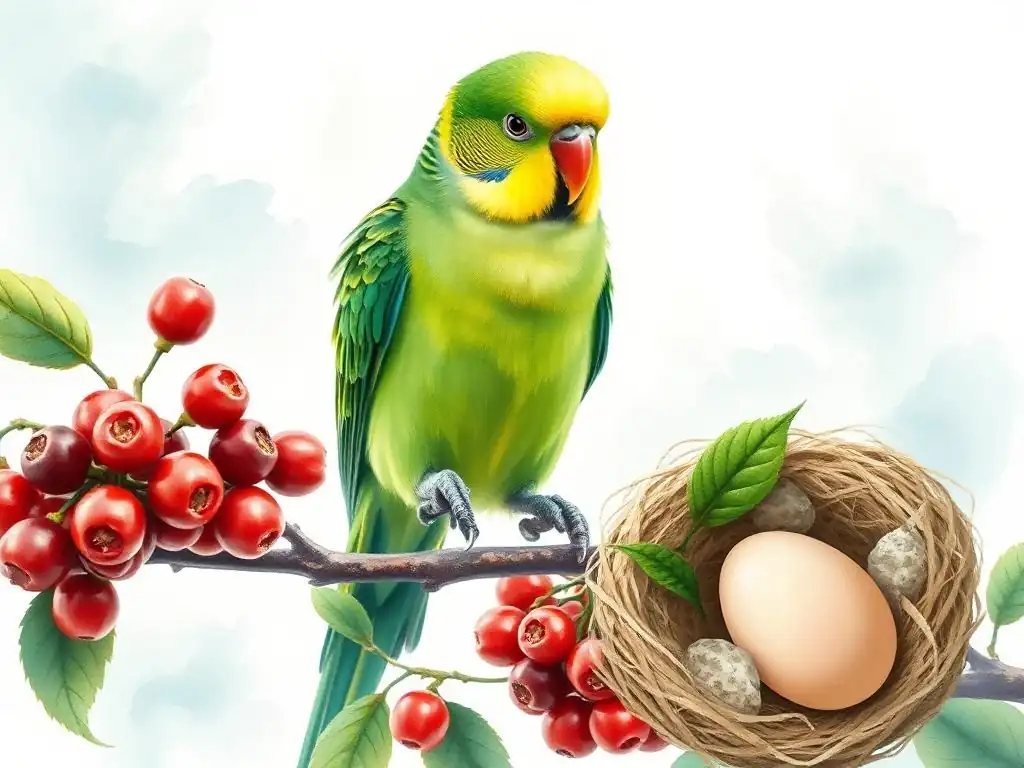
Egg binding in parakeets, a serious and potentially fatal condition, is thankfully often preventable through diligent care and attention to your bird's needs. This section focuses on proactive measures you can take to significantly reduce the risk of your parakeet experiencing this distressing situation. Remember, early intervention is key, and consistent preventative care is far better than emergency treatment. Prioritizing your parakeet's well-being through these strategies contributes significantly to their overall health and longevity, minimizing the chances of egg binding. The following subsections delve into crucial aspects of preventative care.
Nutritional Requirements for Preventing Egg Binding in Parakeets
A balanced and nutritious diet is the cornerstone of preventing egg binding in parakeets. A diet lacking essential nutrients can weaken the bird's reproductive system and compromise the shell quality of eggs, increasing the risk of binding. Providing a diverse range of foods is crucial.
- High-quality seed mix: While seeds should not constitute the entirety of their diet, a good quality seed mix provides essential fats and some vitamins. However, be mindful of the proportion – an over-reliance on seeds can lead to obesity and nutritional imbalances.
- Fresh vegetables: Offer a variety of leafy greens (e.g., spinach, kale, romaine lettuce), vegetables (e.g., carrots, broccoli, bell peppers), and fruits (e.g., berries, apples – in moderation). These provide vital vitamins, minerals, and fiber.
- Cuttlebone: A crucial source of calcium, essential for strong eggshells. Ensure your parakeet always has access to a fresh cuttlebone.
- Mineral supplements: In some cases, a veterinarian may recommend a mineral supplement to ensure your parakeet receives all necessary nutrients. This should only be done under veterinary guidance, as over-supplementation can be harmful.
Remember to always provide fresh, clean water. Dehydration can exacerbate the risk of egg binding. A well-nourished parakeet is a healthy parakeet, significantly reducing the likelihood of egg binding.
Maintaining a Healthy Weight for Your Parakeet to Prevent Egg Binding
Obesity is a significant risk factor for egg binding in parakeets. Excess weight puts extra strain on the bird's reproductive system, making egg laying more difficult and increasing the chances of binding. Monitoring your parakeet's weight is crucial.
You can monitor your parakeet's weight using a small kitchen scale. Weigh your bird regularly and compare it to established weight charts for their breed and age. Early detection of weight gain allows for timely dietary adjustments.
If your parakeet is overweight, consult your avian veterinarian. They can help you create a tailored diet plan to help your bird achieve a healthy weight gradually. This might involve reducing the amount of high-fat foods, like seeds, and increasing the proportion of fresh vegetables and fruits. Remember, gradual weight loss is key to avoid stressing your bird.
Providing Proper Calcium Intake for Budgie Egg-Laying Health
Calcium is absolutely vital for healthy eggshell formation. Insufficient calcium intake directly contributes to thin, weak eggshells, significantly increasing the risk of egg binding. While cuttlebone is an excellent source, you should also consider:
- Calcium supplements: In certain cases, particularly during breeding season, your avian vet might recommend a supplemental calcium source. This should always be administered according to veterinary instructions to avoid imbalances.
- Dietary calcium sources: Alongside cuttlebone, incorporate foods naturally rich in calcium into your parakeet’s diet. Leafy greens, for example, are a good source.
A deficiency in calcium isn't just a risk for egg binding; it can lead to other serious health issues, including metabolic bone disease. Therefore, ensuring adequate calcium intake is a critical aspect of your parakeet's overall health and well-being, directly impacting egg-laying health and preventing complications. Regular veterinary check-ups are also vital to monitor calcium levels and overall health.
Environmental Factors Influencing Egg Binding in Parakeets: Nest Box Considerations
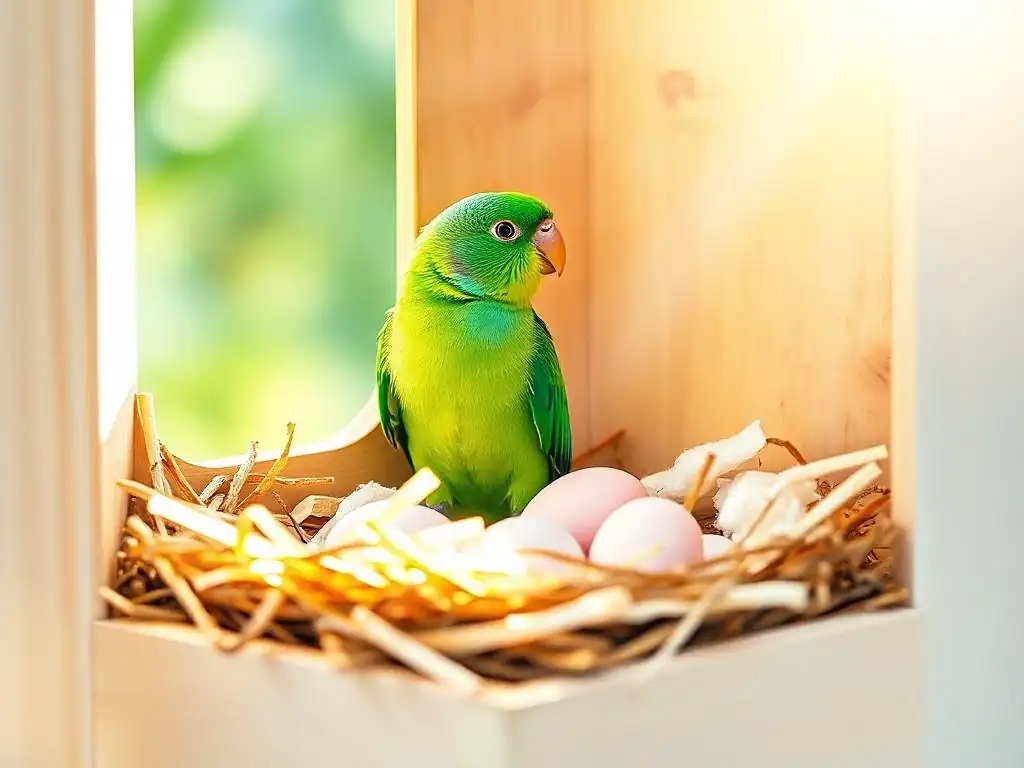
Providing a suitable nesting environment is crucial for preventing egg binding in parakeets. The nest box itself plays a significant role. An improperly sized or designed nest box can contribute to stress and physical difficulties during egg laying, increasing the risk of egg binding. Ideally, the nest box should be spacious enough to allow the hen comfortable movement and positioning during laying, yet not so large as to encourage excessive nesting material accumulation which can hinder egg passage. The dimensions should be tailored to the size of the parakeet breed; a box too small will restrict movement, while one that's too large might lead to the hen feeling insecure and less inclined to lay eggs in a safe location.
The material of the nest box also matters; rough surfaces can potentially irritate the hen's vent, increasing discomfort and possibly contributing to difficulties in laying. Smooth, clean, and easily disinfectable materials are recommended. Furthermore, the placement of the nest box within the cage is important. It should be positioned in a quiet, dark, and secure corner, away from drafts and direct sunlight, to minimize stress and provide a sense of privacy and safety for the hen during egg laying.
Regular cleaning of the nest box is also essential to maintain hygiene and prevent the buildup of bacteria or parasites that might compromise the hen's health and increase the risk of complications during egg laying. Finally, the type and amount of nesting material provided should be carefully considered. Too much material can create a cramped and stressful environment, while too little might not provide adequate support and warmth for the eggs. A balanced approach, providing just the right amount of soft, clean material is key.
Stress Reduction Techniques for Preventing Egg Binding in Budgies
Stress is a major contributing factor to egg binding in budgies (parakeets). Minimizing stress levels through various techniques is paramount to preventing this condition. A calm and stable environment is crucial. Sudden changes in the cage setup, introduction of new birds, loud noises, or even changes in the daily routine can all trigger stress. Maintaining consistency in the bird's daily life, providing a predictable schedule for feeding, cleaning, and interaction, helps reduce anxiety. Providing ample space within the cage is also vital.
Overcrowding can lead to competition for resources and increased aggression, contributing to stress. Sufficient space allows the birds to move freely and avoid unwanted interactions, promoting a relaxed atmosphere. Enrichment activities are essential for reducing boredom and stress. Providing toys, foraging opportunities, and opportunities for climbing and exploration keeps the birds mentally stimulated and prevents them from becoming anxious or listless. These activities can be as simple as adding new branches or toys to the cage regularly to keep the bird engaged and entertained. A balanced diet also plays a crucial role in stress reduction.
Nutritional deficiencies can weaken the bird's overall health, making it more susceptible to stress and egg-laying complications. A diet rich in fresh vegetables, fruits, and high-quality seed mixes provides the necessary nutrients for optimal health and stress resilience. Finally, minimizing human interaction during sensitive periods, such as egg-laying, is crucial. Excessive handling or disturbances can significantly increase stress levels. Observing the bird from a distance and avoiding unnecessary interaction during these times allows the hen to focus on the process without added pressure. Regular veterinary checkups for overall health monitoring also contribute to early detection and prevention of potential problems, including egg-binding.
Treatment Options for Egg Binding in Parakeets
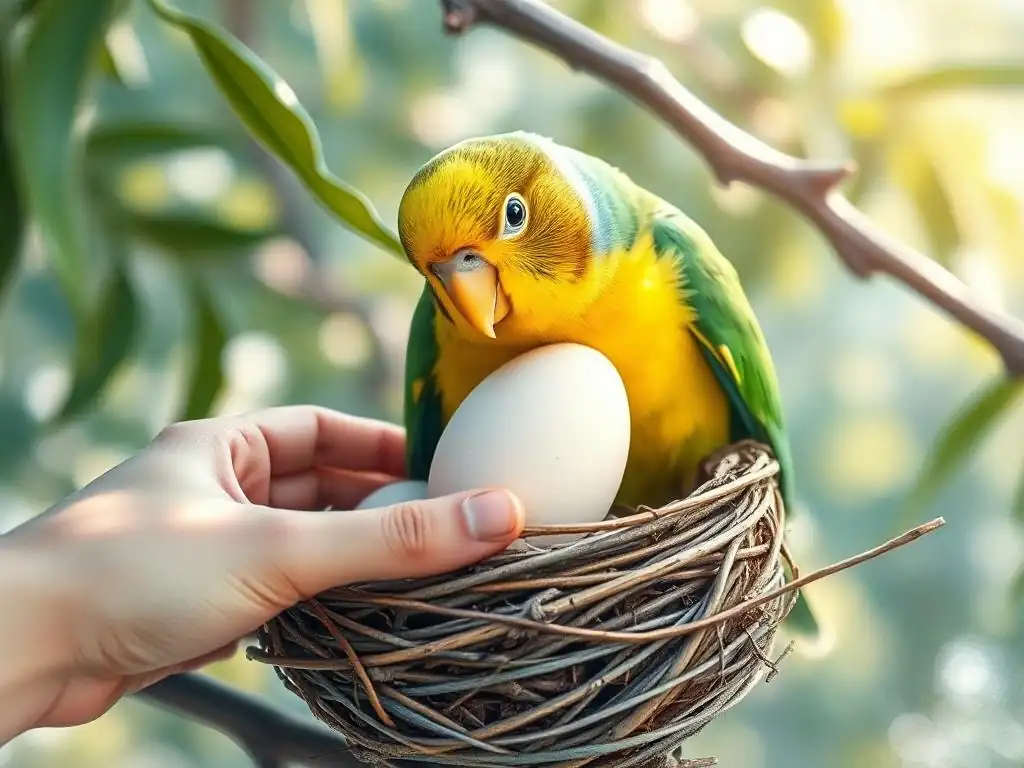
Egg binding in parakeets is a serious condition requiring prompt attention. While some mild cases might resolve with supportive care at home, many necessitate veterinary intervention. The severity dictates the appropriate treatment path, prioritizing the bird's health and well-being. Successful parakeet egg binding prevention strategies, discussed elsewhere in this article, are the best approach, but understanding treatment options is crucial for emergencies. Remember, early detection significantly improves the chances of a positive outcome. Delaying treatment can lead to severe complications, even death.
When to Seek Veterinary Care for Your Egg-Bound Parakeet
Recognizing the signs of egg binding is paramount. If your parakeet exhibits straining, lethargy, a swollen abdomen, or sits hunched over, immediate veterinary attention is crucial. These symptoms indicate potential complications. Don't wait for the situation to worsen. The longer you wait, the lower the chances of a successful resolution. Here's a checklist to help you determine when to seek professional help:
- Straining for more than 30 minutes without laying an egg: Prolonged straining is a clear sign of difficulty.
- Visible abdominal distension: A noticeably swollen belly suggests an egg is obstructing the passage.
- Lethargy and decreased appetite: These indicate the bird is in distress and requires immediate care.
- Respiratory distress: Difficulty breathing, often accompanied by rapid breathing, is a critical sign.
- Greenish or brownish discharge: This may signal infection or internal bleeding.
- Loss of balance or coordination: Neurological symptoms can be a late-stage indication of severe complications.
Delaying veterinary care can lead to fatal consequences, including rupture of the egg, internal bleeding, and infection. Time is of the essence.
Veterinary Treatments for Egg Binding in Budgies: Medication and Manual Assistance
Veterinary treatment for egg binding in parakeets often involves a combination of approaches. The veterinarian will assess the bird's condition to determine the best course of action. This may include:
- Medication: Pain relievers and anti-inflammatory drugs can help alleviate discomfort and reduce inflammation. In cases of infection, antibiotics are administered. The specific medication and dosage will be determined based on the parakeet's size and overall health.
- Manual Assistance: In some cases, the veterinarian might attempt to manually remove the egg. This procedure is delicate and requires expertise to minimize the risk of injury to the bird. This is usually performed under anesthesia to ensure the bird's comfort and safety.
- Fluid Therapy: Intravenous fluids are often administered to hydrate the bird and support its overall health. Dehydration is a common complication of egg binding.
- Calcium Supplementation: Adequate calcium levels are crucial for egg shell formation and laying. Supplementation might be necessary, especially if the bird has calcium deficiency.
The veterinarian will monitor the parakeet closely during and after treatment. The prognosis depends on the severity of the condition and the bird's overall health.
Post-Treatment Care for Parakeets After Egg Binding
Post-treatment care is crucial for a full recovery. The veterinarian will provide specific instructions, but general guidelines include:
- Dietary Adjustments: A balanced diet rich in calcium and other essential nutrients is vital for recovery. The veterinarian may recommend a specific diet formulated for parakeets.
- Rest and Quiet: Provide a calm and quiet environment to minimize stress. Avoid handling the bird excessively.
- Hydration: Ensure the parakeet has access to fresh water at all times.
- Monitoring: Closely monitor the bird for any signs of recurrence or complications. Report any concerns to your veterinarian immediately. Regular check-ups might be recommended.
- Nest Removal: Removing the nest box can help prevent further egg laying, particularly if the underlying cause is related to hormonal imbalances.
Careful post-treatment care significantly improves the chances of a successful recovery and reduces the risk of future egg-binding episodes. Remember, proactive parakeet egg binding prevention remains the best strategy. Regular veterinary check-ups and a healthy diet play a crucial role in maintaining your feathered friend's well-being.
Long-Term Parakeet Egg Binding Prevention Strategies
This section focuses on proactive measures to minimize the risk of egg binding in your parakeet, extending beyond immediate interventions. Successful long-term prevention hinges on responsible breeding practices and consistent attention to your bird's overall health and well-being. Remember, preventing egg binding is crucial for the health and longevity of your feathered friend.
Breeding Considerations and Responsible Pet Ownership
Responsible breeding practices are paramount in preventing egg binding. Over-breeding significantly increases a female parakeet's risk. Frequent laying depletes calcium reserves and stresses the reproductive system, making egg binding more likely. Therefore, avoid overbreeding your parakeets. Consider these points:
- Limited Breeding Seasons: Restrict breeding to a specific time of year, limiting the number of clutches per year. This allows the hen to recover and replenish her calcium stores.
- Careful Selection of Breeding Pairs: Choose healthy birds with a proven history of successful and uncomplicated breeding. Genetic predisposition can play a role in egg-binding susceptibility. [Specific genetic markers pending research].
- Appropriate Nest Box Size and Placement: Ensure the nest box is appropriately sized for the bird, providing enough space and minimizing stress during egg laying. The location should also be quiet and secure.
- Monitoring Laying Frequency: Keep a close eye on the frequency of egg laying. Excessive or prolonged laying warrants veterinary attention.
Ignoring these aspects significantly increases the likelihood of parakeet egg binding, highlighting the importance of responsible pet ownership in preventing this condition.
Ongoing Nutritional Monitoring for Parakeets to Prevent Recurrence of Egg Binding
Maintaining a balanced and nutritious diet is critical for preventing egg binding. A deficiency in calcium and other essential nutrients weakens the eggshell and increases the risk of binding. Therefore, consistent nutritional monitoring is key.
Here's what to consider:
- Calcium-Rich Diet: Ensure your parakeet's diet includes plenty of calcium-rich foods, such as cuttlebone, mineral blocks, and leafy greens. Supplementation might be necessary, but always consult your avian veterinarian before adding supplements.
- Variety is Key: A diverse diet minimizes nutritional deficiencies. Offer a variety of seeds, pellets, fruits, and vegetables.
- Fresh Water: Always provide fresh, clean water. Dehydration can exacerbate egg binding.
- Monitoring Food Intake: Observe your parakeet's eating habits. Changes in appetite can indicate underlying health issues that increase egg-binding risk. A decrease in food intake could signal a problem.
- Regular Weight Checks: Regularly weigh your parakeet to monitor weight changes, which can be an indicator of nutritional deficiencies or underlying health problems. Sudden weight loss warrants immediate veterinary attention.
Regular Veterinary Checkups for Budgies to Maintain Optimal Health
Proactive veterinary care is crucial for preventing egg binding and other health issues. Regular checkups allow for early detection of potential problems. Annual checkups are recommended, but more frequent visits may be necessary if your parakeet shows signs of illness or is a known egg-binding case.
The vet can:
- Conduct Physical Examinations: A thorough physical examination helps identify any underlying health conditions that might predispose your bird to egg binding.
- Perform Blood Tests: Blood tests can assess calcium levels and other vital indicators of your parakeet's health.
- Provide Nutritional Guidance: Your veterinarian can provide personalized dietary recommendations to address any specific nutritional needs.
- Early Detection of Problems: Early detection of any health issues allows for timely intervention, minimizing the risk of complications.
Regular veterinary care is a cornerstone of responsible parakeet ownership and a vital component of effective parakeet egg binding prevention. Don't underestimate the value of preventative care in maintaining your bird's health and well-being.
Recognizing and Addressing Underlying Health Issues that Contribute to Egg Binding in Parakeets
Egg binding in parakeets is rarely an isolated incident; it often stems from underlying health problems. Understanding and addressing these issues is crucial for long-term prevention. A parakeet prone to egg binding may have a calcium deficiency, leading to weak eggshells that are difficult to pass. This deficiency can manifest in other ways, such as brittle bones or lethargy. Regular veterinary check-ups, including blood tests to assess calcium levels, are essential for early detection. Supplementation with calcium-rich foods and/or supplements, only under veterinary guidance, is vital. Never self-medicate your parakeet.
Another contributing factor can be a reproductive tract infection or inflammation. These infections can cause swelling and obstruct the passage of eggs. Symptoms might include unusual discharge, lethargy, or straining. A veterinarian can diagnose these infections through physical examination and potentially laboratory tests. Treatment typically involves antibiotics or anti-inflammatory medications, prescribed and monitored by a qualified avian vet. Early intervention is key to preventing complications and future egg-binding episodes.
Obesity is another significant risk factor. Overweight parakeets often have difficulty laying eggs due to the added strain on their reproductive system. Maintaining a healthy weight through a balanced diet and regular exercise is paramount. This includes limiting high-fat, sugary foods and ensuring access to ample space for flight and play. Consult your avian veterinarian to determine a healthy weight range for your parakeet breed and age. They can help you create a tailored diet plan to promote healthy weight management. Remember, a healthy weight significantly reduces the likelihood of egg binding and other health complications.
Finally, stress can weaken a parakeet's immune system, making them more susceptible to infections and other issues that contribute to egg binding. Providing a calm and enriching environment is crucial. This involves minimizing noise and sudden movements, offering plenty of hiding places, and ensuring consistent social interaction (or solitude, depending on the bird's personality). A stressed parakeet is a vulnerable parakeet, more prone to health problems that can lead to egg binding. Creating a secure and comfortable environment is a vital part of preventative care.
Frequently Asked Questions
What is egg binding in parakeets?
Egg binding occurs when a hen parakeet is unable to lay an egg. This is a serious condition that can be fatal if not addressed promptly. Immediate veterinary care is crucial.
What are the symptoms of egg binding in parakeets?
Symptoms include straining to lay an egg, lethargy, swollen abdomen, and loss of appetite. You may also notice unusual posture or difficulty perching.
How can I prevent egg binding in my parakeet?
Proper nutrition is key, ensuring a balanced diet rich in calcium and other essential nutrients. Maintain a stress-free environment and provide regular vet check-ups.
What role does calcium play in preventing egg binding?
Calcium is vital for eggshell formation. A deficiency can lead to weak or misshapen eggs, making it difficult for the hen to lay them. Supplementing the diet with calcium-rich foods or supplements (under veterinary guidance) is important.
When should I take my parakeet to the vet for suspected egg binding?
If you observe any of the symptoms mentioned above, seek veterinary attention immediately. Egg binding is a time-sensitive emergency that requires prompt professional treatment.
Final Reflection: A Tiny Life, A Great Responsibility
The fragility of a parakeet's life, magnified in the delicate process of egg-laying, underscores the crucial need for responsible bird ownership. Understanding and preventing egg binding is not just about veterinary intervention; it's about providing a nurturing environment that prioritizes the well-being of these intelligent and sensitive creatures. The health of our feathered companions rests directly on our shoulders.
The emotional toll of witnessing a bird struggle with egg binding is profound. It highlights the inherent vulnerability of these animals and the immense responsibility we undertake when we bring them into our homes. The greatness of a nation and its moral progress can be judged by the way its animals are treated.
- Mahatma Gandhi. This quote, while broad in scope, speaks directly to the ethical considerations of pet ownership and the care we must provide to prevent suffering. The impact of responsible breeding practices and preventative care extends far beyond the individual bird, shaping the future health and well-being of the entire parakeet population.
You now possess the knowledge to make a difference. Take the time to review the information presented, assess your own parakeet's environment, and proactively implement the preventative measures discussed. By providing proper nutrition, enrichment, and a stress-free habitat, you can significantly reduce the risk of egg binding and contribute to a healthier, happier life for your beloved parakeet. Let's work together to ensure the well-being of these amazing creatures, one healthy egg at a time.
Unlock Your Parakeet's Health: Take Action Now!
Thank you for learning about egg binding in parakeets. We hope this article provided valuable insights into preventing this serious condition. Now, let's put that knowledge into action! Here's how you can help your parakeet:
- Prioritize dietary calcium: A calcium-rich diet is crucial for preventing egg binding. Supplement your bird's food with a cuttlebone or mineral block to ensure they receive adequate calcium. This is the single most important step you can take.
- Share this information: Help other bird owners protect their parakeets by sharing this article on social media. Even a small action can make a big difference in preventing this serious health issue.
- Learn more about avian health: Continue learning about avian care by exploring resources from reputable organizations like the [Name of Reputable Organization 1] and the [Name of Reputable Organization 2]. Knowledge is power when it comes to keeping your parakeet healthy and happy.
What small step will you take today to improve your parakeet's well-being?