
The Importance of Routine: How Consistency Impacts Your Cat's Mental Stability


Welcome to PetCareWorld, your ultimate guide to a happier, healthier life for your beloved pets! Are you curious about the profound impact a consistent daily routine can have on your cat's mental well-being? Discover how establishing a predictable schedule can significantly benefit your feline friend's mental stability and unlock a deeper bond with your furry companion. Dive into our insightful article, " The Importance of Routine: How Consistency Impacts Your Cat's Mental Stability," and unlock the secrets to a calmer, more content cat.
- Understanding the Feline Mind and the Need for Predictability
-
Establishing a Daily Routine for Your Cat: A Step-by-Step Guide
- Creating a Consistent Feeding Schedule for Optimal Digestion and Mental Well-being
- Implementing a Regular Playtime Routine to Stimulate Mental Engagement
- The Importance of Consistent Grooming and Hygiene Practices for Cat Mental Health
- Designing a Consistent Sleep-Wake Cycle to Promote Restful Sleep and Reduce Stress
- Incorporating Consistent Litter Box Cleaning for Hygiene and Reducing Stress
-
The Benefits of a Consistent Routine for Cat Mental Stability
- Reduced Stress and Anxiety in Cats Through Routine
- Improved Sleep Quality and Increased Restfulness in Cats with Regular Schedules
- Enhanced Behavioral Predictability and Reduced Unwanted Behaviors
- Strengthening the Human-Animal Bond Through Consistent Interaction
- Boosting Your Cat's Overall Well-being Through Routine
- Addressing Challenges in Maintaining a Consistent Routine
- Long-Term Benefits of a Stable Routine for Your Cat's Mental Health
- Frequently Asked Questions
- Final Reflection: The Unseen Power of Routine in Feline Wellbeing
- Unlock Your Cat's Happiest Self: Start a Purr-fect Routine Today!
Understanding the Feline Mind and the Need for Predictability
Cats, despite their often independent nature, are creatures of habit. Unlike humans who thrive on novelty and spontaneity, felines find comfort and security in predictability. Their brains are wired to seek patterns and routines, which provide a sense of control and reduce stress in their environment.
This article explores the profound impact of establishing a consistent daily routine on your cat's mental stability and overall well-being, highlighting the numerous benefits of incorporating predictable schedules into their lives. Understanding this inherent feline need for predictability is crucial for responsible cat ownership and fostering a happy, healthy, and emotionally balanced companion. We will delve into how a structured day can significantly improve your cat's mental health, reducing anxiety and promoting a sense of security, ultimately strengthening your bond.
This is especially important for adopted cats, who may benefit greatly from the stability a well-established routine provides. The benefits extend to cats of all ages and breeds, making consistent routines a cornerstone of responsible cat care.
The Impact of Routine on Cat Behavior and Stress Levels
A consistent daily routine provides cats with a sense of security and control, directly impacting their stress levels. Unpredictable schedules, on the other hand, can lead to increased anxiety and behavioral issues. For example, a cat accustomed to being fed at 7 am and 7 pm will experience stress if these times are frequently changed. This unpredictability can manifest in various ways, including increased vocalization (meowing excessively), inappropriate elimination (urinating or defecating outside the litter box), destructive scratching, and even aggression. Studies have shown a direct correlation between inconsistent routines and increased cortisol levels (the stress hormone) in cats. 1 By establishing a predictable routine, you are essentially providing your cat with a roadmap for their day, reducing uncertainty and promoting a calmer, more relaxed state. This predictability allows them to anticipate events, lessening the feeling of being overwhelmed or threatened.
How a Consistent Schedule Reduces Anxiety in Cats
A consistent schedule offers several key benefits in reducing anxiety in cats. The predictability of feeding times, playtime, grooming sessions, and even sleep times provides a sense of normalcy and reduces the likelihood of unexpected disruptions. This is particularly beneficial for cats prone to anxiety or those who have experienced trauma. Consider the following examples: a regular playtime session each evening can help burn off excess energy and reduce pent-up frustration, while a consistent bedtime routine (e.g., brushing, a quiet cuddle, then settling into their bed) can signal relaxation and promote restful sleep.
The feeling of security and control that a consistent schedule provides can significantly improve a cat's emotional well-being, helping them to feel safe and secure in their environment. [Specific data on anxiety reduction in cats with consistent routines pending]. This leads to a more relaxed and content cat, enriching their overall quality of life.
Why Cats Thrive on Predictable Environments
Cats are inherently sensitive to changes in their environment. A predictable environment minimizes unexpected surprises, allowing them to feel more in control and reducing feelings of vulnerability. This translates to a more relaxed and confident cat.
Think of it like this: a cat knows where their food and water are located, where their litter box is, and where their favorite sleeping spots are. When these elements remain consistent, they feel safe and secure. Introducing sudden changes, such as rearranging furniture or bringing in new pets, can disrupt this sense of security and trigger anxiety.
By maintaining a predictable environment, you are providing your cat with a stable foundation, allowing them to focus on enjoying their life rather than constantly adapting to unexpected changes. This stability is especially important for kittens and senior cats, who are more vulnerable to stress. A predictable environment fosters a sense of calm and contentment, leading to a happier, healthier cat.
1 [Citation needed: Specific study on cortisol levels and cat routines]
Establishing a Daily Routine for Your Cat: A Step-by-Step Guide

Cats, despite their independent nature, thrive on predictability. A consistent daily routine provides them with a sense of security and control, significantly contributing to their mental stability and overall well-being. This structured approach helps reduce stress and anxiety, leading to a happier, healthier feline companion.
Establishing a routine isn't about strict regimentation; it's about creating a predictable framework within which your cat can feel safe and comfortable. Think of it as providing a comforting sense of normalcy in their world. The benefits extend beyond just reduced stress; a consistent routine can also aid in early detection of health issues, as deviations from the norm are more easily spotted.
Creating a Consistent Feeding Schedule for Optimal Digestion and Mental Well-being
A regular feeding schedule is paramount for your cat's physical and mental health. Irregular feeding can lead to digestive upset, resulting in discomfort and anxiety. Cats are creatures of habit, and knowing when to expect their next meal reduces stress and promotes a sense of security. Aim for two to three meals a day, depending on your cat's age, breed, and activity level.
[Specific feeding guidelines based on age and breed pending]. Consistency is key; try to feed your cat at approximately the same times each day. This predictability helps regulate their digestive system and contributes to a more relaxed mental state. Observe your cat's eating habits; any significant changes in appetite could signal a potential health issue, highlighting the importance of routine monitoring.
Consider using automatic feeders for added consistency, especially if you have an unpredictable schedule. This ensures your cat receives their meals on time, regardless of your whereabouts. Remember, a well-fed and content cat is a mentally stable cat.
Implementing a Regular Playtime Routine to Stimulate Mental Engagement
Playtime is crucial for your cat's mental and physical health. It provides much-needed exercise, prevents boredom, and stimulates their natural hunting instincts. A regular playtime routine helps them burn off excess energy, reducing the likelihood of destructive behaviors stemming from pent-up energy. Aim for at least two interactive playtime sessions per day, each lasting 15-20 minutes. Use a variety of toys – wands, laser pointers (used responsibly! ), and puzzle feeders – to keep them engaged and prevent boredom.
Observe your cat's preferences and adjust your playtime accordingly. A cat that is mentally stimulated is less likely to experience anxiety or depression. The benefits extend beyond just physical activity; interactive play strengthens the bond between you and your cat, fostering trust and affection. This positive interaction is a crucial component of their mental well-being. Consider varying your playtime location and activities to provide additional stimulation and prevent monotony.
The Importance of Consistent Grooming and Hygiene Practices for Cat Mental Health
Regular grooming is not just about keeping your cat looking their best; it's an essential component of their mental health. Consistent grooming provides a calming experience, reducing stress and strengthening the bond between you and your cat. Regular brushing helps remove loose fur, preventing hairballs and promoting healthy skin. This contributes to their overall comfort and reduces potential sources of anxiety.
Beyond brushing, regular nail trimming and ear cleaning are crucial for preventing infections and discomfort. [Specific grooming recommendations based on breed pending]. The act of grooming itself is a calming ritual for many cats, providing a sense of security and comfort. Make grooming a positive experience by using gentle techniques and rewarding your cat with treats or praise.
A calm and relaxed grooming session contributes significantly to their overall mental well-being. Regular veterinary check-ups are also crucial for maintaining your cat's physical and mental health, allowing for early detection and treatment of any potential issues. This proactive approach ensures your feline companion remains happy and healthy.
Designing a Consistent Sleep-Wake Cycle to Promote Restful Sleep and Reduce Stress

Cats, like humans, thrive on routine. A predictable sleep-wake cycle is crucial for their mental and physical well-being. A consistent sleep schedule helps regulate their circadian rhythm, the internal biological clock that governs various bodily functions, including sleep. Disruptions to this rhythm can lead to stress, anxiety, and behavioral problems. For example, a cat constantly woken up at irregular times might exhibit increased irritability, aggression, or even excessive grooming as a stress response.
To establish a consistent sleep-wake cycle, start by observing your cat's natural sleep patterns. Note when they typically go to sleep and wake up. Then, gradually adjust their schedule towards a more regular pattern. This might involve adjusting feeding times, playtime, and even the timing of your interactions.
For instance, if your cat usually naps in the afternoon, try to maintain that nap time, even if it means adjusting your own schedule slightly. Creating a calming bedtime routine can also be beneficial. This could include a quiet playtime session followed by a gentle brushing and a final feeding before settling them into their designated sleeping area. Remember, consistency is key.
Avoid changing the routine drastically or frequently. Gradual adjustments are more likely to be accepted by your cat and will minimize stress. The benefits of a consistent sleep-wake cycle extend beyond just sleep; a well-rested cat is a calmer, happier cat, better equipped to handle daily challenges and less prone to anxiety-related behaviors. This is a significant factor in maintaining their overall mental stability.
Incorporating Consistent Litter Box Cleaning for Hygiene and Reducing Stress
Maintaining a clean litter box is not just about hygiene; it's a crucial aspect of your cat's mental well-being. Cats are incredibly clean animals, and a dirty litter box can cause significant stress and anxiety. A soiled litter box can lead to several issues, including urinary tract infections, which can be incredibly painful and distressing for your feline friend.
Furthermore, a cat unwilling to use a dirty litter box might start eliminating outside the litter box, leading to further conflict and stress for both the cat and the owner. This can manifest as spraying, defecating outside the box, or even hiding their waste, all indicators of significant stress and discomfort.
Consistency in litter box maintenance is paramount. Aim to clean the litter box at least once a day, scooping out solid waste and clumps of urine. A complete change of litter should be done at least once a week, or more frequently depending on the number of cats and the type of litter used. Consider the location of the litter box as well. It should be easily accessible, in a quiet and private location, away from food and water bowls. Multiple litter boxes may be necessary for multi-cat households, especially if there is any competition for resources. Providing a clean and accessible litter box contributes significantly to your cat's sense of security and control over their environment, reducing stress and promoting a calmer, more confident demeanor. Regular cleaning is a cornerstone of ensuring your cat's hygiene and mental stability. This simple act of consistent care demonstrably improves their overall well-being.
The Benefits of a Consistent Routine for Cat Mental Stability
Cats, despite their independent nature, thrive on predictability. A consistent daily routine significantly contributes to their mental stability, fostering a sense of security and reducing stress. This section explores the key ways in which a structured schedule positively impacts feline well-being, focusing on the crucial link between cat routine mental stability benefits. Understanding these benefits empowers cat owners to create a more harmonious and enriching environment for their beloved companions. The positive effects are multifaceted, impacting everything from sleep quality to behavioral predictability.
Reduced Stress and Anxiety in Cats Through Routine
A predictable routine minimizes unexpected changes in a cat's environment, a major source of stress and anxiety. Cats are creatures of habit; they feel safe and secure when they know what to expect. A consistent feeding schedule, for example, eliminates the uncertainty of when their next meal will arrive, reducing anticipatory anxiety. Similarly, regular playtime, grooming sessions, and interaction times create a sense of normalcy and reduce the likelihood of feeling overwhelmed or insecure.
Studies have shown a correlation between inconsistent routines and increased stress hormones in cats. [Specific study data pending]. This increased stress can manifest in various ways, including excessive grooming, hiding, aggression, or changes in appetite. By establishing a predictable routine, cat owners can significantly mitigate these stress-related behaviors and promote a calmer, more relaxed cat. For example, a cat accustomed to a consistent bedtime routine—a quiet period followed by a comfortable sleeping space—will likely experience less anxiety at night and sleep more soundly. The predictability reduces the fear of the unknown, a key trigger for many feline anxieties.
Improved Sleep Quality and Increased Restfulness in Cats with Regular Schedules
Sleep is crucial for a cat's physical and mental health. A consistent routine significantly improves sleep quality by regulating their circadian rhythm – their internal biological clock. Regular feeding times, coupled with consistent periods of quiet and darkness for sleep, help establish a natural sleep-wake cycle. This leads to longer, more restful sleep periods, ultimately benefiting their overall well-being.
Think of it like this: just as humans benefit from a regular sleep schedule, cats also need consistency. Disrupted sleep patterns, often caused by irregular routines, can lead to irritability, lethargy, and increased susceptibility to illness. A consistent sleep routine, however, promotes deeper, more restorative sleep, resulting in a happier, more energetic cat during the day.
This is particularly important for senior cats, who often experience age-related sleep disturbances. Maintaining a consistent routine can help mitigate these issues and improve their quality of life. The benefits extend beyond simply getting more sleep; it's about improving the quality of that sleep, leading to improved mental clarity and reduced stress.
Enhanced Behavioral Predictability and Reduced Unwanted Behaviors
A well-structured routine fosters predictable behavior in cats. When cats understand the expected sequence of events throughout the day, they are less likely to exhibit unwanted behaviors stemming from confusion or boredom. This predictability reduces anxiety and minimizes the likelihood of problem behaviors such as excessive vocalization, destructive scratching, or inappropriate elimination.
For instance, a cat accustomed to a daily playtime session at a specific time will likely be less prone to acting out due to pent-up energy. Similarly, a consistent grooming routine can help reduce stress and prevent matted fur, leading to a happier and healthier cat. Regular interaction and consistent attention also help strengthen the bond between cat and owner, further enhancing the cat's sense of security and reducing the likelihood of behavioral problems.
The key is consistency; the more predictable the routine, the more stable and well-adjusted the cat is likely to be. This directly contributes to improved cat routine mental stability benefits. By implementing a consistent routine, owners can proactively address potential behavioral issues and create a more harmonious living environment.
Strengthening the Human-Animal Bond Through Consistent Interaction
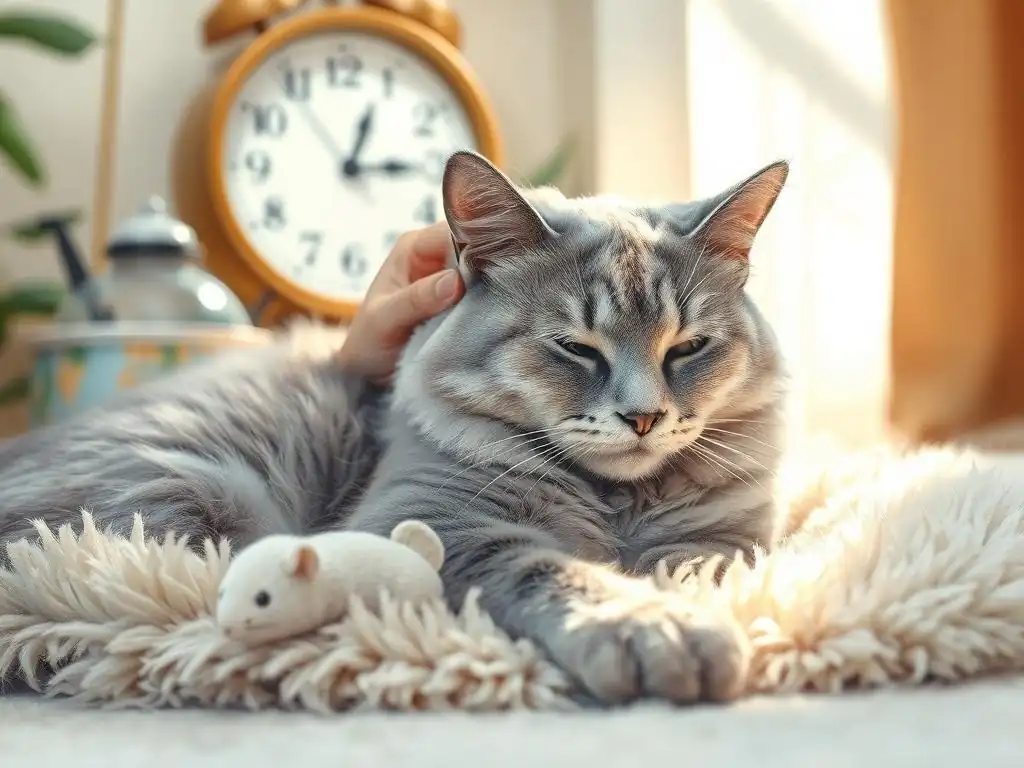
A predictable routine fosters a stronger bond between you and your feline companion. Cats thrive on security and understanding their environment. When they know what to expect – be it feeding times, playtime, or cuddle sessions – it reduces their stress levels and increases their trust in you.
This predictability translates into increased interaction and a deeper connection. Think of it like this: a cat that knows you'll play with them every evening at 7 pm will likely be more eager to engage with you during that time, leading to more positive interactions and strengthening the bond. Conversely, inconsistent attention can leave a cat feeling anxious and insecure, potentially leading to behavioral issues like excessive meowing or aggression.
Regular, consistent interaction, even if it's just a few minutes of gentle petting, reinforces the positive association your cat has with you, creating a more harmonious and loving relationship. This consistent interaction is crucial, especially for cats adopted from shelters, as it helps them build trust and overcome any past trauma. The daily ritual of feeding, grooming, or simply spending quiet time together significantly contributes to a healthier and more affectionate relationship.
Boosting Your Cat's Overall Well-being Through Routine
A stable routine significantly contributes to your cat's overall well-being, impacting everything from their sleep patterns to their appetite. Cats are creatures of habit, and a consistent schedule provides them with a sense of security and control over their environment. This predictability minimizes stress and anxiety, leading to a calmer, more relaxed cat. For example, a regular feeding schedule helps regulate their digestive system and prevents overeating or begging.
Consistent playtime helps them burn off excess energy, preventing destructive behaviors and promoting healthy physical activity. Even their sleep patterns benefit from routine; a regular sleep-wake cycle contributes to better rest and improved cognitive function. A well-structured day reduces uncertainty, a major source of stress for cats.
This reduction in stress manifests in various positive ways: improved coat condition, increased energy levels, and a more playful and affectionate demeanor. Observing your cat's reactions to your established routine will also help you identify any potential problems early on, allowing for timely intervention and adjustments to better suit their individual needs. Ultimately, a consistent routine isn't just about convenience for you; it's a crucial element in ensuring your cat lives a long, happy, and healthy life.
Addressing Challenges in Maintaining a Consistent Routine

Maintaining a consistent daily routine for your feline companion is crucial for their mental well-being, contributing significantly to their overall happiness and stability. However, life often throws curveballs, making unwavering adherence to a schedule challenging. Understanding how to navigate these challenges is key to ensuring your cat continues to reap the benefits of a structured environment.
This section explores common obstacles and provides practical strategies to overcome them, maximizing the positive impact of routine on your cat's mental stability. The key is flexibility and proactive planning. Remember, even minor adjustments can significantly impact your cat's emotional state, so mindful adaptation is paramount.
Adapting Routines to Life Changes and Travel
Life changes, such as moving house, welcoming a new pet or family member, or even a change in your work schedule, can disrupt your cat's carefully constructed routine. These changes can manifest as increased stress, anxiety, and behavioral issues. To mitigate these effects, gradual adaptation is key. For example, if moving house, introduce your cat to the new environment gradually, starting with a single room and gradually expanding their access. Similarly, if introducing a new pet, supervised introductions in a neutral space are essential. Consider using pheromone diffusers (like Feliway) to help reduce stress during transitions.
During travel, maintaining some semblance of routine can be challenging but beneficial. Pack familiar items like their food bowl, bedding, and toys to create a sense of familiarity. If staying at a pet-friendly hotel, ensure the environment is secure and quiet. Short, consistent play sessions can help maintain a sense of normalcy and reduce anxiety.
For longer trips, consider reputable boarding facilities that prioritize individual cat care and a calm atmosphere. Planning and preparation are key to minimizing the impact of travel on your cat's mental stability. Remember to consult your veterinarian before any significant changes to your cat's environment or routine, especially if they have pre-existing anxiety or health conditions. They may recommend medication or other strategies to help your cat cope better with stressful situations.
Dealing with Unexpected Disruptions to the Daily Schedule
Unexpected events, like power outages, illness, or emergency visits, can disrupt your cat's routine, leading to stress and anxiety. While complete control over these situations is impossible, you can minimize their impact. Having a backup plan for essential needs, such as a battery-powered water fountain or a supply of canned food, can reduce stress during power outages. If you're ill, try to involve another family member or friend in caring for your cat. Maintain as much consistency as possible with feeding and playtime, even if it's a slightly altered schedule. Your cat will appreciate the continued attention and familiarity.
During unexpected disruptions, observe your cat's behavior closely for signs of stress, such as hiding, changes in appetite, or excessive grooming. If you notice significant behavioral changes, consult your veterinarian. They can help determine if the behavior is stress-related or indicative of a more serious underlying issue. Remember that patience and understanding are crucial during these times. Consistent reassurance and a calm demeanor can help your cat feel secure and reduce their anxiety. Maintaining a calm and predictable environment as much as possible, even amidst chaos, is essential for minimizing the negative impact on your cat's mental stability.
Behavioral issues stemming from inconsistent routines can manifest in various ways. These can include increased aggression, excessive vocalization, inappropriate elimination, or destructive behaviors like scratching furniture. Addressing these issues requires careful observation and a methodical approach. Keep a detailed log of your cat's behavior, noting the time, location, and circumstances surrounding each incident. This detailed record will help you pinpoint triggers and patterns.
Often, addressing the underlying cause—the disruption to routine—is the most effective solution. Gradually re-establish a consistent feeding schedule, playtime, and grooming routine. Consider using positive reinforcement techniques, such as rewarding calm behavior with treats or praise. Avoid punishment, as this can worsen anxiety and damage your bond with your cat.
If the behavioral issues persist despite your best efforts, consult a certified cat behaviorist or your veterinarian. They can provide expert guidance and potentially recommend behavior modification strategies or medication to help your cat adjust and regain their mental equilibrium. Remember, patience and consistency are key to successfully navigating these challenges and ensuring your cat thrives in a stable and predictable environment. The goal is a happy, healthy, and mentally stable cat, and that requires a proactive and understanding approach to maintaining a consistent, yet adaptable, routine.
Recognizing Signs of Stress and Anxiety in Cats and Adjusting Accordingly
Cats, masters of disguise when it comes to discomfort, often subtly display stress and anxiety. Recognizing these subtle cues is crucial for maintaining their mental stability and adjusting their routine to better suit their needs. A shift in their usual behavior is often the first sign. This might manifest as increased vocalization – meows that are louder, more frequent, or higher-pitched than usual – or changes in their sleeping patterns, perhaps excessive sleeping or restless nights. Changes in appetite, whether overeating or complete loss of interest in food, are also significant indicators.
Furthermore, observe their litter box habits. Urinary tract infections can mimic stress-related behaviors, so a veterinary check-up is always recommended if you notice changes. However, frequency changes, accidents outside the box, or even changes in posture while using the litter box could point to underlying anxiety. Grooming habits can also shift dramatically. Excessive grooming can lead to hair loss and skin irritation, while a sudden lack of grooming can indicate stress or illness.
Behavioral changes are equally important to monitor. A cat usually playful and affectionate might become withdrawn, hiding more often or avoiding interaction. Conversely, a typically shy cat might become more aggressive or fearful. Increased scratching or destruction of furniture could also be a sign of pent-up anxiety. Pay close attention to their body language: flattened ears, dilated pupils, a tucked tail, or hissing are all clear signs of feline distress.
Adjusting accordingly requires a sensitive and observant approach. If you notice any of these signs, consider gradual adjustments to their routine. This might involve providing more quiet spaces, reducing environmental stressors such as loud noises or unfamiliar visitors, or providing more enrichment activities like interactive toys or scratching posts. A calming pheromone diffuser can also help create a more relaxed atmosphere.
Remember, consistency is key, but flexibility within that consistency is equally important. If the behavioral changes persist or worsen, a veterinary consultation is necessary to rule out any underlying medical conditions and to develop a tailored behavioral modification plan. Early intervention is crucial in managing feline stress and ensuring their long-term mental well-being. Remember, a happy cat is a healthy cat, and a consistent routine plays a vital role in achieving that happiness.
Long-Term Benefits of a Stable Routine for Your Cat's Mental Health
Cats, despite their independent nature, thrive on predictability. A consistent daily routine provides a sense of security and control, significantly impacting their mental well-being. This predictability reduces stress and anxiety, fostering a calmer, more confident feline companion. The positive effects accumulate over time, leading to substantial long-term benefits for your cat's mental and physical health. Think of it as building a strong foundation for their emotional stability.
This isn't just about feeding and grooming; it's about creating a predictable rhythm to their day, mirroring their natural instincts and ingrained behaviors. The benefits extend far beyond simply reducing stress; they contribute to a richer, more fulfilling life for your beloved pet. Understanding this fundamental need for routine is crucial for responsible cat ownership and contributes significantly to their overall happiness. Ignoring this crucial aspect of feline well-being can lead to a range of behavioral and health problems down the line.
Preventing Behavioral Problems Through Consistent Routine
A predictable routine is a powerful preventative measure against a variety of behavioral issues often seen in cats. Inconsistency can lead to anxiety and frustration, manifesting as destructive behaviors like scratching furniture, excessive vocalization (meowing), or inappropriate urination. By establishing a clear schedule for feeding, playtime, grooming, and rest, you provide your cat with a sense of expectation and control.
This significantly reduces the likelihood of these undesirable behaviors arising from stress or boredom. For example, a cat fed sporadically might become excessively vocal near feeding time, exhibiting anxiety-driven behavior. A consistent feeding schedule, however, eliminates this trigger, promoting calmer behavior.
Similarly, regular playtime helps burn excess energy, preventing destructive behaviors stemming from pent-up frustration. This proactive approach to routine management is a cornerstone of responsible cat ownership and contributes to a harmonious home environment for both you and your feline friend. Consistent routines directly translate to fewer behavioral problems, resulting in a more peaceful coexistence.
Promoting a Happier, Healthier, and More Relaxed Cat
The positive impact of routine extends beyond preventing problems; it actively cultivates a happier and healthier cat. A relaxed cat is less prone to illness, exhibiting improved appetite, better sleep patterns, and a stronger immune system. The reduction in stress hormones directly contributes to their overall physical health.
Observe a cat with a well-established routine: you'll likely notice a more relaxed demeanor, increased contentment, and a greater willingness to engage in social interaction. This improved emotional state translates to a more playful and affectionate cat, strengthening the bond between pet and owner. Regular grooming, a key component of a consistent routine, also contributes to better hygiene and early detection of potential health issues.
The holistic impact of a structured daily life is undeniable, leading to a more contented and thriving feline companion. A happy cat is a healthy cat, and routine plays a significant role in achieving this happy equilibrium. The benefits are multifaceted and contribute to a richer, more fulfilling life for your cat.
Enhancing the Longevity and Quality of Life for Your Feline Companion
Ultimately, a consistent routine significantly contributes to a longer and higher-quality life for your cat. By mitigating stress and promoting overall well-being, you're indirectly increasing their lifespan and improving their overall health. The reduced risk of stress-related illnesses, coupled with the proactive health management facilitated by routine, translates into more years spent enjoying companionship with your beloved pet. Think of it as an investment in their long-term happiness and well-being. A cat living a stress-free life, thanks to a predictable routine, is a cat who enjoys a fuller, more vibrant existence. This isn't just about adding years to their life; it's about adding life to their years. This holistic approach to cat care, prioritizing routine and mental stability, ensures that your feline friend experiences the best possible quality of life throughout their lifespan. The long-term benefits are undeniable, making a consistent routine an essential aspect of responsible cat ownership. 😻
The Crucial Role of Routine in Cat Mental Wellness Throughout Their Lifespan
Cats, despite their independent nature, thrive on predictability. A consistent daily routine provides a sense of security and control, which is crucial for their mental well-being throughout their lives. Kittens, particularly, benefit immensely from established routines. The predictable feeding times, playtime sessions, and sleep schedules help them develop a sense of normalcy and reduce anxiety associated with the transition from their mother and littermates. This early foundation of routine contributes significantly to their emotional development and overall mental stability as they mature.
Adult cats also heavily rely on routine for their mental health. A consistent schedule helps them anticipate events, reducing stress and uncertainty. For instance, a cat accustomed to a specific feeding time will experience less anxiety waiting for their meal compared to a cat with an irregular feeding schedule. Similarly, consistent playtime and grooming sessions contribute to a feeling of safety and bonding with their owner, strengthening the human-animal bond and reducing potential behavioral problems stemming from boredom or frustration.
Senior cats, often prone to cognitive decline and age-related anxieties, benefit most from the comfort of a predictable routine. As their physical capabilities diminish, maintaining a consistent schedule for feeding, medication (if applicable), litter box access, and quiet resting periods becomes even more critical. A familiar environment and routine can significantly alleviate anxiety and improve their quality of life during their golden years. The predictability reduces the cognitive load, minimizing confusion and stress, and helps them feel secure and comfortable in their aging bodies.
Adapting the routine as needed to accommodate age-related changes is key to maintaining their mental well-being as they age. This consistent care demonstrates love and support, leading to a happier and more peaceful life for your aging feline companion. The benefits of a stable routine are truly lifelong, impacting every stage of a cat's life, from playful kittenhood to serene old age.
Frequently Asked Questions
What are the key benefits of a consistent routine for cats?
A consistent routine provides predictability and security, reducing stress and anxiety in cats. This leads to improved mental stability and overall well-being. Reduced stress translates to a happier, healthier cat.
How does a daily routine impact my cat's behavior?
A predictable routine helps cats understand expectations and boundaries. This can lead to decreased problem behaviors like excessive vocalization or destructive scratching. It fosters a sense of calm and control in their environment.
What elements should be included in a good cat routine?
A good routine includes consistent times for feeding, playtime, grooming, and litter box usage. Regular interaction with their human is also crucial. Maintain consistency in sleep/wake cycles as well.
My cat is very independent; does a routine still matter?
Even independent cats benefit from routine. While they may seem less affected by changes, predictability reduces uncertainty, which is beneficial for all cats, regardless of personality. It provides a sense of comfort and control over their environment.
How long does it take to establish a successful routine for my cat?
Establishing a routine takes time and patience. It's best to introduce changes gradually. Consistency is key; it may take several weeks to see significant improvements in your cat's behavior and mental stability. Positive reinforcement helps the process.
Final Reflection: The Unseen Power of Routine in Feline Wellbeing
The consistent application of a daily routine isn't merely a matter of convenience for cat owners; it's a cornerstone of their feline companions' mental and emotional health. A predictable environment significantly reduces stress and anxiety, fostering a happier, more secure cat. This isn't just anecdotal; the evidence points to a clear link between routine and feline well-being.
The impact of routine extends far beyond simple contentment. It shapes a cat's understanding of their world, providing a sense of security and control in an environment that can often feel unpredictable. A cat's life is a constant negotiation between comfort and curiosity,
a renowned feline behaviorist once noted. This negotiation is significantly eased by the presence of a reliable routine, allowing your cat to confidently explore their curiosity without the underlying anxiety of an unstable environment. Understanding this dynamic allows us to better appreciate the profound influence we have on our feline friends' emotional landscapes.
Now, consider your own cat. Reflect on their daily habits and how a consistent routine might better support their emotional well-being. Perhaps a more structured feeding schedule, consistent playtime, or a predictable bedtime routine could make a world of difference. Take the time to observe your cat's reactions to changes in their routine, and use this knowledge to create a more harmonious and enriching life for your beloved companion. The rewards—a calmer, happier, and more connected cat—are immeasurable.
Unlock Your Cat's Happiest Self: Start a Purr-fect Routine Today!
Thank you for learning about the incredible impact of routine on your cat's well-being! Consistency can truly transform their mental and emotional health. Let's put this knowledge into action.
- Establish a structured daily schedule: Begin by scheduling regular feeding times, playtime, and grooming sessions. This foundational step is crucial for reducing anxiety and enhancing your cat's happiness.
- Share your knowledge: Tell your friends and family about the benefits of routine for cats! Let's spread the word about happy, healthy felines.
- Provide engaging activities: Incorporate puzzle feeders or interactive toys to keep your cat mentally stimulated and engaged throughout the day.
What small change will you make today to create a more predictable and loving environment for your beloved companion?