
Positive Reinforcement: A Lifelong Journey of Learning and Growth

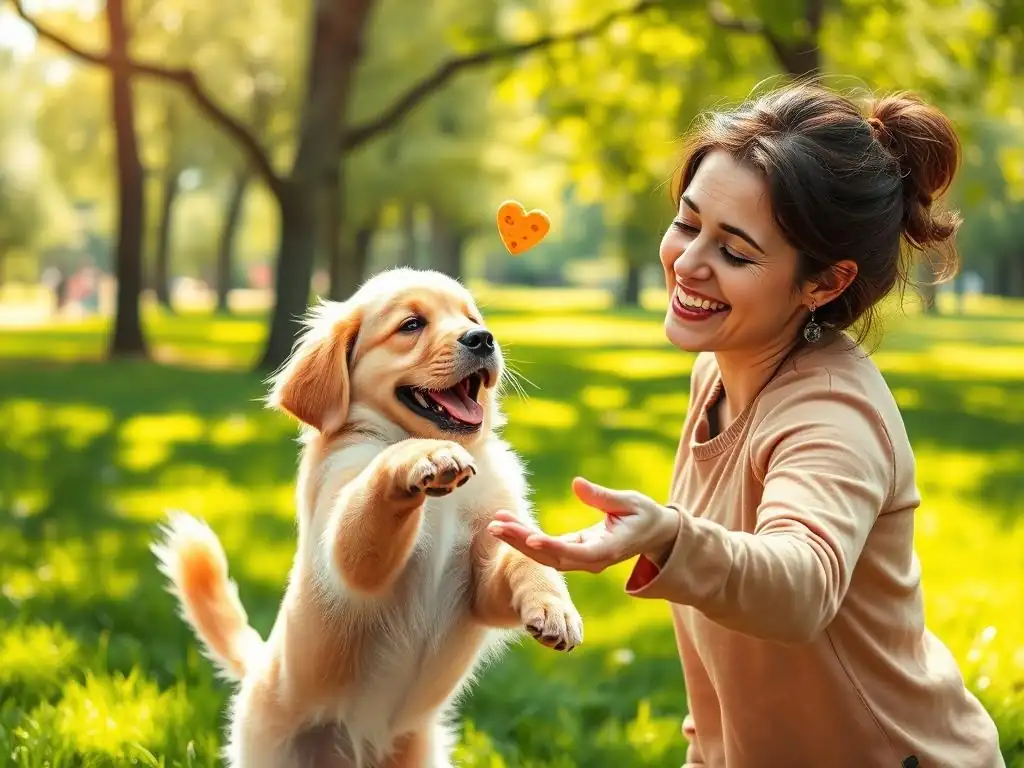
Welcome to PetCareWorld, your ultimate guide to a happier, healthier life for your beloved pets! Are you ready to unlock the secrets to a harmonious relationship with your canine companion? Our expert guide on Dog Training with Positive Reinforcement reveals powerful techniques to build trust, enhance communication, and foster a lifelong bond based on mutual respect and understanding. Discover how this transformative approach can shape your dog's behavior and enrich your shared journey – explore the possibilities now!
- Understanding Positive Reinforcement Dog Training
- Implementing Positive Reinforcement Techniques
- Addressing Common Challenges in Positive Reinforcement Dog Training
- Advanced Positive Reinforcement Techniques for Dog Training
- Positive Reinforcement and Your Dog's Overall Well-being
-
Frequently Asked Questions
- What is positive reinforcement in dog training?
- How does positive reinforcement differ from punishment-based training?
- What are some effective rewards for positive reinforcement training?
- Is positive reinforcement suitable for all dogs and all ages?
- How long does it take to see results using positive reinforcement?
- Final Reflection: The Enduring Power of Positive Reinforcement
- Unlock Your Pet's Potential: Start Training Today!
Understanding Positive Reinforcement Dog Training
Positive reinforcement dog training is a humane and highly effective method for building a strong, loving bond with your canine companion while teaching them valuable skills and desirable behaviors. This approach focuses on rewarding desired actions, creating a positive learning experience that encourages cooperation and strengthens the human-animal bond. Unlike punishment-based methods, which rely on fear and intimidation, positive reinforcement leverages the dog's natural desire for rewards to motivate learning.
This article will delve into the specifics of this training method, exploring its benefits, addressing common misconceptions, and providing a framework for successfully implementing positive reinforcement in your dog's training journey. Understanding this approach is crucial for fostering a happy, well-behaved dog and a fulfilling relationship built on mutual respect and trust.
This is especially important for long-term success in dog training, as it builds a foundation of positive associations rather than fear or anxiety. We'll explore how this method contributes to a happier, healthier, and more well-adjusted dog throughout its life.
What is Positive Reinforcement Dog Training?
Positive reinforcement dog training hinges on the principle of rewarding desired behaviors. This means consistently rewarding your dog when they perform the actions you want to see repeated. These rewards can be anything your dog finds valuable, from treats and praise to toys and even petting. The key is consistency and timing; rewards should be given immediately after the desired behavior occurs to create a clear association between the action and the reward. For example, if you're teaching your dog to sit, you would reward them the instant their bottom touches the ground.
This immediate reinforcement strengthens the connection and makes it more likely they'll repeat the behavior. It's crucial to understand that positive reinforcement doesn't mean simply showering your dog with treats all the time. It's about strategically using rewards to shape behavior and reinforce positive actions. This targeted approach is what makes positive reinforcement so effective.
The process involves breaking down complex behaviors into smaller, manageable steps. This process, known as shaping, allows your dog to gradually learn more difficult commands by rewarding successive approximations of the desired behavior. For instance, if you're teaching your dog to fetch, you might initially reward them for simply looking at the ball, then picking it up, then bringing it back a short distance, and finally returning it to you. This gradual approach prevents frustration and ensures your dog understands what is expected. It's a patient process that builds confidence and a strong understanding in your dog.
Benefits of Positive Reinforcement for Dogs
The advantages of using positive reinforcement in dog training are numerous and extend far beyond simply achieving obedience. It fosters a strong, trusting relationship between you and your dog, built on mutual respect and positive interactions. This positive learning environment reduces stress and anxiety in your dog, leading to a happier and more well-adjusted pet. Furthermore, positive reinforcement is proven to be more effective in the long run than punishment-based methods. Dogs trained with positive reinforcement are more likely to retain learned behaviors and are less prone to developing behavioral problems.
Using positive reinforcement techniques also enhances your dog's cognitive skills. By constantly rewarding desired actions, you encourage your dog to think critically and solve problems. This mental stimulation contributes to a healthier and more well-rounded dog. Moreover, positive reinforcement training is more enjoyable for both the owner and the dog.
The process becomes a fun and rewarding experience, strengthening the bond between you and your canine companion. This positive association makes training a positive experience rather than a chore. Finally, this method is incredibly versatile and adaptable to various breeds and temperaments, making it suitable for dogs of all ages and abilities.
Misconceptions about Positive Reinforcement Training
Despite its effectiveness, positive reinforcement training is often misunderstood. A common misconception is that it's a "soft" or ineffective method. This couldn't be further from the truth. While it avoids punishment, positive reinforcement is a highly structured and effective approach that requires consistency, patience, and a clear understanding of canine behavior. Another misconception is that it's all about treats. While treats are a valuable tool, positive reinforcement encompasses a wider range of rewards, including praise, petting, toys, and even access to preferred activities.
Another frequent misunderstanding is that positive reinforcement allows for ignoring undesirable behaviors. While ignoring certain behaviors might be a part of a broader training strategy, it is crucial to actively teach and reinforce desired alternative behaviors. Simply ignoring unwanted actions without providing a replacement can lead to frustration and confusion for your dog. Finally, some believe that positive reinforcement is time-consuming.
While it does require a commitment of time and effort, the long-term benefits—a well-behaved, confident, and happy dog—far outweigh the initial investment. Remember, patience and consistency are key to success with positive reinforcement training. The investment in time and effort will pay off handsomely in the form of a stronger bond and a better-behaved dog.
Implementing Positive Reinforcement Techniques

This section delves into the practical application of positive reinforcement dog training, offering detailed strategies to successfully integrate these techniques into your daily interactions with your canine companion. Remember, consistency and patience are key to achieving optimal results. The journey of positive reinforcement dog training is a marathon, not a sprint; celebrate small victories and adjust your approach as needed. Effective dog training positive reinforcement hinges on understanding your dog's individual personality and learning style.
Choosing the Right Rewards for Your Dog
Selecting appropriate rewards is crucial for effective positive reinforcement dog training. What motivates one dog might not motivate another. The best rewards are highly valued by your dog and delivered immediately after the desired behavior. Avoid using food rewards exclusively; variety keeps training engaging.
Consider these reward categories:
- High-Value Treats: Small, easily digestible pieces of cooked chicken, cheese, or commercially available training treats. These are particularly effective during initial training stages. Experiment to find your dog's favorites! Remember to account for your dog's dietary needs and restrictions.
- Toys: Interactive toys like plush toys, balls, or ropes can be powerful motivators, especially for dogs driven by play. Introduce a specific "training toy" to associate playtime with learning.
- Praise and Affection: Verbal praise ("Good dog! ", "Yes!") combined with petting and scratching can be incredibly rewarding, especially for dogs sensitive to human interaction. Ensure your praise is enthusiastic and genuine.
- Access to Resources: Allowing access to a favorite spot (like a comfy bed or a sunny window), a short play session, or a walk can be potent rewards, particularly for dogs motivated by environmental enrichment.
Example: A highly food-motivated dog might respond best to small pieces of cooked chicken, while a toy-driven dog may eagerly perform tricks for a favorite squeaky toy. Observe your dog's reactions to different rewards to determine what works best. Keep a training journal to track your progress and note what rewards are most effective on different days, or for different commands.
Effective Positive Reinforcement Training Methods
Several effective positive reinforcement methods can be used to teach your dog new behaviors. The most common include:
- Luring: Using a treat to guide your dog into the desired position or action. This is helpful for teaching basic commands like "sit" or "down."
- Capturing: Rewarding your dog for spontaneously performing the desired behavior. For example, if your dog sits unexpectedly, immediately reward the behavior with praise and a treat. This method is excellent for building a positive association with specific actions.
- Shaping: Breaking down complex behaviors into smaller, manageable steps, rewarding each successive approximation of the desired behavior. This is invaluable for teaching more difficult tricks or behaviors that require multiple steps.
Data Point: Studies show that dogs trained using positive reinforcement methods exhibit less anxiety and stress compared to dogs trained using aversive methods. This positive learning environment fosters a strong bond between dog and owner.
| Method | Description | Example |
|---|---|---|
| Luring | Guiding the dog with a treat | Using a treat to lure the dog into a sit position |
| Capturing | Rewarding spontaneous desired behaviors | Rewarding a dog for sitting without prompting |
| Shaping | Rewarding successive approximations of a complex behavior | Gradually teaching a dog to fetch a specific toy |
Timing and Consistency in Positive Reinforcement Training
The timing of your reward is crucial. Reward your dog immediately after the desired behavior. Even a slight delay can confuse your dog and reduce the effectiveness of the reinforcement.
Consistency is equally important. Use the same cues and rewards consistently to avoid confusing your dog. Regular, short training sessions (5-10 minutes) are more effective than infrequent, long sessions. Regularity builds habits and strengthens the positive associations.
Remember, every dog learns at a different pace. Be patient and celebrate even the smallest successes. If a particular method isn't working, try a different approach. Adapt your strategies to your dog's individual needs and learning style. A consistent and positive approach will yield the best results in your journey of dog training positive reinforcement.
Addressing Common Challenges in Positive Reinforcement Dog Training

Positive reinforcement dog training, while incredibly effective, isn't always a walk in the park. Even the most dedicated pet owners encounter hurdles. Understanding these common challenges and developing effective strategies to overcome them is key to successful training and a strong bond with your canine companion. This section will delve into some of the most frequently encountered difficulties and provide practical solutions. Remember, patience and consistency are paramount in this journey.
Dealing with Stubborn Behaviors Using Positive Reinforcement
Some behaviors, like excessive barking, jumping, or digging, can seem incredibly resistant to change. The key here is to break down the behavior into smaller, manageable components. Instead of trying to eliminate jumping completely overnight, focus on rewarding even the slightest improvement. For example, if your dog usually jumps on guests the moment they enter, reward calm behavior for even a few seconds before they start jumping. Gradually increase the duration of calm behavior required before rewarding.
This requires meticulous observation of your dog's body language. Are there subtle cues preceding the unwanted behavior? Identifying these triggers allows for preemptive positive reinforcement. For instance, if your dog starts to whine before jumping, immediately reward them for quietness. This proactive approach prevents the unwanted behavior from escalating.
Consider using shaping, a technique that rewards successive approximations of the desired behavior. If your dog is stubborn about sitting, start by rewarding them for simply looking at the floor. Then, reward them for lowering their rear end slightly. Gradually work your way up to a full sit. This method makes even the most challenging behaviors achievable through small, incremental steps.
Remember to keep training sessions short and frequent, avoiding overwhelming your dog. A tired or frustrated dog will learn less effectively. Always end sessions on a positive note, ensuring your dog associates training with positive experiences.
Overcoming Distractions During Positive Reinforcement Training
The real world is full of distractions! A squirrel scampering across the lawn, the alluring scent of a nearby dog, or even a passing car can quickly derail a training session. To mitigate distractions, start training in quiet, controlled environments before gradually introducing more stimulating settings.
One effective strategy is to use a higher-value reward when training in distracting environments. A small piece of cooked chicken might be more motivating than a standard dog biscuit when dealing with strong distractions. The reward needs to outweigh the allure of the distraction.
Another approach involves gradually increasing the level of distraction. Begin training with minimal distractions, and slowly introduce more challenging environments. This gradual desensitization helps your dog learn to focus on you even amidst increasing stimuli. Imagine starting in your quiet living room, then moving to your backyard, and finally to a local park with other dogs.
It's crucial to remain calm and patient. If your dog becomes overly distracted, simply end the session and try again later. Forcing a dog to focus when they are overwhelmed will only lead to frustration and diminished learning. Remember, the goal is to build a positive association with training, not to create anxiety.
Troubleshooting Common Mistakes in Positive Reinforcement
Even experienced trainers make mistakes. One common error is inconsistent reinforcement. If you sometimes reward a behavior and sometimes ignore it, your dog will become confused and the training will be ineffective. Consistency is key – always reward the desired behavior, every single time.
Another frequent mistake is rewarding the wrong behavior. For instance, if your dog accidentally sits while you're trying to teach them to lie down, don't reward the sit. This can create confusion and slow down the learning process. Focus on rewarding only the specific behavior you are trying to teach.
Finally, some trainers inadvertently use punishment, even unintentionally. A harsh tone of voice, a forceful correction, or even simply ignoring a dog for too long can undermine the positive reinforcement approach. Always maintain a positive, encouraging attitude. Remember, positive reinforcement is about building a positive relationship with your dog, not about controlling them through fear or intimidation. Positive reinforcement dog training fosters a happy, well-adjusted dog through clear communication and rewarding desired behaviors.
Advanced Positive Reinforcement Techniques for Dog Training
This section delves into more sophisticated applications of positive reinforcement, moving beyond basic commands. Mastering these techniques allows for a deeper connection with your canine companion and the ability to address more complex behavioral challenges. Remember, consistency and patience are paramount. The key to success with dog training positive reinforcement lies in understanding your dog's individual learning style and adapting your approach accordingly.
Shaping Complex Behaviors Through Positive Reinforcement
Shaping is a powerful technique that involves rewarding successive approximations of a desired behavior. Instead of waiting for the perfect action, you reward any behavior that moves closer to the target. Let's illustrate with an example: teaching a dog to fetch a specific toy.
Instead of simply saying "Fetch," and expecting immediate success, you might start by rewarding the dog for:
- Looking at the toy.
- Moving towards the toy.
- Touching the toy with their nose.
- Picking up the toy.
- Carrying the toy a short distance.
- Bringing the toy back to you.
Each step is rewarded with enthusiastic praise and a high-value treat. This gradual process makes learning less overwhelming and more rewarding for your dog. The process is incredibly effective for complex tricks like weaving through obstacles or performing specific sequences of actions. It's crucial to break down the desired behavior into manageable steps and to maintain a positive and encouraging tone throughout the training session. Remember to keep training sessions short and frequent, avoiding overstimulation which can hinder learning.
Using Positive Reinforcement for Problem Solving in Dogs
Positive reinforcement isn't just for teaching tricks; it's a powerful tool for addressing unwanted behaviors. Instead of punishing undesirable actions, you redirect your dog's energy towards more appropriate behaviors. For instance, if your dog jumps on guests, instead of yelling or pushing them away, you can teach an alternative behavior, such as sitting politely for a treat when someone enters.
Here's how you can tackle common problems using positive reinforcement:
- Excessive Barking: Reward quiet periods with treats and praise. Teach alternative calming commands like "Quiet" or "Settle."
- Jumping: Reward all four paws on the ground with immediate reinforcement. Use a cue like "Down" or "Sit" and reward the desired posture.
- Destructive Chewing: Provide appropriate chew toys and reward the dog for using them. Redirect chewing from inappropriate items to acceptable alternatives.
- Pulling on the Leash: Reward loose-leash walking with treats and praise. Stop walking whenever your dog pulls, resuming only when the leash is loose.
Remember, consistency is key. Every time your dog exhibits the unwanted behavior, redirect to the desired behavior and reward accordingly. Patience and understanding are essential components of successful problem-solving using positive reinforcement. This approach fosters a stronger bond with your dog and creates a positive learning environment.
Maintaining Positive Reinforcement Training Long-Term
The benefits of dog training positive reinforcement extend far beyond initial training. Maintaining a positive training regime ensures your dog continues to thrive and remain well-behaved throughout their life. This requires ongoing reinforcement and consistent application of the principles learned during initial training.
To maintain positive reinforcement training long-term, consider these strategies:
- Regular Training Sessions: Even short, fun sessions (5-10 minutes) a few times a week can reinforce learned behaviors and prevent regression.
- Varying Rewards: Keep your dog engaged by using a variety of rewards, including treats, praise, toys, and even petting.
- Consistent Cues: Use clear and consistent cues for commands to avoid confusion.
- Positive Interactions: Focus on positive interactions, even outside of formal training sessions. This strengthens your bond and reinforces positive behavior.
- Addressing Setbacks: Dogs may sometimes regress, especially during periods of stress or change. Address any setbacks patiently and calmly, returning to the basics if necessary. Avoid punishment; instead, gently redirect and reinforce desired behaviors.
Maintaining a positive reinforcement approach creates a strong, trusting relationship between you and your dog, ensuring a lifetime of happy and well-adjusted companionship. By consistently applying these principles, you will build a strong foundation for a harmonious relationship with your canine companion, ensuring that your dog training positive reinforcement journey is a success.
Positive Reinforcement and Your Dog's Overall Well-being
Positive reinforcement dog training goes far beyond simply teaching tricks; it's a cornerstone of your dog's overall well-being, impacting their mental and emotional health profoundly. This approach fosters a strong human-animal bond, leading to a happier, more confident companion. By focusing on rewarding desired behaviors, you create a positive learning environment that strengthens your relationship and builds trust. This contrasts sharply with punishment-based methods, which can instill fear and anxiety, damaging the bond and hindering effective communication. The positive reinforcement approach prioritizes building a strong foundation of mutual respect and understanding.
The Bond Between Positive Reinforcement and Canine Happiness
A happy dog is a well-adjusted dog, and positive reinforcement plays a crucial role in achieving this. When dogs understand what is expected of them and are consistently rewarded for good behavior, their confidence soars. This translates to a more relaxed and playful demeanor. Consider this: a dog trained using harsh methods might cower at your approach, exhibiting signs of fear and stress.
In contrast, a dog trained with positive reinforcement will likely greet you enthusiastically, tail wagging, displaying a clear sense of joy and security in your presence. The consistent positive interactions build a strong, trusting bond, resulting in a more fulfilling relationship for both you and your canine companion. This positive association strengthens the human-animal bond, creating a more harmonious and enjoyable life together. Studies have shown that dogs trained with positive reinforcement methods exhibit lower levels of stress hormones, indicating a greater sense of well-being.
Positive Reinforcement and Stress Reduction in Dogs
Stress in dogs can manifest in various ways, from excessive barking and destructive chewing to aggression and anxiety. Positive reinforcement training provides a powerful tool for mitigating these stress-related behaviors. By clearly communicating expectations and rewarding calm behavior, you help your dog learn to self-regulate and cope with stressful situations more effectively. For instance, if your dog is fearful of loud noises, you can gradually desensitize them using positive reinforcement techniques, rewarding calm behavior in the presence of increasingly louder sounds.
This systematic approach helps your dog associate positive experiences with previously stressful stimuli, reducing their anxiety and improving their overall well-being. This method is far more humane and effective than punishment, which often exacerbates the problem by increasing fear and anxiety. The goal isn't just obedience; it's building resilience and emotional stability in your dog.
Positive Reinforcement: A Key to a Well-Adjusted Dog
A well-adjusted dog is a confident, balanced, and happy dog – a testament to effective training and a strong bond with its owner. Positive reinforcement is not merely a training method; it's a philosophy that prioritizes the dog's emotional and mental health. It's about building a partnership based on mutual respect, trust, and clear communication.
This approach equips your dog with the tools to navigate various situations confidently, reducing anxiety and promoting a sense of security. Think of it as investing in your dog's emotional intelligence. By consistently employing positive reinforcement techniques, you're not just teaching your dog commands; you're empowering them to be the best version of themselves, leading to a more harmonious and fulfilling life for both of you.
The benefits extend far beyond basic obedience, fostering a deeper connection and a more enriching companionship. It's a journey of mutual learning and growth, strengthening the bond between you and your loyal canine friend. This holistic approach to dog training ensures a happier, healthier, and more well-adjusted dog for years to come.
Frequently Asked Questions
What is positive reinforcement in dog training?
Positive reinforcement focuses on rewarding desired behaviors to encourage their repetition. This involves using treats, praise, or toys to strengthen the bond and build positive associations with training. It's a humane and effective method.
How does positive reinforcement differ from punishment-based training?
Unlike punishment, which focuses on suppressing unwanted behavior, positive reinforcement builds desirable behaviors through rewards. It creates a more positive learning environment and strengthens the dog-owner bond.
What are some effective rewards for positive reinforcement training?
High-value treats, enthusiastic praise, and favorite toys are all excellent rewards. The best reward will vary depending on your dog's individual preferences; experiment to find what motivates them best.
Is positive reinforcement suitable for all dogs and all ages?
Yes, positive reinforcement is suitable for dogs of all breeds, ages, and temperaments. It's adaptable to different learning styles and can be used to address a wide range of behavioral issues.
How long does it take to see results using positive reinforcement?
The timeframe varies depending on the dog, the behavior being addressed, and the consistency of training. However, with consistent effort and positive reinforcement, you'll generally see noticeable improvements within weeks.
Final Reflection: The Enduring Power of Positive Reinforcement
Positive reinforcement isn't just a dog training technique; it's a powerful philosophy for fostering growth and connection in all aspects of life. Its impact extends far beyond the obedience ring, shaping relationships and influencing how we learn and interact with the world around us. The principles of rewarding desired behaviors, building trust, and fostering intrinsic motivation are universally applicable, offering a path to lasting change and improved well-being.
The shift towards positive reinforcement in dog training reflects a broader societal shift towards understanding and empathy. We're moving away from punitive methods and embracing a more collaborative approach to learning and development. This resonates deeply with my own experience, witnessing firsthand the transformative power of positive reinforcement in building a strong bond with my own canine companion. The best way to find yourself is to lose yourself in the service of others.
This quote, while not directly about dog training, perfectly encapsulates the spirit of positive reinforcement – focusing on building a positive relationship through mutual respect and understanding.
Now, consider how you can integrate the principles of positive reinforcement into your own life. Think about your relationships, your work, even your personal goals. How can you reward progress, celebrate successes, and foster a supportive environment that encourages growth? Embrace the journey, celebrate the small victories, and remember that consistent positive reinforcement, applied with patience and understanding, can unlock incredible potential within yourself and those around you.
Unlock Your Pet's Potential: Start Training Today!
Thank you for learning about the power of positive reinforcement! We hope you've gained valuable insights into strengthening your bond with your pet. Now it's time to put your knowledge into practice.
- Try one new positive reinforcement technique this week. Start small—perhaps use treats to reward good behavior during playtime, or praise calm behavior during stressful situations. Consistency is key; celebrate even the smallest successes!
- Share your training journey! Let us know what techniques you're using, what's working well, and any challenges you encounter. Your experiences can inspire other pet owners.
- Consider joining our online community forum—a great place to connect with fellow pet lovers and receive personalized advice from experienced trainers.
Ready to see the amazing results of positive reinforcement? What small step will you take today to enhance your pet's training?