
Senior PetProofing Your Yard: Outdoor Safety Tips for Aging Animals

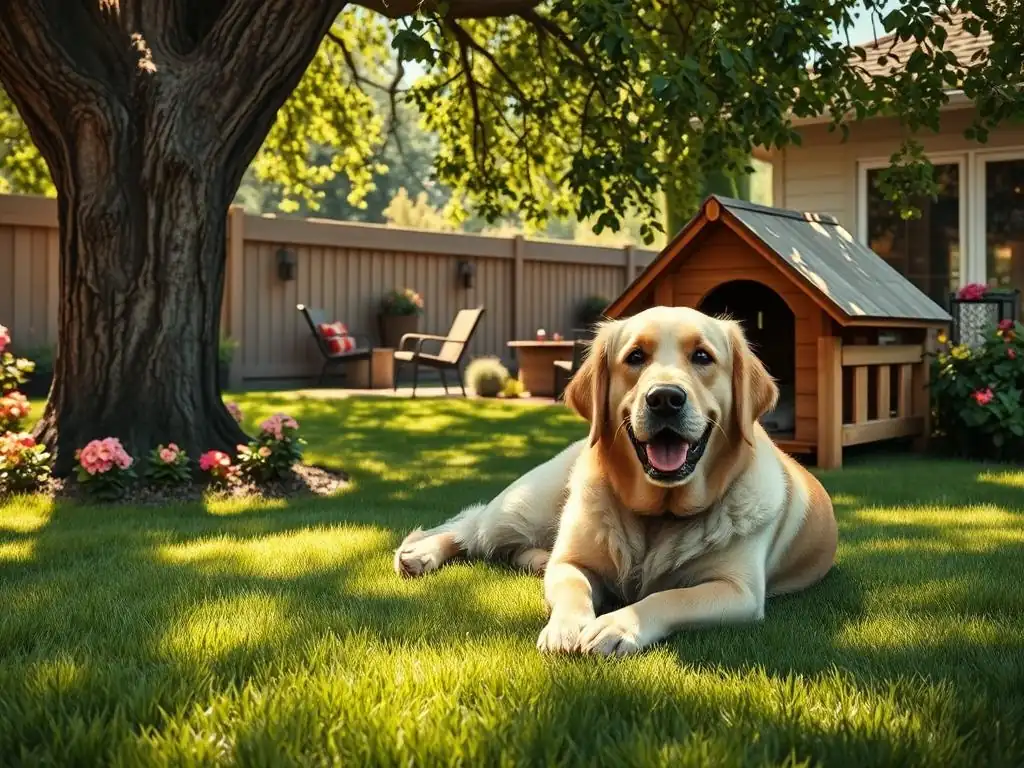
Welcome to PetCareWorld, your ultimate guide to happy and healthy pets! Are you ready to ensure your senior canine companion enjoys a safe and fulfilling life outdoors? We understand the unique challenges of keeping aging dogs safe, and that's why we've compiled essential senior dog yard safety tips to help you create a pet-proofed paradise. Discover how simple adjustments can make a world of difference in your furry friend's well-being. Explore our expert advice and learn how to safeguard your senior dog's golden years. Let's embark on this journey together!
- Assessing Your Yard for Senior Dog Safety Hazards
- Senior Dog Yard Modifications for Enhanced Safety
- Senior Pet-Friendly Landscaping: Reducing Risks and Enhancing Comfort
- Water Access and Hydration for Senior Dogs in the Yard
- Supervision and Monitoring: Ensuring Senior Dog Safety Outdoors
- Emergency Preparedness: Handling Accidents and Injuries
- Additional Tips for Senior Pet Yard Safety: Beyond the Basics
- Frequently Asked Questions
- Final Reflection: A Golden Age, Safely Lived
- Ready to Give Your Senior Pet a Safer, Happier Outdoor Space?
Assessing Your Yard for Senior Dog Safety Hazards
As your beloved canine companion enters their golden years, their needs and abilities change. Maintaining a safe and comfortable outdoor environment becomes paramount. This guide focuses on senior dog yard safety tips, helping you "pet-proof" your yard to prevent injuries and ensure your aging dog enjoys their outdoor time without risk.
We'll explore common hazards, offering practical solutions to create a secure and stimulating space tailored to the specific needs of senior dogs. This is crucial because the physical limitations associated with aging – such as decreased mobility, vision impairment, and weakened joints – significantly increase their vulnerability to accidents and injuries in the yard.
By proactively addressing potential hazards, you can contribute significantly to your senior dog's quality of life, allowing them to enjoy their twilight years in comfort and safety. This article will cover key areas to assess, ensuring your yard is a haven, not a hazard, for your aging friend.
Identifying Potential Fall Risks for Senior Dogs
Senior dogs often suffer from age-related conditions like arthritis and hip dysplasia, making them prone to falls. These falls can lead to serious injuries, especially if your dog is unable to get up easily. Therefore, assessing your yard for potential fall risks is crucial for ensuring their safety.
Several factors contribute to fall risks. Uneven terrain, such as slopes, raised flowerbeds, or loose gravel, can easily cause your senior dog to stumble. Similarly, slippery surfaces like wooden decks or smooth concrete can be treacherous. Obstacles such as toys, garden tools, or even tree roots, can be tripping hazards that your aging dog might not easily navigate.
To mitigate these risks:
- Level the ground: Fill in dips and holes to create a smooth, even surface. Consider adding a soft, non-slip surface like pea gravel or rubber mats in areas where your dog spends the most time.
- Remove tripping hazards: Clear the yard of any loose objects, toys, and tools. Securely store garden equipment and relocate potentially hazardous plants.
- Provide ramps: If there are steps or raised areas your dog needs to access, provide sturdy ramps with non-slip surfaces. Ensure the ramp has a gentle slope to accommodate their reduced mobility.
- Install handrails: For dogs with severely reduced mobility, consider installing handrails along walkways or near steps to provide additional support.
Recognizing Obstacles for Dogs with Arthritis or Mobility Issues
Arthritis and other mobility issues common in senior dogs significantly impact their ability to navigate their surroundings. What was once easily traversed can become a significant obstacle. Understanding these limitations is key to creating a safe environment.
Obstacles aren't just physical; they can also be related to the effort required. For instance, a long, uneven path to their favorite sunbathing spot might become insurmountable. Similarly, a high fence they could easily jump over in their youth might now present a significant challenge, potentially resulting in injury if they attempt it.
Here's how to address these challenges:
- Create shorter, more accessible routes: Ensure paths are short, level, and free from obstacles. Consider paving or adding a soft surface to reduce strain on their joints.
- Provide resting areas: Place comfortable beds or mats in shaded areas throughout the yard, allowing your dog to rest frequently during outdoor time.
- Reduce the height of obstacles: Lower the height of any fences or other obstacles your dog might attempt to jump.
- Provide support: Consider using a harness or sling to assist your dog with mobility if they struggle to navigate certain areas.
Evaluating Existing Fencing and Escape Routes for Older Dogs
While fencing keeps other animals out, it also protects your senior dog from wandering off. However, age-related cognitive decline can make your dog more susceptible to escaping the yard. A fence that was secure in their younger years might now present vulnerabilities.
Assess your fencing for weak points:
- Check for holes or gaps: Thoroughly inspect the fence line for any holes, gaps, or damaged sections. Repair or replace any damaged areas promptly.
- Evaluate fence height: Ensure the fence is tall enough to prevent your dog from jumping over. Consider adding an extension to increase the height if necessary.
- Inspect gates and latches: Make sure gates are securely closed and latches are functioning properly. Replace any damaged or faulty gates or latches immediately.
- Consider underground fencing: If your dog is prone to digging, consider installing an underground electric fence system. This can provide an additional layer of security to prevent escapes.
Remember, proactively addressing these potential hazards can significantly improve your senior dog's quality of life and safety. By creating a senior-dog-friendly yard, you'll ensure they can continue to enjoy the simple pleasures of the outdoors for many years to come. 🐶
Identifying Toxic Plants and Potential Ingestion Hazards for Senior Pets
Senior dogs, with their sometimes diminished senses and potentially slower metabolisms, are more vulnerable to the dangers of ingesting toxic plants than their younger counterparts. A thorough assessment of your yard is crucial to eliminate these hazards and ensure your aging companion's safety. Many common garden plants pose a significant risk. For example, Lilies are extremely toxic to cats, but even some plants considered relatively harmless to younger dogs can cause problems in senior dogs, especially if ingested in large quantities. This is because their digestive systems may be less efficient at processing toxins.
One of the most important steps is identifying all plants in your yard. Take a close look at each plant and consult a comprehensive guide to toxic plants for pets, either online or at your local library or veterinarian's office. Pay close attention to the leaves, flowers, berries, and even the roots, as all parts of a plant can be poisonous.
Common culprits include azaleas, rhododendrons, oleander, sago palms, and even some types of tulips and daffodils. The effects of ingestion can vary greatly depending on the plant, the amount ingested, and the size and health of your dog. Symptoms can range from mild gastrointestinal upset to severe organ damage, even death.
Beyond identifying specific plants, consider the overall condition of your garden. Are there any areas where plants are overgrown and difficult to monitor? Overgrown areas can hide hazards, making it easier for your senior dog to accidentally ingest toxic plants without your knowledge. Regular trimming and maintenance of your yard can significantly reduce this risk. Furthermore, consider the accessibility of plants.
Are there any low-hanging branches or easily reachable plants that your dog might be tempted to nibble on? Raising plants or using barriers can help prevent accidental ingestion. Remember, even seemingly harmless plants can cause problems in large quantities or for dogs with pre-existing conditions. Regular veterinary checkups are essential to monitor your senior dog's health and address any potential issues promptly. Prevention is key when it comes to toxic plant ingestion, and careful yard assessment is the first step in keeping your senior dog safe and healthy.
Senior Dog Yard Modifications for Enhanced Safety
This section focuses on practical modifications you can make to your yard to ensure the safety and comfort of your aging canine companion. As dogs age, their mobility and sensory abilities often decline, increasing their risk of injury in even familiar environments. Proactive adjustments to your outdoor space can significantly improve their quality of life and prevent accidents. We'll explore specific changes to enhance your senior dog's yard safety, focusing on creating a safe haven tailored to their needs. Remember, these "senior dog yard safety tips" are crucial for preventing falls, injuries, and promoting overall well-being.
Creating a Safe and Comfortable Outdoor Space for Aging Dogs
Creating a safe and comfortable outdoor space for senior dogs requires careful consideration of their physical limitations. The goal is to minimize obstacles and hazards that could lead to falls or injuries. This involves a multi-pronged approach encompassing flooring, fencing, and the overall layout.
First, consider the flooring. Hard surfaces like concrete can be unforgiving on aging joints. Introducing softer surfaces, such as pea gravel, rubber mats, or even sections of artificial turf in high-traffic areas, can provide cushioning and improve traction, reducing the risk of slips and falls. Avoid loose materials like mulch, which can become embedded in paws and cause discomfort.
Next, assess your fencing. Ensure it's in good repair, with no gaps or loose boards that your dog could squeeze through or become entangled in. Regular inspections are crucial. A secure fence prevents escapes and keeps your senior dog safely within the designated area.
Finally, optimize the yard's layout. Remove any potential tripping hazards like rocks, tree roots, or uneven ground. Keep pathways clear and wide enough for easy navigation. Consider creating designated areas for different activities, such as a shaded resting spot and a space for gentle exercise. This structured environment reduces confusion and minimizes the risk of accidents. Remember, a well-planned yard contributes significantly to your senior dog's safety and happiness.
Installing Ramps and Steps for Easier Access to Elevated Areas
Many senior dogs struggle with stairs and elevated areas due to arthritis or other age-related conditions. Providing ramps and steps can dramatically improve their access to favorite spots in the yard, such as raised dog beds, decks, or even simply getting in and out of the house.
The ideal ramp should have a gentle slope (no steeper than 1:12 ratio – for every 12 inches of horizontal run, the ramp should rise only 1 inch). A non-slip surface is essential to prevent accidents. Consider using a ramp with textured material or applying non-slip tape. The ramp’s width should be sufficient for your dog to comfortably move without feeling confined.
Steps, if preferred over ramps, should be shallow and well-spaced to allow for easy footing. Ensure that the steps are sturdy and secure, not prone to wobbling or shifting. The use of both ramps and steps can provide access to different areas, depending on your dog's preference and the specific elevation. Regularly checking the stability and condition of ramps and steps is crucial for maintaining their safety and functionality. Investing in quality, durable ramps and steps is a worthwhile investment in your senior dog's comfort and independence.
Providing Soft Bedding and Shaded Areas for Resting Senior Dogs
Senior dogs require ample opportunities for rest and relaxation. Providing comfortable bedding and shaded areas is crucial for their well-being, especially during hot weather. The sun's heat can be especially taxing on older dogs, increasing the risk of overheating.
Soft, padded bedding should be placed in multiple locations throughout the yard. Avoid hard, uncomfortable surfaces. Consider using orthopedic dog beds designed to support aging joints. Multiple locations ensure your dog can choose the spot most comfortable in different weather conditions.
Equally important is providing adequate shade. A sturdy dog house or a shaded area under trees or a canopy can offer respite from the sun's rays. Ensure the shaded area is well-ventilated to avoid excessive heat buildup. Regularly check the bedding and shaded areas for cleanliness and comfort. Providing a cool, comfortable place for your senior dog to rest helps prevent overheating and promotes relaxation, contributing to their overall health and happiness.
Modifying Existing Structures to Prevent Injuries in Older Pets
Older pets, especially senior dogs, often experience decreased mobility, joint pain, and a slower reaction time. These changes significantly increase their risk of injury in the yard. Existing structures, such as fences, stairs, and raised garden beds, can become major hazards. Modifying these structures can drastically improve your senior dog's safety and comfort.
For example, a high fence, while providing security, can become a dangerous obstacle if your dog struggles to jump or climb. Consider lowering sections of the fence, particularly near gates, to create easy access points. Alternatively, you could install ramps or steps with a low incline to facilitate easier navigation. These ramps should be made of sturdy, non-slip material to prevent falls.
Furthermore, assess any existing steps or stairs leading to different areas of the yard. Steep steps can be incredibly challenging for arthritic joints. Replacing these with gently sloping ramps made of a durable and weather-resistant material will make a world of difference in your senior dog's mobility. Regularly check for any loose boards or uneven surfaces on the ramps and steps and promptly repair them to avoid tripping hazards.
Raised garden beds, while aesthetically pleasing, can present a significant fall risk for older pets. Consider installing a low barrier around these beds or even replacing them with ground-level planting options. The goal is to eliminate any potential drop-offs that could lead to serious injury. Remember, even seemingly small obstacles can pose a significant risk to a senior dog's well-being.
Another important consideration is the condition of your fences. Rotting wood, loose nails, or sharp edges can cause injury to your aging pet. Regularly inspect your fences for damage and make necessary repairs. Replacing damaged sections promptly prevents accidents and ensures your senior dog remains safe within the yard boundaries.
Consider using smooth, rounded materials whenever possible to minimize the risk of scrapes or cuts. Finally, ensure that all gates are secure and easy to open and close, preventing accidental escapes that could be very dangerous for a senior pet who might get lost or disoriented. By proactively modifying existing structures, you create a safer and more enjoyable outdoor space for your beloved senior companion. Remember, proactive adjustments are key to ensuring your senior dog's safety and well-being.
Senior Pet-Friendly Landscaping: Reducing Risks and Enhancing Comfort
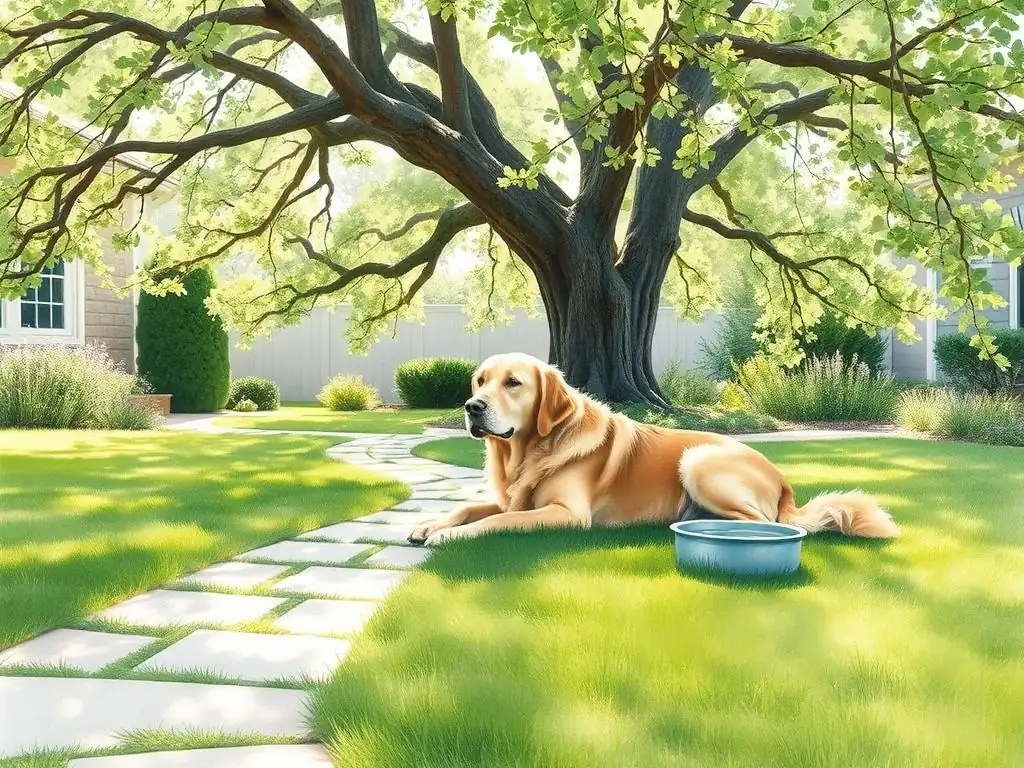
Creating a safe and enjoyable outdoor space for senior pets requires careful consideration of their physical limitations and changing needs. Senior dog yard safety tips often focus on preventing falls and injuries, but proactive landscaping plays a crucial role. This section details how to transform your yard into a haven for your aging companion, minimizing hazards and maximizing comfort. We'll explore plant selection, yard maintenance, and surface design to ensure a senior-friendly environment. Remember, even small changes can make a significant difference in your pet's quality of life and mobility.
Choosing Senior Dog-Safe Plants and Avoiding Toxic Options
Many common garden plants are toxic to dogs, posing a significant risk to senior pets who may be more susceptible to poisoning due to age-related organ decline. Therefore, selecting non-toxic plants is paramount. Avoid azaleas, lilies, tulips, daffodils, and sago palms—these are just a few examples of plants known to be harmful. Instead, opt for pet-friendly alternatives. Consider planting grasses like fescue or bluegrass, which are generally safe and soft underfoot.
Lavender and chamomile are fragrant herbs that are generally non-toxic and can add a pleasant scent to your yard. Always double-check the toxicity of any plant before introducing it to your garden using a reliable pet plant toxicity database. Creating a detailed inventory of your plants can also be a valuable safety measure. Furthermore, consider the height and density of your plants. Overgrown plants can create hidden obstacles and restrict movement for your senior pet.
Maintaining a Clean and Obstacle-Free Yard for Senior Pets
Maintaining a clean yard is crucial for senior pet safety. Older dogs may have difficulty navigating uneven terrain or avoiding obstacles, increasing their risk of falls and injuries. Regularly rake leaves and remove debris such as sticks, stones, and toys to prevent tripping hazards. Fill in any holes or dips in the ground to create a smooth, level surface.
This is especially important for dogs with arthritis or other mobility issues. Furthermore, promptly remove pet waste to maintain hygiene and prevent the spread of parasites or diseases. Regular yard maintenance not only enhances safety but also contributes to a more visually appealing and comfortable environment for your senior pet. Consider investing in tools that make yard work easier, such as a leaf blower or a robotic lawnmower, to help manage the workload.
Designing a Non-Slippery Surface to Prevent Falls in Older Dogs
Slippery surfaces are a major concern for senior dogs, significantly increasing the risk of falls and fractures. Concrete, tile, and even polished wood can become dangerously slick, especially when wet or icy. To mitigate this risk, consider replacing slippery surfaces with safer alternatives. Gravel pathways can provide traction but require careful planning to prevent stones from becoming embedded in paws. Artificial turf is a popular choice, offering a soft, even surface with good drainage.
However, ensure the turf is high-quality and well-drained to avoid excessive moisture buildup, which can lead to mold or mildew. Furthermore, you can add non-slip mats to areas where your dog spends a significant amount of time, such as near their water or food bowls. Regularly check the surfaces in your yard for any slippery areas and take immediate action to address them. Remember, preventing falls is a crucial aspect of senior dog yard safety.
Installing Appropriate Lighting for Enhanced Visibility at Night
As your senior dog's vision may be deteriorating, providing adequate lighting in your yard becomes crucial for their safety, especially during evening walks or nighttime potty breaks. Poor visibility can lead to falls, collisions with obstacles, or getting lost. The type of lighting you choose is important; harsh, bright lights can be disorienting and even frightening for some older pets. Opt for softer, warmer lighting options instead.
Consider installing motion-sensor lights in strategic areas, such as near entrances to the yard, along pathways, and around any potential hazards like steps or ponds. These lights only activate when movement is detected, conserving energy and reducing light pollution that might disturb your pet's sleep or your neighbors. For gentler illumination, consider low-level pathway lighting or solar-powered landscape lights. These provide a consistent, soft glow without being overly bright.
Remember to avoid placing lights directly in your dog's eyes; this can be startling and disorienting. Instead, aim for indirect lighting that illuminates the area while minimizing glare. If you have a large yard, consider using a combination of lighting types to ensure complete coverage without overwhelming your senior companion. Regularly check your lighting to ensure bulbs are functioning correctly and replace them as needed to maintain optimal visibility.
A well-lit yard not only enhances your senior dog's safety but also contributes to their overall peace of mind, allowing for more enjoyable outdoor time. Don't underestimate the importance of good lighting—it's a simple yet effective way to significantly improve your senior dog's nighttime safety. Remember to choose energy-efficient options to save money and reduce your environmental impact.
Water Access and Hydration for Senior Dogs in the Yard
Senior dogs, like their human counterparts, are more susceptible to dehydration as they age. Maintaining adequate hydration is crucial for their overall health and well-being, especially during outdoor activity. This section focuses on ensuring your aging canine companion has easy and consistent access to fresh water in your yard, a vital aspect of senior dog yard safety. Failing to do so can lead to heatstroke, kidney problems, and other serious health complications. Remember, proactive measures are key to preventing these issues and ensuring a comfortable and safe environment for your senior pet.
Providing Easy Access to Fresh Water for Senior Dogs
Providing easy access to water is paramount. Many senior dogs experience decreased mobility, making it difficult to reach a standard water bowl. Consider placing multiple water bowls strategically throughout the yard, particularly near their favorite resting spots. Low, wide bowls are ideal, minimizing the effort required for your senior dog to drink.
You might even consider using a shallow, non-tipping water dish designed specifically for senior pets. The placement of these bowls should also consider the terrain; avoid placing them on uneven surfaces or inclines that could pose a tripping hazard. Regularly check the water level and replenish it throughout the day, especially during hot weather. A simple visual check, even several times a day, can make a significant difference in your senior dog's comfort and health.
Choosing Appropriate Water Bowls for Senior Dogs with Limited Mobility
The type of water bowl plays a significant role in hydration. For senior dogs with arthritis or other mobility issues, a standard bowl can be challenging to use. Elevated bowls can be helpful, but only if the height is appropriate for your dog's size and physical limitations. Too high, and it can strain their neck and back; too low, and it might still be difficult to reach. Consider bowls with a wider base for increased stability, preventing accidental spills and messes.
Non-slip mats placed underneath the bowls can also improve stability and prevent sliding. Experiment with different bowl types and placements to find what works best for your senior dog's individual needs. Observe your dog drinking and make adjustments as needed to ensure maximum comfort and ease of access. Furthermore, consider materials; stainless steel bowls are easy to clean and durable, while ceramic bowls can be more aesthetically pleasing.
Maintaining Consistent Water Availability Throughout the Day
Consistent access means more than just filling the bowl in the morning. Dehydration in senior dogs can happen quickly, especially during strenuous activity or hot weather. Think about the duration your senior dog spends outdoors and adjust accordingly. During particularly hot days, you may need to refill the bowls more frequently.
Consider using a self-filling water bowl for a more hands-off approach, although these require regular cleaning and maintenance to prevent bacterial growth. Another option is to use a pet fountain, which provides a constant supply of fresh, flowing water; the moving water often entices senior dogs to drink more. Monitoring your senior dog’s water consumption is vital.
If you notice a significant decrease in water intake, consult your veterinarian immediately, as this could indicate an underlying health issue. Remember, consistent water access is a crucial component of senior dog yard safety. By implementing these strategies, you are actively contributing to your beloved companion's health and well-being.
Supervision and Monitoring: Ensuring Senior Dog Safety Outdoors
Senior dogs, much like senior humans, experience physical changes that affect their mobility, stamina, and overall well-being. Therefore, simply assuming your yard is "pet-proofed" isn't enough to guarantee the safety of your aging canine companion. Active, vigilant supervision and consistent monitoring are crucial components of senior dog yard safety. Failing to adequately supervise your senior dog can lead to avoidable injuries, discomfort, and even emergencies.
This section will delve into practical strategies for ensuring your senior dog's safety in your outdoor space. We'll cover establishing routines, recognizing distress signals, and knowing when to limit outdoor excursions. Remember, proactive care is key to ensuring a happy and safe environment for your beloved senior pet. Proper senior dog yard safety tips are not just about physical modifications but also about attentive observation and responsible management of their outdoor time.
Establishing a Routine for Outdoor Time with Senior Dogs
Establishing a consistent routine for your senior dog's outdoor time is paramount for several reasons. Firstly, it helps manage their energy levels. Senior dogs often have decreased stamina compared to their younger counterparts. Short, frequent potty breaks are preferable to one long session, especially in hot or cold weather. Consider scheduling several 10-15 minute outings throughout the day rather than one extended period.
Secondly, a routine promotes predictability and reduces stress. Senior dogs thrive on routine and predictability; a consistent schedule can help alleviate anxiety and improve their overall comfort. Sticking to a timetable for outdoor access minimizes confusion and ensures they receive the necessary exercise and elimination opportunities without overexertion.
Finally, a structured approach facilitates better monitoring. By knowing when your senior dog will be outside, you can more easily observe their behavior, identify any potential problems, and intervene promptly if needed. This might involve setting a timer for their outdoor time, or noting the time on a daily schedule. Remember to consider the weather conditions when scheduling outdoor time. Avoid extreme temperatures, opting instead for cooler or milder times of the day.
Consider creating a simple schedule:
| Time of Day | Activity | Notes |
|---|---|---|
| 7:00 AM | Morning Potty Break | Short walk, close supervision |
| 12:00 PM | Midday Potty Break | Shorter break, check for signs of fatigue |
| 5:00 PM | Evening Potty Break & Short Play Session | Gentle play, monitor for signs of tiredness |
| 9:00 PM | Final Potty Break | Quick and easy, monitor for nighttime needs |
Remember to adjust this schedule based on your dog's individual needs and preferences.
Observing Your Senior Dog for Signs of Discomfort or Distress
Close observation is crucial to ensure your senior dog's safety and well-being. Learn to recognize subtle signs of discomfort or distress, which may indicate a need to bring them inside immediately. These signs can be physical or behavioral. Physical signs might include limping, labored breathing, excessive panting, or reluctance to move. Behavioral signs could manifest as whining, whimpering, unusual lethargy, or changes in their usual playful demeanor.
Pay close attention to their body language. A hunched posture, trembling, or a reluctance to engage in their usual activities could signal discomfort. Consider keeping a detailed log of your dog's behavior, noting any changes or unusual occurrences. This can be invaluable in identifying potential health issues or environmental hazards. Early detection of problems allows for prompt intervention and can prevent more serious complications. A quick response to subtle indicators can significantly improve your senior dog's quality of life and prevent unnecessary suffering.
Remember, even seemingly minor changes in behavior or physical condition can be significant indicators of a problem in senior dogs. Don't hesitate to consult your veterinarian if you notice any concerning changes.
Knowing When to Limit Outdoor Time for Your Aging Pet
As your dog ages, their tolerance for outdoor activities will likely decrease. Knowing when to limit their outdoor time is just as important as knowing when to let them out. Factors like extreme temperatures (both hot and cold), inclement weather (rain, snow, ice), and the dog's overall physical condition should all influence your decision. On excessively hot or cold days, greatly reduce or even eliminate outdoor time, especially during peak hours.
Senior dogs are more vulnerable to heatstroke and hypothermia. Provide ample shade and fresh water during warmer months and ensure they are adequately protected from the cold in winter. Similarly, slippery surfaces like ice or wet grass can pose a significant risk of falls and injuries for senior dogs. Consider using non-slip mats or limiting outdoor time during such conditions.
Observe your dog's energy levels and behavior. If they seem tired, lethargic, or are exhibiting signs of discomfort, immediately bring them inside. Don't push them beyond their limits. Remember, the goal is to provide a safe and comfortable environment, not to force them to endure conditions that may be harmful to their health. Prioritizing your senior dog's comfort and safety ensures they enjoy their remaining years to the fullest. Regular veterinary checkups are also essential for monitoring their overall health and addressing any age-related concerns.
Seeking Veterinary Advice for Senior Dog Mobility Concerns
Regular veterinary check-ups are paramount for senior dogs, especially when considering outdoor safety. As dogs age, they experience a decline in various physical functions, including joint mobility, muscle strength, and overall agility. These changes can significantly impact their ability to navigate the yard safely, increasing the risk of falls, injuries, and even serious health complications. A veterinarian can assess your dog's specific mobility limitations through a thorough physical examination. This might involve checking for arthritis, hip dysplasia, or other age-related conditions that affect their gait and balance.
The vet can then recommend appropriate interventions, such as medication to manage pain and inflammation, physical therapy to strengthen muscles, or even weight management strategies to reduce stress on joints. Don't hesitate to discuss any concerns about your senior dog's mobility, even subtle changes in their gait or behavior, with your veterinarian. Early detection and intervention can make a huge difference in maintaining their comfort and safety. For example, a dog showing signs of stiffness after resting might benefit from joint supplements recommended by their vet, preventing future injuries from falls in the yard. Remember, proactive veterinary care is a crucial component of senior dog yard safety.
Failing to address mobility issues can lead to avoidable accidents and compromise your dog's overall well-being. The veterinarian's expertise is invaluable in tailoring a safety plan that accommodates your senior dog's specific needs and limitations. They can help you determine the best course of action to ensure a safe and enjoyable outdoor experience for your aging companion. This might involve modifying your yard, adjusting exercise routines, or providing assistive devices.
Emergency Preparedness: Handling Accidents and Injuries
Senior dogs, with their decreased agility and potentially compromised health, are more susceptible to accidents and injuries in the yard. Proactive emergency preparedness is crucial for ensuring their safety and well-being. This involves not only preventing accidents but also having a plan in place to swiftly and effectively handle any unfortunate incidents that may occur.
Failing to prepare could mean the difference between a minor setback and a serious health crisis for your beloved companion. This section focuses on the essential steps you can take to prepare for and manage emergencies involving your senior dog in the outdoor environment. Remember, quick thinking and preparation can be lifesavers.
Creating a First-Aid Kit for Senior Dogs
A well-stocked first-aid kit specifically tailored to the needs of senior dogs is indispensable. Unlike a human first-aid kit, a canine kit should contain items relevant to common senior dog ailments and injuries. This isn't just about bandages and antiseptic wipes; it's about having the right tools and supplies readily available to address specific senior dog vulnerabilities. Consider including the following:
- Gauze pads: Various sizes for different wound types.
- Adhesive bandages: Assorted sizes and types (self-adhesive, non-stick).
- Antiseptic wipes or solution: For cleaning minor wounds.
- Hydrogen peroxide (3%): For cleaning deep wounds (use cautiously and consult a vet if unsure).
- Sterile saline solution: For flushing eyes or wounds.
- Tweezers: For removing splinters or ticks.
- Scissors: Blunt-nosed for safety.
- Thermometer: For checking temperature.
- Pet-safe pain reliever (as recommended by your vet): Only administer medications prescribed by your veterinarian.
- Muzzle: Essential for safety during any emergency situation, even for the most docile dog. This prevents biting due to pain or fear.
- Emergency contact information: Vet's number, emergency animal hospital, and your own contact details clearly displayed.
Remember to replace any used items promptly and regularly check expiration dates to ensure the kit remains effective. Consult with your veterinarian to personalize your kit based on your dog's specific health conditions and needs. This proactive measure can make a significant difference in the outcome of any accident or injury.
Knowing the Location of the Nearest Veterinary Clinic
Knowing the location of the nearest 24/7 veterinary clinic or emergency animal hospital is paramount. Time is of the essence in emergency situations, and precious minutes can be lost searching for the nearest veterinary facility. Having this information readily available, perhaps programmed into your phone or written down in your first-aid kit, can save your senior dog's life. Consider exploring options beyond your primary veterinarian; a nearby emergency clinic might offer faster access to critical care, especially during off-hours.
Familiarize yourself with the clinic's hours of operation and their emergency procedures. Knowing the route and potential traffic conditions can also prove invaluable. Think about it: a quick response can be the difference between life and death in a serious accident.
Having a Plan for Transporting an Injured Senior Dog
Transporting an injured senior dog requires careful planning and consideration. Senior dogs are often less tolerant of stress and pain, making a safe and comfortable transport method crucial. A simple crate might be sufficient for minor injuries, but for more serious situations, you might need a pet carrier designed for injured animals, offering better support and immobilization. Consider these aspects:
- Carrier Selection: Choose a carrier that provides adequate support and prevents further injury during transport. A sturdy, well-ventilated carrier is essential.
- Safe Restraint: Use secure straps or blankets to prevent movement and minimize further injury.
- Emergency Contact Information: Have readily available contact information for your veterinarian and emergency services.
- Transportation Method: Decide beforehand whether you will use your car or call for emergency animal transport. Consider the distance to the veterinary clinic and traffic conditions.
Having a well-defined plan for transporting your injured senior dog will streamline the process and help ensure a smoother, safer journey to the veterinary clinic, where they can receive the necessary care. This preparedness can significantly reduce stress for both you and your dog during a critical moment.
Additional Tips for Senior Pet Yard Safety: Beyond the Basics
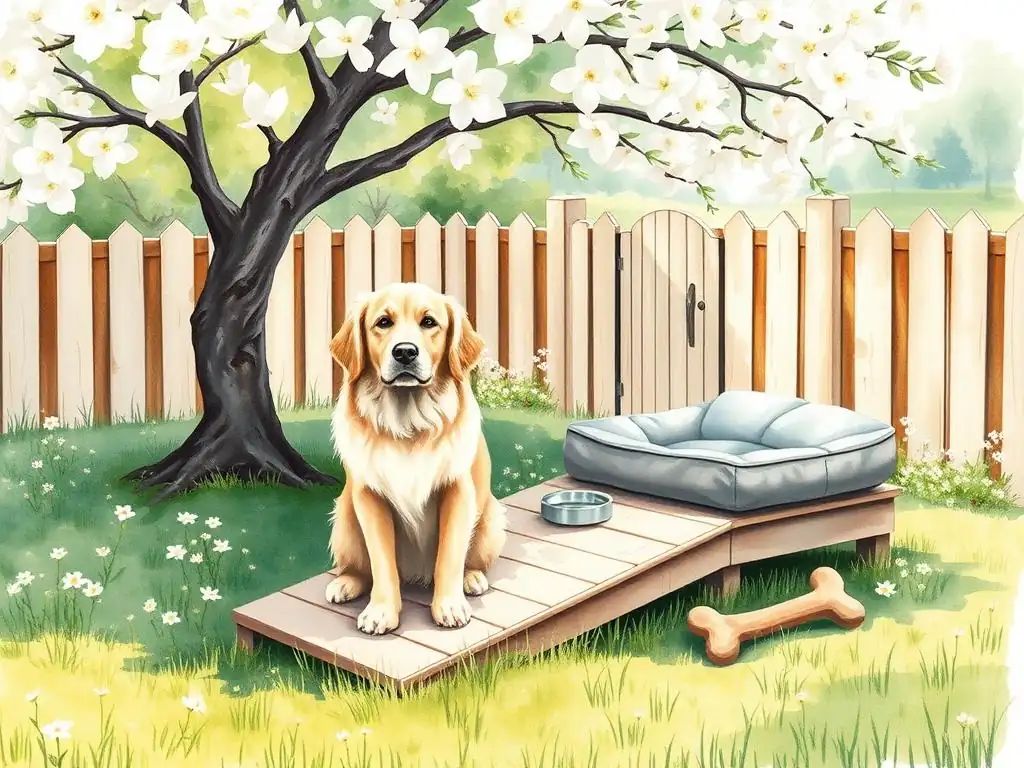
This section delves into supplementary strategies for ensuring your senior pet's safety in the yard, going beyond the fundamental precautions. We'll explore proactive maintenance, specialized products, and the crucial role of veterinary consultation in creating a truly secure outdoor environment for your aging companion. Remember, even small changes can make a significant difference in preventing accidents and ensuring your senior dog enjoys their outdoor time safely. This is particularly important for maintaining their quality of life as they age.
Regular Yard Maintenance to Prevent Hazards for Senior Pets
Regular yard maintenance is paramount for senior pet safety. Their decreased mobility and potentially impaired senses make them more vulnerable to hazards that younger pets might easily navigate. Proactive steps are crucial. Consider these points:
- Weed Control: Thoroughly remove weeds, especially those with thorns or poisonous properties. Senior dogs, with potentially less acute eyesight, might accidentally step on or ingest harmful plants. Regular weeding minimizes this risk. Remember to use pet-safe weed killers if chemical control is necessary.
- Obstacle Removal: Remove any tripping hazards such as loose rocks, tree branches, or uneven paving stones. A simple stumble can lead to a serious injury for a senior dog with weaker bones and joints. Aim for a smooth, even yard surface.
- Fence Inspection: Regularly inspect fences for gaps or weaknesses that your senior pet might be able to squeeze through. Aging pets might become more prone to wandering, posing a significant risk. Repair any damage immediately.
- Debris Removal: Keep the yard free of sharp objects like broken glass, nails, or construction debris. Senior dogs may have a harder time noticing these hazards, leading to potential injuries. Sweep and rake the yard regularly.
- Seasonal Adjustments: Adjust your yard maintenance routine to account for seasonal changes. For example, remove fallen leaves in autumn to prevent slipping, and ensure adequate shade in summer to avoid heatstroke.
Utilizing Senior Dog-Specific Products to Enhance Safety
The market offers several products designed to enhance the safety of senior dogs, both indoors and outdoors. These can significantly reduce the risk of accidents and injuries. These products, while not a replacement for comprehensive yard safety measures, can supplement your efforts.
- Ramps and Steps: If your senior dog struggles with steps leading to raised areas in the yard, ramps and steps can provide easier access. This prevents strain on their joints and reduces the risk of falls.
- Orthopedic Dog Beds (Outdoor): Consider placing a comfortable, orthopedic dog bed in a shaded area of the yard to provide a resting place. This is especially crucial for senior dogs who tire easily.
- Non-Slip Mats: Place non-slip mats on slippery surfaces like concrete or tile patios to reduce the risk of falls. This simple addition can significantly improve traction for your senior companion.
- Harnesses and Leashes: Even in your own yard, a well-fitted harness and leash can provide added control and security, preventing escapes or accidental injuries. Choose a harness that supports their aging body comfortably.
- GPS Trackers: While not strictly a safety product for the yard itself, a GPS tracker can offer peace of mind in the event of an escape. This is especially beneficial for senior dogs who might become disoriented or wander off.
Consulting with a Veterinarian for Personalized Safety Recommendations
A veterinary checkup is vital for senior dogs, not just for their overall health but also for assessing their mobility and identifying potential risks in their environment. Your veterinarian can provide personalized recommendations tailored to your dog's specific needs and conditions.
- Mobility Assessment: Your vet can assess your dog's mobility and identify any limitations that might increase their risk of injury. This assessment will inform your yard safety strategies.
- Medication Considerations: Some medications can affect a dog's balance or coordination, increasing the risk of falls. Your vet can advise on how to manage this risk.
- Underlying Conditions: Certain health conditions, such as arthritis or hip dysplasia, can make senior dogs more susceptible to injuries. Your vet can help you understand these risks and develop appropriate safety measures.
- Individualized Advice: Your vet can provide specific advice on how to modify your yard based on your dog's individual needs and limitations, ensuring a safe and comfortable outdoor environment. This personalized approach is crucial for maximizing your senior dog's quality of life. Don't hesitate to discuss any concerns you have about your senior dog's safety in the yard.
Frequently Asked Questions
What are some common hazards in a yard for senior dogs?
Senior dogs may struggle with mobility issues, making uneven surfaces, steep inclines, and obstacles dangerous. They may also be less able to regulate their body temperature, so extreme heat or cold is a concern.
How can I make my yard safer for a dog with arthritis?
Provide soft bedding in shady areas, eliminate stairs or jumps, and create easy access to water and food. Consider using non-slip surfaces to reduce the risk of falls. Level pathways are key.
What about poisonous plants? Are they a concern for older dogs?
Yes, toxic plants remain a risk, even for older dogs. Identify and remove any potentially dangerous plants from your yard. Keep a list of local poisonous plants handy.
Use brightly colored toys or contrasting borders to make objects more visible. Ensure good lighting in the yard, especially at night. A secure fence is also paramount.
Should I limit my senior dog's outdoor time?
Monitor your dog closely and adjust their outdoor time based on their needs and the weather. Provide frequent breaks and plenty of shade and water. Observe for signs of fatigue.
Final Reflection: A Golden Age, Safely Lived
Protecting our senior companions requires more than just love; it demands proactive measures to ensure their comfort and safety. The golden years should be filled with joy, not accidents, and creating a senior-pet-proofed yard is a crucial step in achieving this. This isn't just about preventing falls or injuries; it's about extending the quality of life for our beloved furry friends, allowing them to enjoy the simple pleasures of the outdoors for as long as possible.
The impact of thoughtful yard design on a senior pet's well-being is profound. It's about recognizing their changing physical capabilities and adapting our environments to accommodate them. This isn't just a trend; it's a reflection of our evolving understanding of animal welfare and our deepening bond with our pets. The best thing about having a dog is that they always make you feel better, even when you don't deserve it.
This sentiment holds true even more deeply when we actively work to improve the lives of our aging companions.
Consider the simple act of removing tripping hazards, providing ramps for easy access, or creating shaded areas to escape the heat. These small changes can make a world of difference in the quality of life for your senior pet. Think about your own aging process and how you appreciate accessibility and comfort.
Now, apply that same empathy and understanding to your loyal friend. You have the power to create a safe haven, a sanctuary where your senior pet can continue to experience the joy of the outdoors, basking in the warmth of the sun and the love of their family. Take the steps outlined in this article, and watch as your senior pet thrives in a space designed with their well-being in mind.
Ready to Give Your Senior Pet a Safer, Happier Outdoor Space?
Thank you for learning about senior pet-proofing your yard! We hope you found helpful advice on keeping your aging companion safe and comfortable outdoors. Now let's put that knowledge into action.
- Focus on one key area: Begin by addressing the most significant hazard in your yard. For example, if you have a steep drop-off or a slippery deck, prioritize fixing that first using the solutions we've discussed.
- Share your experience: Tell us about your pet-proofing journey in the comments below – your insights could help other pet owners! We'd love to hear about your successes and any unexpected challenges.
- Get creative with solutions: Consider adding a soft, comfortable bed near their favorite sunny spot, or building a small, easily accessible ramp if needed. Let your imagination guide you!
Have you identified a simple change you can make today to improve your senior pet's outdoor safety? We'd love to hear about it!