
Introducing a New Pet to a Senior Pet: Gentle Approaches and Considerations

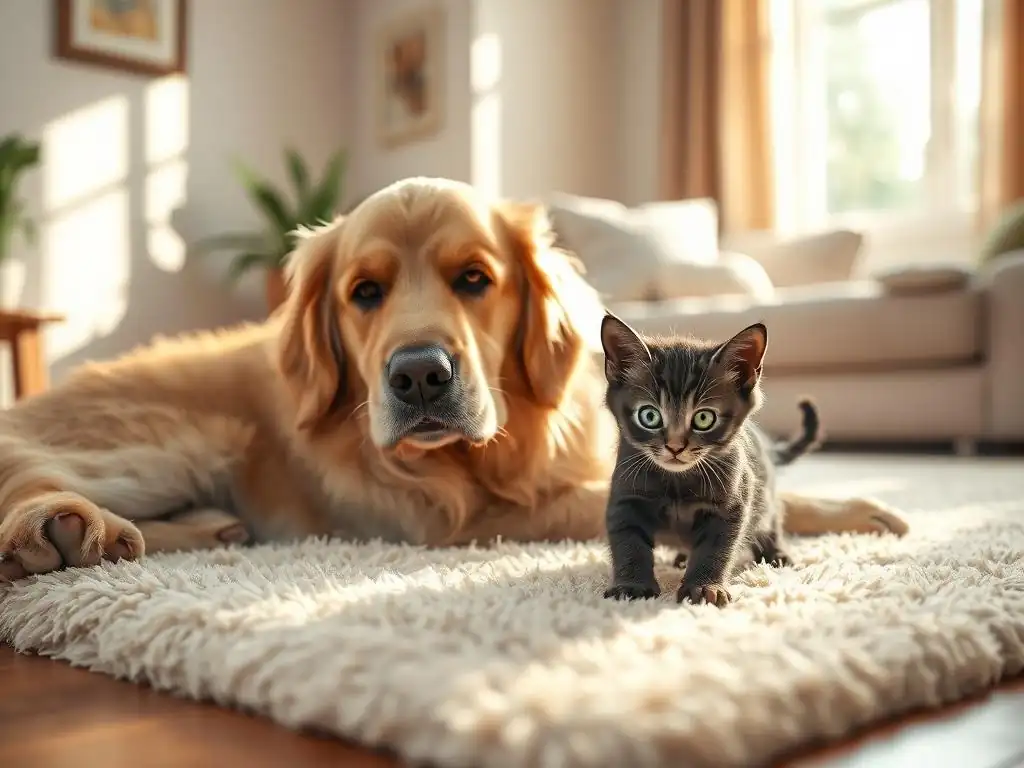
Welcome to PetCareWorld, your ultimate guide to a happier, healthier life for your beloved companions! Are you considering welcoming a new furry, feathered, or scaled friend into your home, but have a senior pet already residing there? Learn how to navigate the complexities of introducing a new pet to a senior pet seamlessly with our expert advice on gentle approaches and crucial considerations. Discover the secrets to a harmonious multi-pet household and ensure a smooth transition for everyone. Dive in and unlock the key to a successful introduction!
- Understanding Senior Pet Behavior and Needs
- Choosing the Right New Pet for a Senior Pet Household
- Gradual Introduction: Minimizing Stress and Anxiety
-
Monitoring and Managing Potential Conflicts
- Identifying Early Warning Signs of Aggression or Tension
- Providing Safe Havens for Each Pet
- Addressing Resource Guarding Behaviors
- Seeking Professional Guidance from a Veterinarian or Behaviorist
- Establishing a Routine and Safe Spaces
- Gradual Introduction Techniques: Scent Swapping and Visual Acclimation
- Maintaining a Harmonious Multi-Pet Household
- Senior Pet New Pet Introduction: Long-Term Care Considerations
-
Frequently Asked Questions
- How can I introduce a new pet to my senior dog or cat?
- What are the special considerations for introducing a new pet to a senior pet?
- My senior pet is showing aggression towards the new pet. What should I do?
- What are the signs my senior pet is stressed by the new pet?
- My senior pet seems uninterested in the new pet. Is this normal?
- Final Reflection: Harmonious Households: Welcoming New Pets to Senior Companions
- Unlock a Harmonious Home: Integrating Your New Pet
Understanding Senior Pet Behavior and Needs
Introducing a new pet into a household already containing a senior animal requires careful planning and a gentle approach. Senior pets, much like senior humans, experience changes in their physical and mental capabilities that can significantly impact their ability to adapt to new situations. This article provides a comprehensive guide on how to successfully integrate a new pet into your home while prioritizing the well-being of your older companion.
Understanding your senior pet's individual needs and potential stress triggers is crucial for a smooth and positive transition for everyone involved. Failure to properly assess and address these factors can lead to increased stress, anxiety, and even health complications for your senior pet. We'll explore strategies to minimize disruption and maximize the chances of a harmonious multi-pet household.
Remember, patience and a proactive approach are key to a successful introduction. The goal is to create a safe and comfortable environment for all your furry, feathered, or scaled family members.
Recognizing Signs of Stress in Senior Dogs and Cats
Senior pets often display subtle signs of stress, which may differ from those exhibited by younger animals. Recognizing these subtle cues is critical to preventing escalation and ensuring your senior pet's comfort. Common indicators of stress in senior dogs and cats include:
- Changes in Appetite: A sudden decrease or increase in food intake can be a sign of stress. Some senior pets may become picky eaters, while others may overeat due to anxiety.
- Increased Sleeping or Resting: While increased sleep is normal in senior pets, a dramatic increase coupled with other stress indicators warrants attention.
- Changes in Elimination Habits: Accidents in the house, even in house-trained pets, can indicate stress or underlying medical issues.
- Withdrawal and Isolation: A senior pet that typically enjoys interaction may suddenly withdraw and isolate itself, seeking quiet spaces to avoid the new pet.
- Vocalization: Excessive barking, meowing, or other vocalizations can signal distress.
- Changes in Grooming Habits: Excessive licking, chewing, or matting of fur can be self-soothing behaviors related to stress.
- Aggression or Fear-Based Behaviors: While less common, some senior pets may exhibit aggression or excessive fear towards the new pet.
It is vital to monitor your senior pet closely during the introduction process and consult a veterinarian if you observe any concerning changes in behavior. Early intervention can prevent more significant issues down the line. Remember, early detection and proactive management are key to addressing stress in senior pets.
Assessing Your Senior Pet's Physical and Mental Health
Before introducing a new pet, a thorough veterinary checkup for your senior pet is essential. This assessment should include a complete physical examination, blood work, and any other necessary tests to identify potential health issues that might be exacerbated by stress. Cognitive decline, a common issue in older pets, can also significantly affect their ability to adapt to a new companion.
| Health Aspect | Potential Impacts on Introduction | Mitigation Strategies |
|---|---|---|
| Arthritis/Mobility Issues | Difficulty avoiding interactions | Provide safe spaces, manage the environment, pain management |
| Cognitive Dysfunction | Increased confusion and anxiety | Gradual introduction, consistent routines, calming aids |
| Hearing/Vision Loss | Misinterpretation of new pet's cues | Gentle handling, clear communication, scent introduction |
| Underlying Medical Conditions | Reduced resilience to stress | Veterinary care, stress reduction techniques |
This preemptive assessment allows you to tailor your introduction strategy to your senior pet's specific needs and limitations. It also helps identify potential problems early on, enabling timely intervention and preventing unnecessary stress. It's also important to consider any medications your senior pet is currently taking, as these could impact their behavior and response to the new pet.
Adapting Your Routine to Accommodate a Senior Pet
Introducing a new pet shouldn't disrupt your senior pet's established routine excessively. Senior pets thrive on predictability and consistency. Maintaining their regular feeding times, walks, playtime, and resting periods is crucial, even during the introduction phase. Consider creating separate spaces for your senior pet where they can retreat and feel safe if they need to escape the new pet. This could be a dedicated room, a comfortable bed in a quiet corner, or even a secure crate.
These safe havens provide a sense of security and control, which is particularly important for stressed senior animals. Remember, a calm and predictable environment is paramount for the well-being of your senior pet during this transition. Consider using pheromone diffusers or calming treats to further reduce stress and anxiety. The more you can maintain a sense of normalcy for your senior pet, the smoother the integration process will be.
Choosing the Right New Pet for a Senior Pet Household
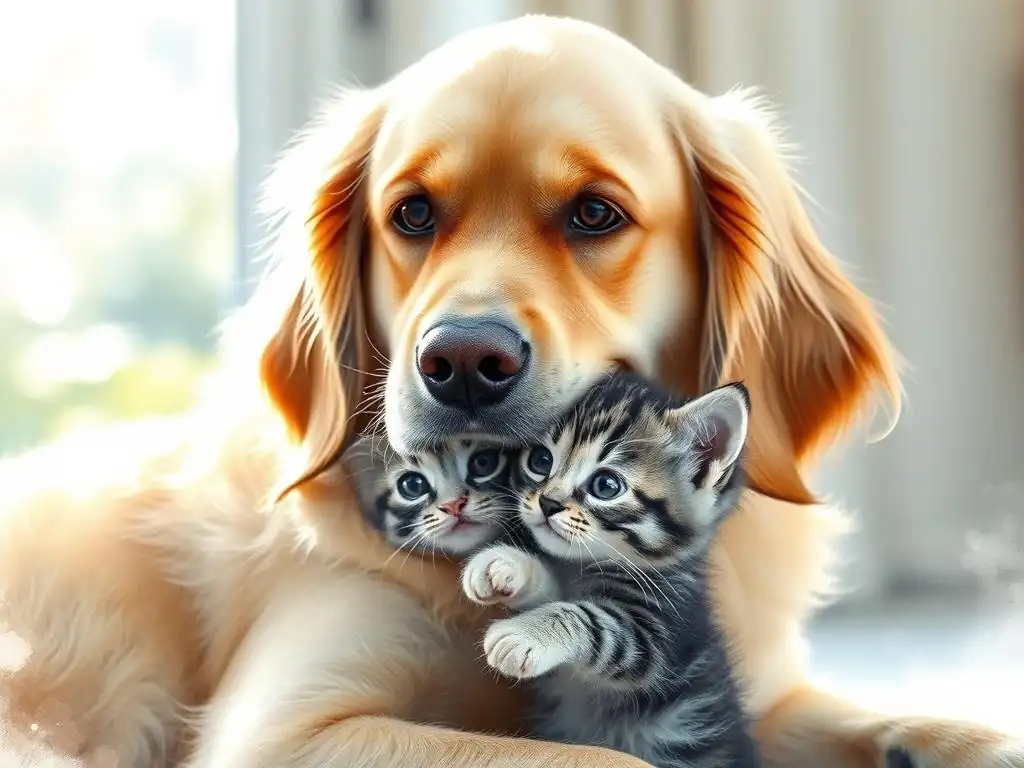
Introducing a new pet to a home already occupied by a senior animal requires careful planning. The success of the integration hinges heavily on selecting a new companion whose personality and needs are compatible with the resident senior pet's lifestyle and health status. Ignoring this crucial step can lead to increased stress for your senior pet and potentially jeopardize their well-being. This section will guide you through the key considerations to ensure a smooth transition for everyone involved.
Selecting a Compatible Species and Breed
The most fundamental decision is choosing a species that will harmoniously coexist with your senior pet. Introducing a boisterous puppy to a calm, elderly dog, for example, is a recipe for disaster. Similarly, a high-energy cat might overwhelm a lethargic senior feline. Consider these points:
- Species Compatibility: Dogs and cats can sometimes coexist peacefully, but it's not always guaranteed. Introducing pets of the same species generally presents fewer challenges. For instance, introducing a senior dog to a puppy of a similar breed might be easier than introducing a senior cat to a kitten of a completely different breed.
- Breed Considerations: Even within a species, breeds vary greatly in temperament and energy levels. A laid-back breed like a Greyhound might be a better match for a senior dog than a highly energetic Border Collie. Research breeds known for their calm demeanor and low energy requirements.
- Size Discrepancy: Significant size differences can also create issues. A tiny kitten might be unintentionally injured by a large, senior dog, even if the dog is generally gentle. Aim for a size that minimizes the risk of accidental harm.
Considering Temperament and Energy Levels
Beyond species and breed, the temperament and energy levels of the new pet are paramount. A senior pet, particularly one dealing with age-related health issues, needs a quiet and relaxed environment. A highly active, playful new pet can disrupt this peace and cause unnecessary stress.
- Observe the Senior Pet's Behavior: Before acquiring a new pet, carefully assess your senior pet's current behavior and activity levels. Are they easily agitated? Do they prefer quiet time? Do they have any signs of anxiety or aggression? These observations will inform your choice of a new companion.
- Match Energy Levels: The new pet's energy level should ideally be compatible with, or even slightly lower than, your senior pet's. A low-energy pet will be less likely to overstimulate or overwhelm your senior companion.
- Avoid Overly Playful Breeds: Breeds known for their excessive playfulness or need for constant attention should generally be avoided when introducing a new pet to a senior animal. This minimizes the chance of the new pet accidentally injuring or stressing the senior pet.
The Importance of Age and Health of the New Pet
The age and health of the new pet are equally crucial considerations. A young, rambunctious animal might be too much for a senior pet to handle, both physically and emotionally. Furthermore, a new pet with health problems might require extra attention and care, potentially diverting resources and attention away from your senior pet.
- Opt for a Mature Pet: Consider adopting a mature animal (older than one year) rather than a young puppy or kitten. Mature pets are generally calmer and have more established personalities, making the introduction process smoother.
- Health Screening: Ensure the new pet undergoes a thorough veterinary health screening before bringing them home. This will help identify any potential health issues that might impact the introduction process or the senior pet's well-being.
- Minimizing Stress: A healthy new pet will be less likely to exhibit behavioral issues stemming from stress or discomfort, which could negatively impact the senior pet. A healthy pet also reduces the risk of inadvertently transmitting illnesses.
Remember, patience and observation are key throughout the entire process. A gradual introduction, careful monitoring, and a willingness to adjust your approach as needed will significantly increase the chances of a successful and harmonious integration of your new pet into your senior pet's life. The "Senior pet new pet introduction" process requires thoughtful planning and an understanding of your senior pet's needs.
Gradual Introduction: Minimizing Stress and Anxiety

Introducing a new pet to a senior pet requires a delicate and patient approach. Senior animals, regardless of species, often have established routines and reduced tolerance for change. A rushed introduction can trigger significant stress and anxiety, potentially impacting their health and well-being. The key is gradual integration, allowing both animals to adjust at their own pace.
This process minimizes the risk of conflict and fosters a smoother transition for everyone involved. Remember that senior pets may exhibit subtle signs of stress, such as decreased appetite, lethargy, or changes in sleeping patterns. Careful observation is crucial throughout the introduction phase. Patience and understanding are paramount – rushing the process can undo all your efforts.
Consider the individual personalities of both pets; some animals are naturally more tolerant than others. Adapting your approach based on their unique characteristics is essential for success. For example, a shy senior cat will require a much more gentle introduction than a boisterous senior dog.
Creating Separate Spaces for Initial Acclimation
Before any face-to-face meetings, provide each pet with their own designated safe space. This could be a separate room, a crate, or even a section of a room blocked off with baby gates. These spaces should be stocked with the pet's food, water, bedding, and favorite toys. This ensures each animal has a retreat where they feel secure and comfortable, minimizing feelings of territoriality or competition.
This separation period should last for at least a few days, allowing the senior pet to acclimate to the new smells and sounds associated with the new addition. During this period, avoid forcing interactions. Let the animals become aware of each other's presence gradually through scent and sound, without direct visual contact.
This approach promotes a sense of familiarity before direct interaction. The length of this initial separation period will depend on the individual personalities of the pets involved. Some senior pets may require a longer period of acclimation than others.
Supervised Interactions: Short and Sweet
Once the initial separation period has passed, begin with very short, supervised interactions. Keep these sessions brief – perhaps five to ten minutes at a time – and always maintain close supervision. The goal is to allow the pets to observe each other from a safe distance, gradually reducing the distance as they appear comfortable. Look for positive signs, such as relaxed body language (e.g., soft eyes, relaxed posture, slow tail wags).
If you observe any signs of aggression or stress (e.g., hissing, growling, flattened ears, tucked tail), immediately separate the animals and return to the previous stage. It’s crucial to avoid any situations that could lead to a negative interaction. Positive reinforcement, such as offering treats or praise, can help create positive associations during these supervised sessions.
Remember that building trust takes time. Be patient and consistent, and celebrate even the smallest successes. The frequency of these interactions can be gradually increased as the pets demonstrate increased comfort and tolerance.
Scent Swapping: A Gentle Introduction Technique
Before direct interaction, scent swapping can help familiarize the pets with each other's presence. This involves exchanging bedding, toys, or other items that carry each pet's scent. Allow the animals to investigate these scented items separately. This helps them slowly acclimate to each other's scent, reducing the potential for surprise or fear during their first face-to-face meetings.
This technique is particularly useful for senior pets who may be more sensitive to new stimuli. For example, you might swap a blanket from the new pet's crate with a blanket from the senior pet's bed. Allow each pet to sniff and explore the other's scent at their own pace. This low-stress introduction method can help create a sense of familiarity and reduce the likelihood of negative interactions.
Remember to monitor the animals for any signs of stress or anxiety during and after the scent-swapping process. If you notice any negative reactions, discontinue the process and try again later. The key is patience and gradual exposure.
Using Positive Reinforcement and Treats
Positive reinforcement is crucial when introducing a new pet to a senior pet. Senior animals, often more set in their ways and potentially less tolerant of change, may react negatively to a new arrival. Using treats and positive reinforcement can significantly mitigate these negative reactions, fostering a more positive association with the newcomer. The key is to create a positive learning experience for both animals.
Start by associating the new pet's presence with something incredibly rewarding for your senior pet. This could involve their favorite treats, a special toy, or even a particularly enjoyable activity like a short walk or playtime. Begin the introduction process in separate spaces, allowing your senior pet to smell the new pet's scent on a blanket or toy. While they're enjoying their reward, subtly introduce the new pet's scent, gradually increasing the proximity over several days. This helps to desensitize your senior pet to the new presence without causing immediate stress.
Remember, consistency is key. Every positive interaction should be rewarded. This means every time your senior pet demonstrates calm behavior in the presence of the new pet (even if it's just from a distance), immediately reward them with a treat and praise. This builds a positive association between the new pet's presence and positive experiences.
Avoid punishing any negative reactions; instead, redirect their attention with a treat or toy. Punishment is counterproductive and can increase anxiety and fear. The goal is to create a happy, rewarding experience for your senior pet, making them more receptive to the new member of the family.
It's also important to consider the type of treats you use. Choose high-value, easily digestible treats that are appropriate for your senior pet's age and health. Avoid anything that might upset their stomach or exacerbate any existing health conditions. Small, frequent rewards are more effective than a single large treat.
This maintains a constant positive reinforcement cycle. Remember to consult your veterinarian about appropriate treats for your senior pet, especially if they have any dietary restrictions or health concerns. They can provide personalized recommendations to ensure you’re using the best approach for your specific situation. This careful approach to treats will help you successfully introduce the new pet while keeping your senior animal comfortable and happy.
Monitoring and Managing Potential Conflicts
Introducing a new pet to a senior pet requires careful observation and proactive conflict management. Senior pets, due to age-related changes in physical capabilities and potentially decreased tolerance, may react differently to newcomers compared to younger, more adaptable animals. The success of the introduction hinges on early identification of potential problems and implementing strategies to mitigate conflict before it escalates. This section focuses on practical approaches to monitoring the interaction and managing potential conflicts effectively. Careful monitoring is crucial in the early stages and even after successful integration, as unexpected issues can arise.
Identifying Early Warning Signs of Aggression or Tension
Recognizing early signs of aggression or tension is paramount to preventing serious conflicts. Subtle cues often precede overt aggression. These warning signs can include:
- Body language: A stiff posture, flattened ears, whale eye (showing the whites of their eyes), tucked tail, raised hackles (fur standing on end), or a lip curl are all clear indicators of discomfort or potential aggression. Senior pets might exhibit these signs more subtly due to physical limitations, so close observation is crucial. For example, a senior dog might show subtle lip licking instead of a full-blown snarl.
- Vocalizations: Growling, hissing, snarling, or whining can signal anxiety or aggression. The intensity and frequency of these vocalizations should be noted. A senior cat might only hiss quietly, while a younger cat might be more vocal.
- Avoidance: Consistent avoidance of the new pet by the senior pet, even when offered treats or toys, could suggest stress or fear. This avoidance might be more pronounced in senior pets due to decreased energy levels.
- Changes in appetite or sleep patterns: A significant decrease in appetite or disrupted sleep patterns in the senior pet can indicate stress related to the introduction of the new pet. Monitor food intake and sleep habits diligently.
- Increased urination or defecation outside the litter box/designated area: Changes in housetraining may be a sign of stress or anxiety in the senior pet.
It’s important to remember that every pet is an individual, and the signs of stress or aggression can vary. Keeping a detailed journal of observations, including times of day, specific behaviors, and reactions of both pets, is highly beneficial in identifying patterns and addressing issues promptly. This detailed record will be invaluable to your veterinarian if professional intervention becomes necessary. Early intervention is key to preventing escalation.
Providing Safe Havens for Each Pet
Creating safe spaces for both pets is fundamental to a successful introduction. These havens should be areas where each pet can retreat and feel secure, away from the other animal. Senior pets, in particular, benefit greatly from having a dedicated, quiet area where they can rest and de-stress. These safe havens should be:
- Accessible: Easily reachable by the pet, without obstacles.
- Comfortable: Providing soft bedding, familiar toys, and food and water bowls.
- Quiet: Located away from high-traffic areas in the home.
- Secure: Ideally, these spaces should be closed off, such as a bedroom or crate, to provide complete security and prevent unwanted interactions.
By providing these safe spaces, you allow each pet to regulate their own stress levels and avoid forced interactions, which can exacerbate conflict. Regular access to their safe havens should be encouraged, regardless of whether there are signs of stress or conflict. This encourages a sense of security and control, essential for both senior and new pets. Remember, these havens are not punishment areas – they are places of refuge and relaxation.
Addressing Resource Guarding Behaviors
Resource guarding, the protective behavior exhibited when a pet feels possessive over resources like food, toys, or sleeping areas, is a common source of conflict, especially when introducing a new pet. This behavior is frequently intensified in senior pets who may feel vulnerable or insecure. Addressing resource guarding requires careful management and proactive strategies:
- Separate feeding areas: Feed each pet in separate locations, preferably in different rooms, to minimize competition. Use different bowls and feeding times to avoid conflict.
- Controlled access to toys: Rotate toys to prevent one pet from monopolizing them. Supervise playtime to prevent squabbles.
- Management of sleeping areas: If possible, provide separate sleeping areas for each pet, particularly during the initial phase of introduction. This reduces the risk of conflict over space.
- Positive reinforcement: Reward calm behavior around resources using high-value treats and praise. This helps to associate positive experiences with the presence of the other pet.
- Professional help: If resource guarding is severe or persistent, consult a veterinary behaviorist or certified professional dog trainer. They can provide tailored guidance and training strategies to address the underlying issues. Early intervention is crucial to prevent escalation and ensure a harmonious coexistence.
Remember, patience and consistency are key throughout the entire introduction process. Careful monitoring, provision of safe havens, and addressing resource guarding behaviors are crucial steps in creating a positive and safe environment for both your senior and new pet. The goal is to foster a peaceful and harmonious relationship between them.
Seeking Professional Guidance from a Veterinarian or Behaviorist

Introducing a new pet to a senior pet can be fraught with complexities, especially when considering potential behavioral issues. While careful, gradual introductions are crucial, sometimes professional intervention is necessary. A veterinarian can perform a comprehensive health check on your senior pet, identifying any underlying medical conditions that might exacerbate stress or contribute to aggression.
For instance, a senior dog experiencing arthritis pain might be more irritable and less tolerant of a new pet's presence, leading to unexpected reactions. The vet can also assess the senior pet's overall fitness and advise on appropriate medication or supplements to manage any discomfort, ultimately improving their comfort and reducing the likelihood of conflict.
Furthermore, consulting a certified veterinary behaviorist is highly recommended, particularly if you observe signs of persistent aggression or anxiety. These specialists possess in-depth knowledge of animal behavior and can provide tailored strategies to manage inter-pet dynamics. They can help identify the root causes of conflict, whether it's resource guarding (food, toys, resting places), territoriality, or simply a lack of proper socialization.
A behaviorist might suggest specific training techniques, environmental modifications (e.g., creating separate safe spaces), or pheromone diffusers to alleviate stress and promote a more harmonious coexistence. Remember, professional guidance is not a sign of failure; it's a proactive step to ensure the well-being and happiness of all your pets. Early intervention can often prevent escalation and resolve issues before they become major problems.
Don't hesitate to reach out for support—it's an investment in your pets' health and your peace of mind. The cost of professional help is often outweighed by the potential for long-term success and avoidance of veterinary bills related to stress-induced illnesses.
Establishing a Routine and Safe Spaces
A structured daily routine can significantly reduce stress and promote a sense of predictability for both your senior and new pet. This is especially crucial during the introduction phase, when anxiety levels might be high. Establish consistent feeding times, playtime schedules, and designated rest areas. For example, you might feed your senior pet in a quiet, secure location away from the new pet initially.
This prevents competition over resources and allows your senior pet to associate mealtimes with a positive, stress-free experience. Similarly, creating safe spaces for each pet is vital. These spaces should be easily accessible and provide a sense of security where each pet can retreat when feeling overwhelmed or needing a break from interactions. This could be a comfortable bed in a separate room, a crate, or even a designated corner with their favorite toys and blankets.
By providing these safe havens, you reduce the likelihood of territorial disputes and allow each pet to de-stress independently. Consistency is key; maintain the routine as much as possible to provide a sense of stability and predictability in their environment. This predictability helps both pets adjust more smoothly and reduces the chances of unwanted behavioral issues. Remember, patience and understanding are crucial during this adjustment period.
Gradual Introduction Techniques: Scent Swapping and Visual Acclimation
The process of introducing a new pet to a senior pet necessitates a gradual and patient approach. Rushing the process can significantly increase the risk of conflict and stress for both animals. A successful introduction often begins with scent swapping. Before a direct face-to-face meeting, allow the pets to become familiar with each other's scent. This can be achieved by exchanging bedding, toys, or clothing items.
This allows them to get accustomed to each other's presence indirectly, reducing the shock of a sudden encounter. The next step involves visual acclimation. Keep the pets separated by a barrier—a baby gate, a closed door, or even a clear plastic partition—allowing them to see and smell each other without direct physical contact. This allows for a gradual desensitization, reducing the likelihood of aggressive or fearful reactions. During this phase, monitor their behavior closely.
Positive reinforcement, such as rewarding calm behavior with treats and praise, is crucial. If either pet shows signs of stress (panting, hiding, growling), increase the distance or introduce a longer period of separation before attempting another visual introduction. Remember, every pet is unique, and the pace of introduction needs to be tailored to their individual temperaments and reactions. Patience is paramount.
Maintaining a Harmonious Multi-Pet Household
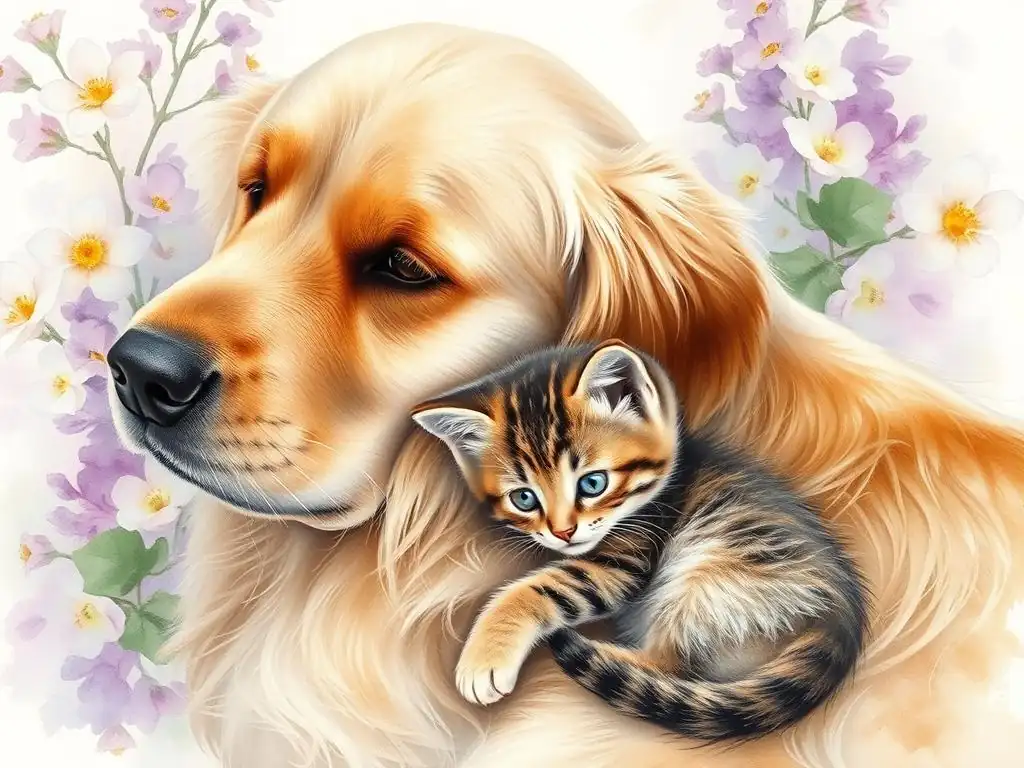
Introducing a new pet to a senior pet requires careful planning and execution to ensure a smooth transition and a harmonious household. A senior pet, often more set in their ways and potentially experiencing age-related health issues, may react differently to a new addition than a younger, more adaptable animal. Successfully managing this introduction hinges on proactive measures to minimize stress and maximize positive interactions. The key is patience and a commitment to creating a positive environment for all involved.
This section details strategies to foster a peaceful co-existence between your senior pet and their new companion. Remember, consistency and positive reinforcement are paramount in achieving a successful introduction. The goal is to avoid triggering anxiety or fear in your senior pet, fostering instead a sense of security and acceptance.
Consistent Routine and Positive Reinforcement
Maintaining a consistent daily routine is crucial, especially for senior pets. Their routines provide comfort and security, offering a sense of predictability in their lives. Introducing a new pet can disrupt this established routine, potentially causing anxiety or stress. Therefore, it's important to maintain as much consistency as possible in feeding times, walks, playtime, and bedtime routines. This predictability provides stability for your senior pet, reducing the likelihood of negative reactions towards the newcomer.
Furthermore, positive reinforcement plays a vital role. Rewarding calm behavior in both pets with treats, praise, or gentle petting reinforces positive associations between the animals. When your senior pet exhibits calm behavior near the new pet, immediately reward them. This helps create a positive link between the presence of the new pet and positive experiences. This method is particularly effective in mitigating any potential jealousy or territorial behavior. For example, if your senior dog calmly observes the new kitten from a distance, immediately offer praise and a small treat. This reinforces the desired behavior.
Remember, patience is key. Positive reinforcement takes time and consistent effort. Don't expect immediate results; gradual progress is more realistic and sustainable. The goal is to build positive associations, not to force interaction.
Dedicated Playtime for Each Pet
While encouraging interaction between pets is important, it's equally crucial to dedicate individual playtime to each animal. Senior pets, often with reduced energy levels, may find prolonged interaction with a more energetic new pet tiring or overwhelming. Providing separate playtime ensures that each pet receives adequate attention and stimulation without feeling overshadowed or stressed.
This dedicated playtime allows you to strengthen your bond with each pet individually, providing reassurance and affection. You can use this time for activities tailored to each pet's preferences and physical abilities. For instance, a senior dog might enjoy a gentle walk and some light fetch, while a new kitten might appreciate interactive play with a toy. This approach not only benefits each pet's physical and mental well-being but also helps prevent feelings of competition or jealousy. Scheduling dedicated playtime also prevents the senior pet from feeling neglected or displaced by the attention given to the new arrival.
By dividing playtime, you create a sense of fairness and individual attention, which is especially important for senior pets who may be more sensitive to changes in their routine and access to their human companions. This dedicated one-on-one time can help alleviate any anxieties related to the introduction of the new pet and reaffirm your bond.
Addressing Jealousy and Competition
Jealousy and competition are common issues when introducing a new pet, particularly in households with senior animals. Senior pets may feel their position in the family hierarchy threatened, leading to displays of possessive behavior, aggression, or withdrawal. Recognizing and addressing these behaviors proactively is crucial for maintaining a peaceful household.
Signs of jealousy can manifest in various ways, including increased barking or meowing, attempts to block the new pet's access to resources (food, toys, sleeping areas), or even subtle displays of aggression. It's important to observe your senior pet closely for these indicators. Addressing these issues involves providing each pet with their own dedicated resources and ensuring that the senior pet receives ample attention and affection. This might involve feeding them separately, providing individual sleeping areas, and engaging in dedicated playtime, as discussed previously.
Furthermore, consistently reinforcing positive interactions between the pets can help alleviate jealousy. For example, if your senior dog and the new cat are calmly sharing space, reward both with treats and praise. This helps create positive associations and reduces any negative feelings. If competitive behaviors persist, seeking guidance from a veterinary behaviorist is advisable. They can provide tailored advice and strategies to manage the situation effectively, helping to ensure a harmonious multi-pet household. Early intervention is key in preventing escalated conflicts and ensuring a positive outcome.
Long-Term Monitoring of Senior Pet's Wellbeing
Introducing a new pet into a household with a senior pet requires ongoing vigilance. The initial introduction period, while crucial, is just the beginning of a potentially long-term adjustment. Careful observation of your senior pet's behavior and physical health is paramount to ensuring a smooth transition and preventing any negative impacts on their well-being. This isn't just about observing immediate reactions; it's about tracking subtle changes over weeks and even months.
One key aspect of long-term monitoring is observing changes in appetite and eating habits. A senior pet might become less interested in food due to stress, discomfort related to the new pet's presence, or age-related health issues exacerbated by the change in their environment. Keep detailed records of food intake, noting any significant reductions or changes in preference. Weight monitoring is equally crucial.
Unexpected weight loss or gain can be an early warning sign of a problem. Consider using a pet scale to track weight consistently, ideally weekly. Keep in mind that even seemingly minor variations could indicate underlying issues that need veterinary attention. For instance, a sudden decrease in appetite in a previously ravenous senior dog could be related to anxiety from the new cat.
Beyond dietary changes, pay close attention to your senior pet's sleep patterns, activity levels, and overall demeanor. Increased anxiety, manifested as restlessness, excessive vocalization, or hiding, could indicate ongoing stress. Conversely, lethargy and a noticeable decrease in activity could signal depression or physical discomfort. Senior pets are more prone to age-related ailments, and the stress of a new pet could exacerbate existing conditions like arthritis or kidney disease.
Regular veterinary check-ups are essential, but daily observation at home allows for early detection of subtle changes that might otherwise go unnoticed. Record these observations in a journal or a dedicated pet health app to track patterns over time. This data provides valuable insight for your veterinarian and allows for timely intervention if needed.
Remember, proactive monitoring is key to identifying and addressing potential issues before they escalate. A proactive approach ensures the senior pet maintains a good quality of life, even amidst household changes. Early detection can mean the difference between a manageable situation and a more serious health problem.
Senior Pet New Pet Introduction: Long-Term Care Considerations
Introducing a new pet into a household with a senior pet requires careful planning and a long-term perspective. The well-being of your senior animal should be the paramount concern throughout this process. While the excitement of welcoming a new furry, feathered, or scaled friend is understandable, remember that senior pets often have decreased stamina, reduced adaptability, and potential health vulnerabilities that necessitate a slower, more considered approach to integration. The success of this introduction hinges on your ability to anticipate and address the potential challenges that may arise over the coming months and years.
This isn't just about a smooth initial meeting; it's about creating a harmonious and comfortable living environment for all your pets for the duration of their lives. Proactive planning and consistent monitoring are crucial for a positive outcome. We'll explore some key aspects of long-term care considerations.
Adjusting Feeding Schedules and Mealtimes
Feeding schedules and mealtimes can become a significant point of contention when introducing a new pet to a senior animal, particularly if the senior pet has established routines and preferences. Sudden changes can disrupt their digestive system and overall well-being. For example, a senior dog with a history of pancreatitis might experience a flare-up if its feeding schedule is abruptly altered. Therefore, a gradual transition is essential.
Begin by feeding the senior pet at its usual time and location, in a quiet and familiar area. Then, gradually introduce the new pet to its food, perhaps in a separate room, ensuring the senior pet doesn't feel threatened or its mealtimes are disrupted. Observe your senior pet’s eating habits carefully during this period. Any decrease in appetite or changes in bowel movements should be reported to your veterinarian immediately.
Consider using elevated food and water bowls for senior pets, especially those with arthritis or other mobility issues. This will reduce strain on their joints and make eating more comfortable. Remember, consistency is key; maintain regular feeding times and locations as much as possible to avoid stress for your senior pet.
Managing Veterinary Care for Multiple Pets
Managing veterinary care for multiple pets, especially when one is a senior animal, demands meticulous organization and proactive planning. Scheduling appointments, administering medications, and monitoring health concerns can become complex. Senior pets often require more frequent checkups, specialized diets, and medication management, adding another layer of complexity.
Create a detailed health record for each pet, including vaccination schedules, medication lists, allergies, and any pre-existing conditions. Use a shared digital calendar or a physical planner to track upcoming appointments and medication schedules. Consider using pill organizers to simplify medication administration. This detailed approach will ensure that you don't miss crucial appointments or medication doses, especially given the increased health needs of your senior pet.
Ensuring Adequate Space and Resources for All Pets
Adequate space and resources are critical for the successful integration of a new pet, particularly with a senior pet. Senior animals often require more rest and quiet time, and their reduced mobility might necessitate adjustments to your home environment. A senior dog with arthritis, for instance, may need easier access to resting areas and less strenuous access to water and food.
Assess your home environment and identify potential hazards or areas of conflict. Ensure that your senior pet has its own safe space—a quiet corner, a comfortable bed, or a separate room—where it can retreat when it needs to escape the activity of the new pet. Provide ample resources for both pets, including food and water bowls, litter boxes (if applicable), and comfortable bedding.
This proactive approach ensures that both pets feel secure and have access to the resources they need to thrive, minimizing potential stress and conflict. Remember, a comfortable and well-resourced environment is crucial for the long-term well-being of all your pets.
Planning for the Future: End-of-Life Considerations for Senior Pets
Introducing a new pet into a household with a senior pet necessitates careful consideration of the senior pet's lifespan. Senior pets often have pre-existing health conditions that require extra attention and may not have the energy or tolerance for a boisterous new companion. Therefore, it's crucial to proactively plan for the potential end-of-life care of your senior pet. This planning isn't about rushing the process, but rather about ensuring a peaceful and comfortable transition when the time comes. It's a responsible and loving approach to pet ownership.
One key aspect of this planning involves discussing end-of-life options with your veterinarian. They can help you understand the signs of declining health in your senior pet and guide you in making difficult decisions about their comfort and quality of life. This might include discussing palliative care options to manage pain and discomfort, or exploring euthanasia as a humane choice when their suffering becomes unbearable. Open communication with your vet is essential, allowing you to make informed choices based on your pet's individual needs and your emotional capacity.
Furthermore, consider creating a detailed care plan for your senior pet. This plan should outline their medication schedule, dietary requirements, and any specific needs related to their existing conditions. Sharing this plan with family members, friends, or even a pet sitter ensures consistent care, especially if you are unable to provide it personally. This preparedness will provide peace of mind, knowing your senior pet will receive the best possible care, regardless of circumstances.
Financial planning is another crucial element. Unexpected veterinary bills can arise quickly, especially with senior pets. Setting aside funds specifically for your senior pet's medical care—including potential end-of-life expenses—can alleviate financial stress during an already emotionally challenging time. This financial preparedness can allow you to focus on providing the best possible care without the added pressure of financial constraints. Pet insurance can also be a vital tool for mitigating these costs.
Finally, remember that grief is a natural part of pet loss. Preparing emotionally for the eventual passing of your senior pet can help ease the transition. Talking to friends, family, or a support group can provide invaluable comfort and understanding. Consider creating a memory box filled with photos and mementos to cherish your pet's memory long after they are gone. This proactive approach allows you to honor their life and navigate grief with greater grace. The introduction of a new pet shouldn't overshadow the importance of respecting the life and eventual passing of your senior companion.
Frequently Asked Questions
How can I introduce a new pet to my senior dog or cat?
The key is gradual introduction. Start with scent swapping, then supervised, short interactions behind barriers. Slowly increase interaction time as they become comfortable.
What are the special considerations for introducing a new pet to a senior pet?
Senior pets have less energy and patience. Keep introductions short and positive, focusing on creating a safe and stress-free environment. Be prepared for potential setbacks.
My senior pet is showing aggression towards the new pet. What should I do?
Separate them immediately and revisit introductions more slowly. Consult your veterinarian to rule out medical reasons for aggression and consider professional help from a certified pet behaviorist.
What are the signs my senior pet is stressed by the new pet?
Look for changes in eating habits, sleeping patterns, or toileting. Increased vocalization, hiding, or changes in demeanor are also common indicators of stress. Address these promptly.
My senior pet seems uninterested in the new pet. Is this normal?
Yes, some senior pets are simply less interested in interacting with new animals. Ensure the new pet doesn't bother the senior pet, and focus on maintaining a calm environment for both. Individual personalities vary greatly.
Final Reflection: Harmonious Households: Welcoming New Pets to Senior Companions
Successfully integrating a new pet into a home with a senior animal requires patience, understanding, and a deep respect for the established hierarchy. The emotional well-being of both animals is paramount, and the process, while challenging, can lead to beautiful, unexpected friendships. Ignoring the delicate balance can lead to unnecessary stress and even health complications for your beloved senior pet.
The journey of introducing a new pet to a senior companion is a microcosm of life itself; a delicate dance between change and stability, adaptation and acceptance. It underscores the importance of recognizing the unique needs of each individual, regardless of age or species. The best things in life are not things, but relationships.
This rings especially true when considering the bonds we forge with our animal companions, and how carefully we must nurture those connections, especially in the later years of their lives. The responsibility we bear extends beyond simply providing food and shelter; it encompasses a deep understanding of their emotional landscape and the potential impact of significant life changes.
Now, consider your own senior pet. Think about their personality, their routines, and the subtle cues they offer. Are you prepared to create a safe and enriching environment where both your senior pet and the newcomer can thrive? Take the time to observe their interactions, adjust your approach as needed, and remember that patience is key. Embrace the opportunity to learn from this experience, not just for the benefit of your pets, but for your own growth as a responsible and compassionate caregiver. The rewards of a harmonious multi-pet household are immeasurable.
Unlock a Harmonious Home: Integrating Your New Pet
Thank you for learning how to smoothly introduce a new pet to your senior companion! We hope this guide has provided valuable insights for a happy and stress-free transition. Now, let's put that knowledge into practice:
- Prioritize a Slow and Gentle Introduction: This is crucial! Begin with supervised, scent-based introductions, gradually increasing the time they spend together in the same room. Patience is key.
- Share Your Success (or Questions!): We'd love to hear how the introduction is progressing! Share your experiences and any helpful tips in the comments below. This will help other pet owners learn from your journey.
- Explore Further Resources: Need more support? Our PetCareWorld forum offers a welcoming community ready to assist you. Many experienced pet owners have already shared their advice there.
Ready to create a thriving, multi-pet household? What small step will you take today to further ease the introduction?