
The LongTerm Benefits of Proper Bird Quarantine

Welcome to PetCareWorld, your ultimate guide to a happier, healthier life for your beloved pets! Are you ready to unlock the long-term benefits of proper bird quarantine? Discover how a carefully planned quarantine period can significantly impact your feathered friend's well-being and prevent devastating illnesses. Dive in and explore the crucial details that will transform your bird care routine – your avian companion will thank you for it!
- Understanding Bird Quarantine: Protecting Your Flock's Health
- Long-Term Benefits of Avian Quarantine: A Comprehensive Overview
- Implementing a Successful Bird Quarantine Protocol
- Addressing Common Concerns about Bird Quarantine
- Frequently Asked Questions
- Final Reflection: A Legacy of Health: The Enduring Benefits of Bird Quarantine
- Unlock Your Bird's Healthiest Life: Take Action Now!
Understanding Bird Quarantine: Protecting Your Flock's Health
Bringing a new feathered friend into your home is an exciting experience, filled with the anticipation of chirping songs and playful interactions. However, before you welcome your new bird into the existing flock, understanding and implementing a proper quarantine period is crucial. This isn't just a precautionary measure; it's a vital step in protecting the long-term health and well-being of all your birds.
Failing to quarantine can expose your existing birds to a range of potentially fatal diseases, leading to significant veterinary costs, emotional distress, and, tragically, the loss of beloved pets. This comprehensive guide will explore the long-term benefits of bird quarantine, detailing why it's necessary, the diseases it prevents, and how long you should maintain the quarantine period. By understanding these crucial aspects, you'll be empowered to make informed decisions that safeguard your avian companions and ensure their flourishing within your home.
The benefits extend far beyond immediate protection; proper quarantine contributes to a healthier, happier, and more harmonious flock for years to come. Let's delve into the specifics of why bird quarantine is so important.
Why Quarantine New Birds? Preventing Disease Transmission
New birds, regardless of their apparent health, can be carriers of various diseases that might not manifest immediately. These diseases can spread rapidly within a flock, causing significant illness and even death. Common transmission routes include direct contact (physical interaction), airborne particles (droplets from sneezing or coughing), and indirect contact (through contaminated food, water, or perches).
Quarantining effectively breaks this chain of transmission, preventing the introduction and spread of infectious agents within your established aviary. Think of quarantine as a crucial preventative measure, akin to washing your hands frequently to prevent the spread of common colds. The peace of mind knowing you've taken steps to minimize the risk to your existing birds is invaluable.
This preventative approach is significantly more cost-effective and emotionally less taxing than dealing with a widespread outbreak within your flock. The investment in time and resources during quarantine is far outweighed by the potential devastation of a disease outbreak.
Identifying Common Avian Diseases Prevented Through Quarantine
Many avian diseases are highly contagious and can be devastating. Quarantine helps prevent the spread of these diseases, protecting your existing birds from potential suffering. Some common examples include:
- Avian Influenza (AI): A highly contagious viral disease that can cause severe respiratory illness and high mortality rates.
- Psittacosis (Chlamydiosis): A bacterial infection that can affect both birds and humans. Symptoms can include respiratory problems, lethargy, and weight loss.
- Avian Pox: A viral disease characterized by wart-like lesions on the skin and mucous membranes.
- Newcastle Disease: A highly contagious viral disease that can cause respiratory distress, neurological signs, and high mortality.
- Proventricular Dilatation Disease (PDD): A progressive and often fatal neurological disease.
Failing to quarantine a new bird could introduce any of these diseases into your established flock, potentially resulting in significant losses and substantial veterinary bills. The emotional toll of witnessing your birds suffer is also a significant factor to consider. By implementing a thorough quarantine, you are actively minimizing these risks and investing in the long-term health of your avian companions. Early detection and isolation during quarantine can also aid in effective treatment should your new bird display any signs of illness.
Duration of Bird Quarantine: A Practical Guide
The recommended duration of bird quarantine varies but generally ranges from 30 to 60 days . This period allows sufficient time for any latent infections to manifest, enabling early detection and treatment. During this period, maintain strict isolation of the new bird, providing separate food and water dishes, perches, and toys. Regular observation for any signs of illness, such as lethargy, changes in droppings, respiratory distress, or unusual behavior, is critical. Consult with an avian veterinarian for advice tailored to your specific situation and the types of birds in your care. While a 30-day quarantine is often sufficient, extending it to 60 days provides an additional safety margin, especially if you have a large and valuable flock. Remember, the long-term benefits of a thorough quarantine far outweigh any inconvenience. A healthy flock is a happy flock, and a preventative approach like quarantine is the cornerstone of long-term avian well-being.
Long-Term Benefits of Avian Quarantine: A Comprehensive Overview
This section details the long-term advantages of implementing a robust bird quarantine protocol. Proper quarantine isn't just a short-term measure; it's a crucial investment in the long-term health and well-being of your entire avian flock. Failing to quarantine new birds can lead to significant problems down the line, impacting both your birds' health and your wallet.
Understanding these long-term benefits will solidify the importance of this often-overlooked aspect of responsible bird ownership. The benefits extend beyond simply avoiding immediate illness; they encompass financial savings, flock stability, and the overall joy of owning healthy, happy birds. This section will explore these benefits in detail, providing a compelling case for prioritizing bird quarantine.
Preventing the Spread of Contagious Diseases: Protecting Your Existing Birds
Contagious diseases in birds can spread rapidly and devastatingly. Avian influenza, psittacosis (Chlamydiosis), and various bacterial and viral infections can wipe out an entire flock within weeks. Introducing a new bird without a proper quarantine period significantly increases the risk of exposing your existing birds to these pathogens. Even seemingly healthy birds can be asymptomatic carriers, silently spreading disease.
Consider this scenario: You bring home a new parrot, seemingly vibrant and healthy. Within a week, your established flock begins showing symptoms of illness. The cost of treating multiple birds simultaneously, including potential veterinary care, medication, and supportive care, can be substantial. Furthermore, the emotional toll of losing beloved pets cannot be understated.
A well-executed bird quarantine, typically lasting 30-60 days, significantly reduces this risk. This period allows time for any latent infections to manifest, preventing widespread outbreaks. The peace of mind this provides is invaluable. Proactive bird quarantine is, therefore, an effective preventative measure, protecting your investment in your avian companions and saving you from potential heartache and financial burden.
Minimizing Veterinary Costs Associated with Avian Illnesses
Avian veterinary care can be expensive. Treatment for serious illnesses often requires specialized care, advanced diagnostics, and ongoing medication. The cost of treating a single sick bird can easily reach hundreds, even thousands, of dollars. Multiply that cost by the number of birds in your flock, and the potential financial burden becomes clear. Bird quarantine acts as a powerful buffer against these costs. By preventing the spread of disease, it minimizes the likelihood of needing expensive veterinary interventions for multiple birds simultaneously. Furthermore, early detection of an illness in a quarantined bird allows for prompt and targeted treatment, potentially reducing the severity of the disease and the overall cost of care. The initial investment in quarantine—time and potentially some basic supplies—is negligible compared to the potential savings from avoiding a widespread outbreak. This cost-benefit analysis clearly demonstrates that proper bird quarantine is a fiscally responsible practice for any bird owner.
Maintaining a Healthy and Thriving Bird Flock: Long-Term Well-being
Beyond the immediate health concerns and financial implications, bird quarantine contributes significantly to the long-term well-being of your entire flock. A healthy flock is a happy flock. Birds thrive in stable environments where they feel safe and secure.
The stress of introducing a new bird directly into an established flock can disrupt the social dynamics and lead to increased aggression, feather plucking, and other behavioral issues. Quarantine minimizes this stress by allowing the new bird to acclimate to its new environment gradually, reducing the risk of social disruption. A healthy, well-adjusted flock is more resilient to stress and illness, leading to a longer lifespan and a greater overall quality of life for your feathered friends.
Prioritizing bird quarantine is, therefore, not just a responsible practice but also a testament to your commitment to providing your birds with the best possible care and ensuring their long-term happiness and health. Investing in bird quarantine is investing in the long-term well-being of your entire avian family.
Enhancing the Lifespan of Your Birds Through Proactive Health Management
Proper bird quarantine isn't just about preventing immediate illness; it's a cornerstone of proactive health management that significantly impacts your bird's lifespan. By isolating a new bird for a sufficient period, you drastically reduce the risk of introducing contagious diseases into your existing flock. These diseases, ranging from common respiratory infections to more serious ailments like avian influenza, can decimate a flock quickly and severely impact the quality of life for surviving birds.
Avian influenza, for example, can manifest with devastatingly high mortality rates, particularly in younger birds or those with underlying health conditions. Quarantine acts as a crucial barrier, preventing the devastating spread of such diseases.
Moreover, a thorough quarantine period allows for careful observation of your new bird's behavior and health. Subtle signs of illness, easily missed in a bustling aviary, become readily apparent during isolation. Early detection of illness, even before clinical symptoms appear, enables prompt veterinary intervention, significantly increasing the chances of successful treatment and improving the bird's long-term prognosis. This proactive approach is far more effective and cost-efficient than dealing with a widespread outbreak later on.
Consider the case of a seemingly healthy bird that, during quarantine, exhibits a slight decrease in appetite or subtle changes in droppings. These seemingly minor details, easily overlooked without quarantine, can be early indicators of a developing illness, allowing for timely treatment and preventing a much more serious situation down the line. This translates to a longer, healthier life for your feathered friend.
The benefits extend beyond individual birds. A healthy flock is a happier flock. By minimizing the risk of disease transmission through quarantine, you contribute to the overall well-being and longevity of your entire avian family. Birds, especially social species, can experience significant stress from illness within their group. This stress can manifest in various ways, including decreased breeding success, feather plucking, and even aggression.
Quarantine protects against this stress, contributing to a more harmonious and thriving flock. Think of it as an investment in the collective health and happiness of your birds, ensuring a longer, more fulfilling life for all. The peace of mind alone is invaluable. Investing in bird quarantine is essentially investing in a longer and healthier life for your birds, both individually and collectively. It's a proactive approach to pet ownership that yields immense long-term rewards.
Implementing a Successful Bird Quarantine Protocol
Implementing a successful bird quarantine protocol is crucial for protecting your existing flock from potentially devastating diseases. A well-structured quarantine period minimizes the risk of introducing infectious agents, parasites, or other health problems into your aviary. This proactive approach ensures the long-term health and well-being of all your birds, significantly reducing veterinary expenses and emotional distress associated with illness outbreaks. The length of quarantine should be carefully considered, with a minimum of 30 days often recommended, but longer periods may be necessary depending on the bird's origin and health assessment.
Remember, prevention is always better than cure when it comes to avian health. The investment in time and resources for proper quarantine pays significant dividends in the long run. This section focuses on the practical steps involved in establishing and maintaining a successful quarantine protocol, maximizing the long-term benefits for your feathered companions.
Creating a Safe and Separate Quarantine Environment for New Birds
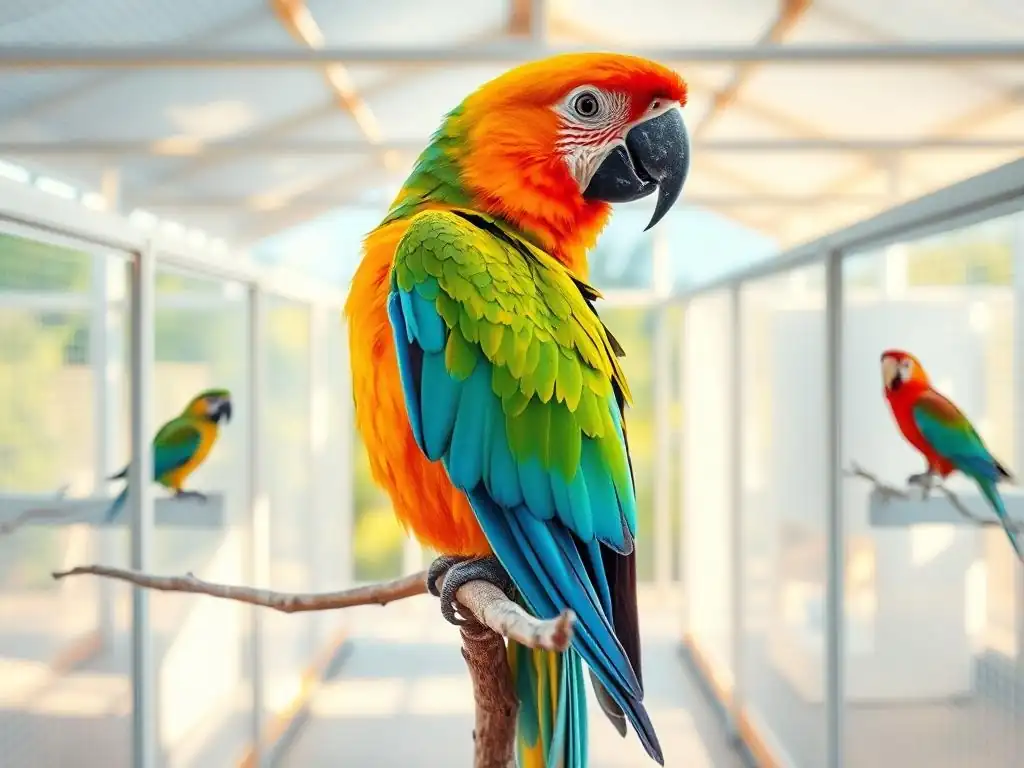
Creating a safe and separate quarantine environment is the cornerstone of a successful bird quarantine. This dedicated space should be completely isolated from your existing birds to prevent cross-contamination. Ideally, this should be a separate room, but a large, well-ventilated enclosure in a quiet area will suffice. The environment should mimic the bird's natural habitat as closely as possible to minimize stress. Consider these factors:
- Size and Ventilation: The quarantine space must be large enough to allow for comfortable movement and prevent overcrowding. Excellent ventilation is essential to maintain good air quality and prevent the buildup of harmful pathogens. Adequate airflow minimizes the risk of respiratory infections.
- Temperature and Humidity: Maintaining the correct temperature and humidity levels is critical for avian health. Fluctuations can weaken a bird's immune system, making it more susceptible to disease. Use a thermometer and hygrometer to monitor conditions and adjust as needed.
- Substrate and Cleaning: Choose a suitable substrate that is easy to clean and disinfect. Newspapers or paper towels are ideal, as they can be easily replaced. Regular and thorough cleaning and disinfection of the quarantine space is paramount to prevent the spread of pathogens. Use appropriate disinfectants, following the manufacturer’s instructions carefully.
- Perches and Toys: Provide appropriate perches of varying diameters to promote foot health. Limit toys to a few durable, easily cleanable items to minimize the risk of harboring bacteria or parasites. Avoid porous materials.
- Food and Water Dishes: Use stainless steel or ceramic food and water dishes that are easy to clean and disinfect. Replace food and water daily to maintain freshness and hygiene.
Essential Supplies for Effective Bird Quarantine
Having the right supplies on hand is essential for a smooth and effective bird quarantine. These items will allow you to monitor your bird's health, maintain a clean environment, and provide proper care. Consider these essentials:
- Thermometer and Hygrometer: Accurate monitoring of temperature and humidity is crucial for maintaining a healthy environment.
- Scales: Regular weighing helps to detect any sudden weight loss, a key indicator of illness.
- Disinfectants: Choose appropriate disinfectants specifically designed for use with birds. Always follow the manufacturer’s instructions carefully.
- Paper towels and cleaning supplies: Regular cleaning and disinfection are vital.
- Separate food and water dishes: Avoid cross-contamination by using dedicated dishes for the quarantined bird.
- First-aid kit: A basic avian first-aid kit should be readily available. [Specific contents pending]
- Record-keeping materials: Keep a detailed log of the bird's food intake, droppings, and any observed behavioral changes.
Monitoring Your Bird's Health During Quarantine: Key Indicators
Close monitoring of your bird's health during quarantine is vital. Early detection of illness can significantly improve treatment outcomes and reduce the risk of spreading disease to your other birds. Pay close attention to the following indicators:
- Changes in droppings: Changes in the color, consistency, and frequency of droppings can be an early sign of illness. Normal droppings are firm, dark in color, and have a distinct white urate component. Any deviation from this norm warrants immediate attention.
- Appetite and water intake: A sudden decrease in appetite or water intake can indicate illness. Monitor food and water consumption closely and weigh your bird regularly to detect subtle changes.
- Respiratory signs: Observe your bird for signs of respiratory distress, such as labored breathing, sneezing, or wheezing. These symptoms could indicate a respiratory infection.
- Behavioral changes: Changes in behavior, such as lethargy, ruffled feathers, or unusual vocalizations, can indicate illness. Note any changes in your bird's activity level and interaction with its environment.
- Feather condition: Examine your bird's feathers regularly for any signs of damage, dullness, or loss. These can be indicative of underlying health problems.
Consistent and meticulous monitoring is key to identifying potential problems early. Remember, early detection is crucial for successful treatment and preventing the spread of disease. A healthy quarantined bird is a crucial step towards the long-term health of your entire flock, maximizing the benefits of your bird quarantine protocol. This commitment to proactive health management is an investment in the happiness and longevity of your avian companions.
Gradual Integration of Quarantined Birds into Your Existing Flock
Successfully completing the quarantine period doesn't signify the end of the process. Introducing a newly quarantined bird into your existing flock requires careful planning and execution to minimize the risk of disease transmission. Rushing this integration can undo all the hard work invested in quarantine, potentially exposing your healthy birds to lingering pathogens or triggering stress-related illnesses.
A gradual integration strategy involves a series of carefully monitored steps. The first step involves visual acclimation. Place the quarantine cage near the main aviary, but separated, allowing the birds to see and hear each other for several days. This allows them to become familiar with each other's presence and vocalizations without direct contact. Observe your birds closely during this period; note any signs of aggression or unusual behavior from either group. Increased vocalization, feather ruffling, or excessive preening could indicate stress or territoriality.
The next phase involves scent exchange. Swap small, clean items between the quarantine cage and the main aviary. This allows the birds to familiarize themselves with each other's scent, reducing the shock of direct contact. You can swap perches, toys, or even small bits of bedding. Monitor for any changes in behavior, particularly in the quarantined bird, as it may show signs of anxiety or excitement. This step helps to ease the transition and reduce stress.
Finally, after several days of scent exchange and no signs of distress, you can begin short periods of supervised interaction. Open both cages, allowing for controlled contact under careful observation. Keep an eye out for any signs of aggression or bullying. If any aggressive behaviors are observed, immediately separate the birds and extend the period of visual and scent acclimation. Gradually increase the duration of supervised interactions over several days, always prioritizing the safety and well-being of all birds.
This phased approach allows the birds to adjust to each other's presence gradually, reducing the likelihood of conflict and disease transmission. Remember, patience is key. A rushed integration can lead to serious health issues and social disruption within your flock. Prioritizing a slow and controlled introduction is crucial for the long-term health and harmony of your avian companions. The process may take weeks, but the benefits of a successful, stress-free integration far outweigh the time investment. The ultimate goal is a happy, healthy, and well-adjusted flock.
Addressing Common Concerns about Bird Quarantine
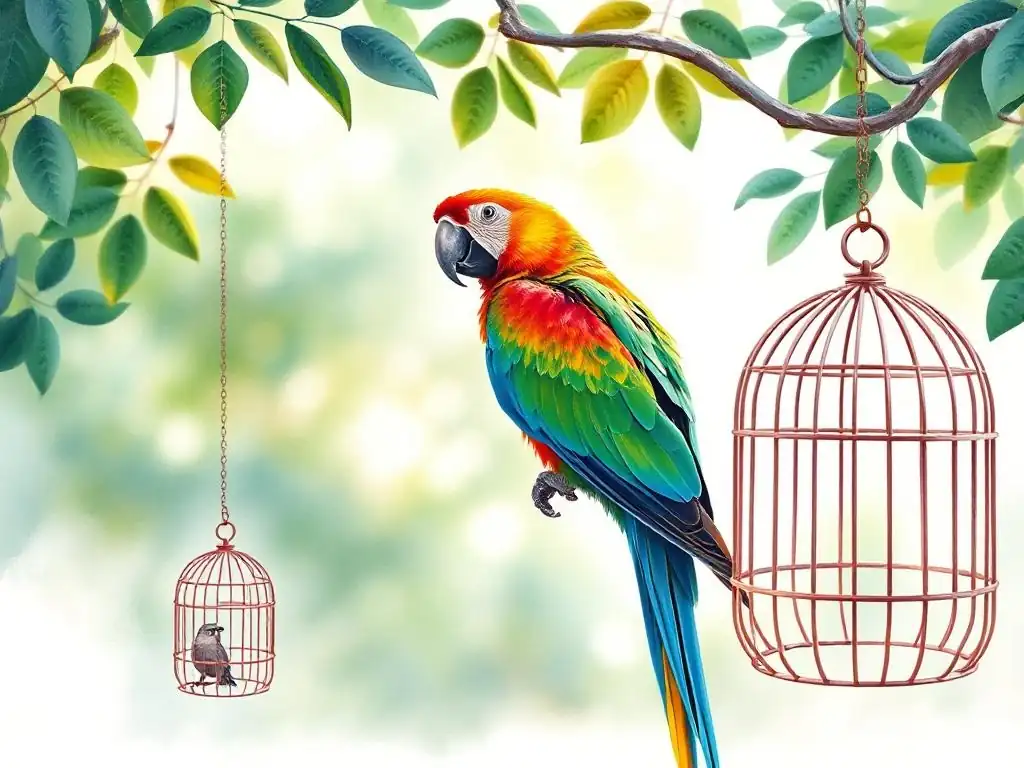
Many prospective bird owners hesitate to quarantine their new feathered friends, often citing concerns about the process being stressful, time-consuming, or unnecessary. Let's address these common anxieties head-on and explore why a proper bird quarantine is crucial for both the bird's well-being and the health of your existing flock (if applicable). The long-term benefits far outweigh any perceived inconvenience.
The key is to approach quarantine with careful planning and a proactive, understanding attitude. This ensures a smooth transition for your new bird and protects your existing pets from potential diseases. Remember, a proactive approach to bird quarantine minimizes risks and maximizes rewards.
Debunking Myths and Misconceptions about Bird Quarantine
One common misconception is that quarantine is only necessary if a bird shows visible signs of illness. This is false. Many avian diseases are asymptomatic in their early stages, meaning the bird may appear perfectly healthy while still harboring pathogens. These pathogens can quickly spread to other birds, leading to outbreaks that are difficult and expensive to manage.
Another myth is that a short quarantine period (a few days) is sufficient. Veterinary experts recommend a minimum of 30 days, and sometimes longer depending on the bird's origin and health history. This extended period allows for the manifestation of latent infections and ensures a comprehensive assessment of the bird's health.
Finally, some believe that quarantine is overly cautious or only necessary for birds from breeders or shelters. However, even birds acquired from seemingly reputable sources can carry undetected diseases. Therefore, a thorough bird quarantine is a responsible step for all new avian companions.
Handling Stress and Anxiety in Newly Quarantined Birds
Quarantine can be stressful for birds. To minimize this, create a calm and enriching environment. The quarantine cage should be appropriately sized, offering sufficient space for movement and exploration. Provide plenty of perches of varying diameters and textures to encourage natural behaviors. Toys are crucial for mental stimulation and reducing boredom-induced stress.
Offer a variety of safe, bird-friendly toys that promote foraging, problem-solving, and chewing. Consider using calming music or white noise to mask disruptive sounds. Maintain a consistent daily routine to provide a sense of predictability and security. Regular interaction, such as gentle talking and brief handling sessions (if the bird tolerates it), can help build trust and reduce anxiety.
Observe your bird carefully for signs of stress, such as ruffled feathers, excessive preening, or decreased appetite. If you notice significant stress, consult with an avian veterinarian. Remember, a happy and relaxed bird is more likely to thrive during quarantine. Proper bird quarantine doesn't have to mean isolating your bird; it should be a chance to build a bond.
Maintaining a Clean and Hygienic Quarantine Environment
Maintaining a clean quarantine environment is paramount to preventing the spread of disease. Regularly disinfect the cage and all accessories using an avian-safe disinfectant. Remove soiled food and water dishes daily and replace them with fresh supplies. Clean up droppings promptly to prevent the buildup of harmful bacteria and parasites.
Proper ventilation is also crucial to maintain air quality and reduce the risk of respiratory infections. Avoid overcrowding the cage, as this can increase stress and facilitate the spread of diseases. All items entering the quarantine area should be thoroughly cleaned and disinfected to prevent the introduction of contaminants. A dedicated set of cleaning supplies should be used exclusively for the quarantine area to avoid cross-contamination.
Regularly monitor the bird's droppings for any abnormalities, such as changes in color, consistency, or frequency. These observations can provide valuable insights into the bird's health and help identify potential problems early on. Thorough hygiene practices are essential for a successful and safe bird quarantine. It's a commitment to the bird's long-term health and well-being.
Frequently Asked Questions
What is bird quarantine, and why is it necessary?
Bird quarantine is the isolation of a new bird from your existing flock for a specified period. This is crucial to prevent the spread of diseases, many of which are undetectable initially. It protects the health of your existing birds.
How long should I quarantine a new bird?
The recommended quarantine period is at least 30 days, but it's best to extend it to 45 days if possible. This allows sufficient time to observe for any signs of illness. Longer quarantine periods are safer.
What are the signs of illness I should watch for during quarantine?
Look for changes in eating habits, droppings, behavior (lethargy, ruffled feathers), and respiratory issues like sneezing or wheezing. Any unusual signs warrant immediate veterinary attention.
Can I still handle my quarantined bird?
Minimize handling during quarantine to reduce stress and the risk of disease transmission. If absolutely necessary, wear gloves and wash your hands thoroughly before and after contact.
What are the long-term benefits of proper bird quarantine beyond disease prevention?
Proper quarantine helps establish a healthy flock by preventing the introduction of pathogens. This translates to lower veterinary bills, increased lifespan for your birds, and overall peace of mind knowing your birds are safe and healthy.
Final Reflection: A Legacy of Health: The Enduring Benefits of Bird Quarantine
The proactive practice of bird quarantine isn't merely a precautionary measure; it's an investment in the long-term health and well-being of your avian companions and the wider avian community. Failing to properly quarantine new birds introduces a significant risk of disease transmission, potentially devastating your flock and contributing to the spread of harmful pathogens. This risk is amplified in today's interconnected world, where the movement of birds is more frequent than ever.
The impact of responsible bird quarantine extends far beyond the individual bird owner. It's a crucial element in preserving the health and diversity of avian species, both captive and wild. By diligently following quarantine protocols, we contribute to a healthier ecosystem for all birds. The greatest threat to our planet is the belief that someone else will save it.
– Robert Swan. This quote reminds us that the responsibility for protecting avian health rests with each of us. We must actively participate in preventing the spread of disease, not simply rely on others to do so.
Consider the profound impact of your actions. By prioritizing bird quarantine, you're not just protecting your own birds; you're contributing to a future where avian communities thrive. Take a moment to reflect on your own practices. Are you fully committed to the long-term health of your feathered friends? If not, now is the time to implement robust quarantine protocols and become a champion for avian well-being. The health and happiness of your birds, and the future of avian populations, depend on it.
Unlock Your Bird's Healthiest Life: Take Action Now!
Thank you for learning about the long-term benefits of proper bird quarantine. You've gained valuable insights into protecting your feathered friend from preventable illnesses. Now, let's put that knowledge into action!
- Prioritize a safe quarantine space: Begin by assessing your current bird setup and identifying a dedicated, isolated quarantine area away from your other birds. This is crucial for maintaining a healthy flock.
- Share your quarantine expertise: Connect with fellow bird enthusiasts on our PetCareWorld forums and share your experiences—inspire others to prioritize bird health!
- Learn more about avian health: Explore our extensive library of articles on preventative care at PetCareWorld.org.
Ready to transform your bird's well-being? What's the first step you'll take to create a safer, healthier environment for your feathered companion?