
The Impact of Sound: Using Auditory Deterrents for Bird Control


Welcome to PetCareWorld, your ultimate guide to a happier, healthier life for your beloved pets! Are you struggling with unwanted avian visitors? Discover the surprising truth behind bird sound deterrent effectiveness and learn how auditory deterrents can help you reclaim your space. Explore our in-depth guide on "The Impact of Sound: Using Auditory Deterrents for Bird Control" and unlock the secrets to effective bird management. Let's dive into the fascinating world of avian behavior and find the perfect solution for your unique situation.
- Understanding Bird Sound Deterrent Effectiveness
- Types of Auditory Bird Deterrents
- Choosing the Right Bird Sound Deterrent for Your Needs
- Assessing Your Property and Bird Species for Effective Deterrent Selection
- Optimizing Bird Sound Deterrent Effectiveness
- Addressing Concerns About Bird Welfare
- Conclusion: Effective and Humane Bird Control with Sound
- Frequently Asked Questions
- Final Reflection: The Silent Symphony of Urban Coexistence
- Unleash the Power of Silence: Control Your Backyard Birds Today
Understanding Bird Sound Deterrent Effectiveness
Birds, while delightful additions to our natural landscape, can sometimes become unwelcome guests around our homes. Their droppings, nesting habits, and persistent chirping can be disruptive and even damaging. This article delves into the effectiveness of auditory deterrents – specifically, devices that utilize sound – as a method for bird control.
We'll explore the science behind how these devices work, examining different technologies and their varying degrees of success in deterring birds from specific areas. Understanding the nuances of bird sound deterrent effectiveness is crucial for homeowners seeking humane and effective solutions to bird-related problems. We'll assess the impact of different sound frequencies on bird behavior and look at real-world examples of successful and unsuccessful implementations.
Ultimately, this guide aims to empower you to make informed decisions about incorporating sound deterrents into your bird proofing strategy. The effectiveness of these devices can vary significantly based on factors like bird species, device design, and environmental conditions, and we'll explore these critical elements in detail.
How Ultrasonic Devices Repel Birds
Ultrasonic bird repellents operate on frequencies beyond the range of human hearing. The theory is that these high-frequency sounds are unpleasant or even painful to birds, encouraging them to vacate the area. However, the effectiveness of ultrasonic devices is a subject of ongoing debate. While some studies suggest a degree of success, particularly in smaller, more enclosed spaces, many others report limited or no impact. This discrepancy might be attributed to several factors:
- Species Variation: Birds' sensitivity to ultrasonic frequencies varies significantly across species. Some species may be highly sensitive, while others may be largely unaffected.
- Environmental Factors: Obstacles like foliage, buildings, and even weather conditions can significantly attenuate ultrasonic waves, reducing their effectiveness.
- Habituation: Birds may become habituated to the sound over time, rendering the device ineffective. This is particularly true with consistent, unchanging sound patterns.
- Device Quality: The quality and power output of the ultrasonic device play a major role. Low-quality devices may not produce sufficiently high-intensity sounds to repel birds effectively.
The lack of conclusive scientific evidence on the widespread effectiveness of ultrasonic bird repellents emphasizes the need for careful consideration before investing in this type of device. Further research is needed to better understand the limitations and potential of this technology.
Effectiveness of Sonic Bird Repellents: Frequency and Range
Sonic bird repellents, unlike ultrasonic devices, use sounds within the audible range for humans. These devices typically employ a variety of sounds, including distress calls, predator sounds, and other noises designed to frighten or annoy birds. The effectiveness of sonic repellents is also influenced by several factors:
- Frequency Selection: The specific frequencies used are crucial. Some frequencies are more effective at deterring certain bird species than others. [Specific frequency data pending further research].
- Sound Intensity: The volume of the sound is important. A sound that is too quiet might be ignored, while a sound that's excessively loud could be detrimental to the surrounding environment.
- Sound Variety: Using a variety of sounds, rather than a single, repetitive sound, is generally more effective in preventing habituation. The element of surprise is key.
- Range and Coverage: The effective range of the device is a critical consideration. Larger areas require more powerful devices or a strategic placement of multiple units.
Choosing a sonic repellent requires careful consideration of these factors. It’s important to select a device with adjustable settings to optimize its effectiveness for the specific bird species and environment.
Evaluating the Impact of Different Sound Frequencies on Bird Behavior
The impact of different sound frequencies on bird behavior is a complex area of study. Research suggests that certain frequencies, particularly those associated with distress calls or predator sounds, can elicit strong avoidance responses in birds. However, the response can be highly species-specific. For example, a frequency that effectively repels one species might have little or no effect on another. Furthermore, the context in which the sound is presented plays a significant role. A sound that is effective in open areas might be less effective in dense vegetation.
Studies have shown promising results with certain combinations of frequencies, suggesting that a multi-frequency approach might be more effective than using a single frequency. However, more research is needed to fully understand the optimal frequency combinations for different bird species and environments. The long-term effects of exposure to these sounds on bird health and behavior also require further investigation. Careful consideration of these factors is vital in determining the suitability and effectiveness of sound-based bird control methods. 🐦
Types of Auditory Bird Deterrents
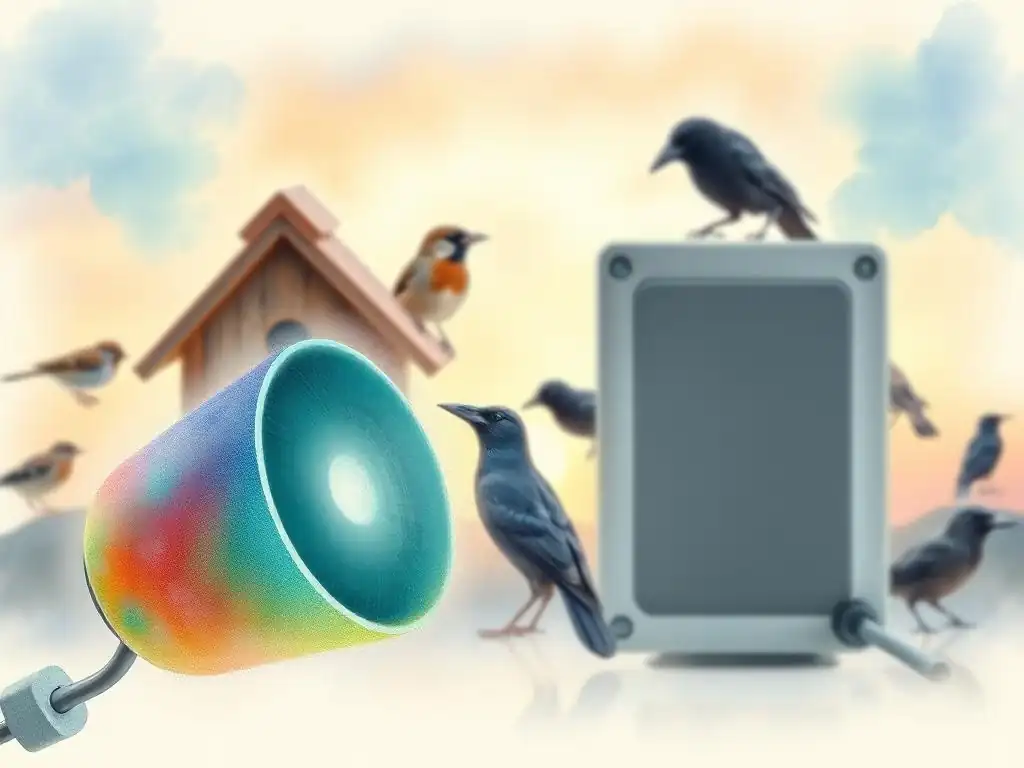
Auditory deterrents offer a humane and often effective method for bird control, leveraging birds' sensitive hearing to discourage unwanted presence. Understanding the different types available is crucial for choosing the right solution for your specific needs and environment. The effectiveness of each type varies depending on factors like bird species, environmental noise levels, and the device's power and placement. This section will delve into the specifics of three common types: ultrasonic, sonic, and white noise generators. Effective bird sound deterrent strategies require careful consideration of these factors and a realistic assessment of expectations.
Ultrasonic Bird Repellers: Pros and Cons
Ultrasonic bird repellers emit high-frequency sounds inaudible to humans but reportedly unpleasant to many bird species. Their effectiveness is a subject of ongoing debate, with some studies suggesting limited impact, particularly on larger, more resilient birds. However, properly deployed ultrasonic devices can be effective in deterring smaller birds from specific areas.
Pros:
- Generally considered humane, as they don't cause physical harm.
- Quiet operation; inaudible to humans.
- Relatively easy to install and use.
- Can be effective in deterring smaller bird species from smaller areas.
Cons:
- Effectiveness varies significantly depending on the bird species, environmental factors (like wind and background noise), and the quality of the device. Some birds may quickly habituate to the sound.
- Range is often limited, requiring multiple devices for larger areas.
- May not be effective against larger birds or those already accustomed to similar sounds.
- Some studies suggest minimal efficacy, highlighting the need for careful consideration before purchase.
Sonic Bird Repellents: Advantages and Disadvantages
Sonic bird repellers use sounds audible to both humans and birds, often mimicking distress calls or predator sounds. These devices aim to create a sense of unease and danger, discouraging birds from lingering in the treated area. Unlike ultrasonic devices, their effectiveness is generally easier to assess, as the sounds are perceptible.
Advantages:
- Potentially more effective than ultrasonic repellers, especially against a wider range of bird species.
- The audible nature allows for easier monitoring of the device's operation and assessment of its effectiveness.
- Some models offer adjustable frequency and volume, allowing for customization to specific bird species and environments.
- Can cover a larger area than ultrasonic repellers, often with greater penetration of foliage.
Disadvantages:
- The sounds produced can be annoying to humans, limiting placement options.
- Birds may habituate to the sounds over time, reducing their effectiveness.
- Some species may exhibit resilience to the sounds, requiring alternative or supplementary control methods.
- The intensity of the sound might disturb neighboring properties or wildlife.
White Noise Generators for Bird Control: A Comparative Analysis
White noise generators produce a consistent, broad-spectrum sound that masks other sounds, making it harder for birds to hear their usual communication signals or the sounds they use for foraging and navigation. While not specifically designed for bird control, their use in this context can be effective, particularly when combined with other deterrent methods.
Comparative Analysis:
| Feature | White Noise Generator | Ultrasonic Repeller | Sonic Repeller |
|---|---|---|---|
| Sound Type | Broad-spectrum noise | High-frequency | Bird distress calls |
| Human Audible | Yes | No | Yes |
| Effectiveness | Moderate | Variable | Variable |
| Range | Moderate | Limited | Moderate to High |
| Cost | Generally lower | Variable | Variable |
| Environmental Impact | Generally lower | Potentially unknown | Potentially higher |
White noise generators are a relatively inexpensive and low-impact option for bird control. However, their effectiveness is often less pronounced than dedicated sonic or ultrasonic devices. Their primary benefit lies in their ability to disrupt communication and create a less desirable environment for birds, rather than directly repelling them. Optimal results are often seen when used in conjunction with other methods. Further research is needed to fully quantify the long-term effectiveness of white noise generators as a bird deterrent.
Choosing the Right Bird Sound Deterrent for Your Needs
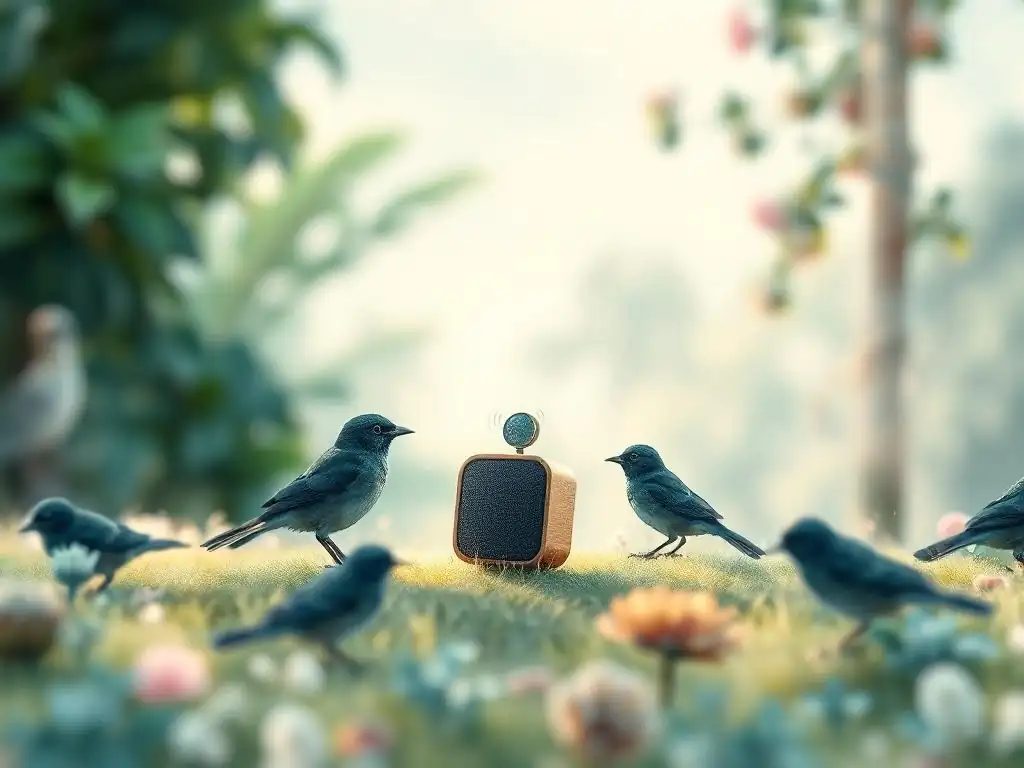
Bird sound deterrent effectiveness hinges on selecting the right device for your specific situation. A "one-size-fits-all" approach rarely works effectively. Several factors influence the success of a bird sound deterrent, and understanding these nuances is crucial for achieving optimal results. Ignoring these factors can lead to wasted resources and continued bird problems.
Factors to Consider When Selecting a Bird Sound Deterrent
Choosing the right bird sound deterrent requires careful consideration of several key factors. These factors directly impact the device's effectiveness in deterring birds from your property. Let's delve into the specifics:
- Frequency Range: Different bird species respond to different frequencies. Some devices offer adjustable frequency ranges, allowing you to target specific species. For example, a device effective against starlings might not be as effective against pigeons. Research the prevalent bird species in your area to choose a deterrent with the appropriate frequency spectrum. Look for devices that specify their effective frequency range.
- Sound Intensity and Volume: The intensity and volume of the sound emitted are also critical. Too quiet, and the birds may ignore it; too loud, and it could become a nuisance for you and your neighbors. Consider the size of your property and the distance the sound needs to travel. Devices with adjustable volume settings offer more control and adaptability.
- Coverage Area: The area a deterrent covers significantly impacts its effectiveness. Smaller devices might only deter birds from a limited radius, while larger, more powerful devices can cover a wider area. Assess your property to determine the necessary coverage area. Manufacturers usually specify the effective range of their products.
- Power Source: Deterrents can run on batteries, solar power, or mains electricity. Battery-powered devices offer portability but require regular battery replacements. Solar-powered options are environmentally friendly but depend on sunlight availability. Mains-powered devices provide consistent operation but require a nearby power outlet. Consider your preferences and the location of the deterrent when choosing a power source.
- Additional Features: Some advanced deterrents offer features like motion sensors, timers, or multiple sound options. These features enhance effectiveness by triggering the sound only when birds are present or by varying the sounds to prevent habituation. Evaluate whether these additional features are necessary for your specific needs. The inclusion of these advanced features often comes at a higher price point.
- Cost and Warranty: While price shouldn't be the sole deciding factor, it's important to consider the cost of the device, including any ongoing maintenance or replacement costs. Check the warranty offered by the manufacturer to ensure you have protection against defects. A longer warranty usually indicates higher product quality and manufacturer confidence.
Assessing Your Property and Bird Species for Effective Deterrent Selection
The effectiveness of a bird sound deterrent is directly tied to the specific characteristics of your property and the types of birds you are trying to deter. A thorough assessment is crucial before purchasing any device. Consider these factors:
Installation and Maintenance of Bird Sound Deterrents
Proper installation and regular maintenance are essential for maximizing the effectiveness and longevity of your bird sound deterrent. Neglecting these aspects can lead to reduced performance or even device failure.
- Optimal Placement: Strategic placement is key. Consider the birds' flight paths and typical roosting areas. Placing the deterrent too high or too low can significantly reduce its efficacy. Manufacturers often provide recommendations on ideal placement for their specific products.
- Environmental Considerations: Factors such as wind, rain, and sunlight can affect the performance of the deterrent. Choose a location that protects the device from the elements. Consider using a weatherproof enclosure if necessary. Regularly check the device's condition and address any damage promptly.
- Regular Maintenance: This includes checking battery levels (if applicable), cleaning the device, and ensuring all parts are functioning correctly. Refer to the manufacturer's instructions for specific maintenance guidelines. Regular maintenance can extend the lifespan of the device and maintain its effectiveness.
- Troubleshooting: If the deterrent isn't working as expected, review the manufacturer's troubleshooting guide. Common issues include low battery levels, incorrect placement, or interference from other electronic devices. Addressing these issues promptly can restore the deterrent's functionality.
- Adapting to Bird Behavior: Birds can sometimes become habituated to a single sound. Some deterrents offer multiple sound options to address this issue. Regularly switching between sounds can help maintain the deterrent's effectiveness over time. Observe the birds' behavior and adjust your strategy as needed. Monitoring the effectiveness of the sound deterrent is crucial to ensure its continued success in managing the bird population.
Optimizing Bird Sound Deterrent Effectiveness

Effective bird sound deterrent strategies require careful planning and execution. Simply purchasing a device isn't enough; understanding its limitations and how to maximize its impact is crucial for achieving successful bird control. This section focuses on enhancing the effectiveness of your chosen auditory deterrent, leading to a more bird-free environment. The success of any bird sound deterrent hinges on several key factors, including proper placement, consistent use, and consideration of the specific bird species you're targeting. Different birds react differently to various sounds and frequencies.
Combining Auditory Deterrents with Other Bird Control Methods
Using a sound deterrent in isolation might not always be sufficient, particularly in areas with persistent bird activity or large flocks. Integrating auditory deterrents with other methods significantly boosts their effectiveness. Consider a multi-pronged approach, combining sound deterrents with physical barriers like netting or bird spikes. For example, strategically placed netting can prevent birds from accessing vulnerable areas, while a sound deterrent keeps them from landing in the vicinity. This combined strategy creates a more comprehensive solution.
Furthermore, visual deterrents like shiny ribbons or reflective tape can also work synergistically with sound, creating a more unpleasant and unwelcoming environment for birds. Remember, the goal is to disrupt their comfort and encourage them to seek alternative locations. A layered approach, combining different bird control techniques, is generally more effective than relying on a single method. This is especially true when dealing with persistent bird problems or particularly clever avian species.
Addressing Potential Issues and Limitations of Sound Deterrents
While sound deterrents offer a humane and often effective bird control solution, they are not without their limitations. One common issue is habituation. Birds, especially those regularly exposed to the same sound, can become accustomed to it, rendering the deterrent ineffective. To mitigate this, consider rotating different sounds or varying the frequency and volume of the device. Another potential problem is the impact on neighboring properties or wildlife.
Some devices produce sounds that might be disruptive to humans or other animals. Always check local regulations and consider the surrounding environment before deploying a sound deterrent. The range of effectiveness also varies depending on the device and the environment. Factors like background noise, wind, and distance can affect how far the sound travels and its effectiveness.
Therefore, careful placement and consideration of environmental factors are crucial for maximizing the device's impact. Finally, the effectiveness of a sound deterrent can also depend on the species of bird. Some birds are more sensitive to certain sounds than others. Research the specific birds in your area to choose a deterrent optimized for their auditory sensitivities.
Monitoring the Effectiveness of Your Chosen Deterrent
Regular monitoring is essential to assess the ongoing effectiveness of your chosen bird sound deterrent. Keep a log of bird activity before, during, and after implementing the device. Note any changes in bird behavior, such as reduced activity levels or a shift in their preferred locations. If you notice that the deterrent is becoming less effective, you may need to adjust its settings, relocate it, or combine it with other control methods as discussed previously.
Consider using visual aids to track bird activity, such as strategically positioned cameras or observation logs. Documenting the changes in bird behavior will help you objectively assess the deterrent's success. This data is invaluable for making informed decisions about adjustments or alternative approaches.
Remember, consistent observation and data collection are key to optimizing the long-term effectiveness of your bird sound deterrent strategy. This proactive approach ensures that your chosen method remains effective and provides the desired level of bird control over time. Regular reviews are crucial for maintaining a bird-free environment.
Addressing Concerns About Bird Welfare
The effectiveness of bird sound deterrents is often debated alongside concerns about their impact on bird welfare. While these devices aim to deter birds from specific areas without causing physical harm, questions arise regarding potential stress, disruption of natural behaviors, and the overall well-being of the avian population. Understanding these concerns is crucial for responsible and ethical application of auditory deterrents. The key lies in responsible use and careful selection of devices, minimizing negative impacts while maximizing effectiveness. This section will delve into the specific issues surrounding bird welfare and provide guidance on mitigating potential harm.
Human Impact and Noise Pollution from Bird Deterrents
The use of auditory bird deterrents isn't without potential drawbacks for humans. High-pitched sounds, while often inaudible to humans, can still cause discomfort or annoyance to some individuals, especially those sensitive to high-frequency noises. Furthermore, the constant operation of some deterrents can contribute to noise pollution in the surrounding environment, impacting the overall quality of life for neighbors. The intensity and frequency of the sounds emitted are key factors to consider.
For example, a device emitting a continuous, high-intensity sound will likely cause more disturbance than one that employs varied sounds at lower volumes. Choosing devices with adjustable settings allows for customization based on the specific situation and the sensitivity of the surrounding community. Consider the proximity to residential areas, schools, or hospitals when selecting and deploying a bird sound deterrent.
Careful consideration of these factors can help minimize the negative impact on human comfort and the surrounding environment. Data on specific noise levels emitted by various deterrent models is [specific information pending], and further research is needed to comprehensively assess the impact on human populations.
Ethical Considerations in Using Auditory Bird Control Methods
The ethical implications of using auditory deterrents to control bird populations are complex and require careful consideration. While these devices avoid physical harm, the potential for stress and behavioral disruption in birds cannot be ignored. Prolonged exposure to aversive sounds can lead to increased stress levels in birds, potentially impacting their breeding success, foraging efficiency, and overall health. Furthermore, the effectiveness of auditory deterrents can vary considerably depending on the species of bird, their prior experience with similar sounds, and the specific environmental context.
Some studies suggest that birds can habituate to repetitive sounds, rendering the deterrent ineffective over time. This necessitates careful monitoring and adjustments to the deterrent’s settings or the implementation of alternative strategies to maintain effectiveness and minimize prolonged stress on the bird population. The ethical use of these devices requires a balanced approach, prioritizing the minimization of harm to birds while achieving effective bird control. A responsible approach includes:
- Careful selection of devices with minimal negative impact on bird welfare.
- Regular monitoring of bird behavior to assess the effectiveness and potential harm of the deterrent.
- Consideration of alternative, less intrusive methods whenever possible.
- Prioritizing humane bird control practices in alignment with best practices for animal welfare.
The development of more sophisticated and bird-friendly deterrents is crucial for addressing these ethical concerns. Research into more species-specific and adaptive sound deterrents is needed to ensure ethical and effective bird control. This includes exploring the use of sounds that are less aversive to birds while still achieving the desired level of deterrence. The long-term effects of auditory deterrents on bird populations require further investigation. [Specific information pending on long-term studies]. This ongoing research will be vital in informing best practices for responsible and ethical application.
Conclusion: Effective and Humane Bird Control with Sound
Effective bird control doesn't necessitate harmful methods. Auditory deterrents, when implemented correctly, offer a humane and often highly effective solution to deter birds from unwanted areas. The effectiveness of these devices hinges on several factors, including the type of deterrent used, its placement, and the specific bird species being targeted. Understanding these nuances is crucial for achieving optimal results and minimizing any potential negative impact on bird populations or the surrounding environment.
Remember, consistent application and careful consideration of the birds' behavior are key to long-term success. The goal isn't to eradicate birds, but to manage their presence responsibly and humanely. This approach aligns with responsible pet ownership principles, extending our care and consideration to all creatures, feathered or otherwise. Choosing humane solutions reflects a commitment to both effective bird control and environmental stewardship.
Long-Term Strategies for Bird Management Using Sound Deterrents
Long-term success with auditory bird deterrents requires a multifaceted approach that goes beyond simply installing a device and hoping for the best. Consistent monitoring and adjustment are vital. For example, birds can habituate to repetitive sounds, rendering the deterrent ineffective over time. To counter this, consider rotating between different sound frequencies or using devices with varying sound patterns.
Regular maintenance is also crucial; ensure speakers are clean and functioning optimally. Furthermore, integrating auditory deterrents with other bird control methods can significantly enhance their effectiveness. This could involve physical barriers like netting or bird spikes, coupled with strategically placed sound emitters. Consider the landscape itself; planting thorny bushes or removing attractive food sources can also contribute to a holistic bird management strategy.
Data collection on the bird species present, their habits, and their response to the deterrent can help refine the approach over time, maximizing its long-term impact. Documenting observations, such as the types of birds present, their feeding habits, and their reaction to the deterrent, provides valuable data for ongoing optimization. This approach allows for a dynamic, adaptable bird management plan rather than a static, potentially ineffective one. Remember, patience and persistence are essential components of a successful long-term bird management strategy.
Future Research and Development in Auditory Bird Deterrents
The field of auditory bird deterrents is ripe for further research and development. Current technologies are improving, but there's significant potential for advancements. More sophisticated devices could incorporate artificial intelligence (AI) to analyze bird behavior in real-time and adapt sound frequencies dynamically, optimizing deterrence based on individual species and their responses. Research into the specific frequencies most effective for different bird species is also crucial.
This would allow for the development of highly targeted deterrents, minimizing the impact on non-target species. Furthermore, investigating the potential for combining auditory deterrents with other sensory stimuli, such as visual or olfactory cues, could lead to even more effective and humane methods of bird control. This integrated approach could create a multi-sensory deterrent that is far more effective than any single modality alone. Exploring the use of environmentally friendly materials and energy-efficient technologies is another important area of future development.
This will ensure that these devices are both effective and sustainable. Ultimately, the goal is to develop bird deterrents that are not only effective but also environmentally responsible and ethically sound, minimizing potential disruption to the natural ecosystem and maximizing the well-being of both birds and humans. The development of more sophisticated and targeted deterrents will greatly enhance the effectiveness and humane application of these technologies.
Frequently Asked Questions
How effective are bird sound deterrents?
The effectiveness of bird sound deterrents varies greatly depending on factors like species of bird, frequency and type of sound, and environment. Some birds may habituate to sounds, rendering the deterrent ineffective over time.
What types of sounds are used in bird deterrents?
Bird sound deterrents typically utilize sounds like high-frequency noises, distress calls, or predator sounds. The goal is to create an unpleasant or threatening auditory experience for the birds.
Are bird sound deterrents humane?
While generally considered humane, the effectiveness and ethical implications depend on proper implementation and sound selection. Improper use could cause unnecessary stress to birds. Consult with wildlife professionals for best practices.
Do bird sound deterrents work on all types of birds?
No, effectiveness varies greatly by bird species. Some birds are more sensitive to certain frequencies than others. Testing different deterrents may be necessary to find one effective for your specific situation.
How do I choose the right bird sound deterrent?
Consider factors like the type of bird, the size of the area you need to cover, and the level of sound produced by the deterrent. Research reviews and consult with professionals to make an informed decision.
Final Reflection: The Silent Symphony of Urban Coexistence
The escalating conflict between human development and avian habitats demands innovative solutions, and the effectiveness of sound deterrents stands as a crucial element in this ongoing conversation. While technological advancements offer increasingly sophisticated methods of bird control, the ethical and ecological implications remain paramount, requiring a nuanced approach that prioritizes both human needs and the well-being of bird populations.
The debate surrounding auditory deterrents highlights a broader societal shift in our understanding of urban ecology. We are increasingly recognizing the interconnectedness of human and natural worlds, and the need for sustainable strategies that minimize harm. The more clearly we can focus our attention on the wonders and realities of the universe about us, the less taste we shall have for destruction.
– Rachel Carson. This quote underscores the importance of finding solutions that respect the delicate balance of nature, even within the confines of our cities. The ongoing research into the efficacy and humane application of sound deterrents reflects this growing awareness.
Consider the implications of this research in your own life. Are you aware of the soundscapes surrounding you, and how they impact both human and animal life? Take a moment to listen actively, to appreciate the symphony of your environment, and to consider your role in shaping it. By understanding the impact of sound, both positive and negative, we can move towards a future where urban development and wildlife conservation coexist harmoniously, creating a more vibrant and sustainable world for all.
Unleash the Power of Silence: Control Your Backyard Birds Today
Thank you for exploring sound-based bird control with us! We hope you feel empowered to manage bird problems humanely and effectively. Ready to get started?
- Implement your chosen bird deterrent. Begin with a small area and gradually expand as needed. Observe the birds' reactions and adjust your approach accordingly.
- Share your experiences! Help other PetCareWorld readers by commenting below on what worked for you—and what didn't. Let's build a community of knowledge and share successful strategies!
- Experiment with different sounds and deterrent types to find the most effective solution for your situation.
Ready to create a harmonious balance between your garden and your feathered friends? What method will you try first?