
The Relationship Between Bird Size and Cage Bar Spacing

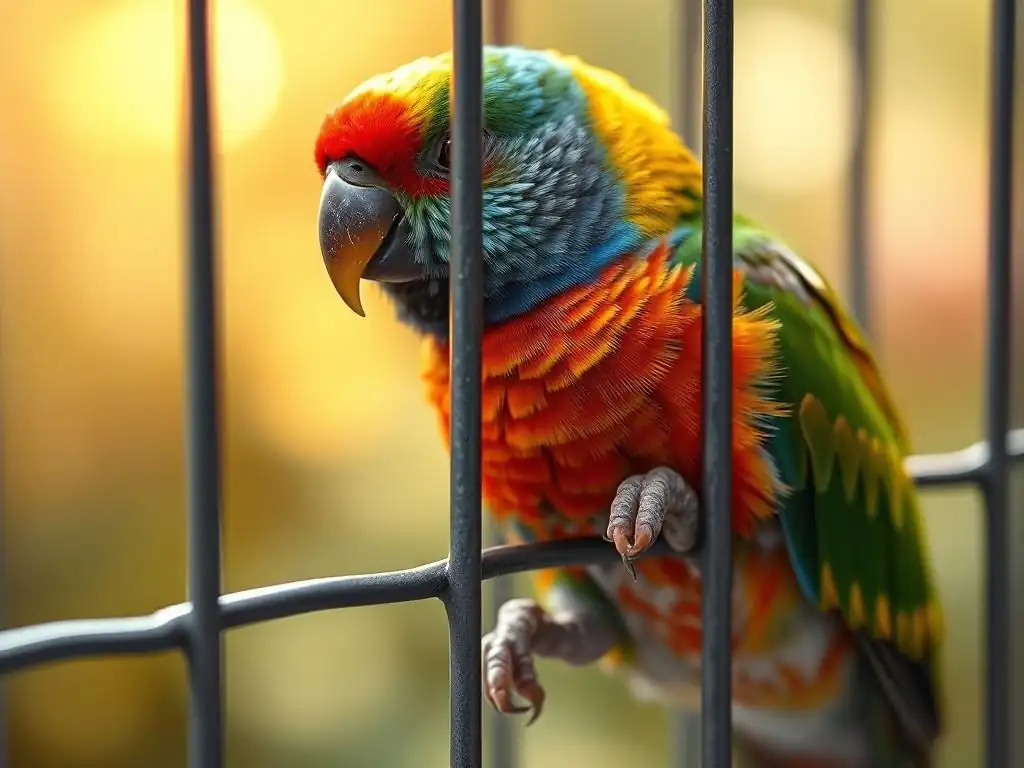
Welcome to PetCareWorld, your ultimate guide to a happier, healthier life for your beloved pets! Are you concerned about the safety of your feathered friend? Discover the critical importance of proper bird cage spacing and how it directly impacts your bird's well-being. Our Bird cage spacing safety guide reveals the crucial relationship between bird size and cage bar spacing, ensuring your avian companion remains safe and secure. Dive in and learn how to create the perfect haven for your winged wonder – explore now!
- Understanding Bird Cage Bar Spacing: A Crucial Safety Aspect
- Determining the Right Cage Bar Spacing for Your Bird
- Bird Cage Bar Spacing Safety Guide: Species-Specific Recommendations
- Beyond Bar Spacing: Other Important Cage Considerations for Bird Safety
- Resources and Further Reading: Ensuring Your Bird's Safety
-
Frequently Asked Questions
- What is the most important factor to consider when choosing a bird cage?
- How do I determine the correct bar spacing for my bird?
- What happens if the bar spacing is too wide?
- Are there different bar spacing recommendations for different types of birds?
- Where can I find more information on safe bird cage selection?
- Final Reflection: A Safer Space for Feathered Friends
- Unlock Your Bird's Happy Home: Perfect Cage Spacing
Understanding Bird Cage Bar Spacing: A Crucial Safety Aspect
Choosing the right bird cage is paramount for your feathered friend's well-being. A seemingly small detail like bar spacing can significantly impact your bird's safety, comfort, and overall quality of life. This comprehensive guide focuses on the critical relationship between bird size and cage bar spacing, providing you with the knowledge to select a cage that minimizes escape risks and prevents potential injuries. This guide serves as your ultimate "Bird cage spacing safety guide," helping you make informed decisions to ensure your bird's safety and happiness.
We'll delve into the reasons why proper spacing is essential, explore the correlation between bird size and appropriate spacing, and highlight the dangers of improper cage construction. Understanding these factors will empower you to create a secure and enriching environment for your avian companion. Choosing the right cage is an investment in your bird’s long-term health and happiness.
Why Proper Bar Spacing is Essential for Bird Safety
Proper bar spacing in a bird cage is not merely a matter of convenience; it's a critical safety measure. Inadequate spacing poses significant risks, including:
- Escapes: Too much space between bars allows smaller birds to squeeze through, leading to escapes and the potential for injury or loss. Larger birds, while less likely to escape through the bars themselves, might be able to reach through and injure themselves on objects outside the cage.
- Injuries: Birds can get their heads, wings, or feet stuck between bars, causing pain, injury, and even death. This is particularly true for birds with larger heads or long toes relative to their body size.
- Stress: A cage with improper spacing can create a constant source of stress for your bird. The fear of escape or potential injury can negatively impact their behavior, leading to feather plucking, aggression, and other behavioral problems.
The importance of correct bar spacing cannot be overstated. It is a foundational element of responsible bird ownership and directly contributes to the overall well-being of your pet. Investing in a properly spaced cage is an investment in your bird's peace of mind and physical safety.
Preventing Escapes: Bar Spacing and Bird Size Correlation
The ideal bar spacing varies significantly depending on the size and species of your bird. There's no one-size-fits-all solution. A general rule of thumb is to ensure that the spacing is less than half the width of your bird's head. This prevents the bird from forcing its head through the bars. However, this is just a starting point; careful consideration of other factors is crucial:
| Bird Type | Approximate Head Width (cm) | Recommended Max. Bar Spacing (cm) |
|---|---|---|
| Small Parakeets | 1.5 - 2 | 0.75 - 1 |
| Medium Parakeets | 2.5 - 3 | 1.25 - 1.5 |
| Large Parrots | 4 - 6 | 2 - 3 |
| Note: These are approximations. Always consult species-specific guides for precise recommendations. |
Remember that even within a species, individual birds may vary slightly in size. It's always better to err on the side of caution and choose a cage with slightly tighter spacing than to risk an escape. Consider the bird's potential for growth, especially if you are acquiring a young bird.
The Dangers of Improper Spacing: Injury and Escape Risks
Improper bar spacing significantly increases the risk of injury and escape. A bird that manages to get its head or foot stuck between the bars may panic, leading to further injury as it struggles to free itself. This can result in broken bones, lacerations, or even strangulation. Escapes, even for short periods, can expose your bird to numerous dangers, including predation, traffic accidents, and exposure to the elements.
Furthermore, the stress associated with a constant fear of escape can negatively impact your bird's health and behavior, potentially leading to long-term health problems. Always prioritize a cage with appropriately spaced bars to mitigate these significant risks. The safety and well-being of your bird should be your top priority. 🐦
Determining the Right Cage Bar Spacing for Your Bird

This section focuses on the crucial relationship between bird size and cage bar spacing, a critical aspect of ensuring your feathered friend's safety and well-being. A poorly chosen cage can lead to injuries, escapes, and significant stress for your bird. This comprehensive guide will help you understand how to select the correct bar spacing for your specific bird species, minimizing risks and maximizing their comfort. We’ll cover measuring your bird, matching its size to appropriate bar spacing, and ultimately, selecting the right cage. This will serve as your ultimate Bird cage spacing safety guide.
Measuring Your Bird: Determining Body Size and Wingspan
Accurately measuring your bird is the first step in determining the appropriate cage bar spacing. You need two key measurements: body length and wingspan. Body length is measured from the tip of the beak to the end of the tail feathers. Wingspan is measured from the tip of one wing to the tip of the other, with the wings fully extended. It's crucial to be precise; a small error can lead to a potentially dangerous cage choice.
To measure your bird accurately, you'll need a flexible measuring tape or ruler. Gently restrain your bird (with the help of a second person if needed), ensuring its comfort and safety. Avoid any sudden movements or forceful handling that might stress your bird. Record your measurements carefully. For larger birds, it might be helpful to have someone assist in holding the bird securely while you take the measurements.
Here's a simple table to illustrate the process:
| Measurement | Method | Example Measurement (Approximate) |
|---|---|---|
| Body Length | Tip of beak to end of tail feathers | 10 inches |
| Wingspan | Tip of one wing to tip of the other (extended) | 15 inches |
Remember, these are just examples. Your bird's measurements will vary depending on its species and age. Always take multiple measurements to ensure accuracy. This precise measurement is the foundation of selecting the correct bird cage spacing.
Matching Bird Size to Appropriate Bar Spacing: A Comprehensive Guide
Once you have your bird's accurate body length and wingspan measurements, you can begin determining the appropriate cage bar spacing. The general rule is that the spacing should be smaller than the bird's head size to prevent escape. However, smaller spaces can also pose problems, potentially causing injury to the bird's feet or head.
The ideal bar spacing is often a balance between preventing escape and avoiding potential harm. Smaller birds require narrower spacing, while larger birds need wider spacing to accommodate their size and prevent injury from constantly trying to fit their feet through.
Consider these guidelines:
- Small Birds (e.g., finches, canaries): Spacing should be no more than ½ inch.
- Medium Birds (e.g., cockatiels, lovebirds): Spacing should be between ½ and ¾ inch.
- Large Birds (e.g., macaws, African greys): Spacing should be between ¾ and 1 inch or more, depending on the bird's size.
Important Note: These are general guidelines. Always consult with an avian veterinarian or experienced bird breeder for species-specific recommendations, particularly for less common bird species. They can offer tailored advice based on your specific bird's breed and size. Ignoring this crucial step could compromise your bird's safety.
Choosing the Right Cage: Considering Bar Spacing and Bird Species
Selecting the correct cage involves more than just bar spacing; it's about finding a cage that meets your bird's overall needs. While the bar spacing is vital for safety, consider other factors, including:
- Cage Size: The cage should be large enough to allow your bird sufficient space for flight, play, and exploration. A cramped cage can lead to stress and behavioral problems. Larger cages are always preferable.
- Cage Material: Ensure the cage is made of safe, non-toxic materials. Avoid cages with sharp edges or components that could injure your bird.
- Cage Accessories: Provide a variety of appropriate toys, perches, and food and water dishes. These accessories contribute to your bird's overall well-being and enrichment.
Remember, proper cage selection is a key element of responsible bird ownership. By carefully considering your bird's size, species, and individual needs, you can create a safe and enriching environment that promotes its health and happiness. This comprehensive approach ensures that your bird thrives under your care. Following this bird cage spacing safety guide will help ensure a safe and happy home for your bird.
Bird Cage Bar Spacing Safety Guide: Species-Specific Recommendations
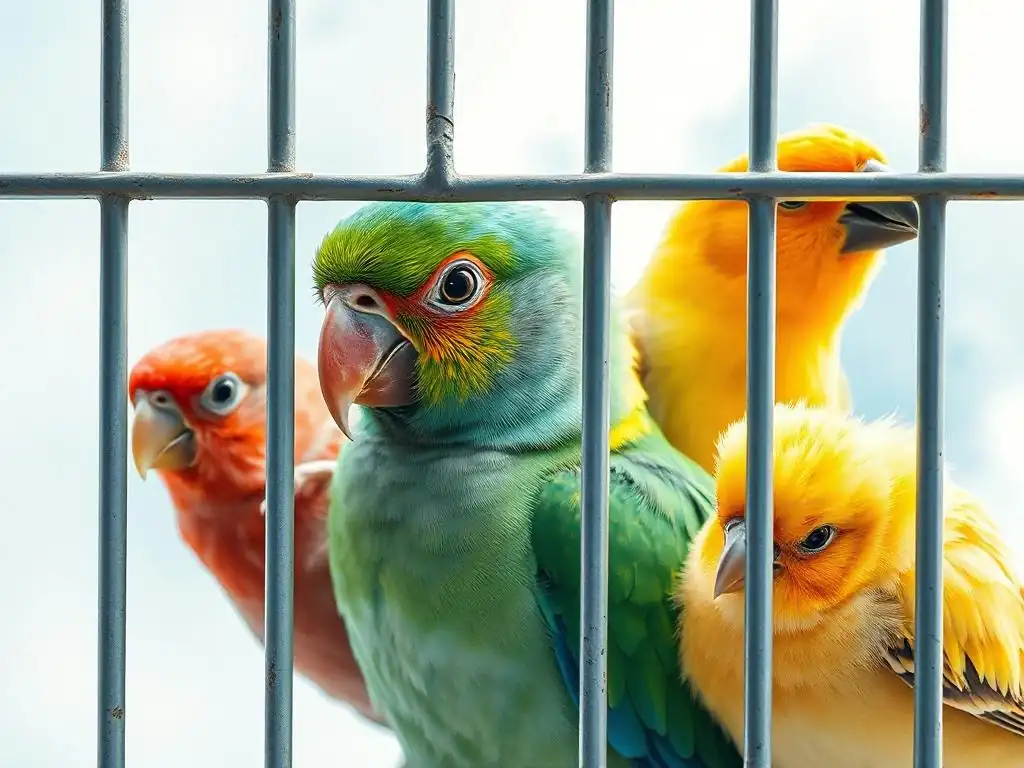
This section provides a detailed guide to safe bird cage bar spacing, crucial for preventing escapes and injuries. Understanding the relationship between bird size and cage bar spacing is paramount for responsible bird ownership. A "Bird cage spacing safety guide" should be consulted before purchasing any cage to ensure the safety and well-being of your feathered friend. Improper spacing can lead to serious consequences, including injury, escape, and even death. This guide focuses on species-specific needs, helping you choose the right cage for your bird.
Small Bird Cage Spacing Requirements: Parakeets, Finches, Canaries
Small birds like parakeets, finches, and canaries require cages with closely spaced bars to prevent them from squeezing through and escaping. These birds are agile and can easily slip through larger gaps. The recommended bar spacing for these species is generally no more than ½ inch (1.27 cm). Anything wider significantly increases the risk of escape.
Consider the following factors when choosing a cage for small birds:
- Wire gauge: Thicker wire is stronger and more durable, providing better protection.
- Cage material: Stainless steel is preferred for its durability and ease of cleaning.
- Overall cage size: Even with appropriate spacing, a cage that's too small is detrimental to a bird's health and well-being. Ensure adequate space for flight, play, and perching.
Failing to provide adequate cage bar spacing for small birds can lead to:
- Escape: This can be extremely dangerous for the bird, exposing it to predators, hazards, and potential injury.
- Stress: Constantly worrying about escape can cause significant stress, leading to health problems.
- Injury: A bird attempting to squeeze through bars might get its head or feet stuck, resulting in injury.
Medium Bird Cage Spacing Requirements: Cockatiels, Conures
Cockatiels and conures are larger than parakeets and finches but still require relatively close bar spacing. While they can't squeeze through gaps as easily as smaller birds, inappropriate spacing can still lead to problems. A safe bar spacing for these birds is generally between ½ inch (1.27 cm) and ¾ inch (1.91 cm). However, even within this range, individual bird size and behavior should be considered. Some larger cockatiels might still be able to squeeze through wider gaps.
Choosing the right cage for medium-sized birds also involves considering:
- Perch placement: Ensure the perches are strategically placed to prevent the bird from reaching the bars easily.
- Toy selection: Choose toys appropriate for the bird's size and chewing capabilities to prevent damage to the cage bars.
- Cage cleaning: Regular cage cleaning is vital to maintain hygiene and prevent the spread of disease.
Large Bird Cage Spacing Requirements: Macaws, Amazons, African Greys
Large parrots like macaws, amazons, and African greys require significantly wider bar spacing than smaller birds. However, the spacing should still be narrow enough to prevent them from squeezing their heads or bodies through. The recommended bar spacing for these large birds is generally between ¾ inch (1.91 cm) and 1 inch (2.54 cm). However, always prioritize safety and observe your bird's behavior to ensure that the spacing is appropriate.
For large birds, cage selection requires extra attention to:
- Cage construction: The cage should be sturdy and durable enough to withstand the bird's powerful beak and claws.
- Cage accessories: Provide ample space for climbing, playing, and foraging.
- Veterinary care: Regular veterinary checkups are crucial for large birds, as they are more prone to certain health issues.
Remember, this guide provides general recommendations. Always prioritize the individual needs of your bird. If you are unsure about the appropriate bar spacing for your bird, consult with an avian veterinarian or an experienced bird breeder. A safe and appropriately sized cage is essential for the health, happiness, and safety of your feathered companion. This "Bird cage spacing safety guide" aims to help you make informed decisions to ensure your bird's well-being. 🐦
Beyond Bar Spacing: Other Important Cage Considerations for Bird Safety
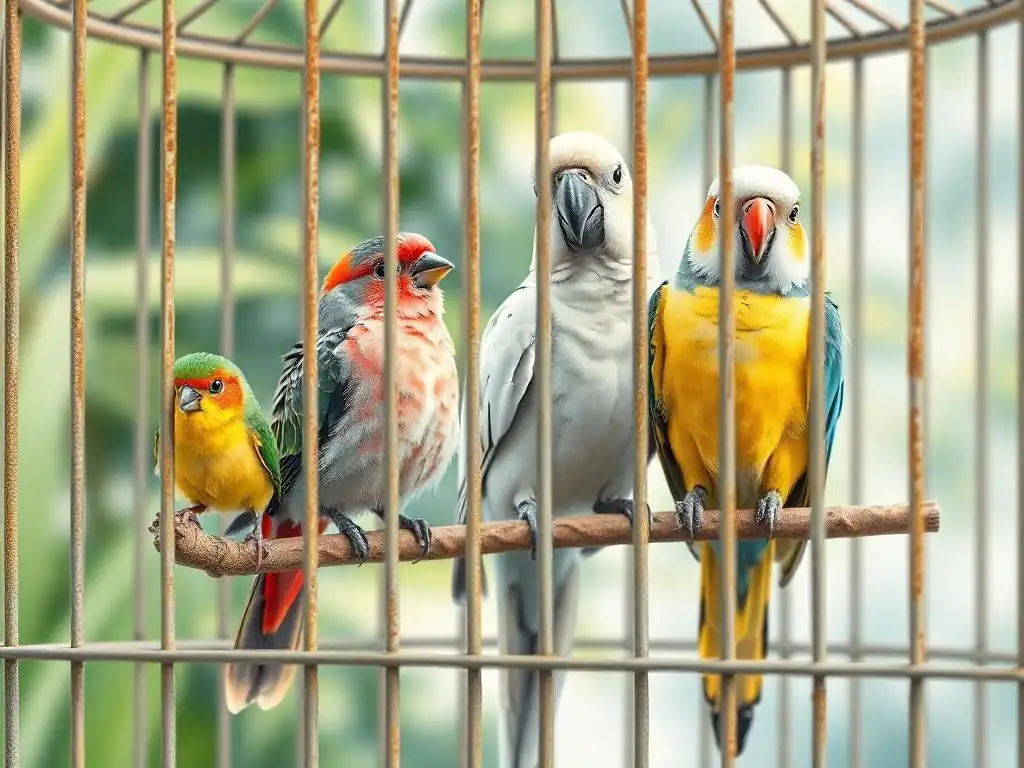
This section delves into crucial aspects of bird cage safety beyond just bar spacing, focusing on elements that contribute to a secure and enriching environment for your feathered friend. A "Bird cage spacing safety guide" isn't complete without considering these vital factors. Remember, even with perfectly spaced bars, a poorly constructed or inadequately equipped cage can compromise your bird's safety and well-being.
Cage Material and Construction: Ensuring Durability and Safety
The material and construction of your bird's cage are paramount for its safety and longevity. Avoid cages made from materials that your bird could easily chew through, such as untreated wood or soft plastics. Powder-coated metals, while aesthetically pleasing, can contain toxic substances if chipped or ingested. Always opt for cages made from strong, non-toxic materials like stainless steel or heavy-gauge powder-coated wire (ensure it's a high-quality, bird-safe coating).
Look for sturdy welds and joints; a wobbly cage is a hazard. The cage should be able to withstand vigorous chewing and climbing without bending or breaking. Examine the cage carefully for any sharp edges or points that could injure your bird. Regular inspections are crucial to identify and address any potential problems promptly. Consider the weight of your bird; larger birds require sturdier cages. For example, a large macaw needs a significantly more robust cage than a small finch. The cage's overall stability is critical, especially if you plan to mount it on a stand.
Cage Size and Space: Providing Enough Room for Movement and Play
While bar spacing is crucial for preventing escapes, the overall size of the cage is equally important for your bird's physical and mental health. A cramped cage can lead to stress, boredom, and even feather plucking. Your bird needs sufficient space to stretch its wings, fly short distances, and engage in natural behaviors like climbing and swinging. A good rule of thumb is to choose the largest cage you can reasonably accommodate in your home.
Consider your bird's species and size when selecting a cage. Larger birds, such as cockatoos or amazons, require significantly more space than smaller birds like budgies or canaries. For example, a minimum cage size for a cockatoo might be 6 feet tall, while a budgie may thrive in a cage half that height.
However, even larger cages should provide ample space for the bird to move freely. The cage's dimensions should allow for the placement of various perches at different heights and angles, providing opportunities for varied exercise and exploration. Remember, a larger cage doesn't automatically mean a better cage; it still needs to be appropriately designed and furnished.
Accessories and Enrichment: Creating a Safe and Stimulating Environment
Choosing appropriate accessories and enrichment items is essential for creating a safe and stimulating environment for your bird. Avoid items made from toxic materials, such as lead-based paint or plastic that could be easily chewed and swallowed. Ensure that all perches are securely attached and are of varying sizes and textures to promote foot health. Toys should be durable and bird-safe, and regularly inspected for damage. Avoid small toys or those with loose parts that could be a choking hazard.
Providing a variety of stimulating toys and activities is crucial for preventing boredom and encouraging natural behaviors. This can include foraging toys, puzzle feeders, bells, swings, and climbing structures. Always supervise your bird with new toys to ensure they are used safely and appropriately. Regularly rotate toys to maintain interest and prevent boredom. A safe and engaging environment is just as important as the cage's structural integrity in ensuring your bird’s overall well-being. Careful selection and placement of accessories are key components in a comprehensive "Bird cage spacing safety guide". Remember, a happy bird is a healthy bird!
Resources and Further Reading: Ensuring Your Bird's Safety

This section provides additional resources and safety tips to complement your understanding of bird cage bar spacing and ensure the well-being of your feathered friend. A safe and appropriately sized cage is crucial for a happy and healthy bird. Remember, a bird's safety is paramount, and proactive measures are always better than reactive ones. This section aims to provide you with the tools and knowledge to make informed decisions about your bird's housing.
Recommended Cage Manufacturers and Suppliers
Choosing a reputable manufacturer is crucial when selecting a bird cage. Quality construction directly impacts the cage's durability and safety, ensuring the bar spacing remains consistent and secure throughout the cage's lifespan. Researching manufacturers before purchasing is a vital step in responsible bird ownership. Consider factors like material quality (stainless steel is generally preferred for its durability and resistance to rust), manufacturing processes, and customer reviews.
Look for manufacturers who prioritize safety features and clearly specify bar spacing in their product descriptions. Some manufacturers may even offer specialized cages for specific bird breeds, taking into account their size and climbing abilities. This proactive approach helps prevent accidental injuries related to inappropriate bar spacing.
Here's a sample of factors to consider when evaluating different suppliers:
| Manufacturer | Notable Features | Price Range | Customer Reviews | Bar Spacing Clarity |
|---|---|---|---|---|
| [Manufacturer A] | Durable construction, wide variety of sizes | [Price Range] | [Rating/Comments] | [Yes/No/Details] |
| [Manufacturer B] | Powder-coated finish, innovative design | [Price Range] | [Rating/Comments] | [Yes/No/Details] |
| [Manufacturer C] | Stainless steel, extra-strong bars | [Price Range] | [Rating/Comments] | [Yes/No/Details] |
Remember to always verify bar spacing independently, even if a manufacturer claims to meet safety standards. Measuring the spacing yourself is the best way to ensure it's appropriate for your bird's size and species. Don't hesitate to contact customer service if you have any questions or concerns regarding bar spacing or other safety features. Prioritizing safety from the outset will contribute significantly to your bird's overall health and happiness. A well-constructed cage provides a safe and secure environment, reducing the risk of escape or injury.
Additional Safety Tips for Bird Owners
Beyond cage bar spacing, several other factors contribute to a bird's safety and well-being. Implementing these additional safety measures, in conjunction with selecting a cage with appropriate bar spacing, will create a secure environment for your avian companion. This holistic approach to bird safety is essential for responsible pet ownership.
- Regular Cage Inspections: Regularly inspect your bird's cage for any signs of damage, loose bars, or rust. Addressing these issues promptly prevents potential escapes or injuries. A damaged cage compromises the bird's safety, and preventative maintenance is key.
- Supervise Playtime: Always supervise your bird during playtime outside its cage. This prevents accidents and ensures your bird's safety in unfamiliar environments. Birds are curious creatures and can easily injure themselves if not properly supervised.
- Secure Cage Placement: Place the cage away from drafts, direct sunlight, and potential hazards such as open windows or electrical cords. A secure location minimizes the risk of accidents and provides a stable environment for your bird.
- Toy Safety: Regularly inspect bird toys for signs of wear and tear. Replace damaged toys to prevent your bird from ingesting small pieces or getting entangled in loose threads. Choosing age-appropriate and species-appropriate toys is also crucial for safety.
- Preventative Veterinary Care: Schedule regular check-ups with an avian veterinarian. Early detection of health problems can improve your bird's quality of life and longevity. Preventative care is a crucial aspect of responsible bird ownership.
By following these additional safety tips and carefully considering cage bar spacing, you can create a secure and enriching environment for your beloved bird. Remember, a safe and comfortable cage is fundamental to a happy and healthy bird. Prioritizing safety at every stage of bird ownership demonstrates responsible and caring pet ownership. The "Bird cage spacing safety guide" emphasizes the importance of proactive measures to ensure the well-being of your pet.
Frequently Asked Questions
What is the most important factor to consider when choosing a bird cage?
The most important factor is bar spacing. Ensure the spacing is narrow enough to prevent your bird from escaping or getting its head stuck, but wide enough for comfortable access to food and water. This is crucial for safety and well-being.
How do I determine the correct bar spacing for my bird?
Measure your bird's head width and choose a cage with bar spacing half or less of that measurement. Always err on the side of caution, especially with smaller birds. Consult a veterinarian or avian expert if unsure.
What happens if the bar spacing is too wide?
If the bar spacing is too wide, your bird could escape, injure itself trying to squeeze through, or get its head or feet stuck. This poses serious risks to its health and safety.
Are there different bar spacing recommendations for different types of birds?
Yes, smaller birds require smaller spacing than larger birds. Parakeets need much tighter spacing than macaws, for example. Always research the specific needs of your bird species.
Where can I find more information on safe bird cage selection?
PetCareWorld offers a comprehensive "Bird cage spacing safety guide" with detailed information and species-specific recommendations. Consult with an avian veterinarian for personalized advice tailored to your bird.
Final Reflection: A Safer Space for Feathered Friends
The improper spacing of bird cage bars remains a significant threat to the well-being of companion birds today. Thousands of birds suffer injury or escape due to inadequate cage design, highlighting the urgent need for responsible ownership and informed choices. This preventable suffering underscores the critical importance of understanding the relationship between bird size and cage bar spacing.
The impact of this seemingly simple detail extends far beyond the individual bird; it speaks to a broader societal responsibility towards animal welfare. We, as keepers, have a moral obligation to provide safe and enriching environments for our avian companions. The greatness of a nation and its moral progress can be judged by the way its animals are treated.
- Mahatma Gandhi. This quote resonates deeply, reminding us that our actions, even in seemingly small choices like cage selection, reflect our values and commitment to ethical care.
Consider the information presented in this guide. Take a moment to examine your own bird's cage. Is the bar spacing appropriate for its size and species? If not, take action today. A simple change can mean the difference between a life of freedom and injury, or even escape and potential harm. Let's work together to ensure that every bird has a safe and secure home, reflecting our commitment to their well-being and the ethical treatment of animals.
Unlock Your Bird's Happy Home: Perfect Cage Spacing
Thank you for learning about the crucial relationship between bird size and cage bar spacing! We hope you feel confident in providing a safe and comfortable environment for your feathered friend. Ready to act?
- Choose the right cage: Carefully measure your bird and select a cage with appropriately spaced bars to prevent escapes and injuries. This is vital for your bird's safety and well-being.
- Share your knowledge: Spread the word! Tell fellow bird owners about the importance of proper cage sizing—you could prevent a stressful escape for a bird!
- Learn more: Explore our website's bird-specific care guides to learn more about creating the perfect habitat for your pet.
Ready to give your bird the best possible home? What other safety measures are you taking to ensure your bird's happiness and security?