
The Secret to a Happy Dog: Mastering Ear Cleaning Techniques

Welcome to PetCareWorld, your ultimate guide to a happier, healthier life for your beloved pets! Are you ready to unlock the secrets to a truly content canine companion? Our comprehensive Dog ear cleaning guide will equip you with the knowledge and techniques to ensure your dog's ears stay clean, healthy, and infection-free. Dive in and discover the simple steps to mastering this crucial aspect of dog care – your furry friend will thank you for it!
- Understanding Canine Ear Anatomy and Common Issues
- Essential Tools for Safe and Effective Dog Ear Cleaning
-
Step-by-Step Guide to Cleaning Your Dog's Ears
- Preparing Your Dog for Ear Cleaning: Positive Reinforcement and Calm Approach
- The Cleaning Process: A Detailed, Step-by-Step Guide with Images
- Cleaning the Outer Ear: Gentle wiping with cotton balls and solution
- Cleaning the Inner Ear (If Necessary): Professional Veterinary Cleaning Recommended
- Drying Your Dog's Ears Thoroughly: Gentle towel drying and air drying
- Maintaining Your Dog's Ear Health: Prevention and Ongoing Care
- Advanced Dog Ear Cleaning Techniques for Specific Conditions
- Frequently Asked Questions About Dog Ear Cleaning
- Frequently Asked Questions
- Final Reflection: Unlocking Canine Joy Through Ear Care
- Unlock Your Dog's Happy Ears: Start Cleaning Today!
Understanding Canine Ear Anatomy and Common Issues
Keeping your canine companion happy and healthy involves more than just regular walks and playtime. A crucial, often overlooked aspect of dog care is ear hygiene. This comprehensive guide, designed to rank for "Dog ear cleaning guide," will equip you with the knowledge and techniques to master dog ear cleaning, preventing discomfort and potential health problems.
We'll explore the intricate anatomy of a dog's ear, delve into the common signs and types of ear infections, and ultimately, provide you with a step-by-step approach to safe and effective ear cleaning. Regular and proper ear cleaning is essential for maintaining your dog's overall well-being, preventing painful infections, and ensuring a long and happy life together. Let's dive in and unlock the secret to healthy ears for your furry friend!
The Structure of a Dog's Ear: External, Middle, and Inner Ear
Understanding the anatomy of your dog's ear is the first step towards proper cleaning. A dog's ear is far more complex than a human's, making it prone to various issues if not cared for correctly. It's divided into three main sections:
- External Ear (Pinna): This is the visible part of the ear, the flap you see sticking out from the side of their head. Its shape and size vary greatly depending on the breed. The external ear canal extends from the pinna to the eardrum. This canal is often prone to trapping dirt, debris, and moisture, making it a breeding ground for infections.
- Middle Ear: This section contains the tiny bones (malleus, incus, and stapes) that transmit sound vibrations from the eardrum to the inner ear. Infections in the middle ear can be serious and require veterinary intervention.
- Inner Ear: This is the most delicate part, responsible for balance and hearing. Infections in the inner ear can lead to severe complications, including loss of hearing and balance problems. It's crucial to avoid any forceful cleaning that could damage this sensitive area.
Understanding this structure helps you appreciate the importance of gentle and appropriate cleaning techniques to avoid damaging any part of the ear. Remember, always err on the side of caution; if unsure, consult a veterinarian.
Identifying Signs of Ear Infections in Dogs: Symptoms of Canine Otitis Externa
Canine otitis externa, or an outer ear infection, is a common problem. Early detection is key to effective treatment. Be vigilant for these telltale signs:
- Head shaking: Excessive head shaking is often the first noticeable symptom. Your dog may shake their head vigorously and repeatedly.
- Scratching at the ears: Persistent scratching, often accompanied by pawing at the ears, indicates irritation and discomfort.
- Ear odor: A foul or unpleasant smell emanating from the ear is a strong indicator of infection. This odor can range from musty to pungent.
- Redness and swelling: Examine your dog's ears carefully. Redness, swelling, and inflammation inside the ear canal are clear signs of infection.
- Discharge: The presence of any discharge, whether it's dark brown, yellowish, or bloody, warrants immediate veterinary attention. The consistency can vary from watery to thick and waxy.
- Pain: Your dog may display signs of pain when their ears are touched. This could manifest as flinching, growling, or snapping.
- Loss of balance: In severe cases, infection can affect the inner ear, leading to loss of balance and coordination.
If you observe any of these symptoms, schedule a veterinary appointment immediately. Early intervention is crucial to prevent the infection from spreading and causing more serious problems. Delaying treatment could lead to chronic ear infections, requiring more extensive and potentially costly veterinary care.
Recognizing Different Types of Ear Infections in Dogs: Bacterial, Yeast, and Parasitic Otitis
Ear infections in dogs can stem from various sources, each requiring a specific approach to treatment. Here are some of the most common types:
- Bacterial Otitis: This is often caused by bacteria such as Staphylococcus and Pseudomonas. Symptoms commonly include a foul-smelling, yellowish-brown discharge, redness, and pain. Treatment usually involves antibiotic ear drops prescribed by a veterinarian.
- Yeast Otitis: Yeast infections, typically caused by Malassezia pachydermatis, are characterized by a dark brown, greasy discharge, often accompanied by intense itching. Treatment usually involves antifungal medications.
- Parasitic Otitis: Ear mites ( Otodectes cynotis) are microscopic parasites that can infest the ear canal, causing intense itching, dark brown, coffee-ground-like debris, and head shaking. Treatment requires a veterinarian-prescribed acaricide (mite killer).
It's important to note that these infections can occur individually or in combination. A veterinarian can accurately diagnose the type of infection and prescribe the appropriate treatment. Never attempt to self-treat an ear infection; always seek professional veterinary care. 🐶
Essential Tools for Safe and Effective Dog Ear Cleaning
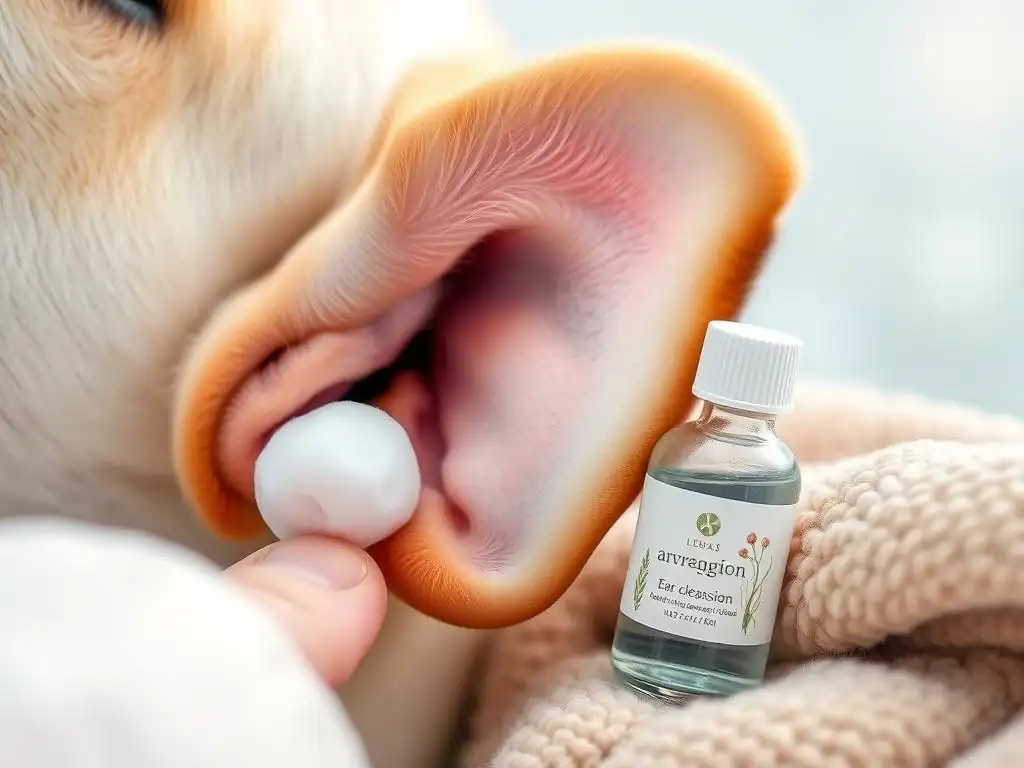
This section details the crucial tools you'll need for a safe and effective dog ear cleaning routine. Improper tools can lead to injury or discomfort for your canine companion, so selecting the right items is paramount. Remember, always prioritize your dog's safety and comfort throughout the entire process. This detailed Dog ear cleaning guide will help you achieve that.
Gathering Your Supplies: Ear Cleaning Solution, Cotton Balls, Gauze Pads, Soft Towels
Before you begin cleaning your dog's ears, gather all the necessary supplies. This will ensure a smooth and efficient process, minimizing stress for both you and your furry friend. You'll need:
- Ear Cleaning Solution: Choose a veterinarian-recommended solution specifically formulated for dogs. Avoid using human ear cleaning solutions, as these can disrupt the delicate pH balance of your dog's ears and potentially cause irritation or infection. Look for solutions that are gentle, pH-balanced, and designed to dissolve wax and debris. Many pet stores carry a variety of options.
- Cotton Balls: Soft cotton balls are ideal for gently wiping away excess solution and debris. Avoid using cotton swabs (Q-tips), as these can push debris further into the ear canal and potentially damage the eardrum.
- Gauze Pads: These offer a slightly more robust cleaning surface than cotton balls, particularly useful for removing stubborn dirt or dried secretions. Choose soft, lint-free gauze pads.
- Soft Towels: You'll need a soft, absorbent towel to dry your dog's ears after cleaning. A towel specifically designed for pet use is ideal, but any soft, lint-free towel will suffice.
It's also helpful to have a treat or two on hand to reward your dog for their cooperation during the cleaning process. Positive reinforcement is key to making ear cleaning a positive experience for your pet. Remember, patience and a gentle touch are crucial throughout this process.
Choosing the Right Ear Cleaning Solution for Dogs: pH-balanced solutions vs. Veterinary-formulated cleansers
Selecting the appropriate ear cleaning solution is vital for maintaining your dog's ear health. The wrong solution can lead to irritation, infection, or even damage to the sensitive ear canal. Let's examine the differences between common types:
| Solution Type | Advantages | Disadvantages | Considerations |
|---|---|---|---|
| pH-balanced solutions | Generally gentle, readily available, often less expensive. | May not be effective against stubborn wax or debris. | Suitable for routine cleaning in healthy ears. |
| Veterinary-formulated cleansers | Specifically designed to address various ear issues, often more effective. | Can be more expensive, may require a veterinary prescription in some cases. | Best for dogs with recurring ear problems or specific ear infections. |
Many commercially available pH-balanced solutions are suitable for regular ear cleaning in healthy dogs. However, if your dog exhibits signs of ear infection (such as redness, swelling, excessive scratching, or foul odor), it's crucial to consult a veterinarian. They can diagnose the underlying issue and recommend a veterinary-formulated cleanser or other appropriate treatment. Never attempt to treat a suspected ear infection without professional veterinary guidance. A proper diagnosis and tailored treatment plan are essential for your dog's well-being. This dog ear cleaning guide emphasizes preventative care, but always prioritize veterinary advice when needed.
Step-by-Step Guide to Cleaning Your Dog's Ears
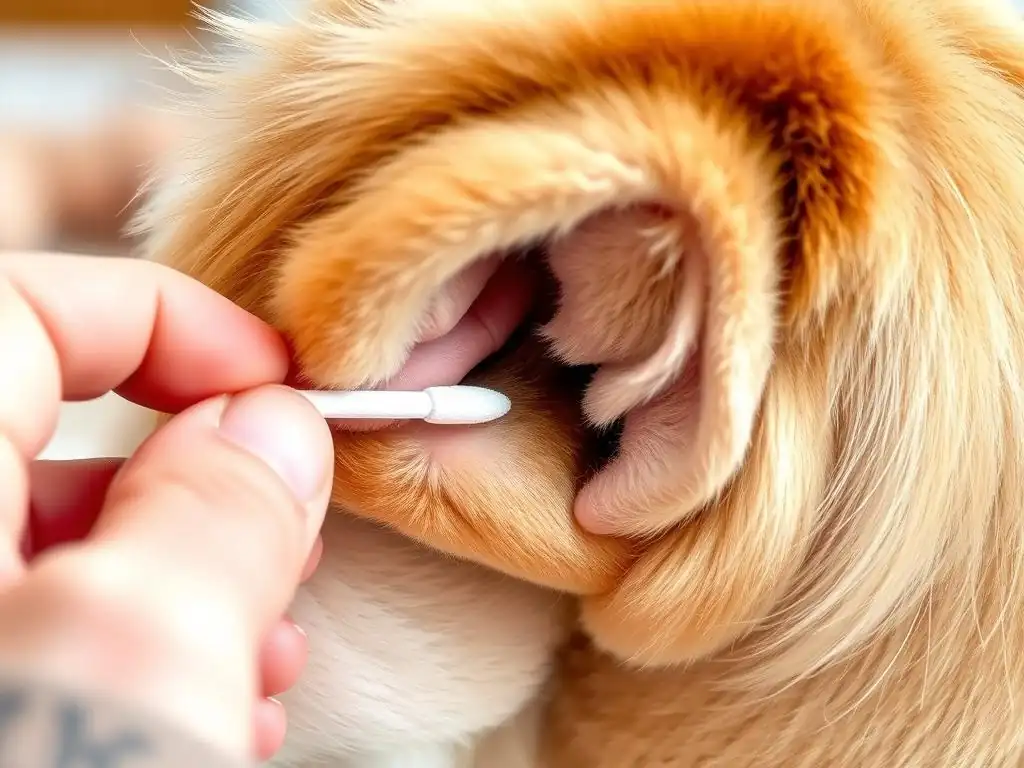
This section provides a comprehensive, step-by-step guide to safely and effectively clean your dog's ears. Following these instructions will help you maintain your canine companion's ear health and prevent potential infections. Remember, regular ear cleaning is crucial for preventing a build-up of wax, debris, and potential pathogens, contributing significantly to your dog's overall well-being. This guide focuses on the practical aspects of the process, assuming you've already consulted your veterinarian about your dog's specific ear care needs.
Preparing Your Dog for Ear Cleaning: Positive Reinforcement and Calm Approach
Before you even begin thinking about cotton balls and cleaning solutions, the most crucial step is preparing your dog. A stressed or anxious dog will likely make the cleaning process difficult, potentially leading to injury for both you and your pet. Therefore, creating a positive and calm environment is paramount.
Begin by associating ear cleaning with positive experiences. For several days leading up to the cleaning, gently touch your dog's ears, praising them with verbal encouragement and offering treats. This helps to desensitize them to the process. The goal is to create a positive association with ear handling.
The actual cleaning should ideally take place in a quiet, comfortable area where your dog feels safe and secure. Have all your supplies readily available before you start to minimize the duration of the process. Consider using a calming pheromone diffuser to further reduce anxiety. If your dog remains exceptionally anxious or fearful, consult your veterinarian for advice on managing their anxiety before attempting ear cleaning.
Remember, patience is key. If your dog shows signs of discomfort or resistance, stop immediately and try again later. Forcibly cleaning your dog's ears can be harmful and counterproductive. Always prioritize your dog's comfort and well-being. A relaxed dog will make the entire process much easier and safer.
The Cleaning Process: A Detailed, Step-by-Step Guide with Images
(Note: Images would be inserted here to visually guide the user through each step. These are placeholders for illustrative purposes.)
Step 1: Gather Your Supplies: You will need a dog-specific ear cleaning solution (avoid human ear drops! ), cotton balls or soft gauze pads, and a few clean towels.
Step 2: Examine the Ears: Before you start cleaning, carefully examine your dog's ears for any signs of redness, swelling, discharge, or unusual odor. These could indicate an infection, and you should consult your vet immediately.
Step 3: Warm the Solution: Gently warm the ear cleaning solution to body temperature. A cold solution can startle your dog and make them uncomfortable.
Step 4: Apply the Solution: Hold your dog's ear gently but firmly, tilting it slightly upward. Squeeze a small amount of the cleaning solution into the ear canal. Avoid overfilling.
Step 5: Massage the Base of the Ear: Gently massage the base of the ear for 15-20 seconds to distribute the solution and loosen any debris. You should hear a gentle squishing sound.
Step 6: Allow Your Dog to Shake: Let your dog shake their head. This will help to dislodge loose debris and excess fluid.
Step 7: Clean the Outer Ear: Using a clean cotton ball or gauze pad, gently wipe away any visible dirt or discharge from the outer ear flap. Avoid inserting anything into the ear canal.
Step 8: Repeat as Necessary: Repeat steps 4-7 if necessary, until the cotton ball or gauze remains relatively clean.
Step 9: Reward Your Dog: Once you've finished cleaning your dog's ears, praise them profusely and give them a treat! Positive reinforcement is essential for making ear cleaning a positive experience.
Cleaning the Outer Ear: Gentle wiping with cotton balls and solution
This section focuses specifically on cleaning the outer ear, a crucial step often overlooked. While the internal ear canal requires careful attention (as detailed in the previous section), the outer ear is equally important for maintaining overall ear health. Neglecting this area can lead to a build-up of dirt, wax, and debris, potentially contributing to infections or discomfort.
Cleaning the outer ear involves using a gentle touch and appropriate cleaning materials. Avoid using harsh chemicals or abrasive materials. The goal is to remove visible dirt and debris without causing irritation. For dogs with excessive hair around their ears, consider carefully trimming the hair to improve airflow and reduce debris accumulation. This should be done cautiously, avoiding the ear canal.
Use separate cotton balls or gauze pads for each ear to prevent cross-contamination. Dampen the cotton ball or pad with a small amount of dog-specific ear cleaning solution. Gently wipe the outer ear flap, paying attention to the creases and folds. If you encounter stubborn dirt or wax, you can gently apply a bit more solution and let it sit for a moment before wiping again. Always work from the outside in, avoiding pushing dirt further into the ear canal.
Regular cleaning of the outer ear, in conjunction with the internal ear cleaning process, significantly reduces the risk of ear infections and keeps your dog feeling comfortable and healthy. Remember to monitor your dog's ears regularly for any signs of infection or irritation, and consult your veterinarian if you have any concerns.
Cleaning the Inner Ear (If Necessary): Professional Veterinary Cleaning Recommended
Attempting to clean your dog's inner ear yourself can be risky. The inner ear is a delicate and complex structure, and improper cleaning techniques can easily lead to injury or infection. The ear canal is also a sensitive area, easily irritated by harsh cleaning solutions or excessive probing. While you can certainly clean the outer ear, the visible portion of the ear flap, venturing into the inner ear should be left to the professionals. A veterinarian or a qualified veterinary technician possesses the expertise and specialized tools to safely and effectively clean your dog's inner ear.
They can identify any underlying issues, such as ear infections, foreign bodies, or growths, and address them appropriately. Moreover, they can recommend the most suitable cleaning solutions and techniques for your dog's specific needs. Remember, prevention is key! Regular visual checks of your dog's ears can help you detect problems early.
If you notice any redness, swelling, discharge, excessive scratching at the ears, head shaking, or unusual odor, schedule a vet visit immediately. Ignoring these signs could lead to more severe complications and higher veterinary costs in the long run. A proactive approach to ear care is crucial for maintaining your dog's overall health and well-being. Don't hesitate to consult your veterinarian—they're your best resource for maintaining your canine companion's ear health.
Drying Your Dog's Ears Thoroughly: Gentle towel drying and air drying
Thorough drying is just as crucial as the cleaning process itself. Moisture trapped in your dog's ears creates a breeding ground for bacteria and yeast, significantly increasing the risk of ear infections. After cleaning, gently wipe the outer ear with a soft, clean towel. Avoid using cotton swabs or other objects that could push debris further into the ear canal. Instead, use a soft, absorbent cloth to gently blot the visible areas, removing any excess moisture or solution.
For more stubborn moisture, consider using a clean, dry cotton ball to dab away the remaining liquid. Remember, gentleness is key; avoid harsh rubbing or excessive pressure which could irritate the sensitive skin. Air drying is also an effective method. Allow your dog to shake its head naturally to help remove excess water. You can also use a hairdryer on a low, cool setting, keeping it at a safe distance from your dog's ears to further assist in the drying process.
However, be cautious and monitor your dog's reaction closely to avoid startling or causing discomfort. Always prioritize gentle handling and observe your dog's body language throughout the drying process. If your dog shows signs of discomfort or distress, stop immediately and consult your veterinarian. By diligently drying your dog's ears after cleaning, you significantly reduce the chances of developing ear infections and maintain their overall ear health. This simple step is a vital component of your dog ear cleaning routine.
Maintaining Your Dog's Ear Health: Prevention and Ongoing Care
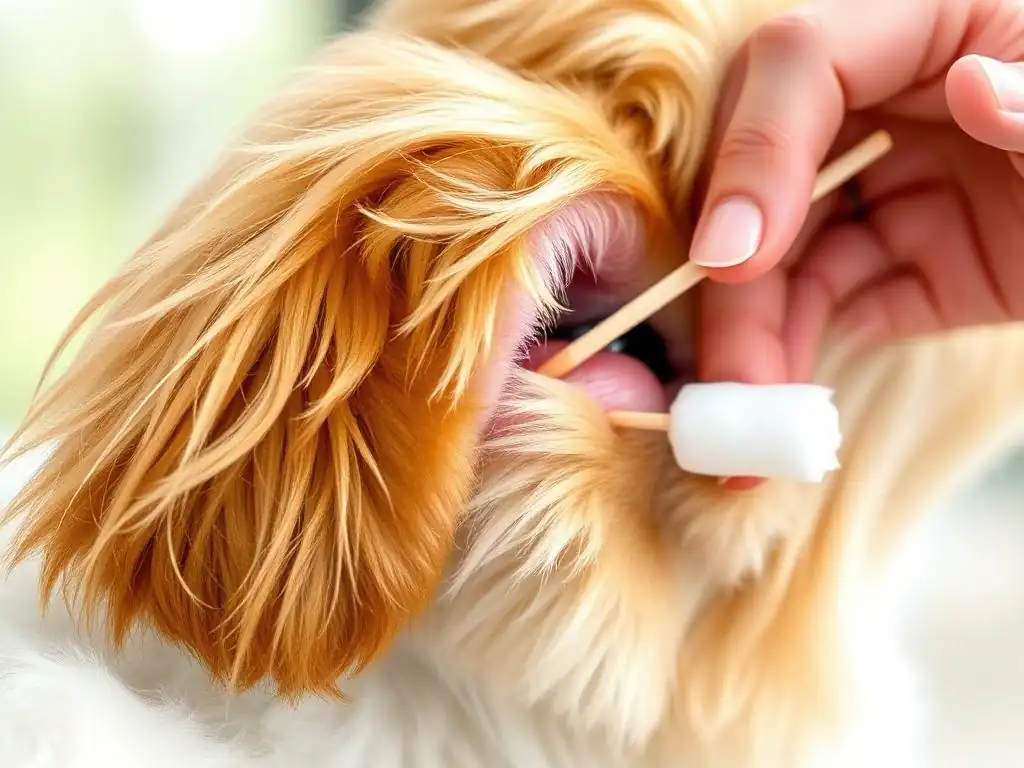
Maintaining your canine companion's ear health is crucial for their overall well-being. A dog's ears are susceptible to infections and other problems, so proactive care is essential. This involves more than just occasional cleaning; it's about establishing a routine and being vigilant for any signs of trouble. Regular ear checks and cleaning are key components of a comprehensive dog ear cleaning guide, helping prevent discomfort and serious health issues. Remember, early detection is key to effective treatment.
Regular Ear Cleaning Schedule for Dogs: Weekly or Bi-weekly Cleaning
The frequency of ear cleaning depends on your dog's breed, ear shape, and activity level. Some breeds, like Cocker Spaniels and Basset Hounds, with their floppy ears, are more prone to ear infections due to poor ventilation and moisture buildup. These dogs may require weekly cleaning. Dogs with erect ears generally need less frequent cleaning, perhaps every two weeks. However, even dogs with erect ears benefit from regular checks.
A good rule of thumb is to inspect your dog's ears at least once a week. Look for any redness, swelling, discharge (wax, pus, or blood), bad odor, or excessive scratching at their ears. If you notice anything unusual, consult your veterinarian immediately. A thorough weekly or bi-weekly cleaning using a vet-recommended ear cleaner is part of responsible pet ownership and is a key element of any effective dog ear cleaning guide. Don't forget to reward your dog for their patience during this essential procedure!
Preventing Ear Infections in Dogs: Regular cleaning, proper drying after swimming, and maintaining a healthy diet.
Preventing ear infections is far easier than treating them. Regular cleaning, as mentioned above, is paramount. However, other factors contribute significantly to ear health. After swimming, ensure your dog's ears are thoroughly dried to prevent moisture from breeding bacteria and yeast. Consider using a soft towel or even a pet-safe ear drying solution.
Maintaining a healthy diet also plays a crucial role. A balanced diet supports a strong immune system, making your dog less susceptible to infections. Consult your veterinarian about the best diet for your dog's breed, age, and activity level. A proper diet, along with diligent ear cleaning and drying, forms a strong preventative strategy, a cornerstone of any comprehensive dog ear cleaning guide. Remember, a healthy dog is a happy dog!
When to Consult a Veterinarian: Persistent scratching, head shaking, odor, discharge, or redness
While regular ear cleaning is preventative, knowing when to seek professional veterinary care is equally important. Several warning signs indicate a potential ear infection or other problem requiring veterinary attention.
These include:
- Persistent scratching or pawing at the ears: This indicates discomfort and potential irritation.
- Head shaking: Excessive head shaking is a common sign of ear irritation or infection.
- Unpleasant odor emanating from the ears: A foul smell often suggests an infection or buildup of debris.
- Discharge from the ears: Any discharge, whether it's wax, pus, or blood, warrants immediate veterinary attention.
- Redness or swelling inside or around the ears: These are clear signs of inflammation and potential infection.
Don't hesitate to contact your veterinarian if you notice any of these symptoms. Early intervention can prevent minor issues from escalating into more serious and costly problems. A proactive approach, informed by a thorough dog ear cleaning guide, is vital for your dog's long-term ear health and overall happiness. Remember, their comfort and well-being are paramount.
Advanced Dog Ear Cleaning Techniques for Specific Conditions
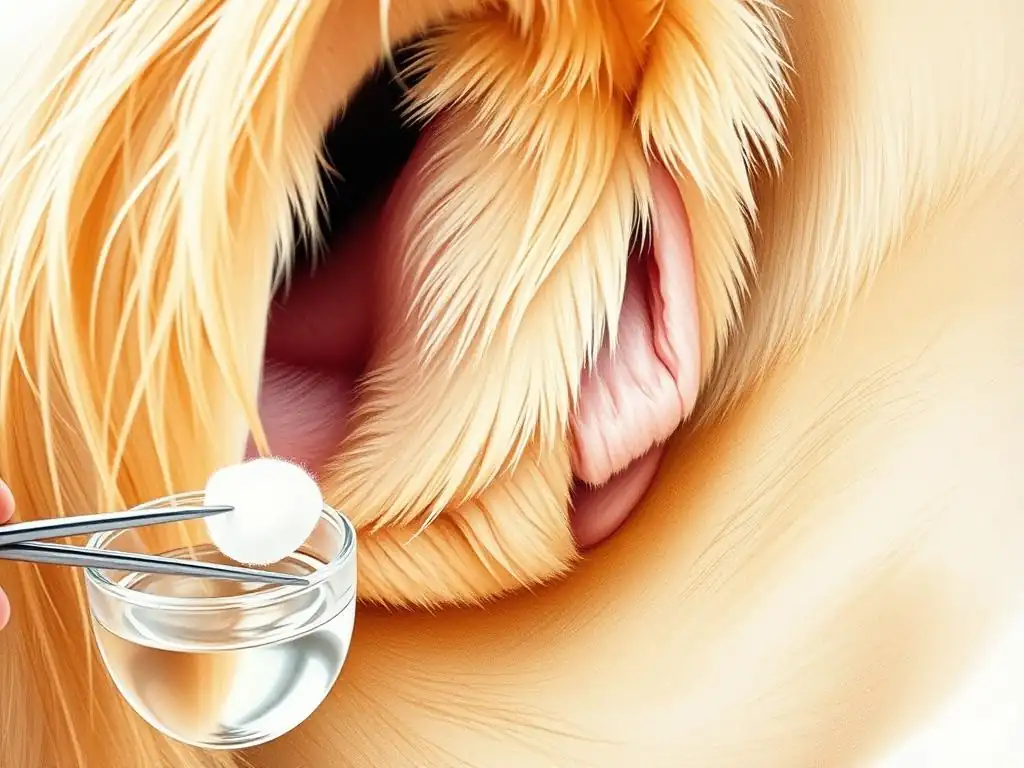
This section delves into more advanced dog ear cleaning techniques, addressing specific situations that require extra care and attention. Remember, always consult your veterinarian before attempting any new cleaning method, especially if your dog shows signs of infection or discomfort. Regular veterinary check-ups are crucial for maintaining your dog's ear health and catching potential problems early. This guide provides supplementary information and should not replace professional veterinary advice.
Cleaning Ears with Excessive Hair: Careful plucking or trimming with appropriate tools
Excessive hair in the ear canal is a common issue for some breeds, leading to increased wax buildup and potential infections. Simply wiping the ears isn't sufficient; you need to address the underlying cause. Never attempt to remove hair deep within the ear canal, as this could cause injury. Instead, focus on the visible hair at the entrance of the ear.
Several approaches exist for managing excessive ear hair:
- Careful Plucking: Using blunt-ended tweezers specifically designed for pet grooming, gently pluck visible hairs at the ear opening. Work slowly and meticulously to avoid causing pain or injury. Be prepared for your dog to express some discomfort. Consider using a dog-friendly balm to calm and soothe the skin.
- Trimming: For longer hairs, carefully trimming with small, blunt-tipped scissors designed for pet grooming might be necessary. Again, only trim hairs visible at the entrance of the ear canal. Never cut into the ear canal itself. This requires a steady hand and a calm approach. If you are unsure about this, consult a professional groomer.
- Frequency: The frequency of hair removal depends on your dog's breed and the rate of hair growth. Some dogs may require weekly maintenance, while others may need it less often. Regular monitoring is key.
Remember, if you encounter resistance or your dog displays significant discomfort, it's best to seek professional help from a groomer or veterinarian. Improper hair removal can lead to irritation and infection. Always prioritize your dog's comfort and safety. This careful approach contributes significantly to better ear health and reduces the risk of infection.
Dealing with Ear Wax Buildup: Gentle removal with appropriate solutions and tools under veterinary guidance
Excessive ear wax buildup can indicate an underlying issue, such as an infection or allergy. While you can gently clean the outer ear, never attempt to deeply clean the ear canal yourself. Deep cleaning should always be performed by a veterinarian or a trained professional. Improper cleaning can push wax further into the canal, exacerbating the problem and potentially causing damage.
Veterinary guidance is crucial for assessing the cause of the wax buildup. They may recommend specific ear cleaning solutions formulated to dissolve wax and remove debris safely. They might also provide instructions on proper cleaning techniques and tools, tailored to your dog's specific needs. This might involve using a cotton swab (carefully, only on the outer ear), soft gauze, or specialized cleaning solutions.
Ignoring excessive ear wax buildup can lead to serious complications, including infections and hearing loss. Regular veterinary checkups are essential for early detection and management of ear problems. A proactive approach is far better than reactive treatment. Early intervention often prevents more complex, and more costly, problems down the line.
Cleaning Ears After Swimming: Thorough drying and inspection for debris
Swimming exposes your dog's ears to water, which can lead to infections if not properly addressed. After a swim, thoroughly dry your dog's ears. Use a clean towel to gently wipe the outer ear and remove excess water.
- Drying Techniques: Avoid using cotton swabs deep inside the ear. Instead, gently wipe the outer ear flap. You can also use a hairdryer on a low, cool setting to gently dry the outer ear. Keep the hairdryer at a safe distance to avoid burning your dog.
- Inspection: After drying, carefully inspect the ears for any signs of debris, such as sand, dirt, or plant matter. If you find any, gently remove it with a clean, soft cloth. Do not probe deep into the ear canal.
- Signs of Infection: Be vigilant for signs of infection, such as redness, swelling, discharge, odor, or excessive scratching. If you notice any of these symptoms, contact your veterinarian immediately.
Thorough post-swim ear care is crucial for preventing infections and maintaining your dog's ear health. This simple yet crucial step helps avoid potential health problems and keeps your canine companion happy and healthy. Remember to always prioritize your dog's well-being and seek professional help when needed.
Frequently Asked Questions About Dog Ear Cleaning
This section addresses common queries regarding canine ear hygiene, offering practical advice for maintaining your dog's ear health. Remember, regular ear cleaning is a crucial part of responsible dog ownership, contributing significantly to your furry friend's overall well-being. This guide will help you navigate the process confidently and effectively.
How often should I clean my dog's ears?
The frequency of dog ear cleaning depends heavily on your dog's breed, ear type, and overall health. Some breeds, like those with floppy ears (e.g., Cocker Spaniels, Basset Hounds), are more prone to ear infections due to poor ventilation and moisture buildup. These dogs may require weekly cleaning, or even more frequently if necessary. Dogs with erect ears generally need less frequent cleaning, perhaps once a month or as needed.
However, visual inspection is key. Look inside your dog's ears regularly. If you notice excessive wax buildup, a foul odor, redness, or any discharge, it's time for a cleaning. Ignoring these signs can lead to infections, discomfort, and potentially more serious health problems. Always err on the side of caution; regular checks prevent minor issues from escalating.
Signs you need to clean your dog's ears more frequently:
- Visible dark brown or black wax
- Strong unpleasant odor emanating from the ears
- Redness or inflammation inside the ear canal
- Your dog shaking its head excessively
- Scratching at its ears frequently
- Discharge (pus or other fluid) from the ears
Remember, over-cleaning can also be harmful, irritating the delicate skin inside the ear canal. A good rule of thumb is to clean only when necessary, based on your observations. If unsure, always consult your veterinarian for personalized advice tailored to your dog's specific needs.
What if my dog resists ear cleaning?
Many dogs dislike having their ears cleaned, often exhibiting resistance through struggling, biting, or general unease. A positive and patient approach is essential to make the experience as stress-free as possible for both you and your canine companion.
First, desensitize your dog to the process gradually. Start by gently touching their ears several times a day, rewarding them with treats and praise. Gradually introduce the cotton balls or ear cleaning wipes, again rewarding calm behavior. Make the experience positive by associating ear cleaning with pleasant sensations.
During the actual cleaning, use a calm and soothing voice. Avoid sudden movements or forceful actions, which can increase your dog's anxiety. If your dog continues to resist strongly, consider having a veterinarian or professional groomer perform the cleaning, especially if you are concerned about causing injury. They have the experience and tools to handle even the most resistant dogs safely and effectively.
Consider using distractions, such as a favorite toy or a tasty treat, to keep your dog occupied and relaxed during the process. If you notice a pattern of resistance, it's worthwhile to consult a veterinarian or a professional dog trainer to rule out any underlying medical conditions or behavioral issues that might be contributing to the problem.
My dog has a lot of ear wax, is that normal?
While some ear wax is normal, excessive ear wax can indicate an underlying issue. The amount of ear wax considered "normal" varies between dogs. However, if you notice a significant increase in wax production, a change in its color (dark brown, black, or greenish), or a foul odor, it's crucial to consult a veterinarian promptly.
Excessive ear wax can be a symptom of several problems, including:
- Ear infections: These are common in dogs and often manifest as excessive, foul-smelling wax.
- Allergies: Environmental or food allergies can cause increased wax production and inflammation.
- Ear mites: These tiny parasites can cause intense itching, inflammation, and excessive dark-colored wax.
- Foreign bodies: Something may be lodged in your dog's ear canal, causing irritation and wax buildup.
Ignoring excessive ear wax can allow minor problems to escalate into serious infections, causing pain and discomfort for your dog. Your veterinarian will be able to diagnose the underlying cause and recommend appropriate treatment, ensuring your dog's ears are healthy and clean. Early intervention is key to preventing more significant health issues and ensuring your dog's comfort and well-being. Regular veterinary checkups are crucial for early detection of potential problems.
What are the signs of a serious ear infection?
A serious ear infection in dogs, also known as otitis externa or otitis media, requires immediate veterinary attention. Ignoring the signs can lead to significant discomfort for your dog and potentially permanent hearing loss or other complications. Recognizing the symptoms early is crucial for effective treatment. While a simple ear cleaning at home addresses mild issues, these signs indicate a need for professional help:
- Severe pain and discomfort: Your dog may exhibit excessive head shaking, pawing at their ears, or yelping when their ears are touched. This intense discomfort is a significant indicator of a serious problem beyond simple dirt or wax buildup. They may also show signs of being lethargic or less playful than usual due to the pain.
- Purulent discharge: Instead of just a small amount of dark brown or yellowish wax, you might notice a significant amount of thick, foul-smelling, pus-like discharge. This discharge might be bloody or have a greenish tint, indicating a severe bacterial or fungal infection. The color and consistency of the discharge can provide valuable clues to the veterinarian about the nature of the infection.
- Swelling and redness: The ears may appear visibly swollen and inflamed, extending beyond the outer ear. The skin around the ear may be noticeably red, hot to the touch, and possibly even cracked or bleeding. This indicates an advanced stage of inflammation needing prompt medical intervention.
- Hearing impairment: Dogs with severe ear infections may exhibit signs of hearing loss, such as difficulty responding to commands, lack of awareness of their surroundings, or tilting their head repeatedly. This can be a serious consequence if left untreated, potentially leading to permanent hearing problems.
- Fever and lethargy: A high fever, coupled with lethargy and loss of appetite, suggests a systemic infection that has spread beyond the ear. This is a critical warning sign requiring immediate veterinary care, as it could indicate a life-threatening condition.
- Facial nerve paralysis: In severe cases, the infection can affect the facial nerves, leading to facial paralysis or drooping. This is a very serious complication that requires urgent veterinary attention. It indicates the infection has potentially spread to nearby structures.
Remember, if you observe any of these severe signs, do not attempt home remedies. Schedule an immediate appointment with your veterinarian for a proper diagnosis and treatment plan. Early intervention is key to preventing long-term complications and ensuring your dog's comfort and well-being. Early diagnosis and treatment greatly improve the chances of a full recovery. 🐶
Frequently Asked Questions
How often should I clean my dog's ears?
This depends on your dog's breed and lifestyle. Generally, weekly checks are recommended, with cleaning only necessary if there's visible dirt, wax buildup, or a foul odor. Over-cleaning can be harmful.
What supplies do I need to clean my dog's ears?
You'll need a dog-specific ear cleaning solution, cotton balls or gauze pads, and a soft towel. Avoid using cotton swabs, as they can push debris further into the ear canal.
My dog resists ear cleaning. What can I do?
Start by gently massaging your dog's ears to help them relax. Make the process positive by using treats and praise. If your dog is extremely resistant, consult your veterinarian.
What are the signs of a dog ear infection?
Watch for excessive scratching or shaking of the head, redness or swelling in the ears, a foul odor, and discharge (pus or dark brown wax). These are signs that you should visit your vet.
Are there specific ear cleaning techniques for different dog breeds?
While the basic principles remain the same, some breeds are prone to certain ear issues. Long-eared breeds often require more frequent cleaning to prevent infections. Consult your vet or a professional groomer for breed-specific advice.
Final Reflection: Unlocking Canine Joy Through Ear Care
Clean ears are not just about hygiene; they're a cornerstone of a happy and healthy dog's life. Ignoring proper ear cleaning can lead to discomfort, infection, and ultimately, a diminished quality of life for our beloved companions. This seemingly small act of care holds immense power in ensuring our furry friends thrive.
The impact of consistent and correct ear cleaning extends far beyond the immediate physical well-being of our dogs. It speaks to the deeper bond we share, the responsibility we undertake, and the unwavering commitment to their happiness. As responsible pet owners, we are entrusted with their care, and understanding the nuances of ear cleaning is a vital part of that responsibility. The best mirror is an old friend.
This proverb rings true in our relationship with our dogs; their well-being reflects our attentiveness and love.
Now, consider your own dog. Think about the gentle touch, the quiet moments of connection during ear cleaning. Take this knowledge, this newfound understanding, and make it a regular part of your routine. By proactively caring for your dog's ears, you're not just preventing potential problems; you're actively investing in a deeper, more joyful relationship built on trust and mutual well-being. Let's make ear cleaning a testament to our love and commitment to our canine companions.
Unlock Your Dog's Happy Ears: Start Cleaning Today!
Thank you for learning about maintaining your dog's ear health! We hope you found the information useful. Now, let's put this knowledge into practice.
- Start your dog's ear cleaning routine today. Even a quick wipe can make a difference! Begin slowly to build confidence.
- Share this vital information with fellow pet owners. Help spread the word about healthy ears! You could even create a helpful infographic outlining the key steps.
- Consider scheduling a veterinary check-up to ensure your cleaning technique is correct and address any concerns.
Ready to give your dog the gift of clean, healthy ears and a happier life? What key points will you remember, and what steps will you take this week to care for your dog's ears?