
Bird Beak and Nail Trimming: The Essential Guide for Pet Owners

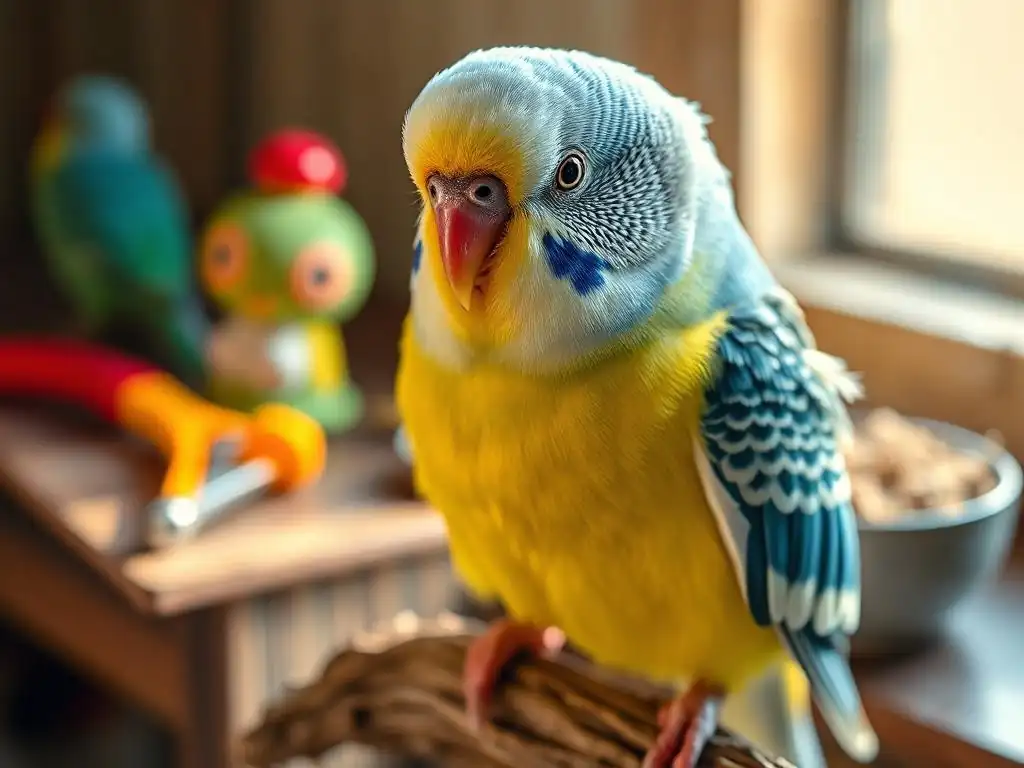
Welcome to PetCareWorld, your ultimate guide to a happier, healthier life for your beloved pets! Are you ready to learn the secrets to keeping your feathered friend in tip-top shape? Discover our essential guide on how to safely trim your bird's beak and nails, ensuring their comfort and well-being. Dive in and unlock the knowledge you need to provide the best possible care for your avian companion. Let's get started!
- Understanding Bird Beak and Nail Growth
- Safe Bird Beak Trimming Techniques
- Safe Bird Nail Trimming Techniques
- When to Seek Professional Help for Bird Beak and Nail Trimming
- Maintaining Your Bird's Beak and Nails Between Trimmings
- Frequently Asked Questions about Bird Beak and Nail Trimming
-
Frequently Asked Questions
- How often should I trim my bird's beak and nails?
- What tools do I need to trim my bird's beak and nails?
- How can I tell if I'm cutting too close when trimming my bird's beak or nails?
- What should I do if I accidentally cut into the quick?
- My bird is resisting; how can I make beak and nail trimming easier?
- Final Reflection: The Unsung Importance of Avian Care
- Ready to Give Your Feathered Friend the Best Beak and Nail Care?
Understanding Bird Beak and Nail Growth
Maintaining your feathered friend's health involves more than just providing nutritious food and a clean cage. Regular beak and nail trimming is a crucial aspect of avian care, often overlooked by new bird owners. This comprehensive guide will equip you with the knowledge and confidence to safely and effectively trim your bird's beak and nails, ensuring their comfort and well-being.
We'll explore the natural growth patterns of beaks and nails, how to identify when trimming is necessary, and the potential health problems associated with neglecting this essential task. Learning to trim your bird's beak and nails safely is a vital skill for responsible bird ownership, contributing significantly to their overall health and happiness. This guide will help you confidently navigate this important aspect of bird care, empowering you to provide the best possible care for your avian companion.
Normal Beak and Nail Growth in Birds
Birds' beaks and nails are constantly growing, much like our own fingernails and hair. The rate of growth varies depending on the species, diet, and overall health of the bird. For example, larger parrot species tend to have faster beak growth than smaller finches. A healthy bird's beak should be smooth, without any cracks or deformities. The color will vary depending on the species, but should be consistent with the bird's natural coloration.
Similarly, healthy nails are usually short, slightly curved, and free of any breaks or discoloration. Regular observation is key to understanding your bird's normal growth patterns. You should be familiar with the natural appearance of your bird's beak and nails to more easily detect any deviations from the norm. Keeping a visual record, perhaps with photos, can be beneficial, especially for new bird owners. This allows for easier comparison and detection of any changes over time.
Identifying Signs of Overgrown Beak and Nails
Overgrown beaks and nails are common issues in pet birds, often stemming from an improper diet or lack of appropriate chewing opportunities. Signs of an overgrown beak can include: difficulty eating, a beak that is noticeably longer than usual, a beak that is crooked or uneven, and changes in the bird’s eating habits such as dropping food or struggling to pick it up. An overgrown beak can interfere with a bird's ability to eat, preen, and even drink water properly.
Similarly, overgrown nails can make it difficult for the bird to perch comfortably. Look for nails that are excessively long, curved, or appear to be interfering with the bird’s ability to grasp perches. Additionally, excessively long nails can become cracked or broken, leading to pain and infection.
Regularly checking your bird's beak and nails will help you catch these problems early, before they become serious. Early detection allows for timely intervention and prevents more significant complications.
Potential Problems from Untrimmed Beak and Nails
Neglecting regular beak and nail trims can lead to a range of health problems for your bird. An overgrown beak can lead to difficulty eating, causing malnutrition and weight loss. It can also cause pain and discomfort, leading to behavioral changes such as increased aggression or lethargy. Severe overgrowth can even interfere with the bird's ability to breathe properly. Similarly, overgrown nails can cause problems with perching, leading to foot injuries and joint pain. Untrimmed nails can also become ingrown, causing infection and pain.
In extreme cases, overgrown beaks and nails can require veterinary intervention, potentially involving more complex and costly procedures. Therefore, regular trimming is essential for maintaining your bird's overall health and preventing these potentially serious complications. Remember that proactive care is always better than reactive treatment. Regular inspections and timely trimming will contribute significantly to your bird's long-term health and happiness. 🐦
Safe Bird Beak Trimming Techniques
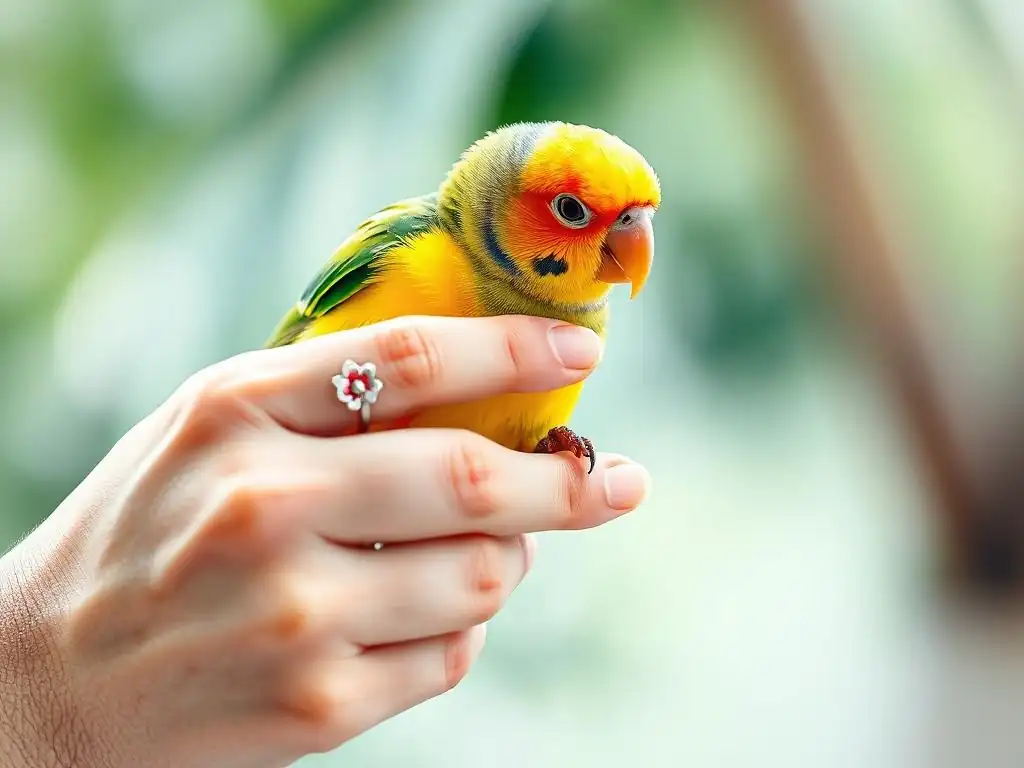
This section details safe and effective methods for trimming your bird's beak. Remember, improper trimming can cause serious injury and pain, so proceed with caution and consult an avian veterinarian if you are unsure about any aspect of the process. Always prioritize your bird's safety and well-being. Successfully trimming your bird's beak and nails contributes significantly to their overall health and comfort, preventing potential problems and ensuring a happy, healthy companion.
Gathering the Necessary Supplies for Trimming
Before you begin trimming your bird's beak, it's crucial to gather all the necessary supplies. Having everything readily available will minimize stress for both you and your feathered friend. A disorganized approach can lead to accidents, so thorough preparation is key. The right tools are essential for a safe and efficient trim. Here's a checklist:
- Sharp, Avian-Specific Nail Clippers: These clippers are designed with curved blades to precisely trim curved nails and beaks, minimizing the risk of injuring the quick (the pink part containing blood vessels and nerves). Avoid using human nail clippers.
- Styptic Powder: This is crucial to stop any bleeding should you accidentally cut into the quick. It's a fine powder that helps clot the blood quickly.
- Soft Towels or a Bird-Safe Restraint: A soft towel can help gently restrain your bird, preventing them from flapping or struggling during the trimming process. A purpose-built bird restraint can also be helpful, especially for larger or more active birds.
- Treats: Positive reinforcement is vital! Having your bird's favorite treats ready will help keep them calm and cooperative.
- Good Lighting: Ensure you have bright, clear lighting to get a good view of your bird's beak and nails.
How to Safely Hold Your Bird During Trimming
Properly restraining your bird is paramount to ensuring a safe trimming experience. Never force your bird; a struggling bird is more likely to be injured. The goal is to gently but firmly hold your bird in a way that allows you to access their beak and nails without causing them undue stress or discomfort. Consider these points:
- Gentle but Firm: Use a soft, but firm grip. Avoid squeezing too tightly, which can cause distress and injury.
- Body Position: Position your bird so that their body is comfortable and secure. For smaller birds, a towel wrap can provide support. For larger birds, a bird-safe restraint may be necessary.
- Distraction: Distraction techniques can help. Have a helper gently distract the bird with a favorite toy or treat while you trim.
- Patience is Key: If your bird is excessively stressed, postpone the trimming until another time. Forcing the issue will only make the experience more traumatic for both of you.
- Teamwork: If possible, have a second person assist in holding and comforting your bird. This will make the process safer and more efficient.
Step-by-Step Guide to Trimming Your Bird's Beak
Trimming a bird's beak requires precision and patience. Remember, only trim the overgrown parts of the beak; never trim the living tissue. Observe your bird's beak regularly to identify areas that need trimming. Overgrown beaks can interfere with eating and drinking, leading to health problems.
- Assess the Beak: Carefully examine your bird's beak to identify any overgrown areas. Look for sharp points, uneven edges, or areas that appear overly long. The goal is to maintain a natural beak shape.
- Secure Your Bird: Gently and firmly restrain your bird using the method you've chosen (towel wrap or bird restraint). Ensure they are comfortable but secure enough that they can't move suddenly.
- Trim in Small Increments: Use the avian-specific clippers to trim small sections at a time. Avoid cutting too much at once. Work slowly and carefully, regularly checking your progress.
- Observe the Quick: Be mindful of the quick, the pink area inside the beak. Cutting into the quick will cause bleeding. If you accidentally cut the quick, immediately apply styptic powder to stop the bleeding.
- Smooth the Edges: After trimming, gently smooth any rough edges with a fine-grit file (optional).
- Reward Your Bird: Once the trimming is complete, reward your bird with a favorite treat. Positive reinforcement will help create a positive association with the trimming process.
- Monitor for Complications: After the trim, observe your bird closely for any signs of discomfort or bleeding. If you notice anything unusual, contact your avian veterinarian immediately. Regular beak trimming is crucial for maintaining your bird's health and well-being. Remember, safety and patience are key to a successful beak trim. Always prioritize your bird's comfort and well-being.
Tips for a Stress-Free Trimming Experience
Trimming your bird's beak can be a stressful experience for both you and your feathered friend. However, with the right approach and a little patience, you can make the process significantly smoother. A calm and relaxed bird is much easier to handle, and a relaxed owner makes for a more precise and safe trimming. Here are some key tips to ensure a stress-free trimming experience:
First and foremost, desensitization is key. Start by gently handling your bird regularly, getting it used to being touched around its beak and feet. This gradual acclimation will reduce anxiety during the actual trimming process. You can incorporate this into your daily routine, perhaps while offering a favorite treat. Positive reinforcement is crucial; praise your bird frequently with gentle words and perhaps a small reward.
Next, choose the right time and environment. Avoid trimming when your bird is already stressed or tired. Opt for a quiet time of day when your bird is generally calm and relaxed. A familiar and safe environment will help reduce anxiety. Have everything you need prepared beforehand – this minimizes handling time and potential for stress.
Create a positive association. Before you even think about the clippers, associate the process with positive experiences. For example, bring out the clippers and immediately follow with a favorite treat. Repeat this several times until your bird starts associating the clippers with something good.
Consider using a helper. If you're struggling to hold your bird securely and trim simultaneously, ask a friend or family member to assist. One person can gently restrain the bird while the other carefully trims the beak. This ensures both safety and efficiency.
Remember to keep sessions short. Birds have a low tolerance for prolonged procedures. Keep the trimming quick and focused to minimize stress. If your bird becomes agitated, stop immediately and try again later. It's better to have several short sessions than one long, stressful one. Patience is paramount! You'll find the process becomes easier with time and consistency.
Finally, always prioritize your bird's safety and comfort. If you are uncomfortable or unsure about any aspect of the process, it's always best to consult with an avian veterinarian. They can provide personalized guidance and demonstrate the correct techniques. Your bird's well-being should always come first. Remember, a calm and confident approach is the key to a successful and stress-free beak trimming experience. 🐦
Safe Bird Nail Trimming Techniques
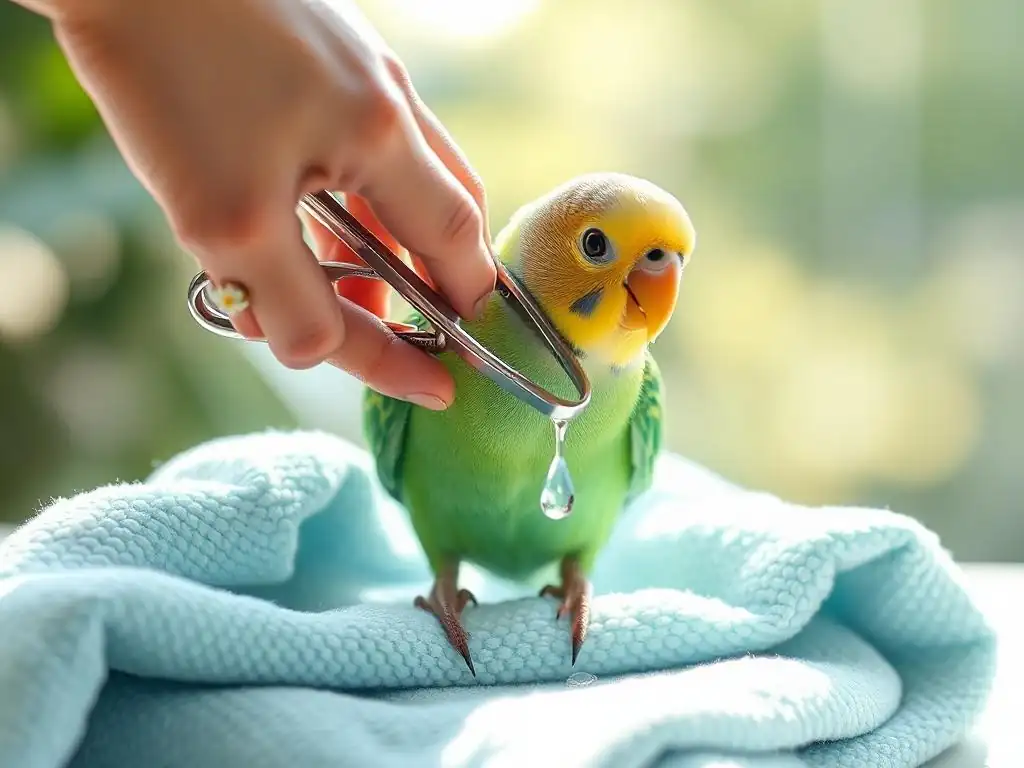
This section focuses on the safe and effective trimming of your bird's nails. Improper trimming can lead to bleeding and pain, so understanding the process is crucial. Remember, always prioritize your bird's safety and comfort. If you are uncomfortable performing this task, consult an avian veterinarian. Regular nail trimming helps prevent overgrown nails which can interfere with your bird's perching and overall mobility, impacting their quality of life. Successfully trimming your bird's nails requires patience, the right tools, and a gentle touch – let's explore how to achieve this.
Identifying the Quick in Bird Nails
The "quick" in a bird's nail is the pink, fleshy part containing blood vessels and nerves. Cutting into the quick is painful and causes bleeding. Identifying the quick is paramount to safe nail trimming. The quick is more easily visible in lighter-colored nails. In darker nails, it can be more challenging to discern, requiring extra caution.
To help you visualize, imagine a small, pink crescent shape at the base of the nail. This crescent is the quick. The area beyond the quick is usually a whitish or grayish color. The closer you get to the quick, the more pink the nail will appear.
It’s crucial to avoid cutting into this area. If you accidentally cut into the quick, don't panic. Apply styptic powder (available at most pet stores) directly to the bleeding nail to stop the bleeding. If the bleeding is excessive or continues for an extended period, contact your avian veterinarian immediately. Practice makes perfect; with experience, you'll become more adept at identifying the quick and trimming safely. Remember, it's always better to trim less than too much.
Using the Correct Trimming Tools for Bird Nails
Selecting the right tools is essential for a safe and efficient nail trim. Avoid using human nail clippers as these are not designed for the unique structure of a bird's nail and can cause damage. Instead, opt for specialized avian nail clippers. These clippers are typically smaller and have a sharper, more precise cutting edge, enabling a cleaner cut and minimizing the risk of damaging the quick.
Some avian nail clippers are guillotine-style, while others resemble small scissors. Both types can be effective, but the guillotine style may be better for beginners as it provides a more controlled cut. Regardless of the style you choose, ensure the clippers are sharp and clean. Dull clippers can crush the nail, increasing the risk of infection and causing discomfort. Before using any clippers, sanitize them with rubbing alcohol to prevent the spread of bacteria.
Step-by-Step Guide to Trimming Your Bird's Nails
Trimming your bird's nails should be a calm and controlled process. It's best to have a second person assist, especially if your bird is particularly active or nervous.
- Preparation: Gather your avian nail clippers, styptic powder, and a soft towel. Have a treat ready to reward your bird for good behavior. Choose a well-lit area, and ensure your bird feels secure.
- Positioning: Gently but firmly hold your bird. Wrap it in a towel if necessary, but leave its feet and nails exposed. Avoid applying too much pressure which can cause your bird to become stressed or frightened.
- Trimming: Using the clippers, make a small, clean cut at a slight angle, avoiding the quick. Trim only the tip of the nail, removing small amounts at a time. If uncertain, err on the side of caution and trim less.
- Monitoring: After each cut, check for bleeding. If bleeding occurs, apply styptic powder immediately.
- Reward: Once finished, reward your bird with a favorite treat and praise. This positive reinforcement will help make future nail trims easier.
Remember, regular, small trims are better than infrequent, large trims. Aim to trim your bird's nails every few weeks, or as needed, depending on their growth rate. If you're unsure about any aspect of the process, always consult an avian veterinarian. Regular nail trims are a crucial part of responsible bird ownership, contributing to your feathered friend's health and happiness. 🐦
Dealing with Bleeding During Nail Trimming
Accidents happen, even with the most experienced bird owners. Sometimes, despite our best efforts, we might accidentally cut into the quick of the nail, resulting in bleeding. This is a common occurrence, and while it can be alarming, it's usually easily managed with the right approach. The key is to remain calm and act swiftly. Panicking will only stress your bird further, making the situation more difficult to resolve.
First, prepare a styptic powder. This is a crucial element in your bird's first-aid kit. Styptic powder is specifically designed to stop bleeding quickly and efficiently. It's readily available at most pet stores and online retailers. You should always have some on hand whenever you're handling nail trims. Avoid using household substitutes, as these may irritate the delicate skin around your bird's nails.
Once the bleeding begins, gently apply the styptic powder directly to the affected nail. Apply a small amount and press it firmly against the bleeding area. Hold it in place for several seconds until the bleeding slows considerably or stops completely. It's important to avoid excessive pressure, as this can cause further discomfort to your bird.
If the bleeding persists or is particularly heavy, seek veterinary attention immediately. While styptic powder is usually effective, some cases may require professional medical intervention. Don't hesitate to contact your avian veterinarian, especially if you notice any signs of infection or if your bird exhibits signs of distress beyond the initial discomfort. This prompt action ensures the best possible outcome for your feathered friend. Remember, prevention is key; careful trimming techniques are your best defense against accidental injuries. Regular, gentle trims are far better than infrequent, rushed attempts that could lead to this situation.
The experience can be stressful for both you and your bird. After the bleeding stops, offer your bird some of its favorite treats and spend some quiet time together to help it regain its composure and build trust. Remember to carefully examine the nail in the following days for any signs of infection, such as swelling, redness, or discharge.
If you notice any of these symptoms, contact your veterinarian immediately. A little preparation and quick action can transform a potentially stressful situation into a manageable one, ensuring your bird's continued health and well-being. Always prioritize safety and gentleness during nail trimming.
When to Seek Professional Help for Bird Beak and Nail Trimming
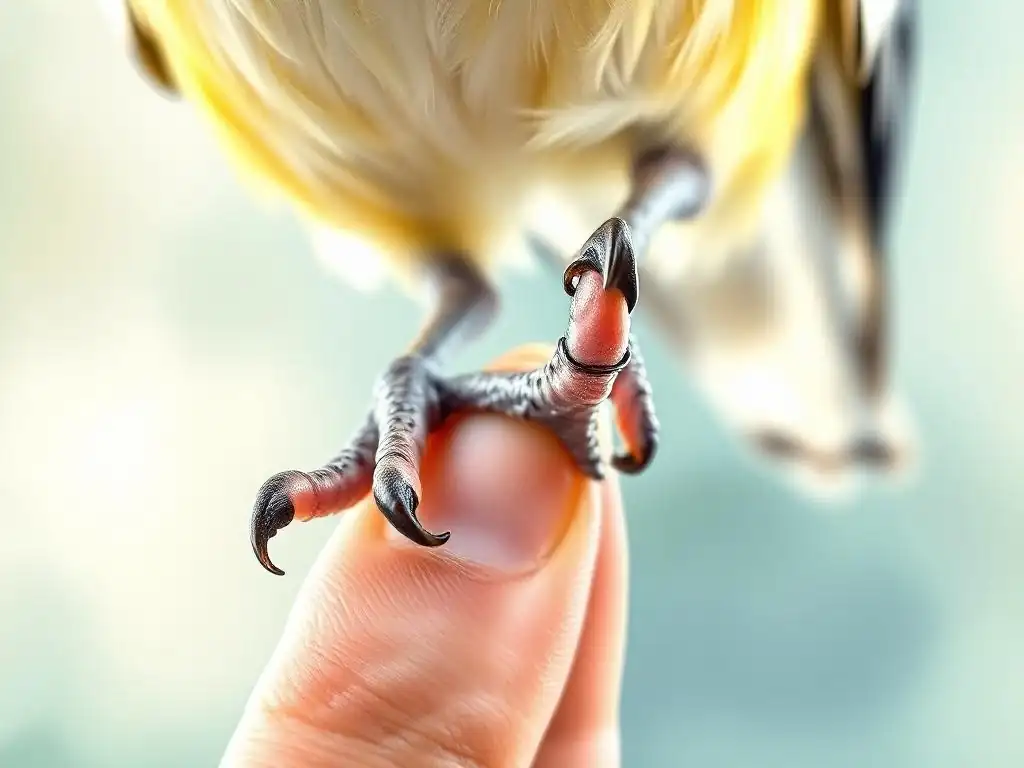
Even with careful preparation and a steady hand, trimming your bird's beak and nails at home can be challenging. Knowing when to seek professional help is crucial for your bird's safety and well-being. Attempting to trim overgrown or abnormally shaped beaks and nails without proper training can lead to injury, pain, and even infection. This section outlines scenarios where professional assistance is not just recommended, but essential for maintaining your feathered friend's health. Successfully trimming bird beak nails safely relies on accurate assessment and careful execution.
Recognizing When Professional Trimming is Necessary
Several indicators suggest it's time to call in the experts for your bird's beak and nail trimming. These include:
- Bleeding after an at-home trim: Even a minor nick can cause significant bleeding in birds due to the rich blood supply in their beaks and nails. If bleeding occurs, immediate veterinary attention is required.
- Severely overgrown or deformed beak or nails: If the beak is excessively long, curved, or interfering with your bird's eating or preening, professional intervention is necessary. Similarly, severely overgrown nails can hinder mobility and cause discomfort.
- Difficulty trimming due to bird's temperament: Some birds are naturally anxious or aggressive, making at-home trimming incredibly stressful for both you and your pet. A professional groomer experienced with handling anxious birds can provide a safer and less traumatic experience.
- Underlying medical conditions: Abnormal beak or nail growth can be a symptom of underlying health problems, such as metabolic bone disease or nutritional deficiencies. A veterinarian can diagnose and treat any underlying issues before trimming.
- You feel uncomfortable or unsure: If you're hesitant or lack confidence in your ability to trim your bird's beak and nails safely, it's always better to seek professional help. Your bird's safety should always be the top priority. Remember, attempting a trim when unsure can lead to serious consequences.
This careful approach ensures the successful and safe trimming of your bird's beak and nails.
Finding a Qualified Avian Veterinarian or Groomer
Locating a qualified professional is paramount when it comes to your bird's beak and nail care. Not all veterinarians or groomers are experienced with avian species. Therefore, thorough research is essential.
Here's how to find a qualified avian veterinarian or groomer:
- Ask your regular veterinarian: Your primary care veterinarian may be able to recommend a specialist in avian care.
- Online search: Search online for "avian veterinarian near me" or "avian groomer near me." Check reviews and ratings carefully.
- Avian-specific organizations: Many avian-specific organizations maintain lists of qualified veterinarians and groomers in your area.
- Bird breeders and rescue organizations: These organizations often have established relationships with experienced avian professionals.
When contacting potential professionals, inquire about their experience with your specific bird species and their approach to beak and nail trimming. Confirm their qualifications and ensure they prioritize your bird's comfort and safety. A smooth, stress-free experience is crucial for both you and your bird.
Preparing Your Bird for a Professional Trimming Appointment
Even with a professional handling the trimming, preparation is key to a successful and stress-free appointment.
- Discuss your bird's history: Provide the professional with a complete history of your bird's health, including any existing medical conditions or behavioral issues.
- Transport safely: Use a secure carrier designed for birds to transport your bird to the appointment.
- Avoid feeding before the appointment: A full stomach can make your bird more uncomfortable during the procedure. Consult the professional on their specific recommendations.
- Bring any necessary medications: If your bird is on any medication, inform the professional and bring the medication with you.
- Ask questions: Don't hesitate to ask questions about the procedure and aftercare. Understanding the process will help alleviate any anxieties.
By following these steps, you can ensure a smooth and safe experience for your bird during their professional beak and nail trimming appointment. Remember, proactive care is crucial for maintaining your bird's overall health and well-being. Regular check-ups, even without the need for trimming, are also recommended.
Maintaining Your Bird's Beak and Nails Between Trimmings
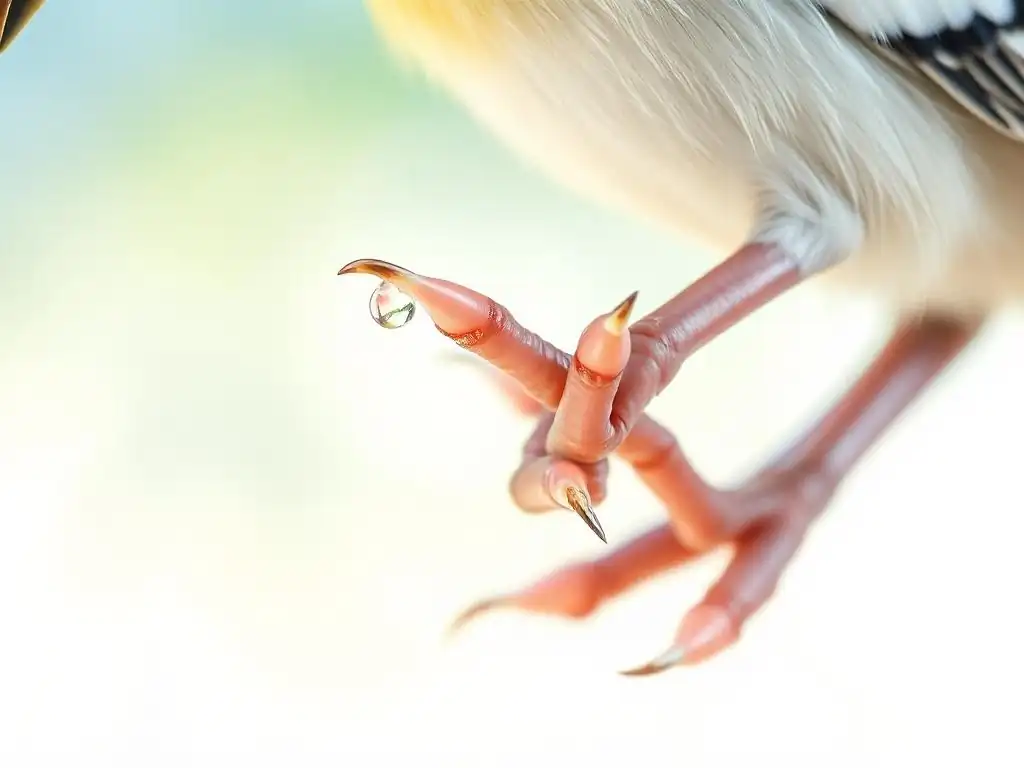
Maintaining your bird's beak and nails between professional trimmings is crucial for their overall health and well-being. Neglecting this aspect can lead to overgrown beaks and nails, causing discomfort, infection, and difficulty eating or perching. A proactive approach, encompassing dietary adjustments, environmental enrichment, and regular inspections, is key to preventing these issues and ensuring your feathered friend remains happy and healthy. Proper maintenance minimizes the frequency and stress associated with professional beak and nail trims, "Trim bird beak nails safely" becoming a less frequent concern.
Dietary Considerations for Healthy Beak and Nail Growth
A balanced diet plays a significant role in beak and nail growth. Providing your bird with a nutritionally complete diet helps maintain healthy beak and nail structure, reducing the rate of overgrowth. Insufficient calcium, for example, can lead to weak and brittle nails, prone to cracking and breakage. Similarly, a lack of essential vitamins and minerals can affect beak strength and shape.
Here's a breakdown of crucial dietary components:
- Calcium: Essential for strong bones and beaks. Cuttlebone, calcium blocks, and mineral supplements are crucial additions to your bird's diet. Monitor your bird's calcium intake carefully; too little can lead to brittle beaks and nails, while excessive amounts can cause health problems.
- Vitamin A: Important for maintaining healthy mucous membranes and overall beak condition. Foods rich in Vitamin A, such as dark leafy greens and sweet potatoes, should be part of their regular diet.
- Protein: Necessary for tissue repair and growth. High-quality birdseed mixes, pellets, and occasional treats like cooked chicken (in moderation) provide essential protein.
Remember to consult an avian veterinarian to determine the specific dietary needs of your bird based on its species and age. They can guide you on the appropriate balance of nutrients to ensure optimal beak and nail health.
Providing Appropriate Perches and Toys for Natural Beak and Nail Wear
The right perches and toys are instrumental in the natural wear and tear of your bird's beak and nails. Birds instinctively use their beaks and feet to climb, explore, and manipulate objects. Providing varied textures and materials promotes natural filing and grinding, minimizing the need for frequent trimming.
Consider these factors when choosing perches and toys:
- Variety of Perch Diameters: Offer perches of varying diameters to encourage natural foot and claw positioning. This helps prevent unnatural strain on their feet and promotes even wear on their nails.
- Natural Wood Perches: Avoid smooth, plastic perches. Natural wood perches with varying textures (e.g., bark, branches) provide the best grip and encourage natural beak and nail wear. Sanitize perches regularly to maintain hygiene.
- Interactive Toys: Toys that require your bird to chew, climb, and manipulate them provide excellent opportunities for natural beak and nail wear. Rotate toys regularly to maintain interest and prevent boredom. Wooden toys, foraging toys, and puzzle feeders are particularly beneficial.
| Perch Material | Pros | Cons |
|---|---|---|
| Natural Wood Branches | Natural texture, good grip, promotes wear | Requires regular cleaning, potential splintering |
| Mineral Perches | Helps with mineral intake | Can be less comfortable than natural wood |
| Plastic Perches | Easy to clean, durable | Lack natural texture, may not promote wear |
Remember, the goal is to provide a stimulating environment that encourages your bird to engage in natural behaviors, resulting in healthy beak and nail wear.
Regularly Inspecting Your Bird's Beak and Nails for Early Detection
Regular inspection of your bird's beak and nails is crucial for early detection of potential problems. This preventative measure helps you identify overgrown areas or abnormalities early on, allowing for timely intervention and preventing more serious issues. Aim to inspect your bird's beak and nails at least once a week.
Here's what to look for:
- Overgrown Beak: An overgrown beak can appear excessively long, curved, or uneven. It may interfere with eating, drinking, or preening.
- Overgrown Nails: Overgrown nails can become excessively long and curved, hindering your bird's ability to perch comfortably. They may also become cracked or brittle.
- Abnormal Shape or Color: Any changes in the shape, color, or texture of the beak or nails should be addressed promptly by an avian veterinarian. This could indicate underlying health problems.
- Bleeding or Infections: Immediately consult a vet if you notice any bleeding, swelling, or signs of infection around the beak or nails.
Early detection of these issues allows for prompt intervention, minimizing discomfort and preventing potential complications. Regular inspections, combined with a healthy diet and environment, significantly contribute to your bird's overall health and well-being, making "Trim bird beak nails safely" a less frequent necessity. Remember, prevention is key.
Creating a Bird-Friendly Environment for Healthy Beak and Nail Growth
Providing a stimulating and appropriate environment significantly impacts your bird's beak and nail health. A bird's beak and nails naturally wear down through activities like foraging, climbing, and chewing. If these natural behaviors are restricted, overgrown beaks and nails become much more likely. This isn't just an aesthetic issue; overgrown beaks can interfere with eating and drinking, causing malnutrition and discomfort. Similarly, long nails can hinder mobility and lead to injuries.
Therefore, creating a bird-friendly environment is paramount for preventing excessive growth and the need for frequent trimming. This involves offering a variety of toys designed for chewing and beak manipulation. Wooden toys, particularly those with varied textures and densities, are excellent for natural beak wear. Avoid toys made of materials that can be toxic if ingested. Always supervise your bird with new toys to ensure safe usage. Consider rotating toys regularly to prevent boredom and maintain your bird's interest in chewing and playing.
Furthermore, providing opportunities for climbing and perching is crucial. Different perch sizes and textures encourage your bird to use its feet and claws in various ways, promoting natural wear. Natural branches with varying diameters are ideal, offering a more stimulating environment compared to uniform perches. Remember to regularly inspect and replace any damaged or worn perches to maintain safety. A spacious cage is also essential to allow your bird to move freely and prevent repetitive stress on its feet and beak.
Finally, a balanced and nutritious diet plays a vital role in overall bird health, including beak and nail condition. A deficiency in essential nutrients can impact growth, leading to abnormalities in beak and nail structure. Consult an avian veterinarian for advice on a suitable diet tailored to your bird's species and age. Providing cuttlebone or mineral blocks can also supplement essential minerals required for healthy beak and nail growth.
Regularly monitor your bird’s diet and observe its beak and nails for any signs of abnormalities. Early intervention can prevent more serious problems. Remember, proactive care is key to maintaining your feathered friend's well-being. 🐦
Frequently Asked Questions about Bird Beak and Nail Trimming
This section addresses common concerns regarding beak and nail trimming in birds, offering practical advice to ensure the safe and successful execution of this essential grooming task. Remember, always prioritize your bird's safety and well-being. If you are unsure about any aspect of the process, consult an avian veterinarian.
How often should I trim my bird's beak and nails?
The frequency of beak and nail trimming varies greatly depending on your bird's species, diet, and activity level. Some birds naturally wear down their beaks and nails through chewing and foraging, requiring less frequent trimming. Others may need more regular attention. A good rule of thumb is to examine your bird's beak and nails weekly.
- Beaks: Look for overgrown beaks that are interfering with eating, preening, or perching. Overgrown beaks can appear excessively long, sharp, or uneven. Signs of discomfort, such as difficulty eating or dropping food, necessitate immediate action. For most birds, beak trimming may be necessary every few months, or even less frequently. However, some species, like cockatoos, may require more frequent trims.
- Nails: Examine your bird's nails for excessive length. Overgrown nails can make perching difficult and lead to injury. Long nails often curl or become overgrown, sometimes even reaching the point of interfering with the bird's ability to grasp. Ideally, nails should be trimmed when they begin to curve or grow beyond the bird's foot. This might be every 2-4 weeks, depending on the bird.
Remember, consistent monitoring is key. Regular observation allows for early detection of overgrown beaks or nails, preventing potential problems. Keeping a grooming log can be helpful to track the trimming schedule and identify patterns.
What happens if I accidentally cut the quick?
Accidentally cutting the quick (the pink part of the nail containing blood vessels and nerves) is a common concern among bird owners performing nail trims. It can be painful for your bird and lead to bleeding. If this happens, remain calm and take the following steps:
- Apply pressure: Use a clean, soft cloth or cotton ball to apply firm but gentle pressure to the bleeding nail. This helps to stop the bleeding. You can also use a styptic powder specifically designed for this purpose. These are available at most pet stores.
- Keep the area clean: Monitor the nail closely for signs of infection. Keep the area clean and dry.
- Seek veterinary care: If the bleeding is profuse or doesn't stop after a few minutes, or if you notice any signs of infection, contact your avian veterinarian immediately. They can provide appropriate treatment and help prevent complications.
Prevention is always better than cure. Use sharp, high-quality nail clippers designed for birds and trim slowly and carefully, paying close attention to the quick. Working in good light is crucial to avoid accidental cuts. If you are hesitant to trim the nails yourself, it is best to consult an avian veterinarian or a qualified professional bird groomer.
What are the signs of an infected beak or nail?
Infections in a bird's beak or nails can be serious. Early detection and treatment are crucial to prevent complications. Watch out for the following signs:
| Sign | Beak Infection | Nail Infection |
|---|---|---|
| Swelling | Swelling around the beak | Swelling around the nail |
| Redness | Redness or inflammation of the beak tissue | Redness or inflammation around the nail |
| Discharge | Pus or other discharge from the beak | Pus or other discharge from the nail |
| Bleeding | Persistent or excessive bleeding | Persistent or excessive bleeding from the nail |
| Loss of Appetite | Reduced food intake | Reduced food intake |
| Lethargy/Listlessness | Unusual inactivity or lack of energy | Unusual inactivity or lack of energy |
| Limping (Nails) | N/A | Limping or difficulty perching |
| Abnormal Nail Growth | N/A | Rapid or unusual nail growth, discoloration |
If you notice any of these signs, seek immediate veterinary attention. Do not attempt to treat the infection yourself. Early intervention by a veterinarian is essential for a successful outcome and to prevent further complications. Remember, proactive care is crucial for maintaining your bird's overall health and well-being. 🐦
What are the best tools for trimming my bird's beak and nails?
Trimming your bird's beak and nails requires the right tools to ensure a safe and effective process. Using inappropriate instruments can cause injury, pain, and even bleeding. Therefore, choosing the correct tools is paramount for the well-being of your feathered friend.
For beak trimming, avian-specific beak trimmers are the safest and most effective option. These are typically small, sharp scissors designed with curved blades that precisely follow the natural curve of your bird's beak. Avoid using human nail clippers or scissors, as these are not designed for the unique structure of a bird's beak and can lead to uneven cuts or accidental injuries.
Look for trimmers made from high-quality stainless steel for durability and ease of cleaning. Some trimmers even feature a safety guard to prevent accidental over-trimming. Regularly cleaning and disinfecting your trimmers after each use is crucial to prevent the spread of bacteria or infections.
Nail trimming also necessitates specialized tools. Again, human nail clippers are unsuitable. Instead, opt for small, sharp, and preferably guillotine-style nail clippers designed specifically for birds. These clippers are designed to cleanly sever the nail without crushing or splintering it.
The guillotine style offers more control and precision, reducing the risk of cutting into the quick (the pink part of the nail containing blood vessels and nerves). Similar to beak trimmers, ensure your nail clippers are made from durable, easily sanitized material. Always remember to disinfect your clippers before and after each use to maintain hygiene and prevent the spread of any potential pathogens.
Properly maintaining your tools is essential for safely and effectively trimming your bird's beak and nails. Investing in high-quality, bird-specific tools will significantly reduce the risk of accidents and ensure your bird's comfort and safety during the trimming process. Remember, a little investment in the right tools goes a long way in ensuring your bird's health and happiness.
Frequently Asked Questions
How often should I trim my bird's beak and nails?
This depends on your bird's species and growth rate. Generally, beak trimming might be needed every few weeks to months, while nail trims are often needed every few weeks. Regular observation is key.
What tools do I need to trim my bird's beak and nails?
You'll need sharp, avian-specific nail clippers and possibly avian beak trimmers. Never use human nail clippers. Having styptic powder on hand to stop bleeding is also crucial.
How can I tell if I'm cutting too close when trimming my bird's beak or nails?
Be cautious! The quick (the pink part containing blood vessels) is visible in both beaks and nails. Cutting into the quick causes bleeding and pain. If unsure, consult an avian veterinarian.
What should I do if I accidentally cut into the quick?
Apply styptic powder immediately to stop the bleeding. If the bleeding is profuse or you're concerned, contact your avian veterinarian immediately.
My bird is resisting; how can I make beak and nail trimming easier?
Positive reinforcement is vital. Reward your bird with treats before, during, and after trimming. Regular handling can help your bird become more comfortable with the process. Consider seeking professional help if needed.
Final Reflection: The Unsung Importance of Avian Care
The health and well-being of our feathered companions hinge on our understanding of their unique needs, and proper beak and nail trimming is a cornerstone of responsible pet ownership. Neglecting this crucial aspect can lead to significant discomfort and even health complications for your bird, highlighting the urgent need for informed and compassionate care.
The impact of responsible bird care extends far beyond the individual bird; it reflects our commitment to the ethical treatment of animals and our understanding of their complex needs. The greatness of a nation and its moral progress can be judged by the way its animals are treated.
- Mahatma Gandhi. This quote underscores the interconnectedness of animal welfare and societal values. Proper beak and nail trimming is not merely a technical procedure; it's a demonstration of our dedication to the well-being of our avian friends, contributing to a more compassionate and responsible approach to pet ownership.
Now, consider your own feathered friend. Have you taken the time to understand their specific needs when it comes to beak and nail maintenance? Take a moment to reflect on the information presented in this guide and commit to implementing these safe and effective techniques. By doing so, you'll not only ensure your bird's comfort and health but also strengthen the bond you share, creating a richer and more fulfilling relationship built on mutual respect and understanding.
Ready to Give Your Feathered Friend the Best Beak and Nail Care?
Thank you for learning about proper beak and nail trimming for your pet bird! We hope you found this information helpful in keeping your feathered friend happy and healthy. Now let's put that knowledge into practice.
- Schedule your bird's next trim: Don't delay! Even if you feel confident in your abilities, a professional avian groomer can provide expert advice and ensure your bird's safety and comfort during the trimming process.
- Share your trimming tips: Have a unique technique or a favorite tool that simplifies the task? Share your experience with the PetCareWorld community—your insights could be invaluable to others!
- Join our bird care forum: Connect with other bird owners and continue the discussion. You'll discover additional helpful tips and tricks, and build a supportive network of fellow pet lovers.
Ready to provide your bird with the best possible care? What's the first step you'll take to enhance your bird's beak and nail care routine?