
Transitioning to Raw: A StepbyStep Guide for Dog Owners


Welcome to PetCareWorld, your ultimate guide to a happier, healthier life for your beloved companion! Are you curious about the benefits of a raw food diet for your canine friend? Our in-depth Raw Dog Food Feeding Guide will take you on a step-by-step journey, exploring the crucial aspects of transitioning your dog to a raw food diet safely and effectively. Discover the potential health advantages and learn how to create a balanced and nutritious meal plan – embark on this exciting adventure with us!
- Understanding the Benefits of a Raw Food Diet for Dogs
- Preparing for the Transition to Raw Dog Food
- Gradually Introducing Raw Food into Your Dog's Diet
- Maintaining a Balanced Raw Food Diet for Your Dog
- Long-Term Raw Feeding and Monitoring Your Dog's Health
- Frequently Asked Questions about Raw Dog Food Diets
- Frequently Asked Questions
- Final Reflection: The Transformative Power of Raw
- Unleash Your Dog's Inner Wolf: Start Their Raw Food Journey Today!
Understanding the Benefits of a Raw Food Diet for Dogs
Transitioning your canine companion to a raw food diet can seem daunting, but with careful planning and execution, it can be a rewarding experience for both you and your furry friend. This comprehensive guide, designed to help you navigate the process of switching to a raw diet for your dog, will provide a step-by-step approach to ensure a smooth transition and maximize the potential benefits. We'll explore the nutritional advantages, digestive improvements, and potential health enhancements associated with raw feeding, addressing common concerns and providing practical advice to ensure your dog thrives on this diet.
Remember, always consult your veterinarian before making significant changes to your dog's diet, especially if they have pre-existing health conditions. This guide aims to provide information and support, but professional veterinary guidance is crucial for personalized dietary recommendations.
Choosing the right raw food diet for your dog is a crucial step in ensuring their long-term health and well-being, and this guide will empower you to make informed decisions. Let's delve into the world of raw feeding and discover why it's become a popular choice for many dog owners seeking optimal canine health.
Nutritional Advantages of Raw Dog Food
Raw dog food diets often boast a higher concentration of naturally occurring nutrients compared to commercially produced kibble. This is because raw diets typically consist of whole, unprocessed ingredients such as meat, organs, bones, and vegetables. These ingredients retain a wider spectrum of vitamins, minerals, and enzymes that may be lost during the processing of kibble. For example, raw meat provides a readily available source of high-quality protein, essential for muscle building and repair.
Organ meats, such as liver and kidney, are rich in vital nutrients like vitamin A, iron, and copper. Bones contribute to calcium and phosphorus intake, crucial for strong bones and teeth. The inclusion of vegetables adds fiber and essential vitamins and minerals.
The overall nutritional profile of a well-balanced raw diet can contribute to improved coat health, increased energy levels, and a strengthened immune system. However, it's crucial to meticulously calculate the proportions of each ingredient to ensure balanced nutrition. Improperly balanced raw diets can lead to nutritional deficiencies or excesses.
Improved Digestion with Raw Feeding
Many dog owners report improved digestion in their dogs after switching to a raw food diet. Raw food, unlike processed kibble, doesn't contain artificial fillers, preservatives, or by-products that can be difficult for dogs to digest. The natural enzymes present in raw meat and organs aid in the breakdown of food, potentially leading to less bloating, gas, and softer, easier-to-pass stools.
Furthermore, the increased fiber content from vegetables can promote healthy bowel movements and improve gut flora. The higher moisture content of raw food also contributes to better hydration, which is essential for optimal digestion. However, it's important to note that individual responses can vary, and some dogs may experience a temporary period of adjustment before their digestive systems fully adapt to the raw diet.
Careful observation of your dog's bowel movements and overall digestive health is essential during the transition. Monitor for any changes and consult your veterinarian if any concerns arise.
Potential Health Improvements with a Raw Diet
Anecdotal evidence and some studies suggest that raw feeding may be associated with various potential health improvements in dogs. These potential benefits include improved coat and skin condition, stronger teeth and bones, increased energy levels, and a more robust immune system. Some owners also report a reduction in allergies and inflammatory conditions.
It's important to emphasize that more research is needed to definitively establish a causal relationship between raw feeding and these health improvements. The observed benefits could also be attributed to other factors, such as improved overall nutrition and the elimination of potential allergens found in processed foods. It's crucial to remember that a well-balanced raw diet is essential to achieve these potential benefits.
An improperly formulated raw diet could lead to nutrient deficiencies or imbalances, potentially negating any positive effects. Always consult your veterinarian to determine if a raw diet is appropriate for your dog's individual needs and health status. 🐾
Preparing for the Transition to Raw Dog Food

Before embarking on a raw food diet for your canine companion, meticulous planning is crucial. This isn't just about switching food; it's about ensuring a smooth, healthy transition that optimizes your dog's nutritional intake and minimizes potential digestive upset. A successful transition requires careful consideration of several key factors, impacting both your dog's well-being and your own convenience.
This section details the essential preparatory steps to undertake before introducing raw food into your dog's diet. Remember, consulting with your veterinarian before making any significant dietary changes is always recommended. They can help assess your dog's individual needs and ensure the raw food diet is appropriate for their specific health condition and breed.
Choosing the Right Raw Food for Your Dog
The selection of appropriate raw food is paramount for a successful transition. It's not a simple case of just switching to any raw meat; the nutritional balance and quality of ingredients are vital for your dog's health. We'll delve into the specifics of selecting the right protein sources, essential fats, and organ meats.
Remember, a balanced raw diet should mimic the natural prey model, providing a diverse range of nutrients. Avoid single-protein diets unless specifically recommended by your veterinarian, as variety is key to a complete and balanced nutritional profile. Improperly balanced raw diets can lead to nutrient deficiencies or imbalances.
Selecting Appropriate Protein Sources
Protein forms the cornerstone of a raw food diet for dogs. Opt for high-quality, lean protein sources like:
- Muscle Meat: Chicken, turkey, beef, lamb, and rabbit are excellent choices. Avoid pork due to the risk of parasites.
- Fish: Fatty fish like salmon and mackerel provide essential omega-3 fatty acids, but ensure they are sourced responsibly and are free from mercury contamination.
- Game Meats: Venison, bison, and other game meats offer diverse nutrient profiles.
The variety of protein sources is important to prevent the development of food allergies and sensitivities. Rotating proteins every few weeks helps ensure a broader nutritional spectrum. Consider your dog's size and activity level when determining the appropriate quantity of protein. Larger, more active dogs will generally require a higher protein intake. Always ensure the meat is fresh and sourced from reputable suppliers.
Incorporating Essential Fats and Nutrients
Beyond protein, fats and other essential nutrients are vital for your dog's health. Healthy fats are crucial for skin and coat health, brain function, and overall energy levels. Excellent sources of healthy fats include:
- Fatty Fish: Salmon, mackerel, and sardines are rich in omega-3 fatty acids.
- Organ Meats: Organ meats, as discussed below, also contain significant amounts of fat-soluble vitamins.
- Bone Marrow: A rich source of fat and nutrients.
Consider supplementing with fish oil or other high-quality supplements if necessary, but always consult your veterinarian before adding any supplements to your dog's diet. Ensure that the balance of fats is correct; excessive fat can lead to weight gain and other health problems. A balanced ratio of omega-3 and omega-6 fatty acids is essential. You can find information on the ideal ratio for your dog's breed and age in veterinary nutritional guides.
Understanding the Importance of Organ Meats
Organ meats, such as liver, kidney, and heart, are nutrient powerhouses. They offer a concentrated source of vitamins, minerals, and other essential nutrients often lacking in muscle meat alone. Liver, in particular, is exceptionally rich in vitamin A, while kidney provides valuable minerals. However, organ meats should be fed in moderation, as excessive consumption can lead to vitamin A toxicity.
A good guideline is to include organ meats in approximately 10-20% of the total raw food diet. The specific percentage may vary depending on your dog's individual needs and the overall nutritional composition of the diet. Always ensure the organ meats are sourced from healthy animals and are handled properly to avoid contamination.
Sourcing High-Quality Raw Ingredients
The quality of your ingredients directly impacts your dog's health and the success of the raw food transition. Prioritize sourcing your raw ingredients from reputable suppliers who prioritize safety and hygiene. This includes:
- Local Butchers: Often offer high-quality, human-grade meat at competitive prices.
- Farmers' Markets: Allow for direct interaction with producers, ensuring transparency and traceability.
- Specialty Pet Food Suppliers: Some pet food suppliers specialize in supplying high-quality raw ingredients.
Avoid sourcing meat from unknown sources or from animals that may have been treated with antibiotics or hormones. Always inspect the meat for freshness before feeding it to your dog. Proper handling and storage are crucial to prevent bacterial contamination. Store raw meat at a safe temperature to maintain its quality and prevent spoilage. Freezing is an excellent method for long-term storage. Always thaw meat safely before feeding it to your pet; never feed frozen meat directly. Thorough preparation and handling will help minimize the risk of foodborne illnesses.
Calculating Daily Raw Food Requirements for Your Dog
Accurately calculating your dog's daily raw food intake is crucial for maintaining their health and preventing nutritional deficiencies or imbalances. This isn't a one-size-fits-all calculation; it depends on several factors specific to your canine companion. Failing to properly calculate their needs can lead to weight gain, weight loss, or even serious health problems. Therefore, understanding the process is paramount before beginning a raw food diet.
Several methods exist for determining the appropriate daily caloric intake, but a common approach involves considering your dog's age, weight, activity level, and metabolic rate. Generally, adult dogs require fewer calories per pound of body weight than puppies or highly active working dogs. For example, a sedentary, adult Beagle might need around 20-25 calories per pound of body weight daily, while a highly active Border Collie might require 30-40 calories per pound. These are just estimates, and individual needs can vary significantly.
You can find online calculators or consult with a veterinary nutritionist to get a more precise estimate. These resources often take into account factors like breed, body condition score (BCS), and underlying health conditions. Remember that a BCS of 5/9 is considered ideal, indicating a healthy weight with visible ribs but no excessive fat. A lower score suggests underweight, while a higher score indicates overweight or obesity. This information is critical for adjusting caloric intake accordingly.
Once you have an estimate of the total daily caloric needs, you'll need to convert that into the appropriate amount of raw food. This requires understanding the caloric density of the specific raw food you're feeding. Different meats and vegetables have varying caloric values. For instance, beef tends to be higher in calories than chicken, and organ meats are generally more calorie-dense than muscle meats. You'll need to research the caloric content of your chosen raw food recipe or consult a nutrition chart to determine the appropriate serving size.
It's essential to monitor your dog's weight and body condition regularly. Weigh your dog weekly, or at least monthly, and adjust their food intake as needed. If your dog is losing weight, you may need to increase their daily caloric intake. Conversely, if your dog is gaining weight, you should reduce the amount of food you're feeding. Regular veterinary check-ups are also crucial to ensure your dog remains healthy and that the raw food diet is meeting their nutritional needs.
Don't hesitate to consult your veterinarian or a veterinary nutritionist for personalized guidance and adjustments to your dog's raw food plan. Remember, consistency and careful monitoring are key to success. A gradual transition and close observation will help ensure a smooth transition to a raw food diet for your canine companion. 🐾
Gradually Introducing Raw Food into Your Dog's Diet
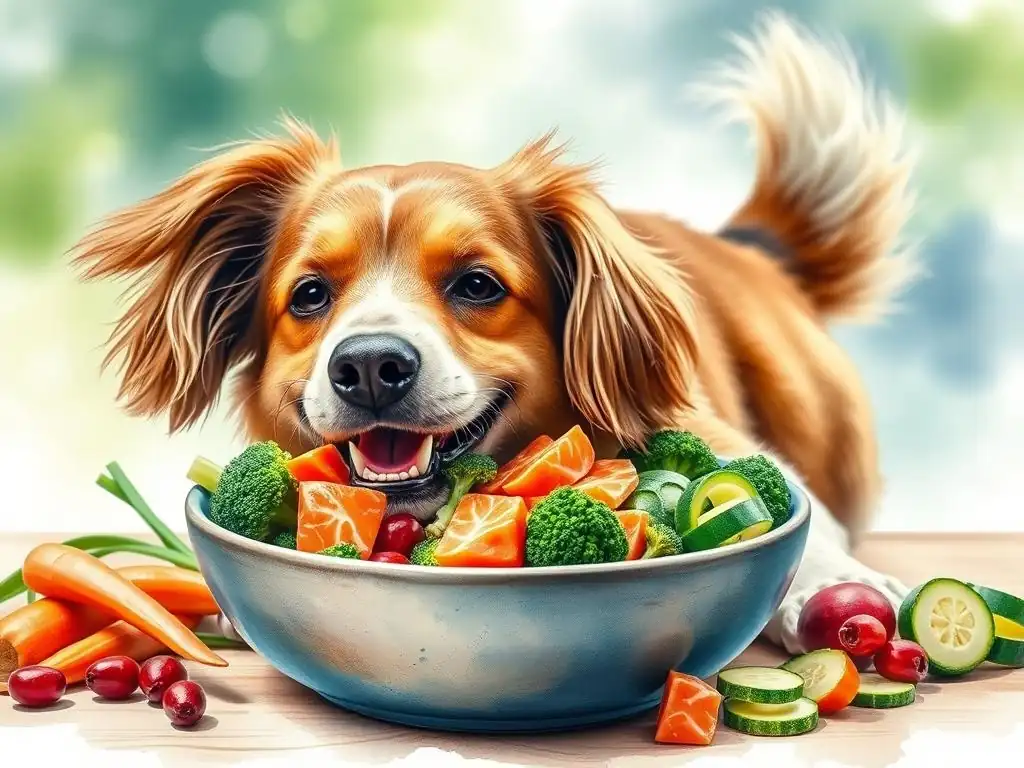
Switching your dog to a raw food diet requires a gradual approach to minimize digestive upset and ensure a smooth transition. A sudden change can overwhelm your dog's system, leading to diarrhea, vomiting, or other unpleasant side effects. This section outlines a safe and effective strategy for introducing raw food into your dog's diet, optimizing their transition to a raw dog food feeding guide.
The Slow Transition Method: A Week-by-Week Plan
The key to a successful transition is patience and careful observation. This plan focuses on slowly replacing your dog's current food with raw food over several weeks. Remember, every dog is different, and you may need to adjust the timeframe based on your individual dog's response. Always consult your veterinarian before making significant dietary changes, especially for dogs with pre-existing health conditions.
Week 1: Introduction of Small Amounts of Raw Food
Begin by mixing a small amount (approximately 10-15%) of raw food into your dog's regular kibble or canned food. This allows your dog's digestive system to start adapting to the new ingredients and textures. Observe your dog closely for any signs of digestive upset, such as diarrhea, vomiting, or changes in stool consistency. If you notice any issues, reduce the amount of raw food or stop completely and consult your veterinarian. A good starting point is a high-quality, commercially prepared raw food mix to ensure balanced nutrition.
Tip: Start with a single protein source, such as chicken or turkey, to minimize the risk of allergic reactions. Introduce new protein sources gradually over subsequent weeks.
Week 2-4: Gradually Increasing Raw Food Portions
Over the next few weeks, gradually increase the proportion of raw food in your dog's diet. You can do this by incrementally decreasing the amount of kibble or canned food while simultaneously increasing the raw food portion. Aim to increase the raw food by approximately 10-15% each week until you reach a 100% raw food diet by the end of week 4. Continue to monitor your dog's stool consistency and overall health. If any digestive issues arise, slow down the transition process.
| Week | Percentage of Raw Food | Percentage of Kibble/Canned Food | Notes |
|---|---|---|---|
| 1 | 10-15% | 85-90% | Observe for any digestive upset |
| 2 | 25-30% | 70-75% | Monitor stool consistency |
| 3 | 40-45% | 55-60% | Continue monitoring |
| 4 | 100% | 0% | Complete transition to raw food |
Remember to maintain a balanced diet, offering a variety of protein sources, healthy fats, and essential nutrients.
Monitoring Your Dog's Digestion During Transition
Throughout the transition, pay close attention to your dog's bowel movements. Healthy stools should be firm, well-formed, and relatively easy to pick up. Changes in stool consistency, such as diarrhea or loose stools, can indicate a problem. Also, monitor your dog for other signs of digestive upset, such as vomiting, lethargy, or loss of appetite. Keep a record of your dog's food intake and bowel movements to help identify any patterns or issues. This detailed record will prove invaluable in addressing any unexpected challenges. Consider using a simple journal or a dedicated pet health app for tracking purposes.
Identifying Potential Issues and Addressing Them
Even with a gradual transition, some dogs may experience digestive issues. The most common problems include diarrhea, vomiting, and changes in appetite. If your dog experiences any of these, try the following:
- Slow down the transition: Reduce the amount of raw food and increase the amount of their regular food.
- Introduce a probiotic: Probiotics can help restore the balance of good bacteria in your dog's gut. Consult your veterinarian for recommendations.
- Adjust the type of raw food: Some dogs may be sensitive to certain protein sources or ingredients. Try switching to a different type of raw food or eliminating potential allergens.
- Consider a digestive enzyme supplement: Digestive enzymes can help your dog break down food more efficiently. Again, consult your veterinarian before giving your dog any supplements.
- Consult your veterinarian: If symptoms persist or worsen, consult your veterinarian immediately. They can help identify the underlying cause and recommend appropriate treatment.
Remember, transitioning to a raw diet is a commitment that requires careful planning and monitoring. By following a slow and steady approach and paying close attention to your dog's health, you can ensure a smooth transition and help your canine companion thrive on a raw food diet. This comprehensive raw dog food feeding guide will aid you in this process. 🐶
Recognizing Signs of Food Intolerance or Allergies
Transitioning your dog to a raw food diet requires careful monitoring for any signs of intolerance or allergies. Even with high-quality ingredients, some dogs may react negatively. It's crucial to be vigilant during the introduction phase and throughout the diet. Early detection of problems can prevent more serious health issues down the line. Remember, what works for one dog might not work for another, highlighting the importance of individual observation.
Symptoms of food intolerance can manifest in various ways, some subtle and others more pronounced. Common gastrointestinal issues include diarrhea, vomiting, gas, and changes in stool consistency or frequency. These symptoms can range from mild discomfort to severe illness, depending on the dog's sensitivity and the severity of the reaction. Keep a detailed food diary, noting both the type and amount of raw food given, along with any observed changes in your dog's bowel movements. This detailed record will be invaluable if you need to consult a veterinarian.
Beyond digestive problems, food allergies or intolerances can also present as skin issues. These can include excessive itching, scratching, licking, hot spots, and changes in coat condition (such as dryness, dullness, or excessive shedding). Some dogs may develop ear infections as a result of food sensitivities. These skin manifestations are often linked to inflammatory responses triggered by specific ingredients in the raw food. Regular skin and coat checks are essential during the transition period and beyond. A healthy, shiny coat is a good indicator of overall well-being.
Behavioral changes can also be indicative of food intolerance. Lethargy, decreased energy levels, and changes in appetite (either increased or decreased) are potential signs. Some dogs may exhibit more anxiety or restlessness than usual. These less obvious symptoms should not be overlooked, as they might be linked to an underlying digestive issue or allergic reaction caused by the new diet.
A holistic approach, considering both physical and behavioral changes, is crucial for accurate assessment. Remember to consult your veterinarian if you notice any persistent or concerning symptoms. They can help determine the cause and recommend appropriate solutions, ensuring your dog's continued health and well-being on their raw food journey. Early intervention is key to managing potential adverse reactions effectively.
Maintaining a Balanced Raw Food Diet for Your Dog
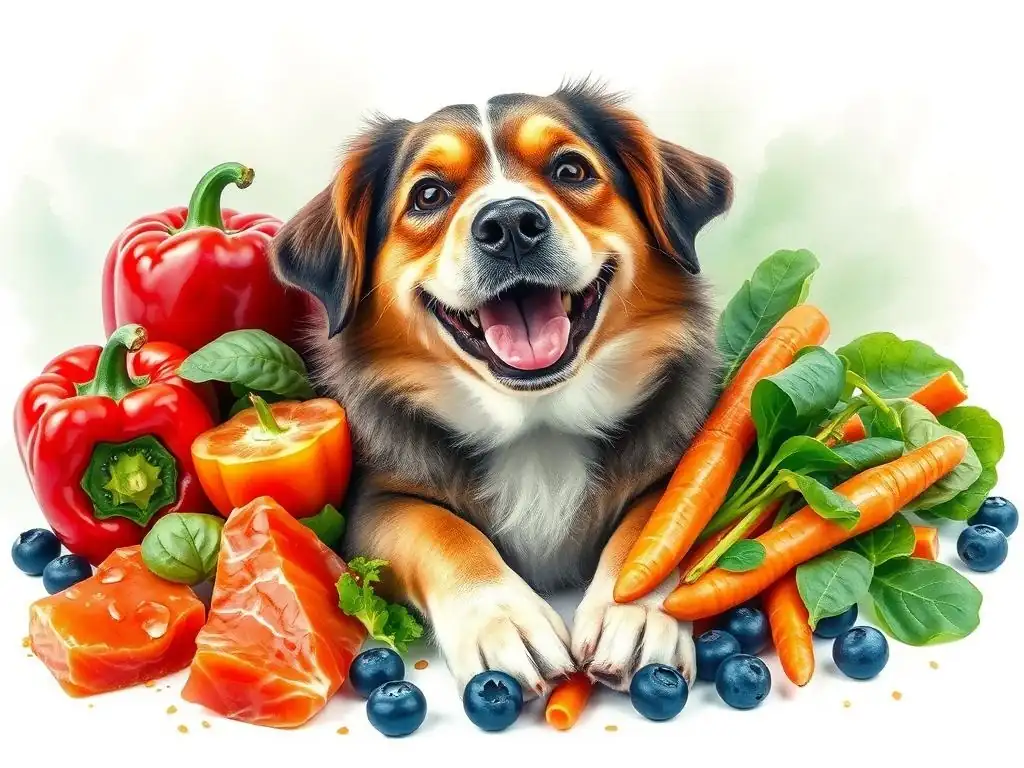
Transitioning your dog to a raw food diet requires careful planning to ensure they receive all the necessary nutrients. A balanced raw diet mimics a dog's natural prey, offering a variety of protein sources, healthy fats, and essential vitamins and minerals. Simply feeding raw meat isn't sufficient; a comprehensive approach is crucial for optimal canine health.
This section details the key considerations for maintaining a nutritionally complete raw food regimen for your canine companion. Remember, consulting with a veterinary nutritionist is highly recommended before making significant dietary changes, particularly for dogs with pre-existing health conditions. A personalized plan tailored to your dog's breed, age, activity level, and health status is paramount.
Essential Nutrients and Supplements for Raw Feeding
A balanced raw diet should incorporate a variety of muscle meats (beef, chicken, turkey, lamb), organ meats (liver, kidney, heart), bone (for calcium and phosphorus), and small amounts of raw, edible vegetables. However, even with careful sourcing and preparation, certain nutrient deficiencies can occur. Therefore, supplementing your dog's raw food diet might be necessary.
This is where careful planning and potentially professional guidance becomes critical. For example, while organ meats provide many vitamins and minerals, they are rich in Vitamin A. Over-consumption can lead to toxicity. Similarly, ensuring adequate levels of taurine, an amino acid crucial for heart and eye health, might require supplementation depending on the specific ingredients in the diet. The exact supplementation needs vary greatly depending on the specific raw food recipe used.
Consider using a high-quality commercial supplement specifically formulated for raw-fed dogs. These supplements often contain a balanced blend of vitamins and minerals that address common deficiencies. Always follow the manufacturer's instructions carefully and consult your veterinarian or a veterinary nutritionist to determine the appropriate dosage for your dog's individual needs. Remember, over-supplementation can be as harmful as under-supplementation. Regular blood work can help monitor nutrient levels and guide supplementation strategies.
Ensuring Proper Food Safety and Handling
Raw dog food poses risks of bacterial contamination, so stringent food safety protocols are vital. This is a crucial aspect of responsible raw feeding and is essential for protecting both your dog and yourself. Contamination risks exist at every stage – sourcing, storage, preparation, and serving.
- Sourcing: Purchase raw ingredients from reputable suppliers who adhere to strict hygiene standards. Avoid buying meat from questionable sources.
- Storage: Store raw food properly in airtight containers at a safe temperature (ideally below 40°F or 4°C) to inhibit bacterial growth. Frozen storage is preferable for extended periods.
- Preparation: Wash your hands thoroughly before and after handling raw food. Use separate cutting boards and utensils for raw food to prevent cross-contamination with other foods. Avoid touching your face or mouth while handling raw food.
- Serving: Serve raw food immediately after preparation. Do not leave raw food out at room temperature for extended periods. Clean and disinfect all feeding bowls and utensils after each meal.
Preventing Bacterial Contamination of Raw Dog Food
Preventing bacterial contamination is paramount in raw feeding. Several pathogens, such as Salmonella, E. coli, and Listeria, can contaminate raw meat and pose a risk to both your dog and your family. Therefore, meticulous hygiene practices are essential to mitigate these risks.
| Hazard | Prevention Method |
|---|---|
| Salmonella contamination | Thoroughly wash hands, utensils, and surfaces after handling raw meat. |
| E. coli contamination | Source meat from reputable suppliers known for safe handling practices. |
| Listeria contamination | Refrigerate raw food promptly and avoid leaving it at room temperature for long. |
Implementing these precautions significantly reduces the chance of bacterial contamination. Remember, even with careful preparation, the risk of bacterial exposure is never entirely eliminated. Regular monitoring of your dog's health, including prompt veterinary attention if they display any signs of illness, is crucial. Furthermore, maintaining a clean and hygienic environment around food preparation and feeding areas is vital. This proactive approach significantly improves the safety and success of your dog’s raw food journey. 🤔 Always prioritize your pet's well-being and seek professional guidance when needed.
Creating a Variety of Raw Food Meals
Offering your dog a varied raw food diet is crucial for ensuring they receive a complete range of nutrients. Monotony can lead to nutritional deficiencies and a lack of interest in their meals. A diverse diet mimics what a dog would naturally consume in the wild, providing a broader spectrum of vitamins, minerals, and antioxidants. This variety isn't just about different protein sources; it also encompasses a range of organ meats, bone types, and even healthy additions like fruits and vegetables.
Think of it like a human diet – would you eat the same thing every day? Probably not! Similarly, your canine companion benefits from a varied menu. This variety helps prevent picky eating and ensures they are getting all the nutrients they need for optimal health and energy levels. A balanced raw diet doesn't just mean meat; it's a carefully orchestrated mix of muscle meat, organ meat, bone, and sometimes even carefully selected fruits and vegetables.
Consider rotating protein sources such as chicken, turkey, beef, lamb, rabbit, and even fish (in moderation, and always ensuring it's properly prepared to avoid parasites). Each protein source offers a slightly different nutritional profile. For example, chicken is a good source of lean protein, while lamb provides different fatty acids. This variety helps to ensure complete nutrition.
Don't forget the importance of organ meats! Organ meats like liver, kidney, and heart are nutrient powerhouses, packed with essential vitamins and minerals that are often lacking in muscle meat alone. However, remember to feed organ meats in moderation, as they are highly concentrated in certain nutrients. A good guideline is to include organ meat at about 10% of the total raw food diet.
Finally, consider incorporating a small amount of bone. Raw, meaty bones provide calcium, phosphorus, and other essential minerals. They also help with dental health and contribute to overall digestive health. However, always supervise your dog while they consume bones to prevent choking hazards and ensure they are appropriately sized for your dog's breed and size.
Remember, the goal is a balanced and varied diet, not just a protein-heavy one. By diversifying your dog's raw food meals, you contribute significantly to their long-term health and well-being. A well-planned raw food diet can be an excellent way to support your canine companion's thriving health. 🐾
Long-Term Raw Feeding and Monitoring Your Dog's Health
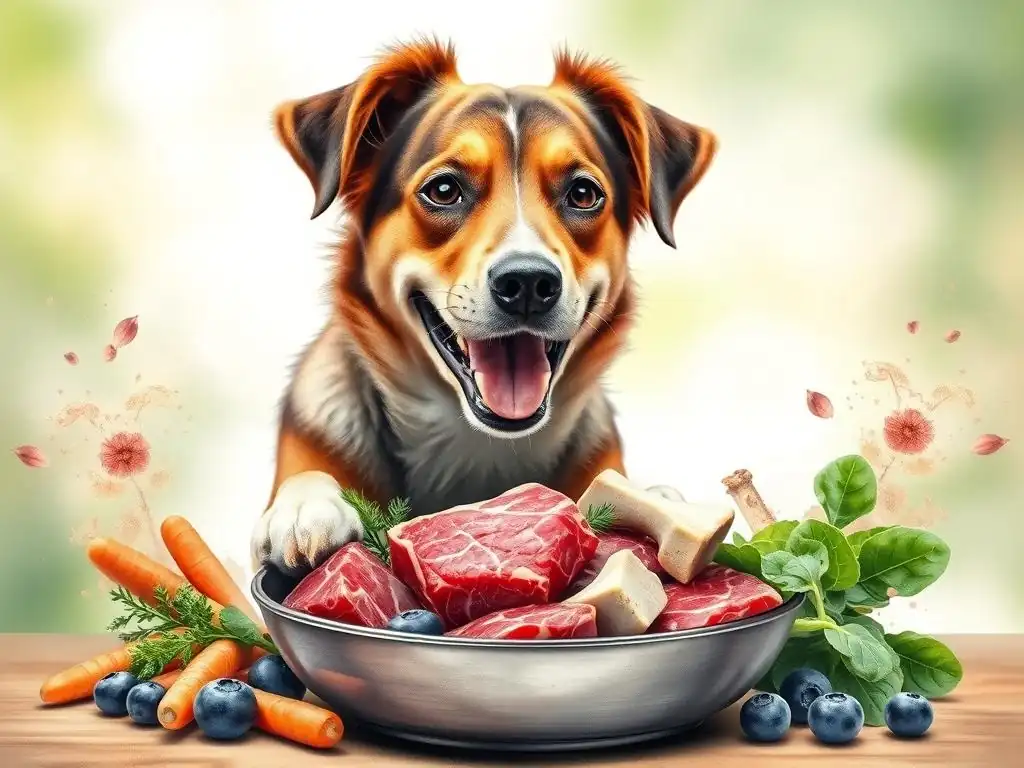
Switching your dog to a raw food diet is a significant change, and long-term success requires careful monitoring and adjustments. This section focuses on the crucial aspects of maintaining your canine companion's health and well-being while on a raw diet. Remember, consistency and observation are key to ensuring your dog thrives on this nutritional approach. A well-planned raw feeding strategy, incorporating a "raw dog food feeding guide", is essential for long-term health benefits.
Regular Veterinary Check-ups on Raw Food Diet
Regular veterinary check-ups are paramount when feeding your dog a raw diet. While raw food offers numerous nutritional advantages, it's crucial to monitor for potential issues. These check-ups should be more frequent than with commercially prepared kibble, ideally every 3-6 months. Your veterinarian can perform blood tests to assess organ function, check for any deficiencies or imbalances, and monitor for potential parasite infections.
Open communication with your vet about your dog's diet is vital. They can help you tailor the raw food plan to your dog's specific needs and address any concerns promptly. Don't hesitate to discuss any changes in your dog's stool consistency, energy levels, or appetite with your vet.
Early detection of any problems is key to successful long-term raw feeding. Remember to provide your vet with a detailed description of the ingredients you're using in your dog's diet to facilitate a thorough assessment. This proactive approach significantly contributes to the overall health and longevity of your dog on a raw food regimen.
Monitoring Your Dog's Weight and Body Condition
Maintaining a healthy weight is crucial for your dog's overall health, regardless of their diet. With raw feeding, consistent monitoring of your dog's weight and body condition is even more critical. Regularly weigh your dog and assess their body condition score (BCS). A BCS of 5/9 (on a scale of 1-9) is generally considered ideal.
You should be able to feel their ribs easily, but not see them prominently. Excessive weight gain can lead to obesity, while excessive weight loss can indicate nutritional deficiencies or underlying health problems. Adjust the amount of raw food you provide based on your dog's weight and activity level. Remember that individual dogs have different caloric needs, so what works for one dog may not work for another.
Use a "raw dog food feeding guide" to help determine appropriate portions, but always adjust based on your dog's individual response. Consider consulting a veterinary nutritionist for personalized guidance if you're unsure about appropriate portion sizes or if you notice significant weight fluctuations. Careful monitoring and adjustments are crucial for maintaining a healthy weight on a raw food diet.
Addressing Potential Long-Term Health Concerns
While a raw diet offers many benefits, potential long-term health concerns should be proactively addressed. These include:
- Dental Health: Raw bones can help clean teeth, but excessive chewing on hard bones can damage teeth. Monitor your dog's teeth regularly and provide a variety of textures to avoid excessive wear.
- Bacterial Contamination: Proper food handling and preparation are crucial to minimize bacterial contamination risks. Always wash your hands thoroughly after handling raw meat and ensure your dog's food is stored appropriately. A "raw dog food feeding guide" should emphasize safe handling practices.
- Nutritional Imbalances: A well-balanced raw diet is essential to avoid nutritional deficiencies. Seek guidance from a veterinary nutritionist to ensure your dog's diet meets all their nutritional needs. Regular blood tests can help identify potential imbalances.
- Parasite Risk: Raw meat can contain parasites. Choose high-quality sources and consider freezing meat before feeding to kill parasites. Regular fecal exams are recommended.
Addressing these potential concerns through careful planning, monitoring, and veterinary guidance will significantly contribute to your dog's long-term health and well-being while enjoying the benefits of a raw food diet. Remember, a proactive approach is key to ensuring the success of a long-term raw feeding plan. A comprehensive "raw dog food feeding guide" should always address these potential concerns, emphasizing the importance of responsible pet ownership.
Maintaining a Healthy Gut Microbiome with Raw Feeding
Raw feeding, when done correctly, can significantly benefit your dog's gut microbiome. The diversity of enzymes, probiotics, and prebiotics naturally present in raw meat, organs, and bones helps foster a thriving gut environment. This contrasts sharply with many commercially produced kibble diets, which often lack this natural microbial complexity. A healthy gut microbiome is crucial for optimal digestion, nutrient absorption, and overall immune function.
Dogs with balanced gut flora are less susceptible to digestive upset, allergies, and other health issues. The variety of ingredients in a balanced raw diet, including bone marrow and organ meats, provides a rich source of prebiotics which feed beneficial bacteria, enhancing their growth and activity. Furthermore, the absence of artificial additives and preservatives often found in processed foods contributes to a healthier gut.
The transition to a raw diet should be gradual to allow the dog's gut microbiome to adjust. A sudden shift can lead to digestive disturbances. Monitoring your dog's stool consistency is key; it should be firm but not hard. Changes in stool frequency or the presence of unusual odors or mucus could indicate a problem and warrant a consultation with your veterinarian.
It's also important to note that while raw food diets generally support a healthy microbiome, individual dogs may react differently. Some dogs might require specific probiotic supplements to further enhance their gut health, particularly during the initial transition phase. Consult your veterinarian to determine if supplementation is necessary for your dog. They can also recommend specific probiotic strains suitable for canine digestion.
Remember, a balanced raw diet is crucial for gut health. Incorrect ratios of meat, bones, and organs can lead to nutritional imbalances and potentially disrupt the gut microbiome. Therefore, a carefully planned diet tailored to your dog's age, breed, size, and activity level is essential.
Consider consulting with a veterinary nutritionist to create a personalized raw feeding plan that ensures your dog receives all the necessary nutrients while supporting a thriving and balanced gut microbiome. This professional guidance is particularly important during the initial stages of transitioning to a raw diet and for ongoing monitoring of your dog's health. Investing in this expert advice can prevent potential problems and ensure your dog receives the maximum benefits of a raw food diet.
Frequently Asked Questions about Raw Dog Food Diets
This section addresses frequently asked questions regarding transitioning your dog to a raw food diet. Understanding these common concerns is crucial for a smooth and safe transition. We aim to provide clear, evidence-based answers to help you make informed decisions about your canine companion's nutritional needs. Remember, consulting your veterinarian before making any significant dietary changes is always recommended.
Addressing Common Concerns About Raw Food Safety
Many pet owners express concerns about the safety of raw dog food diets. These concerns are often centered around the potential for bacterial contamination. Let's address these head-on. The risk of bacterial contamination, such as Salmonella and E. coli, is a valid concern. However, proper handling and preparation significantly mitigate these risks.
This involves meticulous hygiene practices throughout the entire process: from sourcing high-quality ingredients from reputable suppliers to diligently cleaning and sanitizing all surfaces and utensils used in food preparation. Furthermore, ensuring your dog’s water and food bowls are regularly cleaned is essential.
Here's a summary of key safety measures:
- Source reputable suppliers: Choose suppliers with rigorous safety and quality control measures in place. Look for suppliers who prioritize cleanliness and adhere to strict food safety guidelines.
- Proper food handling: Always wash your hands thoroughly before and after handling raw food. Use separate cutting boards and utensils for raw food and other foods.
- Safe storage: Store raw food properly in the refrigerator or freezer to prevent bacterial growth. Follow the supplier's recommended storage guidelines.
- Thorough cooking of bones: Avoid feeding raw bones that haven't been properly cooked to reduce the risk of splintering and potential injury. Consult with your veterinarian on safe bone preparation techniques.
- Monitor your dog's health: Pay close attention to your dog's stool consistency, appetite, and overall health. Any signs of illness should prompt a consultation with your veterinarian.
Debunking Myths Surrounding Raw Dog Food Diets
Several misconceptions surround raw dog food diets. Let's examine some of these common myths and provide accurate information based on current veterinary research:
- Myth 1: Raw food diets are automatically healthier: While raw food can offer nutritional benefits, it's not inherently healthier than a well-formulated commercial kibble. The quality of ingredients and preparation methods are key factors determining the overall health benefits. A poorly balanced raw diet can be just as detrimental as a low-quality kibble.
- Myth 2: Raw food diets prevent all illnesses: Raw food diets are not a cure-all for canine health problems. While a balanced diet contributes to overall well-being, it doesn't guarantee immunity to all diseases. Regular veterinary check-ups and preventative care remain essential.
- Myth 3: Raw food is too difficult to prepare: While it requires more effort than simply opening a bag of kibble, many resources and pre-portioned raw food options are available to simplify the process. Time commitment should be considered, but it's manageable for dedicated pet owners.
- Myth 4: All dogs thrive on raw food: Individual dogs may have different nutritional needs and tolerances. Some dogs may not tolerate raw food well, experiencing digestive upset or other issues. Careful monitoring and veterinary guidance are crucial.
Understanding the Costs Associated with Raw Feeding
The cost of feeding your dog a raw food diet can vary significantly depending on several factors, including the quality of ingredients, the sourcing method (buying pre-made meals vs. preparing them yourself), and your dog's size and activity level. While it might seem initially more expensive than commercial kibble, a thorough cost analysis is necessary.
| Factor | Cost Implications |
|---|---|
| Ingredient Quality | Higher-quality, human-grade ingredients will be more expensive. |
| Sourcing Method | Pre-made raw food meals are generally more expensive than preparing your own. |
| Dog's Size and Activity | Larger and more active dogs will require more food, increasing overall costs. |
| Supplementation | Depending on your dog's needs, you may need supplements, adding to the expense. |
| Time Commitment | Preparing your own raw food requires time, which has an opportunity cost. |
It's crucial to carefully weigh the long-term costs against the potential health benefits before making the switch. Consider creating a detailed budget that includes all associated expenses. Remember to factor in potential veterinary costs associated with dietary changes or unforeseen health issues. The overall cost-effectiveness is a personal decision that needs careful consideration. Accurate cost projections will help you determine if raw feeding aligns with your budget and lifestyle.
Finding Support and Resources for Raw Feeding
Transitioning your dog to a raw food diet can feel daunting, but you're not alone! Many resources exist to support you throughout this process. Connecting with other raw feeders can provide invaluable practical advice and emotional support.
Online forums dedicated to raw feeding are excellent places to share experiences, ask questions, and learn from others' successes and challenges. These communities often offer a wealth of information beyond what you might find in books or articles, including specific product recommendations and troubleshooting tips for common issues. Remember to always critically evaluate the information you find online and prioritize advice from reputable sources.
Beyond online forums, consider seeking out local raw feeding groups or meetups. These in-person gatherings provide opportunities to network with other dog owners in your area, exchange recipes, and even potentially arrange bulk purchasing of raw ingredients. The social aspect of these groups can be incredibly beneficial, fostering a sense of community and shared responsibility for your dog's well-being.
Veterinarians specializing in canine nutrition can also play a crucial role. While not all vets are knowledgeable about raw feeding, those who are can provide personalized guidance tailored to your dog's individual needs and health history. A consultation with a veterinary nutritionist can help you address any concerns, ensure your dog's diet is properly balanced, and monitor their progress.
They can also help you identify potential risks and develop strategies to mitigate them. Remember to be upfront about your intentions to feed your dog a raw diet and actively seek a vet who is supportive or at least open to discussing the approach.
Finally, reputable books and websites dedicated to canine nutrition provide a wealth of information about formulating balanced raw diets and addressing potential challenges. Look for resources that are backed by scientific evidence and written by qualified professionals. These resources can help you learn about the nutritional needs of dogs, understand the importance of proper food handling and storage, and identify potential risks associated with raw feeding.
By utilizing a combination of these resources, you can confidently navigate the transition to a raw food diet and ensure your canine companion thrives. Remember, a well-researched and carefully planned approach is key to success.
Frequently Asked Questions
What are the benefits of feeding my dog a raw diet?
A raw diet can offer several benefits, including improved digestion, a shinier coat, and potentially increased energy levels. However, it's crucial to ensure the diet is balanced and nutritionally complete.
How do I safely transition my dog to a raw food diet?
A gradual transition is key to avoid digestive upset. Start by mixing small amounts of raw food with your dog's current kibble, slowly increasing the raw food proportion over several weeks. Monitor your dog closely for any adverse reactions.
What are the potential risks of feeding my dog raw food?
Raw food diets carry potential risks, including bacterial contamination if not handled properly. It's vital to source high-quality ingredients and maintain strict hygiene practices during preparation and storage.
What should a balanced raw diet for my dog include?
A balanced raw diet should include muscle meat, organ meat, bone, and sometimes vegetables. The proportions will depend on your dog's age, breed, and activity level. Consult a veterinarian or a veterinary nutritionist for personalized advice.
How do I ensure my dog is getting all the necessary nutrients on a raw diet?
It's essential to carefully plan your dog's raw food diet to ensure it meets all their nutritional needs. Consider using a raw food diet calculator or consulting a veterinary nutritionist to create a balanced and complete diet. Regular veterinary check-ups are also vital.
Final Reflection: The Transformative Power of Raw
The shift towards raw feeding for dogs is no longer a fringe movement; it's a growing wave of pet ownership driven by a desire for optimal canine health and well-being. This guide has explored the practical steps involved in transitioning your dog to a raw diet, addressing concerns about safety, nutrition, and implementation. But the journey extends far beyond the practical; it's a commitment to understanding your dog's needs on a deeper level.
The impact of raw feeding extends beyond the individual dog; it's reshaping our understanding of canine nutrition and fostering a more holistic approach to pet care. We've moved beyond simply filling a bowl; we're engaging in a mindful process of providing nourishment that reflects the natural dietary instincts of our canine companions. This shift mirrors a broader societal trend towards conscious consumption and a deeper connection with nature. The best things in life are simple, and the simplest things are often the best for our dogs.
This sentiment, though not directly about raw feeding, encapsulates the core philosophy behind this dietary choice.
You've now equipped yourself with the knowledge to embark on this transformative journey. Consider your dog's individual needs, monitor their response closely, and don't hesitate to seek professional guidance if needed. Remember, this isn't just about feeding your dog; it's about building a stronger bond, fostering a healthier life, and embracing a more conscious and fulfilling partnership with your beloved canine companion. Take the leap, and witness the positive transformation unfold.
Unleash Your Dog's Inner Wolf: Start Their Raw Food Journey Today!
Thank you for learning about transitioning your dog to a raw food diet! You've gained valuable knowledge to improve your furry friend's health and well-being. Ready to begin?
- Start slowly: Gradually introduce raw food into your dog's current diet, following the guidelines in this article. This ensures a smooth transition.
- Monitor your dog's progress: Keep a food diary to track changes in your dog's energy levels, digestion, and coat condition. This helps you optimize their raw food plan.
- Join our community: Share your experiences with other dog owners in the PetCareWorld forums! Let's build a supportive network to help each other succeed.
Ready to see the amazing transformation a raw food diet can bring to your canine companion?